
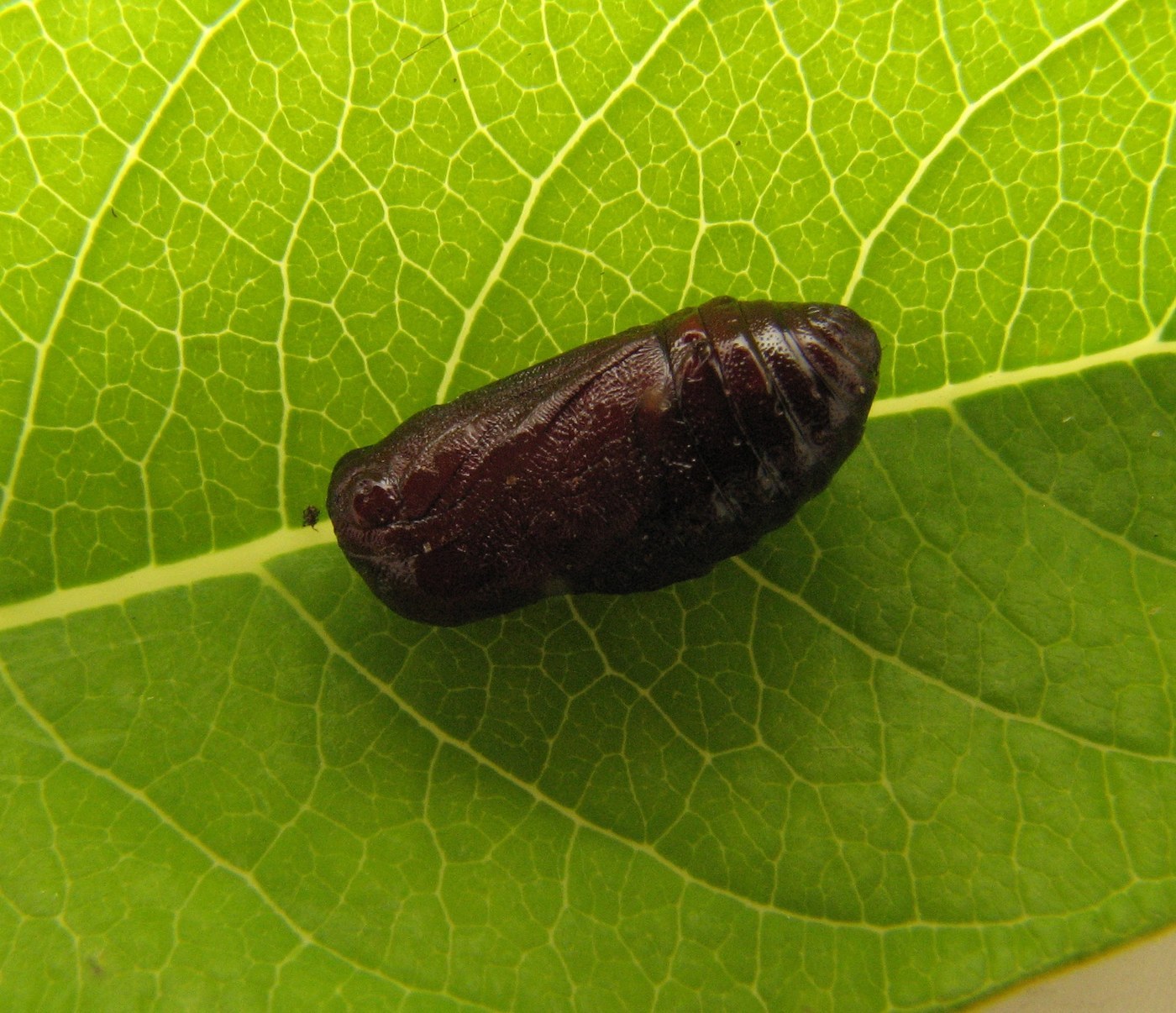
Milkweed Tussock Caterpillar
Euchaetes egle
Rows of dense orange, black, and white hair tufts run down the back of this milkweed specialist, whose young larvae feed in tight groups that skeletonize milkweed leaves before dispersing to feed alone.
- Size
- Up to 3.5 cm (1.4 in) long
- Habitat
- Milkweed patches, meadows, and roadside habitats across eastern and central North America
- Danger
- Harmless
Spotted a bug like this?
Identify any bug or insect from a photo, free.
Overview
The milkweed tussock caterpillar is the larval form of Euchaetes egle, a tiger moth (subfamily Arctiinae) native to eastern and central North America. It is one of several insects, along with the monarch butterfly, that specialize on milkweed plants and can tolerate the toxic compounds those plants contain.
Early instars are pale and hairy and feed side by side in clusters, often skeletonizing entire leaves before moving to fresh growth. As they mature, the caterpillars develop the bold tufted coloration for which they are named and begin to disperse and feed individually.
Because milkweed populations support several specialist herbivores, the tussock caterpillar is frequently found sharing host plants with monarch caterpillars, aphids, and milkweed beetles, together forming a distinctive community of milkweed-associated insects.
How to Identify
- Body bears dense tufts of hair arranged in rows: orange near the head and tail, with black and white tufts along the middle of the back
- Reaches about 3.5 cm (1.4 in) in length at maturity
- Younger larvae are paler and less distinctly tufted, often seen feeding in small groups
- Lacks the smooth yellow-black-white banding of monarch caterpillars, which share the same host plant
- Body surface looks fuzzy rather than smooth or striped
Habitat & Range
This species occurs wherever milkweed (Asclepias species) grows, including meadows, prairies, roadsides, old fields, and garden milkweed patches across the eastern and central United States and adjacent Canada. Caterpillars are most often seen from midsummer into early fall.
Behavior & Diet
Young larvae feed gregariously, clustering on the underside of milkweed leaves and skeletonizing them, while older larvae disperse to feed independently and can consume entire leaves. Like monarch caterpillars, they sequester toxic cardenolides from their milkweed diet, which likely helps make them a less palatable meal for many predators. The species is an important part of the milkweed-associated insect community and a food source for a subset of predators and parasitoids adapted to tolerate its chemical defenses.
Life Cycle
Females lay clusters of eggs on the undersides of milkweed leaves. Larvae hatch and feed together through early instars before spreading out as they grow, passing through several molts over a few weeks. Mature caterpillars spin a cocoon incorporating their own body hairs, often at the base of the host plant or in nearby leaf litter, and pupate. Depending on latitude there may be one to two generations per year, with the final generation overwintering as a pupa.
Frequently asked questions
Do milkweed tussock caterpillars eat the same plants as monarch caterpillars?
Yes, both species feed on milkweed and are often found on the same plants, though the tussock caterpillar is fuzzy and tufted rather than smoothly banded.
Why do young milkweed tussock caterpillars feed in groups?
Early instars cluster together to feed on leaf tissue, which may help them overwhelm the plant's tough leaf surface before dispersing as they grow larger.
What does the adult milkweed tussock moth look like?
The adult is a grayish tiger moth with subtle dark spotting on the wings, far less conspicuous than its brightly tufted larva.
Are milkweed tussock caterpillars harming my milkweed patch?
They feed on milkweed foliage like several other specialist insects, and a healthy milkweed patch generally supports this feeding without lasting damage.
Milkweed Tussock Caterpillar guides
In-depth guides for identifying, understanding, and living alongside Milkweed Tussock Caterpillar.
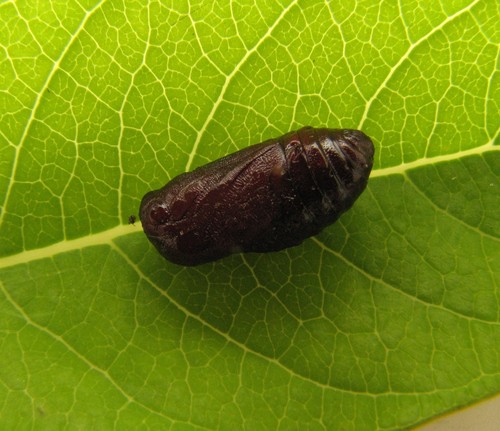
Milkweed Tussock Caterpillar identified by the community
Real finds identified with Bug Identifier.
Other bugs you may enjoy
Bagworm
Trees and shrubs, especially conifers and ornamental landscaping
Armyworm
grasslands, pastures, and cereal crop fields
Zebra Longwing Caterpillar
Tropical and subtropical hammocks with passionflower vines
Tomato Hornworm
Gardens and fields with tomato, pepper, and other nightshade plants
Tent Caterpillar
Deciduous trees such as cherry, apple, and other rosaceous species
Tobacco Hornworm
tobacco, tomato, and pepper plants in gardens and fields
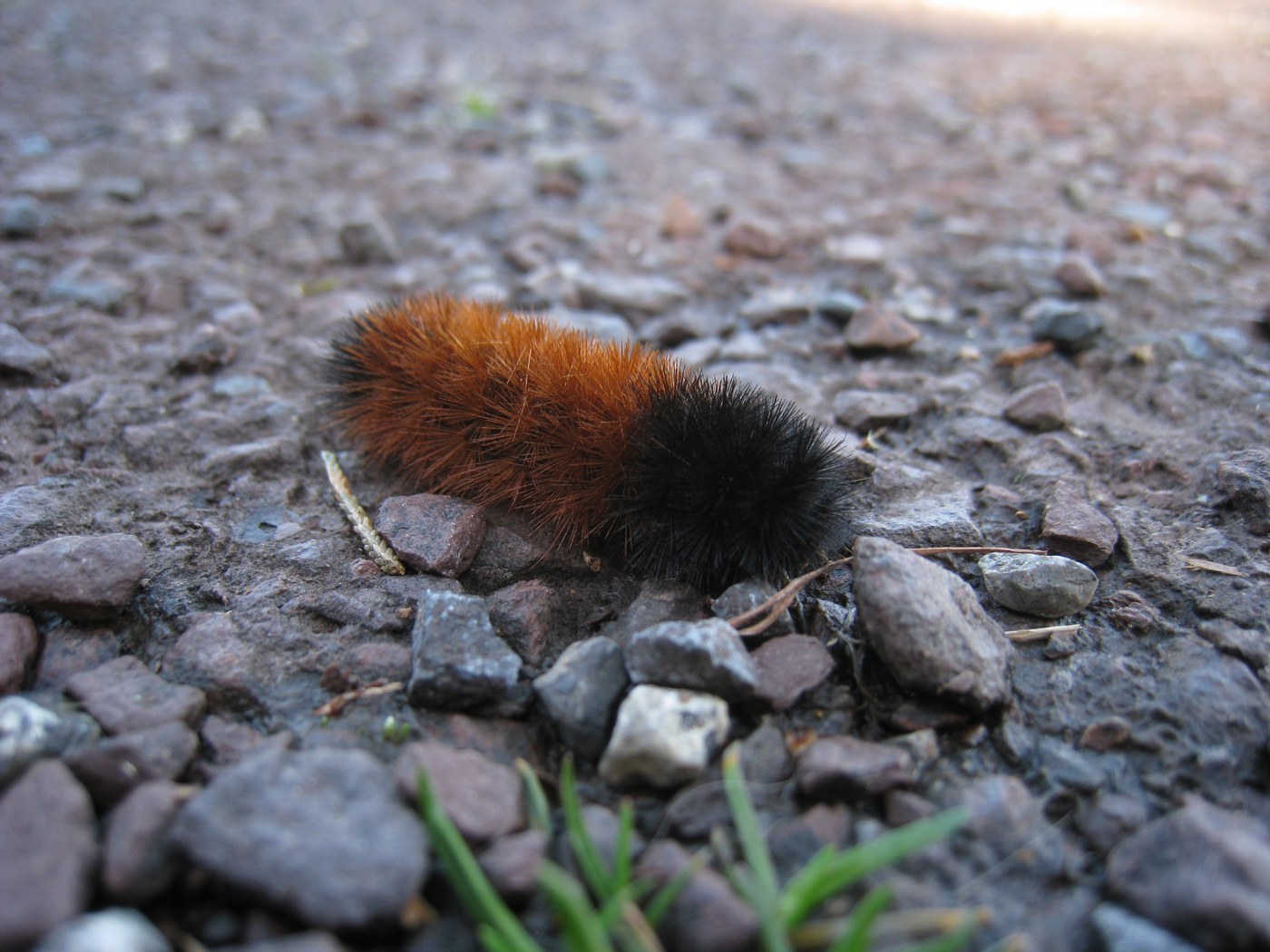
Woolly Bear Caterpillar
Gardens, meadows, roadsides, and woodland edges across North America
Sod Webworm
Turfgrass lawns, golf courses, pastures
Spiny Oak-slug Caterpillar
Deciduous forests and woodland edges with oak and other hardwoods
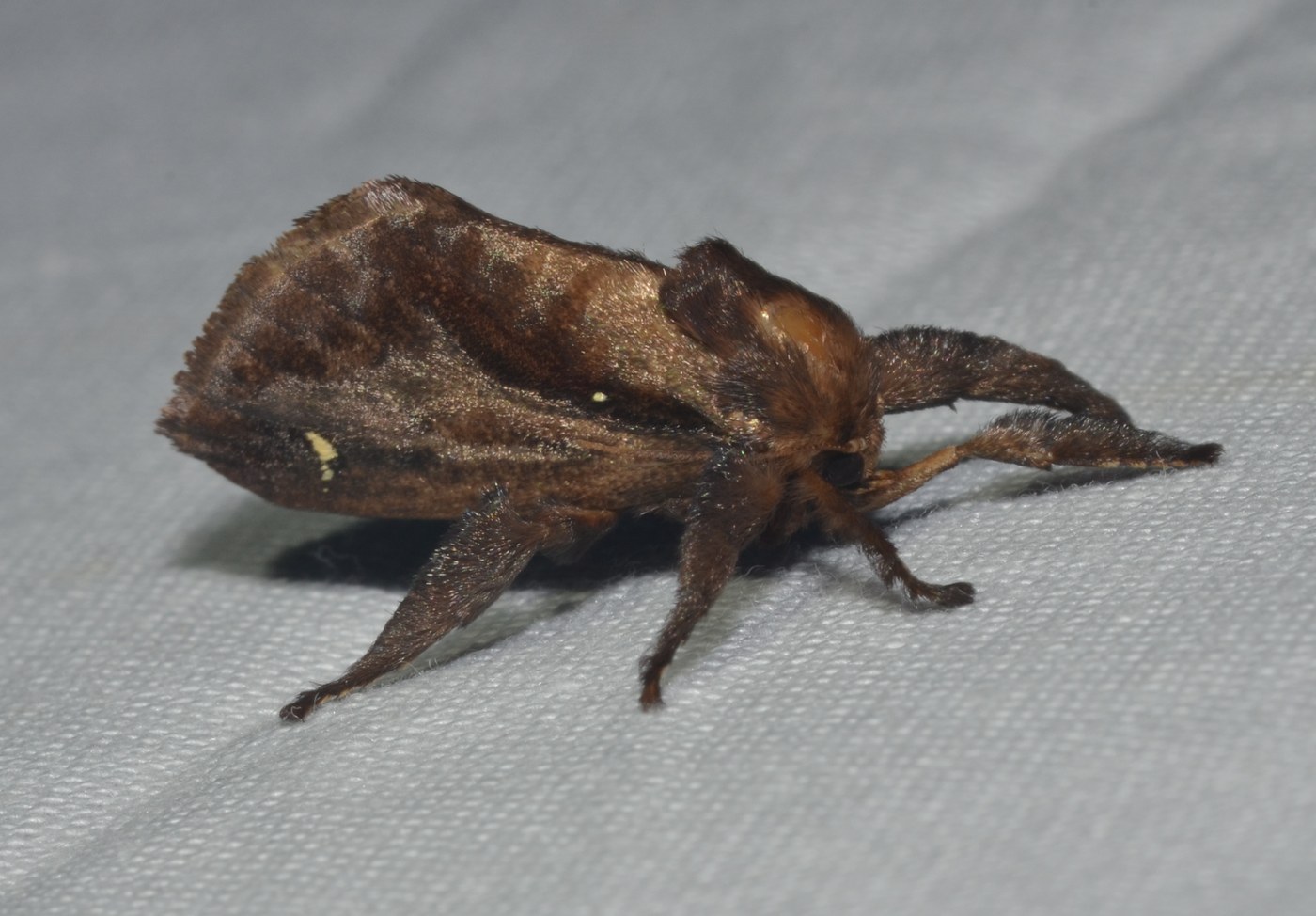
Saddleback Caterpillar
Deciduous trees and shrubs in eastern and southern North America
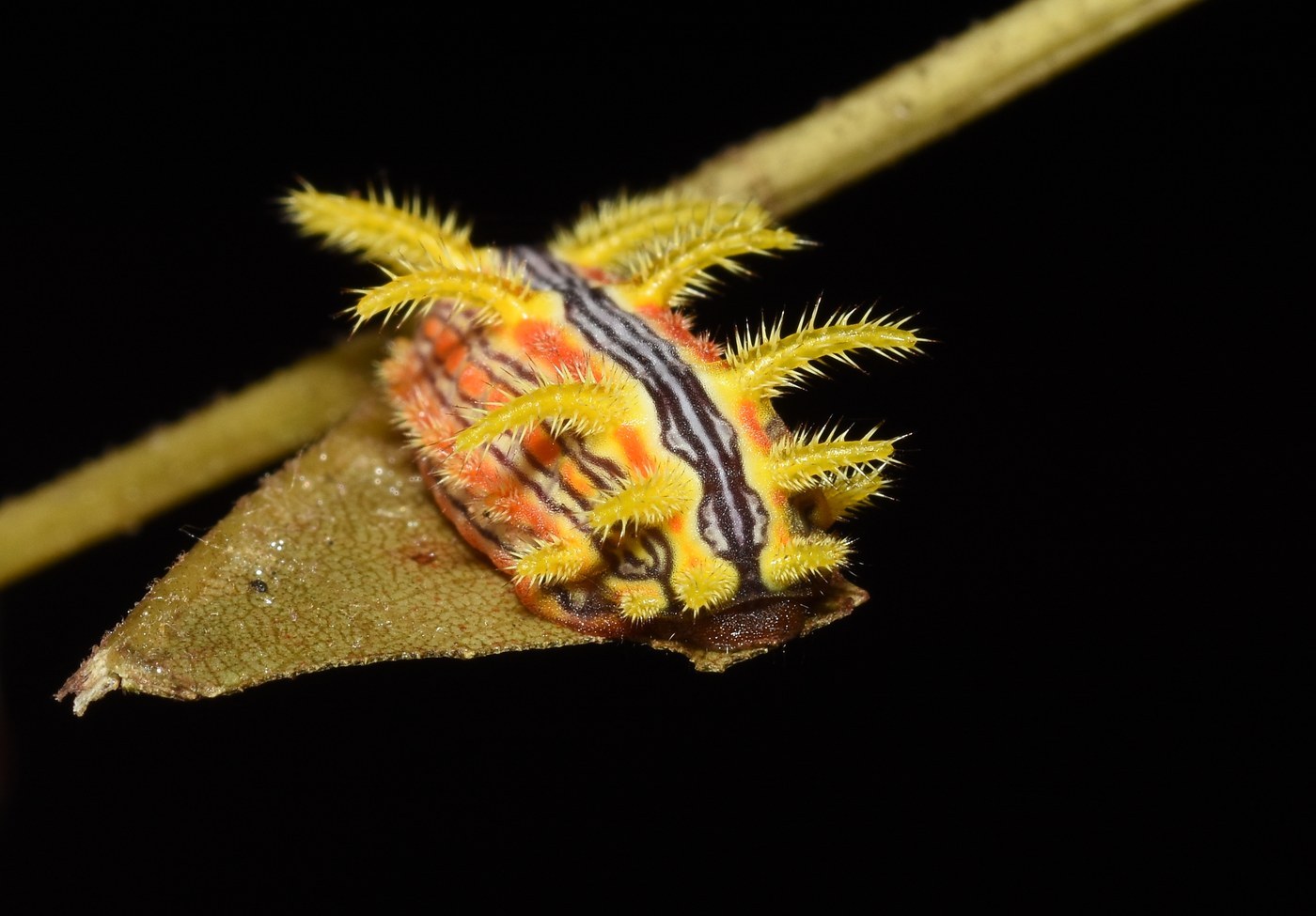
Stinging Rose Caterpillar
Gardens and woodlands with rose, dogwood, or oak
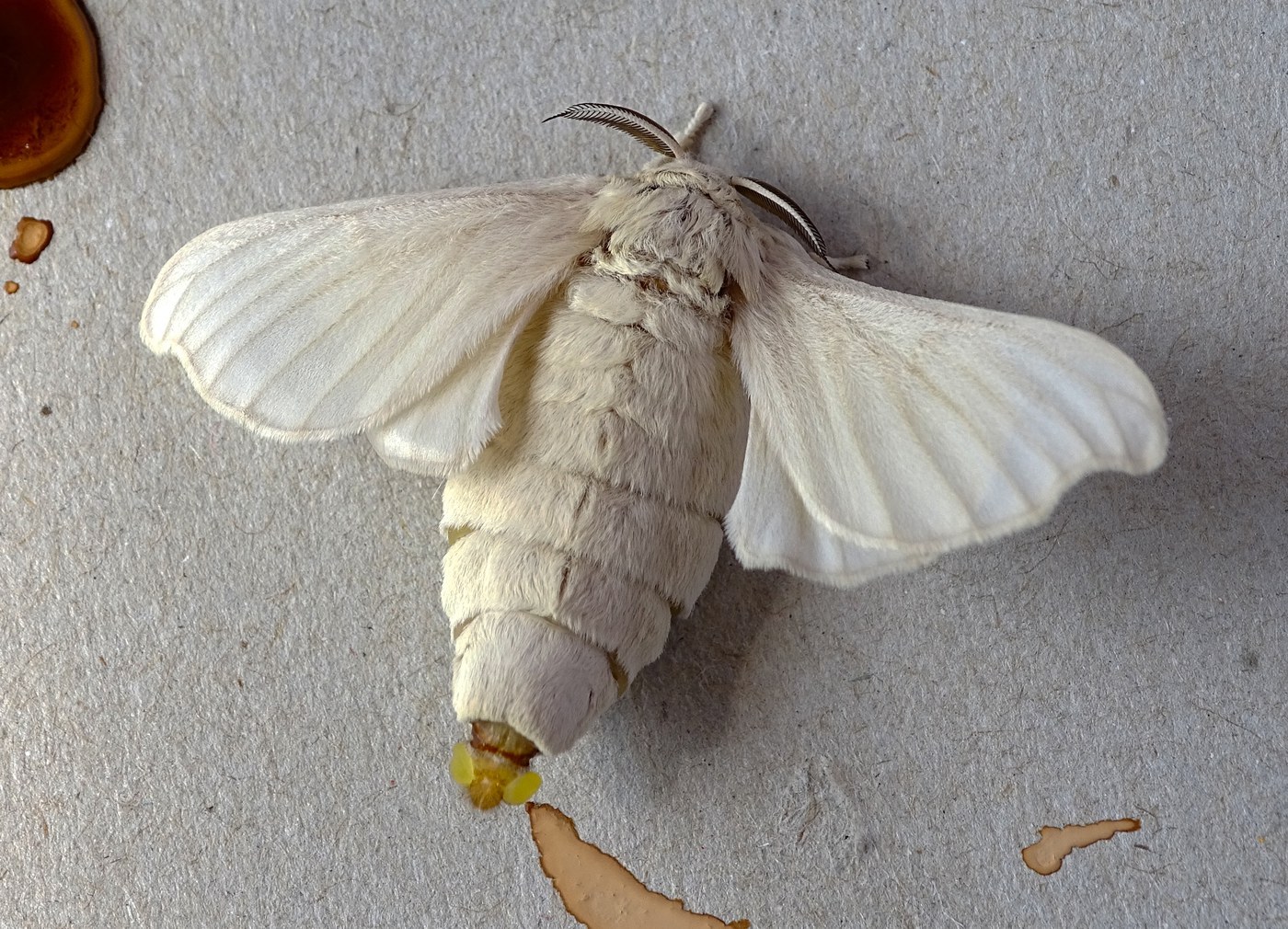
Silkworm
Reared exclusively in captivity on mulberry leaves; no independent wild population