
Mourning Cloak Caterpillar
Nymphalis antiopa
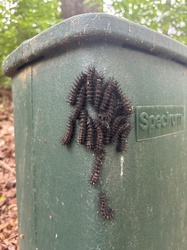
A gregarious, velvety black caterpillar speckled with white dots and a striking row of brick-red spots down its back, often seen feeding in clusters on willow branches.
- Size
- Up to 2 in (5 cm) long
- Habitat
- Woodlands, parks, and yards with willow, elm, or poplar
- Danger
- Harmless
Spotted a bug like this?
Identify any bug or insect from a photo, free.
Overview
The mourning cloak caterpillar is the larval stage of one of the longest-lived butterflies in North America, an adult that can survive nearly a year and is often the first butterfly seen flying in early spring. Unlike many solitary caterpillars, mourning cloak larvae feed gregariously in groups, especially in their early instars, which can make them highly visible on host branches.
The species is widespread across the Northern Hemisphere and is well adapted to cold climates, a trait reflected in both the overwintering adult butterfly and the hardy, communal caterpillars.
How to Identify
- Body is velvety black, densely speckled with tiny white dots
- A row of brick-red or maroon spots runs down the center of the back
- Covered in branched black spines (scoli) along the body
- Prolegs and head are black
- Larvae are often found feeding together in groups on the same branch, especially when young
- Similar in general form to other nymphalid caterpillars but distinguished by the red dorsal spots combined with white speckling
Habitat & Range
This species has a broad range across North America, Europe, and Asia, found in deciduous woodlands, riverbanks, parks, and residential areas wherever host trees grow. Caterpillars are most often seen in spring feeding on willow, elm, poplar, hackberry, and birch, sometimes defoliating entire branches when populations are dense.
Behavior & Diet
Young caterpillars feed in tight groups on a single branch, spinning loose communal silk webbing, and disperse to feed more independently as they mature. This gregarious behavior can lead to noticeable defoliation of host branches, occasionally drawing attention as a minor garden or landscape pest. The spiny body provides some defense against predators, and the species is preyed upon by birds and parasitic wasps despite its bristly appearance. As an adult, the mourning cloak butterfly is notable for overwintering in bark crevices and emerging on warm winter days, extending its ecological activity well beyond the typical butterfly season.
Life Cycle
Females lay eggs in tight clusters encircling a twig of the host plant. Larvae hatch together and feed communally through the early instars before becoming more solitary in later stages, developing through five instars over several weeks. The mature caterpillar forms a mottled gray-brown chrysalis, often hanging from a branch or nearby structure. The species typically produces one generation per year in cooler regions, with the resulting adult butterflies overwintering rather than the caterpillars, though warmer areas may see additional broods.
Frequently asked questions
Why do mourning cloak caterpillars gather in groups?
Younger larvae feed communally on the same branch, which may offer some protection and feeding efficiency before they disperse as they mature.
What trees does this caterpillar feed on?
It commonly feeds on willow, elm, poplar, hackberry, and birch.
How is the mourning cloak butterfly different from most other butterflies?
The adult is unusually long-lived and overwinters as an adult butterfly, often being one of the first butterflies seen flying in early spring.
How can I identify a mourning cloak caterpillar?
Look for a black, spiny body covered in white speckles with a row of red spots down the back, often seen in a group on a branch.
Mourning Cloak Caterpillar guides
In-depth guides for identifying, understanding, and living alongside Mourning Cloak Caterpillar.
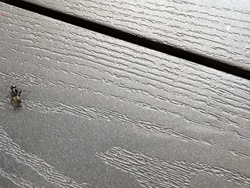
Mourning Cloak Caterpillar identified by the community
Real finds identified with Bug Identifier.
Other bugs you may enjoy
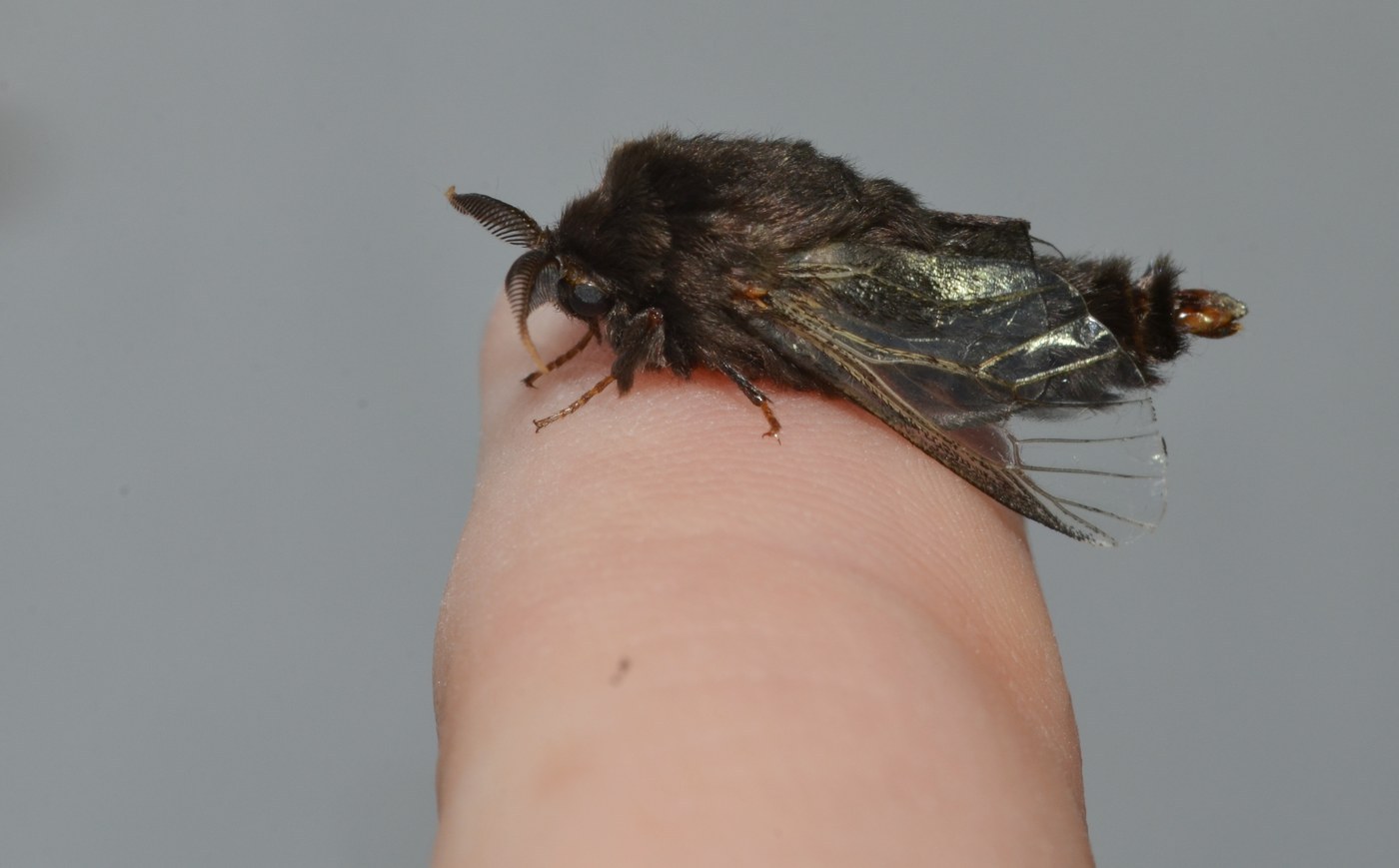
Bagworm
Trees and shrubs, especially conifers and ornamental landscaping
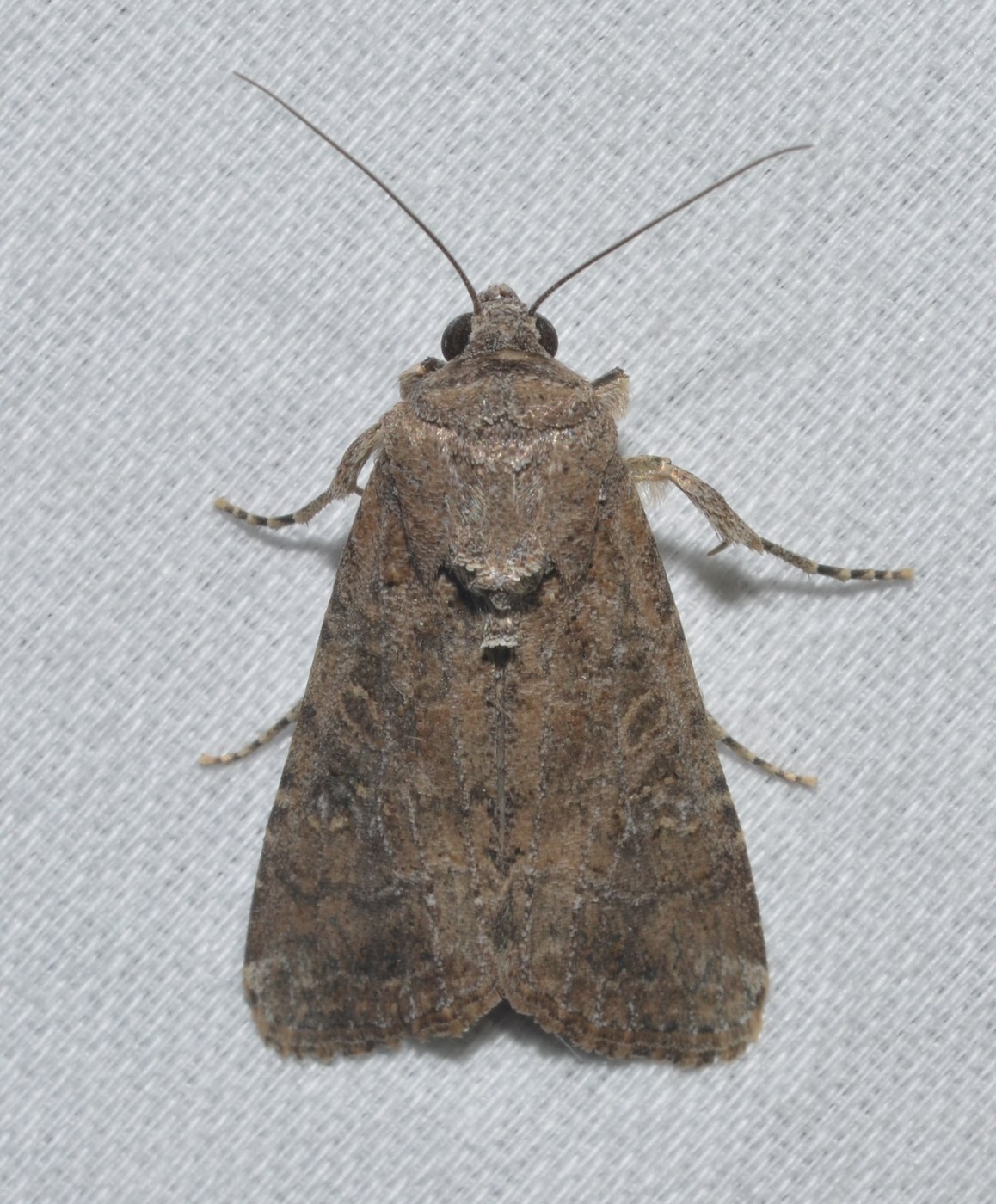
Armyworm
grasslands, pastures, and cereal crop fields
Zebra Longwing Caterpillar
Tropical and subtropical hammocks with passionflower vines
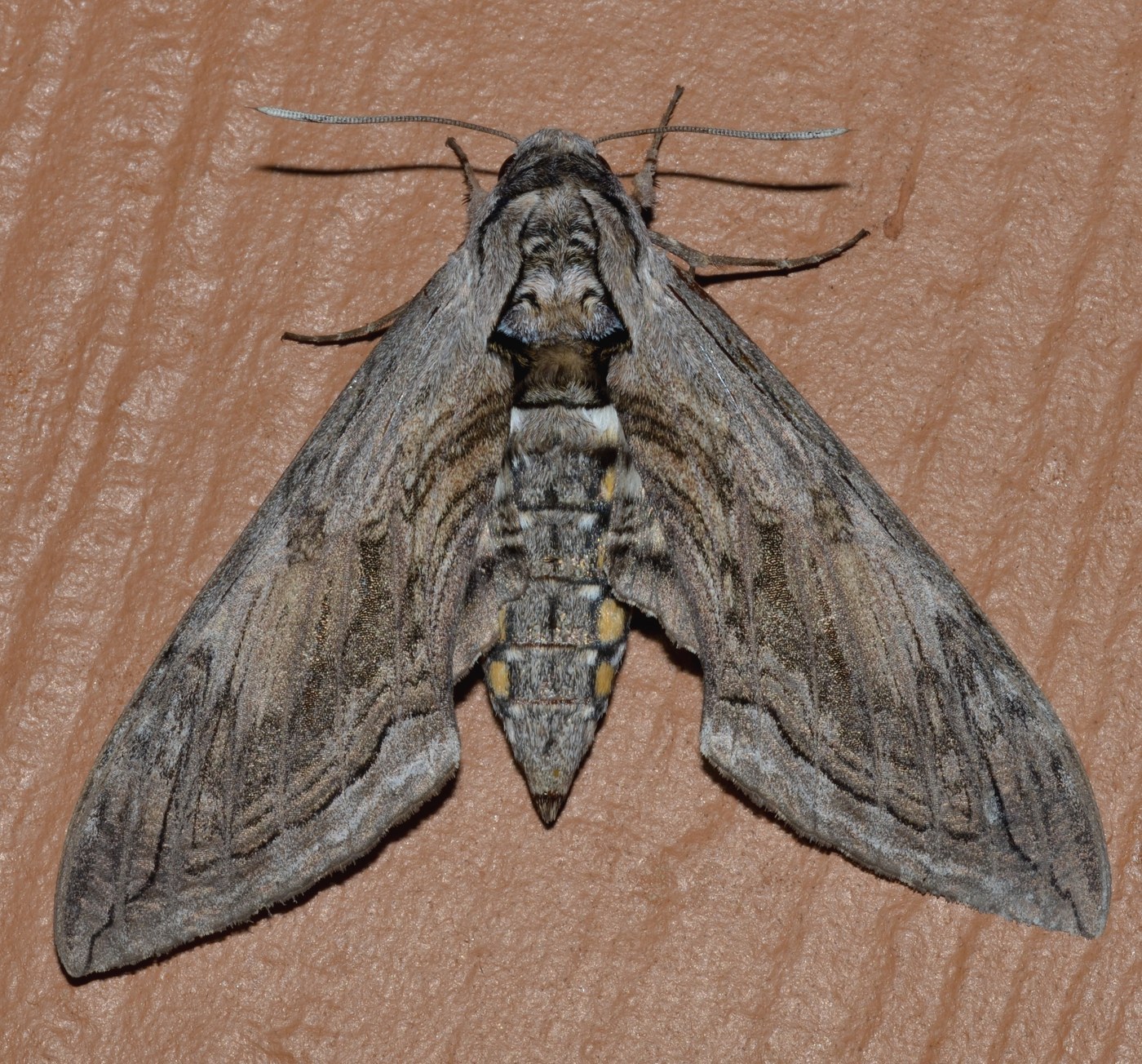
Tomato Hornworm
Gardens and fields with tomato, pepper, and other nightshade plants
Tent Caterpillar
Deciduous trees such as cherry, apple, and other rosaceous species
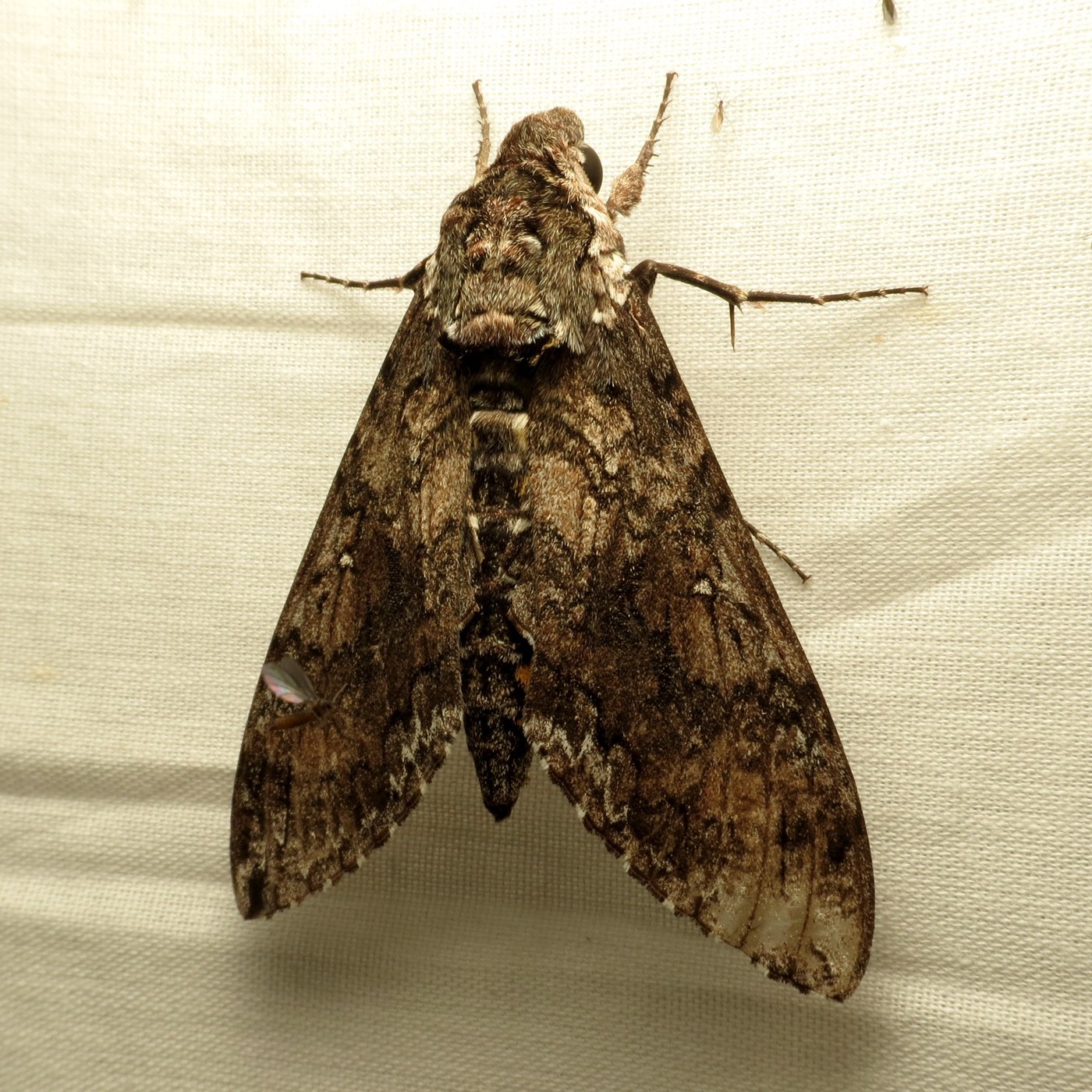
Tobacco Hornworm
tobacco, tomato, and pepper plants in gardens and fields
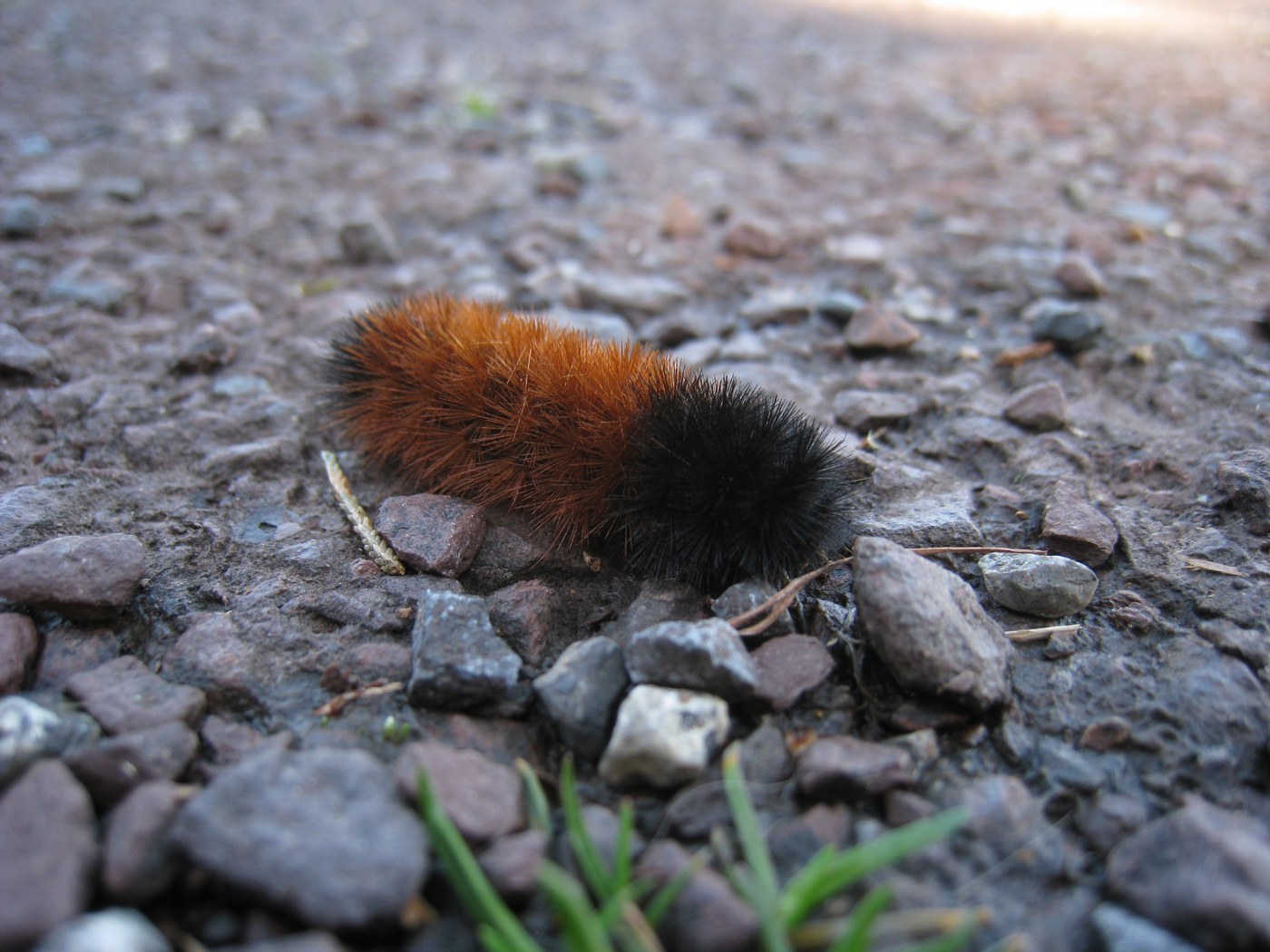
Woolly Bear Caterpillar
Gardens, meadows, roadsides, and woodland edges across North America
Sod Webworm
Turfgrass lawns, golf courses, pastures
Spiny Oak-slug Caterpillar
Deciduous forests and woodland edges with oak and other hardwoods
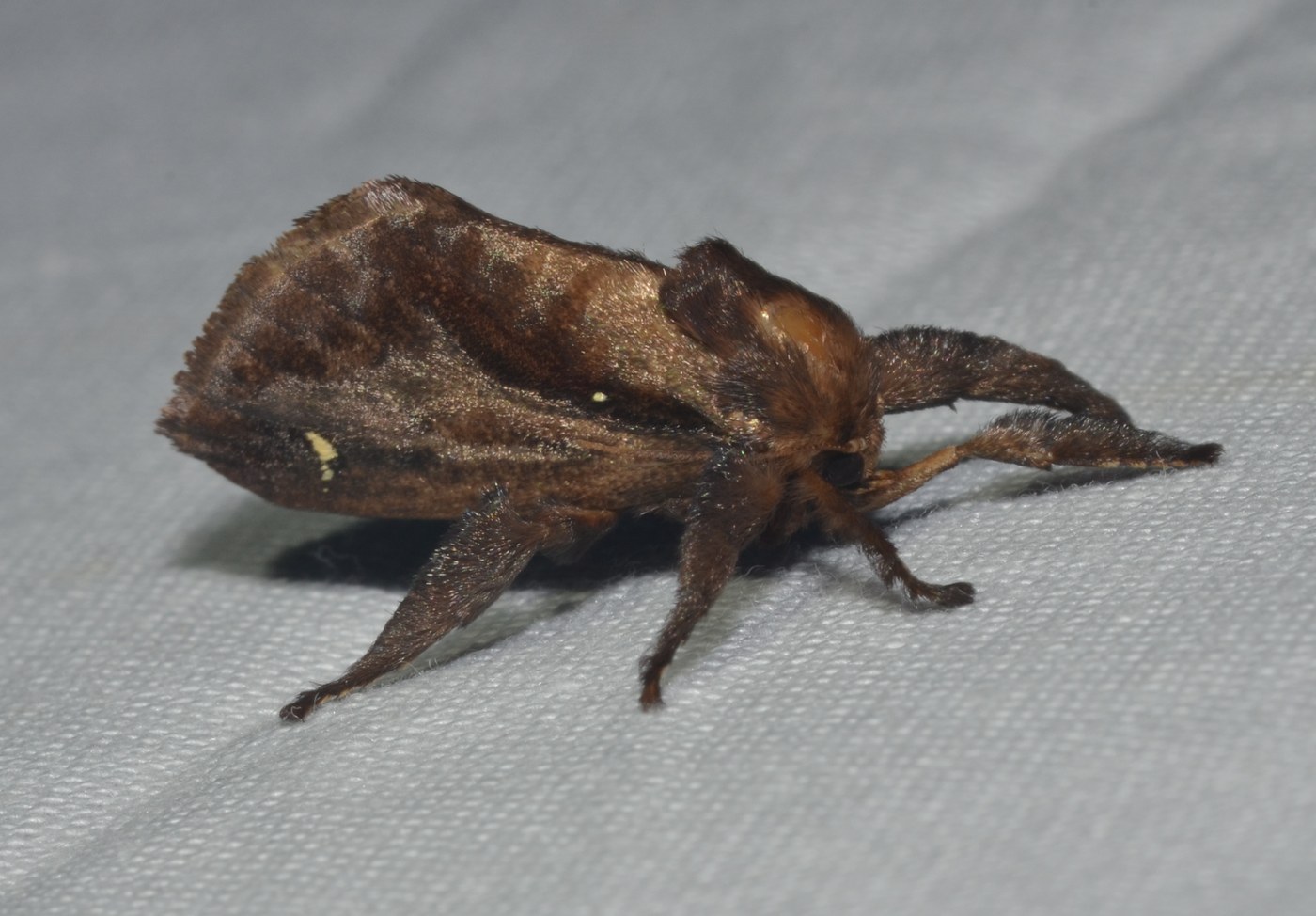
Saddleback Caterpillar
Deciduous trees and shrubs in eastern and southern North America
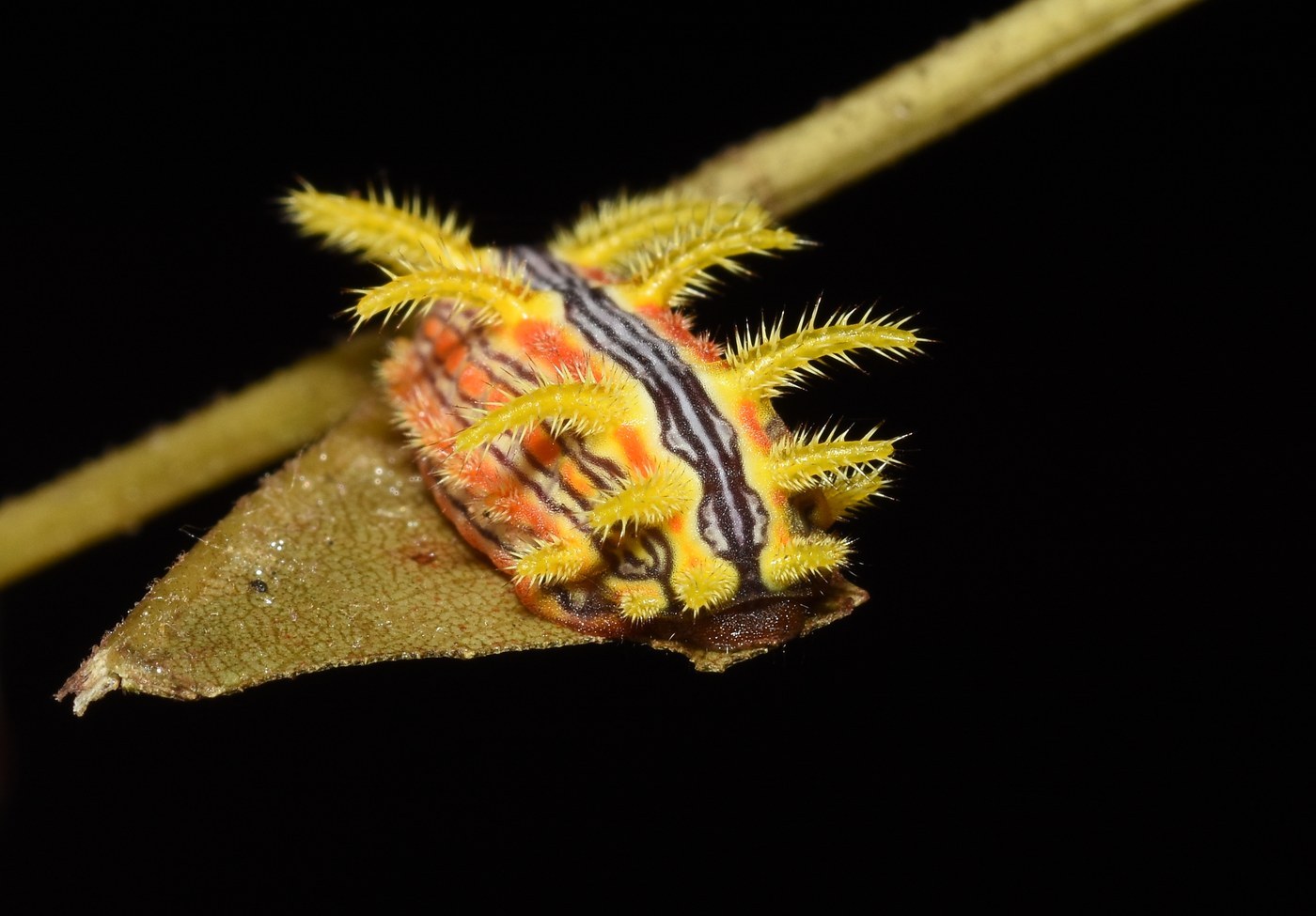
Stinging Rose Caterpillar
Gardens and woodlands with rose, dogwood, or oak
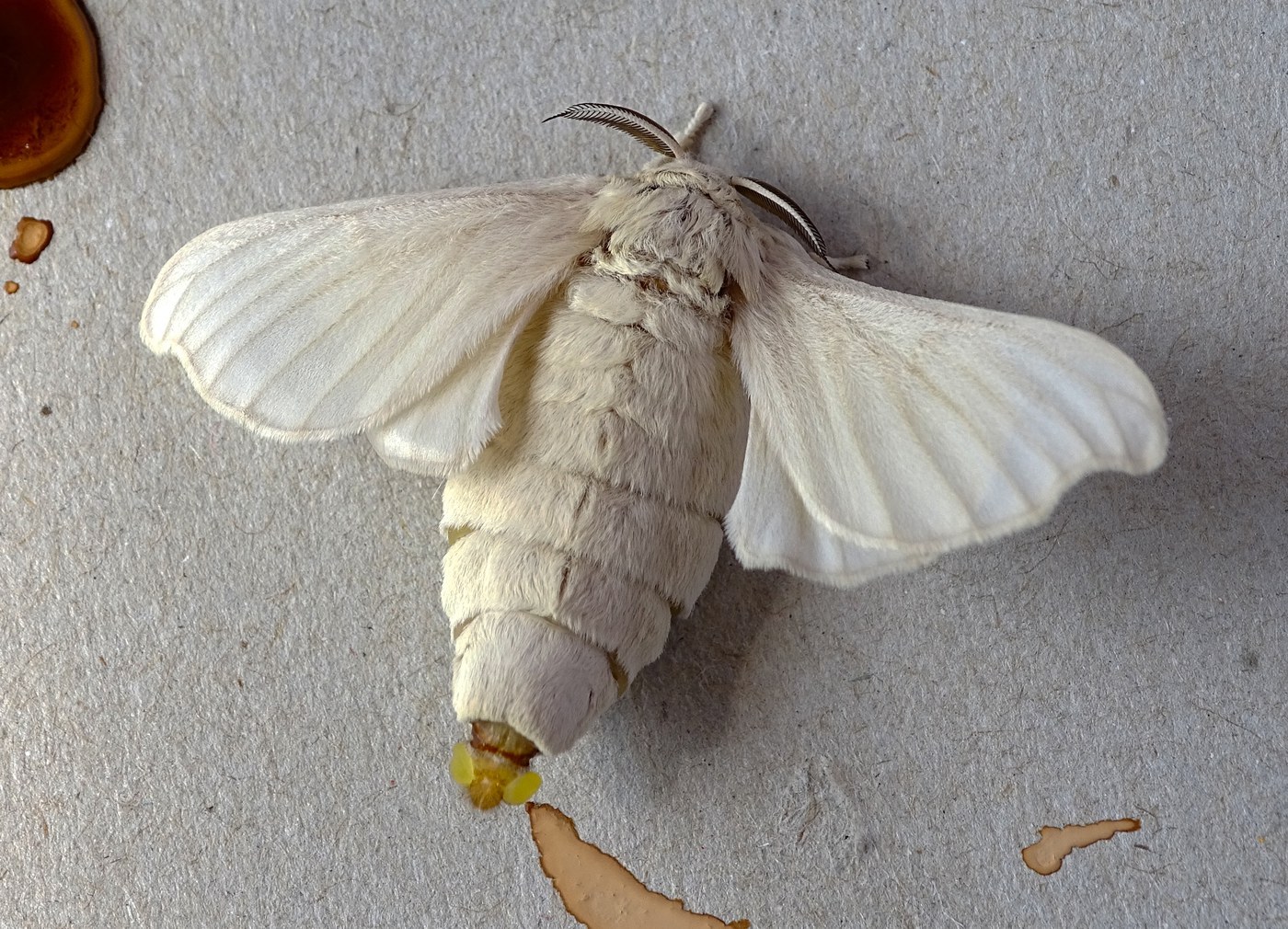
Silkworm
Reared exclusively in captivity on mulberry leaves; no independent wild population