
Net-winged Beetle
Calopteron spp.
A soft-bodied beetle with broad, ridged wing covers patterned in bold orange or red and black bands, whose netlike wing venation and vivid coloring warn potential predators of its unpalatability.
- Size
- 10–20 mm
- Habitat
- Woodlands, forest edges, decaying logs, flowers in summer
- Danger
- Harmless
Spotted a bug like this?
Identify any bug or insect from a photo, free.
Overview
Net-winged beetles belong to the family Lycidae, a group named for the distinctive raised, netlike pattern of ridges and cross-veins visible on their broad, flattened elytra. Species in the genus Calopteron are among the most commonly encountered net-winged beetles in North America, easily recognized by their bold orange-and-black or red-and-black banding.
These beetles are notable in the insect world as a frequent model for mimicry among other, unrelated insects, since their bright warning coloration and presumed unpalatability have led numerous other beetles, moths, and even flies to evolve similar color patterns for protective purposes, a phenomenon known as Müllerian and Batesian mimicry.
Larvae of net-winged beetles are flattened, elongated, and typically found under bark or within decaying wood, where they contribute to the breakdown of dead plant material as part of the forest decomposer community.
How to Identify
- Broad, somewhat flattened body 10–20 mm long, with soft, leathery elytra rather than hard wing covers.
- Elytra display a raised, netlike pattern of longitudinal ridges connected by fine cross-veins, giving the wing covers a distinctive textured appearance.
- Coloring is typically bold, featuring bands or patches of orange, red, yellow, or black, which serve as warning coloration.
- Antennae are moderately long and thread-like to slightly serrated, and the head is often partly visible from above.
- Lookalikes include several mimicking beetles, moths, and even some flies that copy the net-winged beetle's color pattern, but the true netlike wing texture is unique to Lycidae.
Habitat & Range
Net-winged beetles are found in wooded habitats across much of North America and other temperate to subtropical regions worldwide, particularly around forest edges, decaying logs, and areas with abundant leaf litter. Adults are frequently observed visiting flowers in mid to late summer.
Larvae live under bark or within moist, decaying wood, where humidity and available fungal material support their development, making dead and downed timber an important microhabitat for the species.
Behavior & Diet
Adult net-winged beetles feed on nectar, pollen, and sometimes fungal spores or plant fluids, often visiting flowers where their bright coloring makes them conspicuous to observers and, presumably, to predators as well. Larvae are believed to feed on fungi and decaying plant material within rotting wood and bark, contributing to the decomposition process in forest ecosystems.
The vivid warning coloration of net-winged beetles is thought to signal unpalatability to predators, and their color pattern is widely mimicked by other, more palatable insects seeking similar protection, making Lycidae an important reference group for the study of insect mimicry.
Life Cycle
Development follows complete metamorphosis: egg, larva, pupa, and adult. Eggs are laid on or near decaying wood or bark, providing the larvae with immediate access to fungal and decaying plant material upon hatching.
Larvae develop over a period of months, feeding under bark or within rotting logs, before pupating in a protected location such as a bark crevice. Adults emerge in warmer months, generally in summer, when they can be found feeding at flowers and are most visible to observers.
Frequently asked questions
Why are net-winged beetles brightly colored?
Their bold orange, red, or yellow banding is a form of warning coloration, thought to signal unpalatability to potential predators.
What is unique about their wing covers?
Their elytra display a raised, netlike pattern of ridges and cross-veins, which gives the family its common name.
Are other insects known to mimic net-winged beetles?
Yes, several unrelated beetles, moths, and flies have evolved similar color patterns to net-winged beetles as a protective mimicry strategy.
Where do the larvae live?
Larvae are typically found under bark or within decaying wood, where they feed on fungal and plant material.
Net-winged Beetle guides
In-depth guides for identifying, understanding, and living alongside Net-winged Beetle.
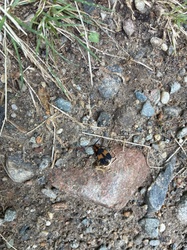
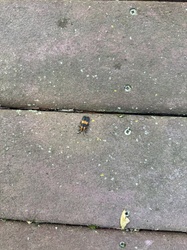
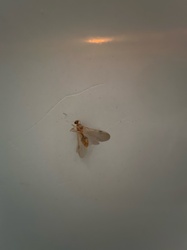
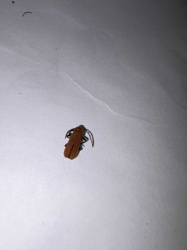
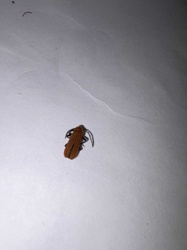
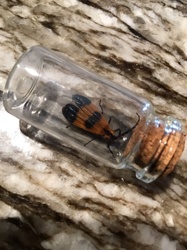
Net-winged Beetle identified by the community
Real finds identified with Bug Identifier.
Other bugs you may enjoy
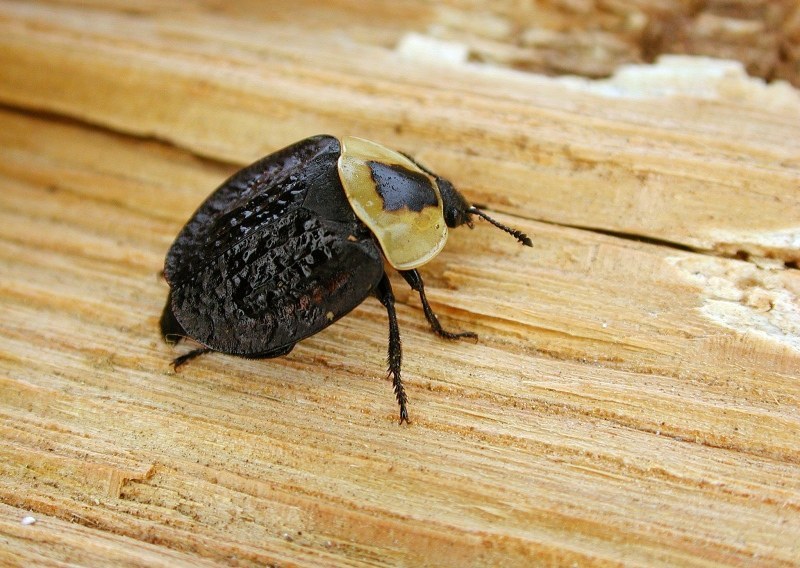
American Carrion Beetle
Forests, fields, and roadsides across North America, near decaying animal carcasses
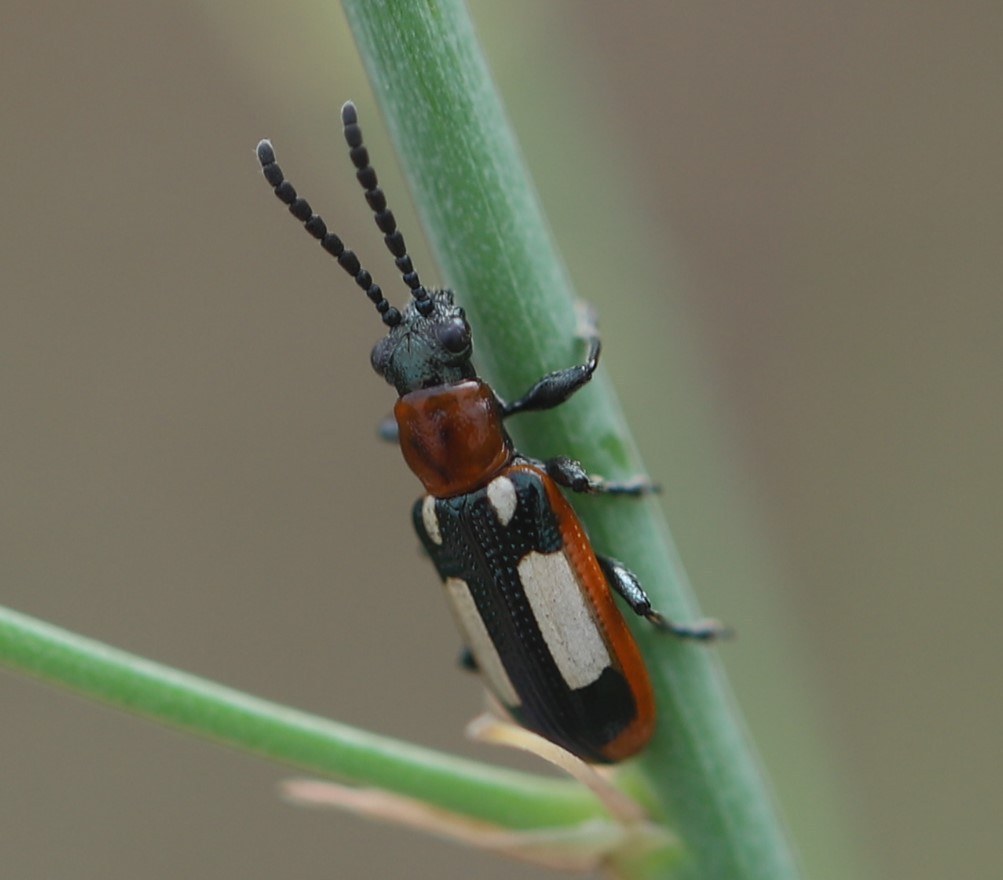
Asparagus Beetle
Asparagus patches, gardens, and farm fields

Asian Lady Beetle
Gardens, crop fields, woodlands, buildings
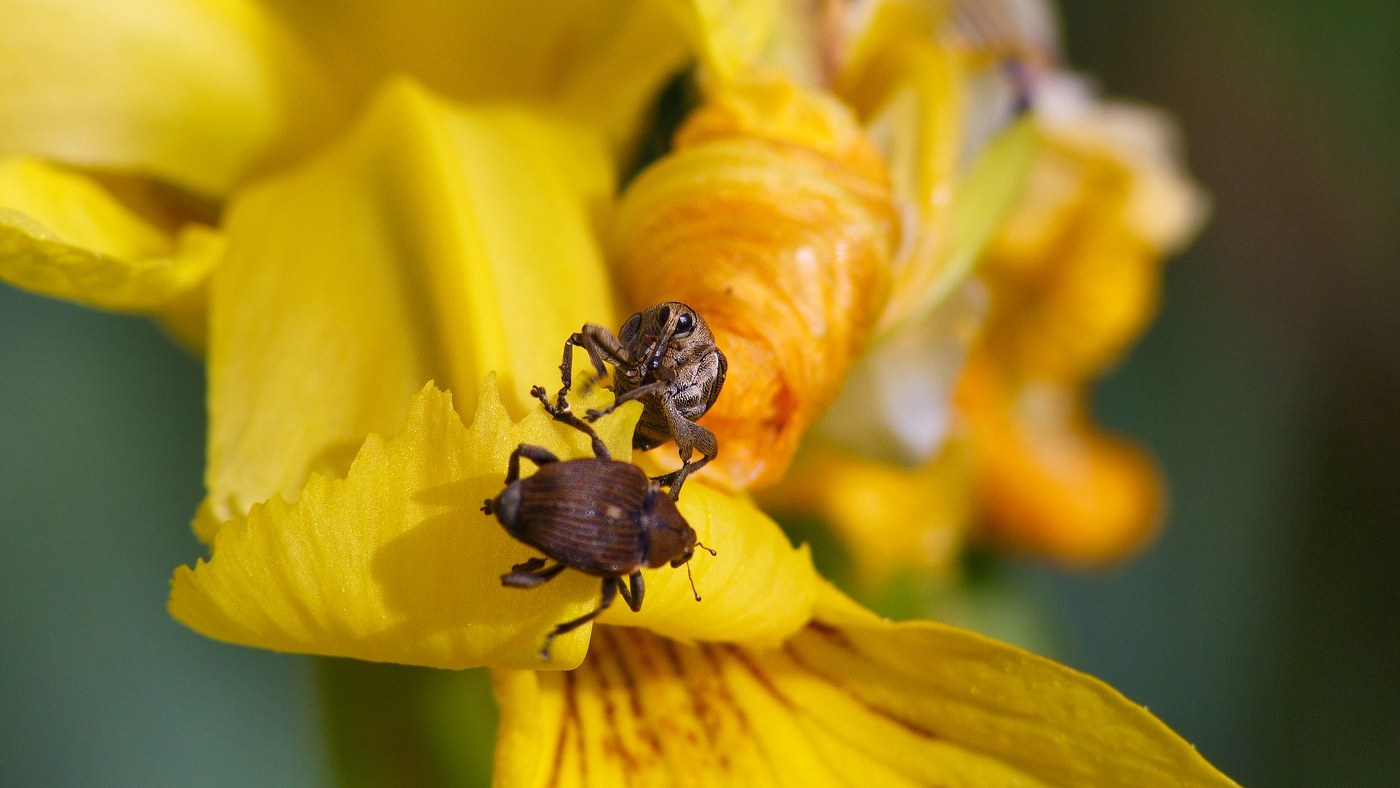
Acorn Weevil
Oak woodlands and forests, on and beneath oak trees
Wireworm
Soil of grasslands, gardens, and cultivated fields worldwide
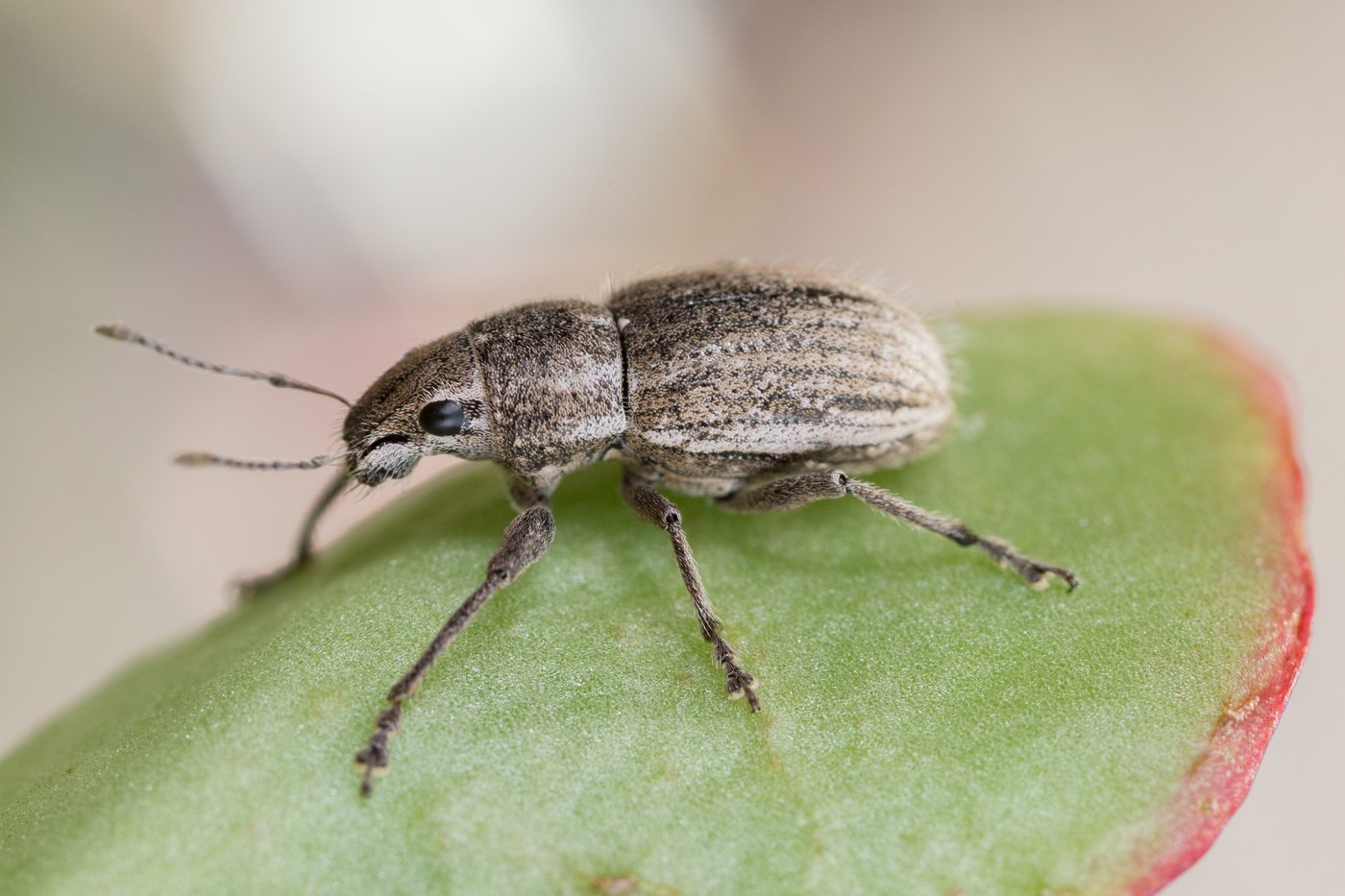
Whitefringed Beetle
Pastures, row crops, lawns, disturbed soils
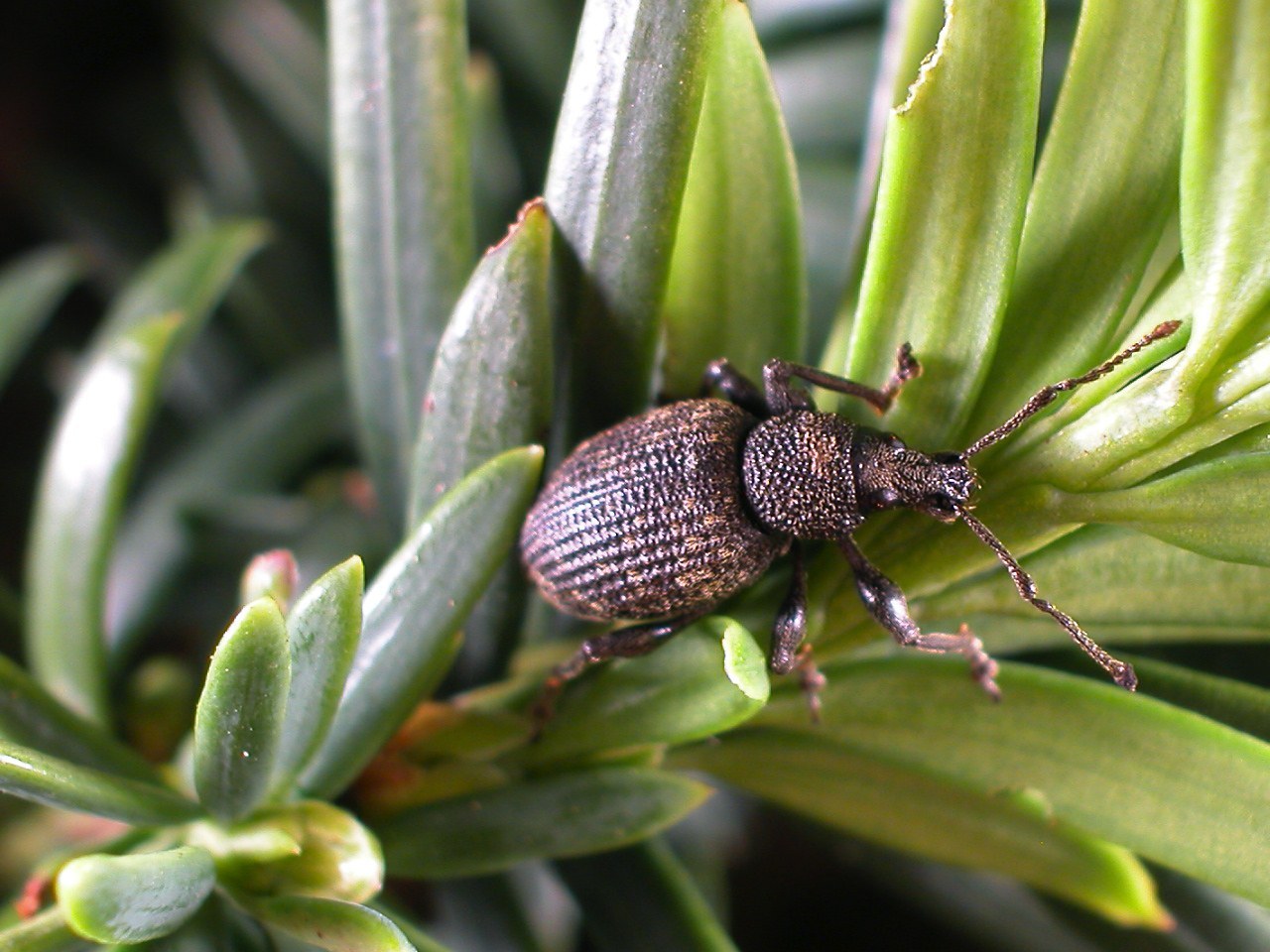
Vine Weevil
Gardens, nurseries, greenhouses, and container plantings
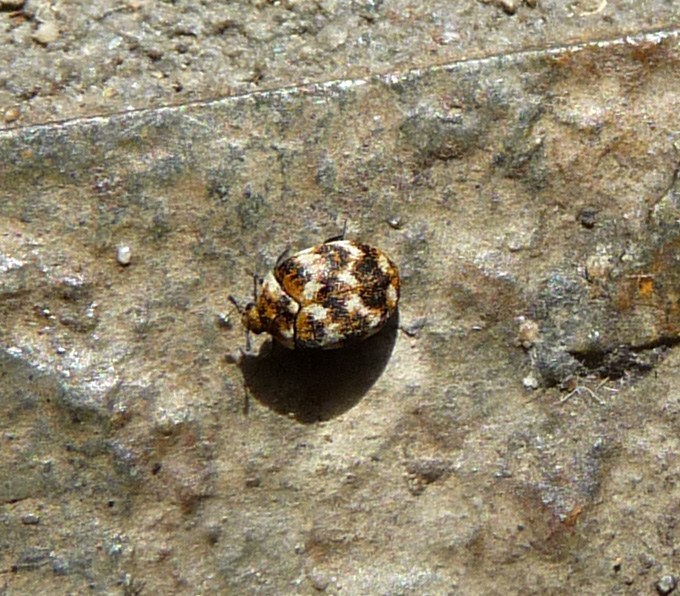
Varied Carpet Beetle
Homes, nests of birds and mammals, and flowers outdoors
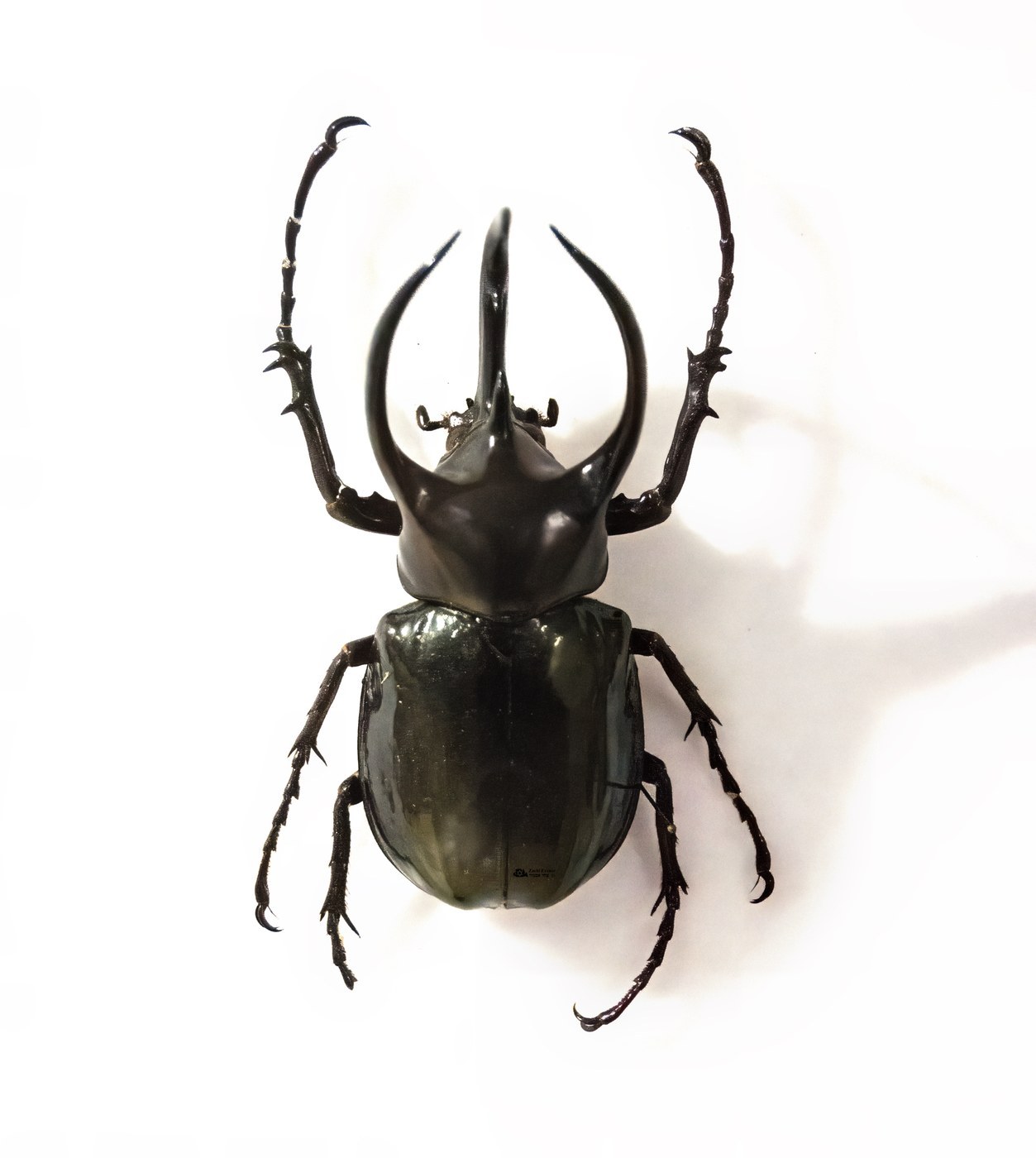
Atlas Beetle
Tropical forests of Southeast Asia
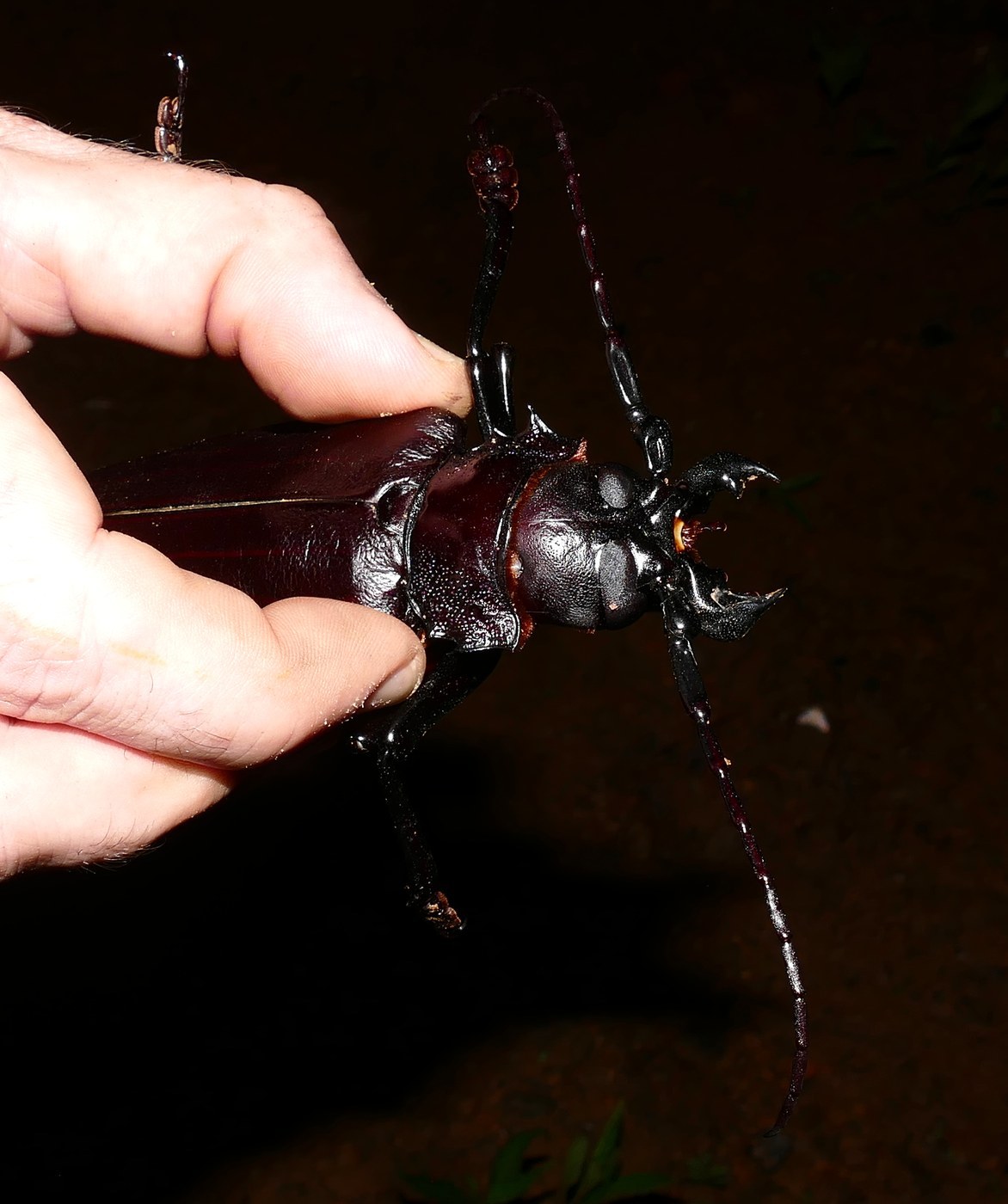
Titan Beetle
Amazon rainforest of South America
Ten-lined June Beetle
Sandy soils, pine forests, and orchards of western North America
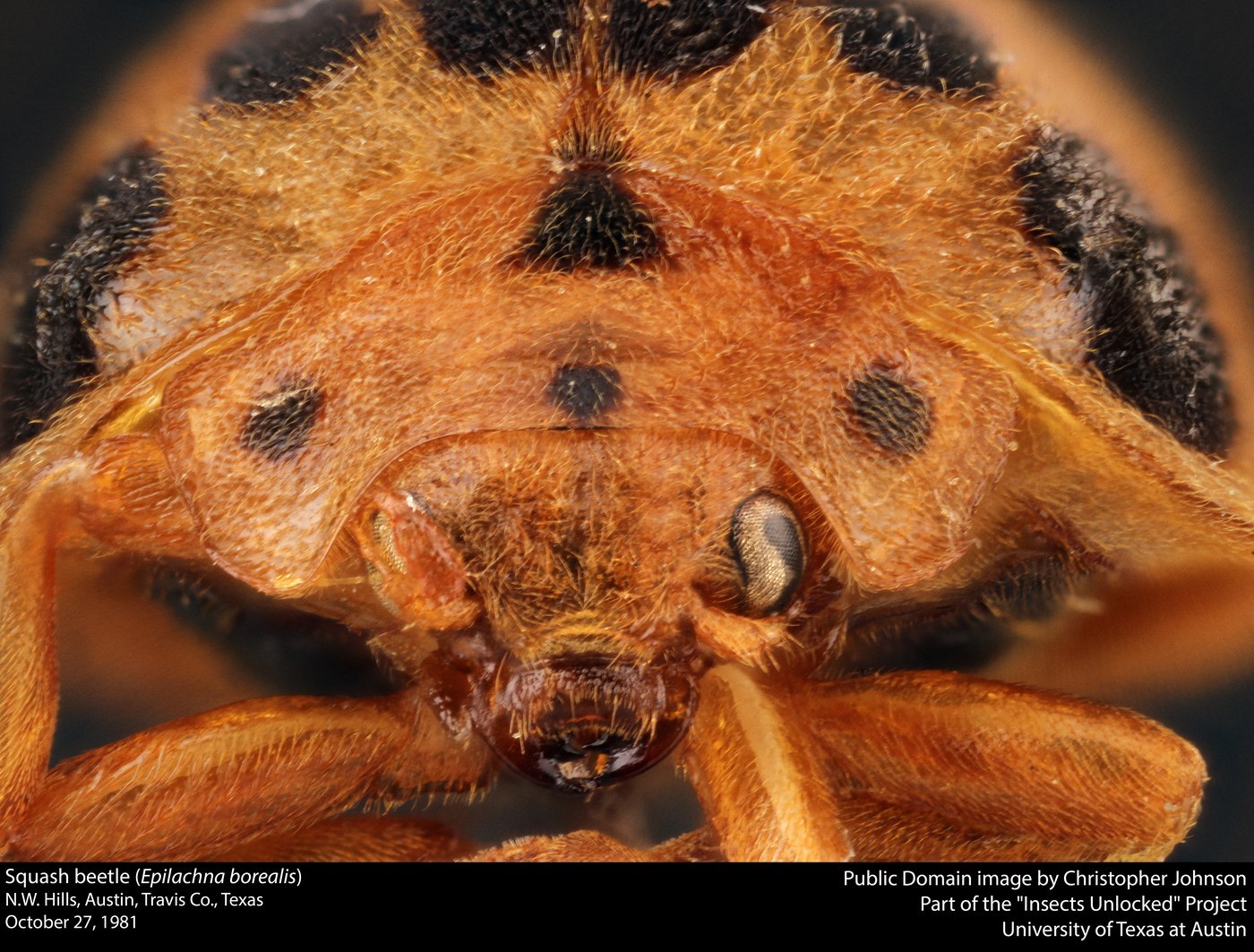
Squash Beetle
Vegetable gardens and fields growing squash, pumpkin, and other cucurbits