
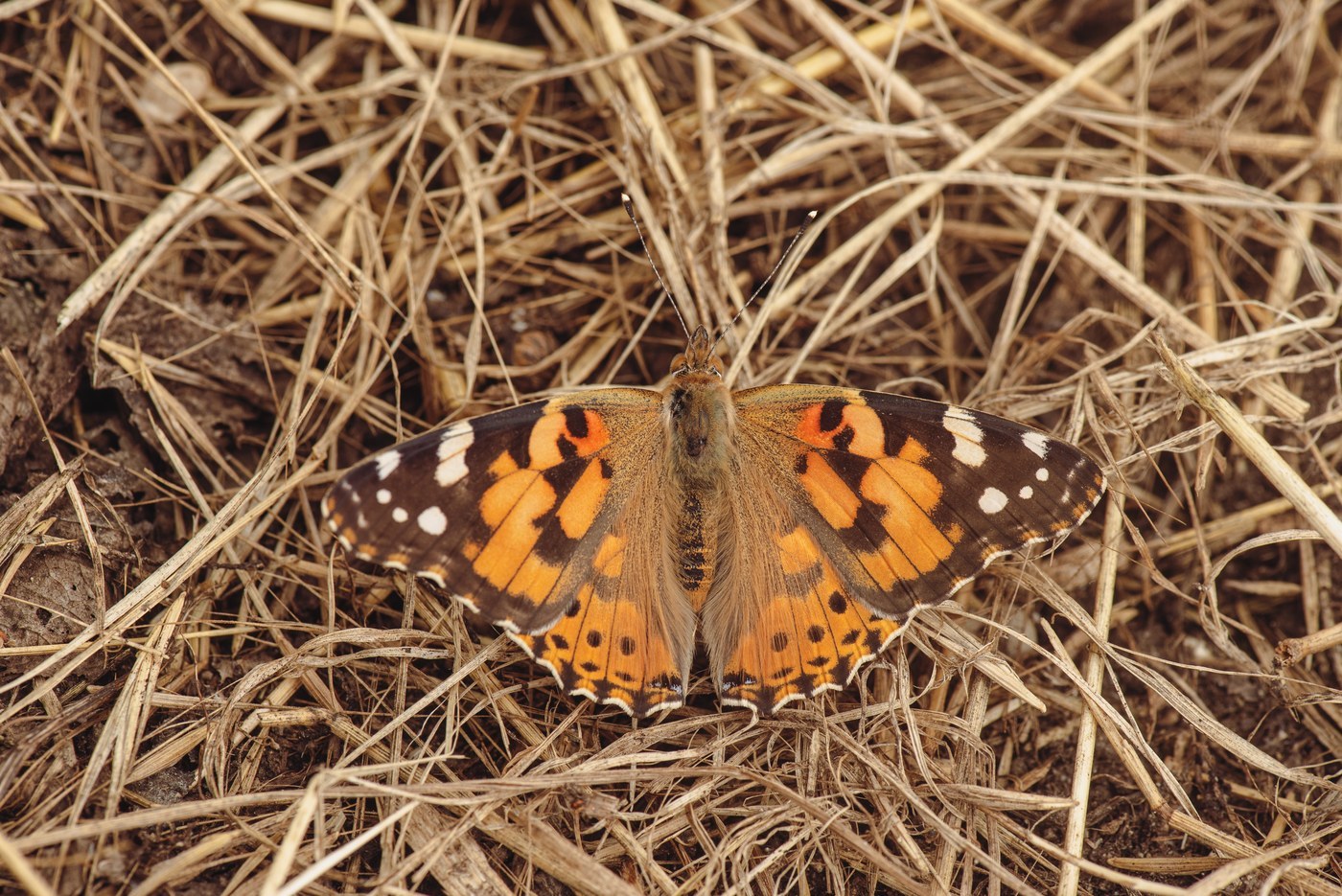
Painted Lady
Vanessa cardui
One of the most widely distributed butterflies on Earth, recognized by its orange-and-black mosaic wings with white-spotted black tips and its habit of long-distance migration across continents.
- Size
- 5–9 cm wingspan
- Habitat
- Open fields, meadows, gardens, roadsides worldwide
- Danger
- Harmless
Spotted a bug like this?
Identify any bug or insect from a photo, free.
Overview
The painted lady is a member of the brushfoot family (Nymphalidae) and is often called the most widespread butterfly species in the world, found on every continent except Antarctica and South America (where a closely related sister species occurs instead). Its extraordinary range comes from powerful, sustained migratory flights that can carry successive generations thousands of kilometers, including well-documented multi-generational migrations across the Sahara Desert between Europe and sub-Saharan Africa.
It belongs to the same genus as the red admiral, and the two share a similar wing shape and general behavior, though the painted lady's overall coloring is a warmer orange-brown mosaic rather than the red admiral's bold red band. The species is a generalist, both in habitat and in diet, which helps explain why it can colonize such a wide variety of open, sunny environments around the globe.
Painted ladies are also a favorite subject for butterfly-rearing kits and school science programs because their caterpillars readily feed on a wide range of common plants and complete their life cycle quickly, making the species one of the most familiar butterflies to encounter both in the wild and in classrooms.
How to Identify
- Wingspan roughly 5–9 cm; upperwings are orange to salmon-brown with a mosaic of black blotches and bars, and black wingtips marked with a scatter of white spots.
- Underside of the hindwing is intricately patterned in gray, brown, and cream with a row of small blue-centered eyespots near the margin.
- Wings are somewhat angular with a slightly scalloped outer edge.
- Body is stout and hairy, typical of brushfoot butterflies, with clubbed antennae.
- Lookalikes: the American lady has fewer, larger eyespots on the hindwing underside (two large ones instead of a row of small ones) and a white spot on a pink field near the forewing tip; the red admiral shows a bold orange-red diagonal band rather than a mosaic pattern.
Habitat & Range
Found nearly worldwide in open, sunny habitats such as fields, meadows, gardens, roadsides, and disturbed ground, avoiding dense unbroken forest. It is a strong migrant, with populations moving seasonally between warmer breeding grounds and cooler regions, and in some years undergoing spectacular mass migrations visible to observers. Adults are active from spring through fall in temperate zones and year-round in warmer climates, basking frequently with wings spread to absorb sunlight.
Behavior & Diet
Adults are fast, erratic fliers that visit a broad range of flowering plants for nectar, including thistles, asters, and many garden flowers, making them important generalist pollinators. Caterpillars are similarly unfussy feeders, consuming a wide variety of host plants including thistles, mallows, legumes, and many other herbaceous plants, often building loose silk shelters among leaves. The species is famous for long-distance, multi-generational migration, with individuals capable of sustained flights covering vast distances, a behavior that lets the species recolonize temperate regions each year after being killed back by winter cold.
Life Cycle
Complete metamorphosis with multiple generations per year in warm climates. Females lay single small green eggs on host plant leaves; caterpillars are dark, spiny, and mottled, feeding within a silk-webbed leaf shelter through several molts. Pupation occurs in a hanging chrysalis attached to a stem or leaf, and adults emerge after one to two weeks depending on temperature. In cold-winter regions the species generally cannot overwinter in any stage and instead recolonizes annually through migration from warmer areas.
Frequently asked questions
Is the painted lady the same butterfly sold in butterfly-growing kits?
Yes, it is one of the most commonly reared species in classroom and hobby kits because its caterpillars feed readily on easy-to-source plants and develop quickly.
How is it different from the American lady?
The American lady has two large eyespots on the underside of the hindwing, while the painted lady has a row of several smaller blue-centered eyespots.
Why do painted ladies sometimes appear in huge numbers?
In certain years, favorable breeding conditions trigger population booms that lead to visible large-scale migratory flights across regions.
Where can I find a painted lady?
In almost any open sunny habitat with flowers, including gardens, meadows, and roadsides, on most continents.
Painted Lady guides
In-depth guides for identifying, understanding, and living alongside Painted Lady.
Painted Lady identified by the community
Real finds identified with Bug Identifier.
Other bugs you may enjoy
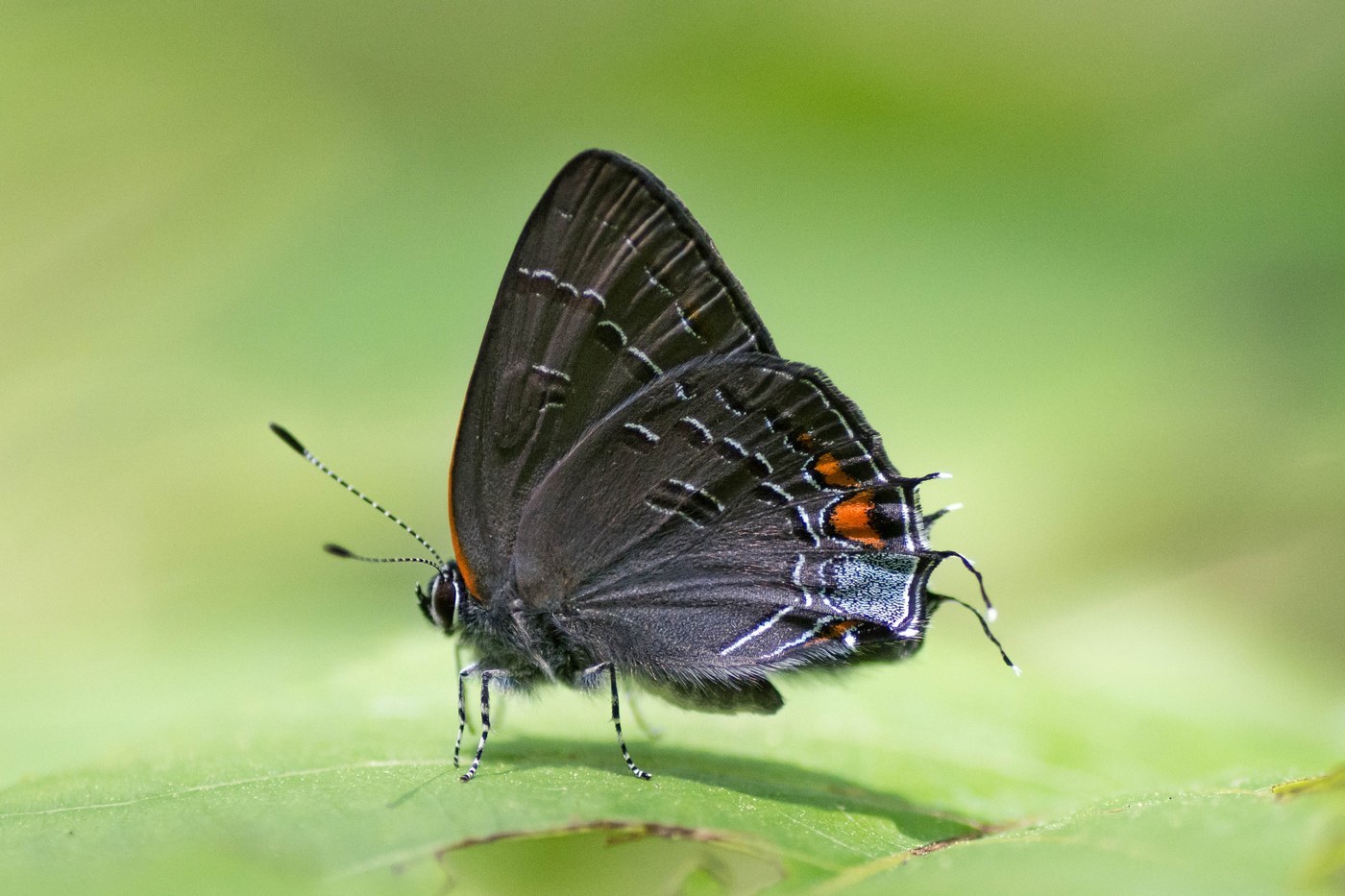
Banded Hairstreak
Deciduous woodlands and edges with oaks and hickories
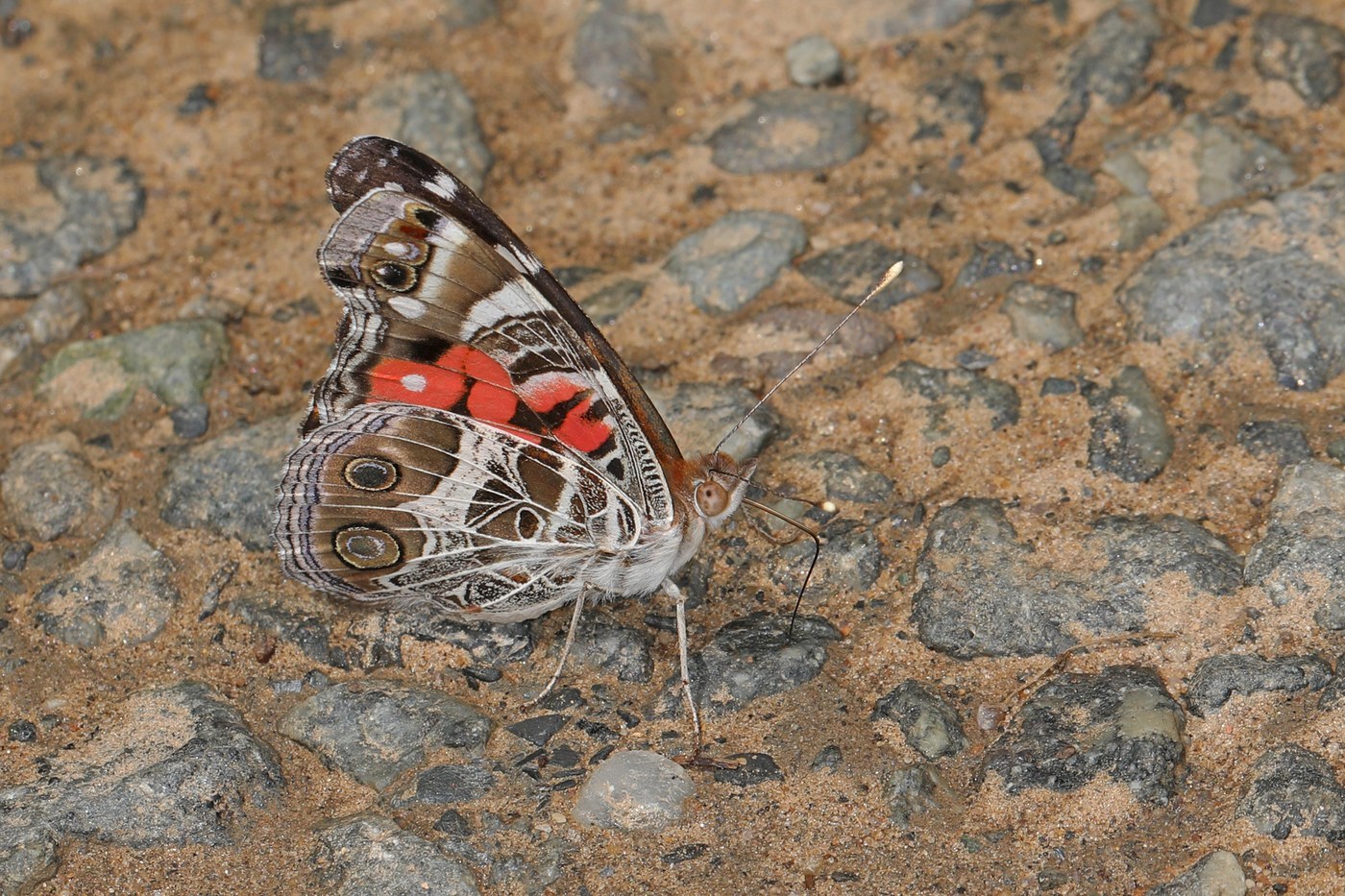
American Lady
Open fields, meadows, gardens, roadsides
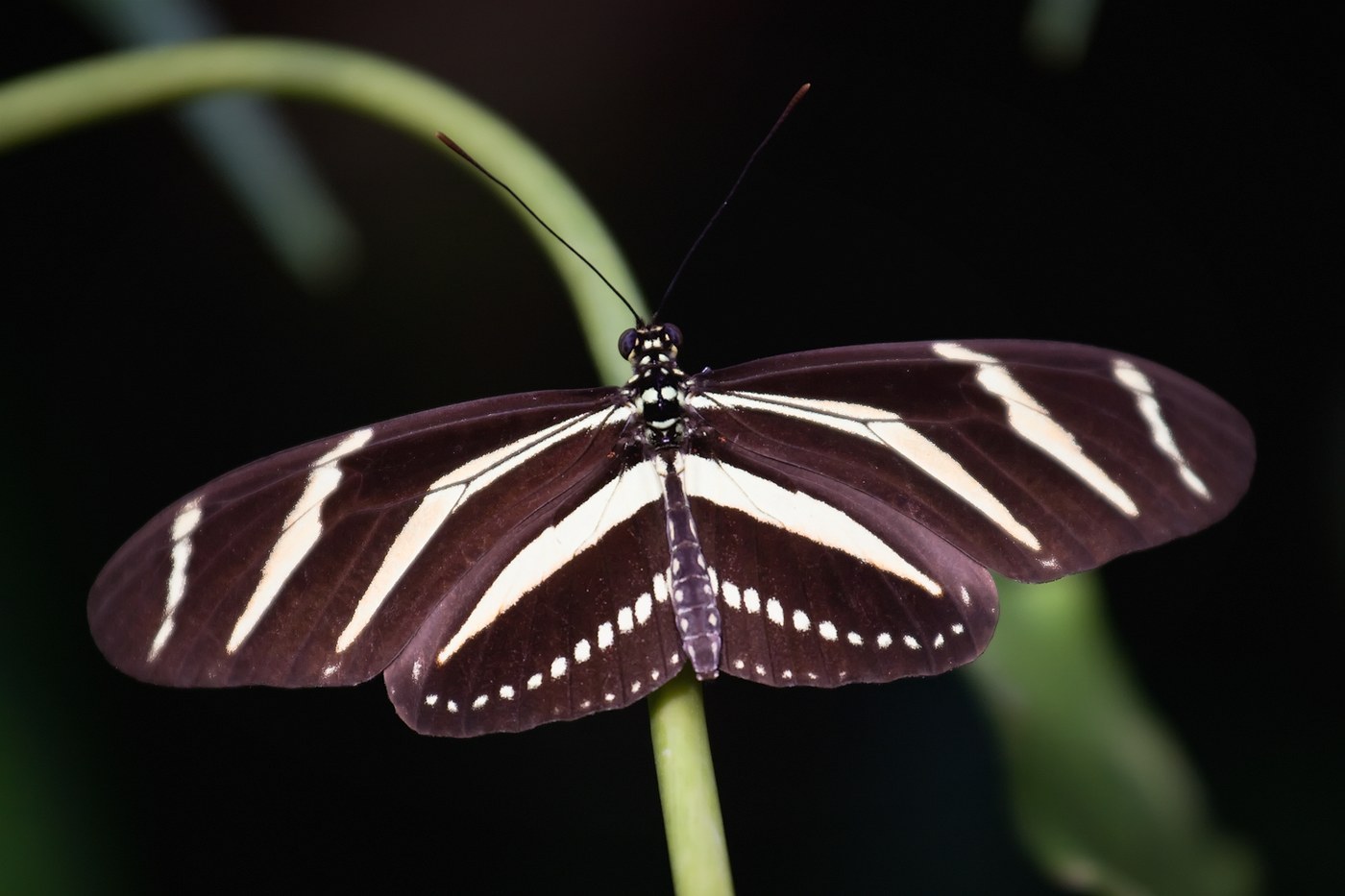
Zebra Longwing
Tropical hammocks, gardens, forest edges
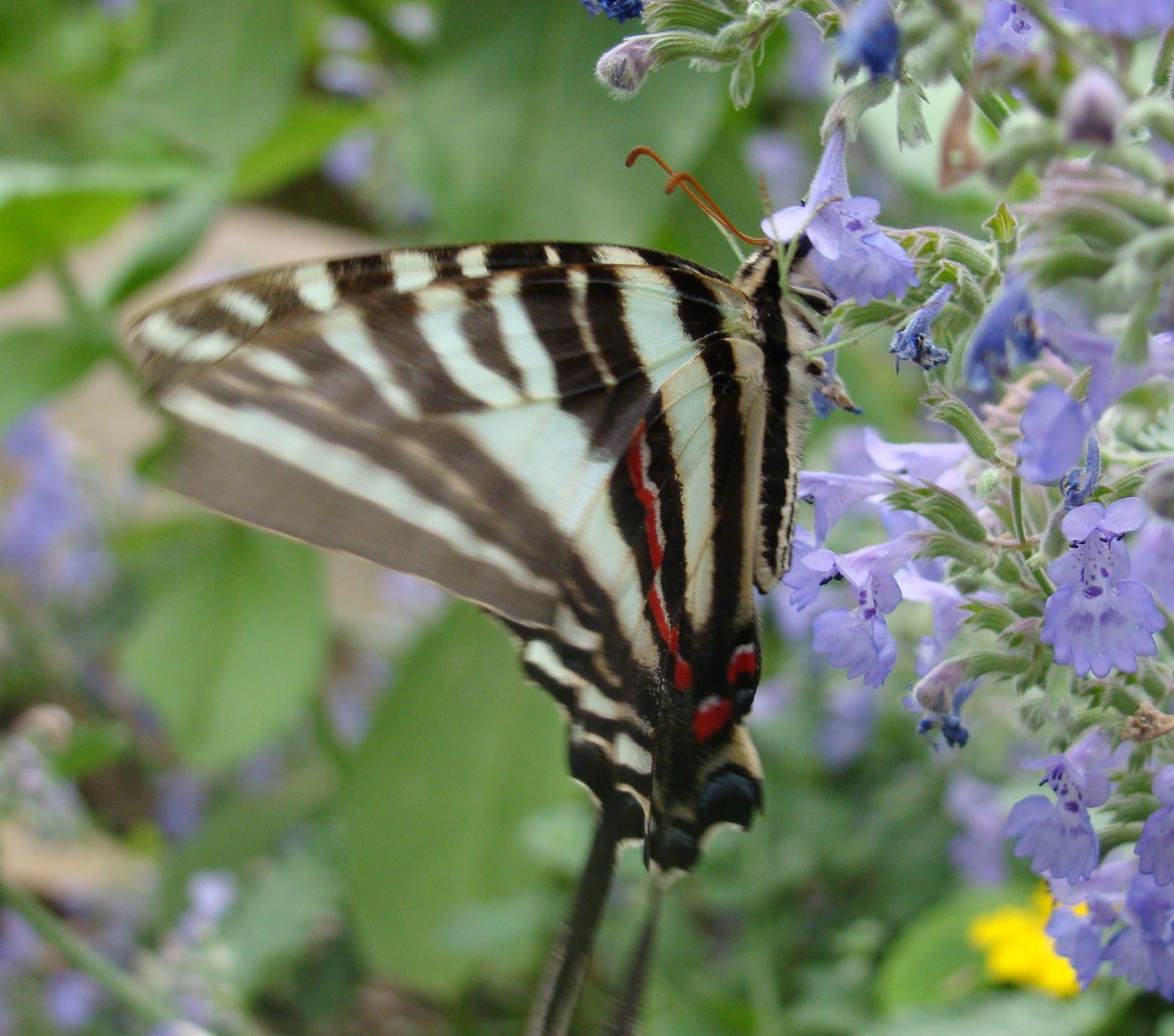
Zebra Swallowtail
Woodlands, floodplains, forest edges near pawpaw
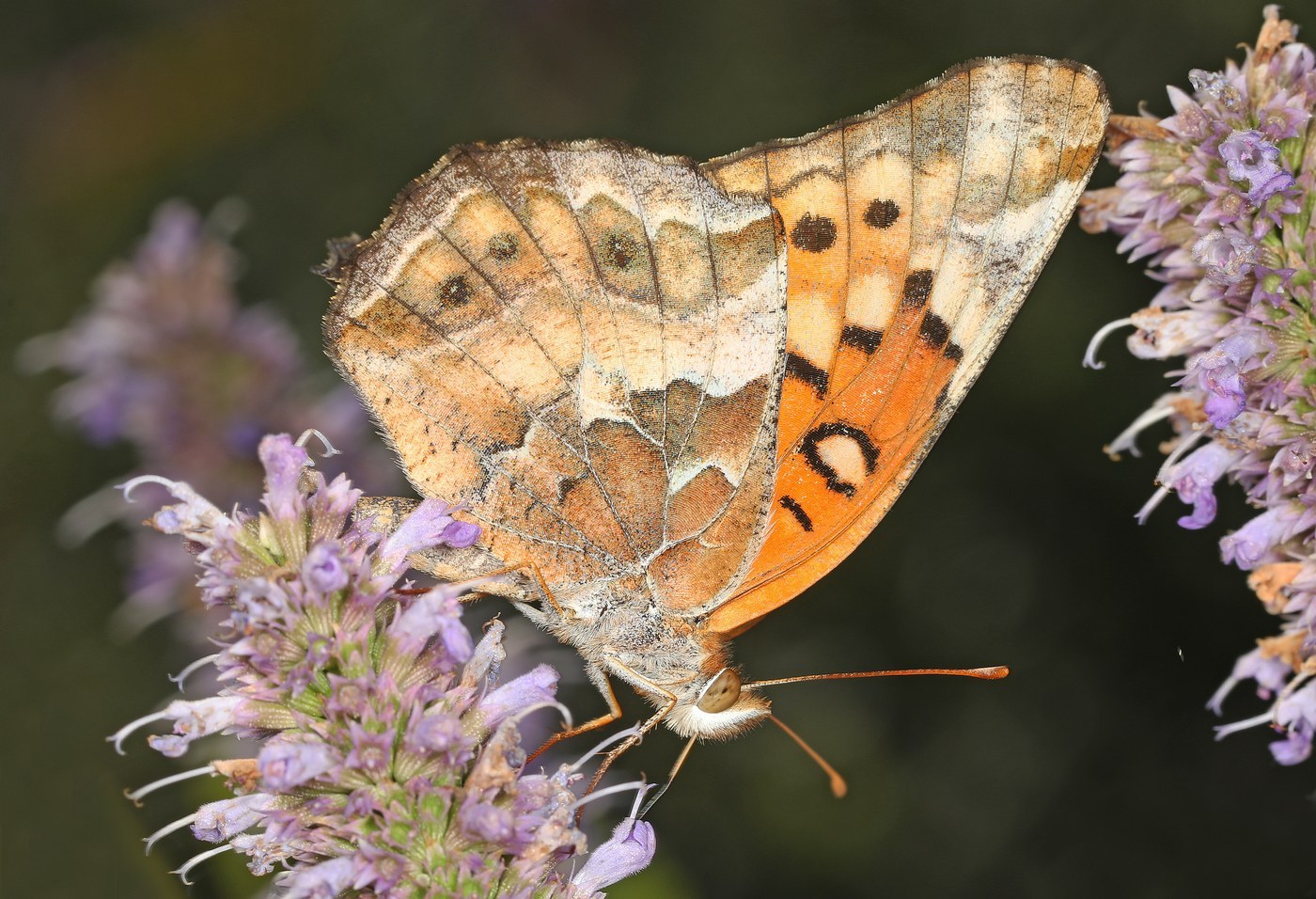
Variegated Fritillary
Open fields, prairies, roadsides, and disturbed ground across most of the United States
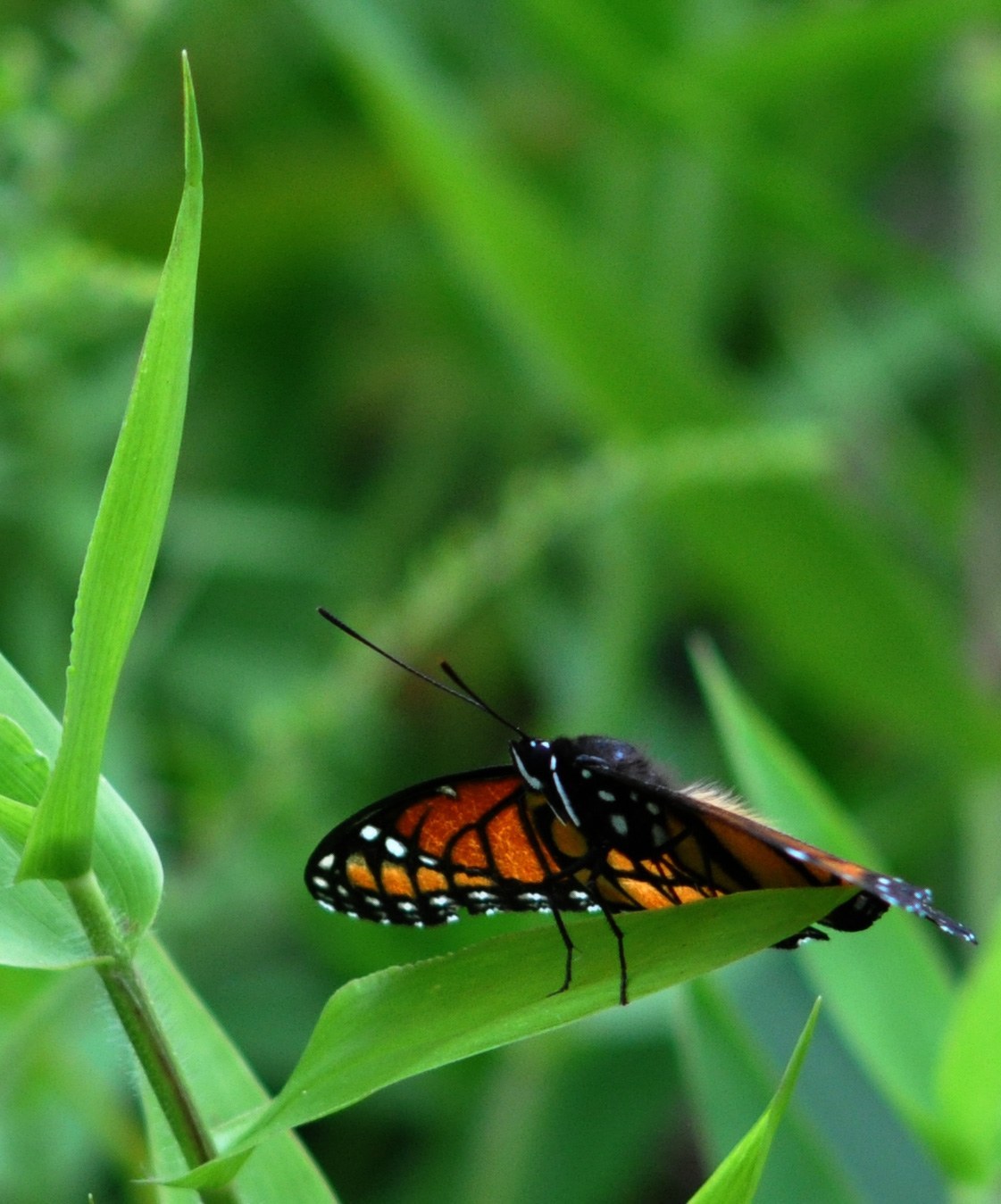
Viceroy Butterfly
Wetlands, meadows, riverbanks, willow thickets (North America)
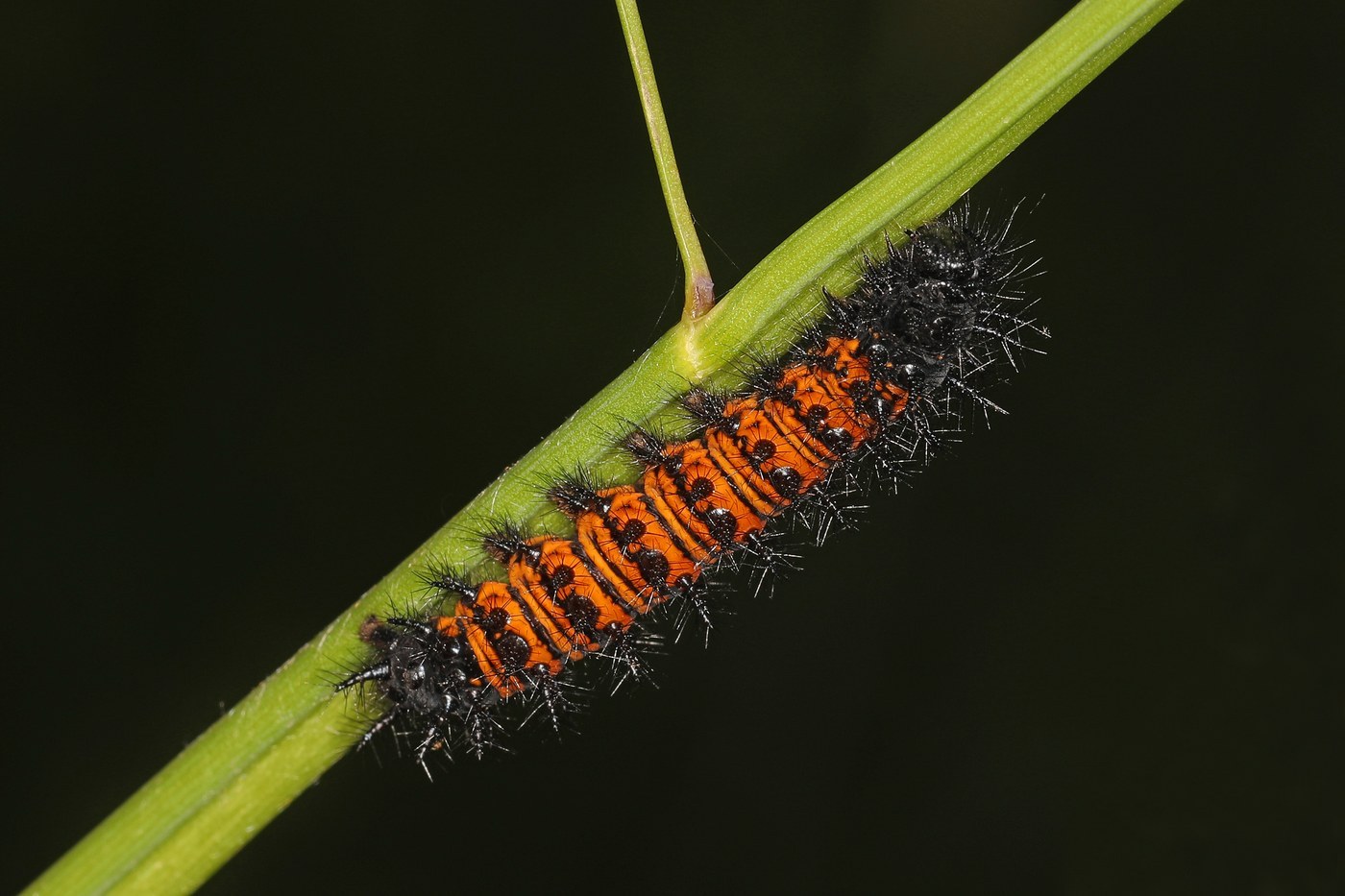
Baltimore Checkerspot
Wet meadows, bogs, and marshy fields in the northeastern and Appalachian US
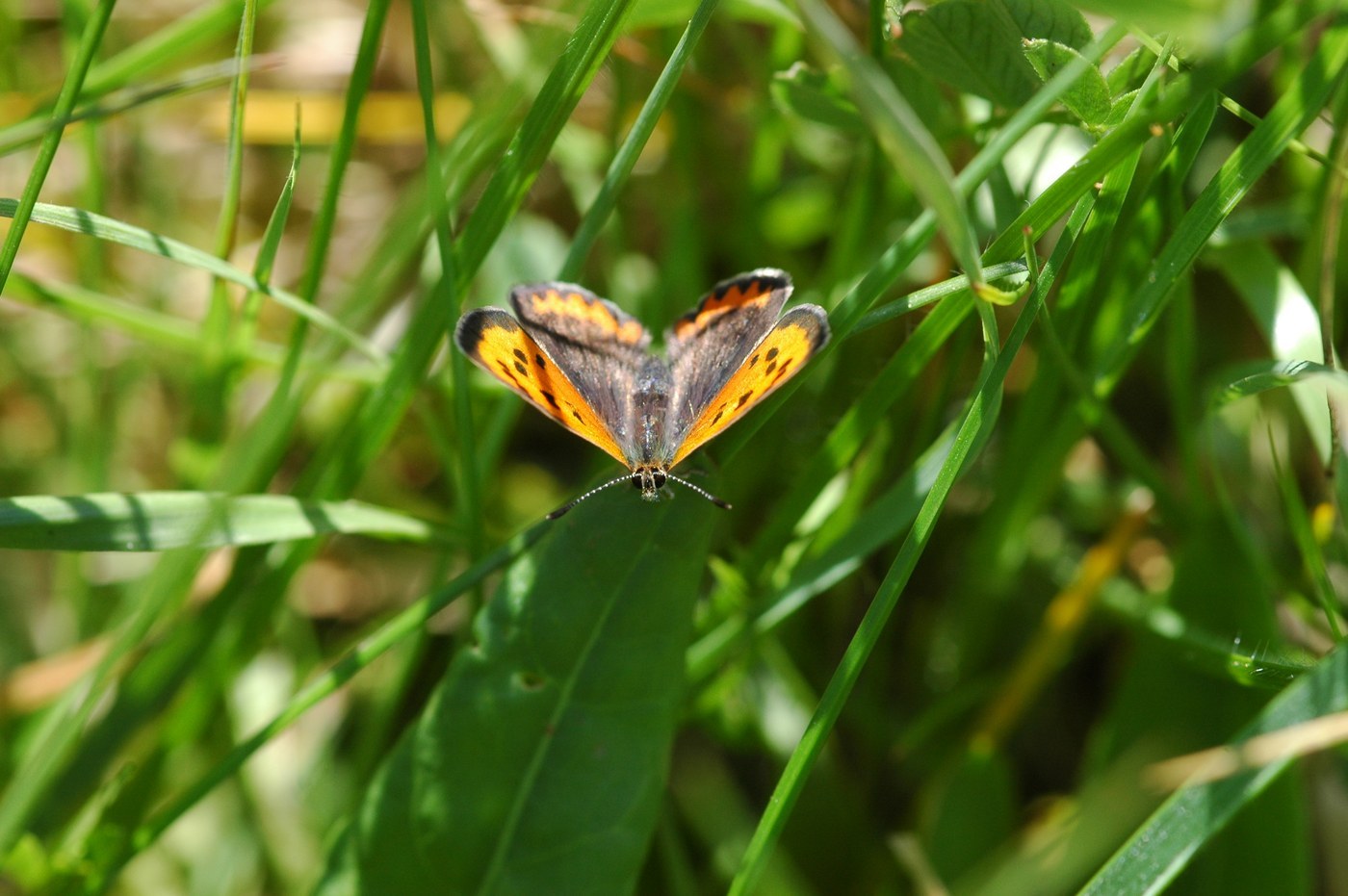
American Copper
Old fields, roadsides, and disturbed open ground with sorrel or dock
West Virginia White
Rich deciduous forest floors, especially near seeps and streams
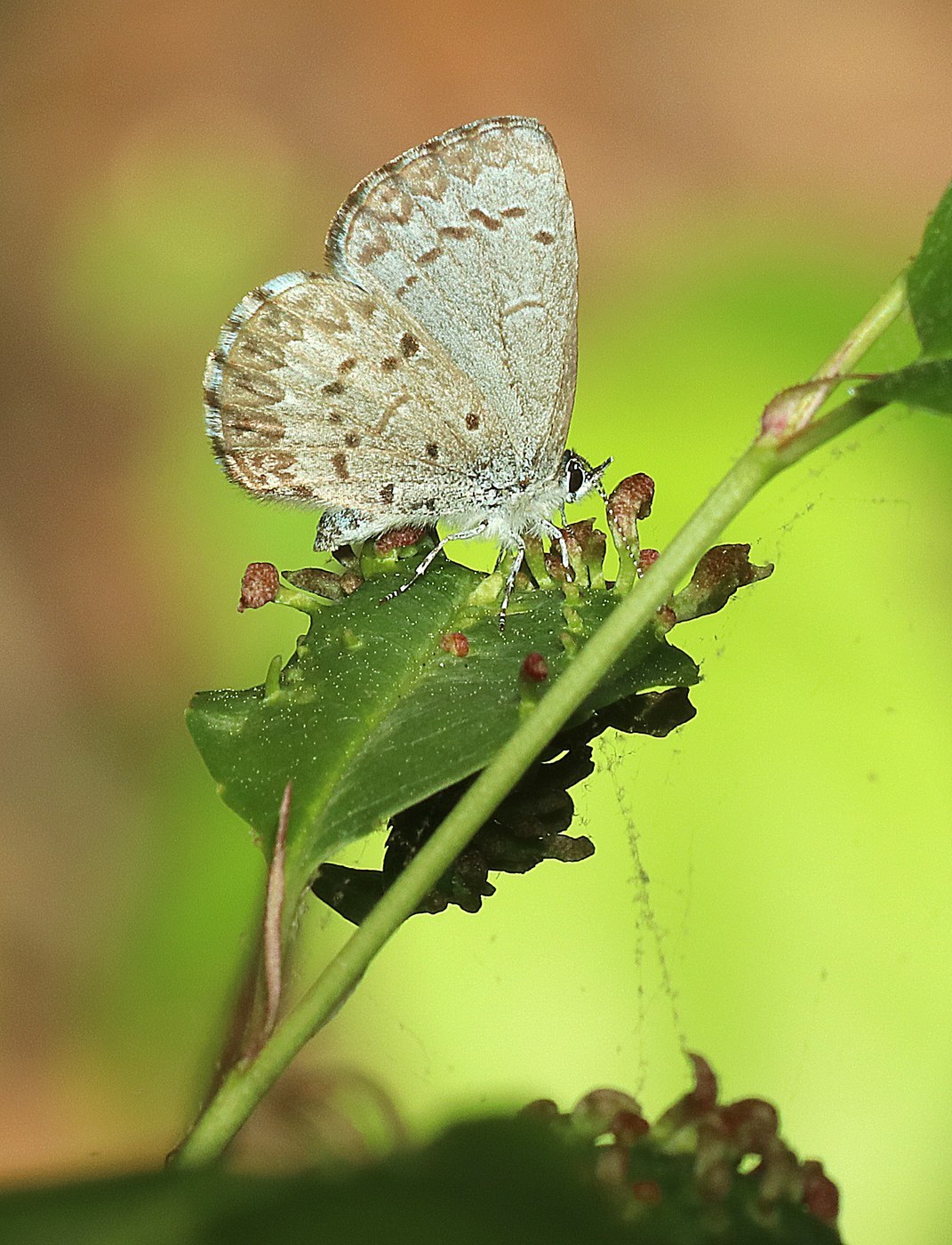
Spring Azure
Woodland edges, gardens, shrubby clearings
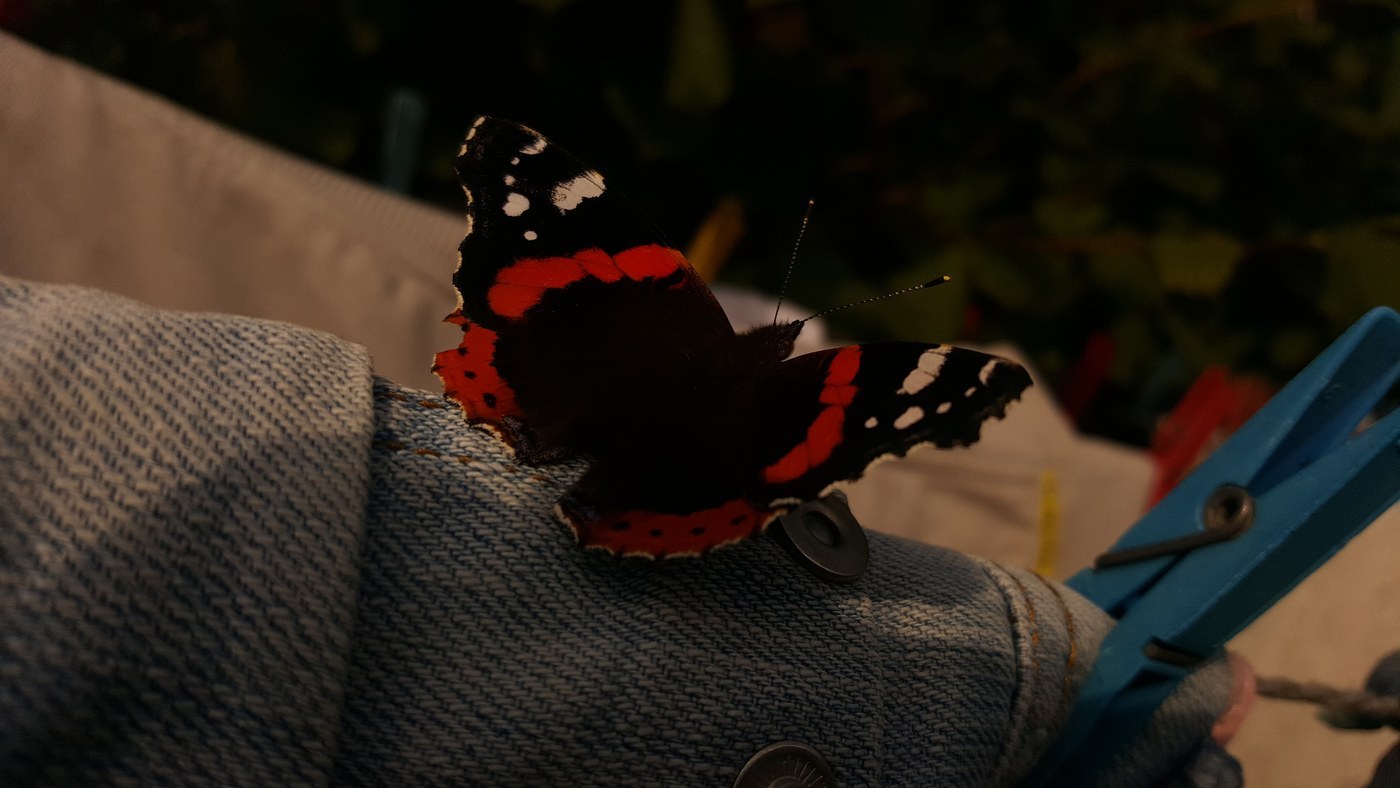
Red Admiral
Gardens, woodland edges, parks, meadows
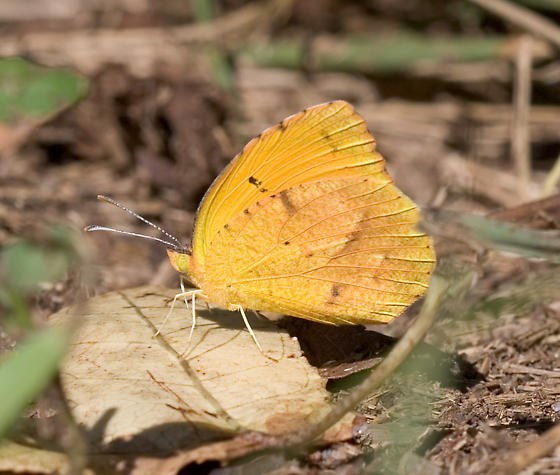
Sleepy Orange
Open woodland, fields, roadsides, and disturbed ground