
Polyphemus Moth
Antheraea polyphemus
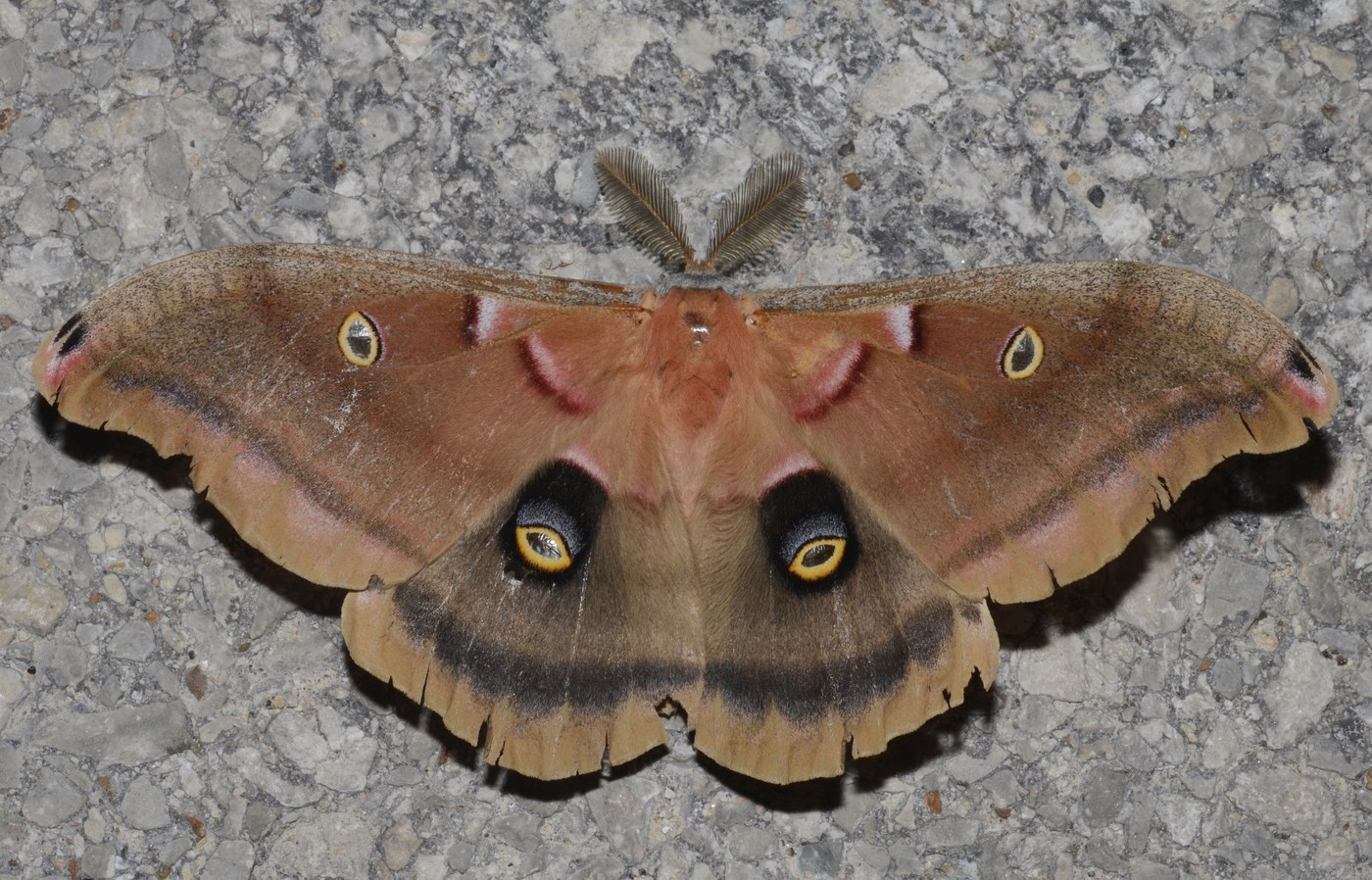
A large tan-to-golden-brown silkmoth named for the mythological one-eyed giant, thanks to the single large, transparent eyespot on each hindwing that flashes into view when the moth is startled.
- Size
- 4–6 in wingspan
- Habitat
- Deciduous forests, woodlands, and suburban areas across North America
- Danger
- Harmless
Spotted a bug like this?
Identify any bug or insect from a photo, free.
Overview
The Polyphemus Moth is a large and widespread member of the giant silkmoth family Saturniidae, found across most of North America from southern Canada to Mexico. Its common name references the Cyclops Polyphemus of Greek mythology, inspired by the single prominent, eye-like transparent spot centered on each hindwing.
As with other giant silkmoths, the Polyphemus Moth has no functional mouthparts as an adult and does not feed, relying entirely on energy stored during its caterpillar stage to fuel a brief adult life focused solely on reproduction.
The species is remarkably adaptable, with caterpillars feeding on a wide range of deciduous tree species, allowing the moth to persist in habitats ranging from deep forest to suburban parks and gardens across a broad geographic range.
How to Identify
- Wings are tan to golden-brown or reddish-brown, with a large, translucent, blue-and-black-ringed eyespot centered on each hindwing.
- Forewings also show smaller eyespots and a fine pink or reddish line running near the outer wing margin.
- Body is stout and furry, colored to match the wings, with large, feathery (bipectinate) antennae in males used to detect pheromones.
- Large size, typically 4 to 6 inches across, ranks it among the largest moths in North America.
- The prominent, glassy hindwing eyespots (resembling a single large eye when flashed) distinguish it from similar-sized saturniids such as the Luna or Cecropia moth.
Habitat & Range
Widespread across nearly all of North America from southern Canada through the continental United States into Mexico, the Polyphemus Moth occupies deciduous forests, woodland edges, orchards, parks, and suburban yards with mature trees. Adults fly at night during late spring through summer, depending on latitude.
Its broad host plant range, including oak, maple, birch, and willow among many others, allows it to thrive in a wide variety of wooded and semi-wooded habitats.
Behavior & Diet
Adults do not feed and live only about a week, devoting their short lives entirely to finding a mate. Males use their large, feathery antennae to detect female pheromones from considerable distances and fly upwind at night to locate a mate.
When disturbed at rest, the moth suddenly spreads its forewings to reveal the large eyespots on the hindwings, a startle display intended to momentarily confuse or deter predators such as birds. Caterpillars are solitary leaf feeders that consume large amounts of foliage as they grow.
Life Cycle
Eggs are laid singly or in small groups on the leaves of a wide range of deciduous trees. Caterpillars are bright green with silvery, diagonal markings and pass through five instars, growing to roughly 3 inches before pupating.
The caterpillar spins an oval, tightly woven brown cocoon, typically dropped to the leaf litter rather than remaining attached to the host plant, within which it overwinters. Adults emerge the following spring or early summer, and depending on climate the species may produce one or two generations per year.
Frequently asked questions
Why is it named after Polyphemus?
The single large, eye-like transparent spot on each hindwing recalls the mythological one-eyed giant Polyphemus.
Does the adult moth eat anything?
No, like other giant silkmoths it has no functional mouthparts and lives only about a week on stored energy reserves.
How can I tell it apart from a Luna Moth?
The Polyphemus Moth is tan-to-brown with round eyespots and no tails, while the Luna Moth is pale green with long trailing hindwing tails.
Where does the cocoon spend the winter?
The caterpillar typically spins its cocoon and drops it into leaf litter on the ground, where it overwinters before spring emergence.
Polyphemus Moth guides
In-depth guides for identifying, understanding, and living alongside Polyphemus Moth.
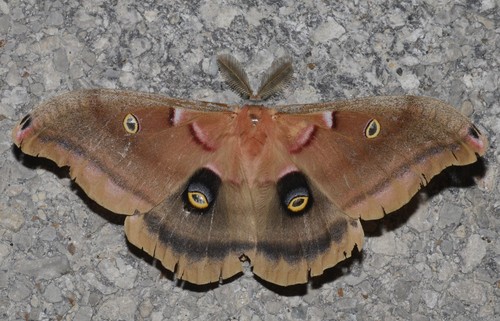
Polyphemus Moth identified by the community
Real finds identified with Bug Identifier.
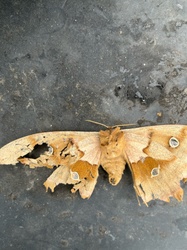
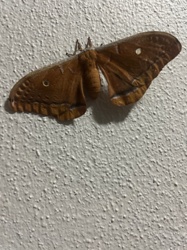
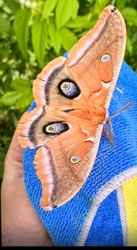
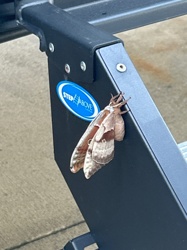
Other bugs you may enjoy
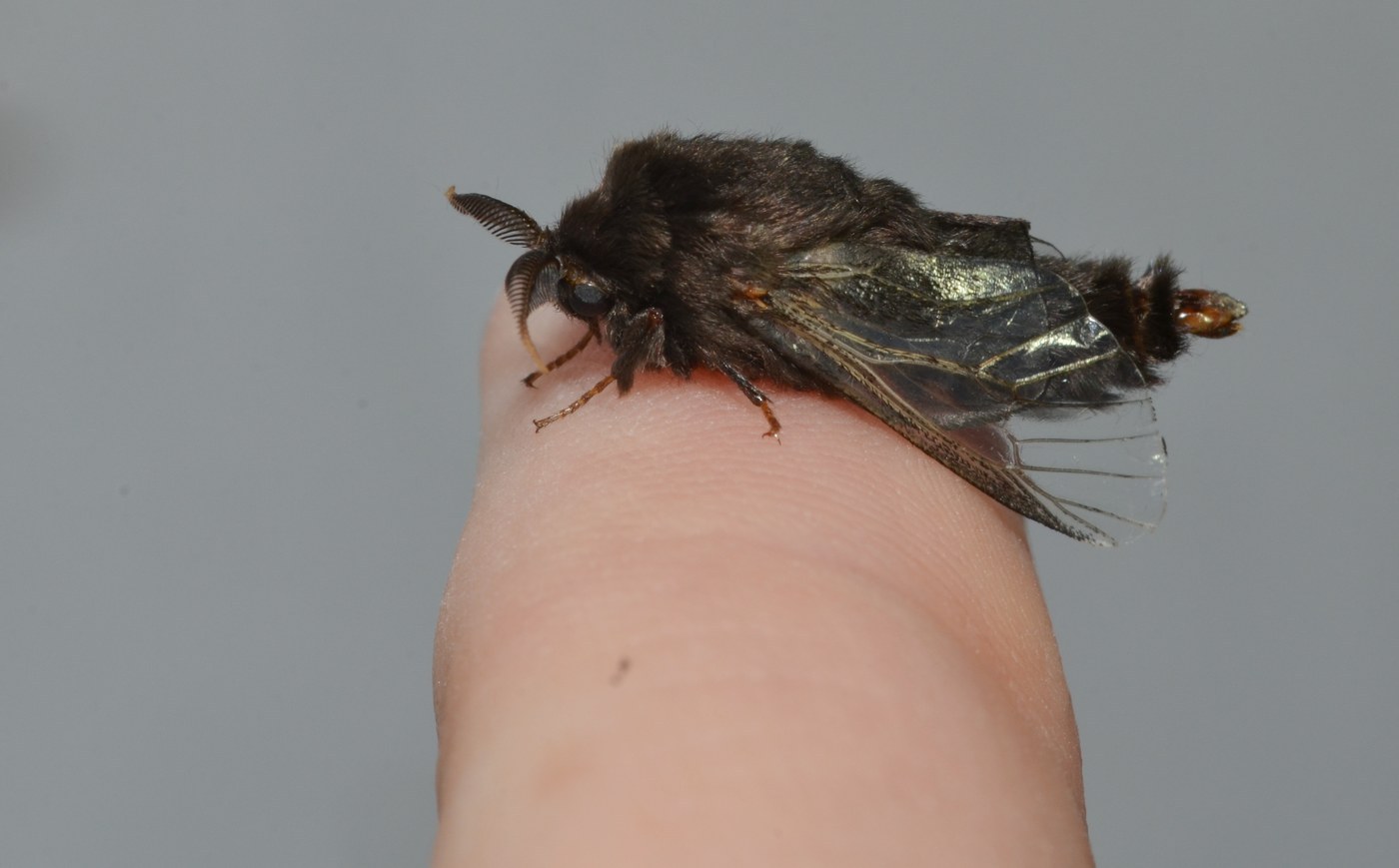
Bagworm Moth
Coniferous and deciduous trees, shrubs, hedges
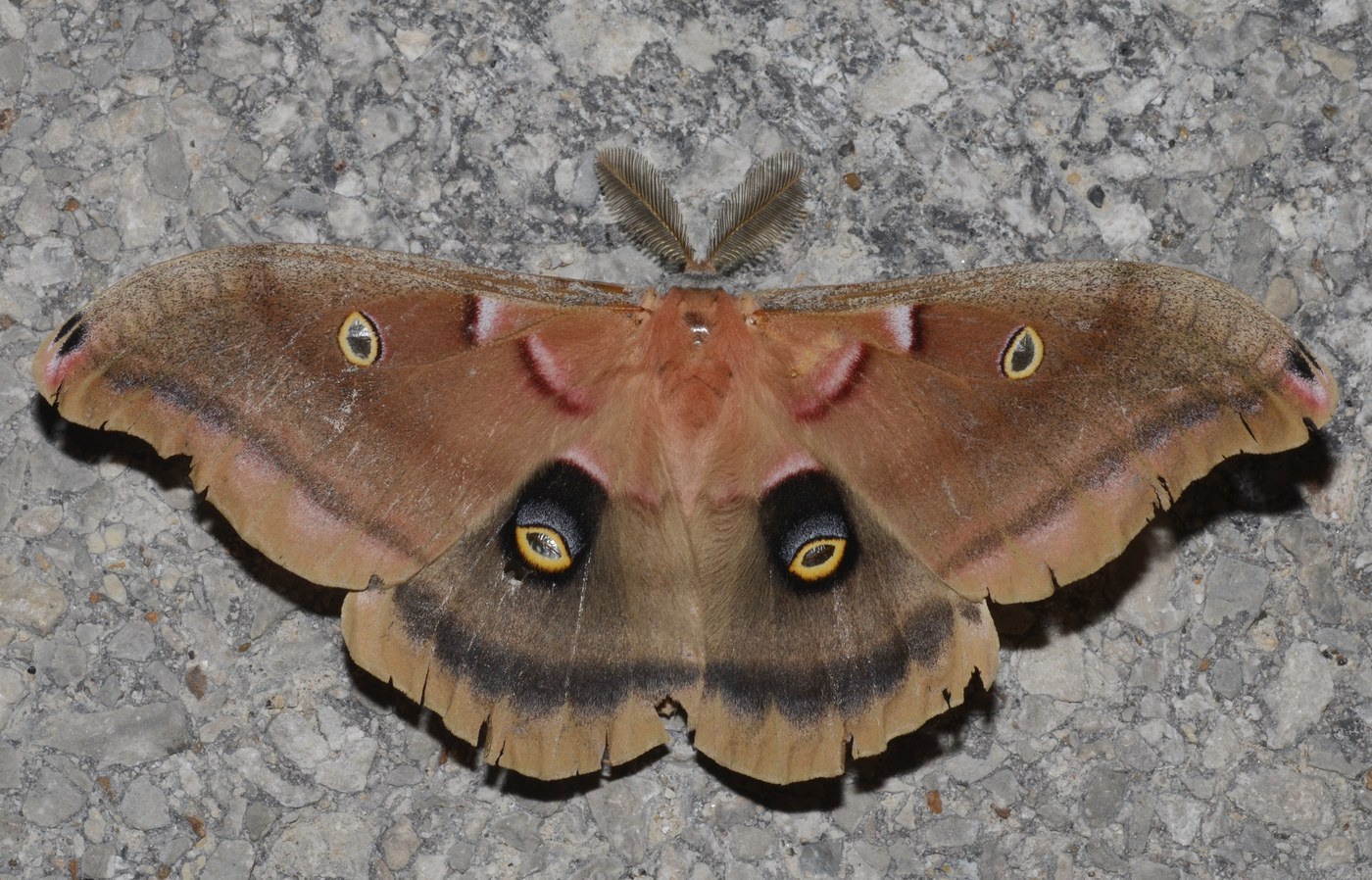
Antheraea Silkmoth
Deciduous forests, woodland edges, orchards
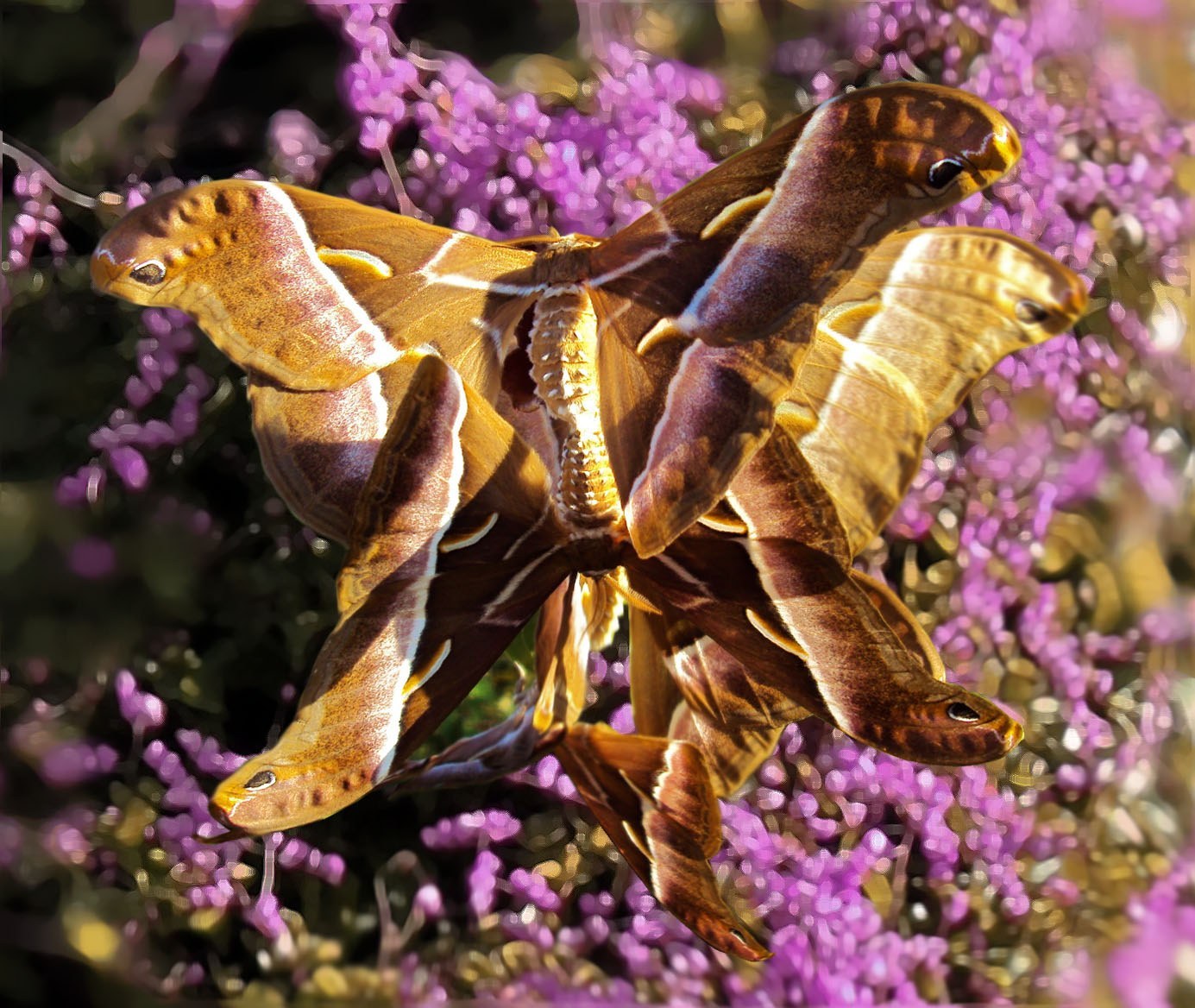
Ailanthus Silkmoth (Cynthia Moth)
Urban parks, wastelands, and woodland edges with tree-of-heaven; native to Asia, introduced in North America and Europe
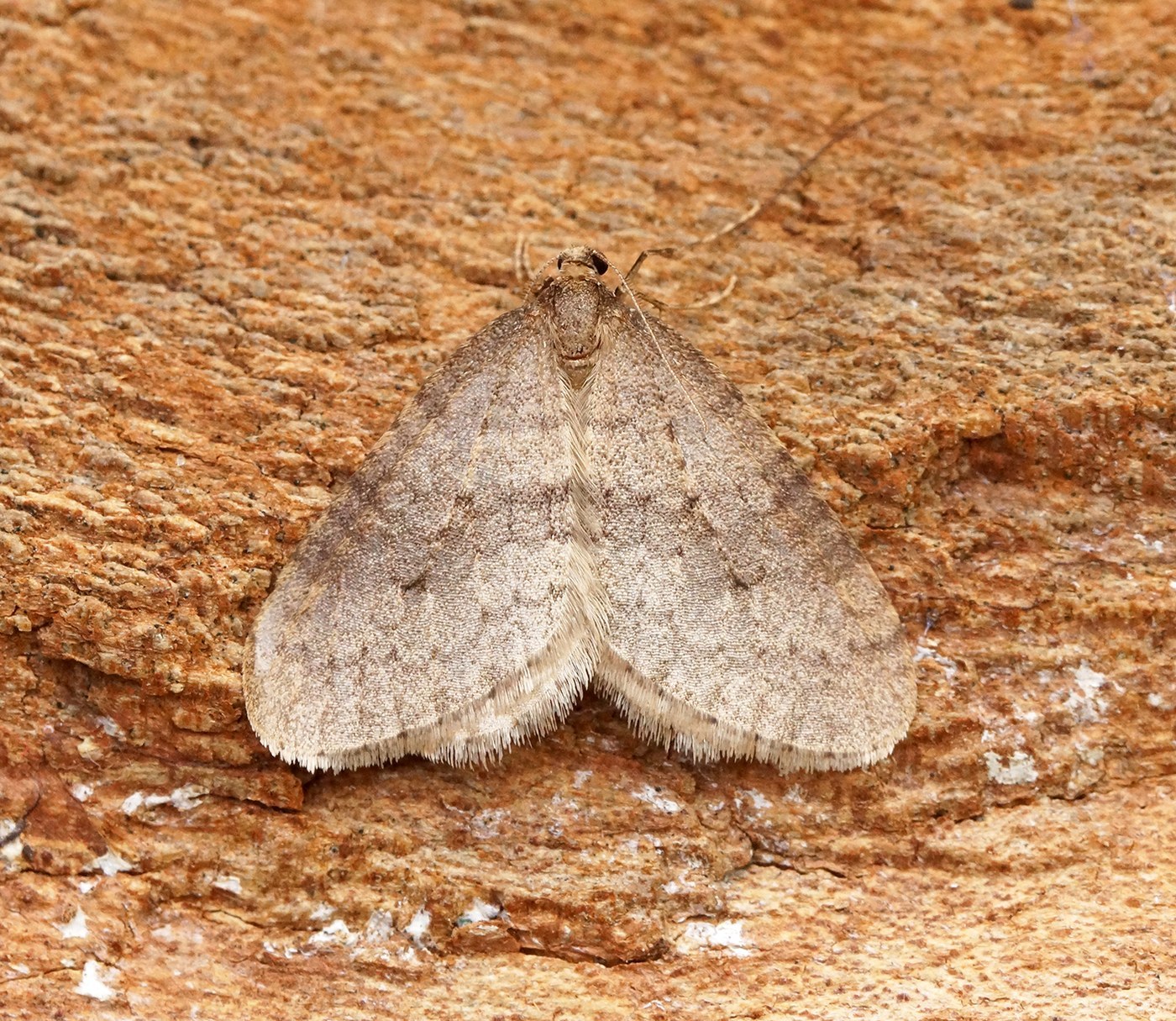
Winter Moth
Deciduous woodland, orchards, gardens, hedgerows
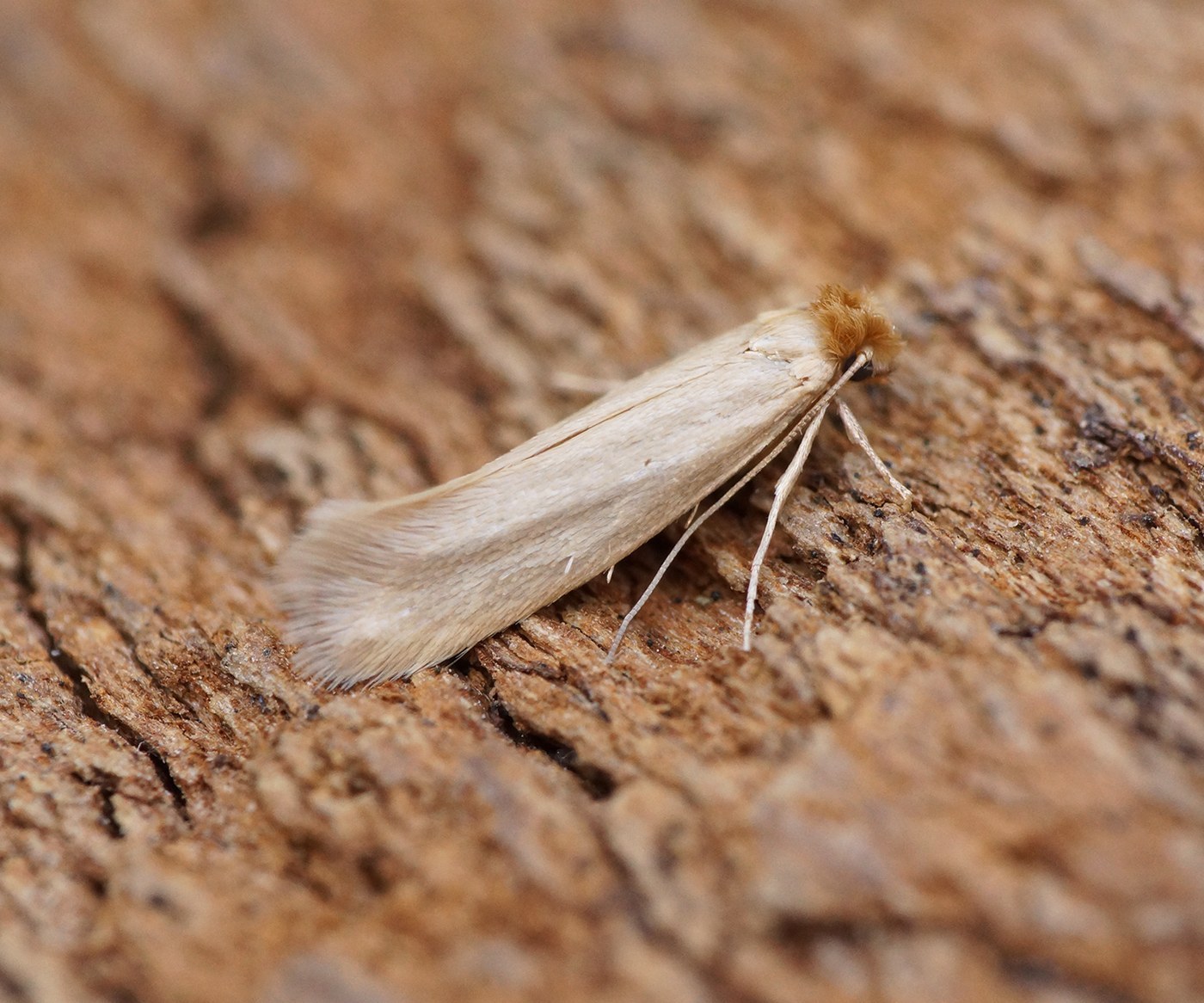
Webbing Clothes Moth
Dark closets, storage areas, and animal nests worldwide
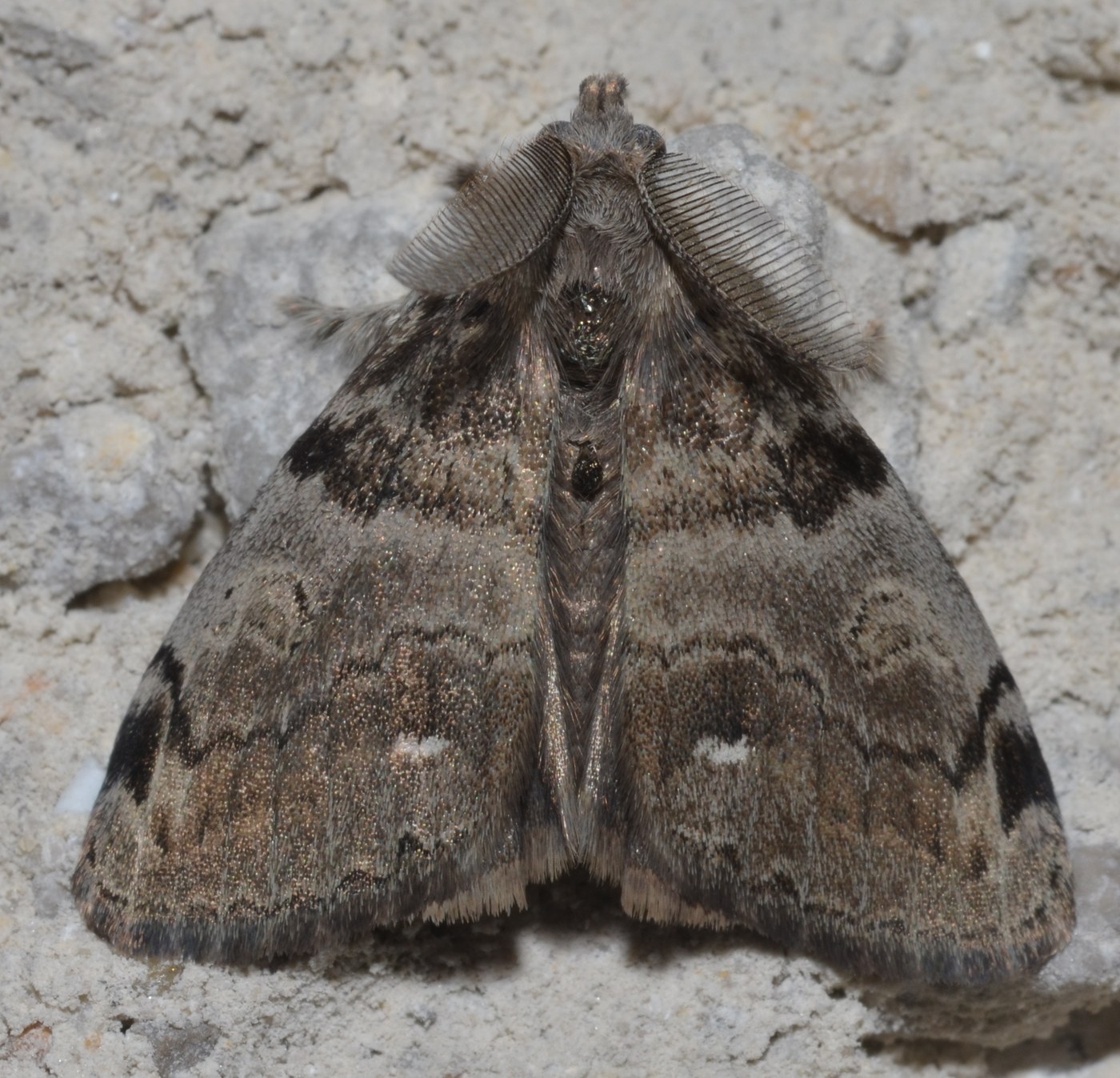
Tussock Moth
Deciduous forests, parks, gardens
Wax Moth
Beehives, apiaries, stored beeswax and comb
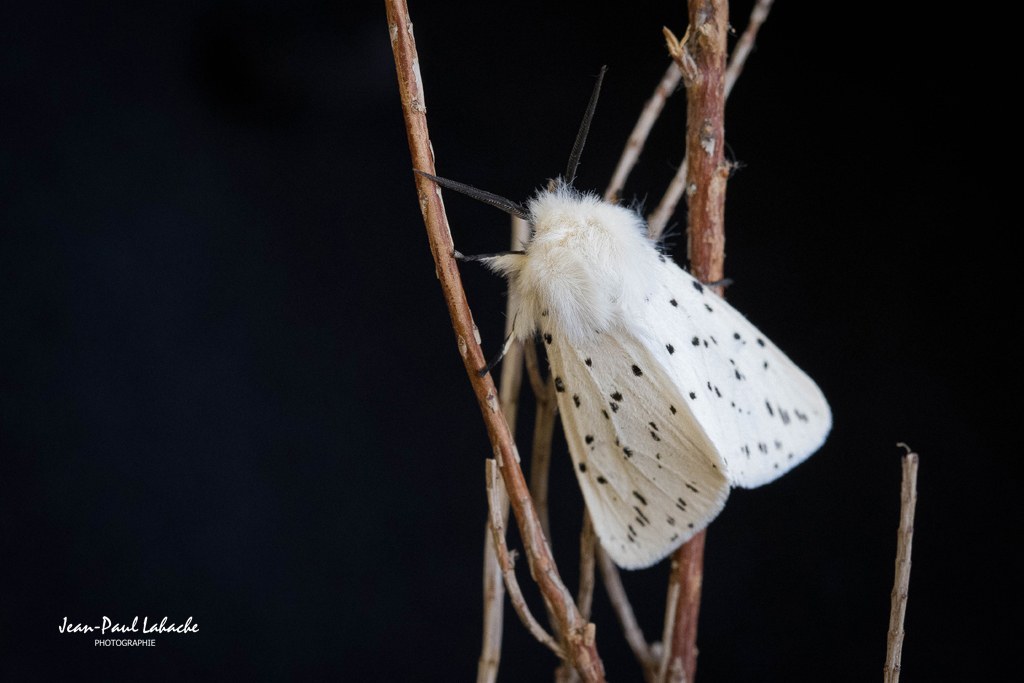
White Ermine Moth
Gardens, meadows, hedgerows
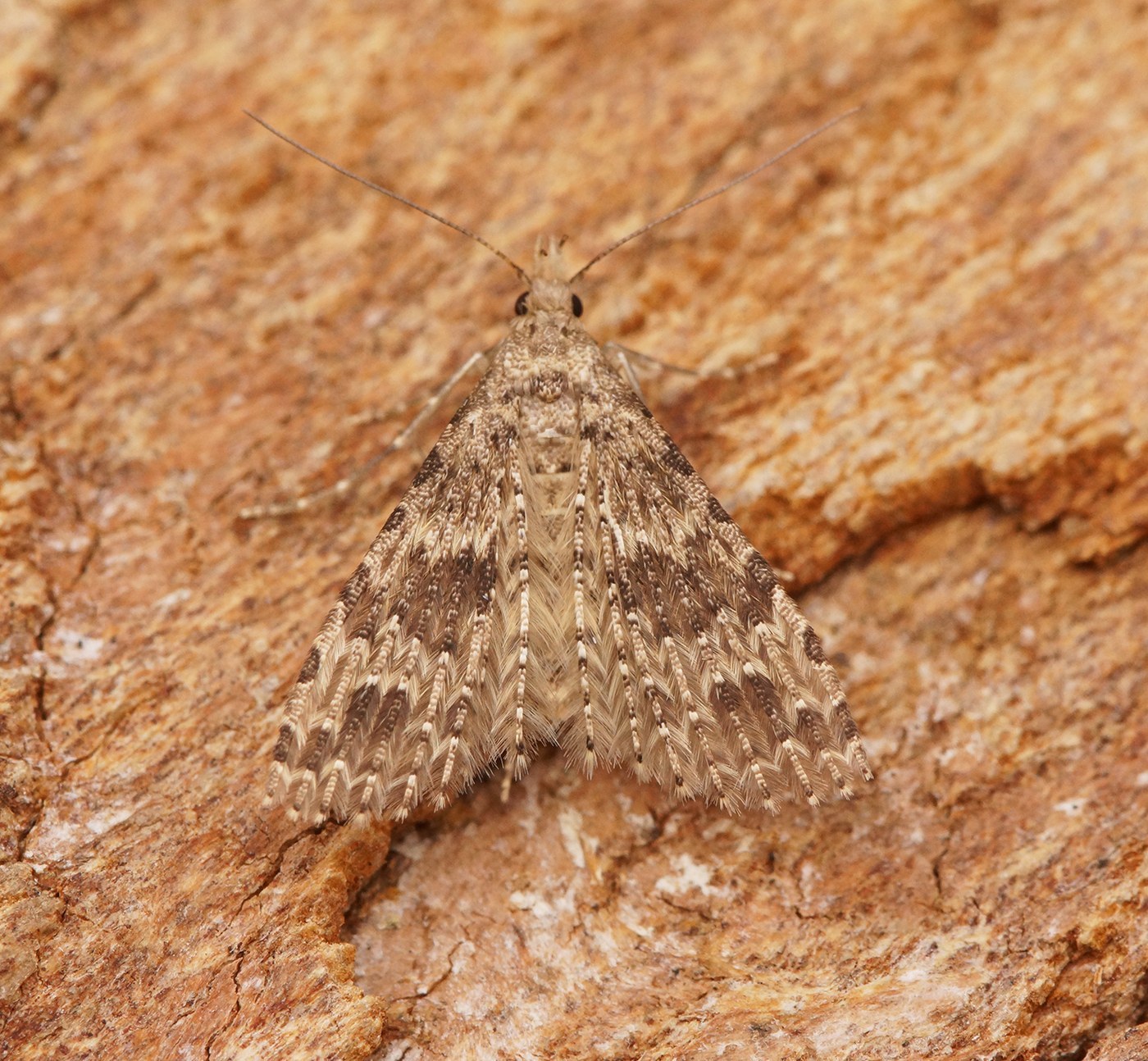
Twenty-plume Moth
Gardens, hedgerows, near honeysuckle
Achemon Sphinx Moth
Vineyards, woodland edges, gardens with wild grape
Angle Shades Moth
Gardens, hedgerows, woodland edges, urban parks
Atlas Moth
Tropical and subtropical lowland forests of Southeast Asia