
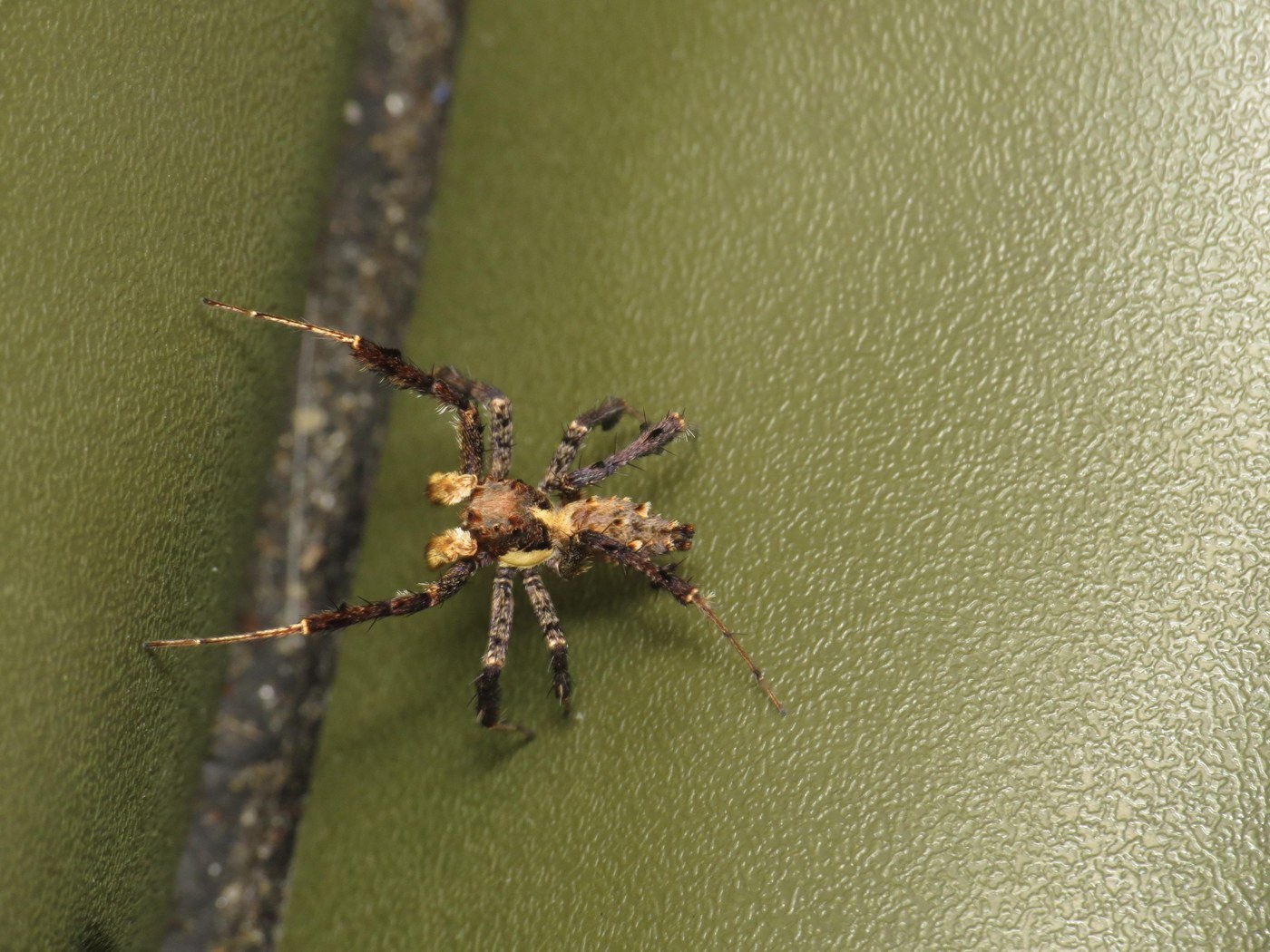
Portia Spider
Portia fimbriata
A small jumping spider with an outsized reputation for intelligence, famous for stalking and outwitting other spiders using deceptive tactics and apparent problem-solving.
- Size
- Body length 5-9 mm, females larger than males
- Habitat
- Tropical forests, often on or near other spiders' webs
- Danger
- Harmless
Spotted a bug like this?
Identify any bug or insect from a photo, free.
Overview
The Portia spider is a jumping spider renowned among biologists for behavior that rivals far larger animals in apparent sophistication. Unlike most jumping spiders, which primarily hunt insects using speed and keen vision, Portia specializes in preying on other spiders, including web-building species many times its own size that it could not overpower in a direct confrontation.
To hunt these formidable prey safely, Portia uses deceptive vibratory signals, plucking a host spider's web in patterns that mimic a trapped insect or even a potential mate, luring the resident spider into a vulnerable position before striking. Researchers have documented Portia using trial-and-error problem solving, taking indirect detour routes out of sight of prey, and adjusting tactics based on the specific behavior of different prey species, suggesting a capacity for flexible, learned behavior unusual among invertebrates.
Found in tropical forests of Australia, Southeast Asia, and parts of Africa, Portia is a relatively small and unassuming-looking spider, with its remarkable behavior far outweighing its physical size in scientific interest.
How to Identify
- Small, mottled brown and tan body with tufts of hair-like fringes on the legs, giving a somewhat shaggy appearance
- Large forward-facing eyes typical of jumping spiders, providing excellent vision used to plan hunting routes
- Often found on or near the webs of other spiders rather than in open, exposed positions
- Cryptic body shape and coloring that can resemble a piece of detritus caught in a web
- Lookalikes include other jumping spiders, but Portia's association with prey spiders' webs and shaggy leg fringes help distinguish it
Habitat & Range
Portia spiders inhabit tropical and subtropical forests across northern Australia, Southeast Asia, and parts of Africa, typically found in vegetation near the webs of other spider species that serve as their primary prey. They favor humid forest environments with a rich diversity of web-building spiders to hunt.
Behavior & Diet
Portia is best known as a specialized predator of other spiders, using deceptive web vibrations to lure prey spiders within striking range or approaching cautiously along indirect routes to avoid detection. It has been observed using trial-and-error learning when a chosen tactic fails, adjusting its approach for different prey species, an unusually flexible hunting strategy for an invertebrate. Beyond spider prey, Portia will also opportunistically hunt insects using the pounce-and-capture technique typical of jumping spiders.
Life Cycle
Females produce silk egg sacs, often placed within a sheltered retreat away from potential spider predators. Spiderlings hatch and must quickly develop hunting skills, as their prey specialization on other spiders requires refined stalking behavior from an early stage. Growth to maturity occurs through several molts over some months, with juveniles gradually developing the sophisticated hunting tactics associated with adults.
Frequently asked questions
Why is the Portia spider considered unusually intelligent?
It has been documented using trial-and-error problem solving, taking indirect detour routes, and adjusting hunting tactics for different prey, behaviors suggesting flexible learning unusual among invertebrates.
What does the Portia spider eat?
It specializes in preying on other spiders, often using deceptive web vibrations to lure them within range, and also opportunistically hunts insects.
Where is the Portia spider found?
It occurs in tropical forests of northern Australia, Southeast Asia, and parts of Africa, typically near the webs of the spiders it preys upon.
Portia Spider guides
In-depth guides for identifying, understanding, and living alongside Portia Spider.
Other bugs you may enjoy
Woodlouse Spider
Damp leaf litter, under logs, stones, and mulch
Wolf Spider
Gardens, grasslands, forests, leaf litter, ground burrows
Wandering Spider
Tropical and subtropical forest floor, foliage, and banana plants
Banded Garden Spider
Tall grass, meadows, and gardens with open sunny vegetation
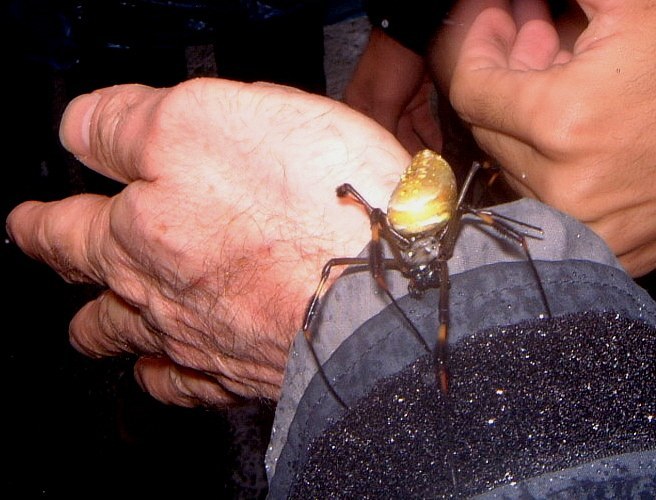
Banana Spider
Wooded trails, forest edges, and gardens across the southeastern U.S. and the American tropics
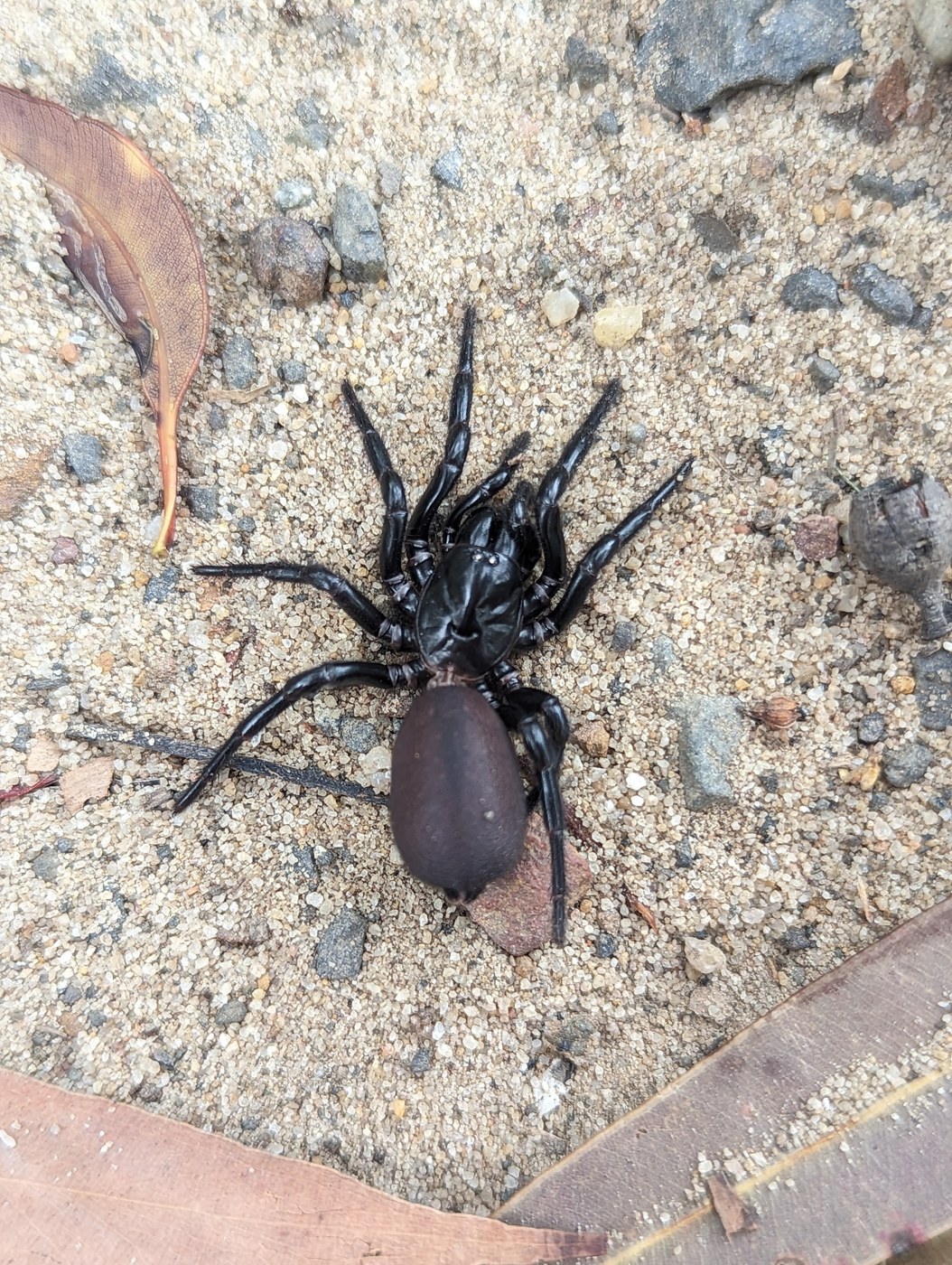
Sydney Funnel-web Spider
Burrows in moist soil, gardens, and forested gullies around the Sydney basin of eastern Australia
Trapdoor Spider
Self-dug silk-lined burrows with a camouflaged door, in dry, well-drained soil worldwide
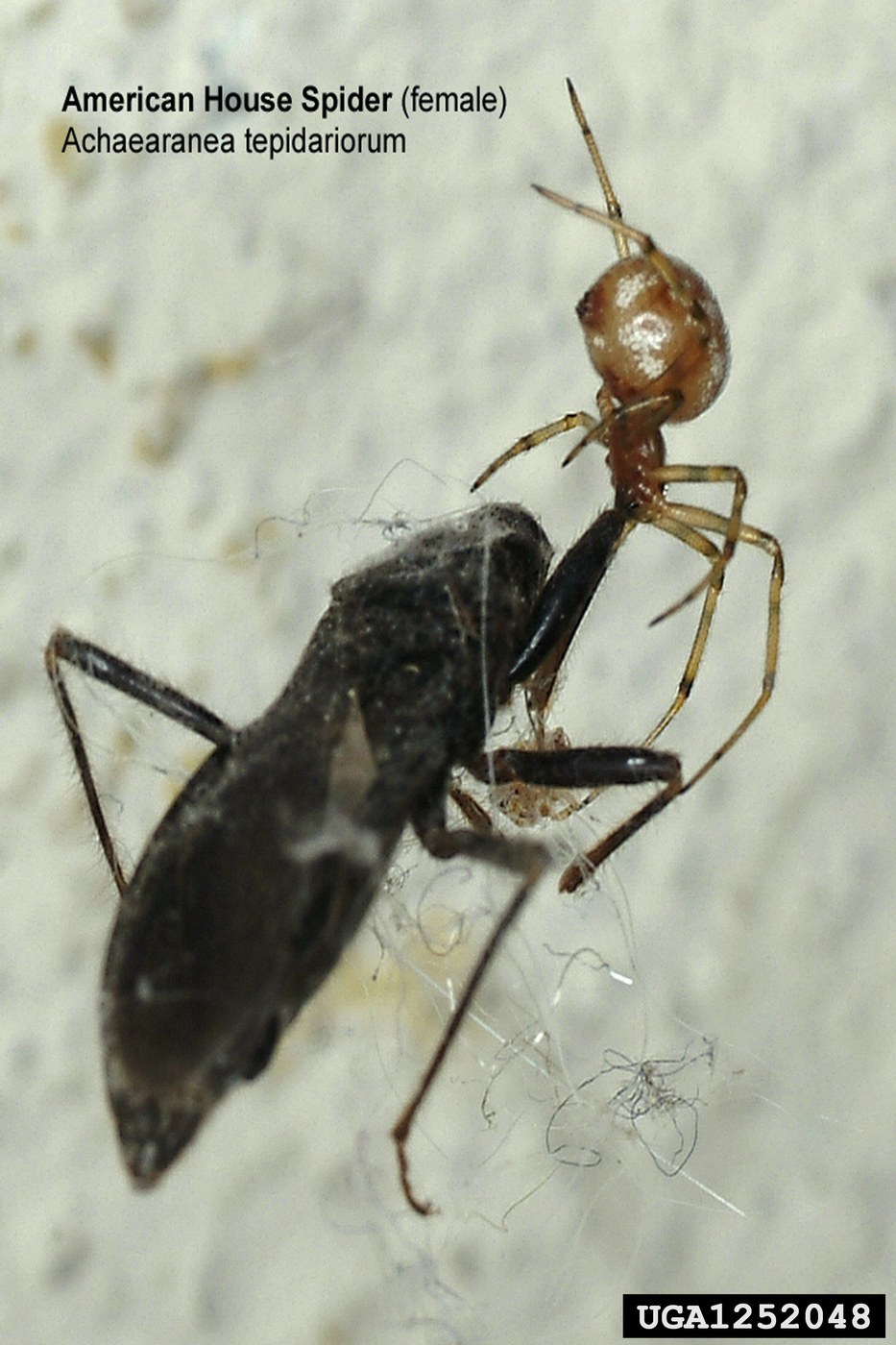
American House Spider
Corners, basements, garages, and outbuildings worldwide
Tube Web Spider
Wall crevices, bark, rockeries, and masonry
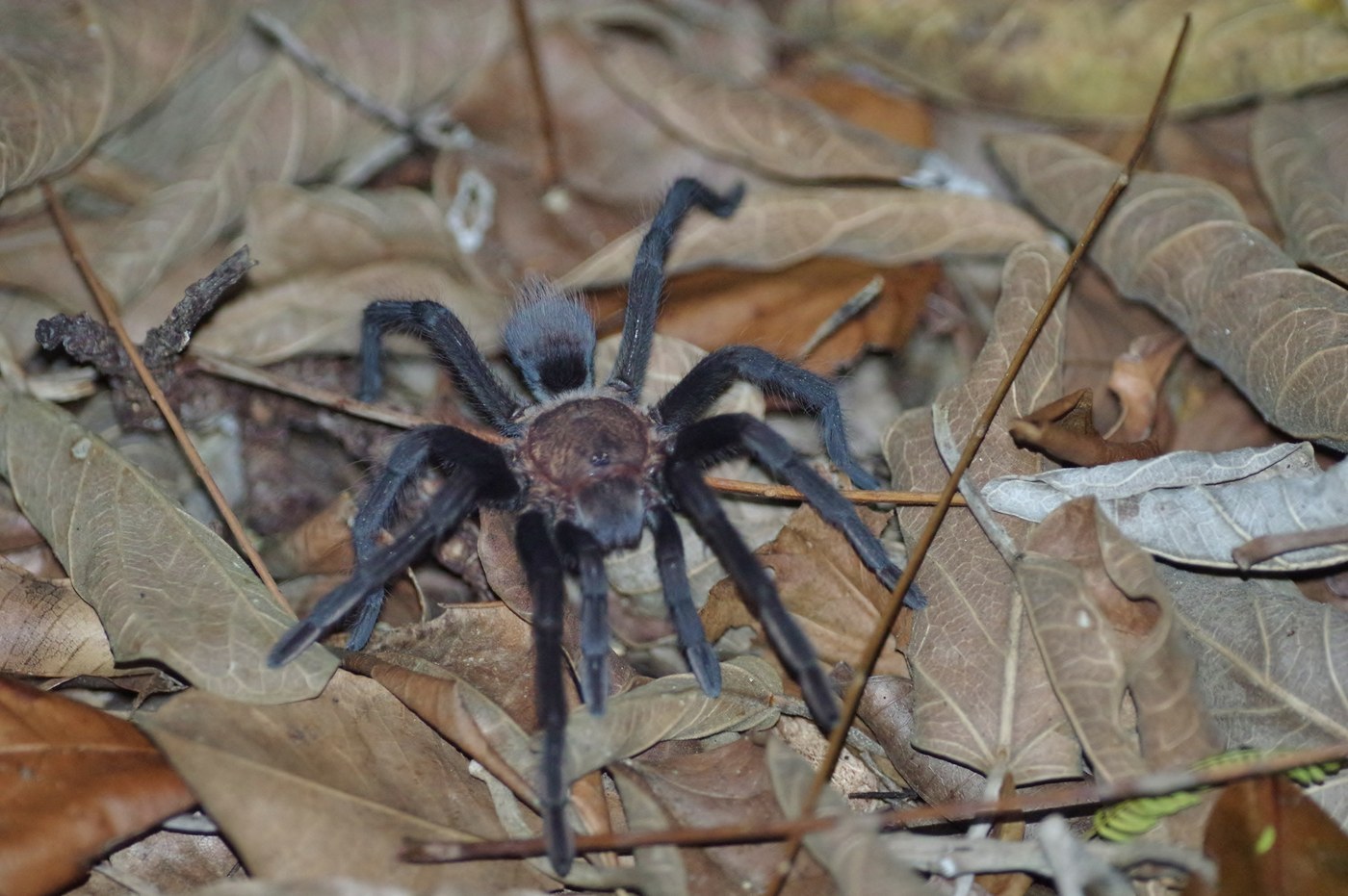
Tarantula
Burrows, rock crevices, and tree hollows in deserts, grasslands, and tropical forests worldwide
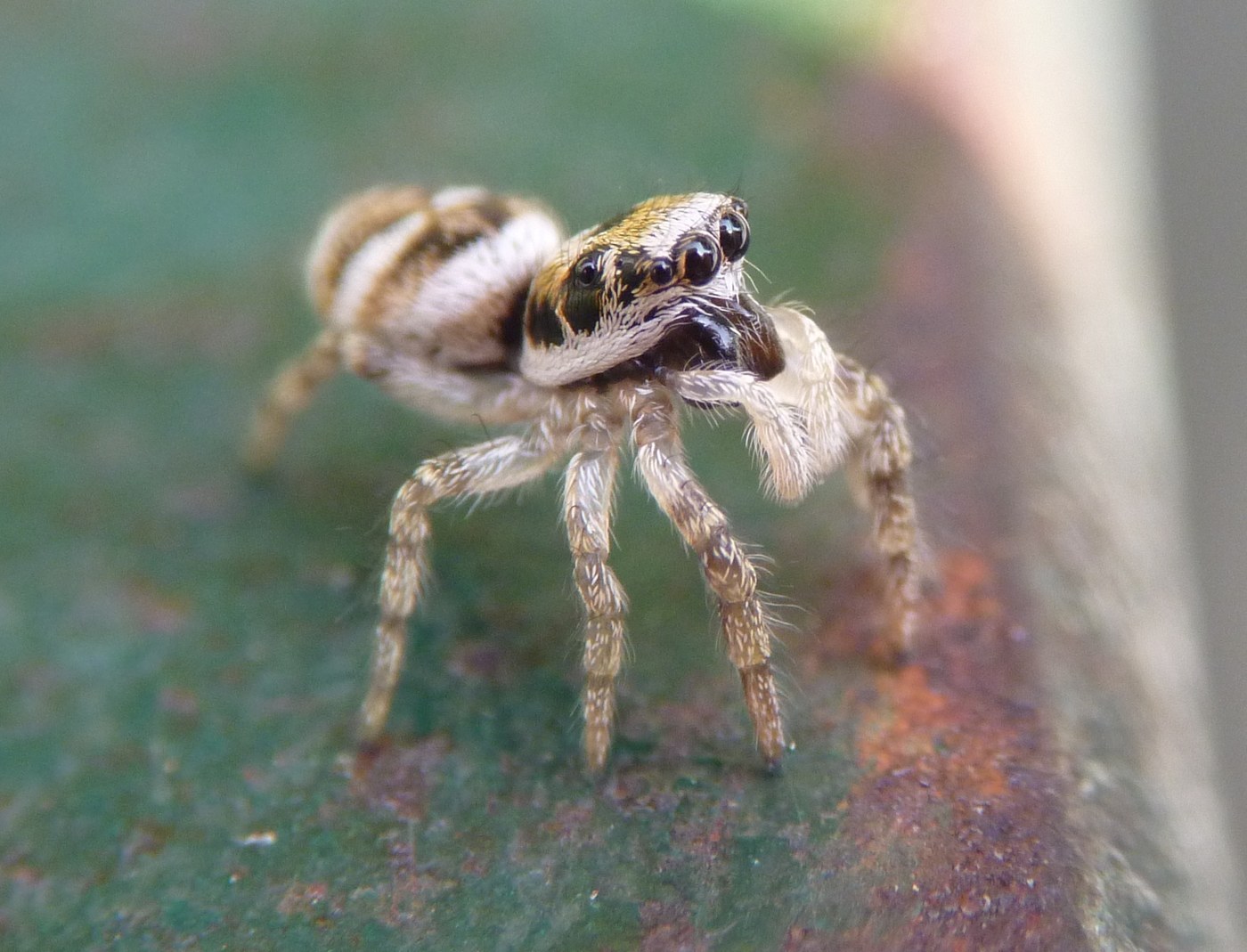
Zebra Jumping Spider
Sunny walls, fences, tree bark, and building exteriors
Wall Spider
Cracks and crevices on exterior and interior walls