
Psyllid
Psylloidea spp.
A tiny, sap-sucking hopper that resembles a miniature cicada and springs away in a blur when its host leaf is disturbed.
- Size
- 2-5 mm
- Habitat
- On leaves and stems of host plants in gardens, orchards, and forests
- Danger
- Nuisance pest
Spotted a bug like this?
Identify any bug or insect from a photo, free.
Overview
Psyllids, sometimes called jumping plant lice, are small sap-feeding insects in the superfamily Psylloidea within the order Hemiptera, the true bugs. Despite the misleading common name, they are not related to true lice at all; instead they are more closely related to aphids and cicadas, sharing the piercing-sucking mouthparts typical of the group.
Most psyllid species are highly host-specific, feeding on only one or a few closely related plant species throughout their life cycle. Many produce distinctive waxy or sugary secretions, and some induce galls or leaf curling on their host plants as they feed. A well-known example is the Asian citrus psyllid, which feeds on citrus trees and is notable for vectoring a bacterial disease of citrus.
Psyllids are found on nearly every continent, with particular diversity on eucalyptus, citrus, pear, and other woody plants. Their populations can build quickly in warm weather, and heavy infestations may cause curled, distorted, or yellowing foliage on ornamental and agricultural plants.
How to Identify
- Adults are 2-5 mm long, with a wedge-shaped body and clear or patterned wings held roof-like over the back.
- Strong jumping hind legs give them a cicada-like or leafhopper-like appearance in miniature.
- Antennae are relatively long and thread-like compared to the small body.
- Coloring ranges from pale green or yellow to brown or mottled, often matching the host plant's foliage.
- Nymphs are flattened, scale-like, and often coated in waxy filaments or a sugary secretion called "lerp" in some species; they are far less mobile than adults.
- Lookalikes include aphids and leafhoppers, but psyllids' strong jumping ability and cicada-like wing posture help distinguish them.
Habitat & Range
Psyllids occur wherever their host plants grow, from temperate gardens and orchards to subtropical and tropical woodlands. They are especially diverse on eucalyptus in Australia, citrus in warm climates, and pear and other rosaceous trees in temperate regions. Nymphs remain fixed on leaves or stems, while winged adults can disperse short distances by jumping or flying to find new host plants, typically most active in the warmer months.
Behavior & Diet
Psyllids feed exclusively on plant sap, using needle-like mouthparts to tap into leaf or stem tissue. This sap feeding can cause distorted growth, leaf curling, yellowing, or the formation of galls in some species, and heavy infestations are recognized as pests of certain crops and ornamentals. Many psyllids excrete honeydew or waxy secretions that can attract ants and support the growth of sooty mold on leaves below. In natural ecosystems, psyllids are prey for lady beetles, lacewings, spiders, and parasitoid wasps, forming a link in garden and forest food webs.
Life Cycle
Females lay small stalked eggs on leaves or stems of the host plant. Nymphs hatch and pass through five instars, remaining largely stationary while feeding and often producing protective wax or a sugary lerp covering. After the final nymphal molt, winged adults emerge and disperse to mate and find new host plants. Depending on species and climate, psyllids may complete several generations per year, with some species overwintering as adults in bark crevices or leaf litter.
Frequently asked questions
Is a psyllid a type of louse?
No, despite the common name "jumping plant louse," psyllids are true bugs related to aphids and cicadas, not to lice.
Why do psyllids jump so far for their size?
Their enlarged hind legs are built for powerful jumping, an escape response similar to that of leafhoppers and froghoppers.
What is the waxy substance sometimes seen around psyllid nymphs?
Many nymphs secrete wax or a sugary substance called lerp as they feed, which can help shield them while stationary on the leaf.
Do psyllids fly?
Adults have two pairs of wings and can fly short distances, though their strong jumping legs are their primary means of quick escape.
Psyllid guides
In-depth guides for identifying, understanding, and living alongside Psyllid.
Psyllid identified by the community
Real finds identified with Bug Identifier.
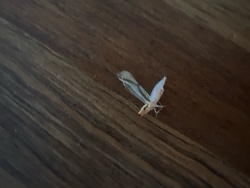
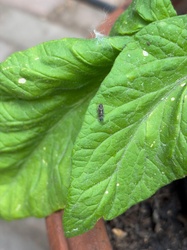
Other bugs you may enjoy
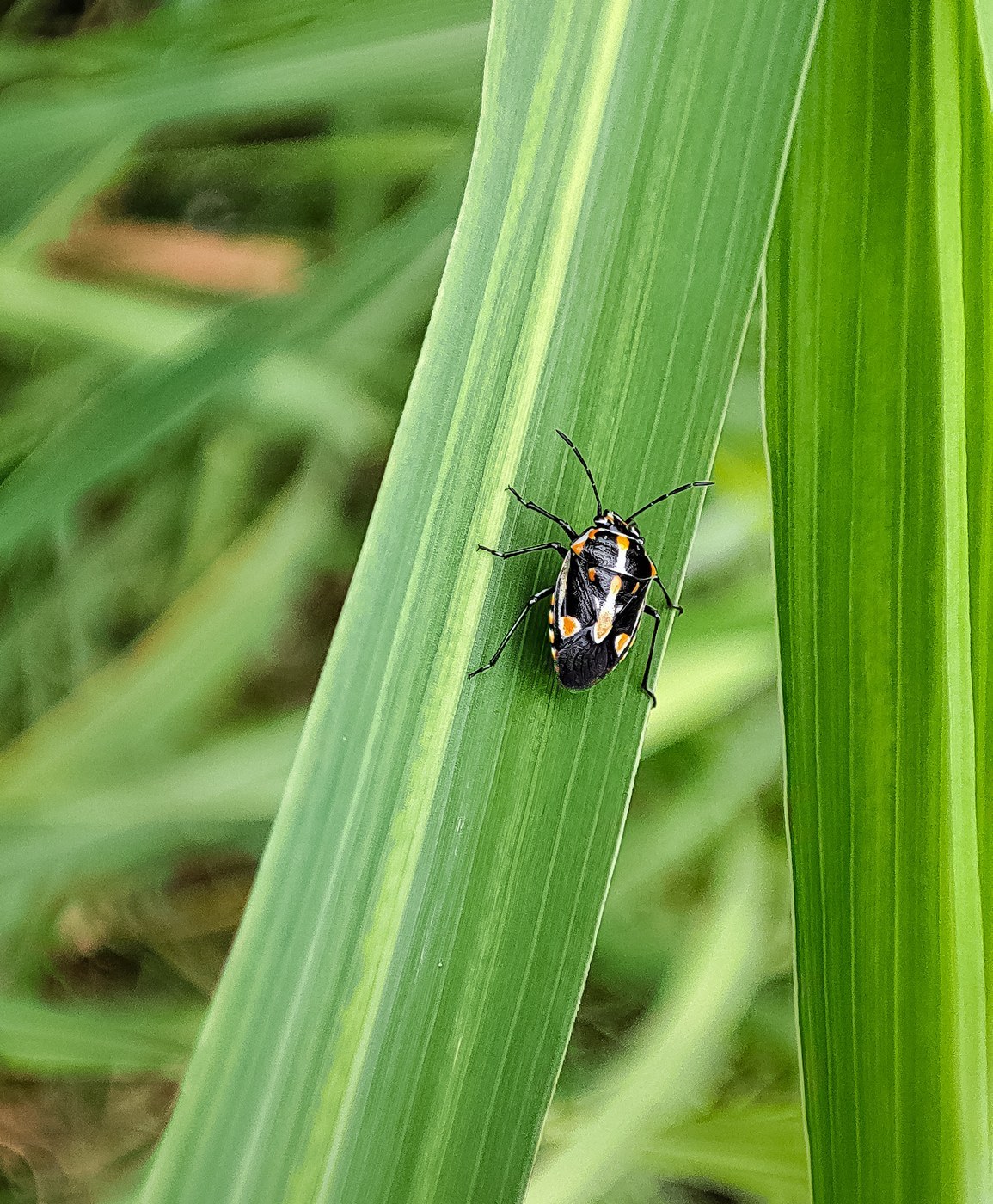
Bagrada Bug
Arid gardens, crucifer fields, desert-adjacent croplands
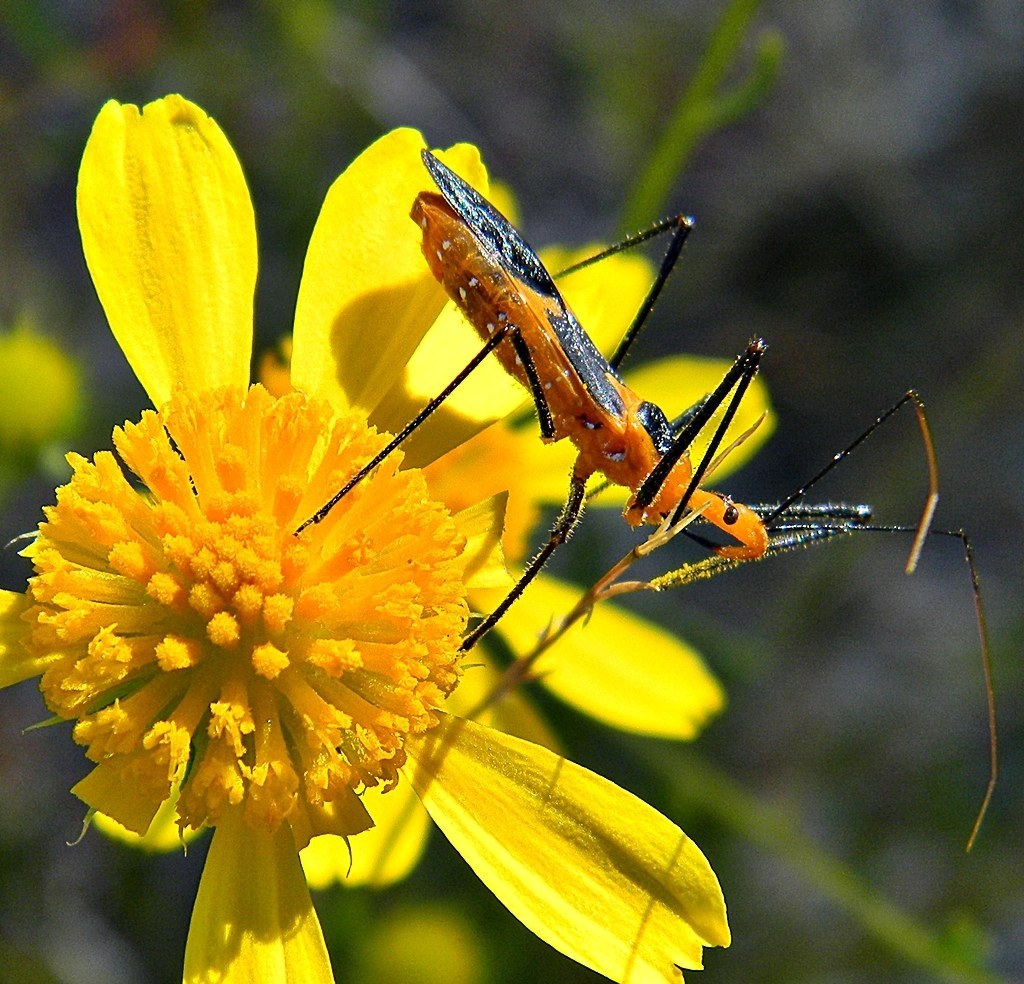
Assassin Bug
Gardens, meadows, and vegetation worldwide
Water Boatman Bug
Ponds, lakes, and slow-moving freshwater
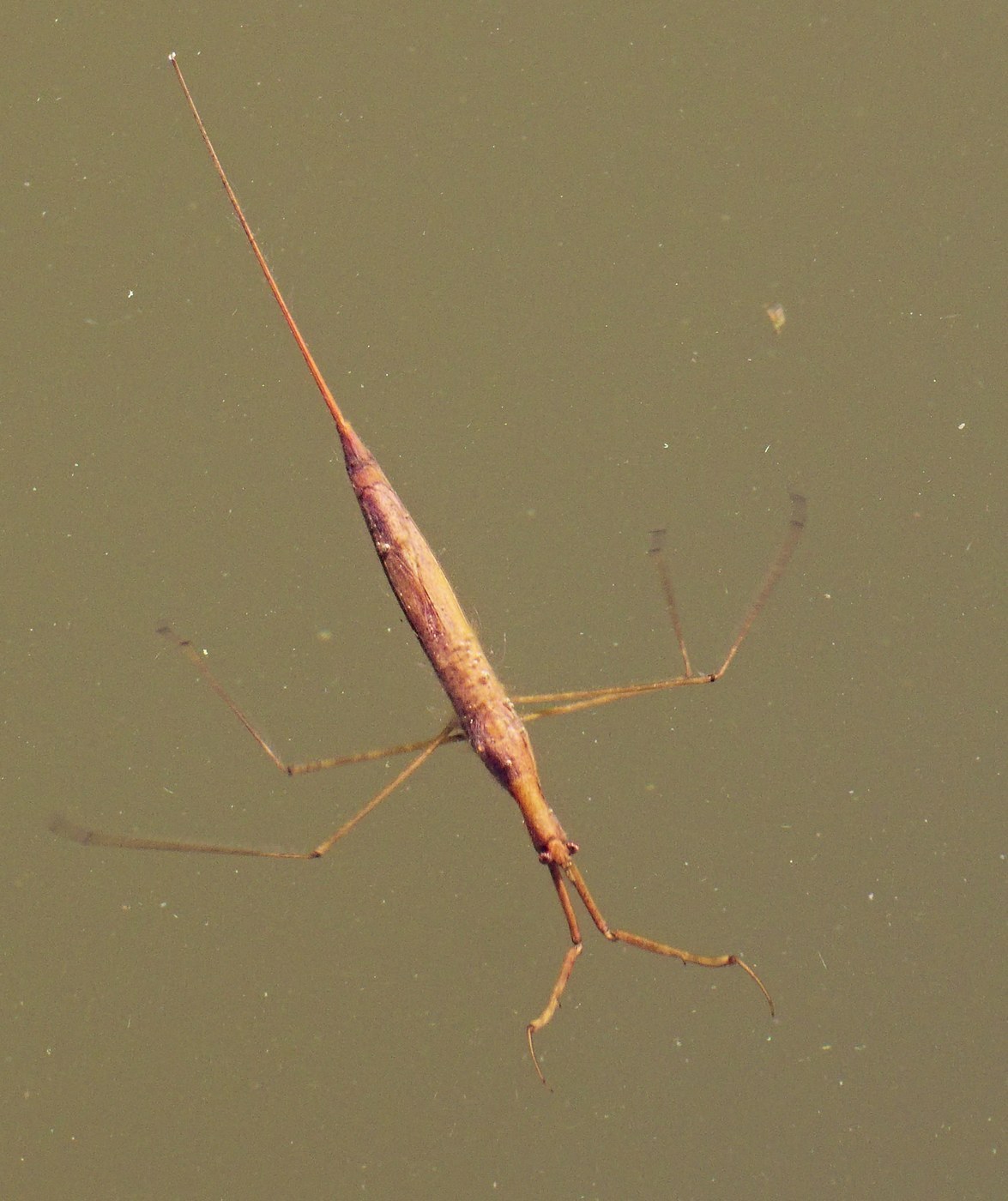
Water Stick Insect
Still and slow-moving water with dense submerged vegetation
Rough Stink Bug
Tree bark, woodlands, orchards, and shrubby vegetation
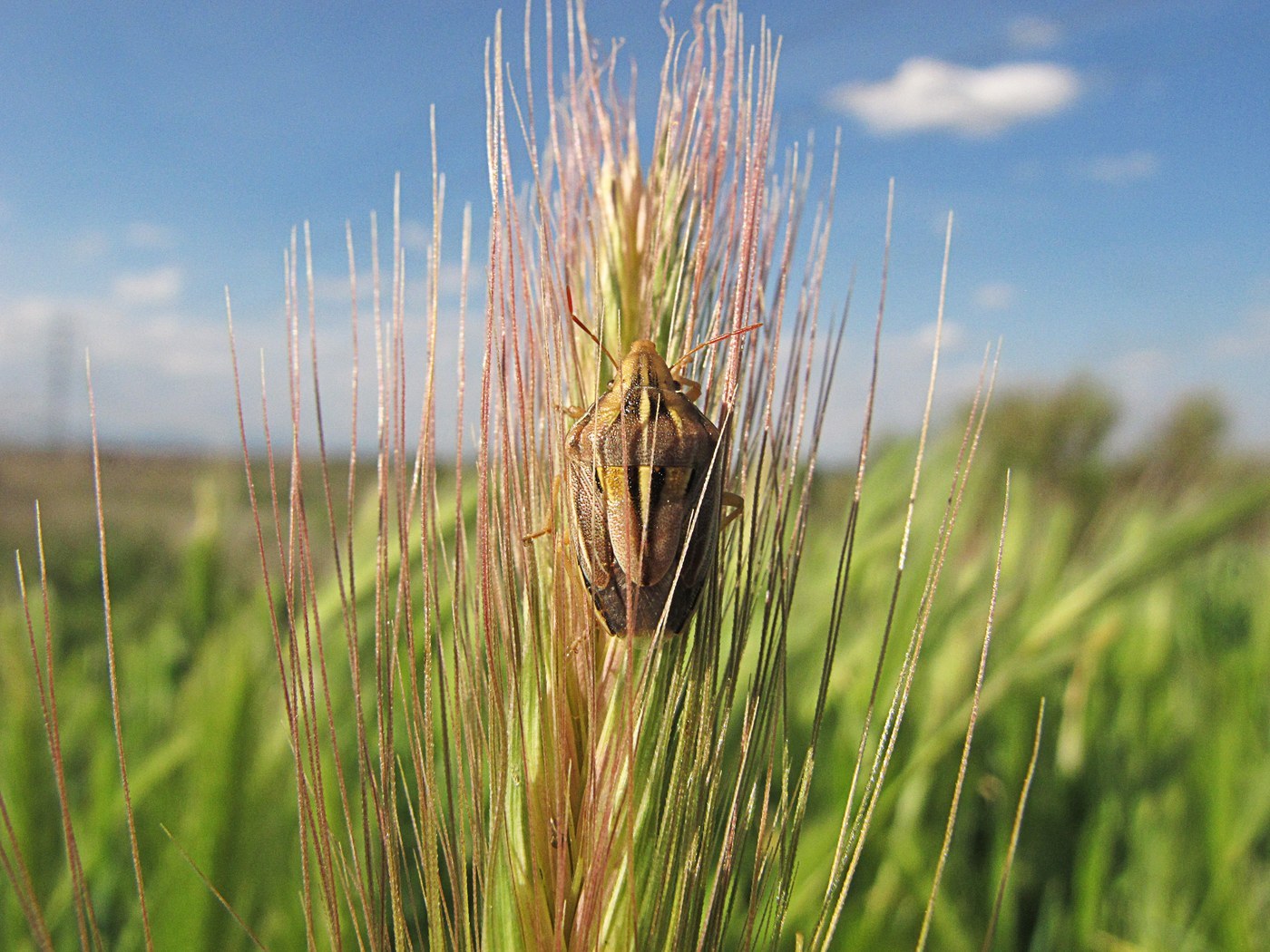
Stink Bug
Gardens, crop fields, and woodlands across temperate and subtropical regions
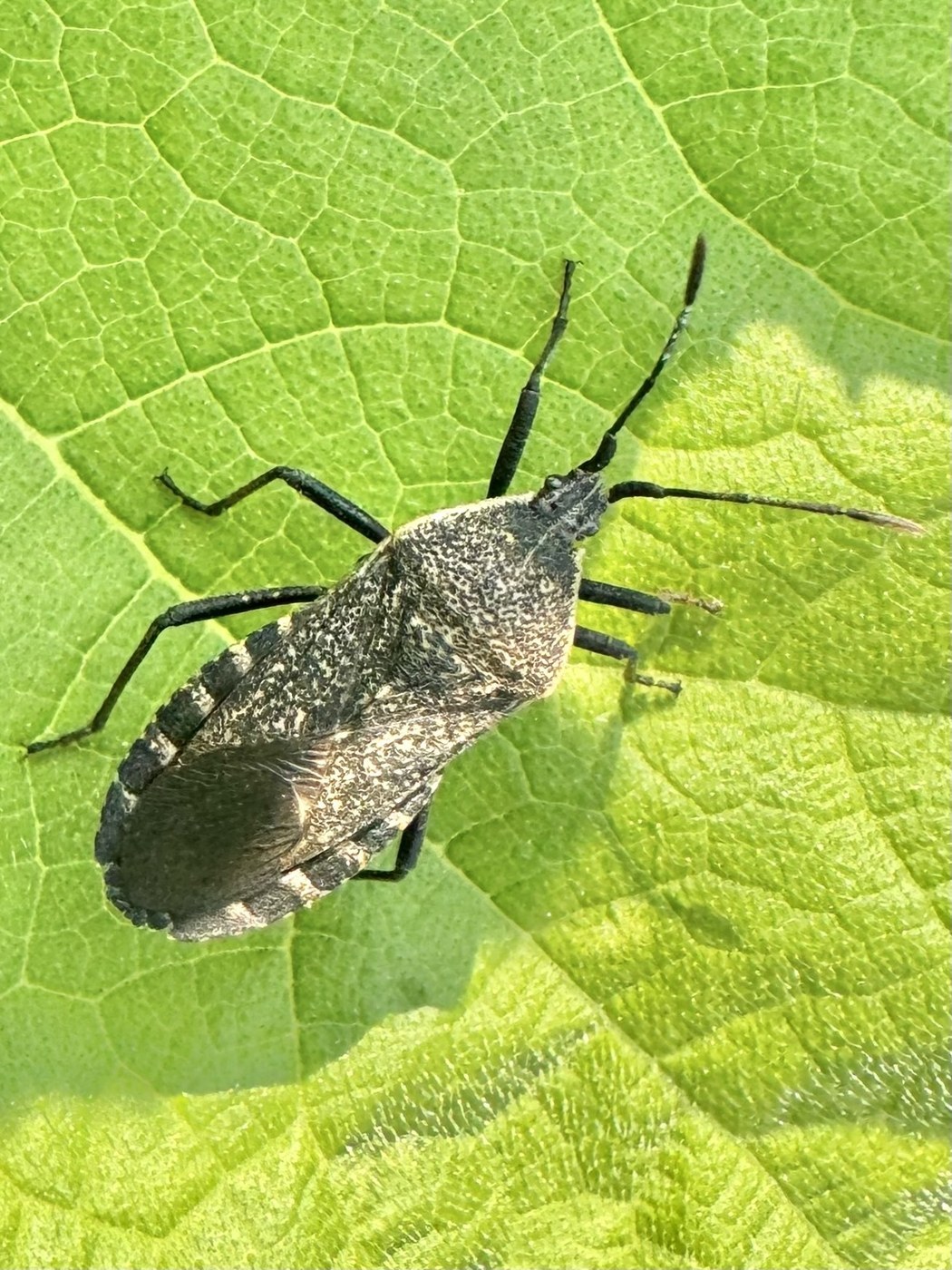
Squash Bug
Vegetable gardens and farm fields growing squash, pumpkin, and other cucurbits
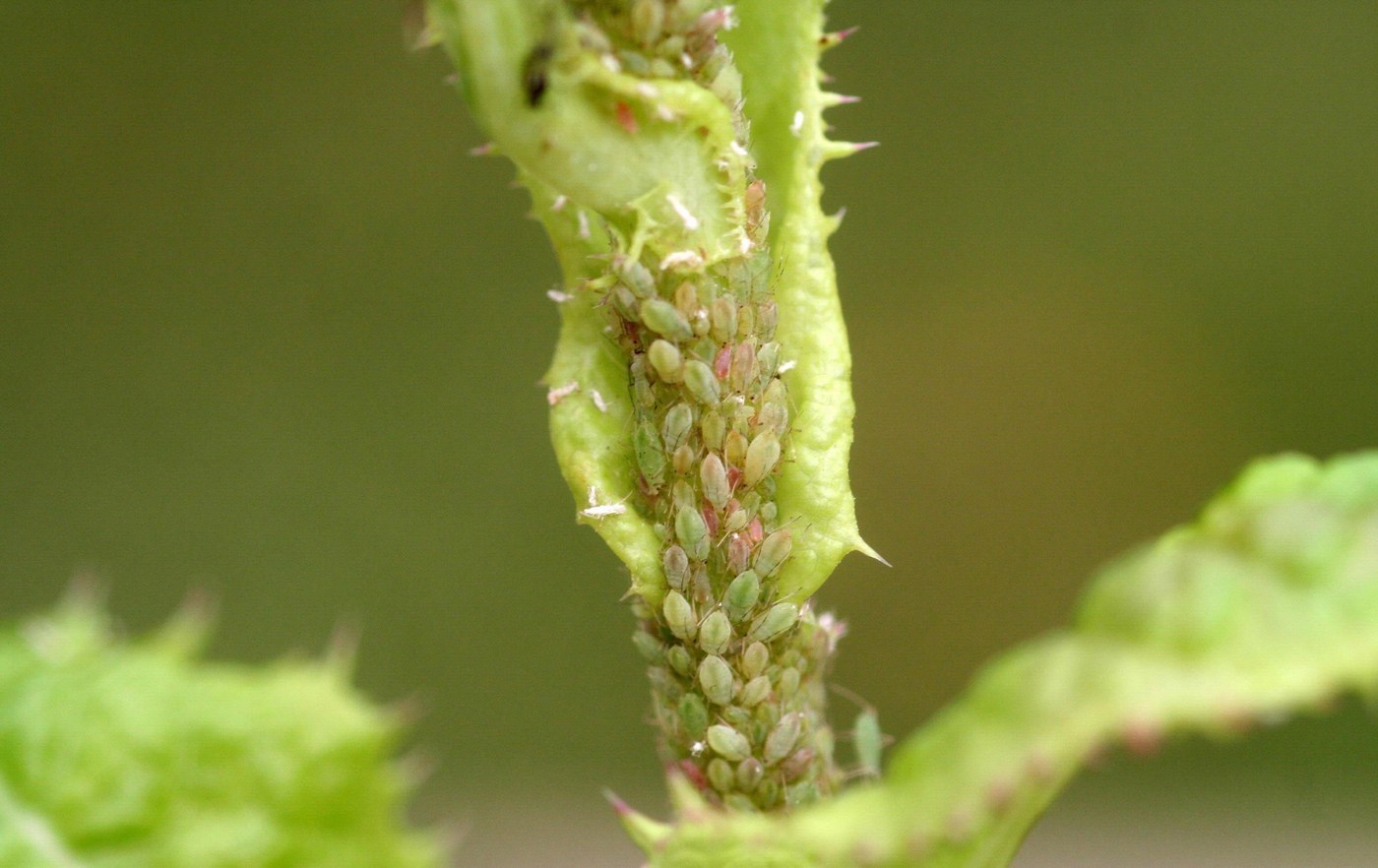
Aphid
On stems, leaves, and buds of a very wide range of host plants
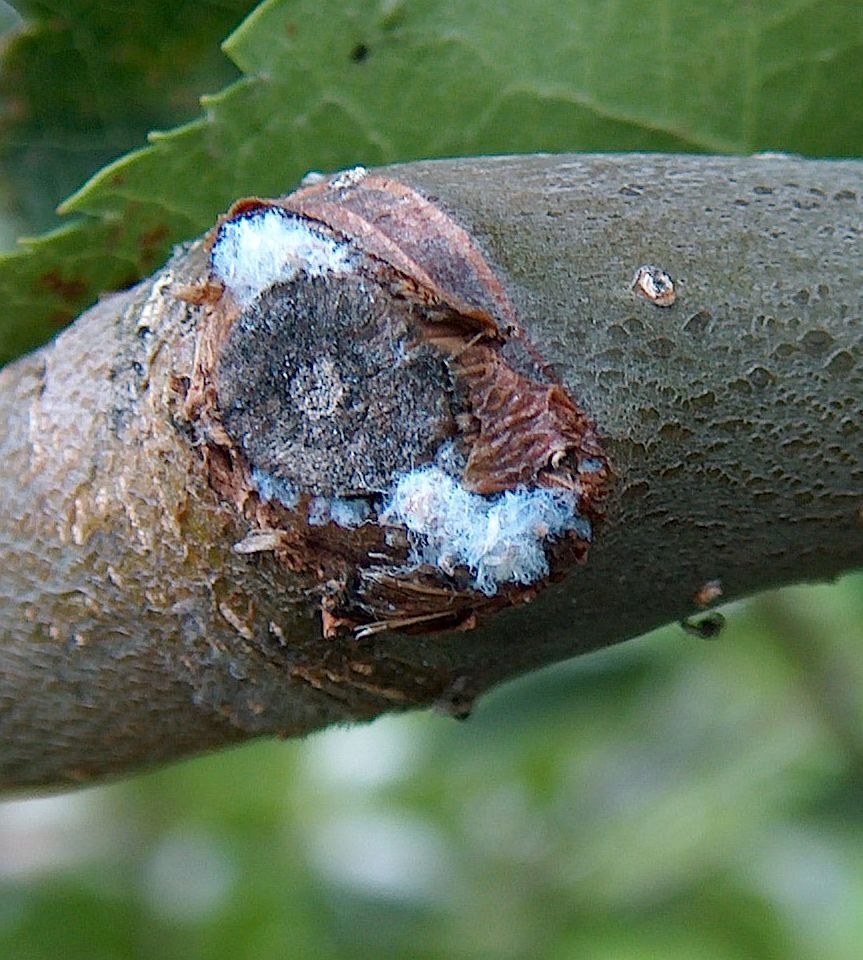
Woolly Aphid
Bark crevices, root collars, and twigs of apple, elm, and alder trees
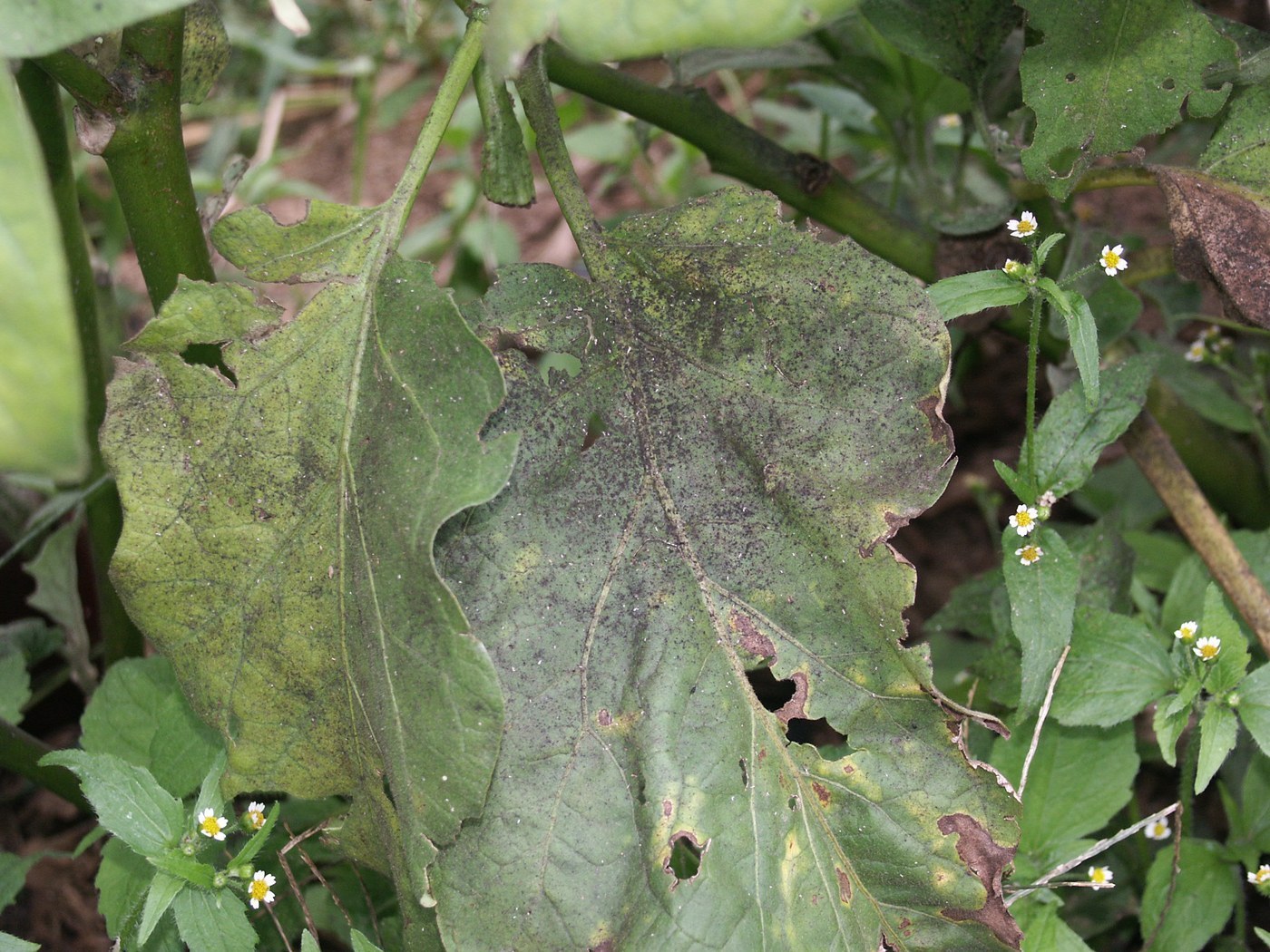
Whitefly
Greenhouses, gardens, and undersides of leaves on host plants
Water Measurer
Quiet edges of ponds, marshes, and slow streams
Two-Spotted Stink Bug
Gardens and fields with potato and nightshade-family plants