
Question Mark Caterpillar
Polygonia interrogationis
A spiny, variably colored caterpillar named for the silver question-mark-shaped mark on the underside of the adult butterfly's wings.
- Size
- About 1.25-1.5 in (3-4 cm) long
- Habitat
- Woodland edges and disturbed areas with elm, hackberry, or nettle
- Danger
- Harmless
Spotted a bug like this?
Identify any bug or insect from a photo, free.
Overview
The question mark caterpillar is the larval stage of a butterfly named for a small silvery mark shaped like a question mark on the underside of its hindwing. The species is common across much of eastern North America and is notable among anglewing butterflies for its variable and sometimes strikingly colored larvae.
The caterpillar feeds on the foliage of several common trees and weedy plants, and its populations can build up noticeably on host trees like American elm and hackberry in suburban and woodland settings.
How to Identify
- Body color is variable, ranging from black to reddish-brown to nearly white, often with fine yellow or orange lines
- Covered in rows of branched spines (scoli) along the back and sides, which can be black, orange, or a mix
- Head bears a pair of short, branched spines as well
- Body is cylindrical and moderately robust
- The high variability in color makes individual identification tricky, but the branched spines and host plant association help confirm it
- Similar to other anglewing (Polygonia) caterpillars such as the eastern comma, which is very close in appearance
Habitat & Range
This species is found throughout the eastern and central United States and southeastern Canada, in woodland edges, parks, and suburban areas with suitable host trees. Caterpillars appear from spring through fall wherever elm, hackberry, or nettle plants are present, often on isolated host trees in otherwise open habitat.
Behavior & Diet
The caterpillar feeds on the leaves of elm, hackberry, nettle, and false nettle, sometimes resting in a loosely rolled leaf during the day. Its spiny body offers some physical deterrence to predators, while its variable coloration may help it blend with different backgrounds or bark. Adults of this species are known for overwintering as adults and being among the first butterflies seen in early spring, making the caterpillar stage an important link in the species' extended activity period.
Life Cycle
Females lay eggs singly or in small stacked columns on host leaves. The larva develops through five instars over a few weeks, showing considerable variation in color and pattern between individuals. The mature caterpillar forms an angular, mottled brown or tan chrysalis suspended from a leaf or twig. The species produces two or more generations per year across its range, with the final generation's adults overwintering in sheltered locations such as bark crevices or leaf litter rather than the larvae themselves.
Frequently asked questions
What plants does the question mark caterpillar eat?
It feeds on the leaves of elm, hackberry, nettle, and false nettle.
Why is the caterpillar's color so variable?
Question mark caterpillars naturally show a wide range of colors from black to reddish to pale, which may aid in camouflage against different backgrounds.
How did the question mark butterfly get its name?
The adult has a small silver mark shaped like a question mark on the underside of its hindwing, which gives the species its common name.
Does the caterpillar overwinter?
The caterpillar stage does not typically overwinter; instead, the adult butterflies of the last generation overwinter in sheltered spots.
Question Mark Caterpillar guides
In-depth guides for identifying, understanding, and living alongside Question Mark Caterpillar.
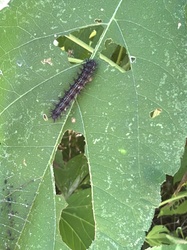
Question Mark Caterpillar identified by the community
Real finds identified with Bug Identifier.
Other bugs you may enjoy
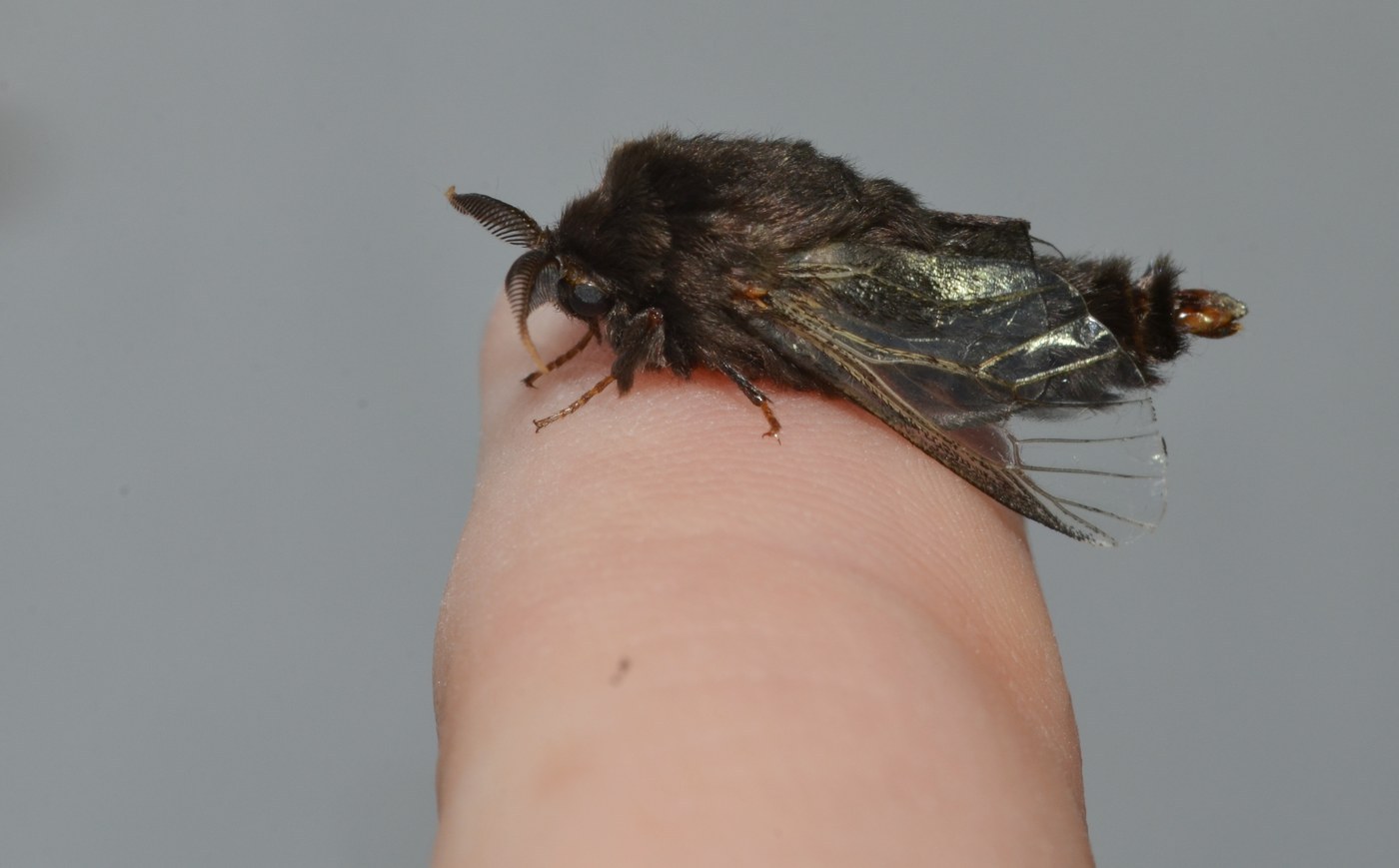
Bagworm
Trees and shrubs, especially conifers and ornamental landscaping
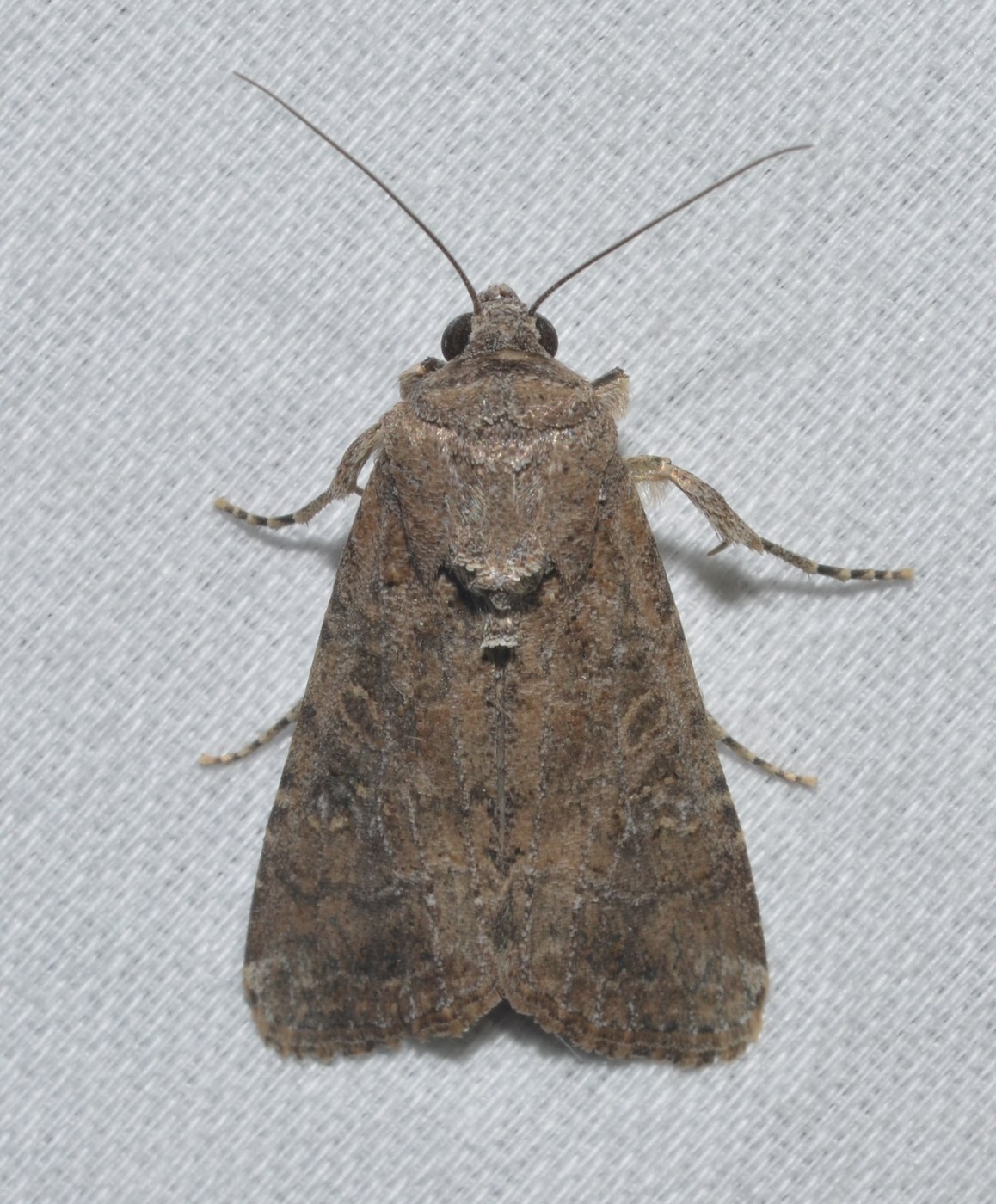
Armyworm
grasslands, pastures, and cereal crop fields
Zebra Longwing Caterpillar
Tropical and subtropical hammocks with passionflower vines
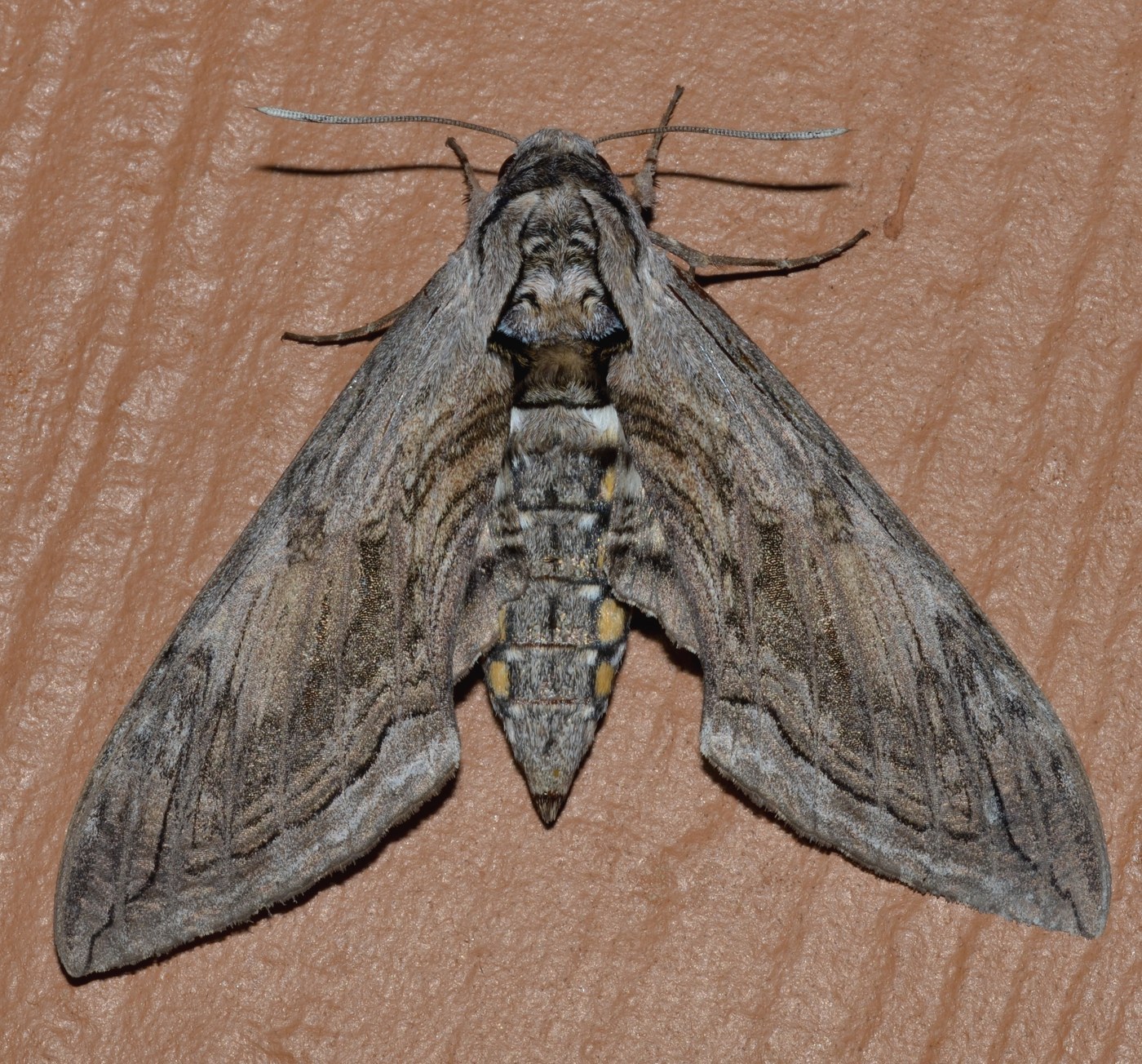
Tomato Hornworm
Gardens and fields with tomato, pepper, and other nightshade plants
Tent Caterpillar
Deciduous trees such as cherry, apple, and other rosaceous species
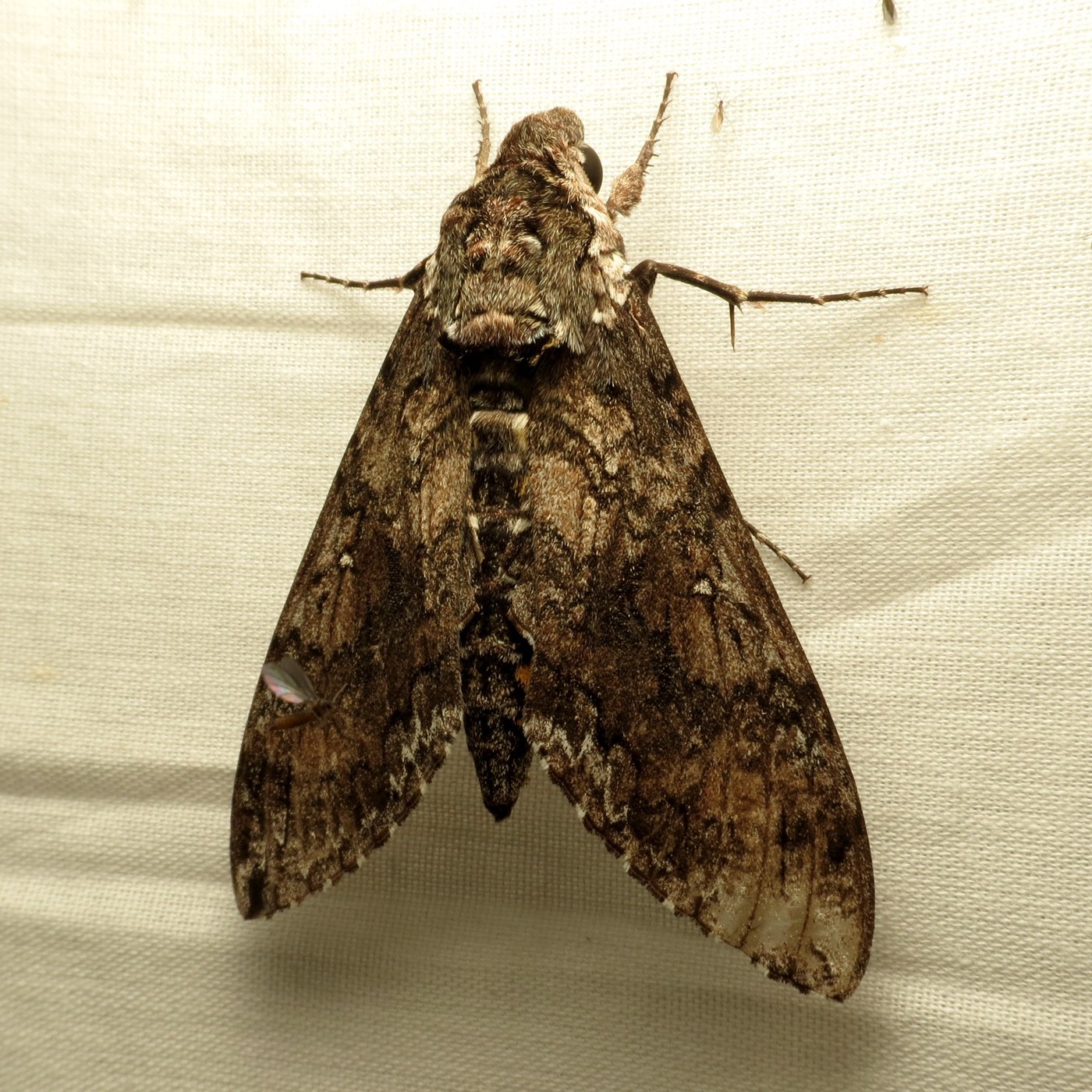
Tobacco Hornworm
tobacco, tomato, and pepper plants in gardens and fields
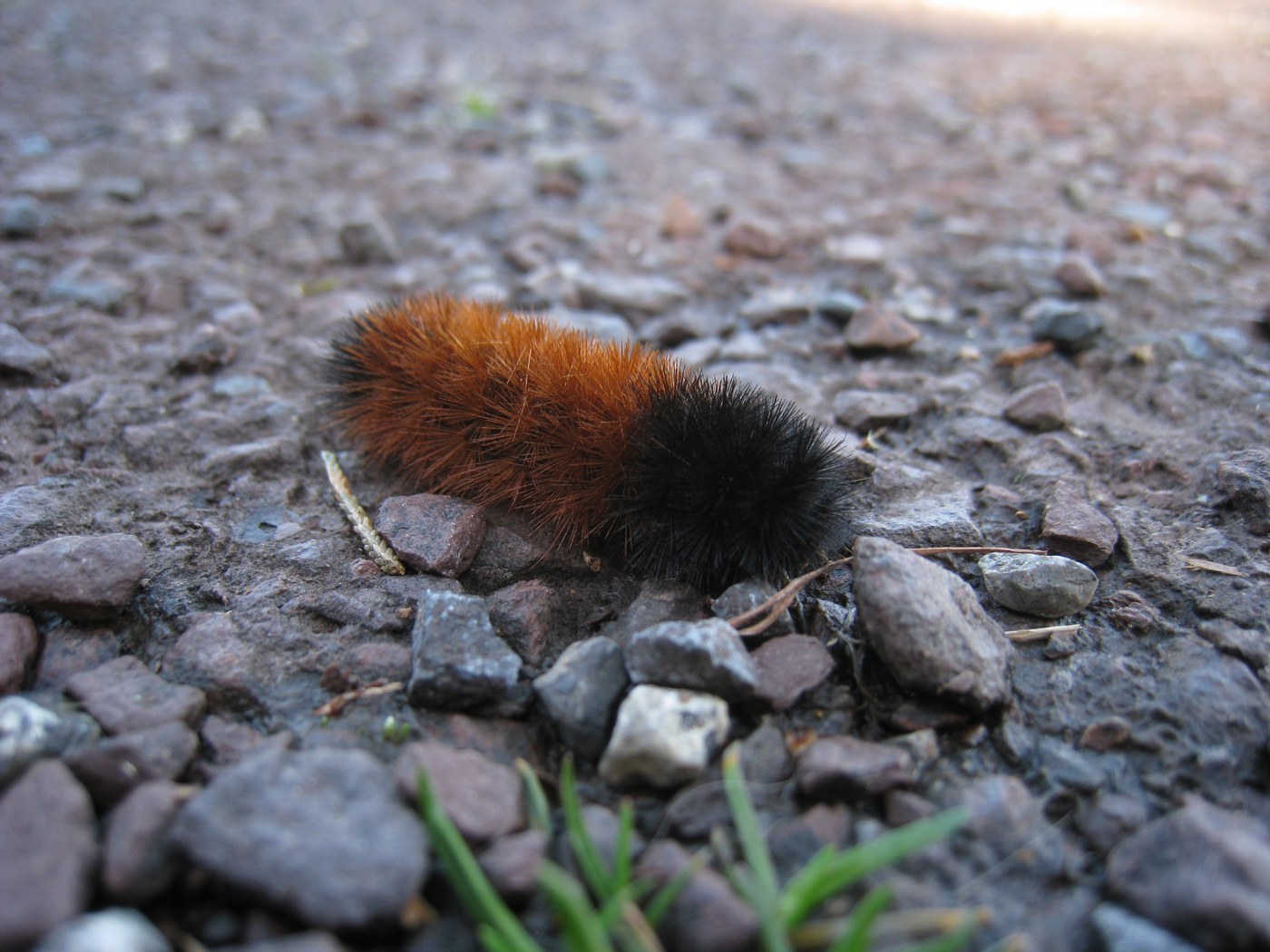
Woolly Bear Caterpillar
Gardens, meadows, roadsides, and woodland edges across North America
Sod Webworm
Turfgrass lawns, golf courses, pastures
Spiny Oak-slug Caterpillar
Deciduous forests and woodland edges with oak and other hardwoods
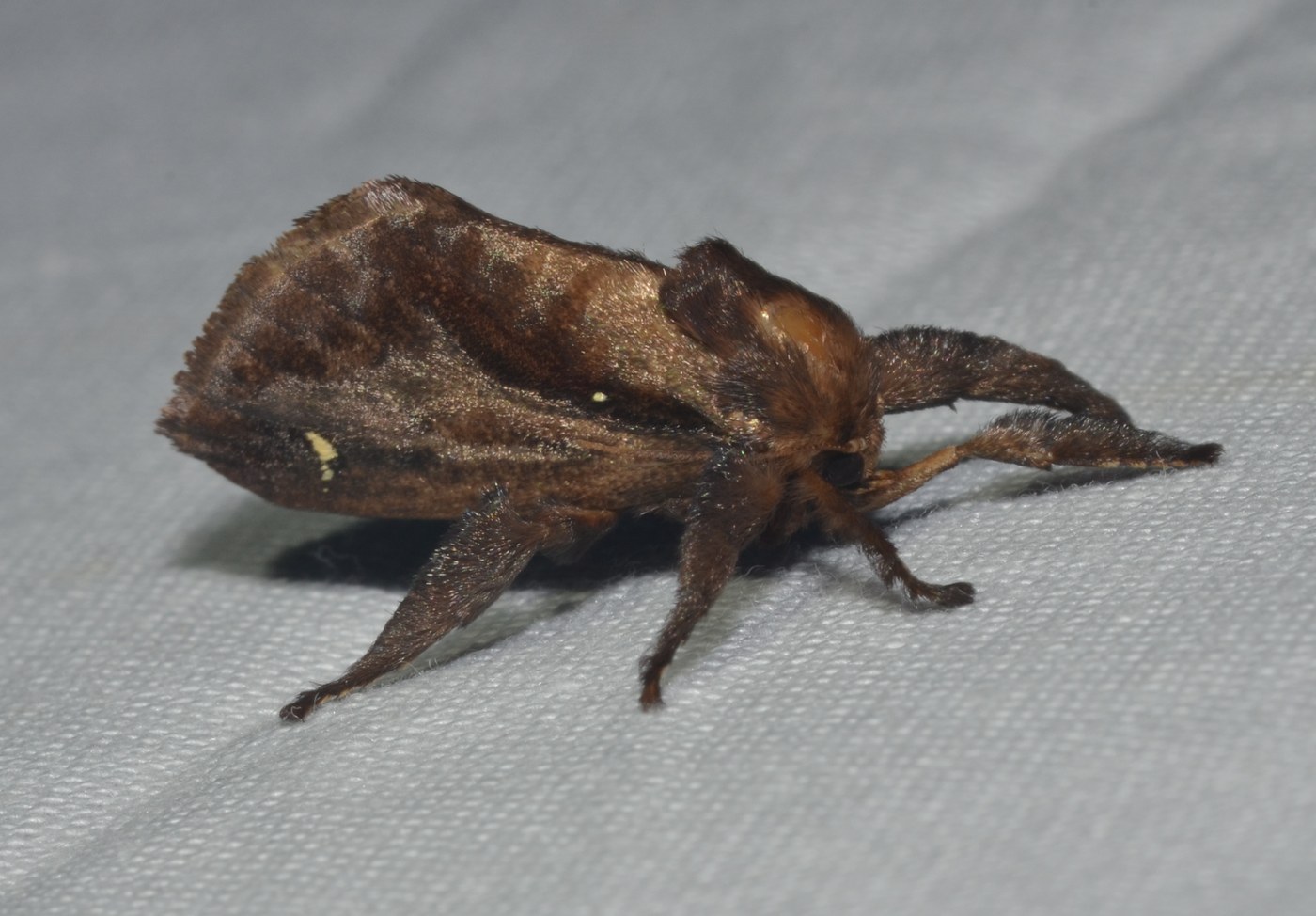
Saddleback Caterpillar
Deciduous trees and shrubs in eastern and southern North America
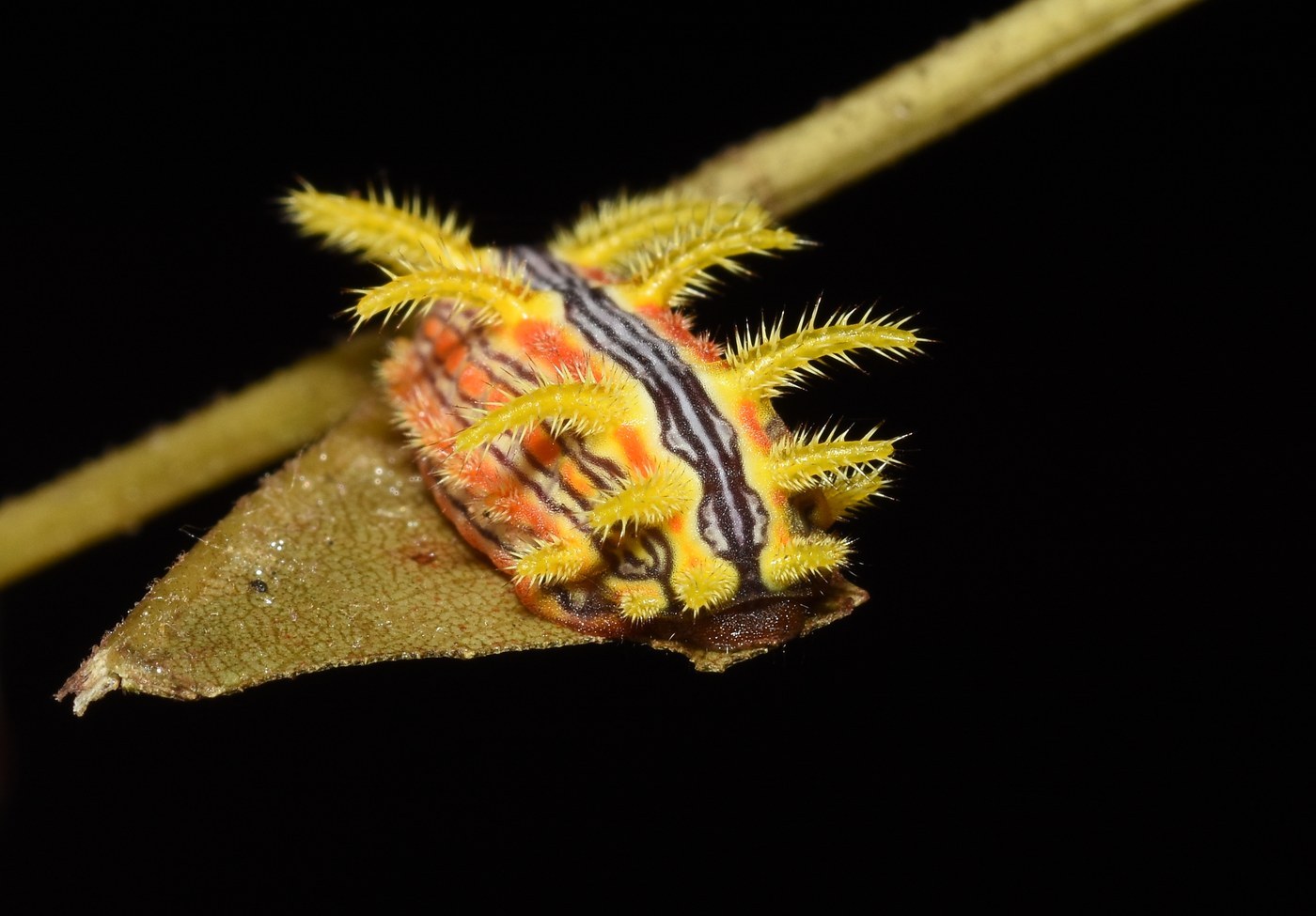
Stinging Rose Caterpillar
Gardens and woodlands with rose, dogwood, or oak
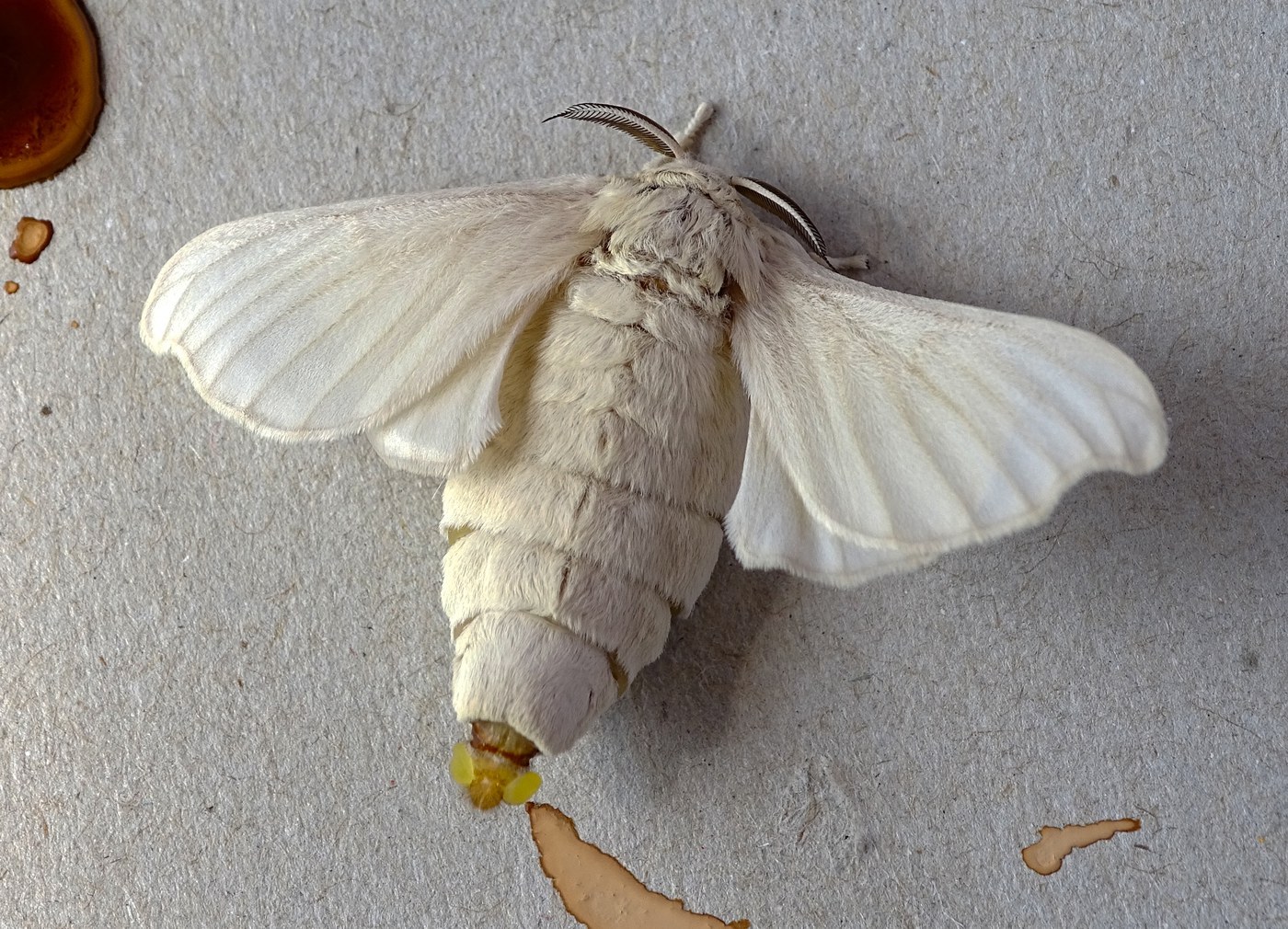
Silkworm
Reared exclusively in captivity on mulberry leaves; no independent wild population