
Red-spotted Purple
Limenitis arthemis astyanax
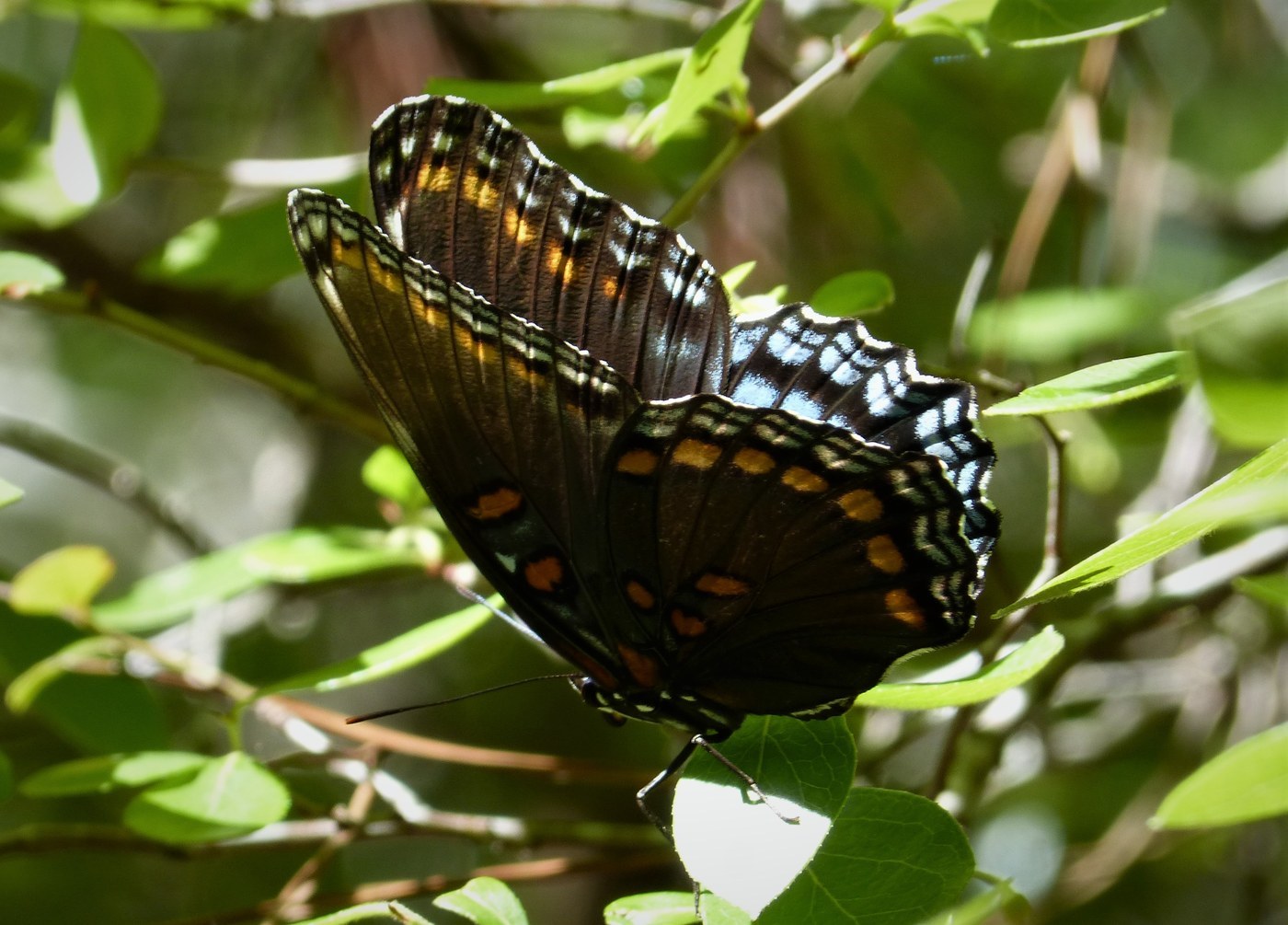
A large, iridescent blue-black butterfly lacking tails, notable for closely mimicking the unpalatable Pipevine Swallowtail, with rows of red-orange spots visible along the underside wing margins.
- Size
- 3.0–3.5 in wingspan
- Habitat
- Deciduous woodland edges, roadsides, and stream corridors in eastern North America
- Danger
- Harmless
Spotted a bug like this?
Identify any bug or insect from a photo, free.
Overview
The Red-spotted Purple is a striking brushfoot butterfly (family Nymphalidae) found across the eastern and central United States. It is technically the southern subspecies of Limenitis arthemis, the same species that produces the White Admiral form farther north, with the two forms intergrading in a broad hybrid zone across the northern tier of states and southern Canada.
The species is a well-known example of Batesian mimicry in North American butterflies: its iridescent blue-black wings without tails closely resemble the Pipevine Swallowtail, a butterfly whose caterpillars sequester distasteful compounds from their host plant. By resembling this less palatable model, the Red-spotted Purple gains a degree of protection from predators that have learned to avoid the swallowtail's coloring.
As a member of the admiral group within Nymphalidae, it shares close kinship with the White Admiral, Viceroy, and other Limenitis species known for strong, gliding flight and territorial behavior.
How to Identify
- Wings are iridescent blue to blue-green above, especially on the hindwing, without any white band (distinguishing it from the White Admiral form of the same species).
- No tails on the hindwing, giving smooth, rounded wing margins.
- Underside shows rows of orange-red spots along the wing margins, most visible near the body and along the outer edge.
- Larger and more robust-bodied than most brushfoot butterflies of similar coloring.
- Lookalikes: the Pipevine Swallowtail has similar iridescent blue coloring but possesses hindwing tails and a row of larger orange spots on the underside hindwing; the White Admiral (same species, northern form) has a bold white band crossing both wings, which the Red-spotted Purple lacks.
Habitat & Range
Found across the eastern and central United States, from New England south to the Gulf Coast and west to the Great Plains, integrating with the White Admiral form in a broad zone across the northern states and southern Canada. It favors deciduous woodland edges, wooded roadsides, stream corridors, and open areas near forest, where its willow, poplar, and cherry host plants grow. Adults are active from spring through fall, with multiple generations in warmer parts of the range.
Behavior & Diet
Adults have a strong, gliding flight and are often seen perching on foliage or sipping moisture from damp soil, sap flows, rotting fruit, or animal droppings rather than visiting flowers as frequently as many other butterflies. Males perch on low branches to watch for passing females and rival males, engaging in territorial chases. Caterpillars feed on the leaves of willow, poplar, aspen, and wild cherry, and are noted for their humped, mottled appearance that camouflages them as bird droppings when young. The species and its mimicry relationship with the Pipevine Swallowtail is a frequently cited example of predator-avoidance strategy in field guides and ecology courses.
Life Cycle
Eggs are laid singly on the tips of host plant leaves. Young caterpillars construct a partially rolled leaf shelter and, notably, overwinter as partly grown larvae inside a folded leaf case called a hibernaculum attached to the host twig. Feeding resumes in spring, and the caterpillar's mottled brown-and-white coloring provides camouflage resembling bird droppings, a defense that becomes less effective as it grows larger and develops humped projections instead. Pupation occurs in a hanging chrysalis. Two to three generations occur per year across most of the range, with overwintering occurring in the caterpillar stage.
Frequently asked questions
Is the Red-spotted Purple the same species as the White Admiral?
Yes, they are both subspecies or forms of Limenitis arthemis; the Red-spotted Purple form lacks the white band and occurs in the south, while the White Admiral form has a bold white band and occurs farther north, with the two blending in a hybrid zone.
Why does it look so much like the Pipevine Swallowtail?
It is considered a mimic of the Pipevine Swallowtail, gaining some protection from predators that avoid the less palatable swallowtail's coloring, even though the Red-spotted Purple lacks hindwing tails.
Does it visit flowers for nectar?
Less often than many butterflies; it is frequently seen instead feeding at sap flows, rotting fruit, damp soil, and animal droppings.
What do the caterpillars eat?
They feed on the leaves of willow, poplar, aspen, and wild cherry trees.
Red-spotted Purple guides
In-depth guides for identifying, understanding, and living alongside Red-spotted Purple.
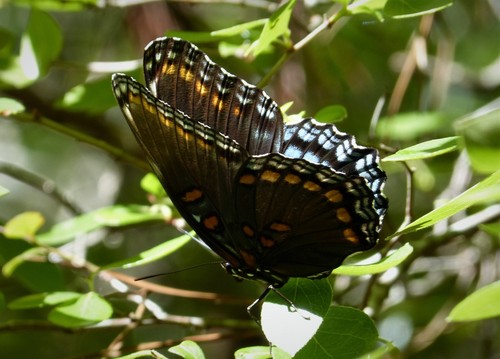
Red-spotted Purple identified by the community
Real finds identified with Bug Identifier.


Other bugs you may enjoy
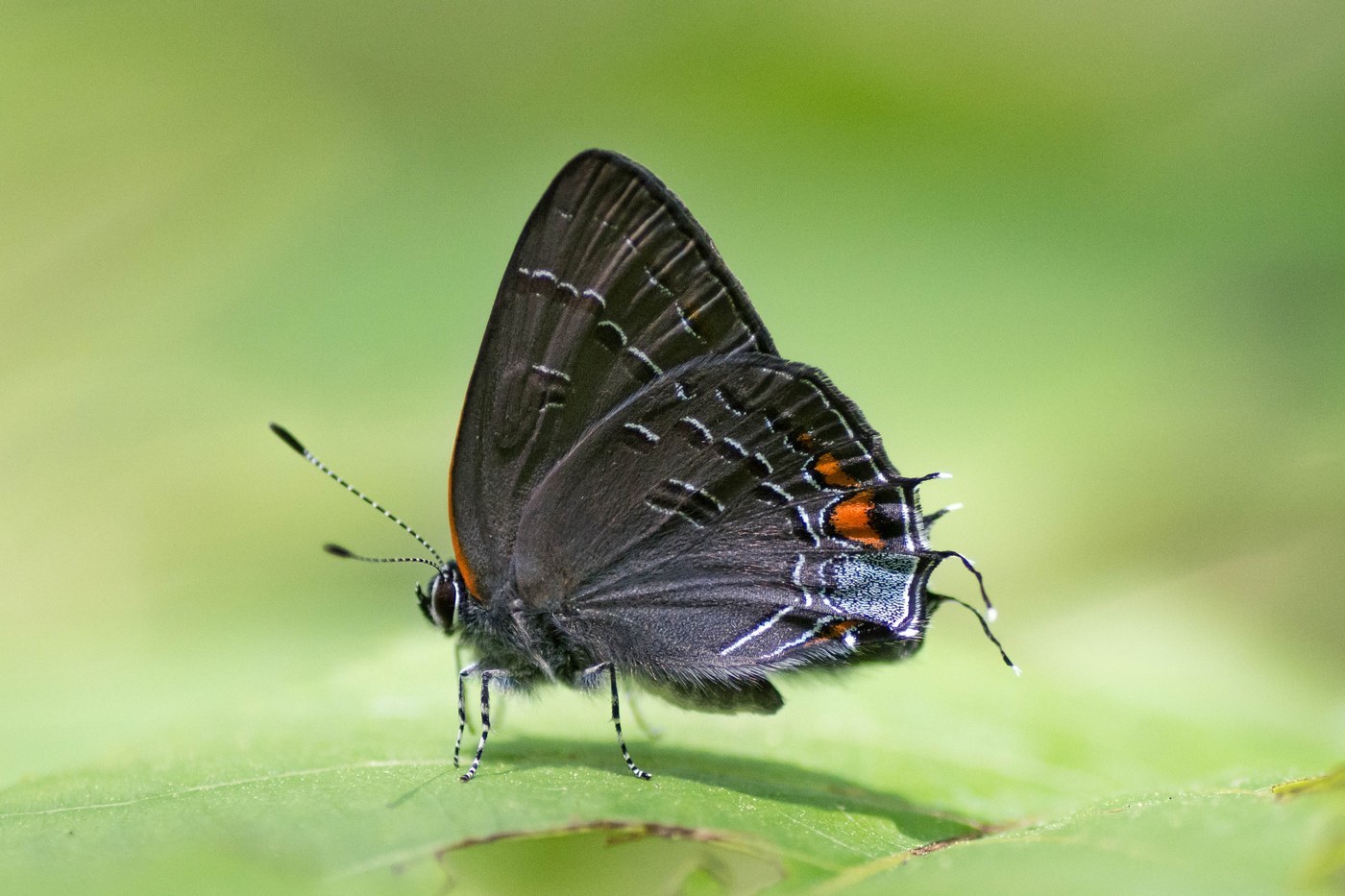
Banded Hairstreak
Deciduous woodlands and edges with oaks and hickories
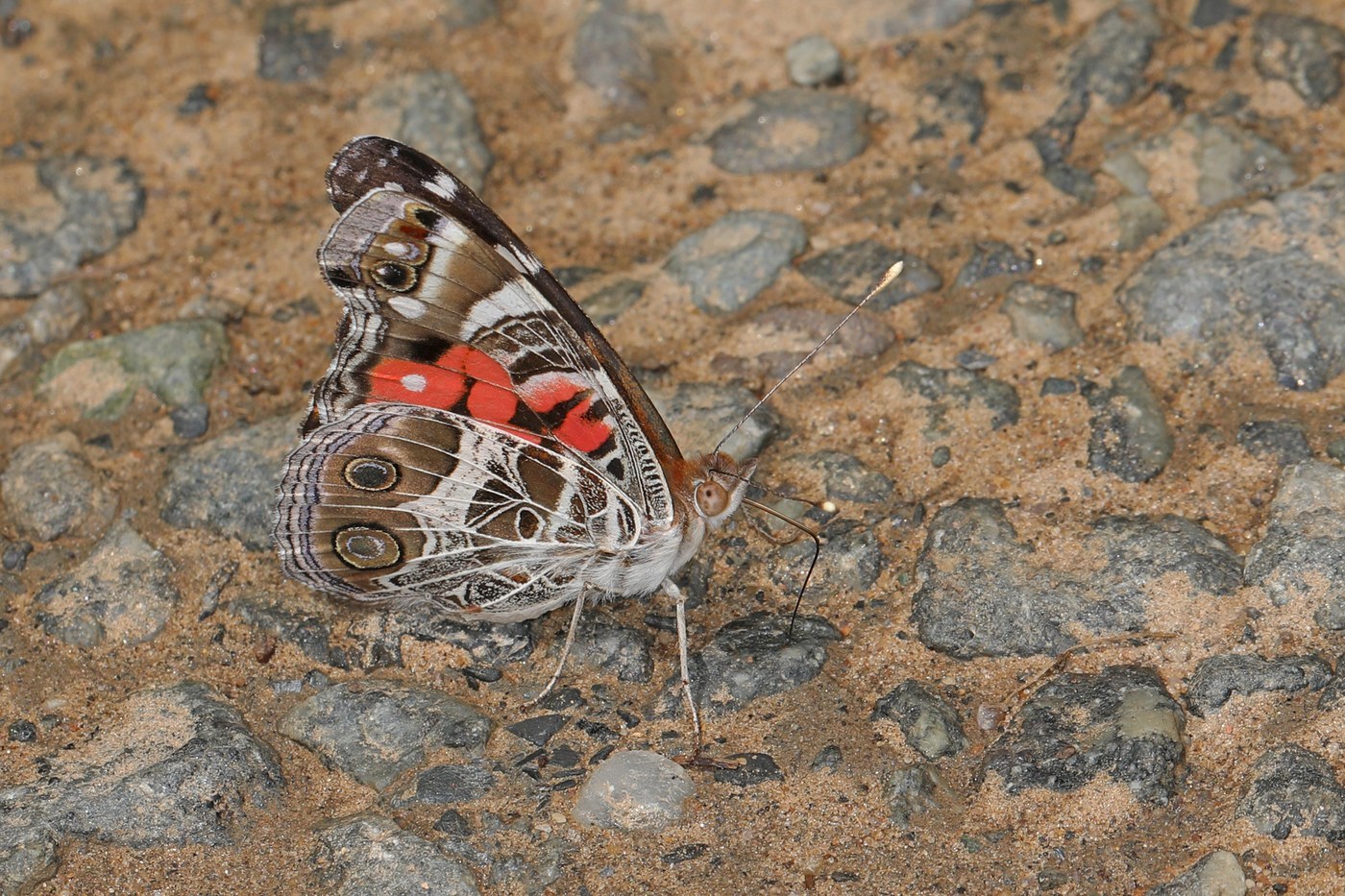
American Lady
Open fields, meadows, gardens, roadsides
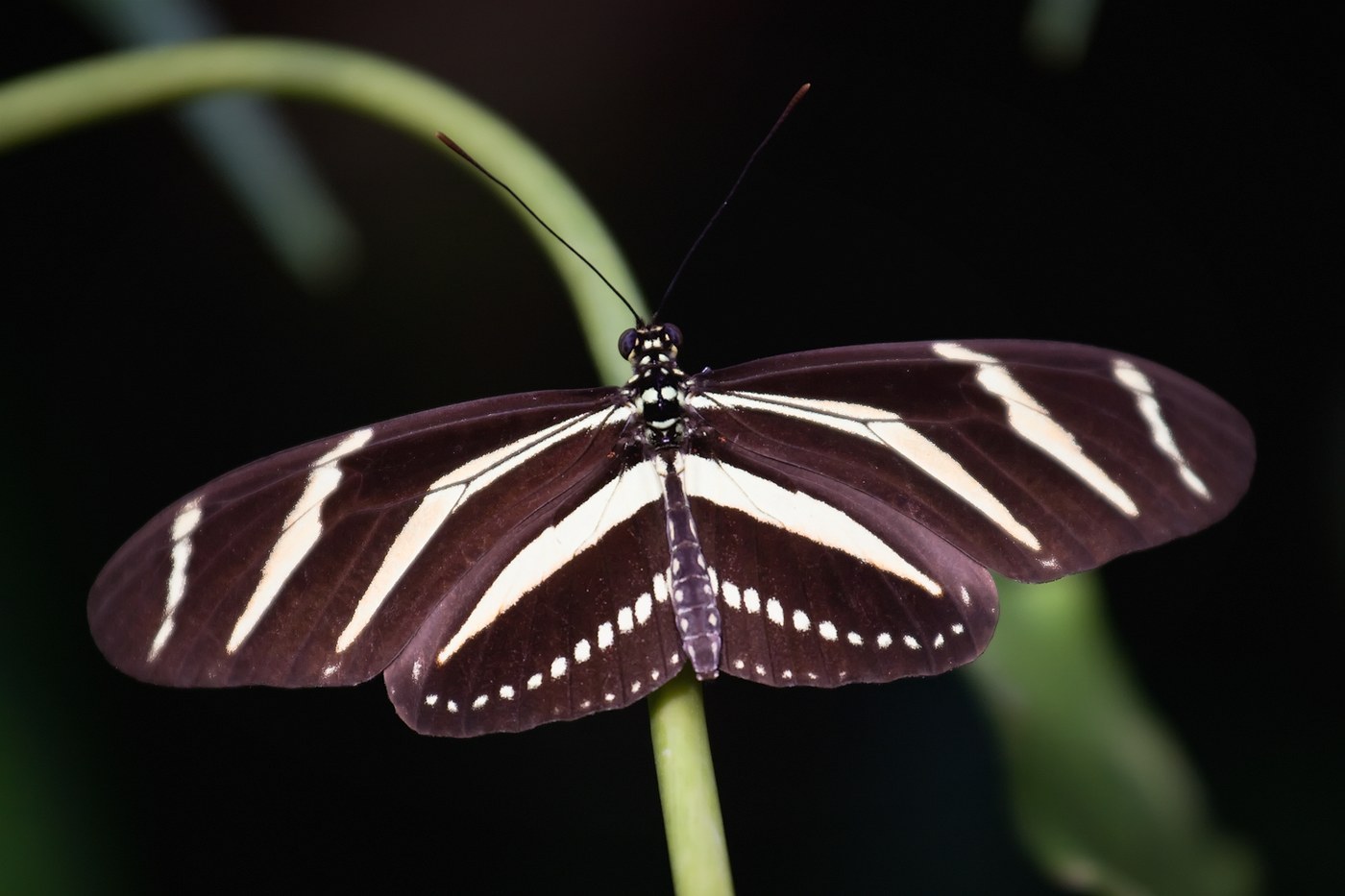
Zebra Longwing
Tropical hammocks, gardens, forest edges
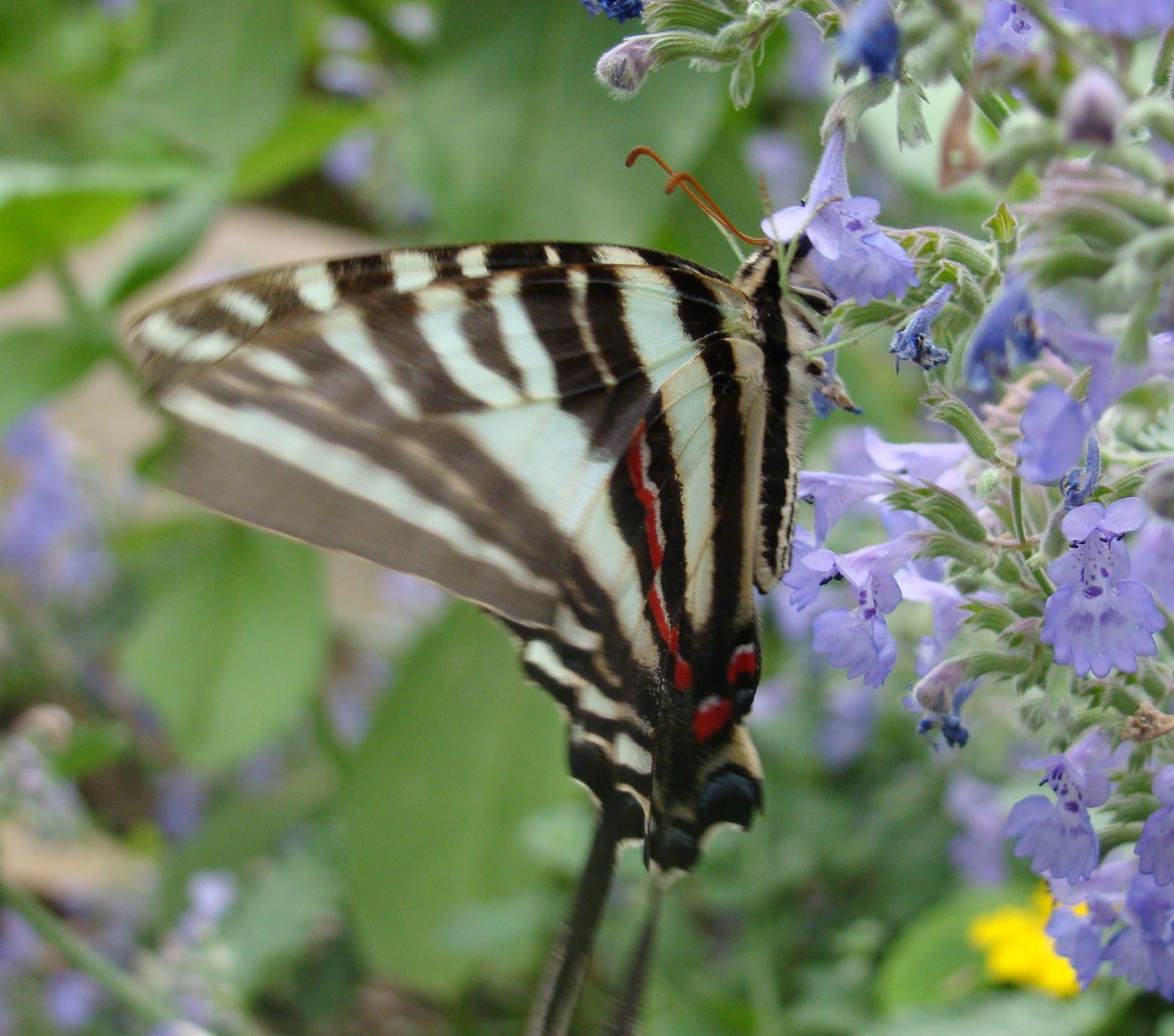
Zebra Swallowtail
Woodlands, floodplains, forest edges near pawpaw
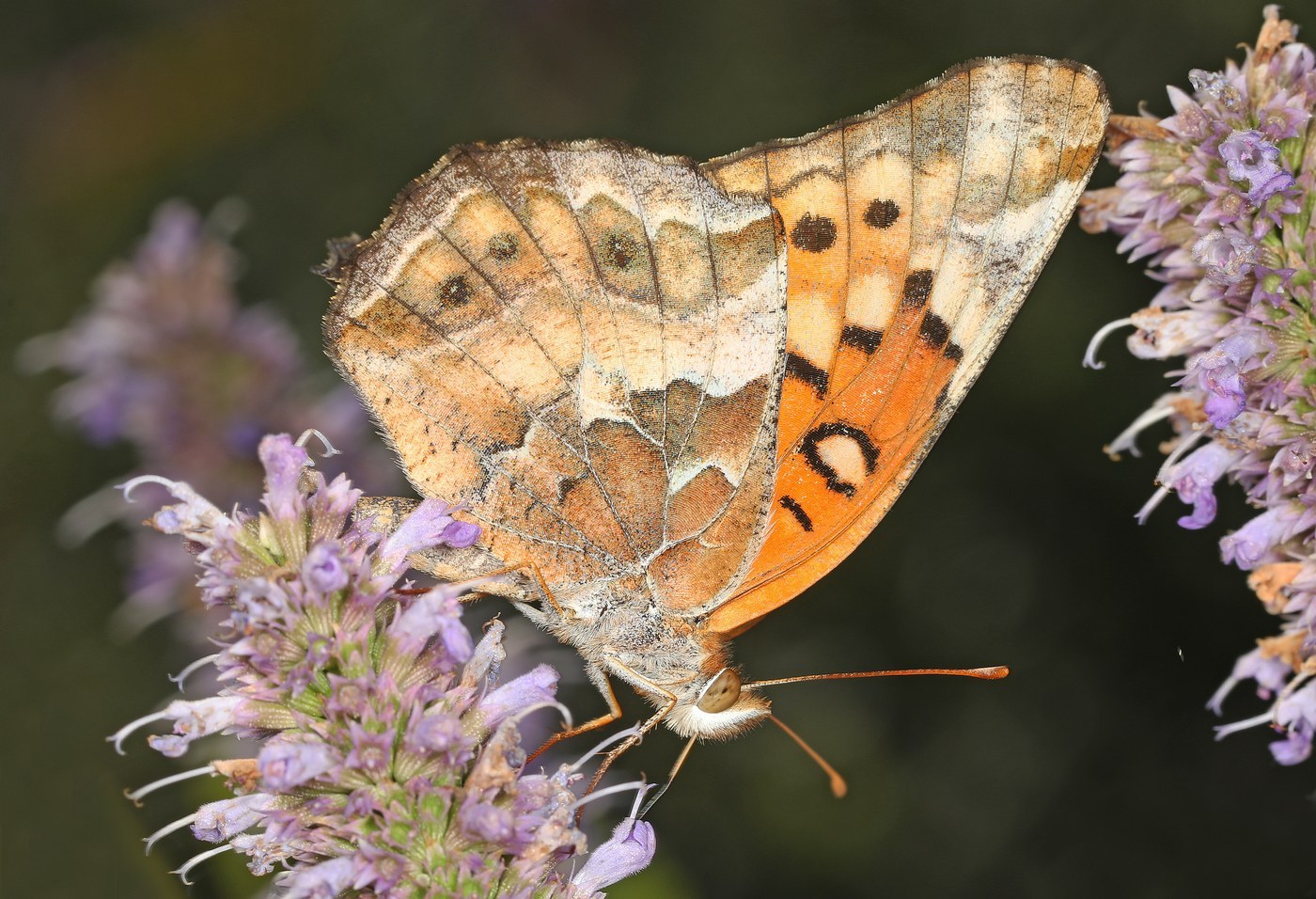
Variegated Fritillary
Open fields, prairies, roadsides, and disturbed ground across most of the United States
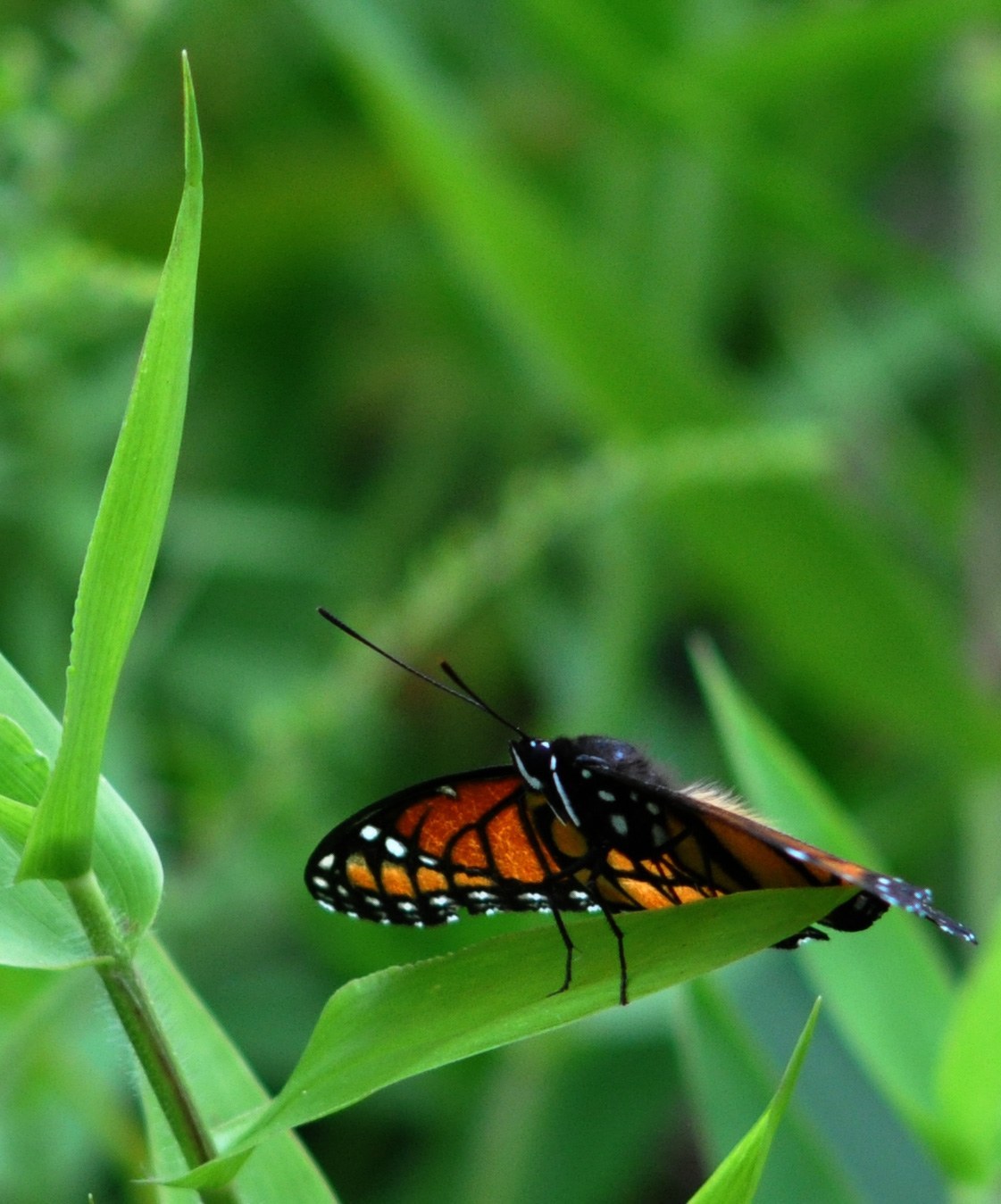
Viceroy Butterfly
Wetlands, meadows, riverbanks, willow thickets (North America)
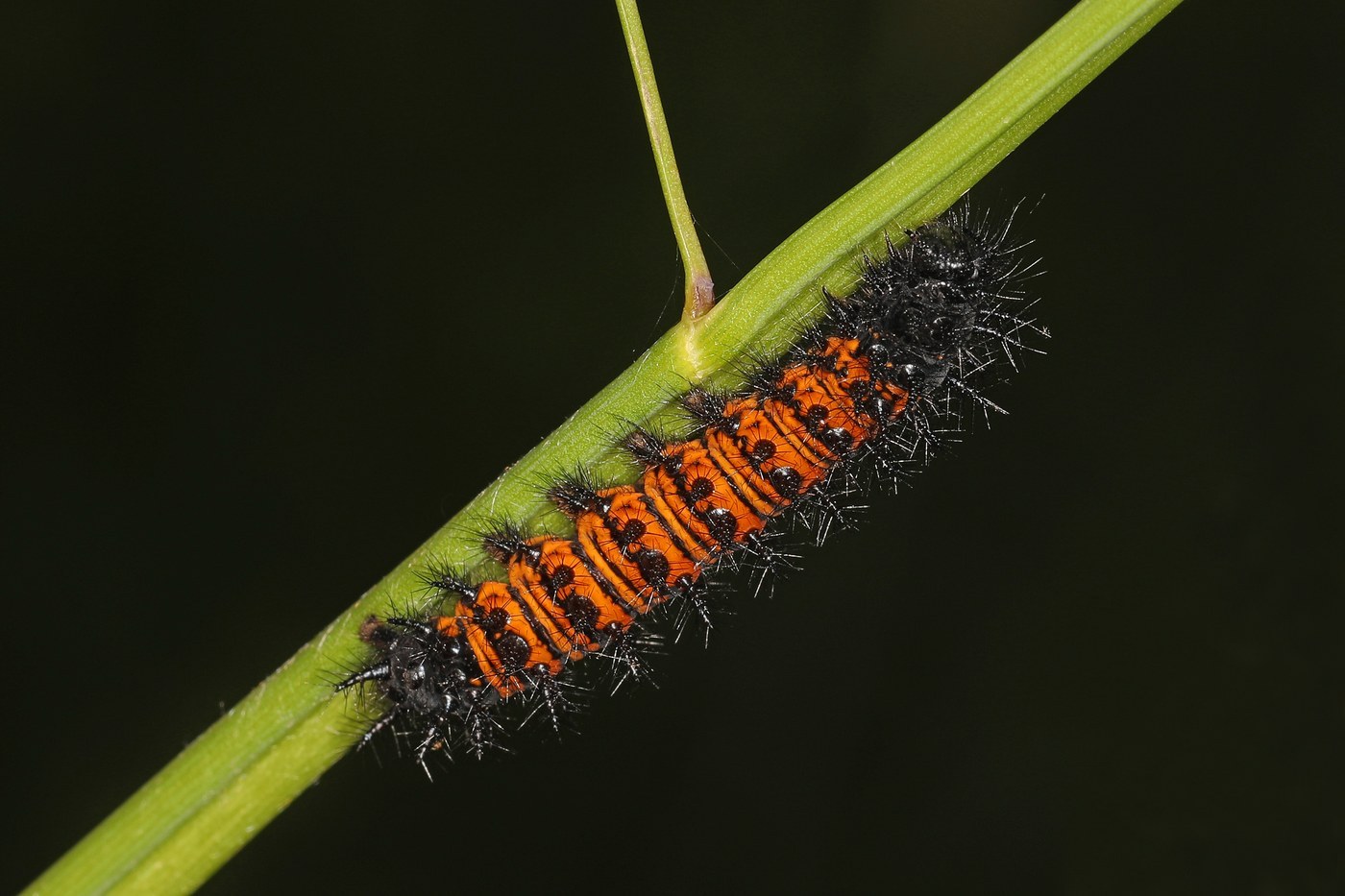
Baltimore Checkerspot
Wet meadows, bogs, and marshy fields in the northeastern and Appalachian US
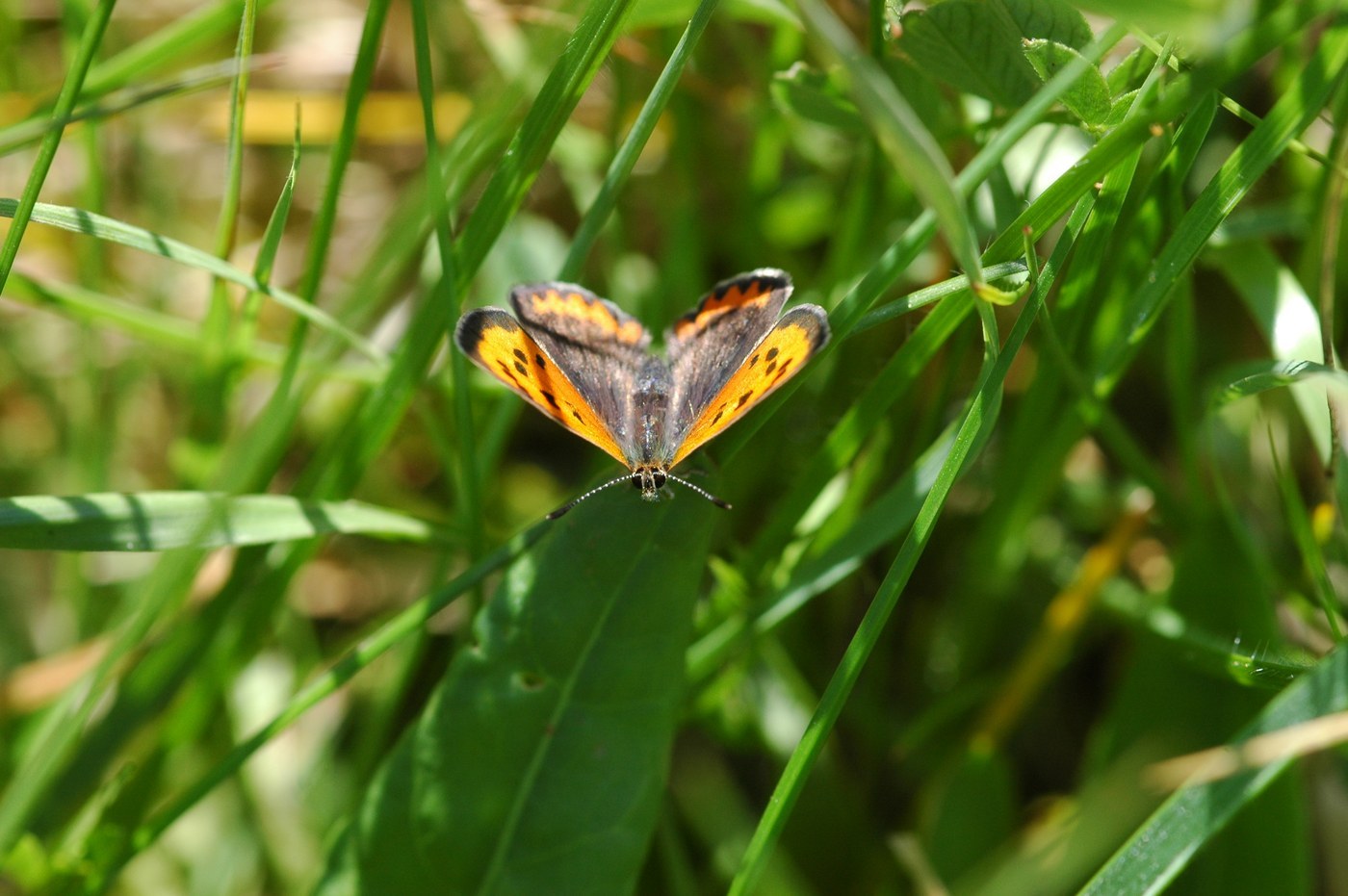
American Copper
Old fields, roadsides, and disturbed open ground with sorrel or dock
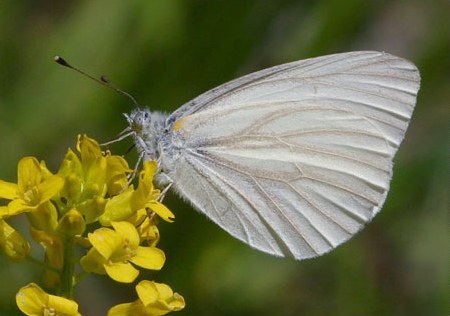
West Virginia White
Rich deciduous forest floors, especially near seeps and streams
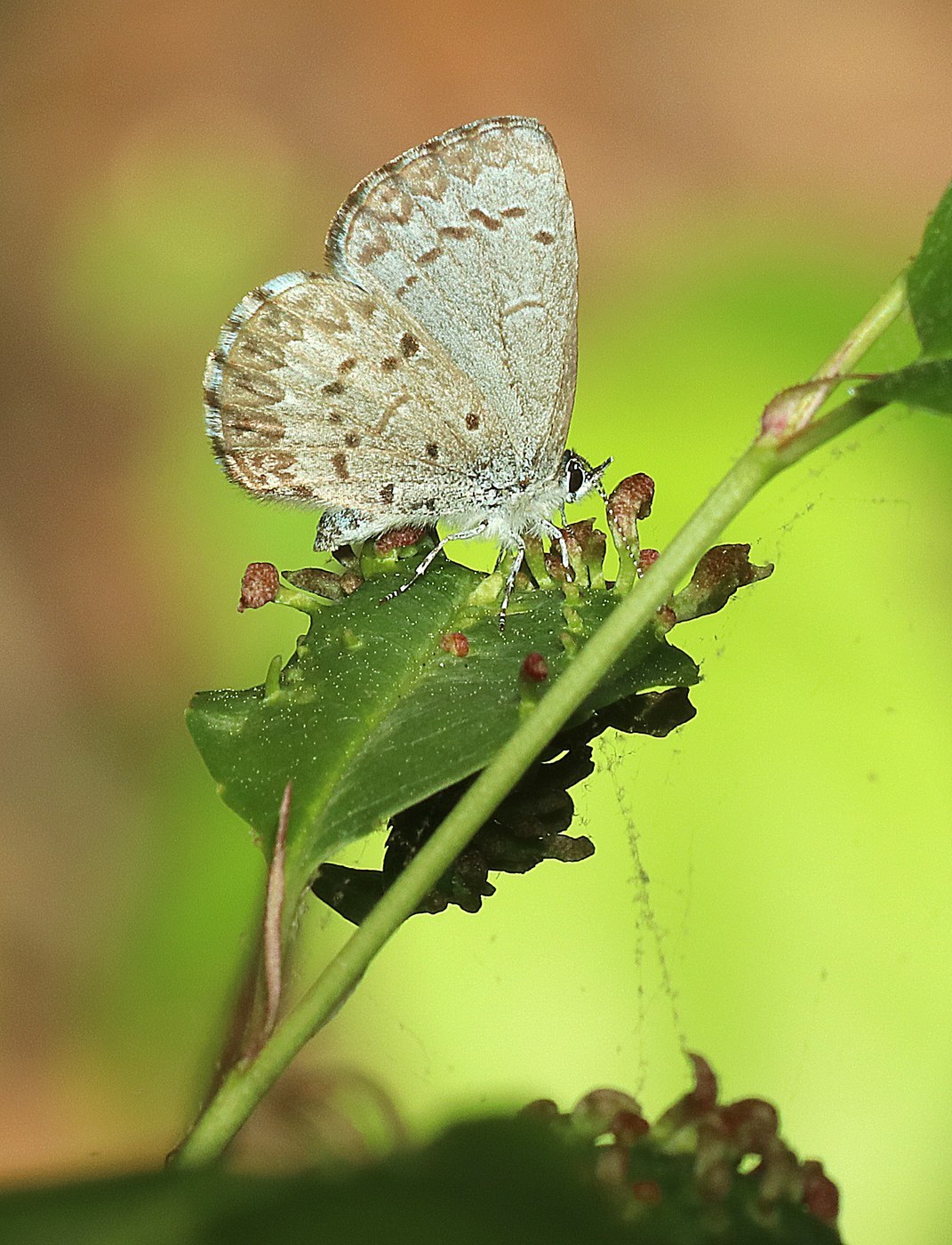
Spring Azure
Woodland edges, gardens, shrubby clearings
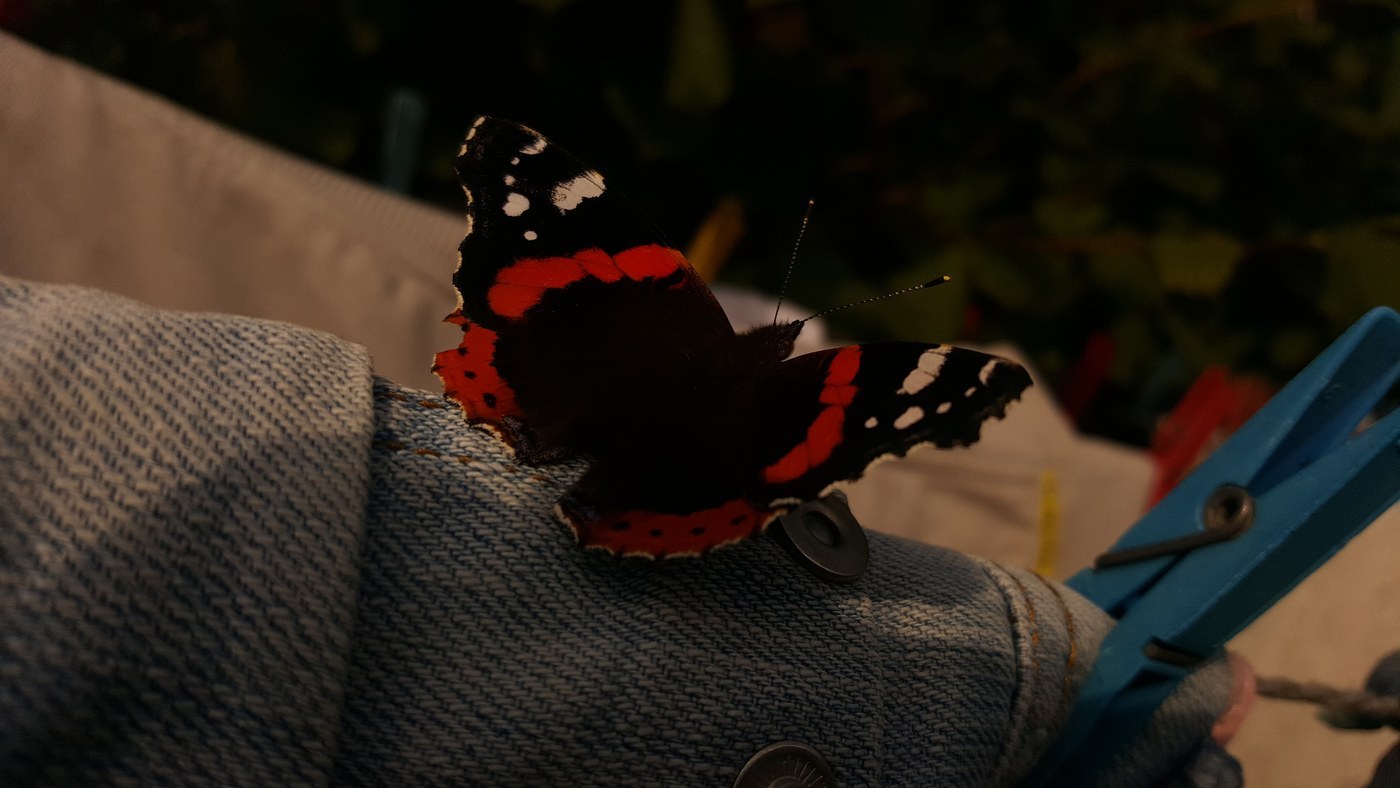
Red Admiral
Gardens, woodland edges, parks, meadows
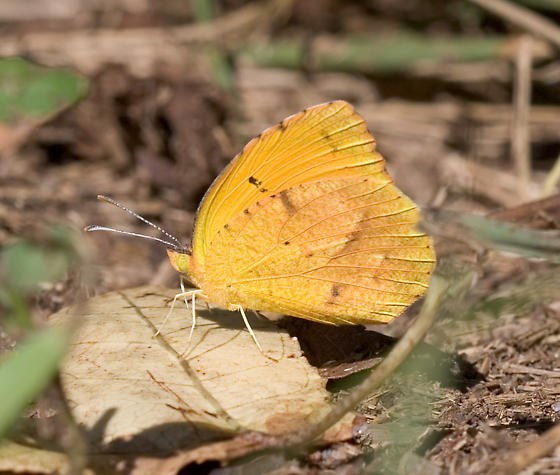
Sleepy Orange
Open woodland, fields, roadsides, and disturbed ground