
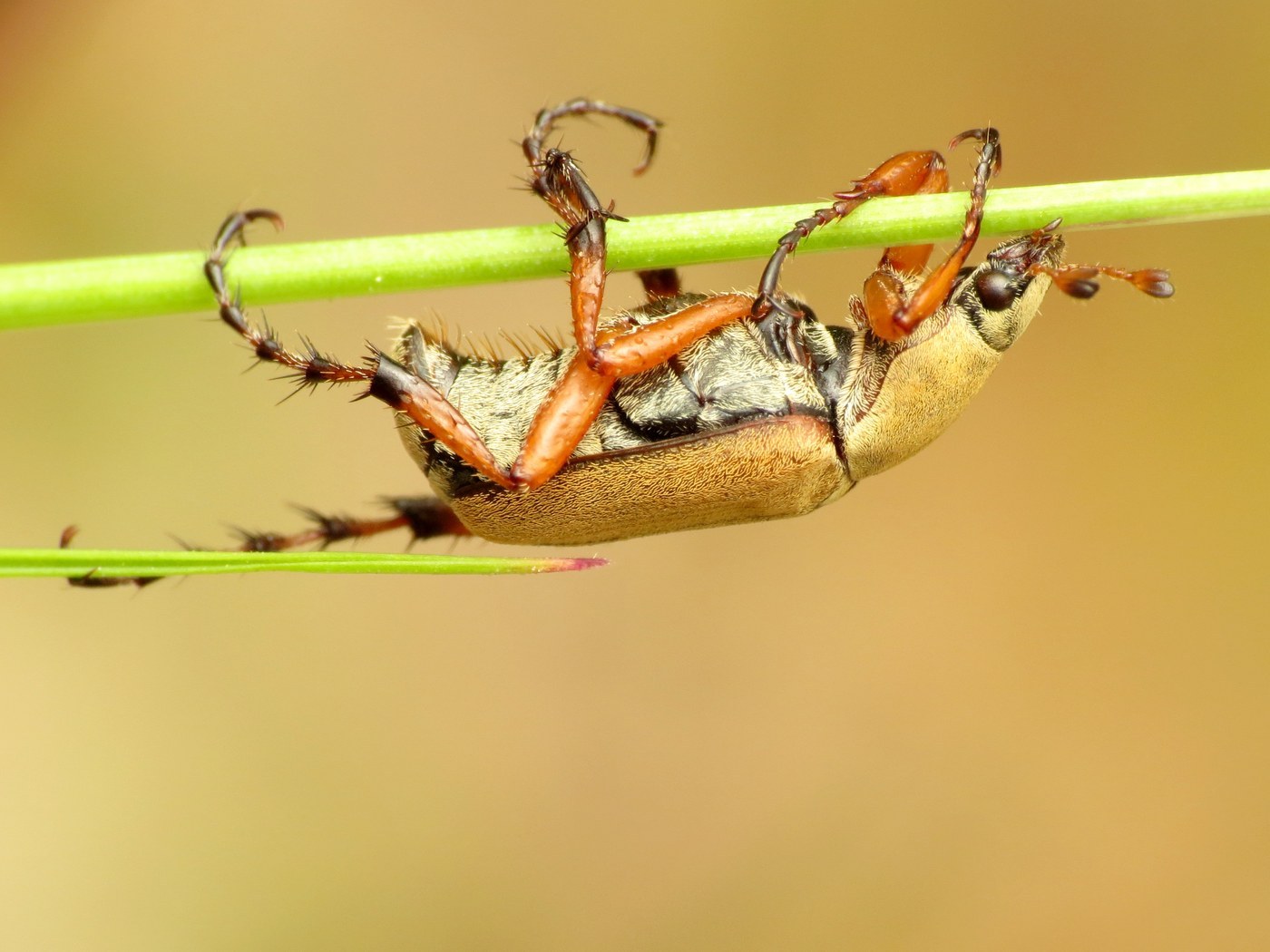
Rose Chafer
Macrodactylus subspinosus
A slender, tan, long-legged scarab beetle that gathers in swarms on rose blossoms and other flowers in late spring, chewing petals and foliage into a lacy, skeletonized pattern.
- Size
- 8–13 mm
- Habitat
- Gardens, meadows, and sandy soils near roses and flowering shrubs
- Danger
- Nuisance pest
Spotted a bug like this?
Identify any bug or insect from a photo, free.
Overview
The rose chafer is a scarab beetle in the subfamily Melolonthinae, closely related to May beetles and June bugs. Unlike many of its stouter, glossy relatives, it has a distinctly slim, gangly build covered in fine grayish-tan hairs.
It is native to eastern North America and is best known for its habit of congregating in large numbers on rose flowers just as they open in late spring and early summer, a behavior that gives the beetle its common name.
As a member of the scarab family, the rose chafer plays a dual ecological role: its root-feeding larvae live in the soil as part of the grub community, while adults, though feeding on garden plants, also incidentally move pollen between flowers as they visit blooms.
How to Identify
- Slender, elongated body (unusual for a scarab) covered in fine, pale grayish-tan or fawn-colored hairs.
- Long, spindly, reddish-brown legs that appear disproportionately long for the body.
- Head and pronotum slightly darker than the body; clubbed antennae typical of scarab beetles.
- Lookalikes: distinguished from Japanese beetles by its narrower, hairier, tan body versus the Japanese beetle's stouter, shiny metallic green-and-copper form.
Habitat & Range
Rose chafers are most common in areas with light, sandy, well-drained soils, which their larvae require for development. They range across the northeastern and midwestern United States and adjacent Canada, appearing in gardens, meadows, and along woodland edges. Adults emerge and are active for a few weeks in late spring to early summer, congregating wherever flowering plants are in bloom.
Behavior & Diet
Adults are day-active and gather in dense feeding groups on flower blossoms, particularly roses, peonies, and grapevines, consuming petals and soft foliage tissue, often leaving a lacy, skeletonized appearance on leaves. Because they emerge and feed in synchronized swarms over a short window, their damage can appear suddenly and then subside as the adult flight period ends. Larvae, whitish C-shaped grubs, live underground feeding on the roots of grasses and other plants, contributing to the community of soil-dwelling grubs.
Life Cycle
Rose chafers undergo complete metamorphosis with one generation per year. Adult females lay eggs in sandy soil during summer, and the hatching grubs feed on grass roots through late summer and fall before overwintering deeper in the soil as larvae. They resume feeding and pupate in spring, with adults emerging in late spring to begin the cycle again by feeding and mating on flowering plants.
Frequently asked questions
Why are rose chafers all over my roses at once?
Adults emerge synchronously from sandy soil in late spring and gather in feeding swarms on blooming flowers for a few weeks before dispersing.
How is it different from a Japanese beetle?
The rose chafer has a slimmer, tan, hairy body and long legs, while the Japanese beetle is stouter with a shiny metallic green and copper sheen.
Where do the larvae live?
As white grubs in sandy soil, where they feed on grass roots before overwintering.
How long does the adult swarm last?
Typically only a few weeks in late spring to early summer before adults die off for the season.
Rose Chafer guides
In-depth guides for identifying, understanding, and living alongside Rose Chafer.
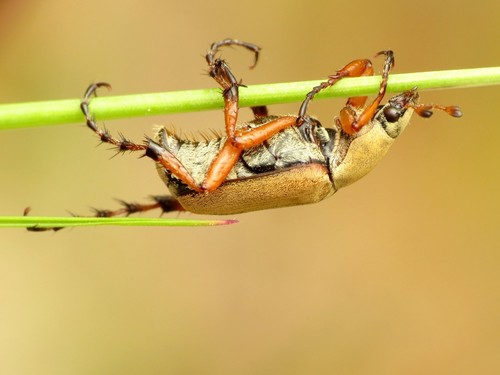
Rose Chafer identified by the community
Real finds identified with Bug Identifier.
Other bugs you may enjoy
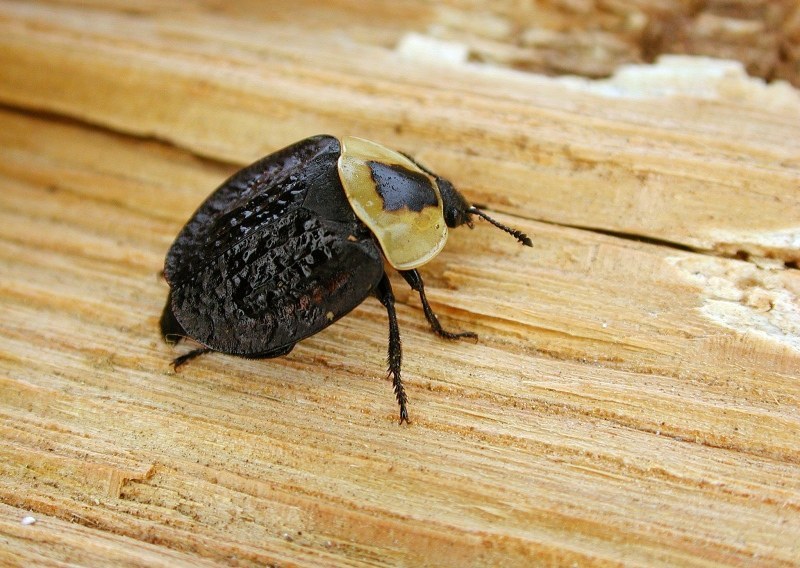
American Carrion Beetle
Forests, fields, and roadsides across North America, near decaying animal carcasses
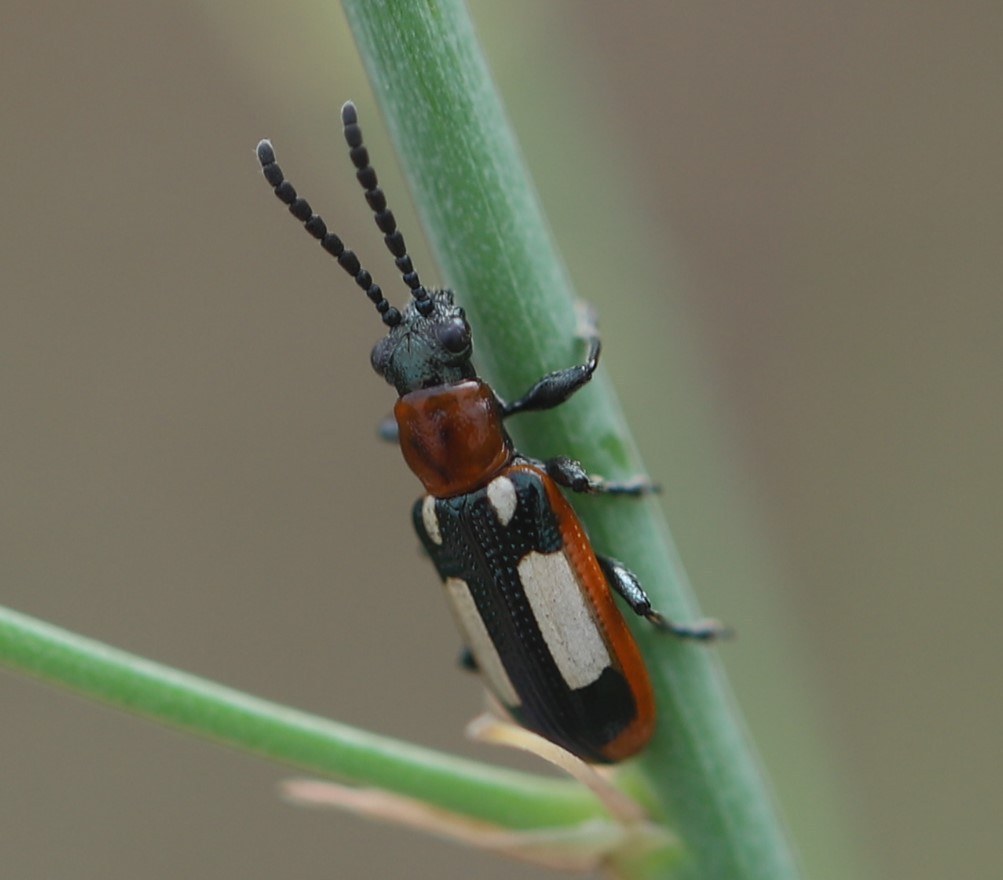
Asparagus Beetle
Asparagus patches, gardens, and farm fields

Asian Lady Beetle
Gardens, crop fields, woodlands, buildings
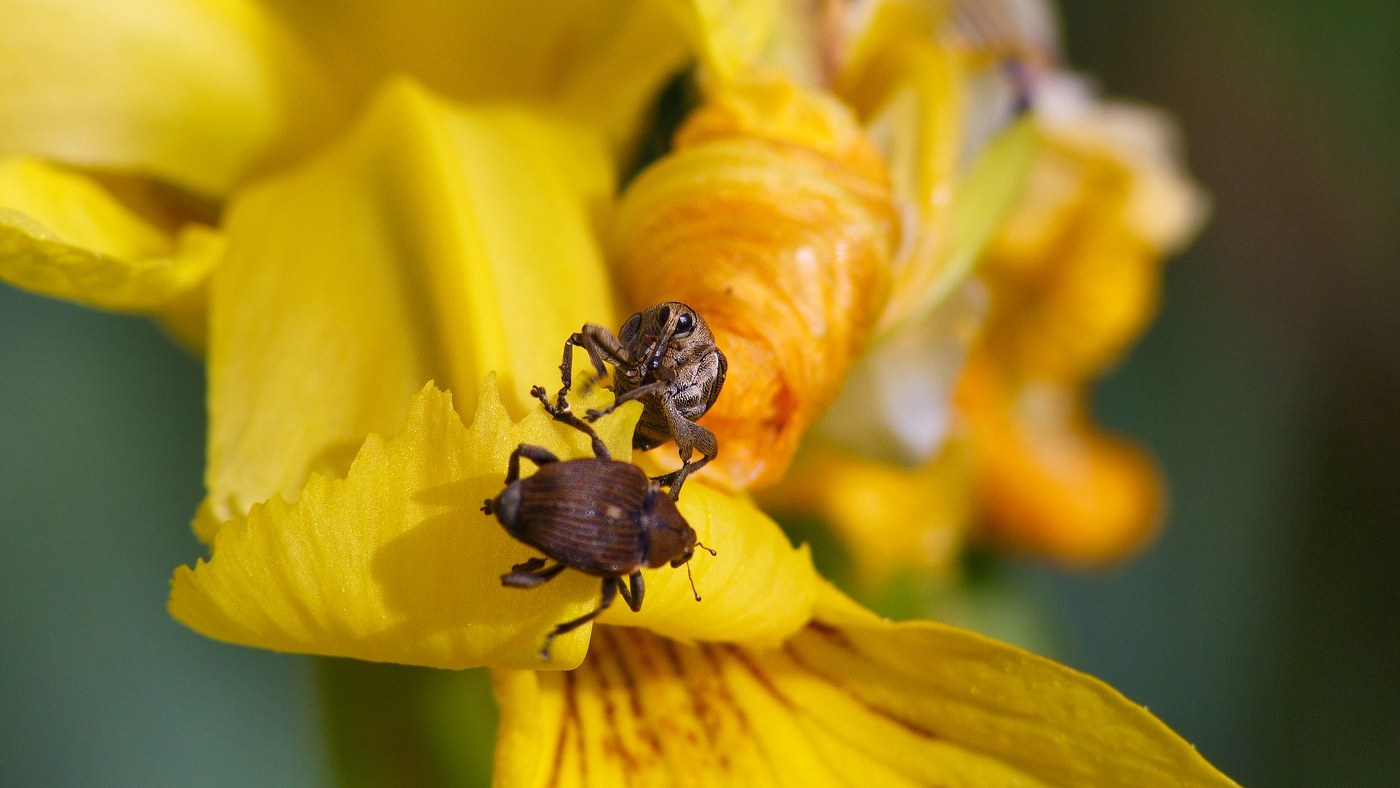
Acorn Weevil
Oak woodlands and forests, on and beneath oak trees
Wireworm
Soil of grasslands, gardens, and cultivated fields worldwide
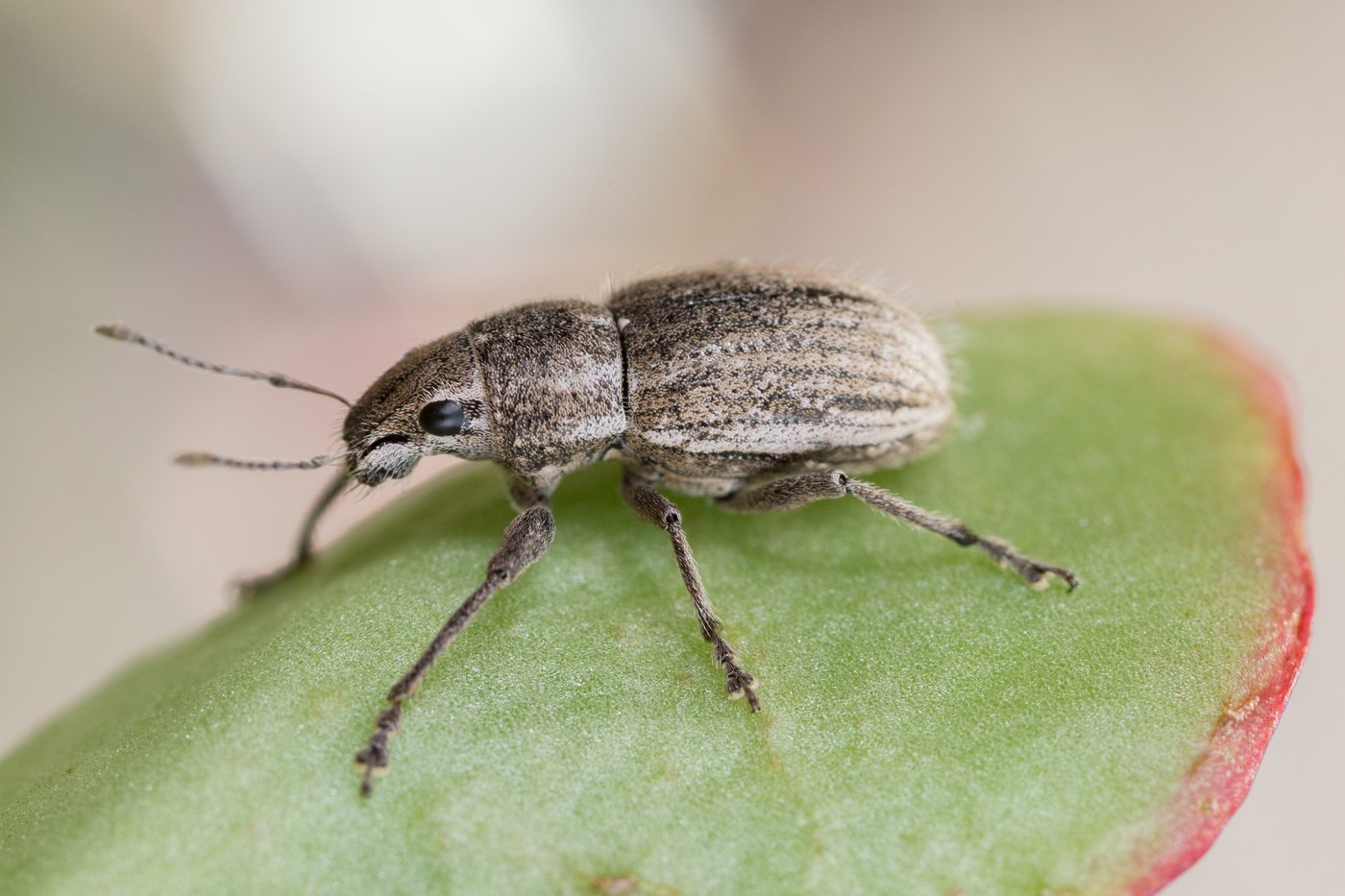
Whitefringed Beetle
Pastures, row crops, lawns, disturbed soils
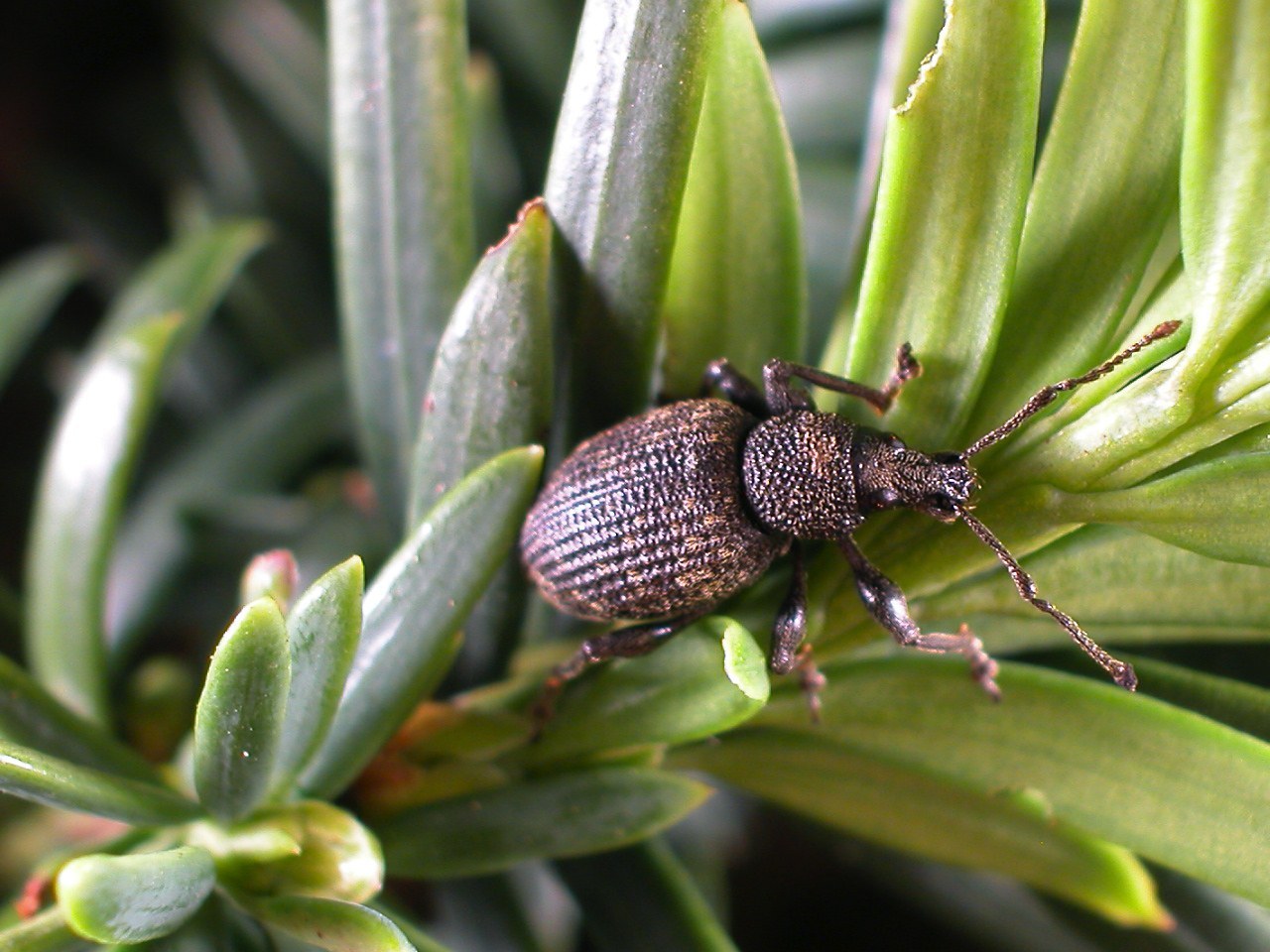
Vine Weevil
Gardens, nurseries, greenhouses, and container plantings
Varied Carpet Beetle
Homes, nests of birds and mammals, and flowers outdoors
Atlas Beetle
Tropical forests of Southeast Asia
Titan Beetle
Amazon rainforest of South America
Ten-lined June Beetle
Sandy soils, pine forests, and orchards of western North America
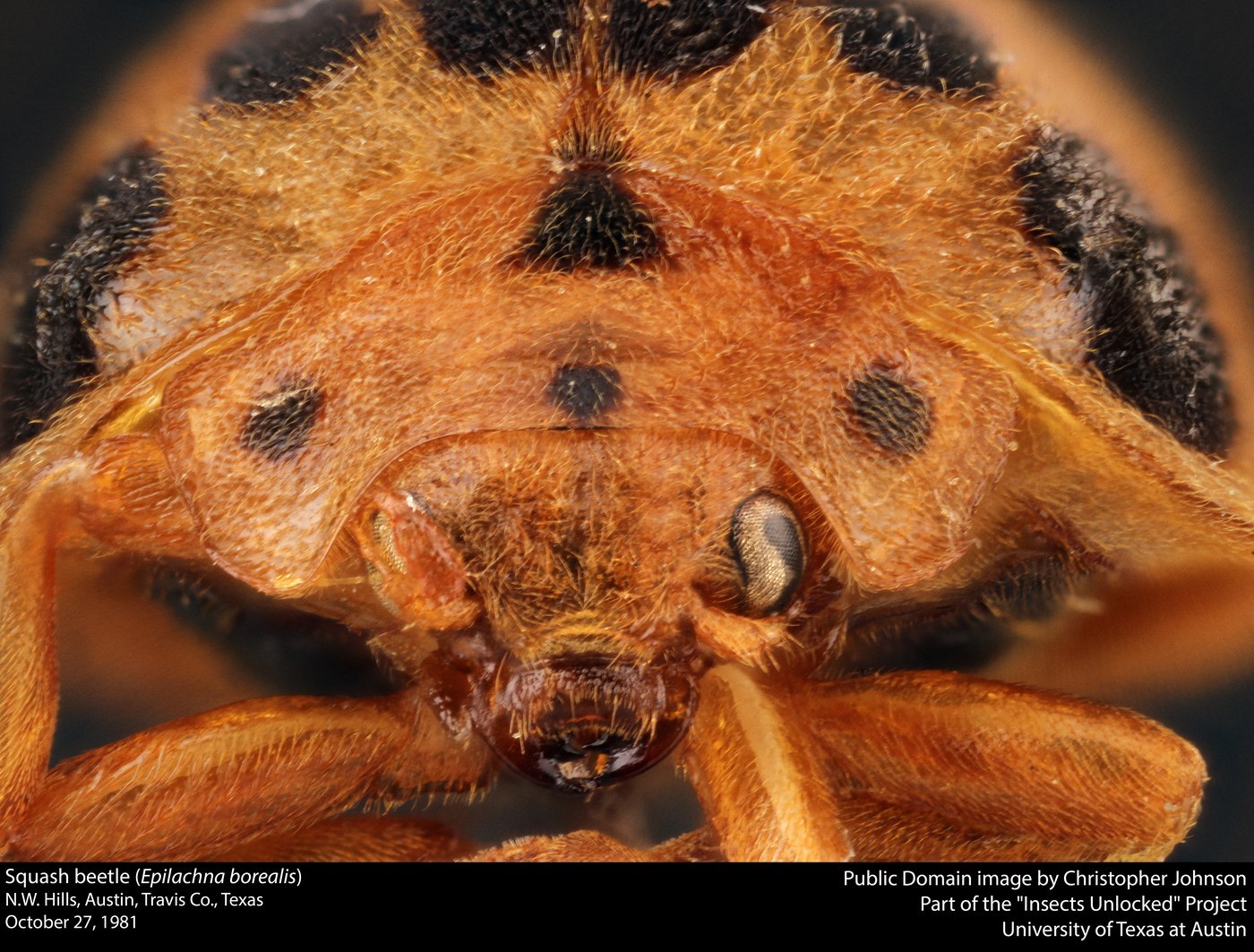
Squash Beetle
Vegetable gardens and fields growing squash, pumpkin, and other cucurbits