
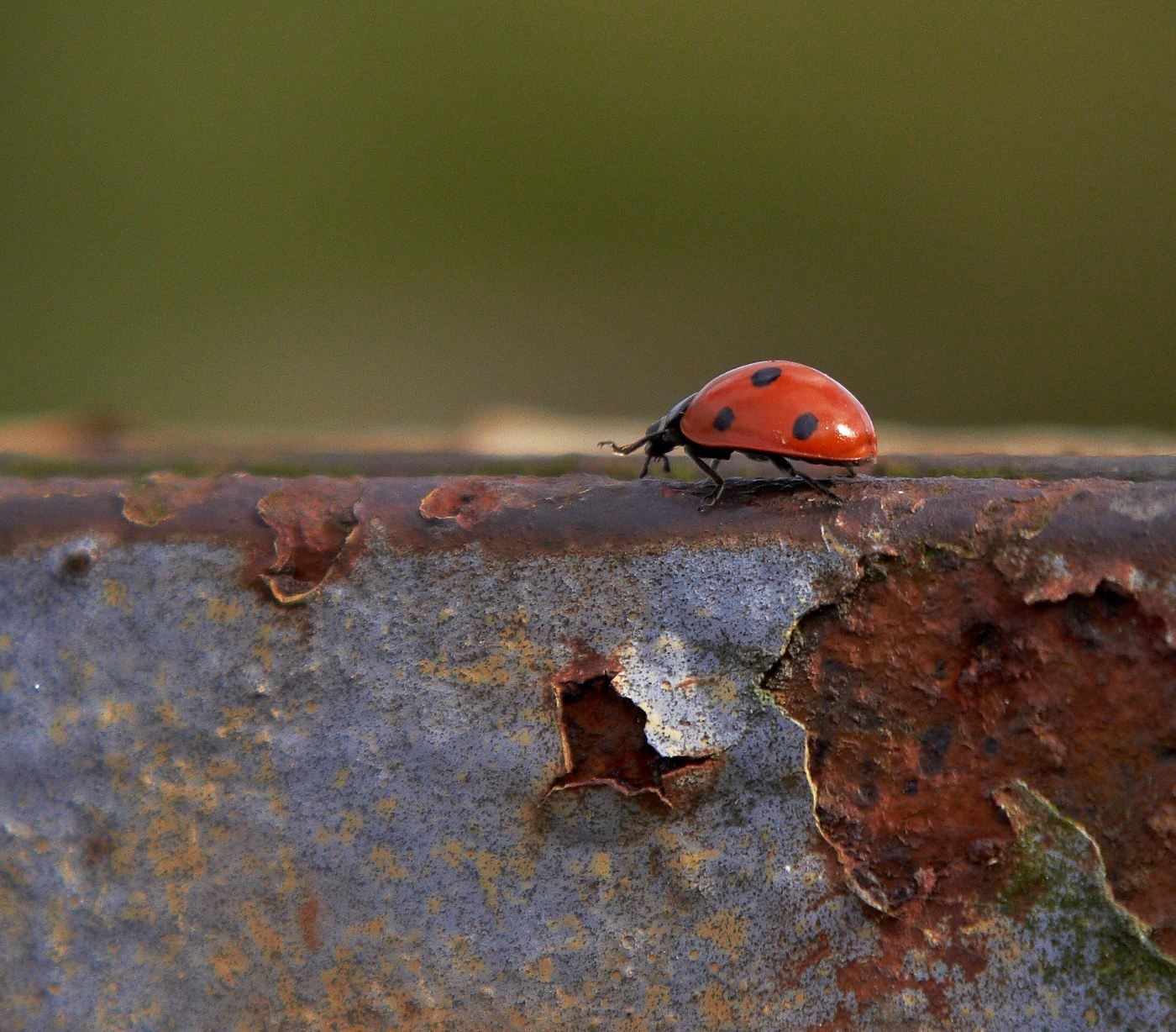
Seven-spotted Ladybird
Coccinella septempunctata
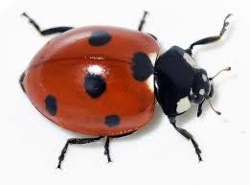
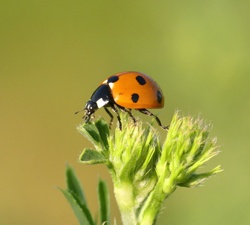
A classic bright red ladybird with exactly seven black spots, one of the most iconic and widely recognized beetles in the world.
- Size
- 7–10 mm
- Habitat
- Gardens, meadows, agricultural fields, hedgerows
- Danger
- Harmless
Spotted a bug like this?
Identify any bug or insect from a photo, free.
Overview
The seven-spotted ladybird is a member of the ladybird beetle family (Coccinellidae) and is arguably the most culturally iconic species in the group, serving as the archetypal image most people picture when they think of a "ladybug." It is native to Europe, North Africa, and Asia, and has been widely introduced to North America, where it is now well established.
This species is notable for its consistent, easily recognized color pattern, in contrast to the highly variable patterns seen in many related ladybird species, which has made it a popular subject in art, folklore, and children's education across many cultures. It was also historically released deliberately as a biological control agent against aphids in agricultural settings.
Ecologically it is a significant generalist predator, particularly valued for suppressing aphid populations in crops, orchards, and gardens throughout its range.
How to Identify
- Oval, strongly domed body 7–10 mm long, bright glossy red to orange-red.
- Exactly seven black spots: three on each wing cover plus one shared spot split across the midline where the wing covers meet.
- Black head and pronotum, each marked with small white patches near the eyes.
- Larvae are elongated, spiny, slate-gray to black grubs with orange-yellow markings on the sides.
- Lookalikes include other red spotted ladybirds, but the fixed count of seven spots and the shared central spot are highly diagnostic.
Habitat & Range
Native across Europe, North Africa, and temperate Asia, and introduced widely in North America. It inhabits gardens, meadows, hedgerows, agricultural fields, and grasslands, wherever aphid-infested plants are found. Adults are active from spring through autumn, and in colder climates they overwinter as adults in sheltered leaf litter, under bark, or in tufts of vegetation.
Behavior & Diet
Both larvae and adults are active predators that feed primarily on aphids, along with other small soft-bodied insects and their eggs, making this species an important natural regulator of aphid outbreaks. Adults are capable fliers that move readily between host plants in search of prey-rich patches. When disturbed, they display reflex bleeding, releasing a bitter, strong-smelling yellow hemolymph from leg joints as a defense against predators, and their bright warning coloration signals this unpalatability to would-be predators. In the wider ecosystem, it plays a valuable role in natural and agricultural pest suppression.
Life Cycle
Development is complete metamorphosis: egg, larva, pupa, adult. Clusters of yellow eggs are laid on the underside of leaves near aphid colonies; the spiny larvae pass through four instars while feeding voraciously before pupating attached to plant surfaces. Two or more generations can occur per year depending on climate. Adults overwinter in sheltered sites such as leaf litter, bark crevices, or dense vegetation, sometimes in small aggregations, and emerge in spring to resume feeding and breeding.
Frequently asked questions
Is this the classic ladybug most people picture?
Yes, its bright red body with exactly seven black spots makes it the most iconic and widely recognized ladybird species.
How many spots does it always have?
As the name suggests, it consistently has seven spots, unlike many other ladybird species whose spot number varies.
Is it native to North America?
No, it is native to Europe, North Africa, and Asia but has become well established in North America after introduction.
What does it eat?
Both the larvae and adults feed mainly on aphids and other small soft-bodied insects, making them beneficial predators in gardens and crops.
Seven-spotted Ladybird guides
In-depth guides for identifying, understanding, and living alongside Seven-spotted Ladybird.
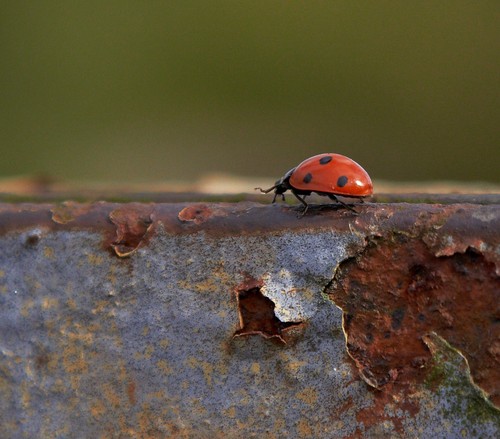
Seven-spotted Ladybird identified by the community
Real finds identified with Bug Identifier.
Other bugs you may enjoy
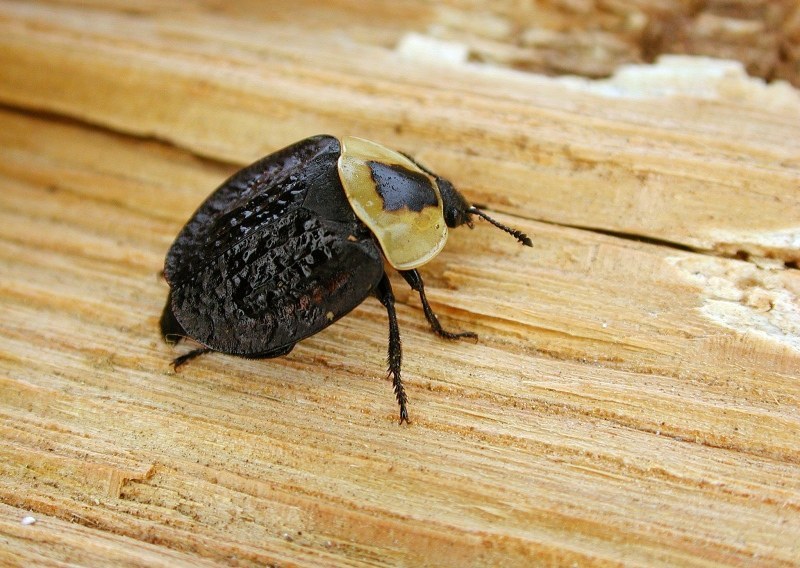
American Carrion Beetle
Forests, fields, and roadsides across North America, near decaying animal carcasses
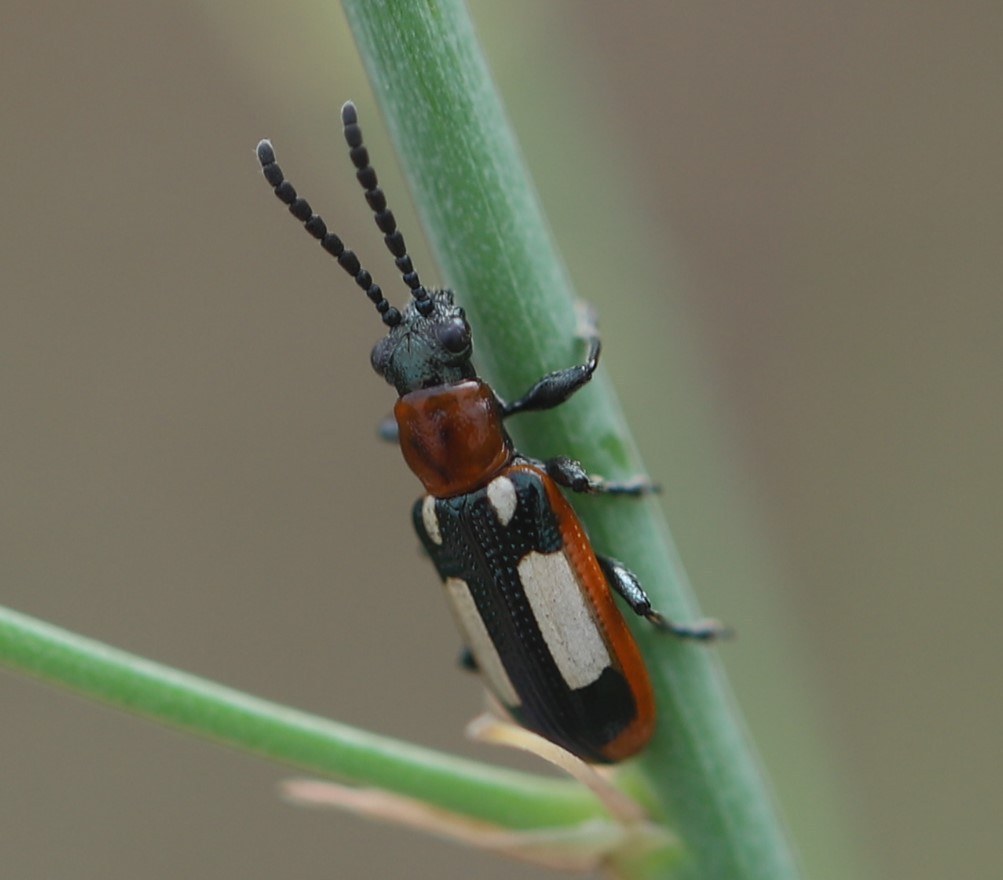
Asparagus Beetle
Asparagus patches, gardens, and farm fields
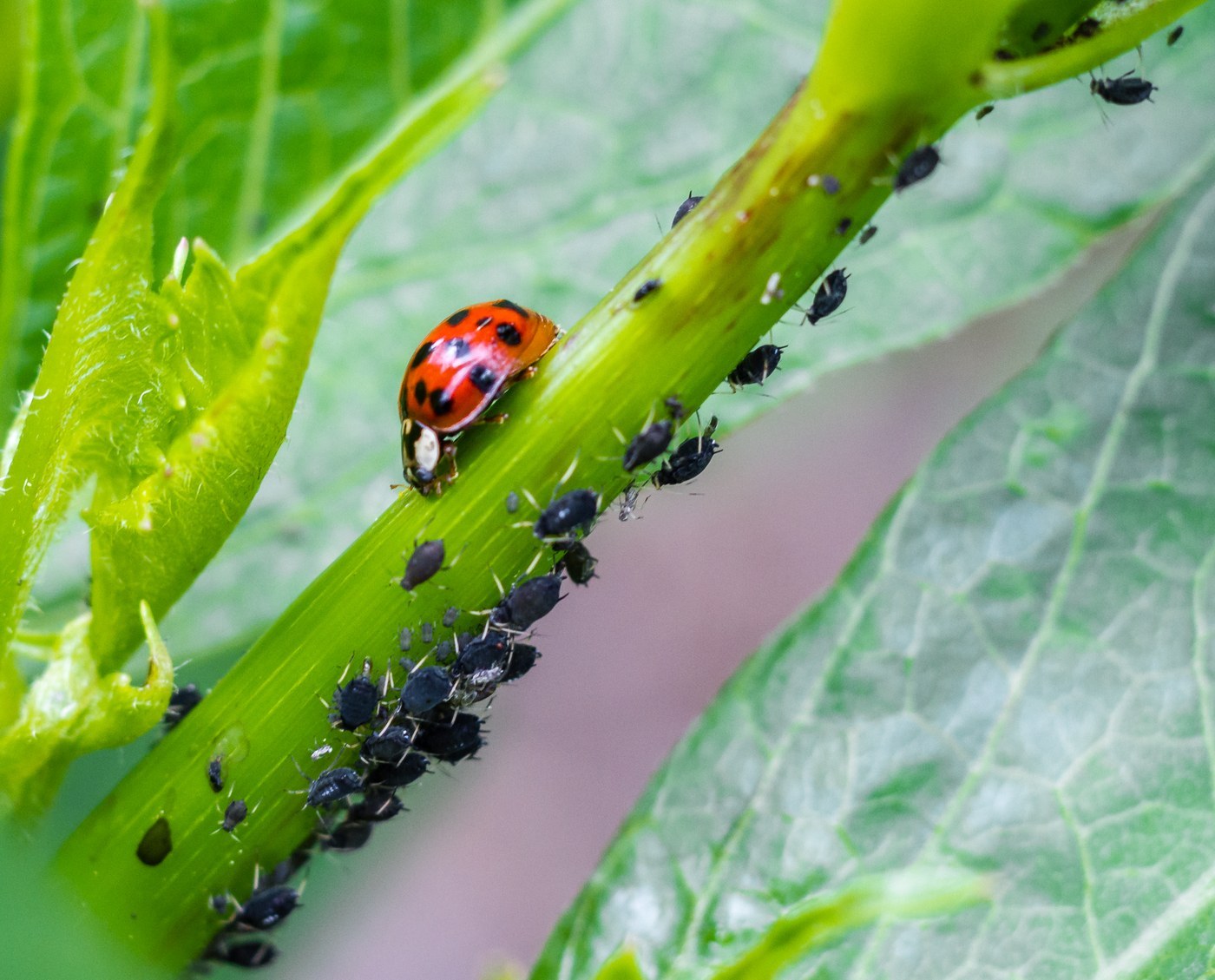
Asian Lady Beetle
Gardens, crop fields, woodlands, buildings
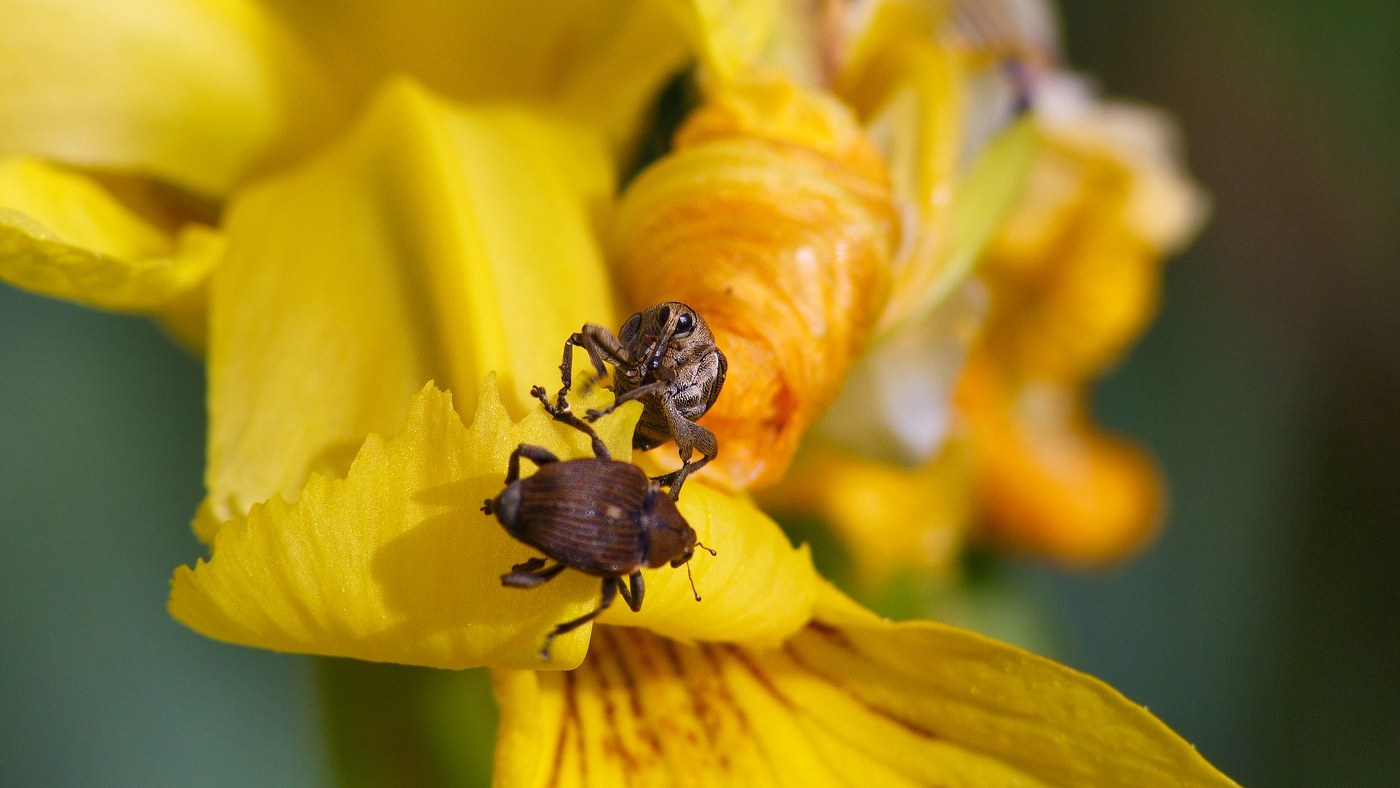
Acorn Weevil
Oak woodlands and forests, on and beneath oak trees
Wireworm
Soil of grasslands, gardens, and cultivated fields worldwide
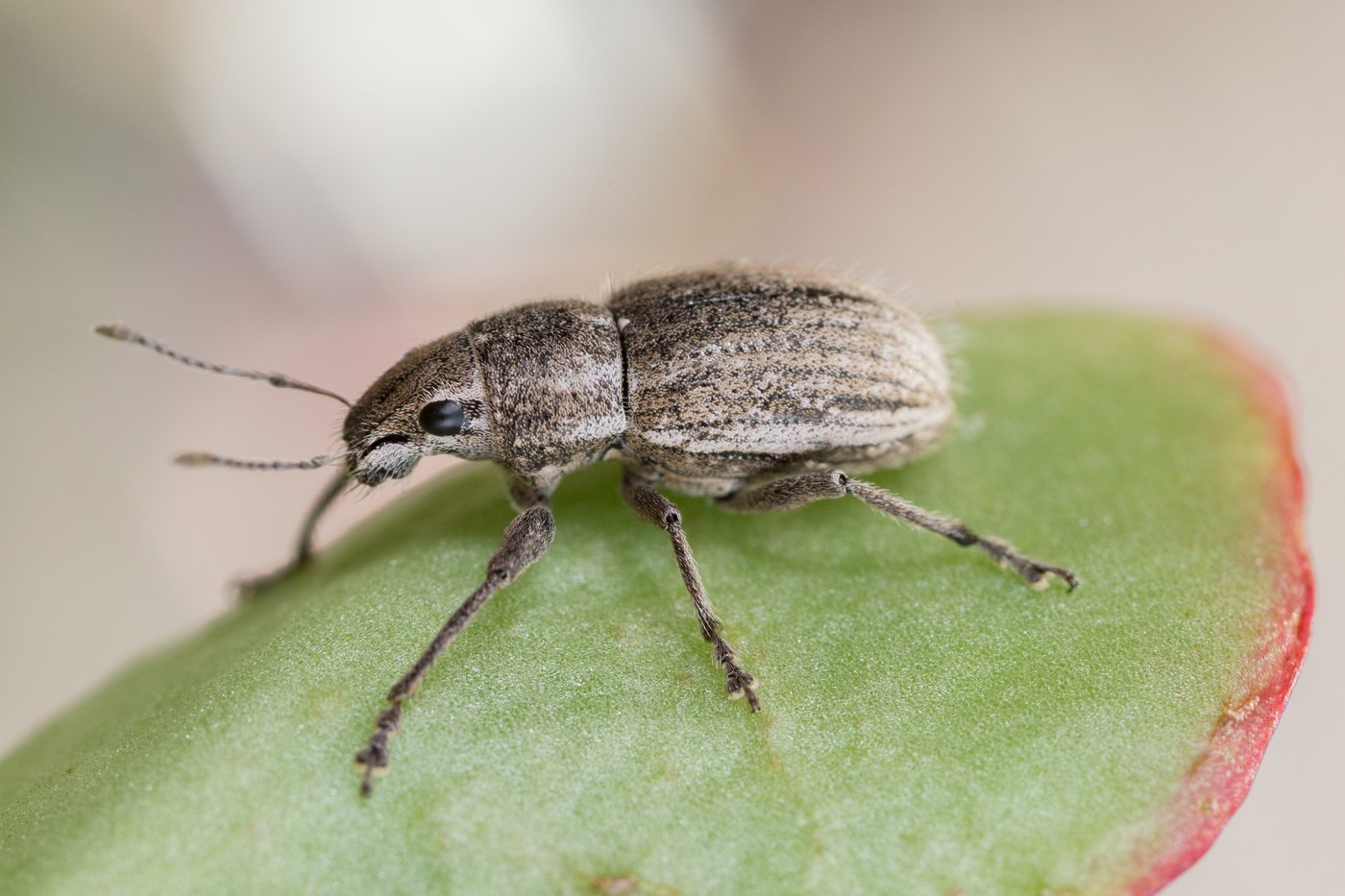
Whitefringed Beetle
Pastures, row crops, lawns, disturbed soils
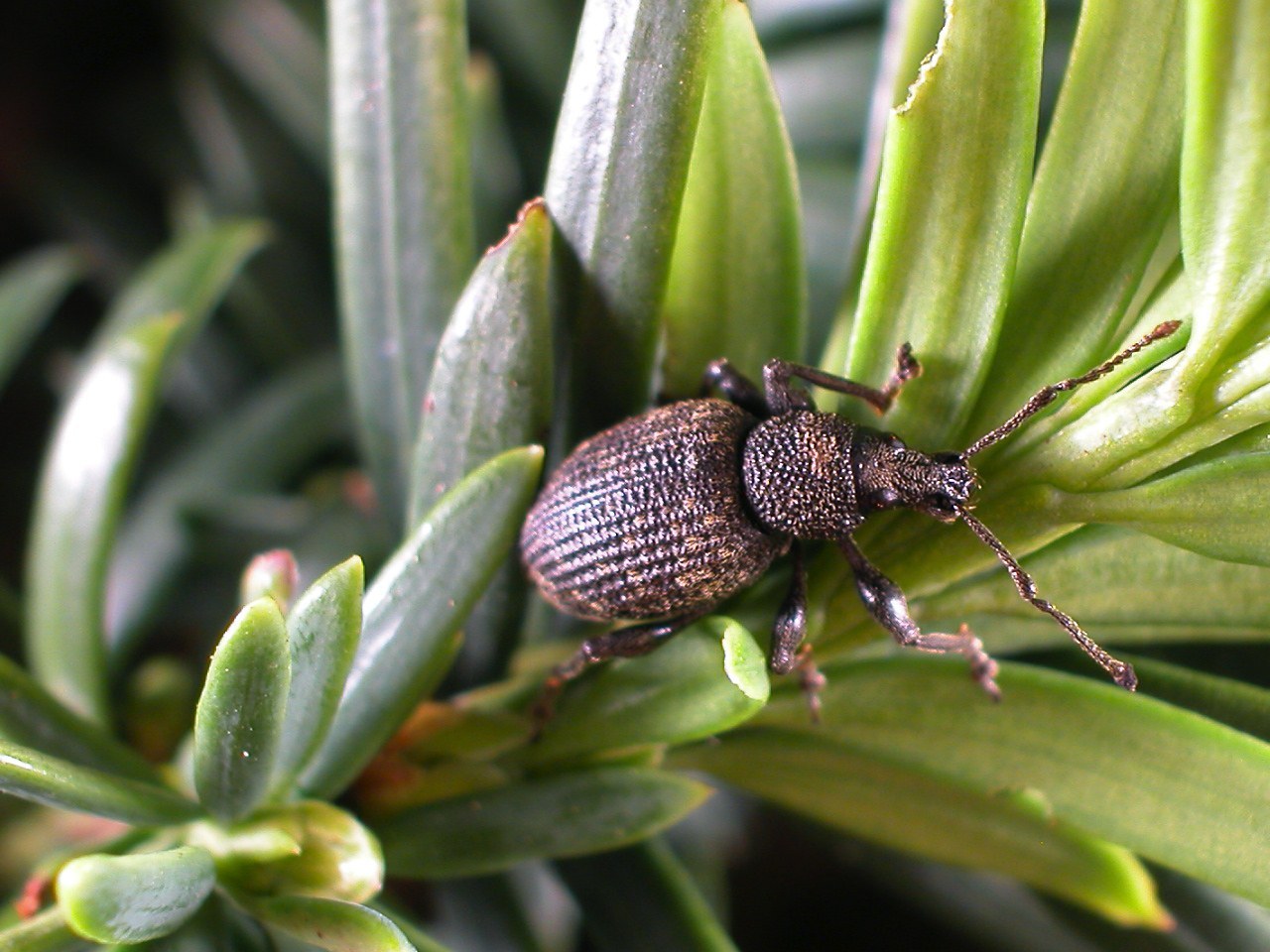
Vine Weevil
Gardens, nurseries, greenhouses, and container plantings
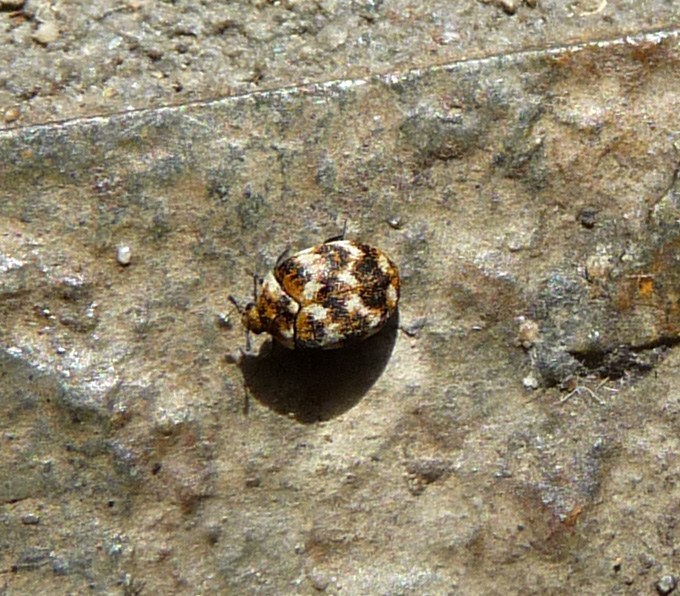
Varied Carpet Beetle
Homes, nests of birds and mammals, and flowers outdoors
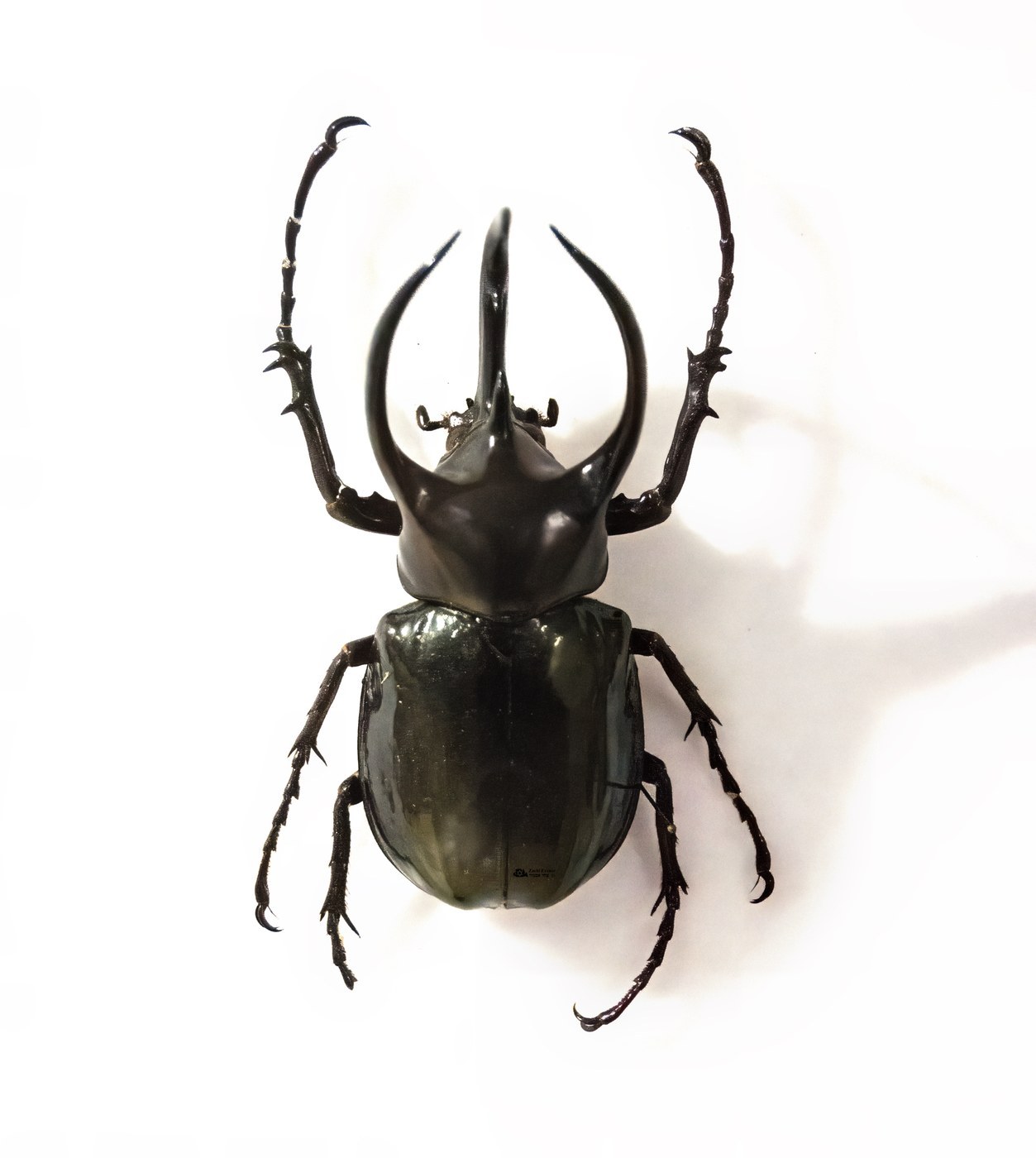
Atlas Beetle
Tropical forests of Southeast Asia
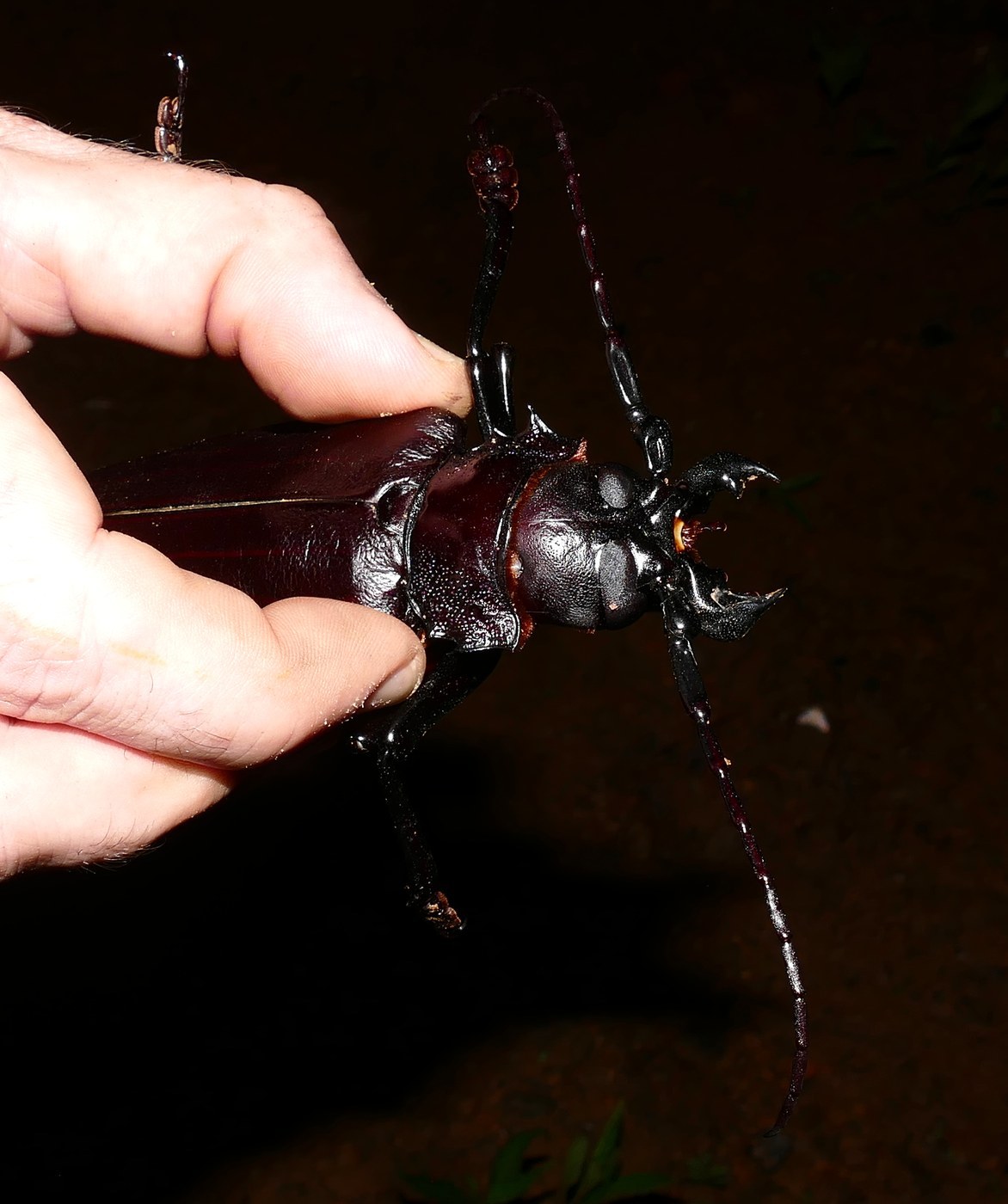
Titan Beetle
Amazon rainforest of South America
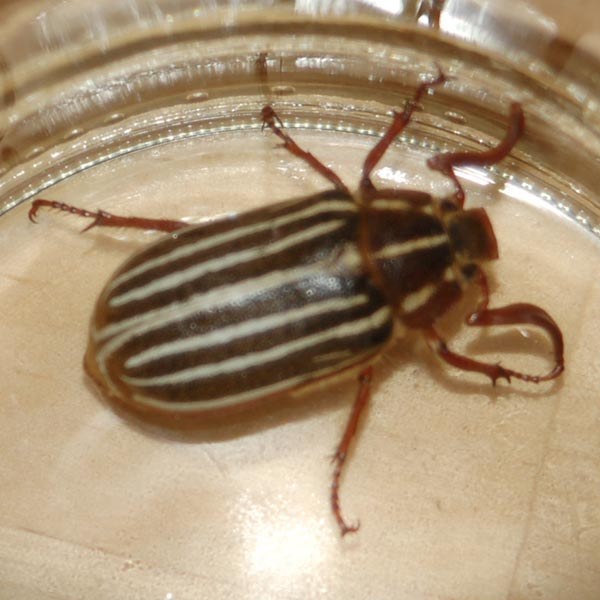
Ten-lined June Beetle
Sandy soils, pine forests, and orchards of western North America
Squash Beetle
Vegetable gardens and fields growing squash, pumpkin, and other cucurbits