
Silver-spotted Skipper
Epargyreus clarus
A large, chunky brown skipper instantly identified by the bold, translucent silvery-white patch splashed across the underside of each hindwing.
- Size
- 1.5–2.5 in wingspan
- Habitat
- Woodland edges, gardens, meadows, and roadsides near host legumes
- Danger
- Harmless
Spotted a bug like this?
Identify any bug or insect from a photo, free.
Overview
The Silver-spotted Skipper is one of the largest and most recognizable skippers in North America, belonging to the family Hesperiidae, a group of fast-flying, moth-like butterflies with stout bodies and hooked antennae tips. Its size and the unmistakable silver-white blaze on the hindwing underside make it one of the easiest skippers to identify even for beginners.
Skippers occupy a taxonomic space between butterflies and moths, sharing the club antennae of butterflies but the robust, furry bodies and rapid, darting flight more typical of moths. The Silver-spotted Skipper is a strong flier that can be seen zipping erratically between flowers, rarely staying still for long.
It is widespread across much of the United States and southern Canada, making it a familiar backyard and trailside visitor throughout the warmer months.
How to Identify
- Large-bodied skipper with dark brown wings above, showing a scattering of translucent gold-orange spots across the forewing.
- The diagnostic feature is on the hindwing underside: a large, irregular, metallic silvery-white patch that is visible even in flight.
- Body is stout and furry, with a broad head and prominent, widely spaced eyes.
- Antennae are clubbed and hooked at the tip, a hallmark of skippers.
- Wings are held in the characteristic skipper 'jet-plane' posture at rest, forewings raised at an angle above the flatter hindwings.
- Few other skippers share the bold silver hindwing patch, making misidentification unlikely once the mark is seen.
Habitat & Range
This species favors woodland edges, open fields, gardens, meadows, and roadside habitats wherever its legume host plants grow, ranging across most of the continental United States and into southern Canada, with the exception of the driest desert regions. Adults fly from late spring through late summer, with the number of broods varying by latitude, and are most active during the warmest, sunniest parts of the day.
Behavior & Diet
Adults are fast, erratic fliers that dart quickly between nectar sources, favoring flowers such as milkweed, thistle, and clover, and rarely linger long at any one bloom. Males perch on shrubs or tall vegetation to watch for passing females and rival males, darting out to investigate intruders. Caterpillars feed on the foliage of legumes, including locust, wisteria, and various beans, and construct a shelter by folding or tying a leaf together with silk, retreating inside when not feeding, which helps protect them from predators.
Life Cycle
Females lay single eggs on or near host legume plants. The caterpillar is yellow-green with a large, dark reddish-brown head marked with orange false eyespots, and it lives concealed within a folded-leaf shelter, only emerging to feed. Pupation occurs within a loosely spun cocoon of leaves and silk, often at the base of the host plant. Depending on region, there may be one to three generations per year, with the species overwintering as a pupa in leaf litter.
Frequently asked questions
How can I tell a Silver-spotted Skipper from other skippers?
The large metallic silvery-white patch on the underside of the hindwing is unique among common skippers and makes this species easy to confirm.
Is it a butterfly or a moth?
It is a butterfly in the skipper family (Hesperiidae), which shares traits with both butterflies and moths but flies during the day and has clubbed antennae like true butterflies.
What plants do the caterpillars eat?
The caterpillars feed on leguminous plants such as black locust, wisteria, and various wild and cultivated beans.
When is the best time to see one?
Look for adults from late spring through late summer on sunny days, visiting flowers along woodland edges, gardens, and roadsides.
Silver-spotted Skipper guides
In-depth guides for identifying, understanding, and living alongside Silver-spotted Skipper.
Silver-spotted Skipper identified by the community
Real finds identified with Bug Identifier.
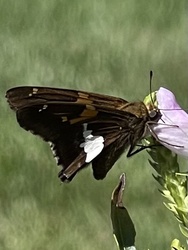
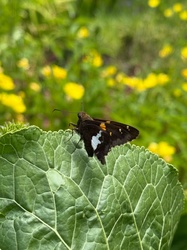
Other bugs you may enjoy
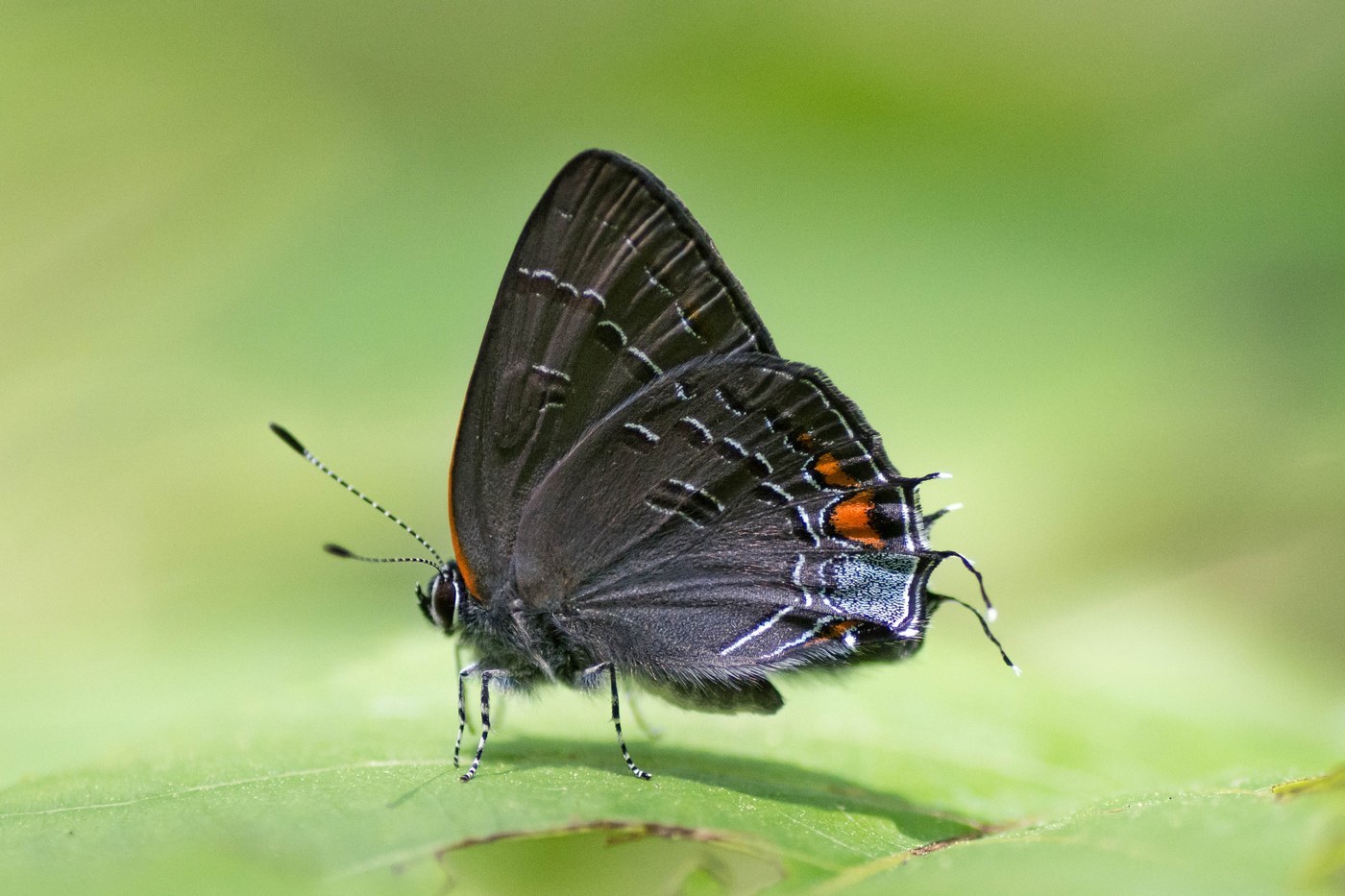
Banded Hairstreak
Deciduous woodlands and edges with oaks and hickories
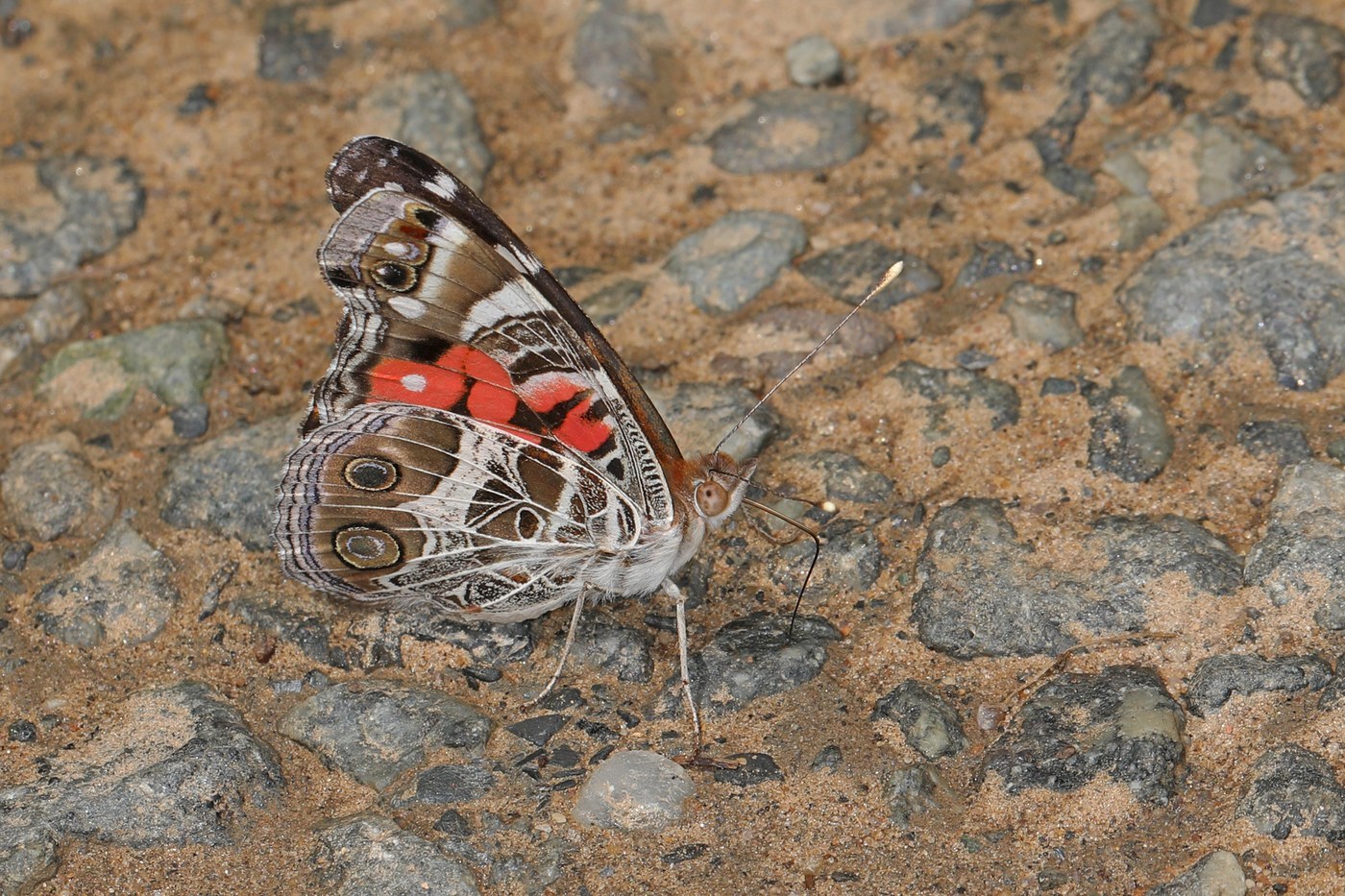
American Lady
Open fields, meadows, gardens, roadsides
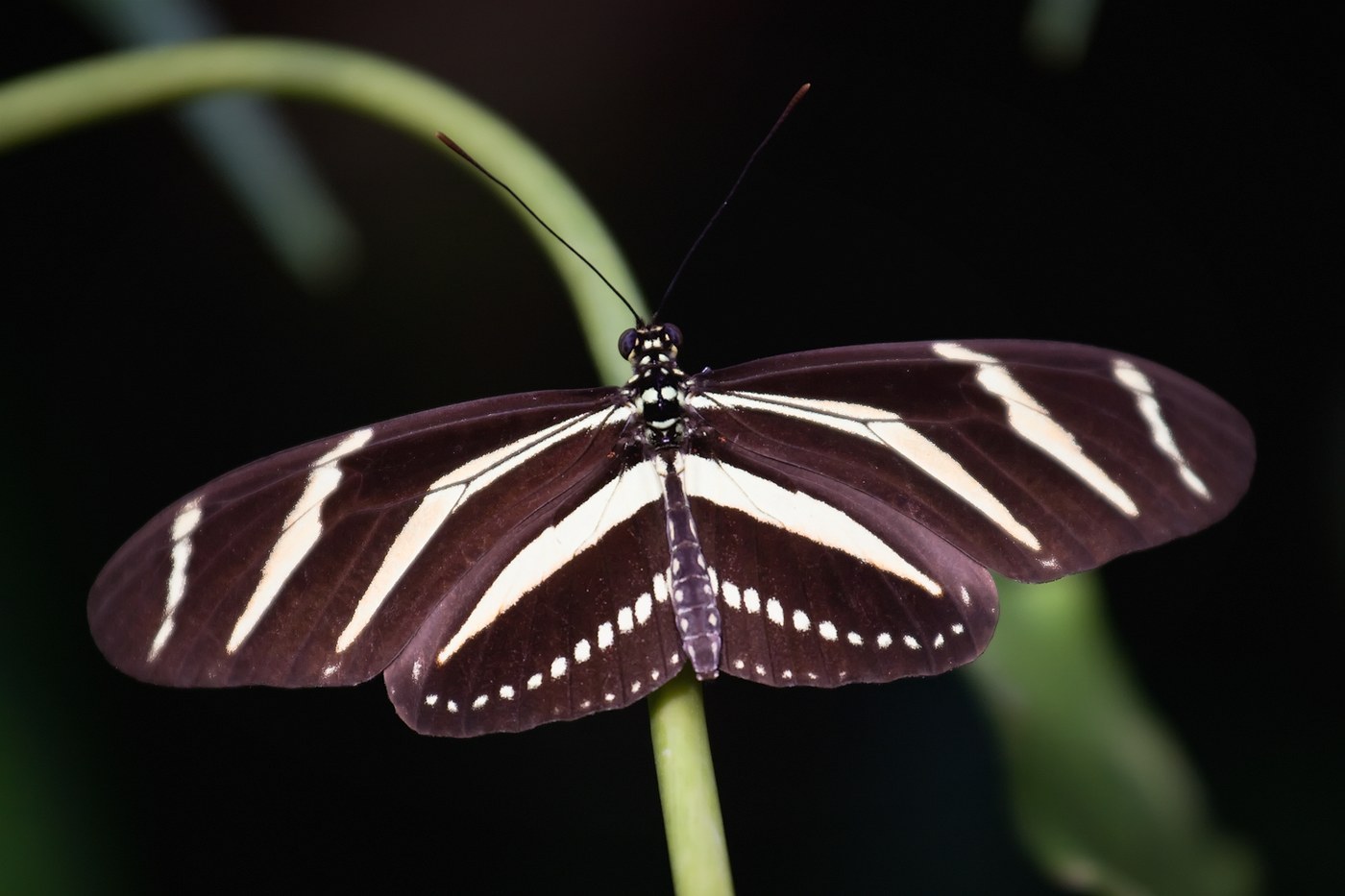
Zebra Longwing
Tropical hammocks, gardens, forest edges
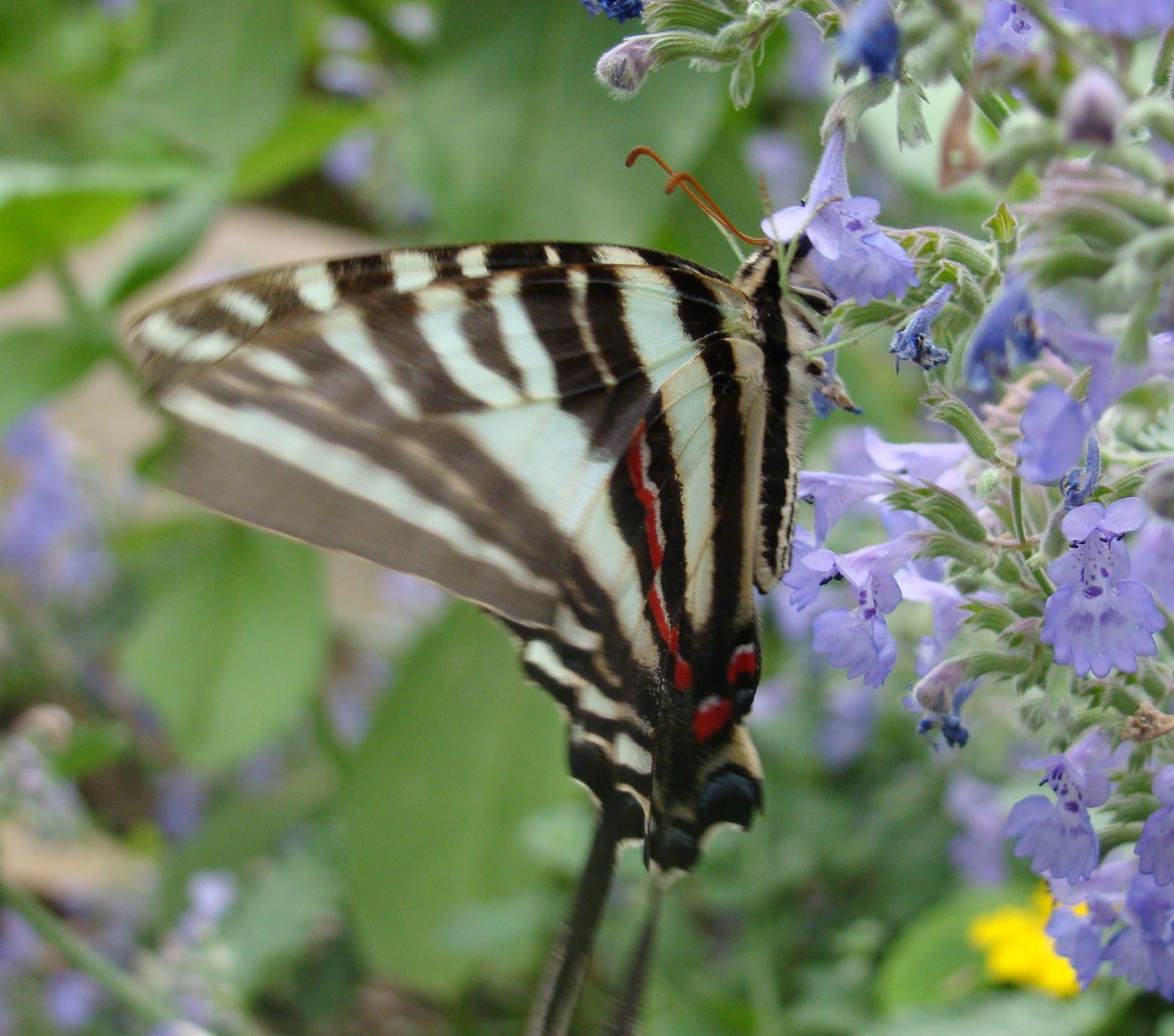
Zebra Swallowtail
Woodlands, floodplains, forest edges near pawpaw
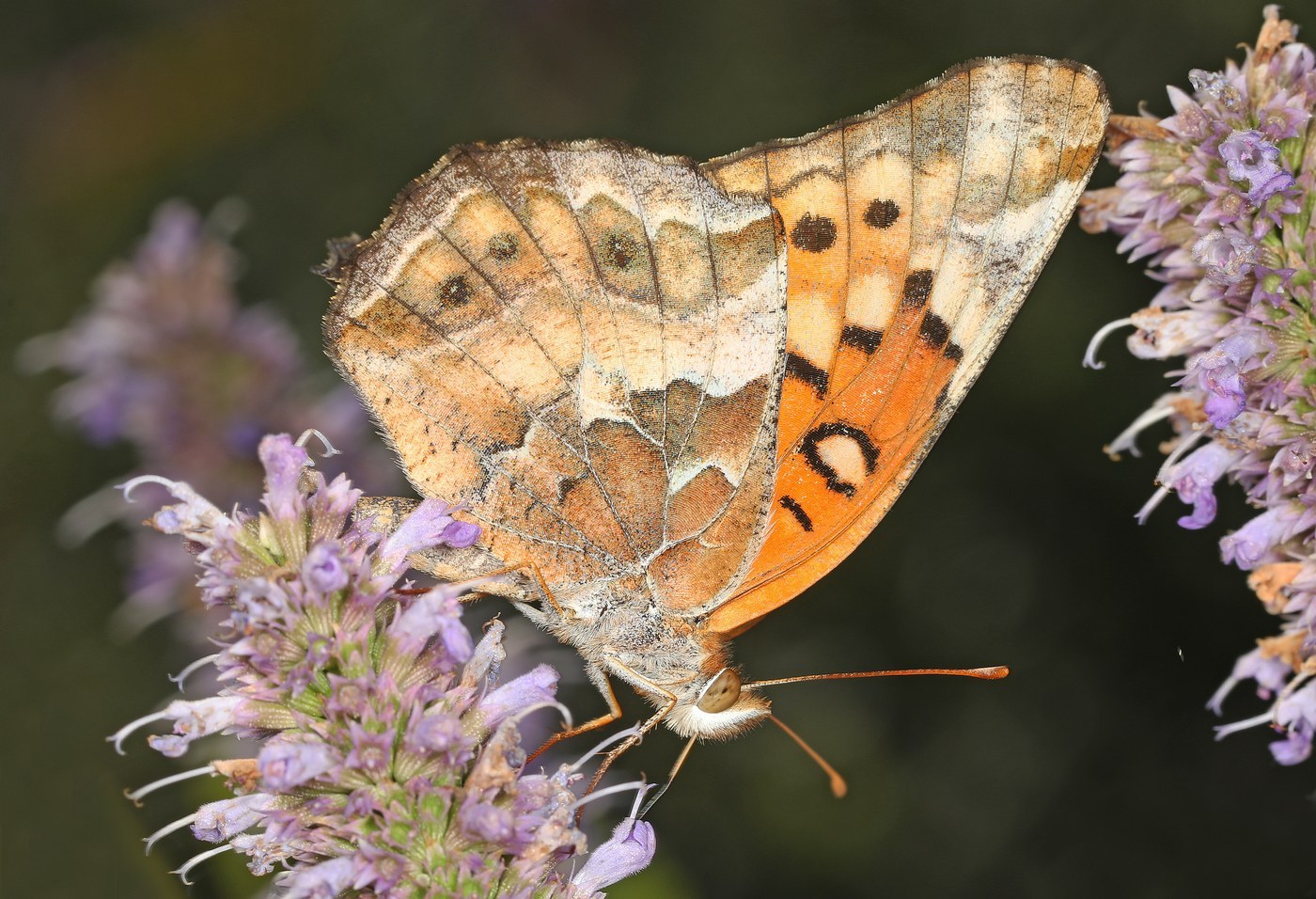
Variegated Fritillary
Open fields, prairies, roadsides, and disturbed ground across most of the United States
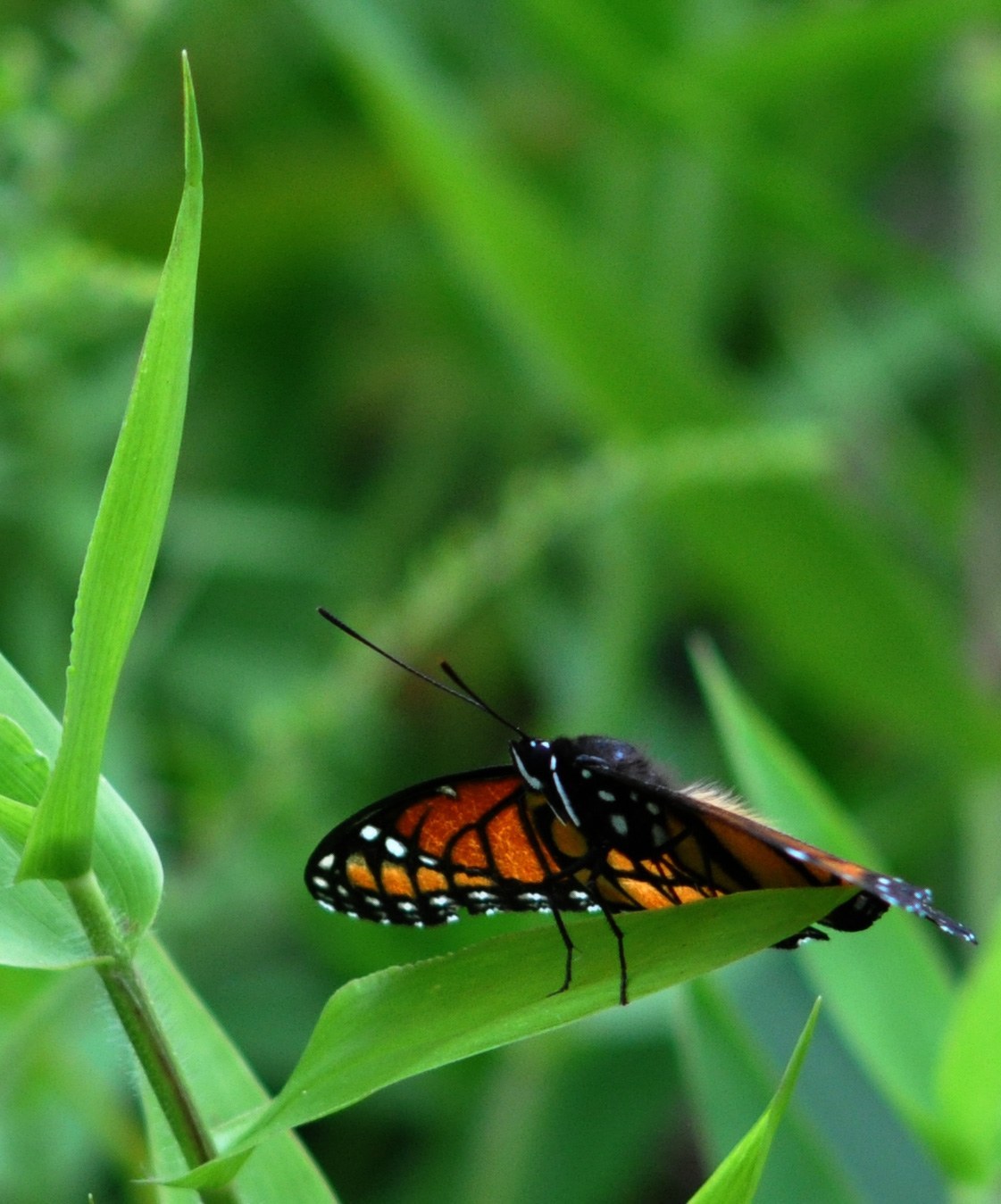
Viceroy Butterfly
Wetlands, meadows, riverbanks, willow thickets (North America)
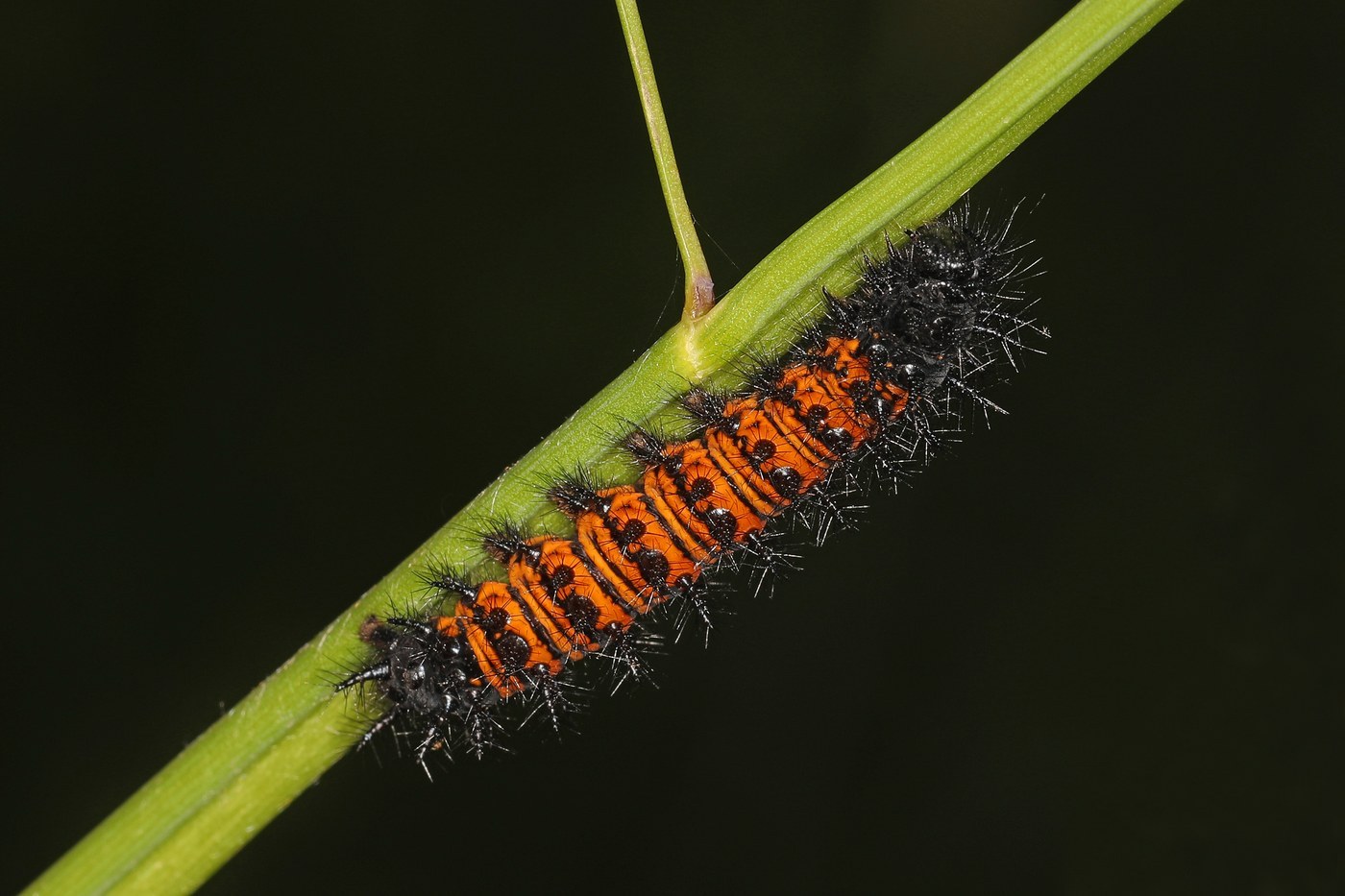
Baltimore Checkerspot
Wet meadows, bogs, and marshy fields in the northeastern and Appalachian US
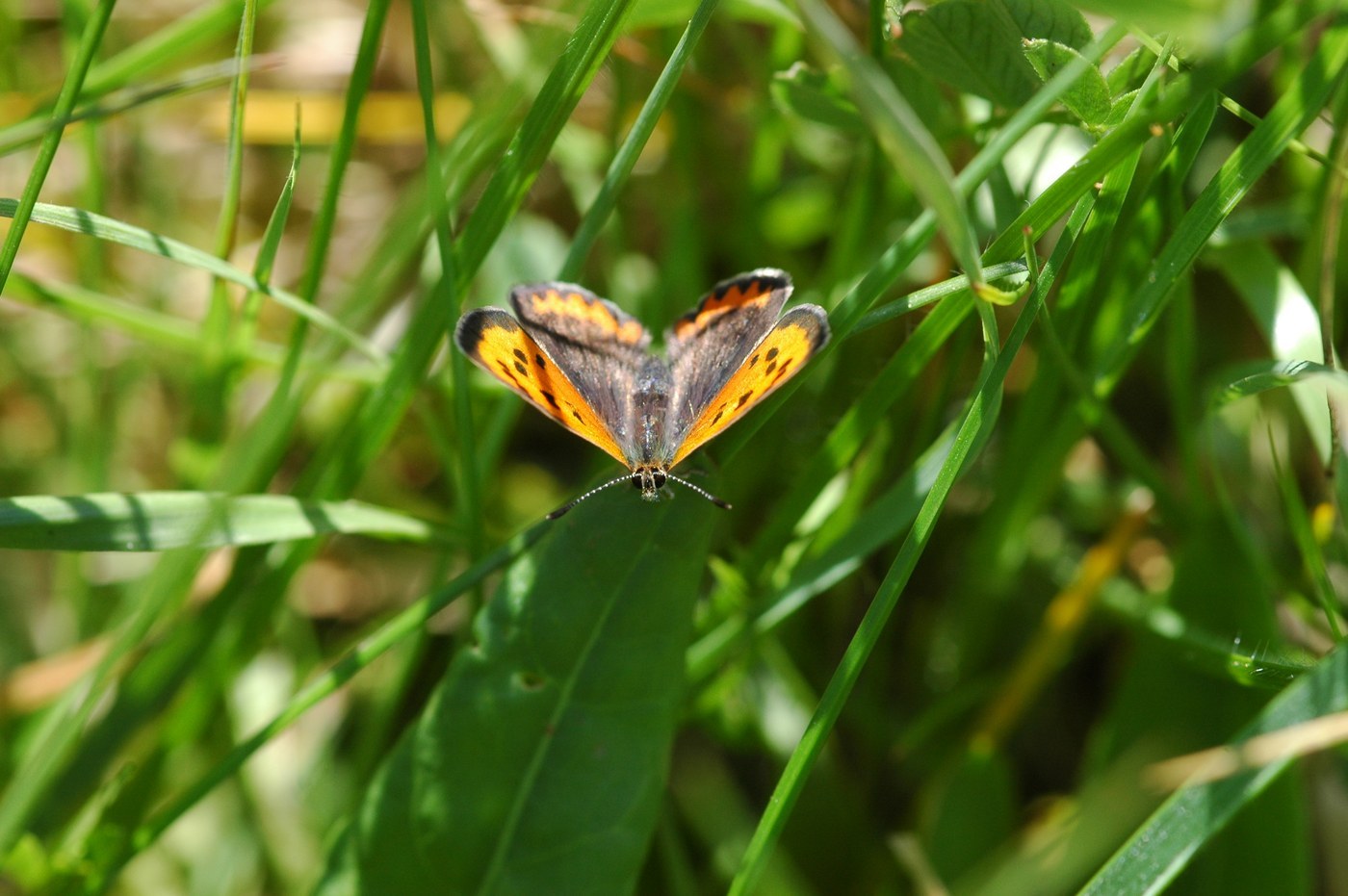
American Copper
Old fields, roadsides, and disturbed open ground with sorrel or dock
West Virginia White
Rich deciduous forest floors, especially near seeps and streams
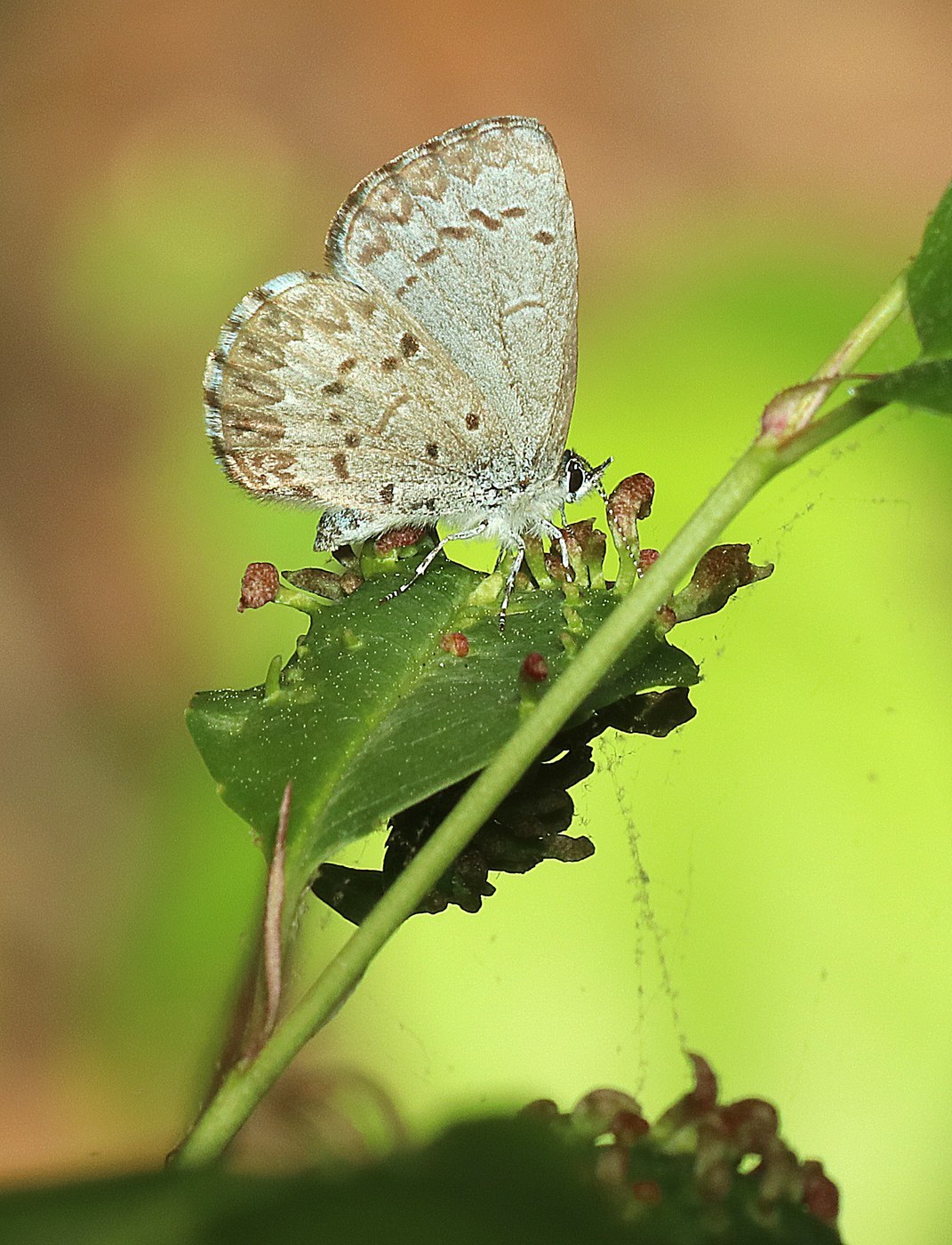
Spring Azure
Woodland edges, gardens, shrubby clearings
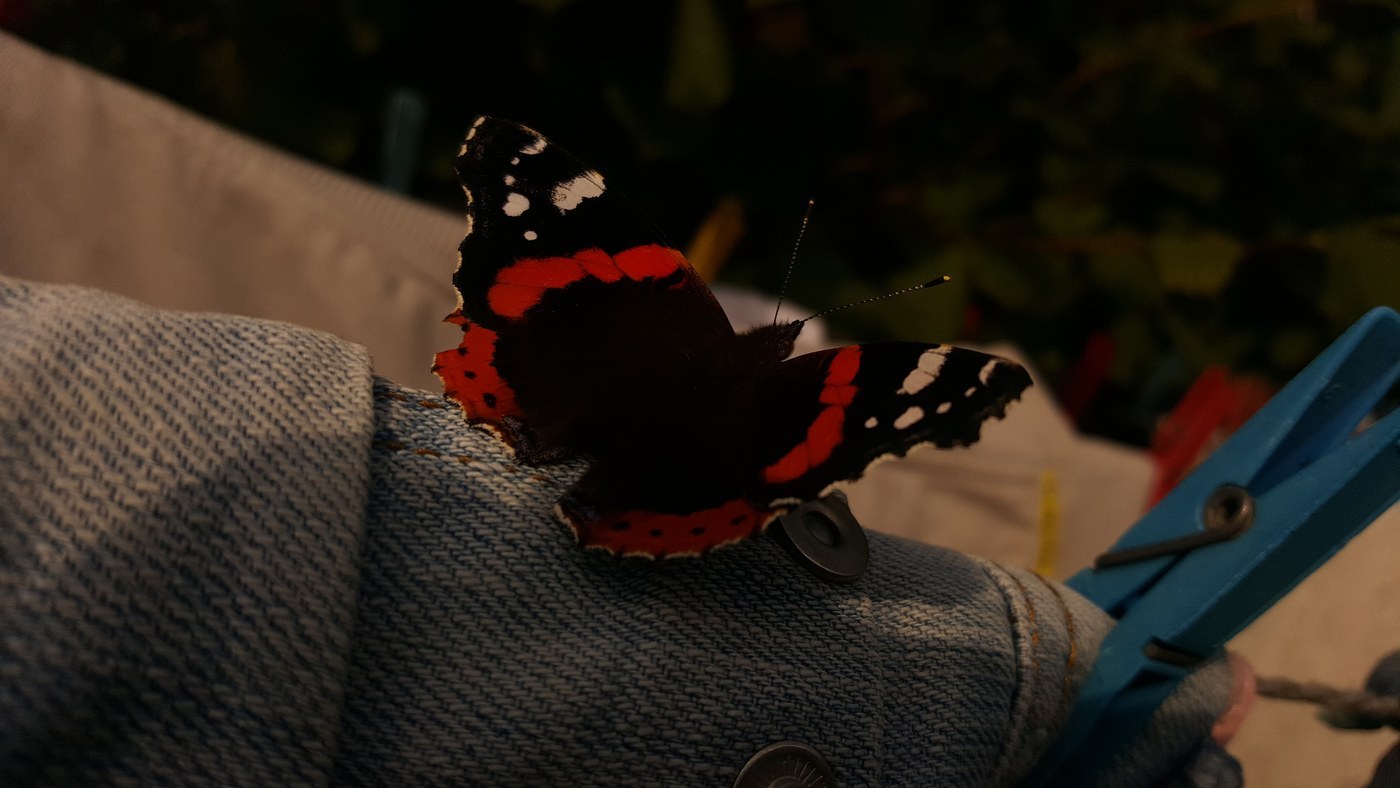
Red Admiral
Gardens, woodland edges, parks, meadows
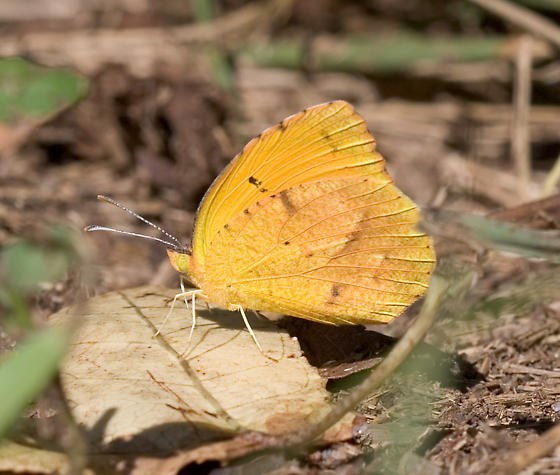
Sleepy Orange
Open woodland, fields, roadsides, and disturbed ground