
Tiger Swallowtail Caterpillar
Papilio glaucus
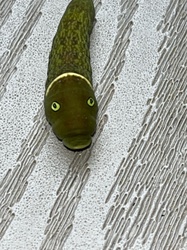
A smooth green caterpillar with a swollen thorax marked by two large fake eyespots, giving it an uncanny resemblance to a tiny snake's head.
- Size
- Up to 2 in (5 cm) long
- Habitat
- Deciduous forests and woodland edges near host trees
- Danger
- Harmless
Spotted a bug like this?
Identify any bug or insect from a photo, free.
Overview
The Tiger swallowtail caterpillar is the larval form of one of the largest and most familiar butterflies in eastern North America, admired for its striking yellow-and-black striped wings as an adult. The caterpillar takes an entirely different approach to survival, relying on mimicry and a clever leaf shelter rather than bright warning colors.
This species is a folivore of several common hardwood trees and is often discovered by people who notice its distinctive rolled-leaf hideouts on wild cherry, tulip tree, or magnolia.
How to Identify
- Mature larvae are smooth, bright green, and swollen toward the front, tapering toward the rear
- Large yellow eyespots with black pupils and pale rings sit on the enlarged thorax, mimicking a snake's or lizard's eyes
- A faint blue-black band separates the thorax from the rest of the body
- Younger instars are brown and white, closely resembling a bird dropping
- No hair or spines are present on the body
- Similar to the spicebush swallowtail caterpillar, but tiger swallowtail eyespots are generally more yellow and the head shape appears more rounded
Habitat & Range
This species occurs throughout much of eastern North America, from southern Canada to the Gulf Coast, wherever suitable host trees grow. Caterpillars are found on the leaves of wild cherry, tulip tree, sweetbay magnolia, and other hardwoods in forests, woodland edges, and shaded yards from late spring through summer.
Behavior & Diet
The caterpillar spends the day resting inside a shelter it makes by folding over a leaf edge with silk, emerging mainly at night to feed on foliage. Its snake-mimicking eyespots are a defense that can startle small vertebrate predators such as birds, buying the caterpillar time to escape or drop from the leaf. Like other swallowtails, it can also evert an orange osmeterium gland that releases a strong odor when disturbed. It contributes to forest food webs as prey for birds and parasitic wasps and later as a pollinator once it becomes an adult butterfly.
Life Cycle
Eggs are laid singly on the upper surface of host leaves and hatch within about a week. The larva progresses through five instars, transforming from a bird-dropping mimic into the green, eyespotted form, folding leaves into daytime shelters as it grows. The final instar forms a mottled brown chrysalis attached by silk to a twig or bark crevice. In northern regions the species overwinters as a chrysalis with one or two generations per year, while southern populations may produce three or more broods.
Frequently asked questions
Why does the tiger swallowtail caterpillar have eyespots?
The large fake eyespots on its thorax mimic a snake's eyes, which can startle small predators such as birds.
What trees does this caterpillar feed on?
It feeds on the leaves of wild cherry, tulip tree, sweetbay magnolia, and several other hardwood trees.
Does the caterpillar build a shelter?
Yes, it folds a leaf edge with silk to create a daytime resting shelter and typically feeds at night.
How is it different from the spicebush swallowtail caterpillar?
Both have eyespots, but the tiger swallowtail's spots tend to be more yellow and it feeds on different host trees such as cherry and tulip tree rather than spicebush.
Tiger Swallowtail Caterpillar guides
In-depth guides for identifying, understanding, and living alongside Tiger Swallowtail Caterpillar.
Tiger Swallowtail Caterpillar identified by the community
Real finds identified with Bug Identifier.
Other bugs you may enjoy
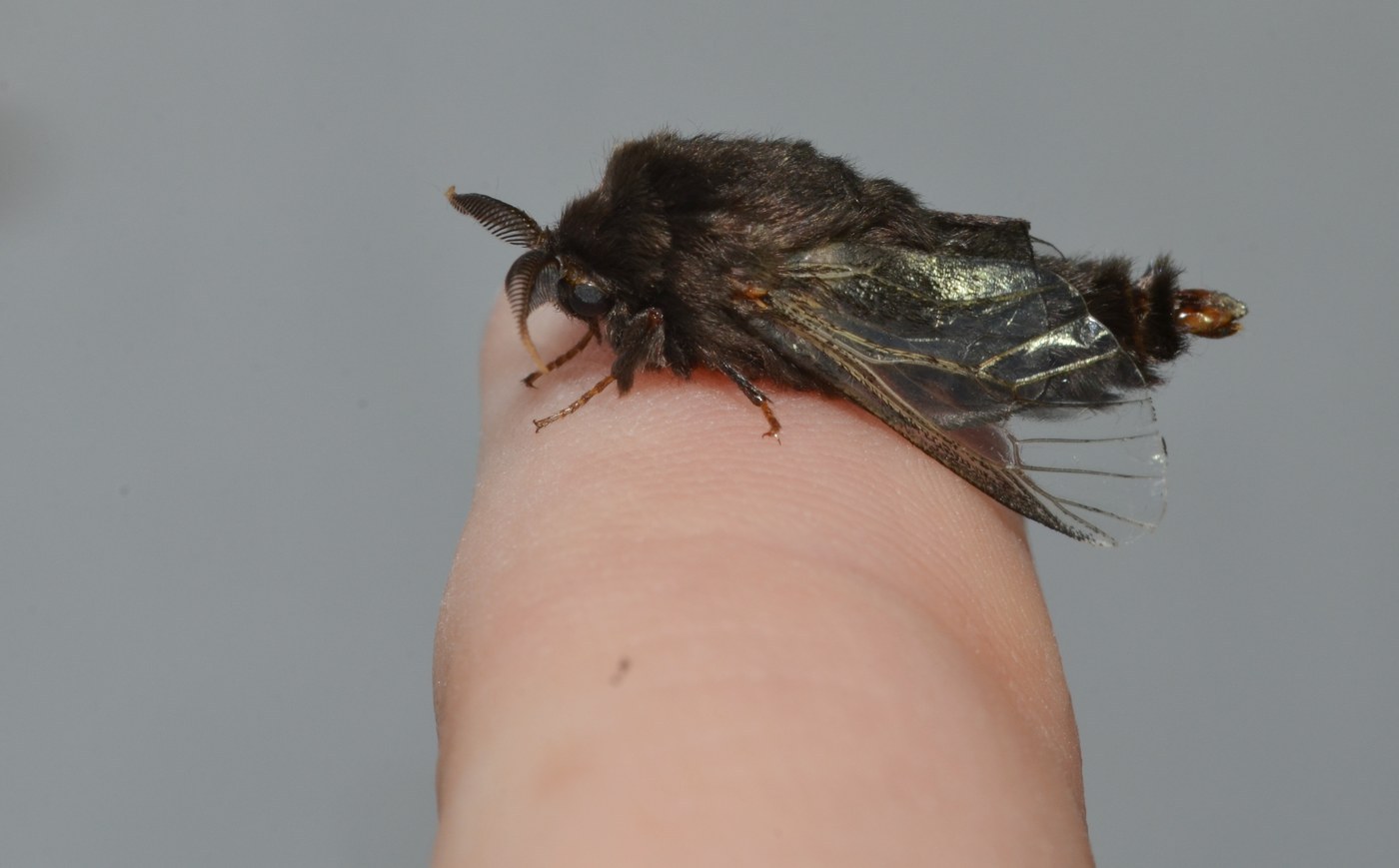
Bagworm
Trees and shrubs, especially conifers and ornamental landscaping
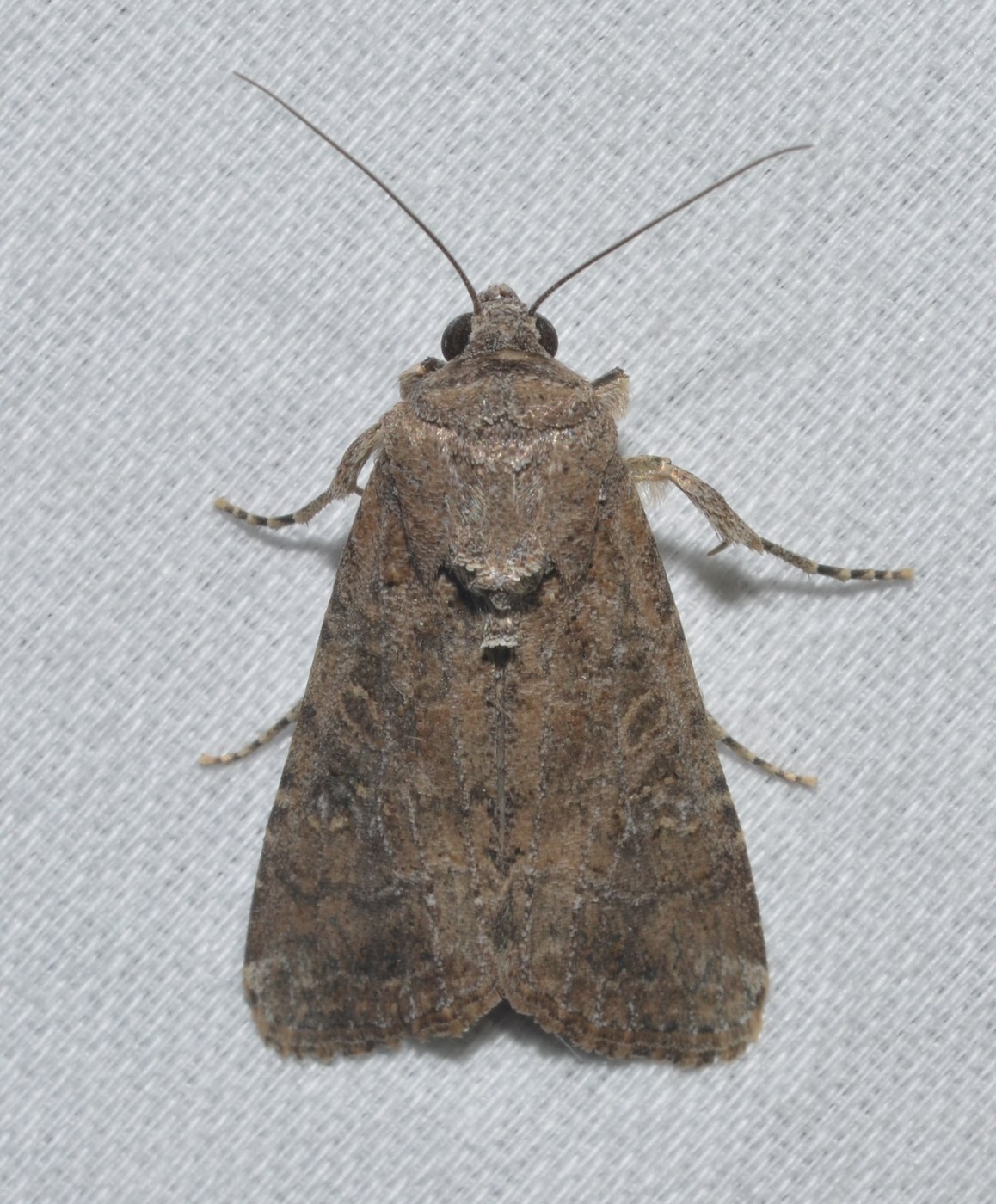
Armyworm
grasslands, pastures, and cereal crop fields
Zebra Longwing Caterpillar
Tropical and subtropical hammocks with passionflower vines
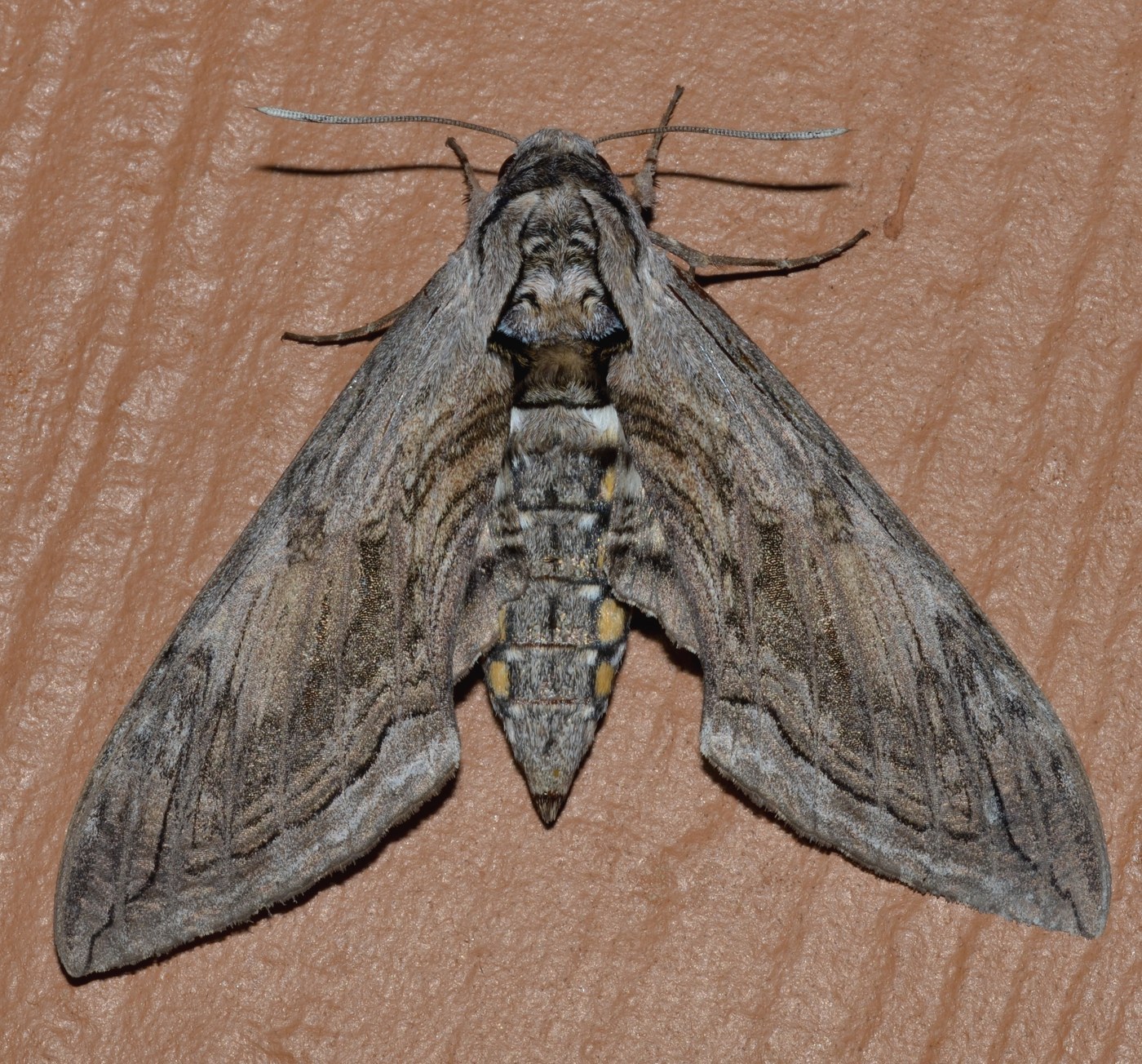
Tomato Hornworm
Gardens and fields with tomato, pepper, and other nightshade plants
Tent Caterpillar
Deciduous trees such as cherry, apple, and other rosaceous species
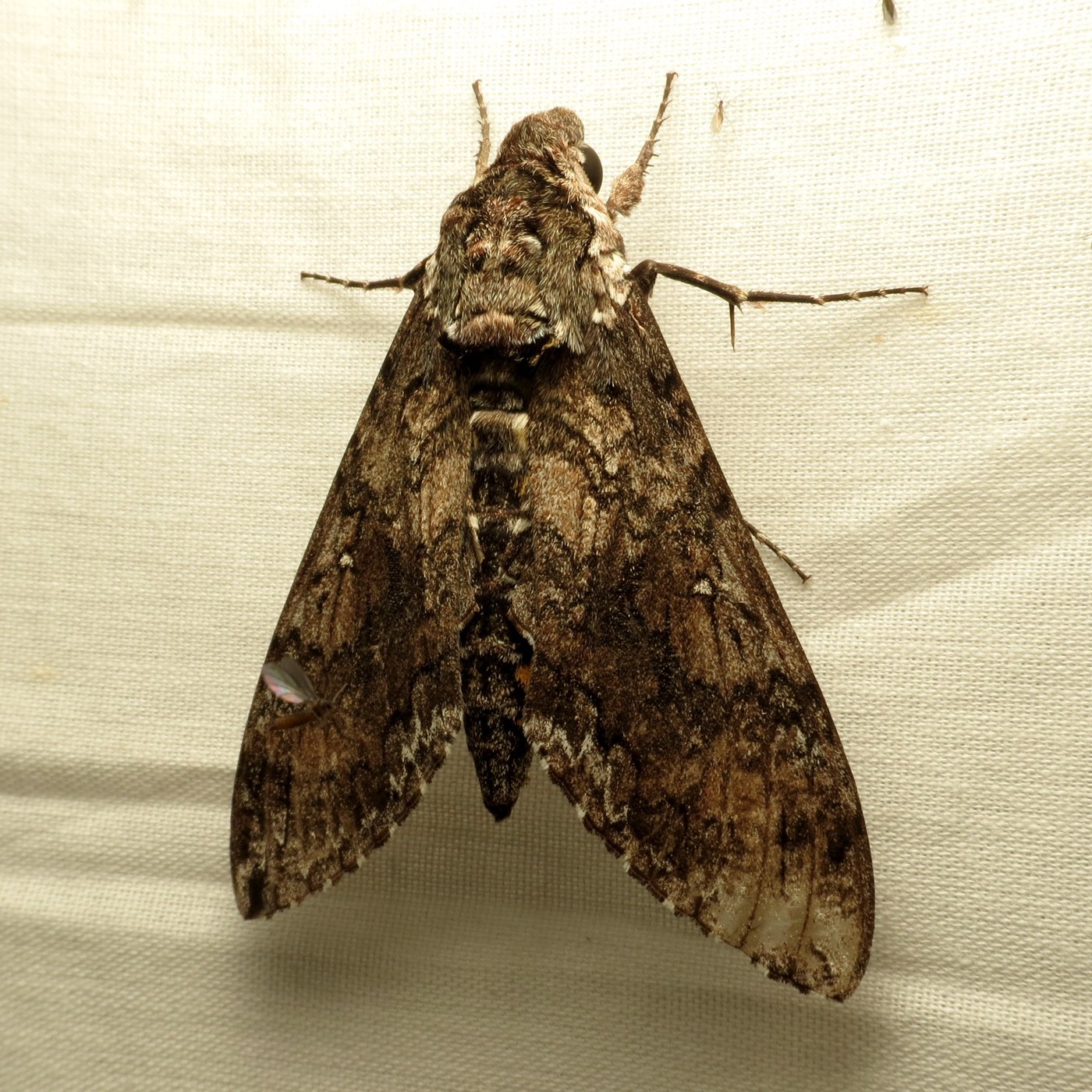
Tobacco Hornworm
tobacco, tomato, and pepper plants in gardens and fields
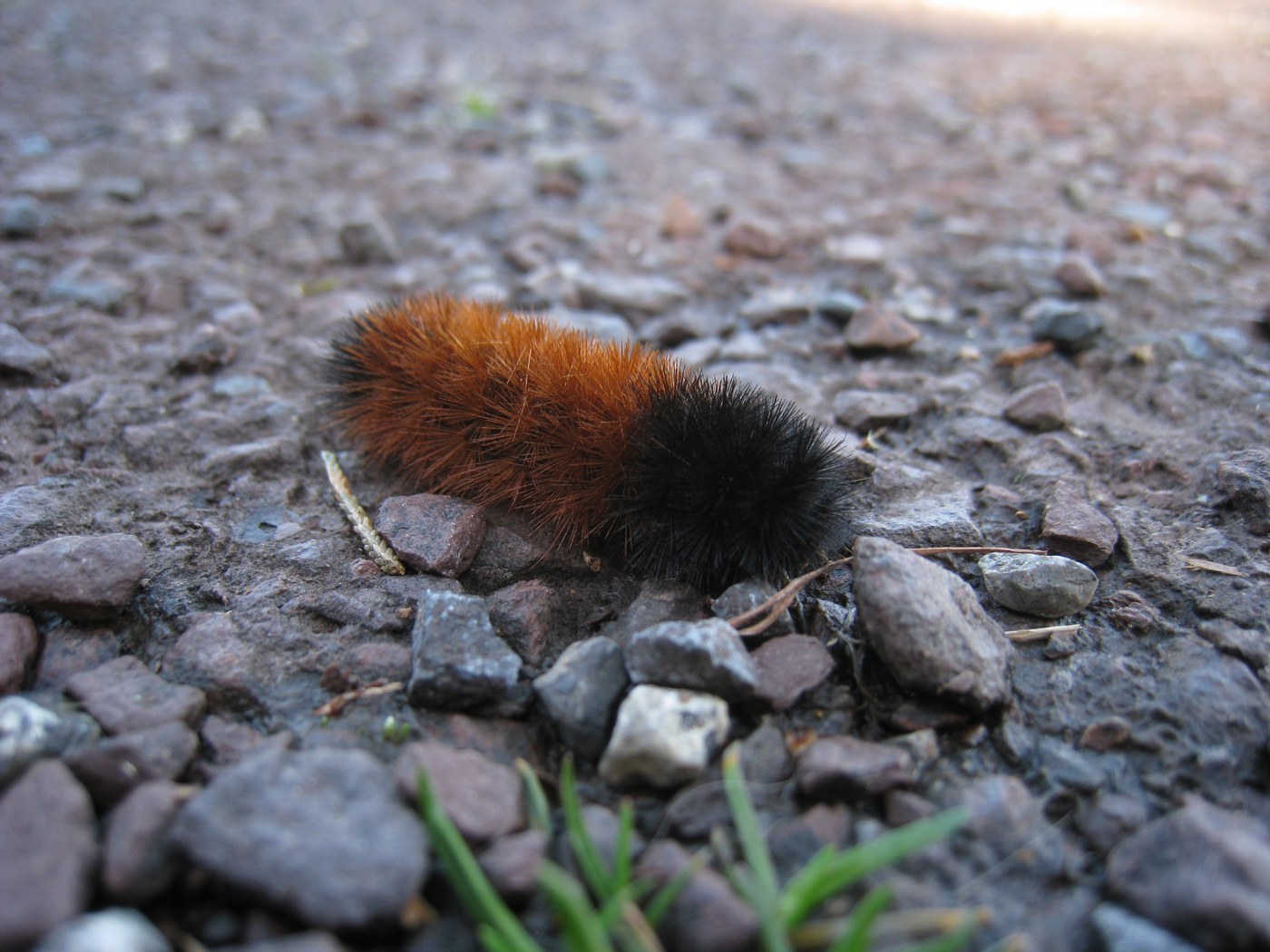
Woolly Bear Caterpillar
Gardens, meadows, roadsides, and woodland edges across North America
Sod Webworm
Turfgrass lawns, golf courses, pastures
Spiny Oak-slug Caterpillar
Deciduous forests and woodland edges with oak and other hardwoods
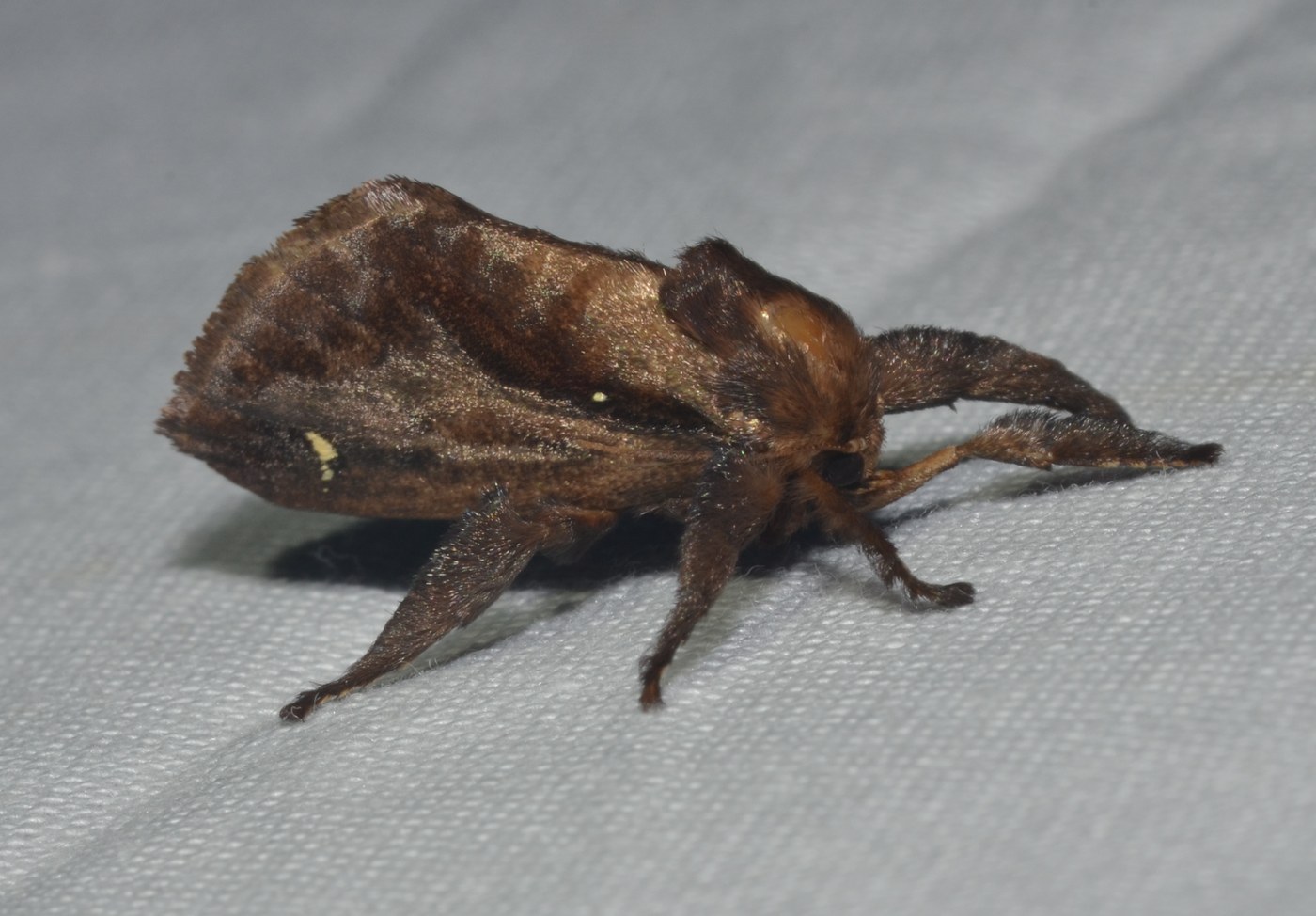
Saddleback Caterpillar
Deciduous trees and shrubs in eastern and southern North America
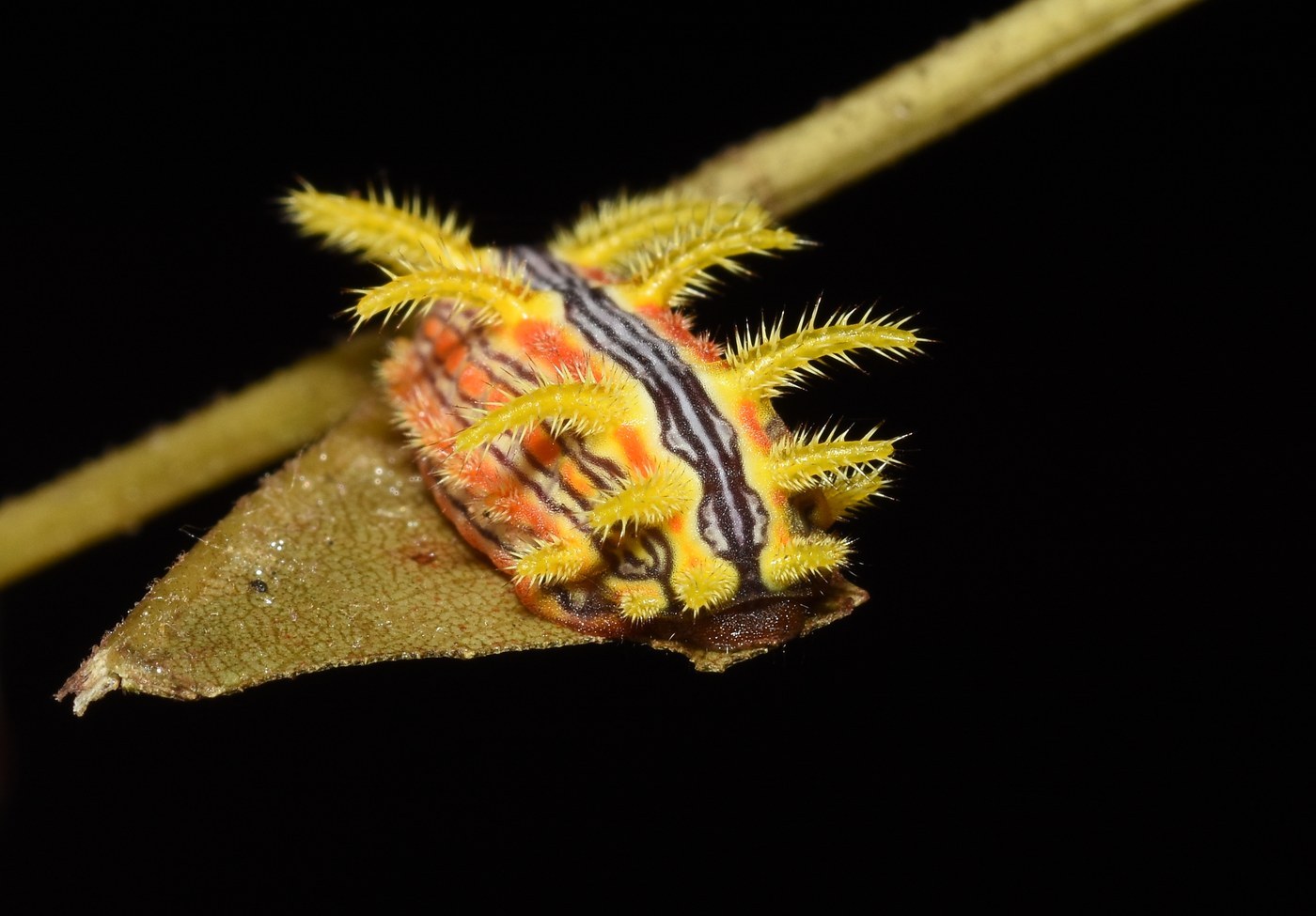
Stinging Rose Caterpillar
Gardens and woodlands with rose, dogwood, or oak
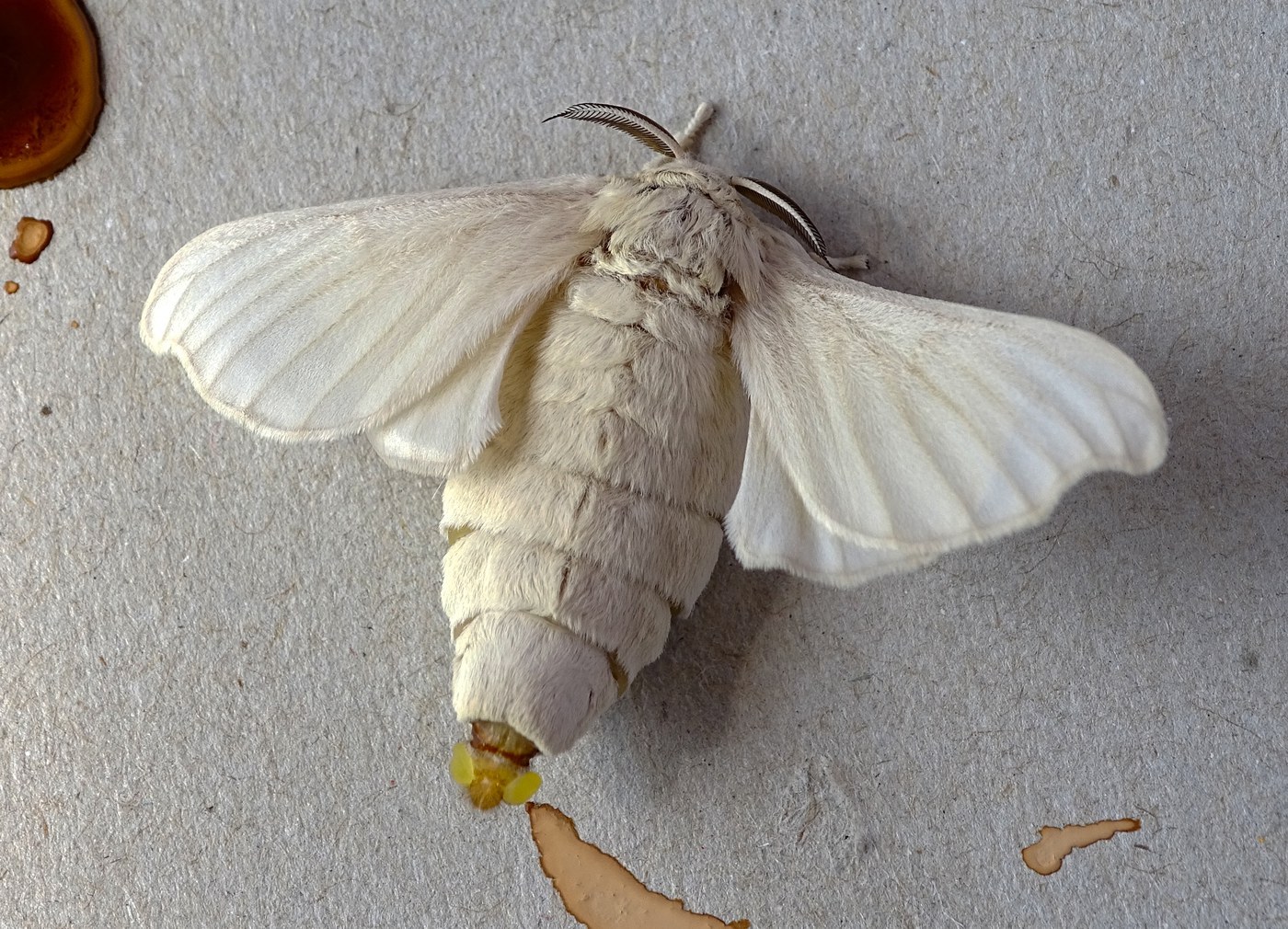
Silkworm
Reared exclusively in captivity on mulberry leaves; no independent wild population