
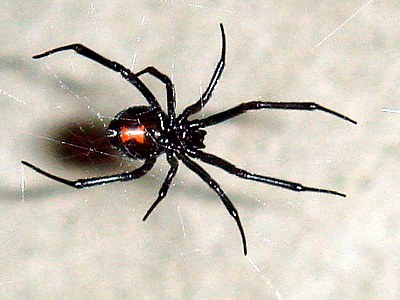
Western Black Widow
Latrodectus hesperus
A glossy, jet-black spider with a bold red hourglass mark on the underside of her round abdomen, the western black widow builds a tangled, irregular web in dark, undisturbed corners of the American West.
- Size
- Females 8-13 mm body length (leg span 25-35 mm); males 3-6 mm
- Habitat
- Dry, sheltered voids - woodpiles, garages, sheds, under rocks - across western North America
- Danger
- Mildly venomous
Spotted a bug like this?
Identify any bug or insect from a photo, free.
Overview
The western black widow is one of several Latrodectus species found in North America and is the widow most commonly encountered west of the Rocky Mountains. Adult females have a shiny, coal-black, globe-shaped abdomen usually marked underneath with a red or orange hourglass, though the shape can be broken into two triangles or reduced to a dot in some individuals. Males and juveniles look completely different, being smaller, tan or striped, and are rarely noticed.
This species favors dry, undisturbed spaces close to the ground - woodpiles, meter boxes, rock piles, sheds, and cluttered garages - where it can build its signature web without disturbance. Its web is not the neat orb of a garden spider but a messy, three-dimensional tangle of strong, sticky threads anchored near the ground, designed to snag crawling and flying prey alike.
Western black widows are generally reclusive and non-aggressive, preferring to retreat or remain motionless rather than confront anything approaching their web. They play a useful ecological role as predators of crickets, beetles, ants, and other small arthropods that stumble into their silk snares.
How to Identify
- Adult female: shiny black, round bulbous abdomen roughly the size of a large pea, red hourglass marking on the underside
- Long, thin black legs with no obvious banding
- Males and immatures: much smaller, tan to gray with light striping and spots, rarely recognized as widows
- Web: irregular, tangled, low to the ground, often near woodpiles or building foundations
- Lookalikes: false widow spiders (Steatoda) are similarly dark and round-bodied but lack the true hourglass and have a more brownish-purple sheen
Habitat & Range
Found throughout the western United States, from Washington and California east to the Rocky Mountain states, and south into Mexico. It favors arid and semi-arid climates and is most often found in human-made or human-altered structures - garages, crawl spaces, storage sheds, retaining walls, and debris piles - as well as natural rock crevices and burrows in scrubland and desert habitat.
Behavior & Diet
This spider is sedentary, spending most of its life within or near a single web, only rebuilding or repairing silk as needed. It is nocturnal, hanging upside down near the center of its web at night waiting for vibrations that signal trapped prey, then quickly wrapping the catch in silk before feeding. Diet consists of insects and other small arthropods, including flies, beetles, ants, and occasionally other spiders. Females are known to sometimes consume the much smaller male after mating, a trait that inspired the common name "widow," though this outcome is not universal in the wild.
Life Cycle
Females produce silken egg sacs, tan to off-white and papery, each containing several hundred eggs, and may produce multiple sacs across a season. Spiderlings emerge after a few weeks and disperse by ballooning on silk threads to new locations, reducing competition with siblings. Juveniles molt several times over the following months as they grow, with females typically taking longer to mature than the smaller males. Adult females can live one to three years under favorable conditions, while males have much shorter lifespans, often dying shortly after reaching maturity and mating.
Frequently asked questions
How can I tell a western black widow from a similar-looking spider?
Look for a shiny, jet-black, rounded abdomen with a red hourglass shape on the underside; false widows and other dark spiders usually lack the true hourglass and have a duller, brownish sheen.
Where do western black widows like to build their webs?
They prefer dark, undisturbed, low-lying spaces such as woodpiles, sheds, garages, and rock crevices, where they spin a messy, irregular tangle web close to the ground.
What do western black widows eat?
They feed on insects and other small arthropods - including flies, beetles, ants, and crickets - that become entangled in their web.
How do male western black widows differ from females?
Males are much smaller and differently colored than females and are rarely encountered; they spend most of their brief adult life searching for mates rather than building webs.
Western Black Widow guides
In-depth guides for identifying, understanding, and living alongside Western Black Widow.
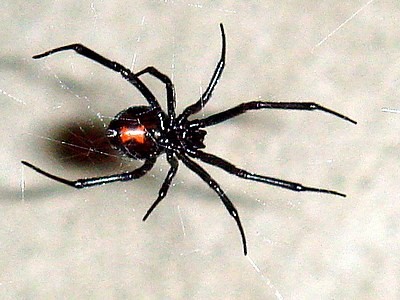
Western Black Widow identified by the community
Real finds identified with Bug Identifier.
Other bugs you may enjoy
Woodlouse Spider
Damp leaf litter, under logs, stones, and mulch
Wolf Spider
Gardens, grasslands, forests, leaf litter, ground burrows
Wandering Spider
Tropical and subtropical forest floor, foliage, and banana plants
Banded Garden Spider
Tall grass, meadows, and gardens with open sunny vegetation
Banana Spider
Wooded trails, forest edges, and gardens across the southeastern U.S. and the American tropics
Sydney Funnel-web Spider
Burrows in moist soil, gardens, and forested gullies around the Sydney basin of eastern Australia
Trapdoor Spider
Self-dug silk-lined burrows with a camouflaged door, in dry, well-drained soil worldwide
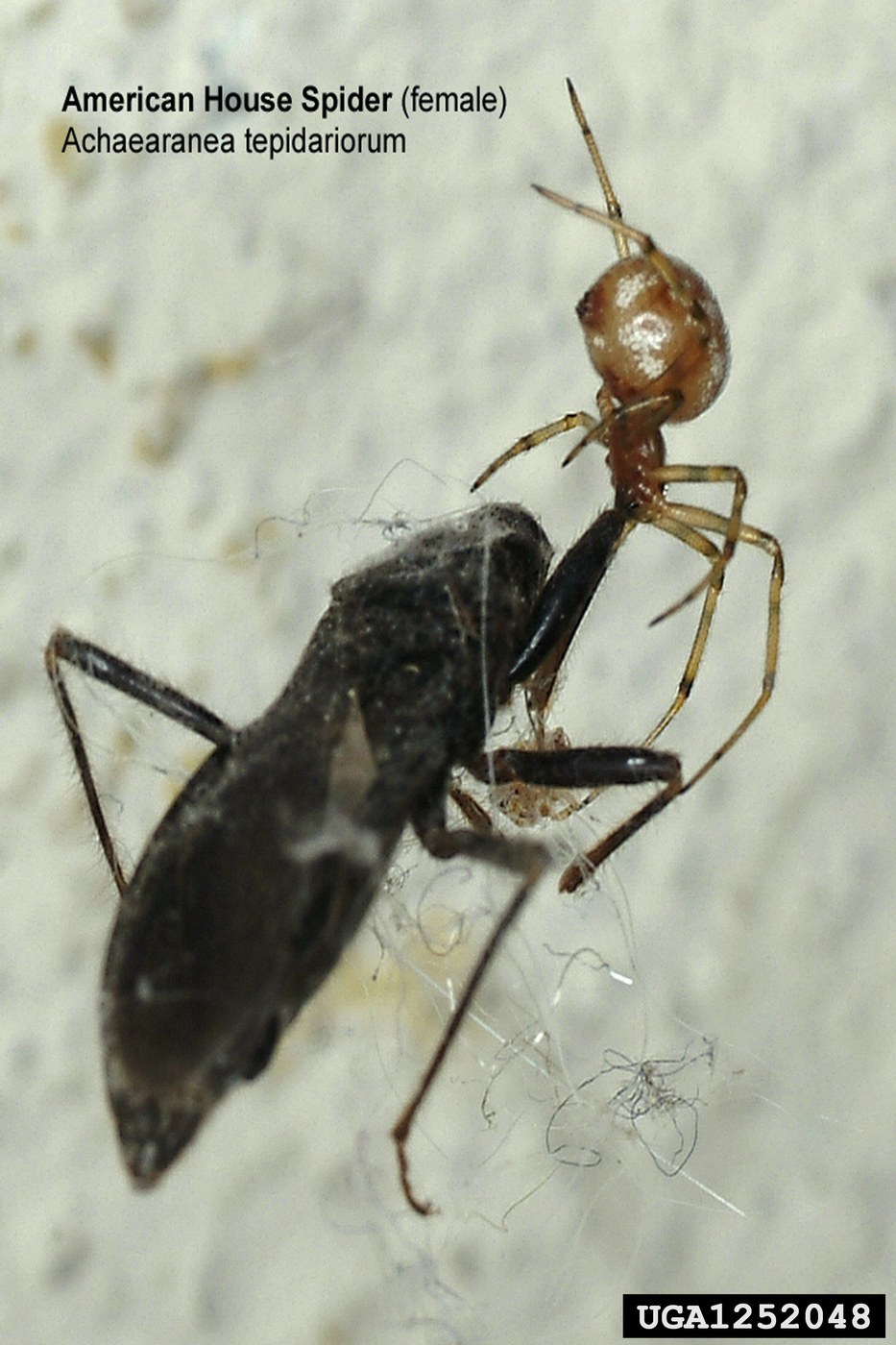
American House Spider
Corners, basements, garages, and outbuildings worldwide
Tube Web Spider
Wall crevices, bark, rockeries, and masonry
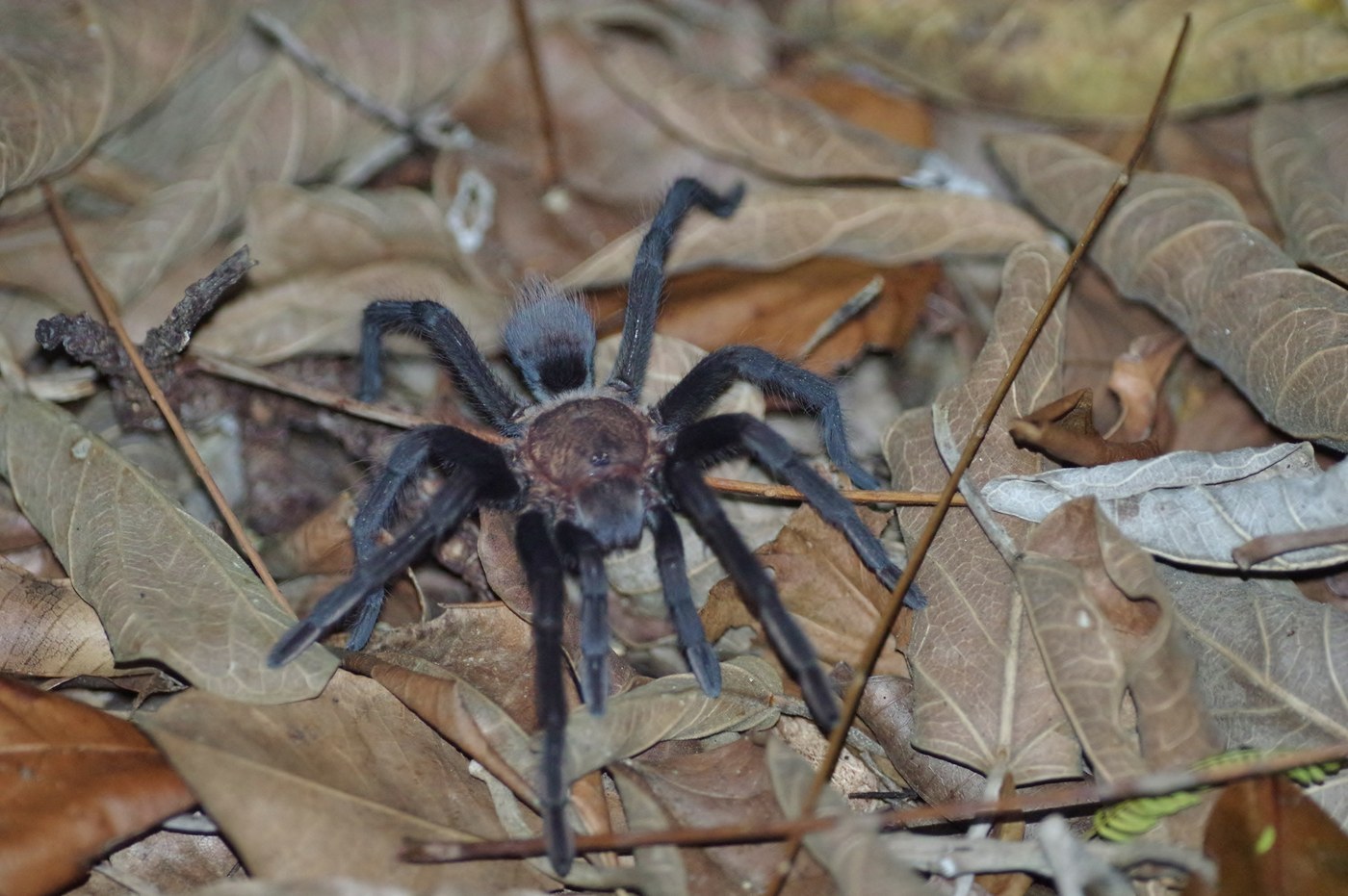
Tarantula
Burrows, rock crevices, and tree hollows in deserts, grasslands, and tropical forests worldwide
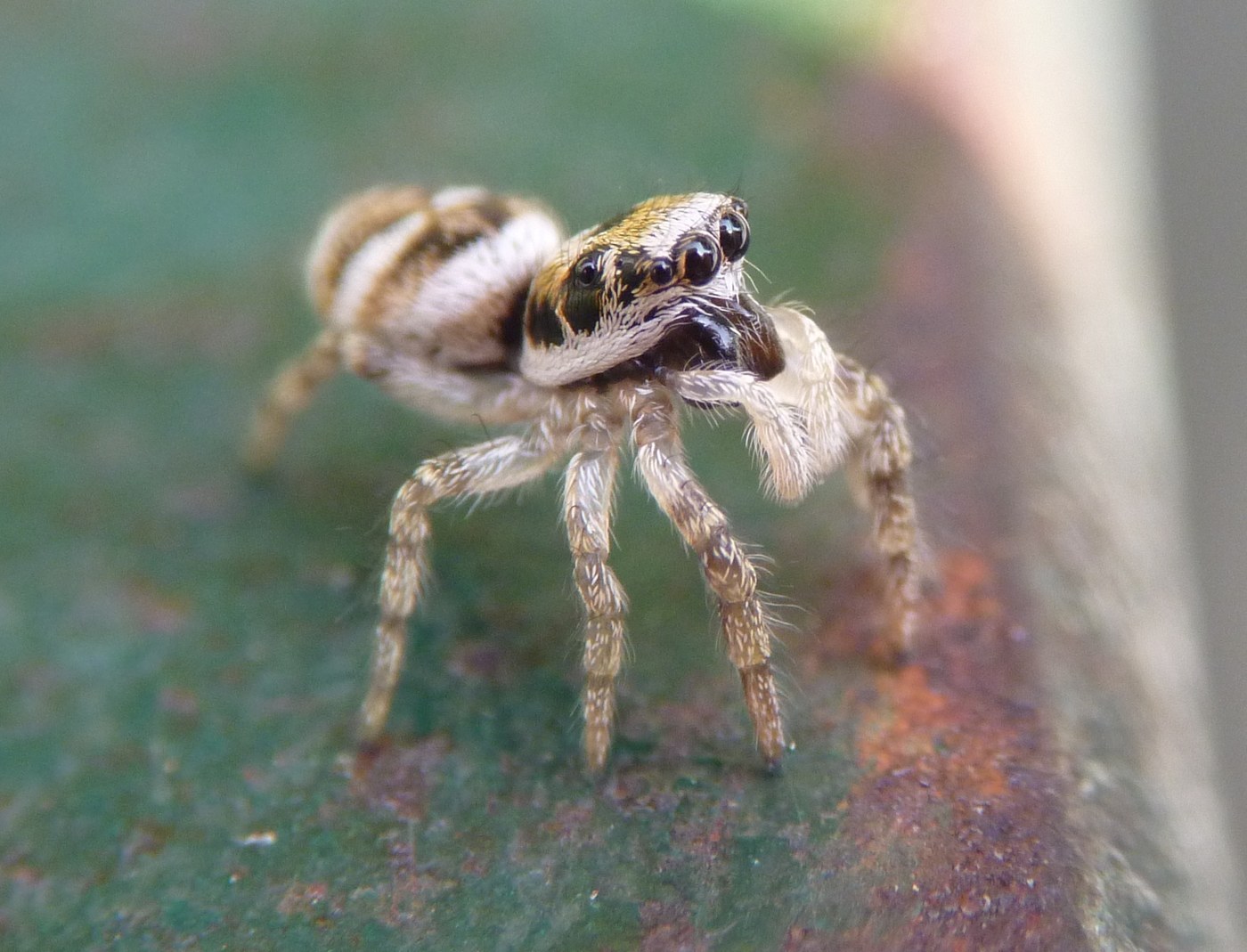
Zebra Jumping Spider
Sunny walls, fences, tree bark, and building exteriors
Wall Spider
Cracks and crevices on exterior and interior walls