
Bug Encyclopedia
Search and identify bugs & insects — beetles, butterflies, moths, ants, bees, spiders and more — with size, habitat, danger, behavior, and how to tell them apart.
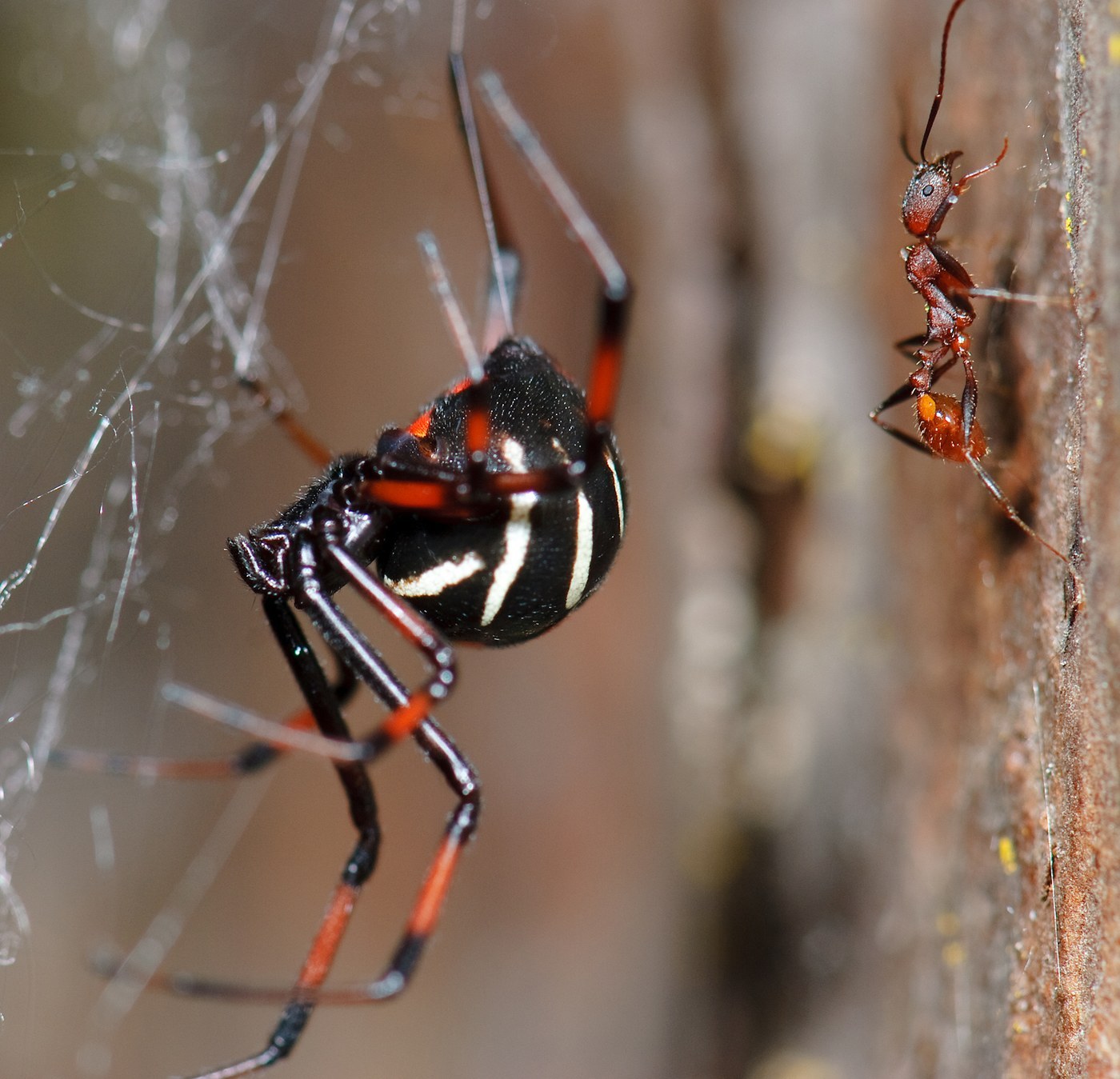
Northern Black Widow
Slightly more elusive than its southern cousin, the northern black widow shows a row of red spots down its back and a broken, hourglass marking on its belly, and prefers wilder, brushier habitats over buildings.
spider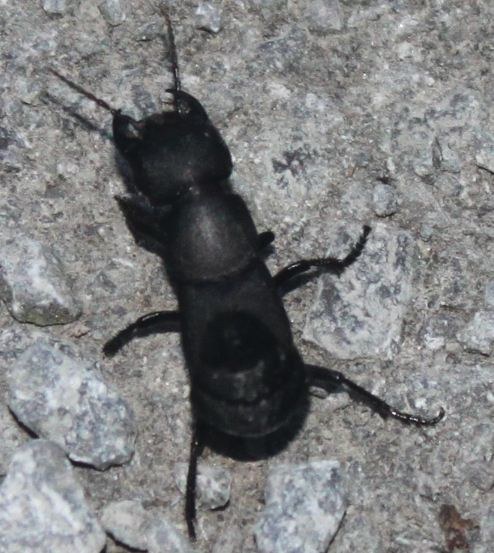
Devil's Coach Horse Beetle
A large, matte-black rove beetle that raises its flexible abdomen up and over its back like a scorpion's tail and gapes its jaws when threatened, one of the biggest and most dramatic rove beetles in Europe.
beetle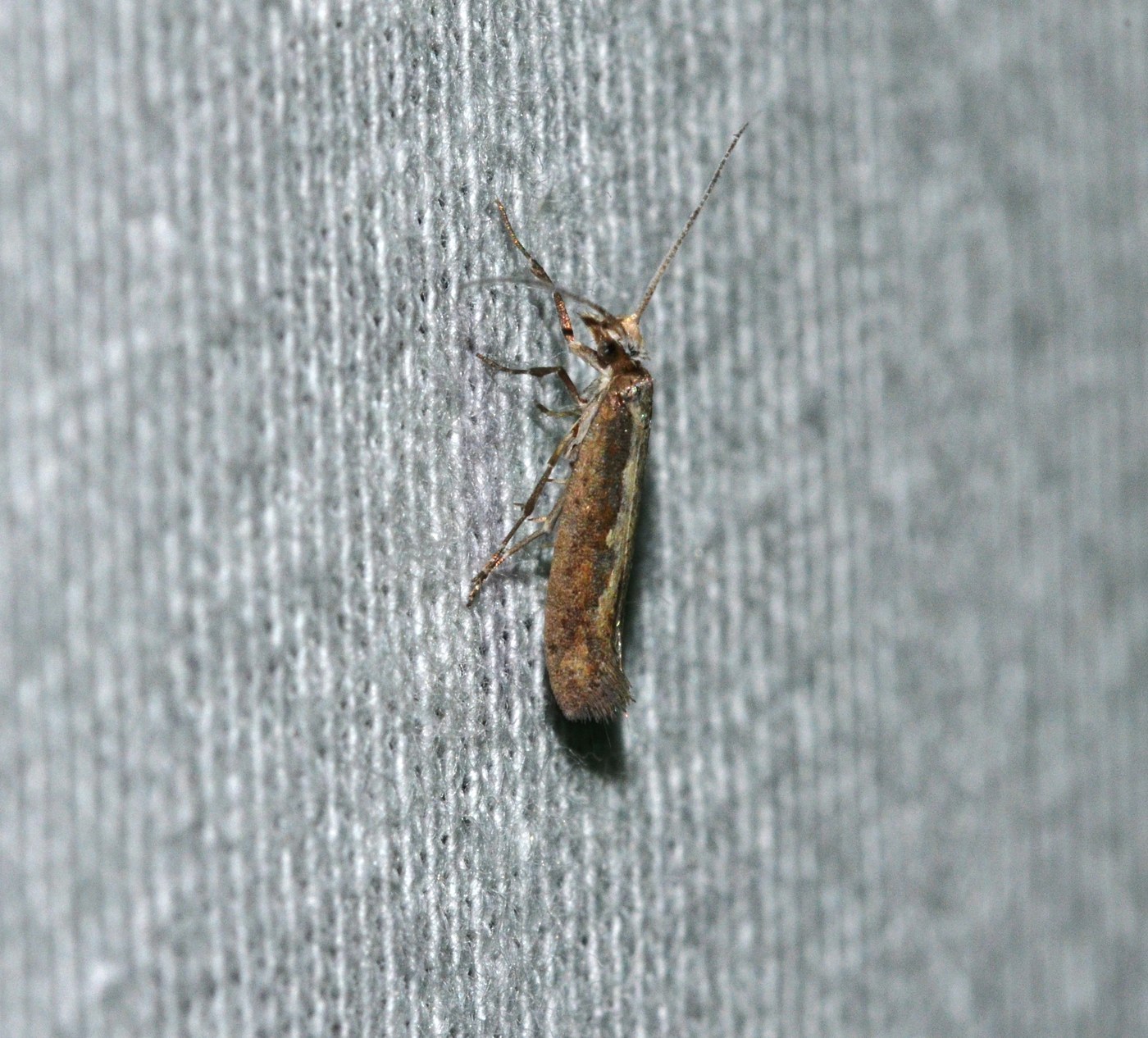
Diamondback Moth
A small, slender grey-brown moth named for the pale, diamond-shaped pattern that appears down its back when the wings are folded, best known as a widespread pest of cabbage and other brassica crops.
mothBush Cricket
Known by its long, thread-like antennae and evening chorus of chirps, this leaf-colored insect spends its life hidden among grass and foliage, often heard far more often than seen.
grasshopper-cricket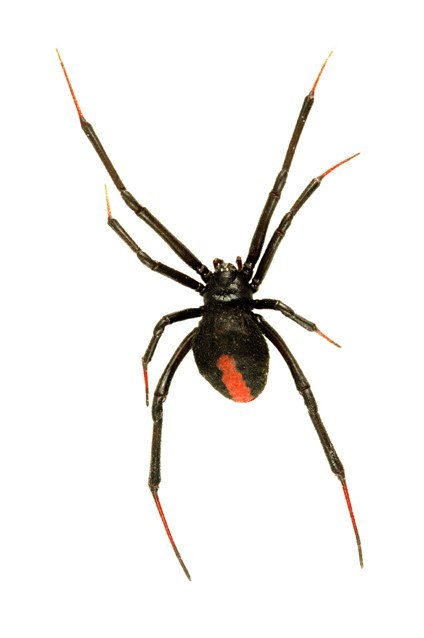
Redback Spider
A glossy black spider marked with a single bold red stripe down its back, the redback spider is one of Australia's most recognizable cobweb spiders, most often found tucked into dry, sheltered corners around homes and gardens.
spider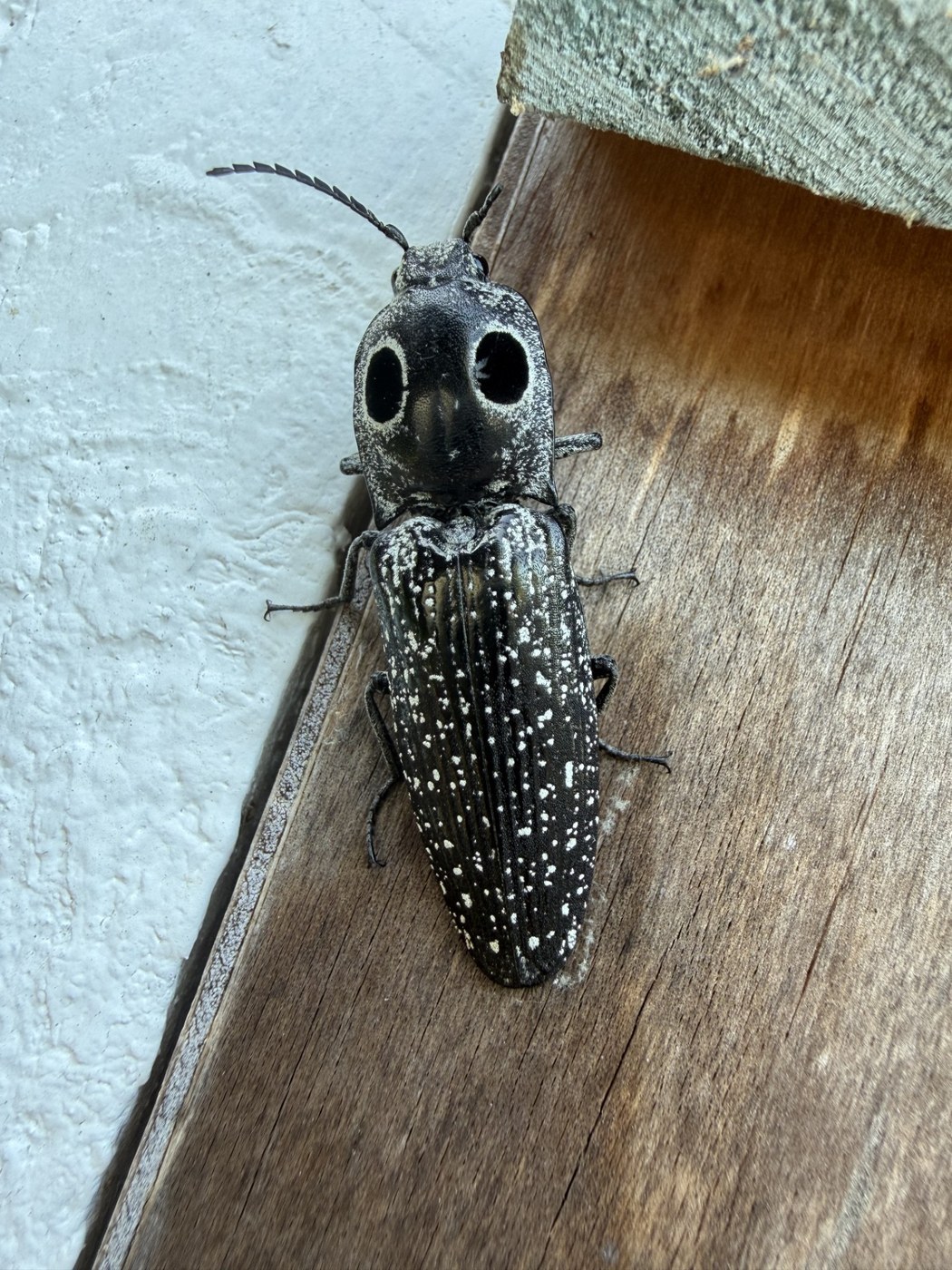
Eyed Click Beetle
A large, mottled black-and-white beetle marked with two prominent false eyespots on its thorax, well known for its ability to snap its body into the air with an audible click when flipped onto its back.
beetle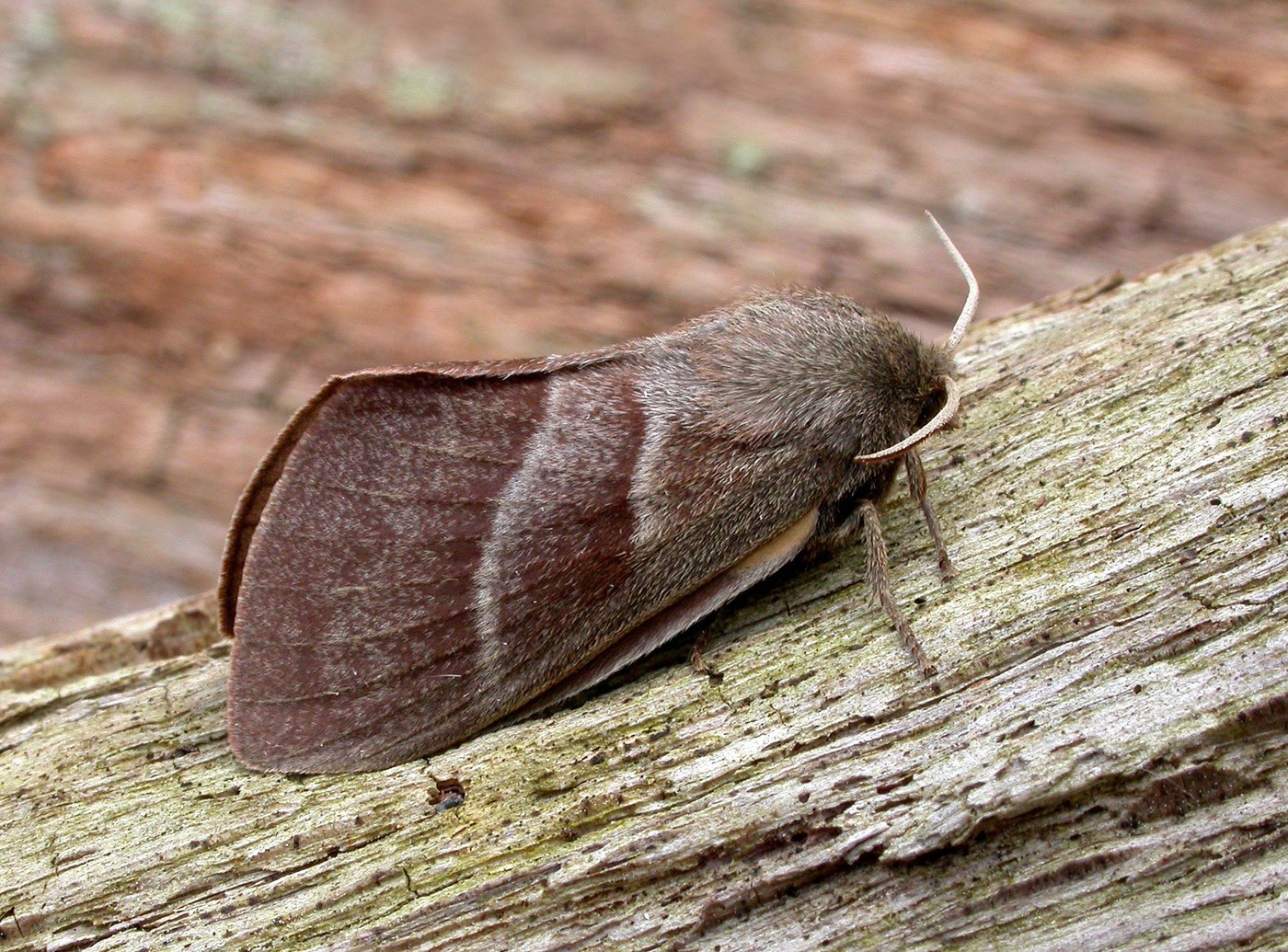
Fox Moth
A stout, reddish-brown moth with a pale diagonal band across each forewing, closely resembling a fox in color, most often noticed as its large, densely furred dark caterpillar basking on open ground in spring.
moth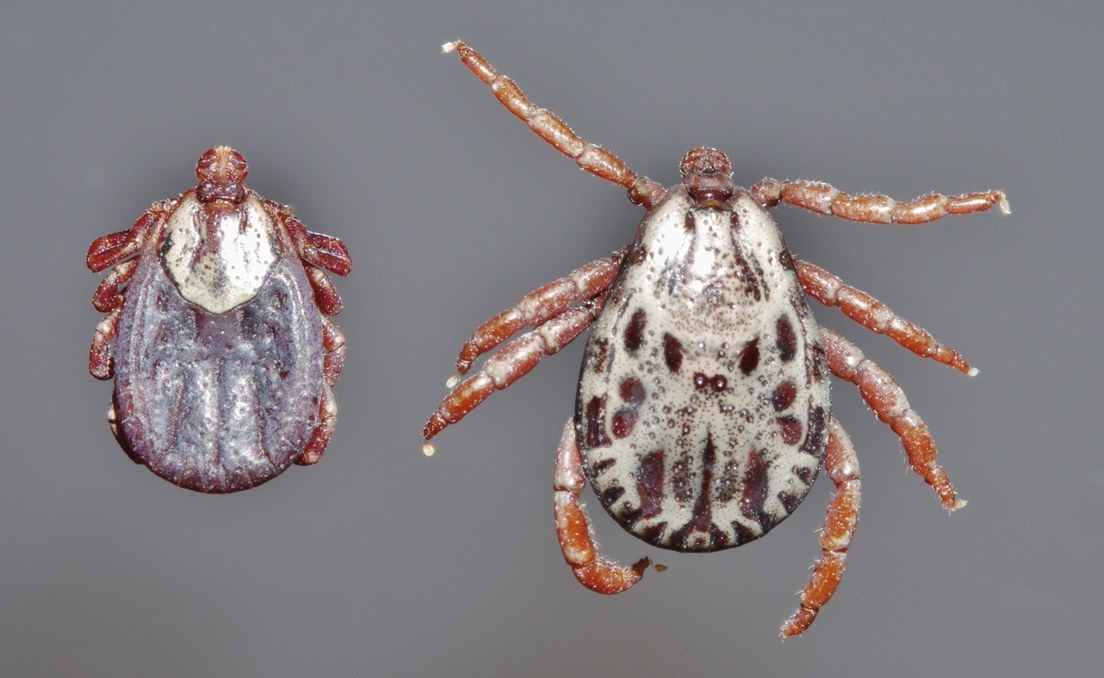
Wood Tick
A flattened, ornately patterned tick that waits on low brush in the Rocky Mountain foothills, ready to grab onto large mammals passing within reach. Its mottled, shield-marked back makes it one of the more distinctive North American ticks to identify.
arachnid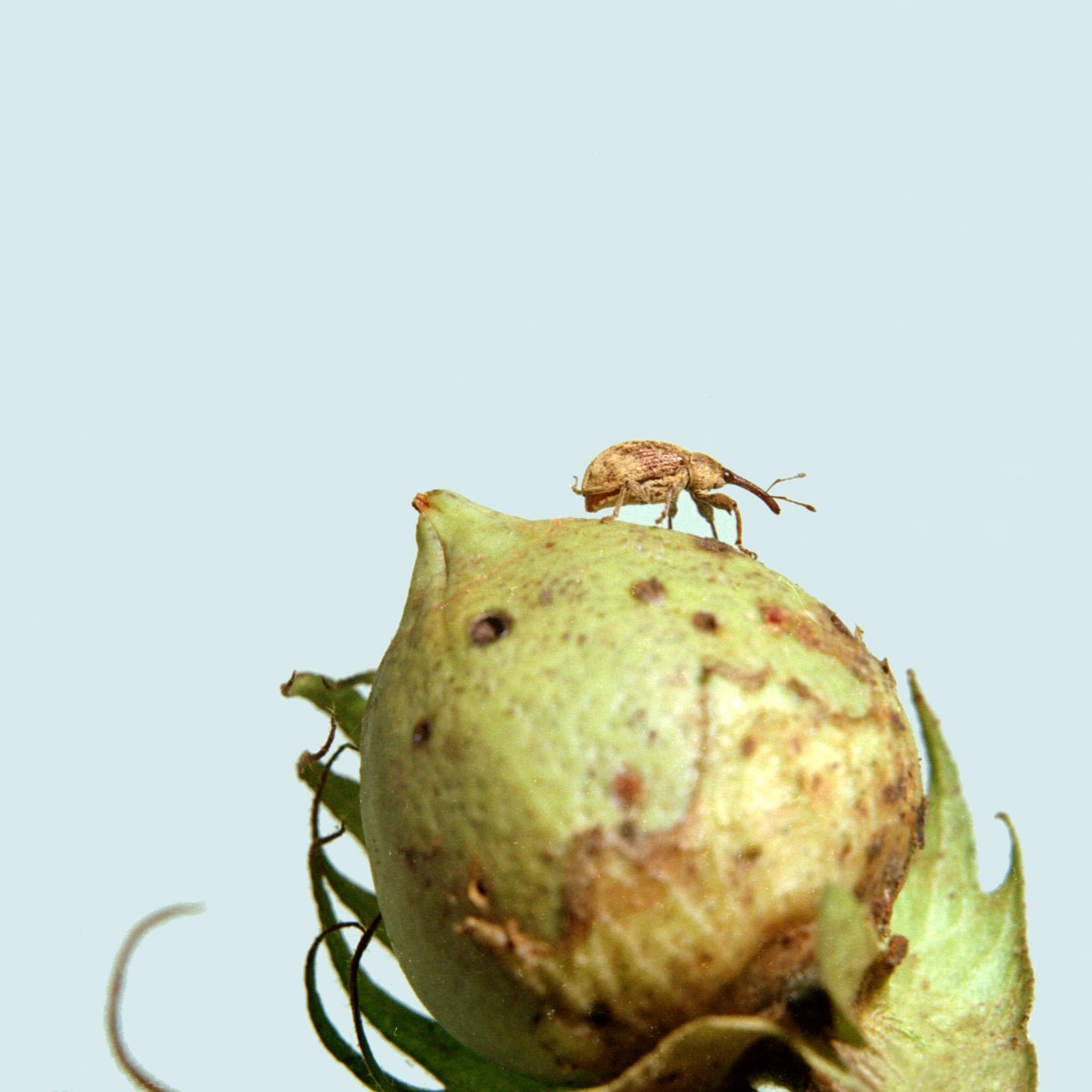
Boll Weevil
A small, grayish-brown snout beetle with a long, curved rostrum, historically famous for its close feeding association with cotton flower buds and bolls.
beetle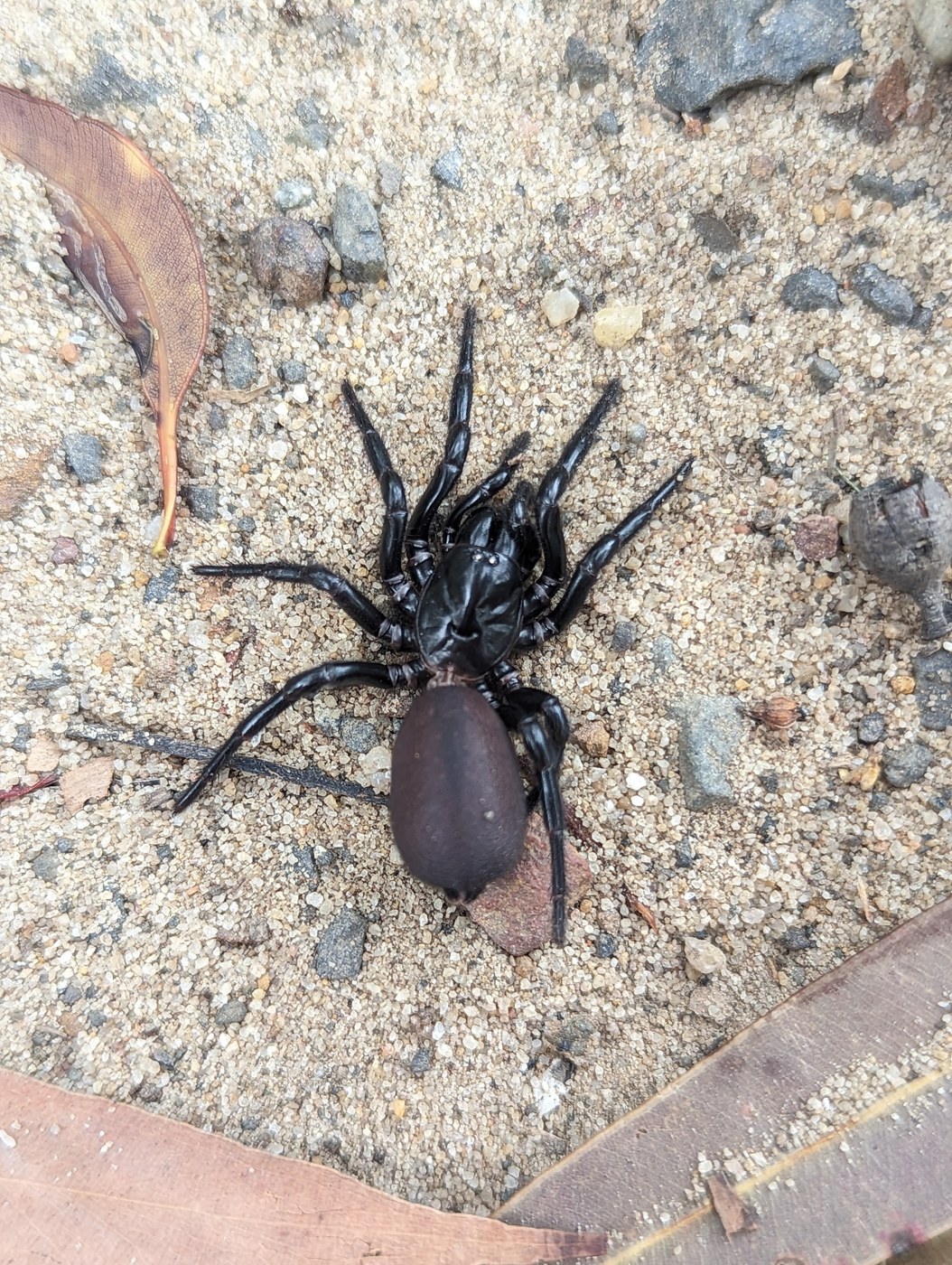
Sydney Funnel-web Spider
Glossy black and heavily built, with large fangs held ready in front of its face, the Sydney funnel-web spider shelters in a silk-lined burrow in moist, shaded ground across the Sydney region, one of Australia's most distinctive ground-dwelling spiders.
spider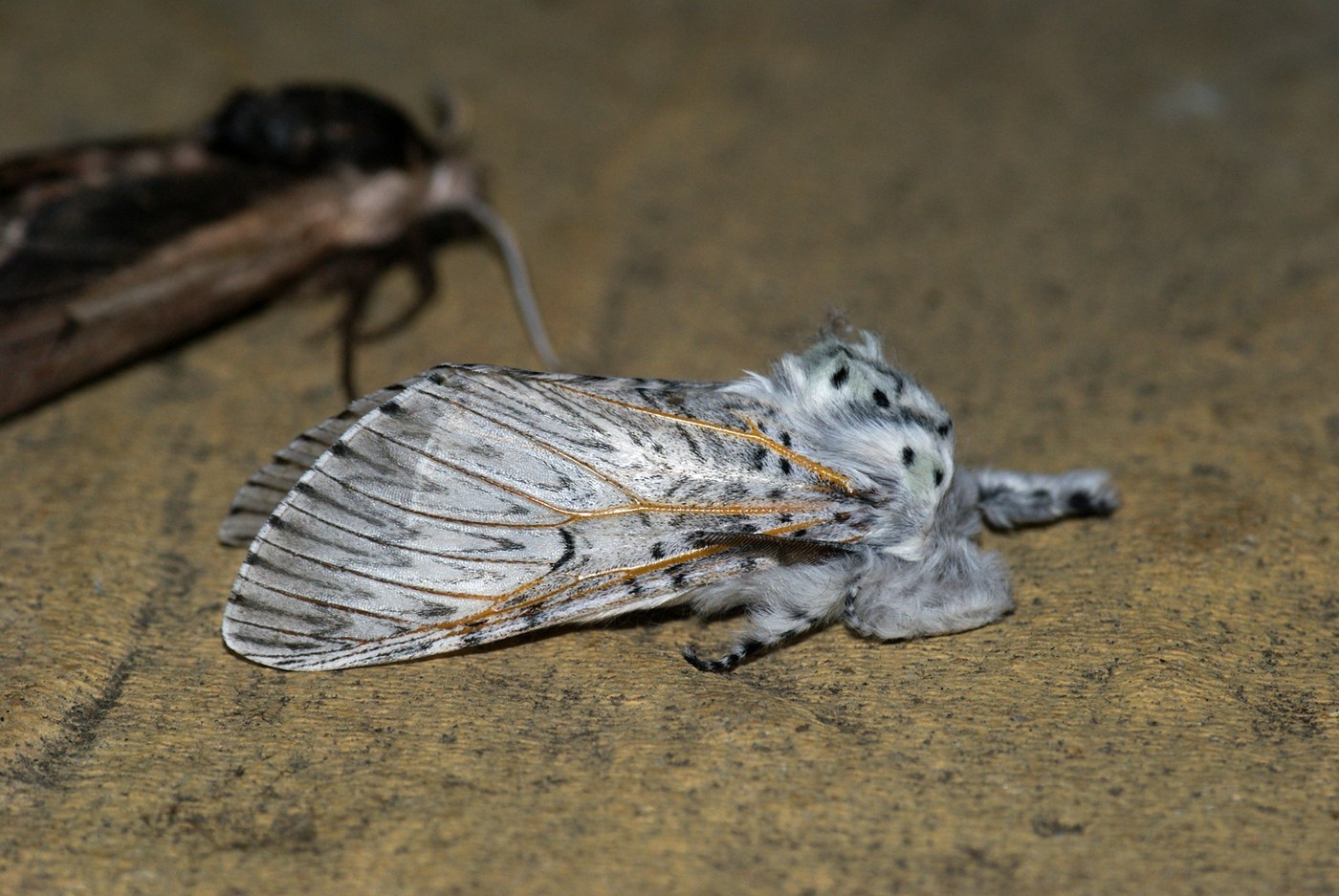
Puss Moth
A stout, furry gray-and-white moth named for its dense, cat-like coat of hair, best known for its bizarre green caterpillar with a hump-backed, face-like front end and forked tail filaments used in defensive displays.
mothWhip Scorpion
A flattened, spider-like arachnid with a pair of extraordinarily long, whip-thin front legs used to feel out its surroundings in the dark, and large spiny pedipalps held out front like a crab's claws. Despite the name and fearsome appearance, it has no stinger and no fangs.
arachnid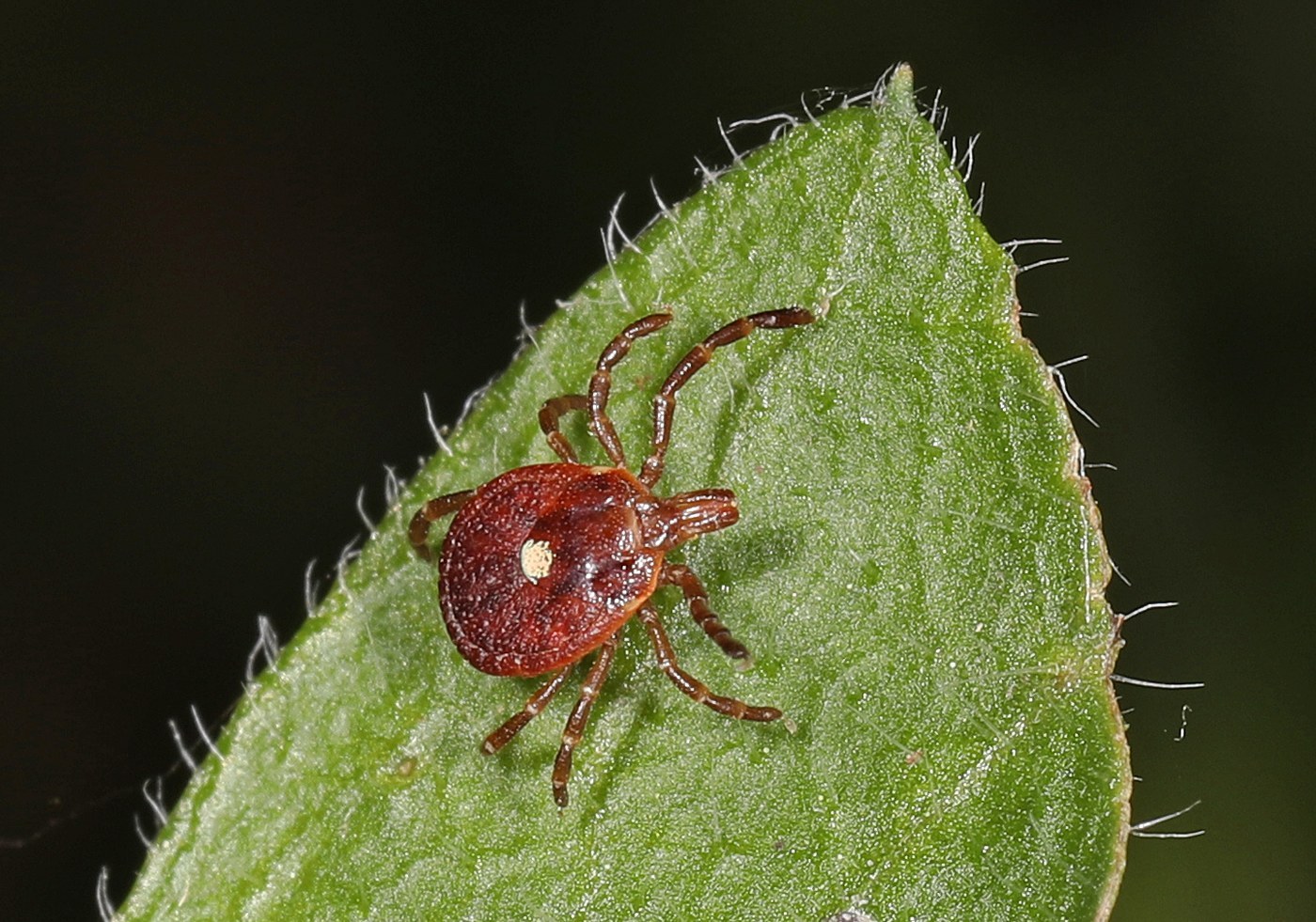
Lone Star Tick
Named for the single silvery-white spot on the back of the adult female, the lone star tick is unusually active for a tick, moving toward hosts rather than simply waiting for them to pass. Its reddish-brown, ornamented body makes it one of the easier North American ticks to identify at a glance.
arachnidWarble Fly
A furry, bee-mimicking fly that never lands on flowers or feeds as an adult, spending its brief life darting around grazing cattle to lay eggs on their legs and lower body. Herds sometimes react with sudden panicked runs, known as gadding, whenever a warble fly approaches.
fly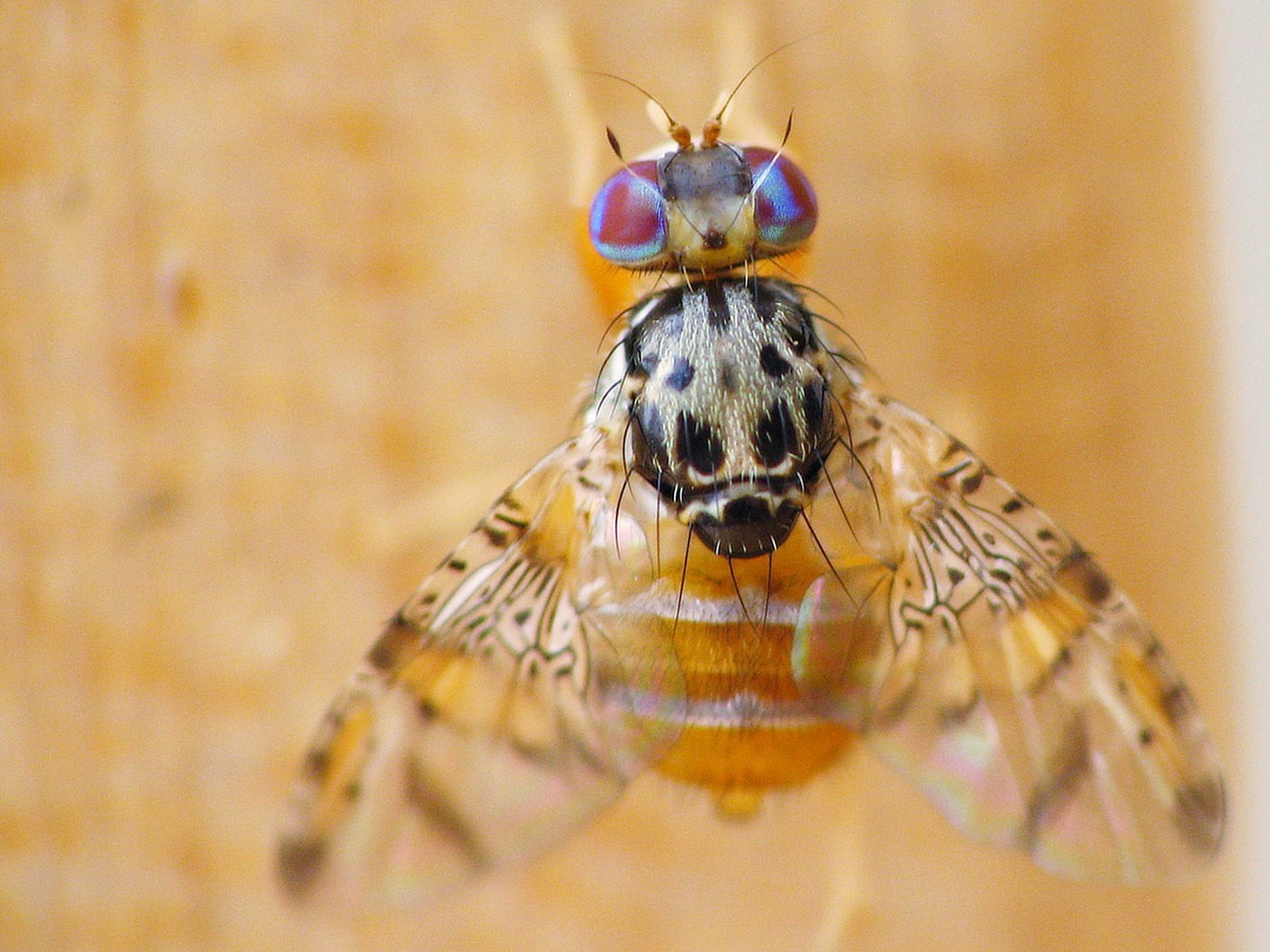
Fruit Fly (Mediterranean)
A small but strikingly patterned fly with mottled, banded wings held out to the sides in a fan and a body dotted with silvery spots, best known for larvae that tunnel through ripening fruit. Native to sub-Saharan Africa, it has spread with human trade to become one of the most widely recognized fruit-infesting insects in the world.
fly