
Bug Encyclopedia
Search and identify bugs & insects — beetles, butterflies, moths, ants, bees, spiders and more — with size, habitat, danger, behavior, and how to tell them apart.
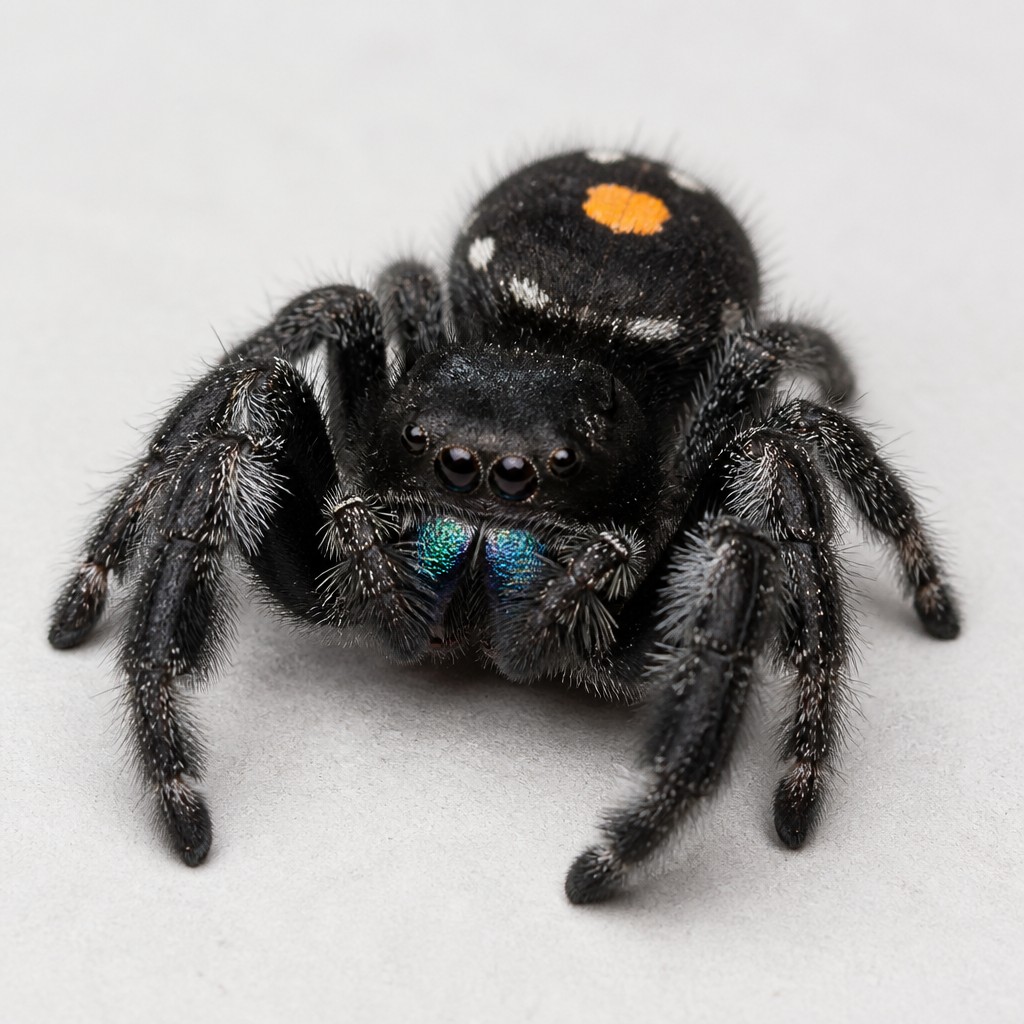
Bold Jumping Spider
A stocky, fuzzy black spider with iridescent green or blue mouthparts and a bold white or orange spot on its abdomen, the bold jumper is known for its excellent eyesight, curious behavior, and ability to leap many times its own body length.
spider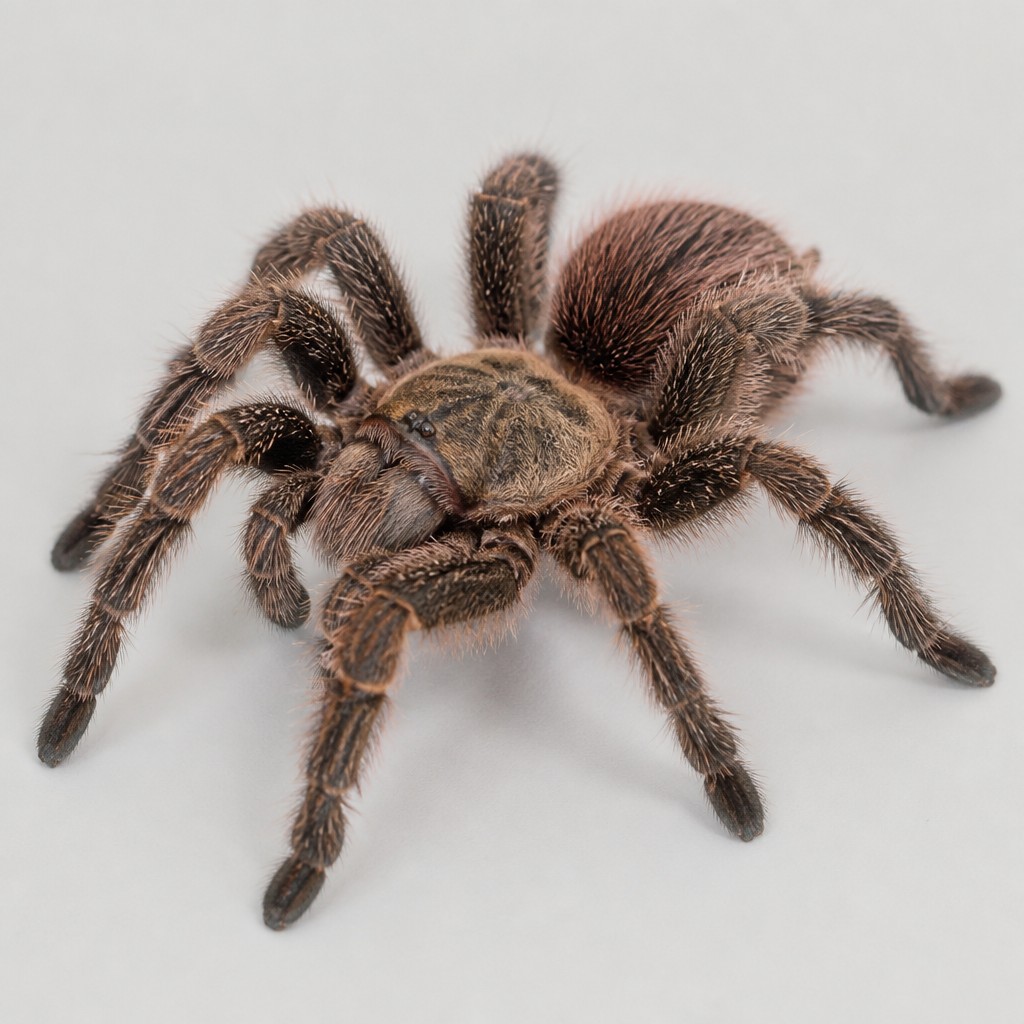
Rose Hair Tarantula
A calm, ground-dwelling tarantula from the deserts of Chile, the rose hair is named for the pinkish sheen its bristly hairs can take on in certain light, and is known for its slow, deliberate movements and generally placid temperament.
spider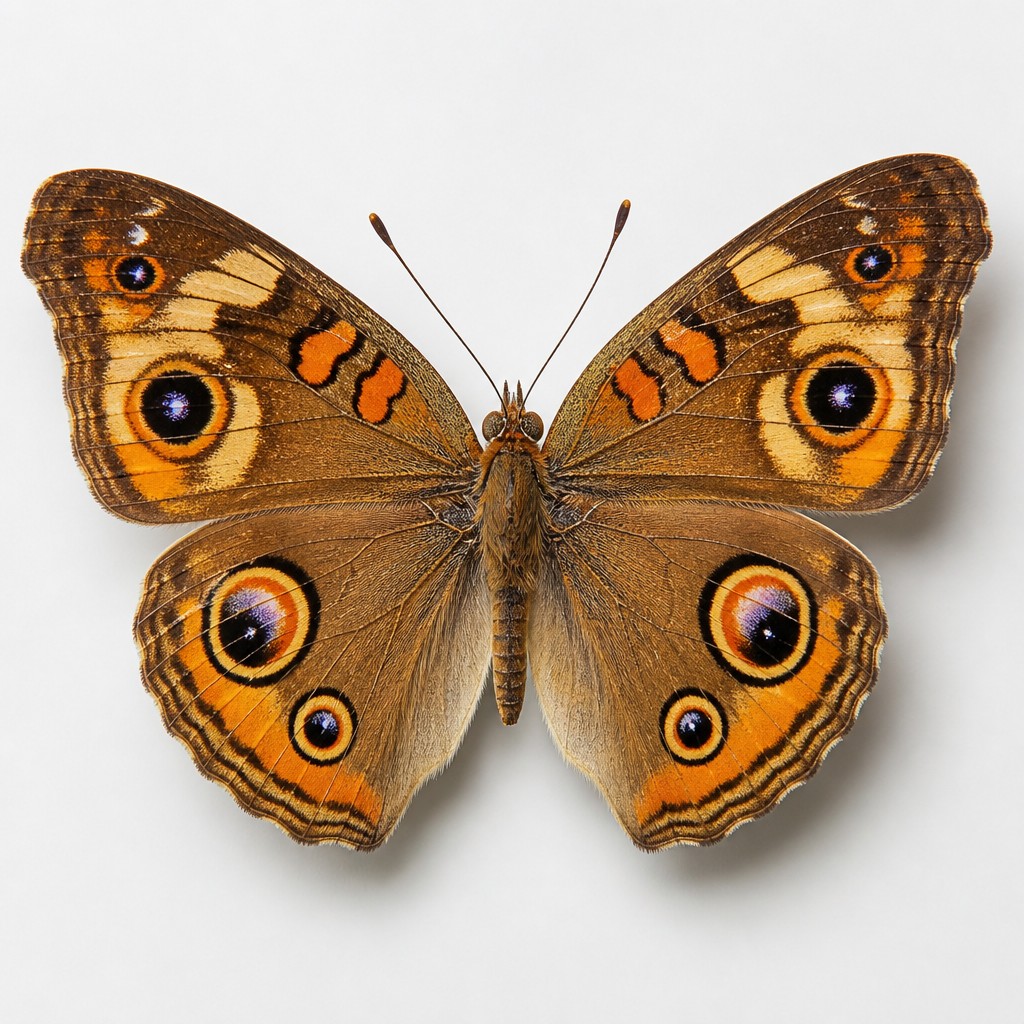
Common Buckeye
A medium-sized brown butterfly instantly recognizable by the large, colorful eyespots ringed in orange and blue on both its forewings and hindwings, thought to startle or deflect the attacks of predators.
butterfly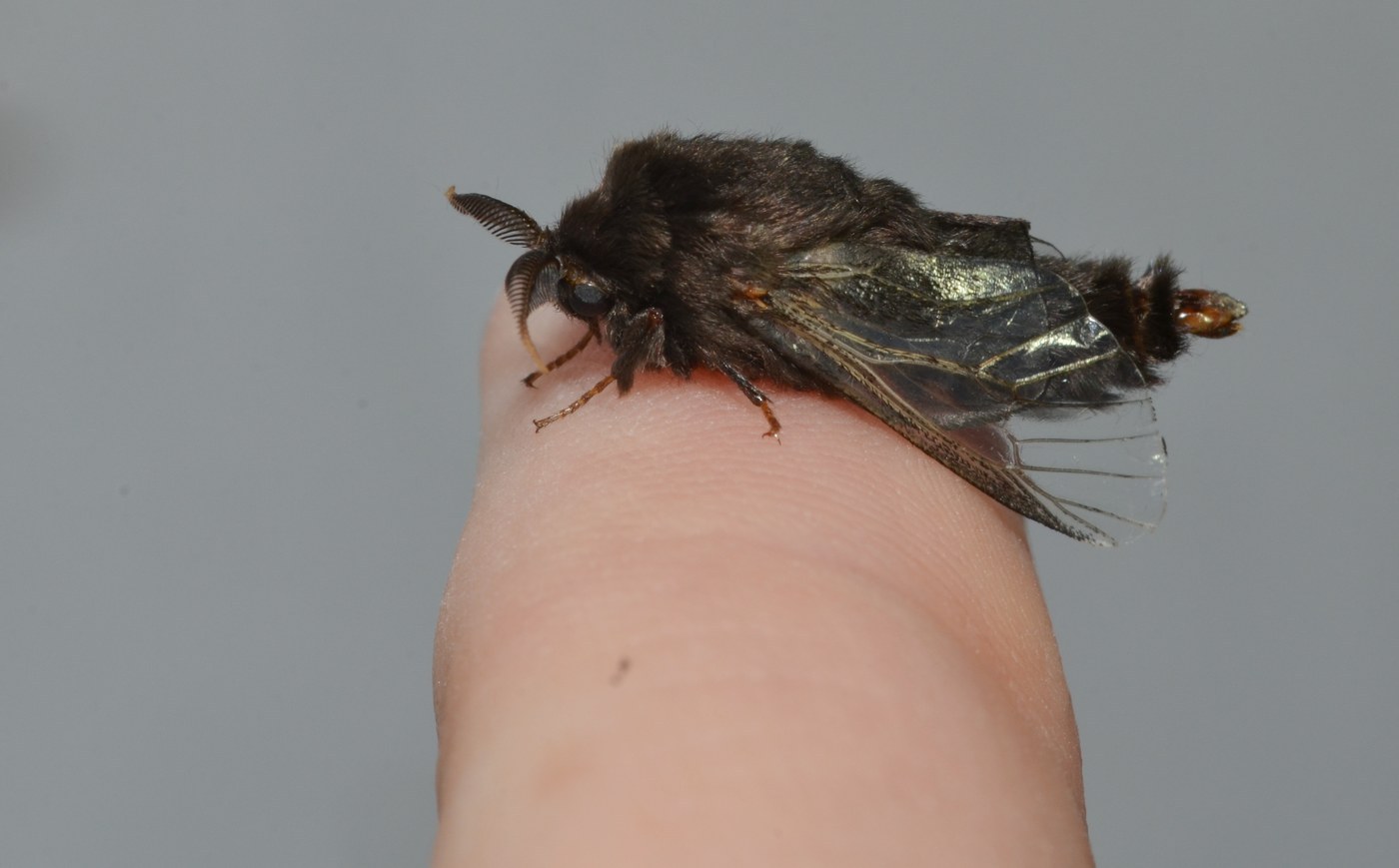
Bagworm Moth
A moth best known for its larva's habit of constructing and living inside a spindle-shaped case of silk and plant debris that hangs from twigs, with adult males a plain sooty-winged moth and females remaining wingless and grub-like inside the bag for life.
moth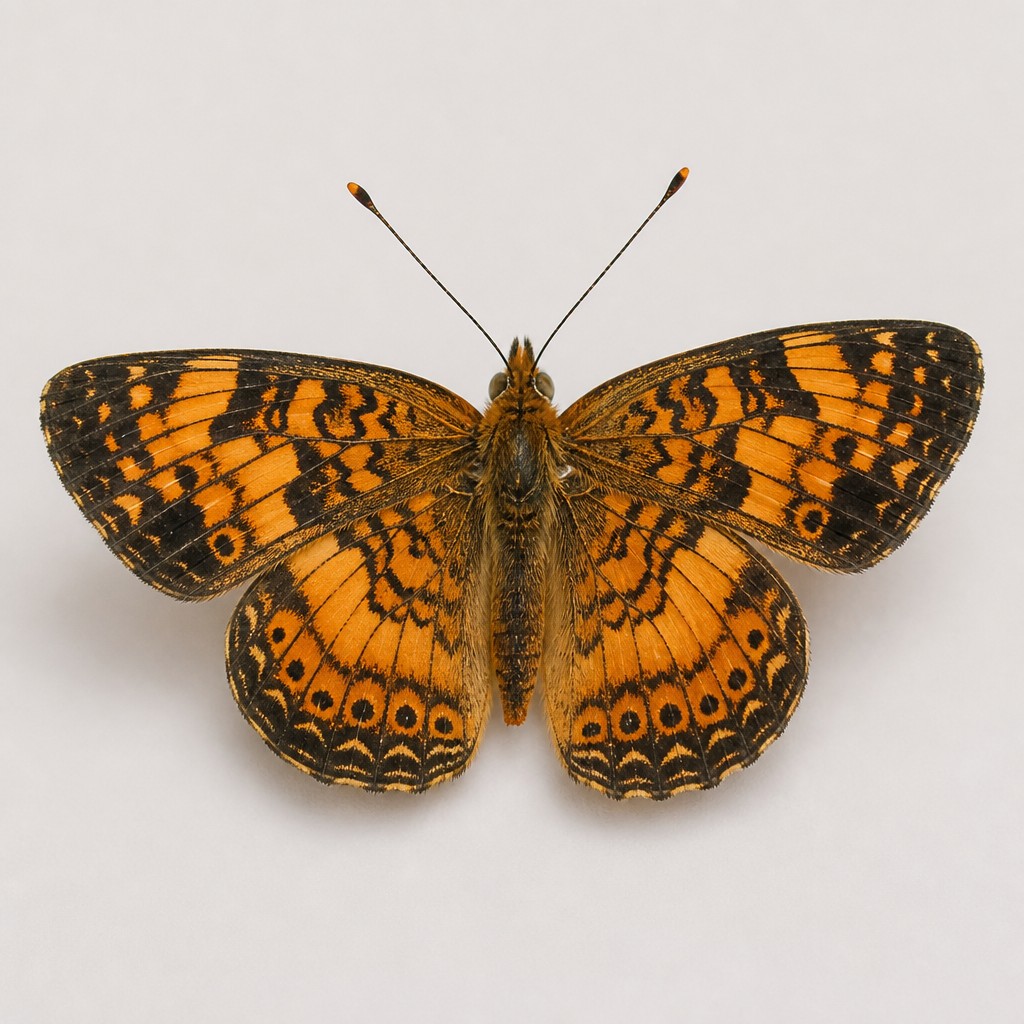
Variegated Fritillary
A wide-ranging, mottled orange-brown butterfly that lacks the silvery underside spots of true fritillaries and instead shows an intricate patchwork of tan, orange, and black markings, known for its wandering, migratory habits.
butterfly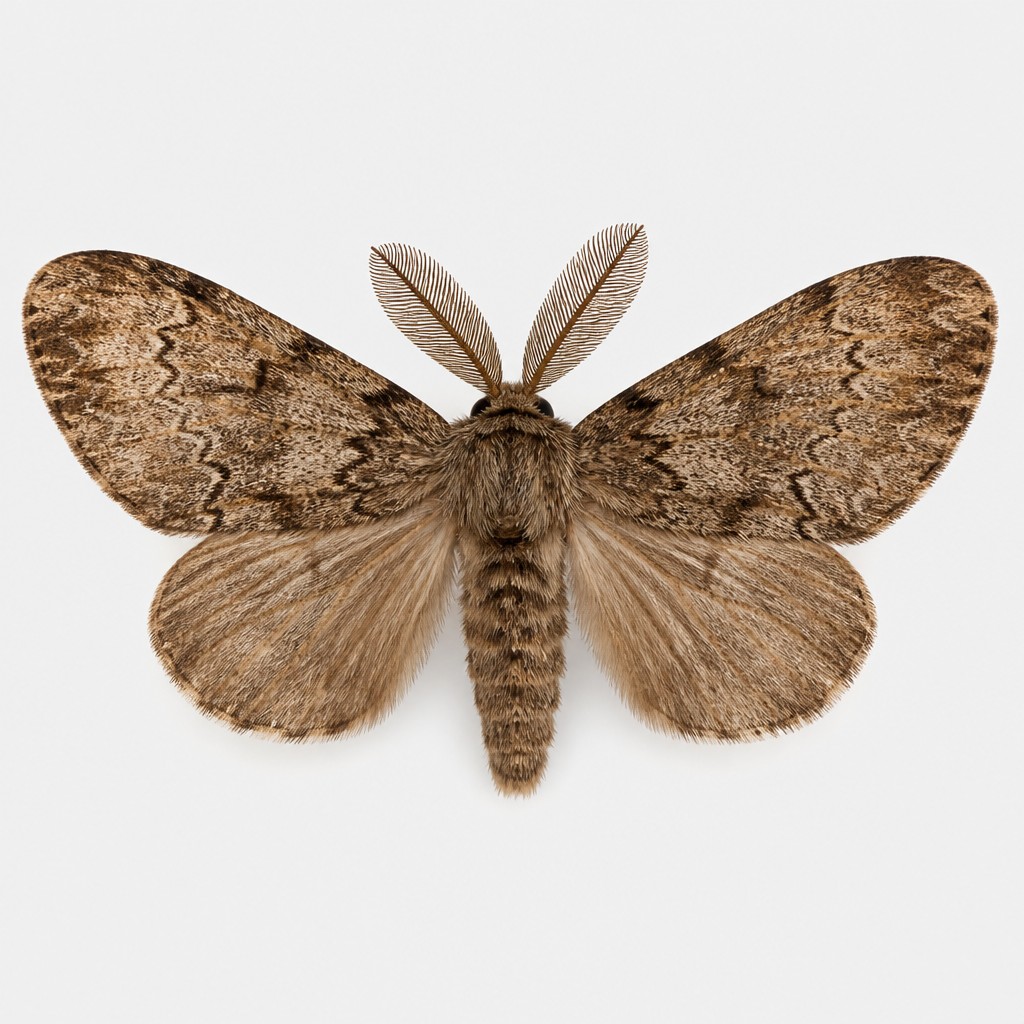
Gypsy Moth (Spongy Moth)
A strongly sexually dimorphic moth, recently renamed the Spongy Moth for its distinctive spongy, tan egg masses, whose caterpillars are known for periodically defoliating oak and other hardwood trees in large outbreak years.
moth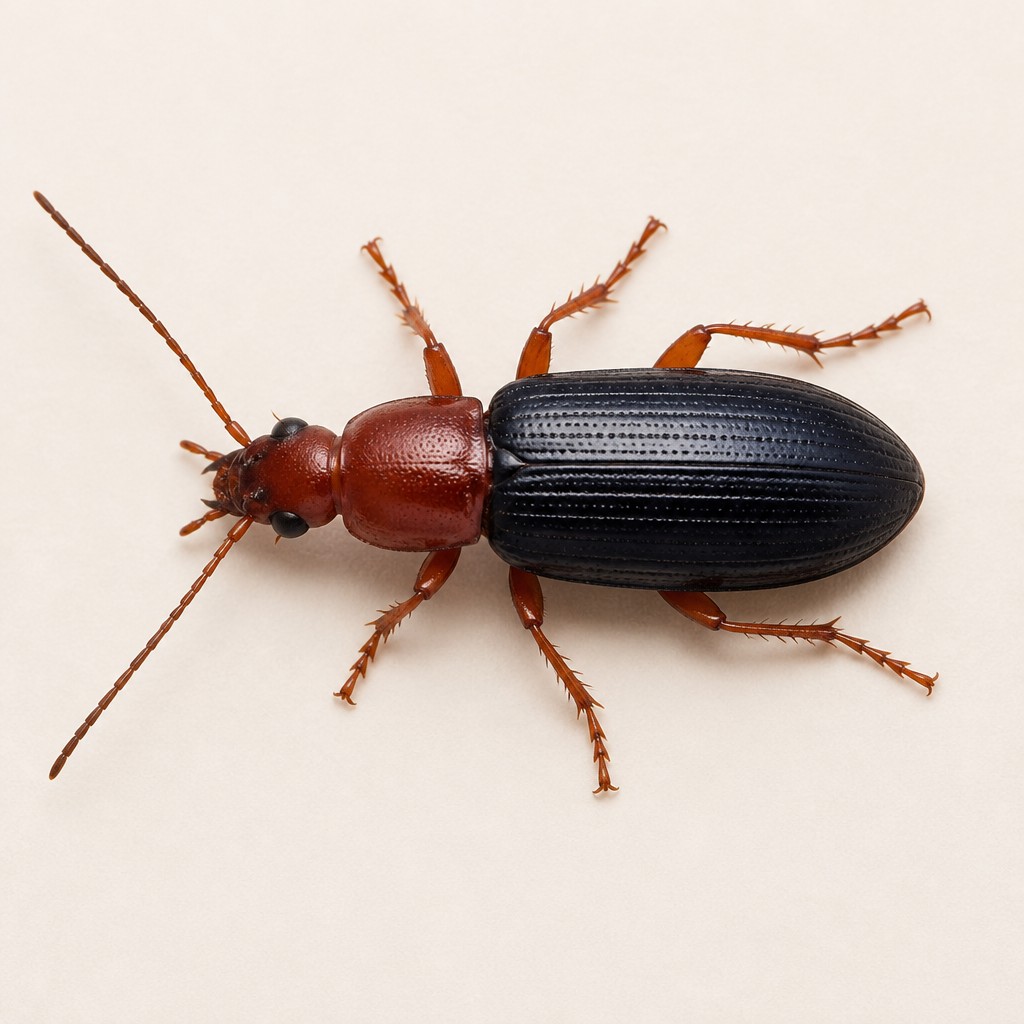
Bombardier Beetle
A dark, quick-moving ground beetle famous for firing a hot, audible chemical spray from its abdomen when disturbed, using two-tone coloring of a reddish head and thorax against blue-black wing covers as a warning signal.
beetle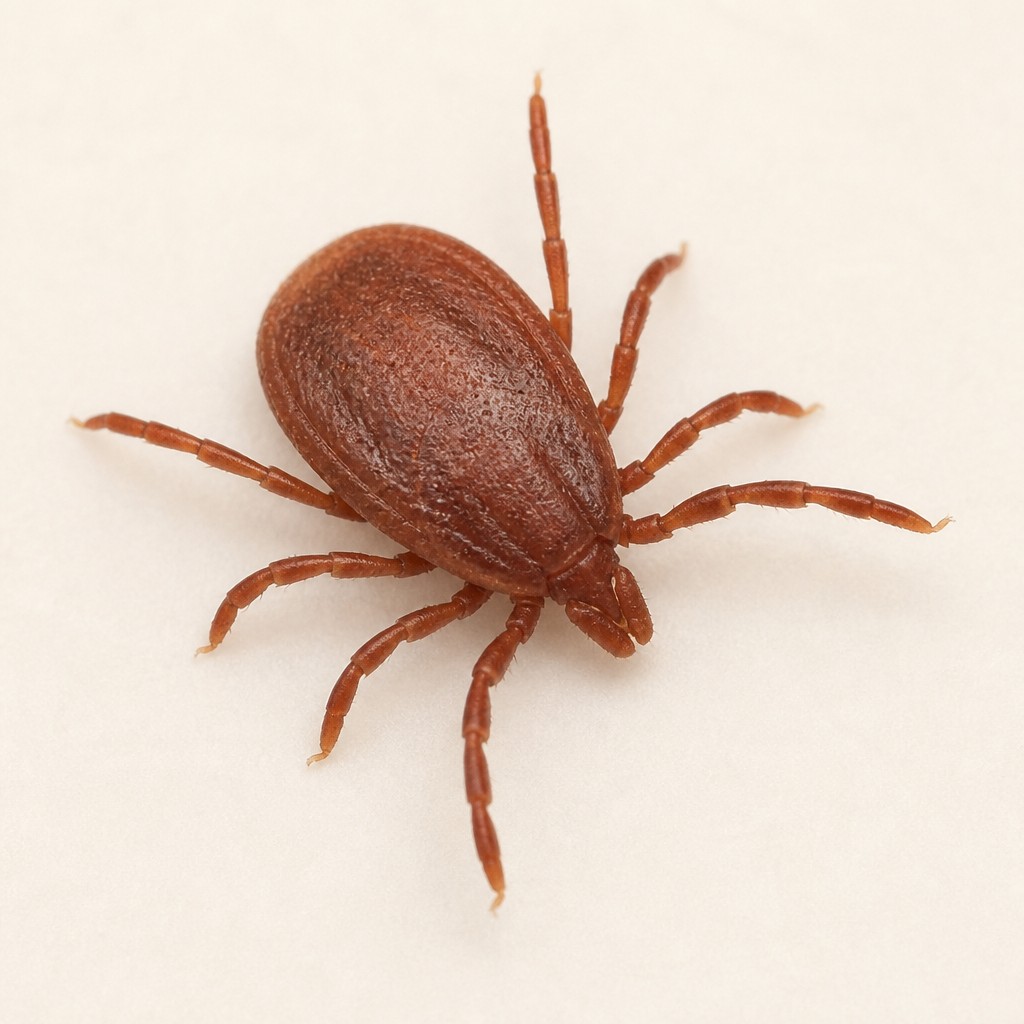
Brown Dog Tick
A uniformly reddish-brown tick with an elongated body, the brown dog tick is unusual among ticks for being able to complete its entire life cycle indoors around wherever dogs rest. It has spread to warm regions worldwide largely by traveling with its preferred host.
arachnid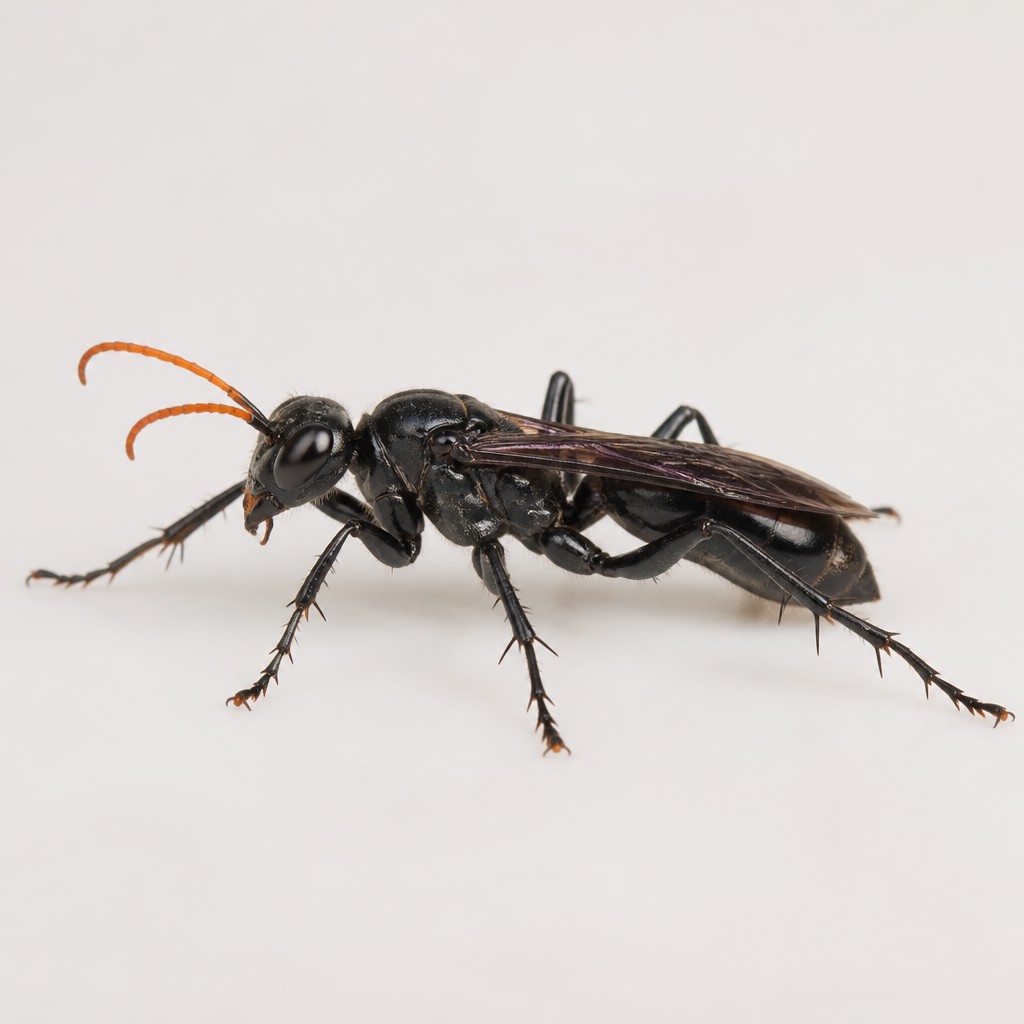
Spider Wasp
A quick, nervous-flying solitary wasp with long spiny legs and constantly flicking wings, recognized for its habit of running across open ground in short bursts while hunting spiders to paralyze and store for its young.
wasp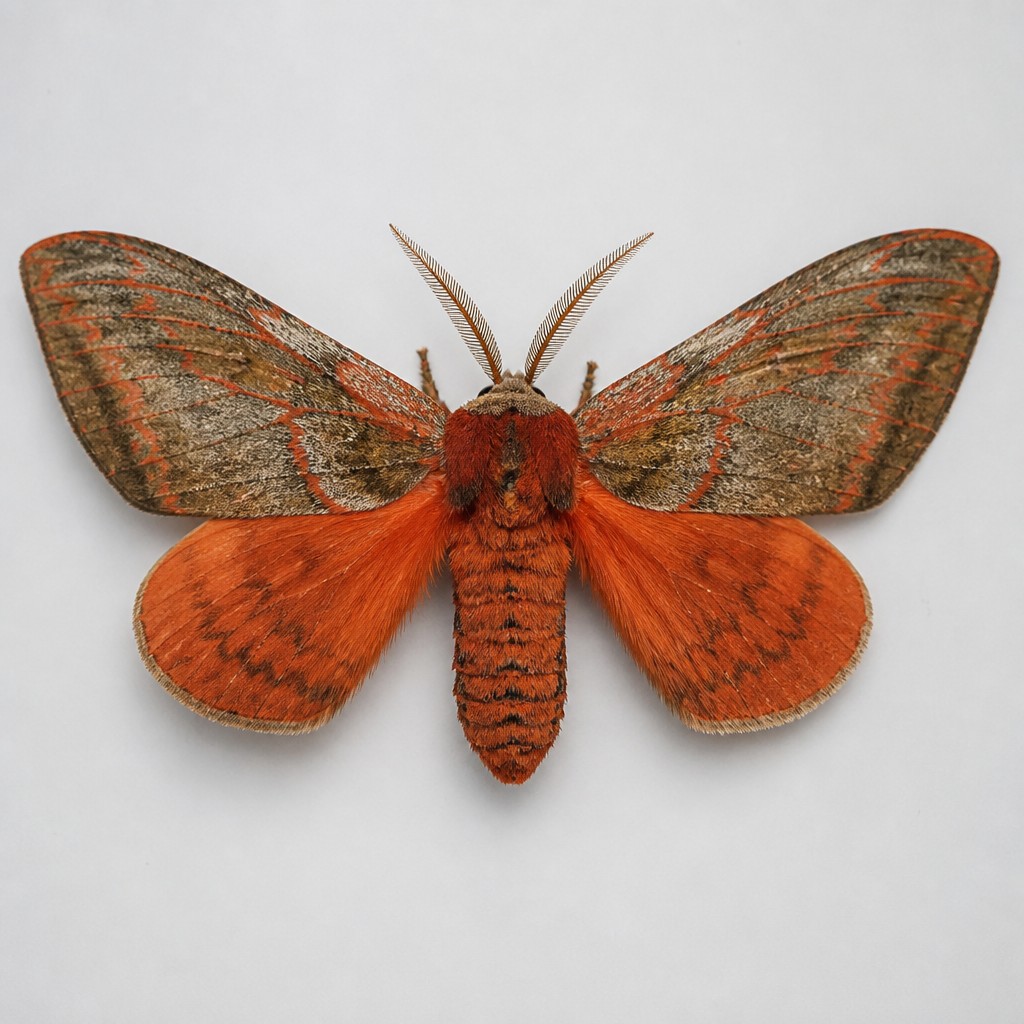
Regal Moth (Hickory Horned Devil)
One of the largest moths in North America, with orange-red and gray-veined wings on the adult, best known for its enormous, formidable-looking caterpillar, the hickory horned devil, a blue-green giant bristling with long orange spines.
moth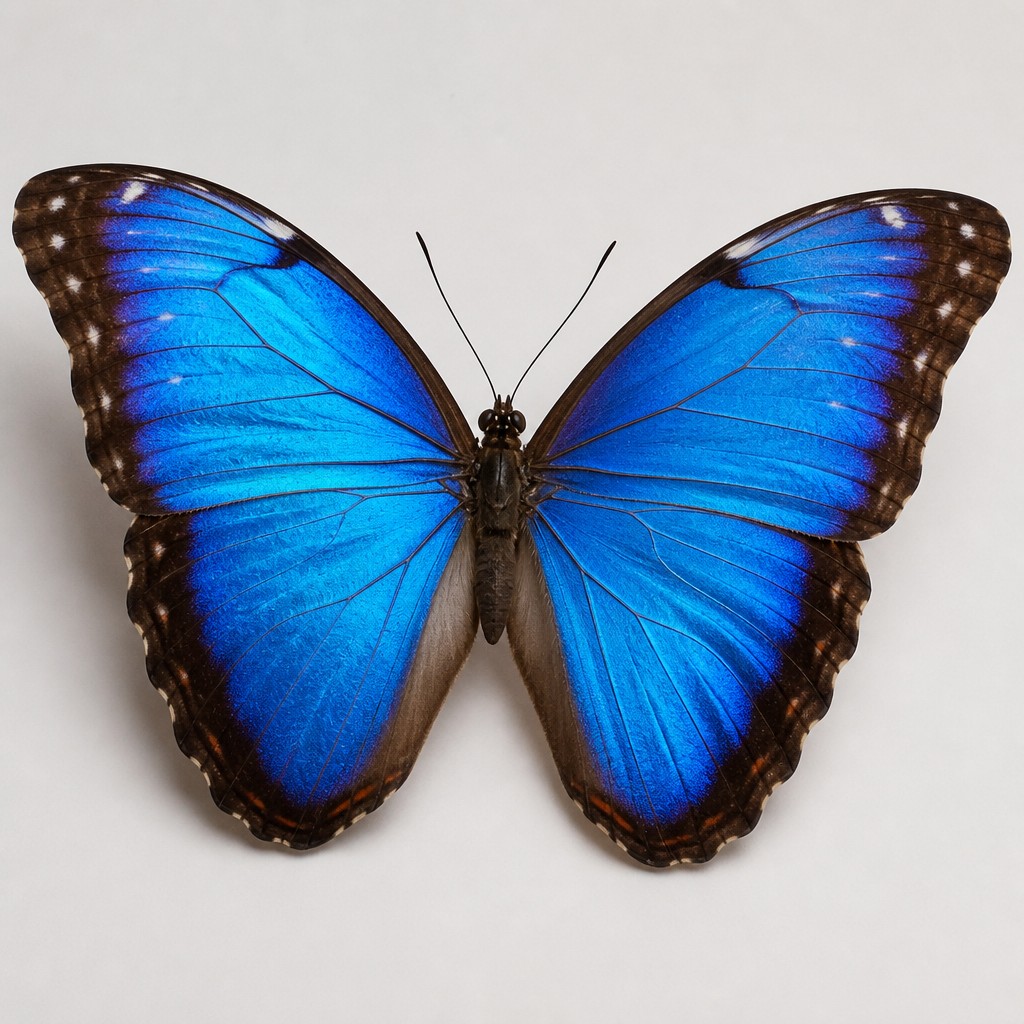
Blue Morpho
A large Neotropical butterfly famed for the brilliant, shimmering iridescent blue of its wing uppersides, which flashes vividly in flight and disappears instantly when the cryptic brown underside is exposed at rest.
butterfly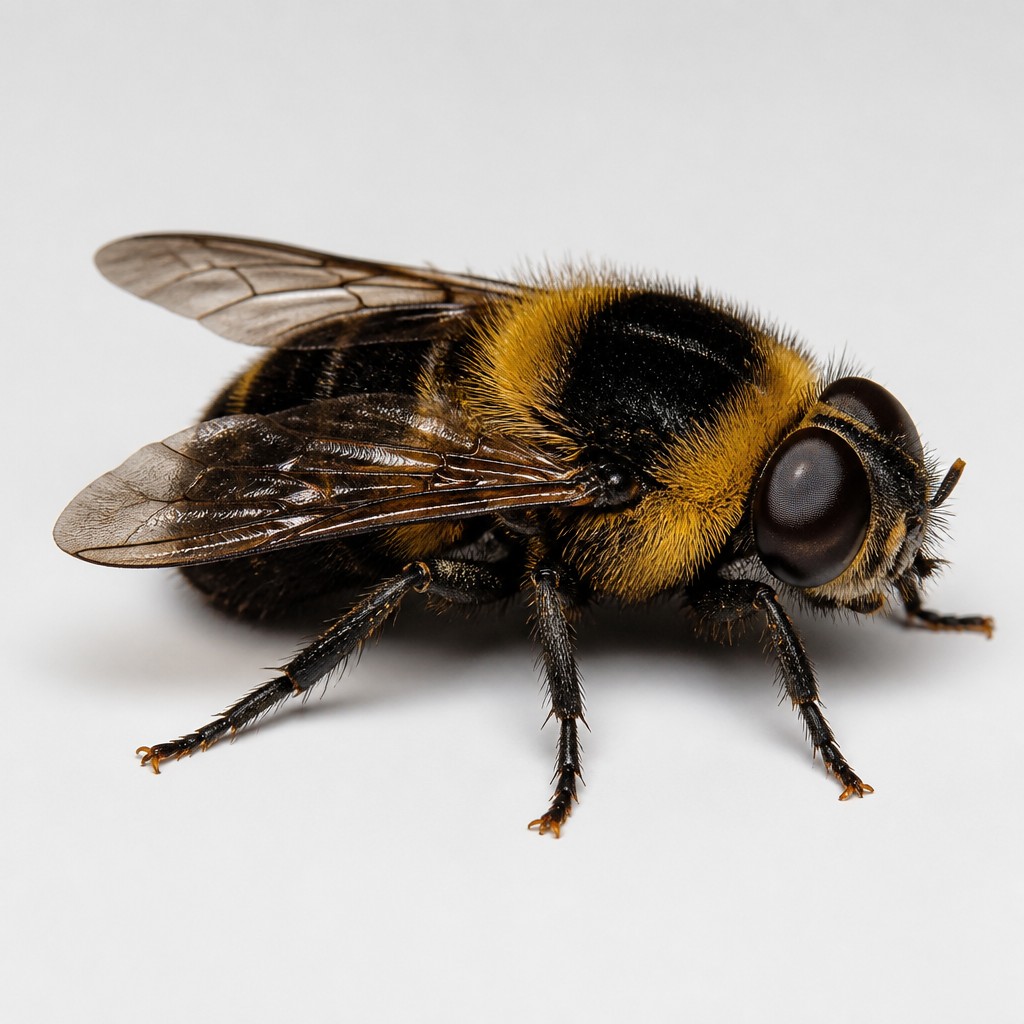
Bot Fly
A stocky, bumblebee-mimicking fly whose adults never feed and live only long enough to mate and locate a rodent or rabbit burrow for their eggs. Despite their harmless, buzzing adult stage, bot flies are best known through the larvae that develop as internal parasites of small mammals.
fly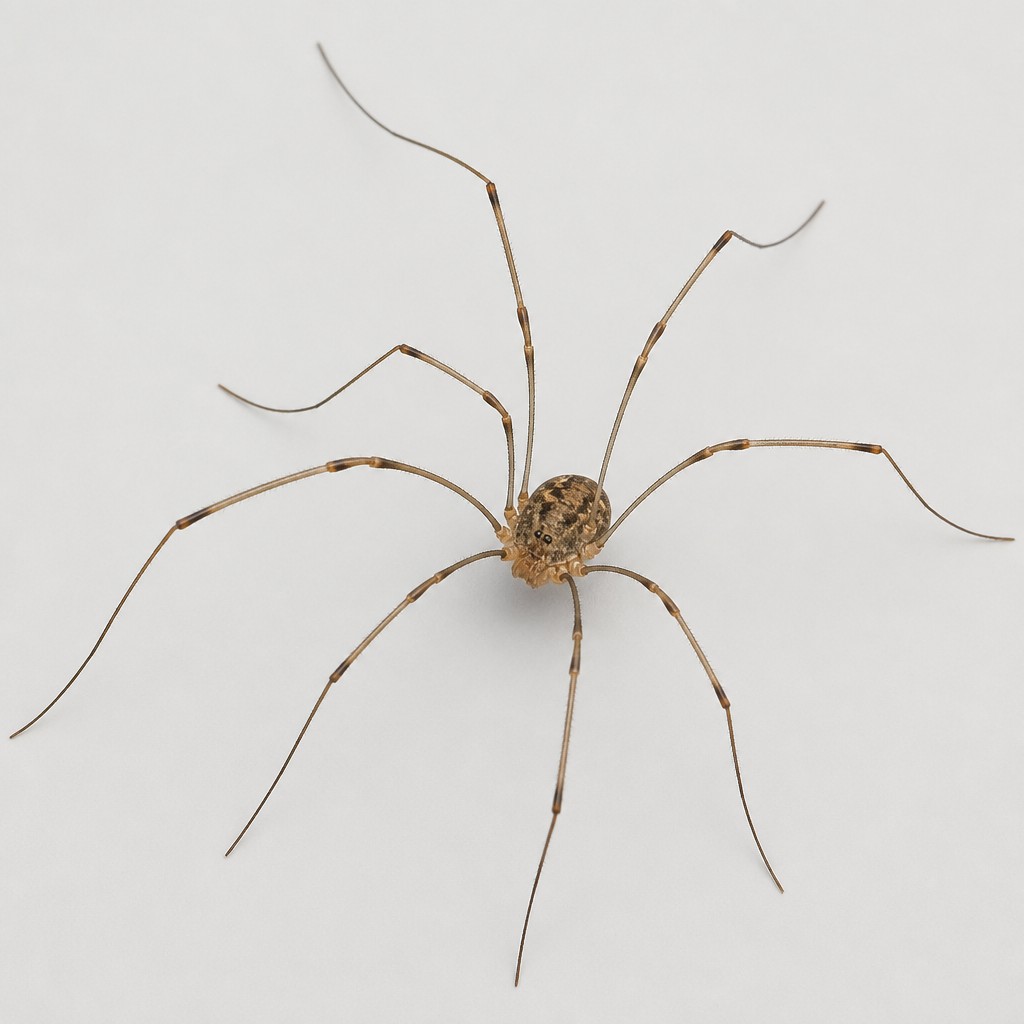
Harvestman
An arachnid built almost entirely of legs, with a single compact, oval body segment and no waist separating it into two parts like a true spider. Common in gardens and forests worldwide, it scuttles along on impossibly long, thin legs scavenging for food after dark.
arachnid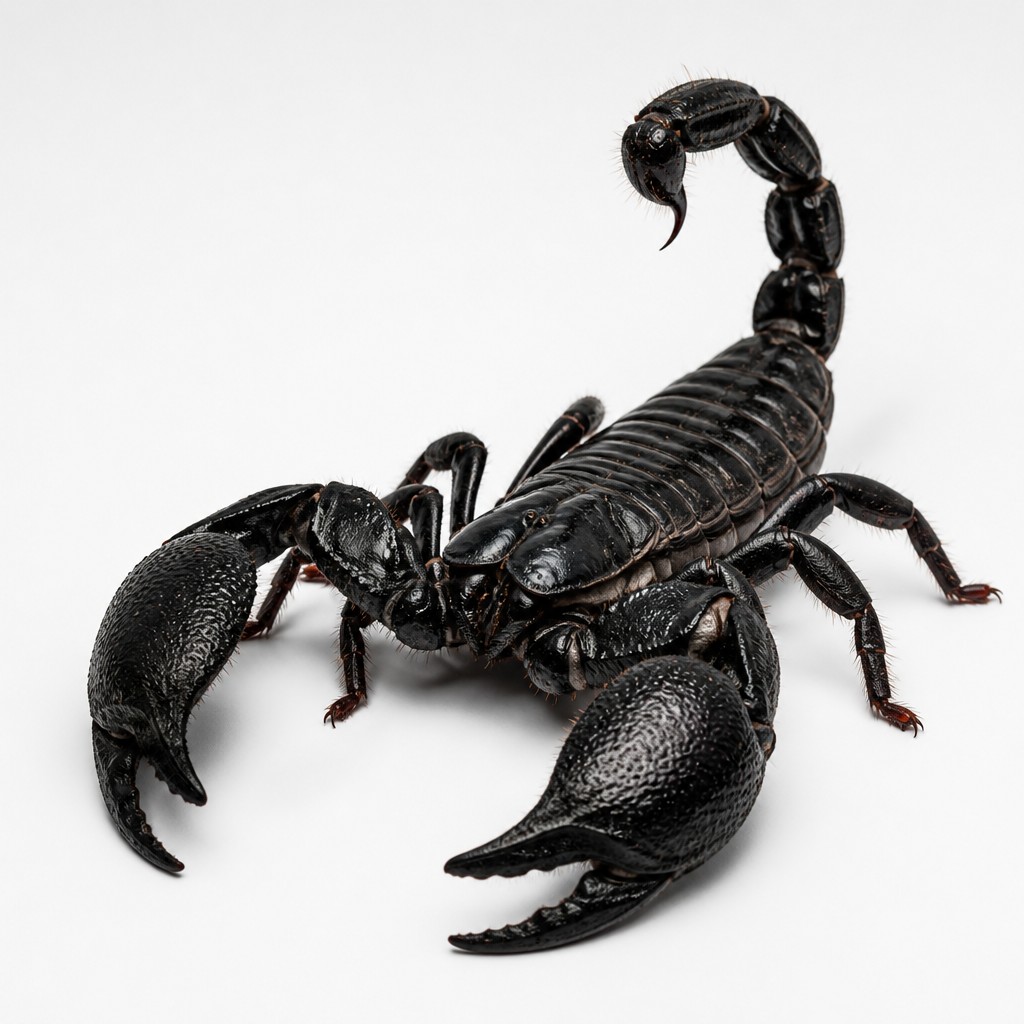
Emperor Scorpion
A massive, glossy black scorpion with heavy, oversized pincers built for crushing prey rather than stinging it, the emperor scorpion is one of the biggest and most recognizable scorpions on Earth. It digs deep burrows in rainforest soil and is unusual among scorpions for tolerating close family groups.
arachnid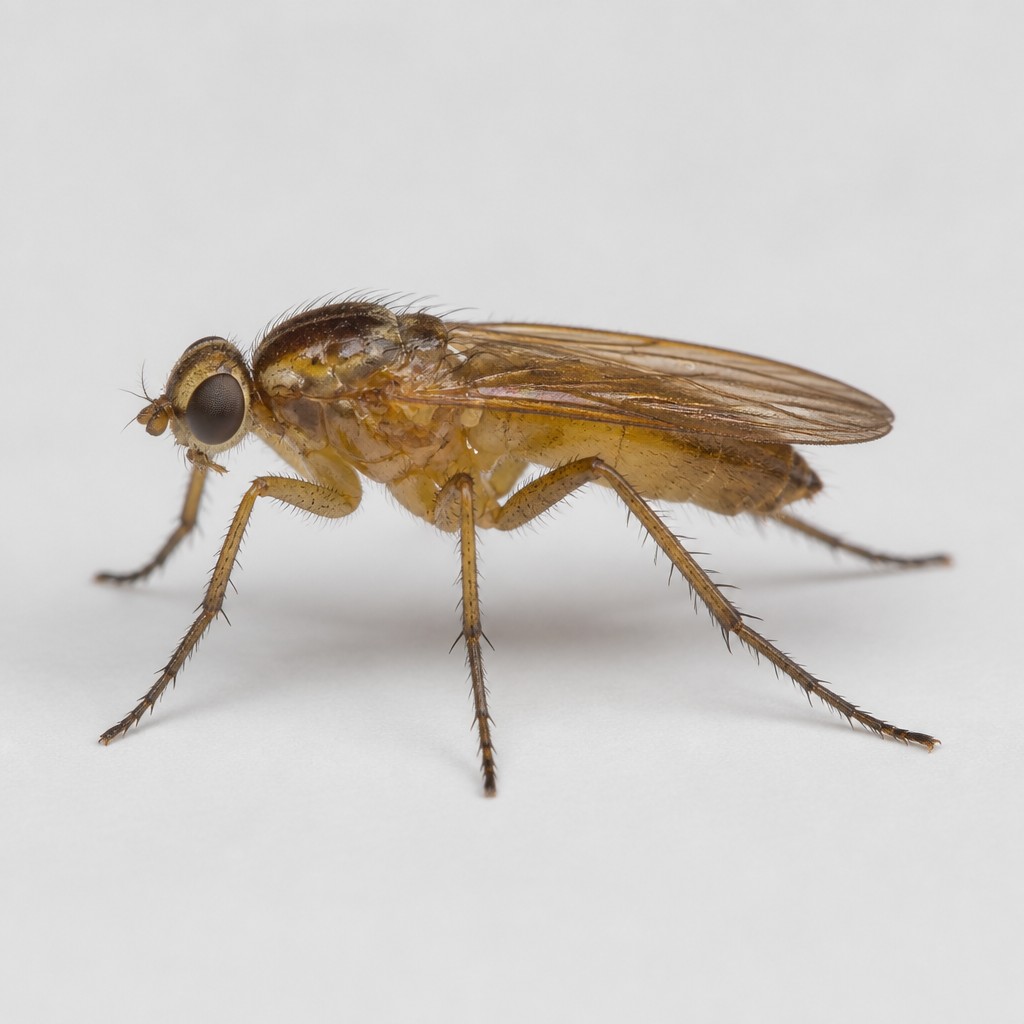
Marsh Fly
A slender, unassuming fly best known for larvae with a remarkable diet: nearly every species in the family feeds on aquatic or terrestrial snails and slugs, making marsh flies natural specialists in wetland food webs. Adults are often found resting quietly on sedges and other marsh vegetation near the water's edge.
fly