
Bug Encyclopedia
Search and identify bugs & insects — beetles, butterflies, moths, ants, bees, spiders and more — with size, habitat, danger, behavior, and how to tell them apart.
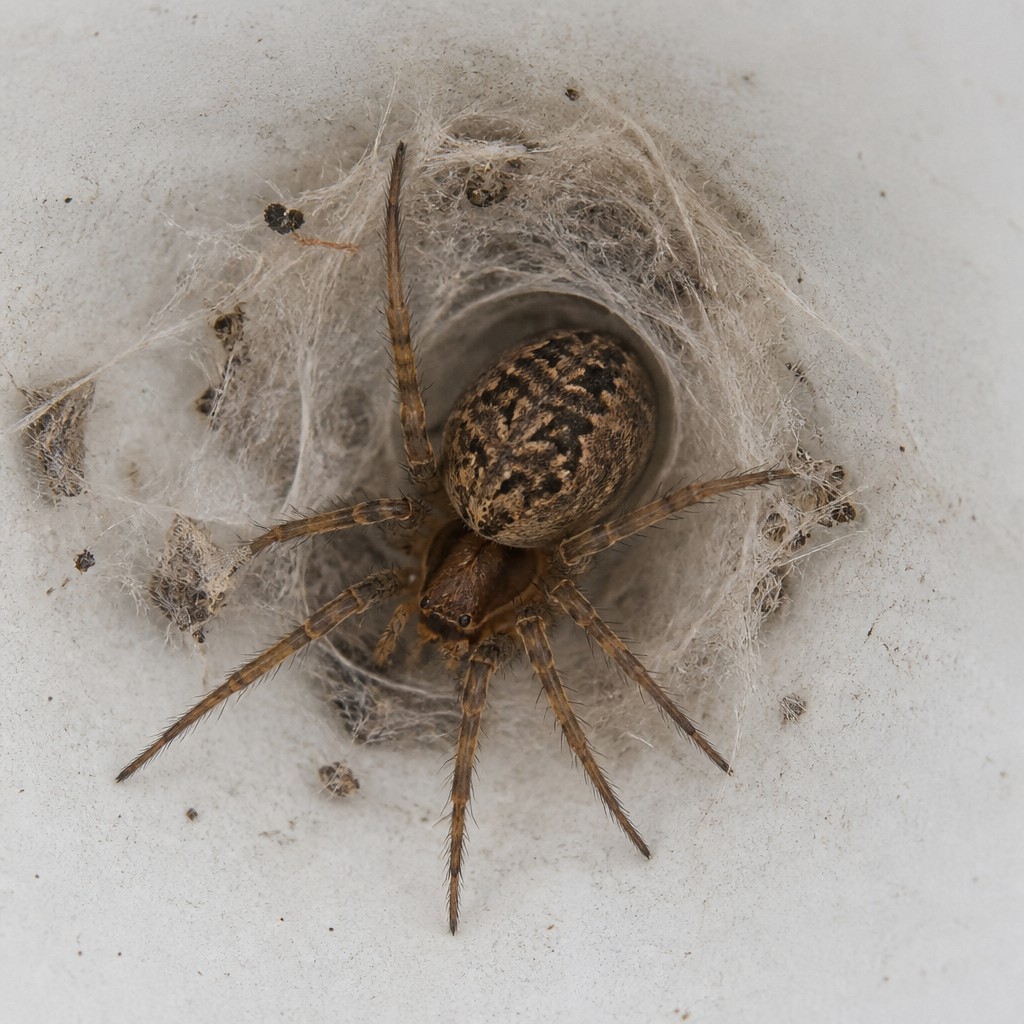
Common House Spider
Tucked into a messy tangle of silk in a quiet corner, the common house spider is one of the most familiar indoor spiders, quietly picking off flies and other small insects that blunder into its web.
spider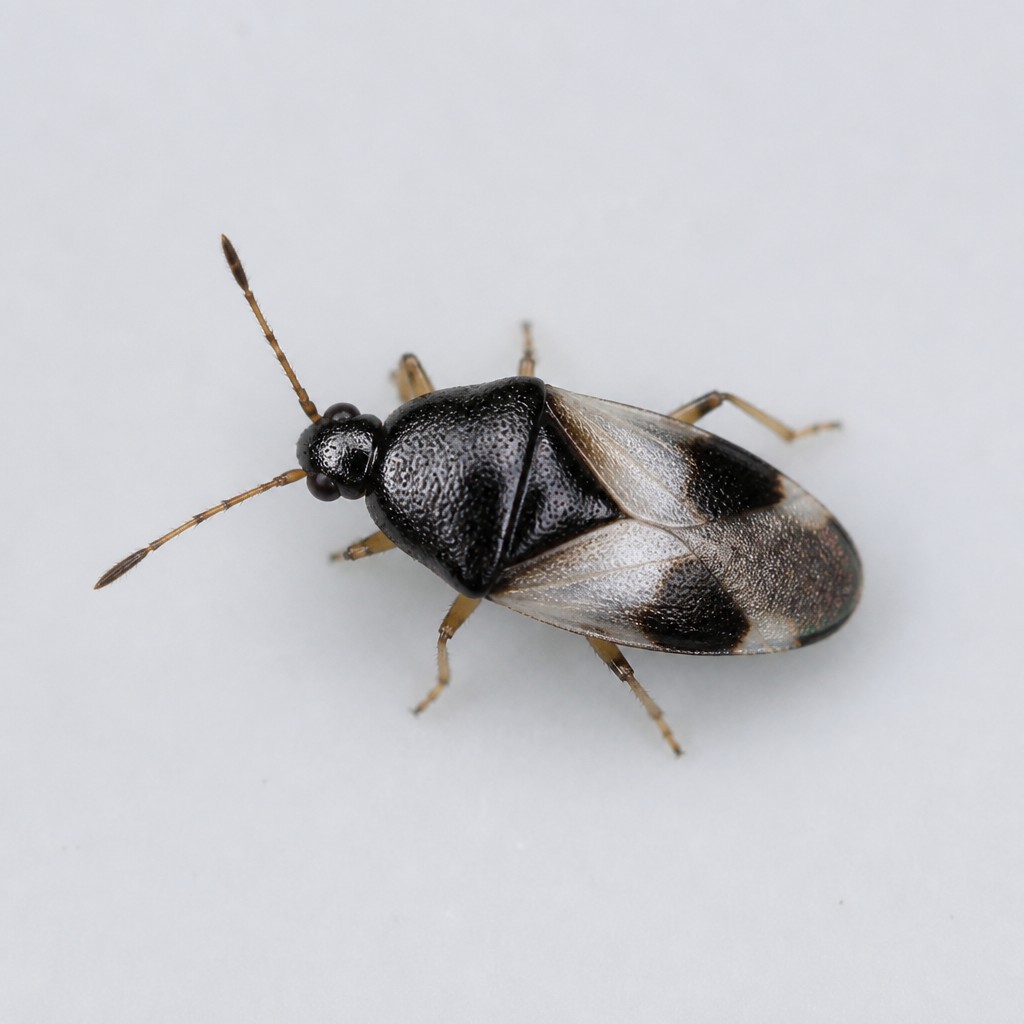
Minute Pirate Bug
A tiny, black-and-white patterned true bug barely visible without close inspection, the minute pirate bug is a voracious predator of thrips, mites, and insect eggs on flowers and foliage.
true-bug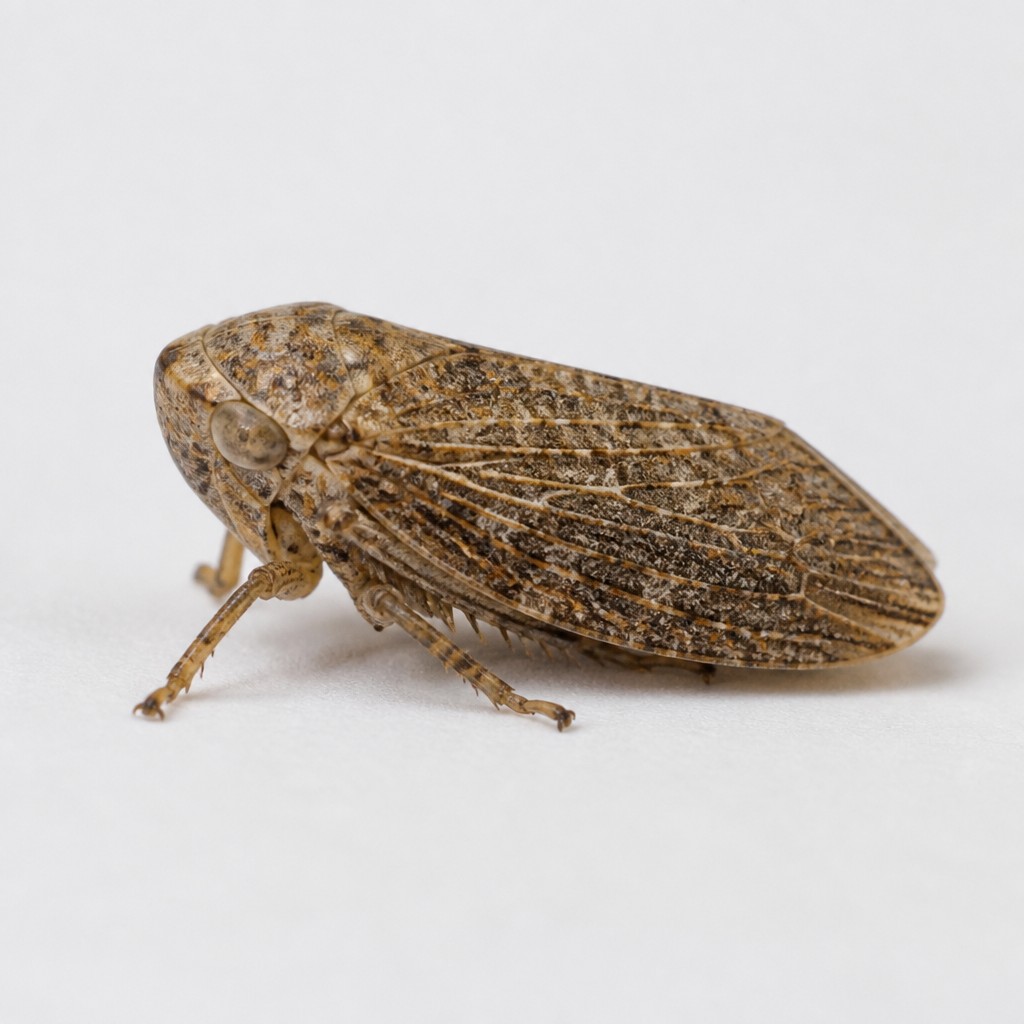
Spittlebug
A small hopping true bug best known in its nymph stage, which surrounds itself in a frothy mass of white foam on plant stems, commonly called cuckoo spit.
true-bug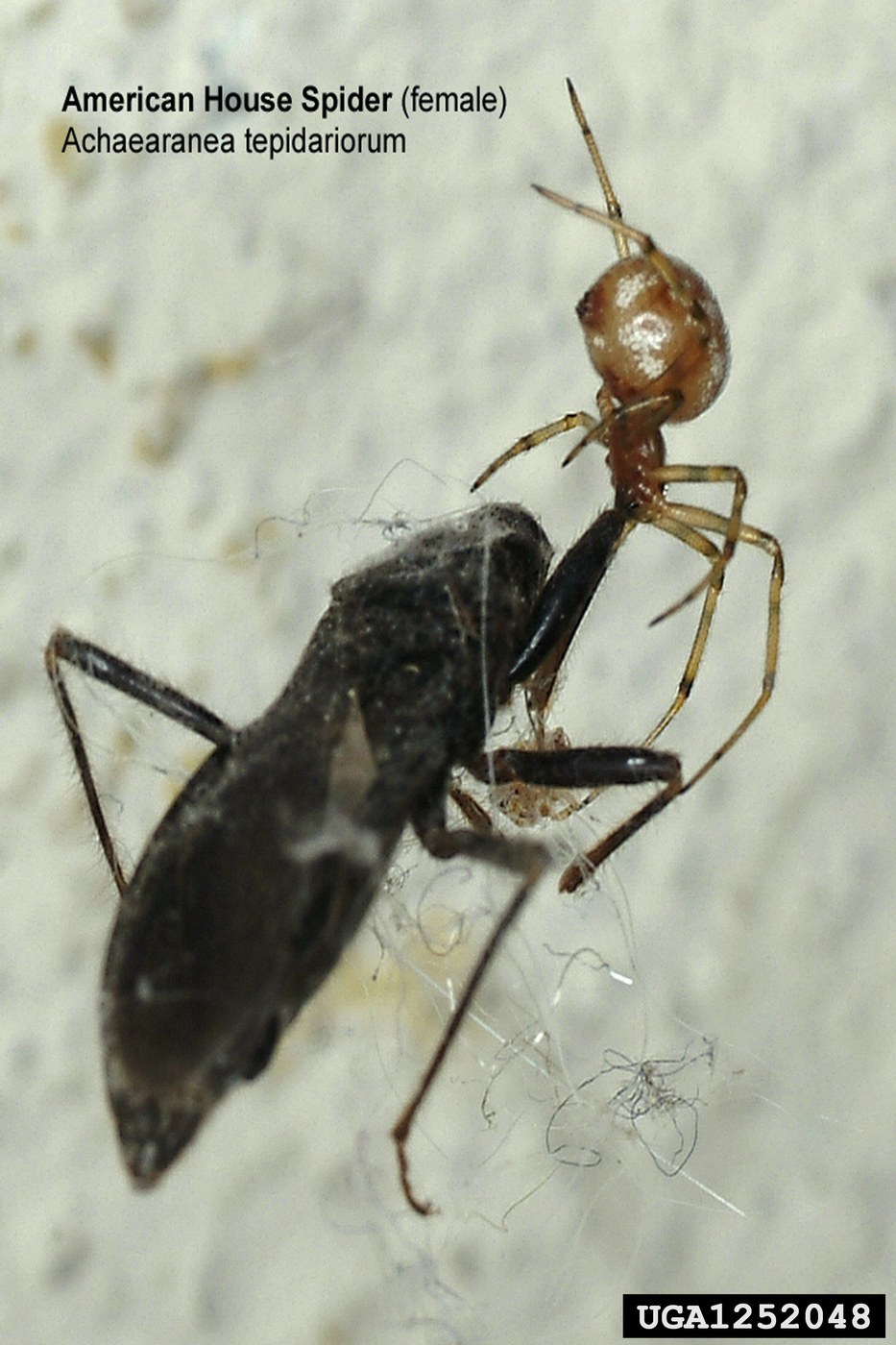
American House Spider
A small, brownish spider with a bulbous, mottled abdomen that spins loose, irregular tangle webs in quiet corners, ceilings, and window frames.
spider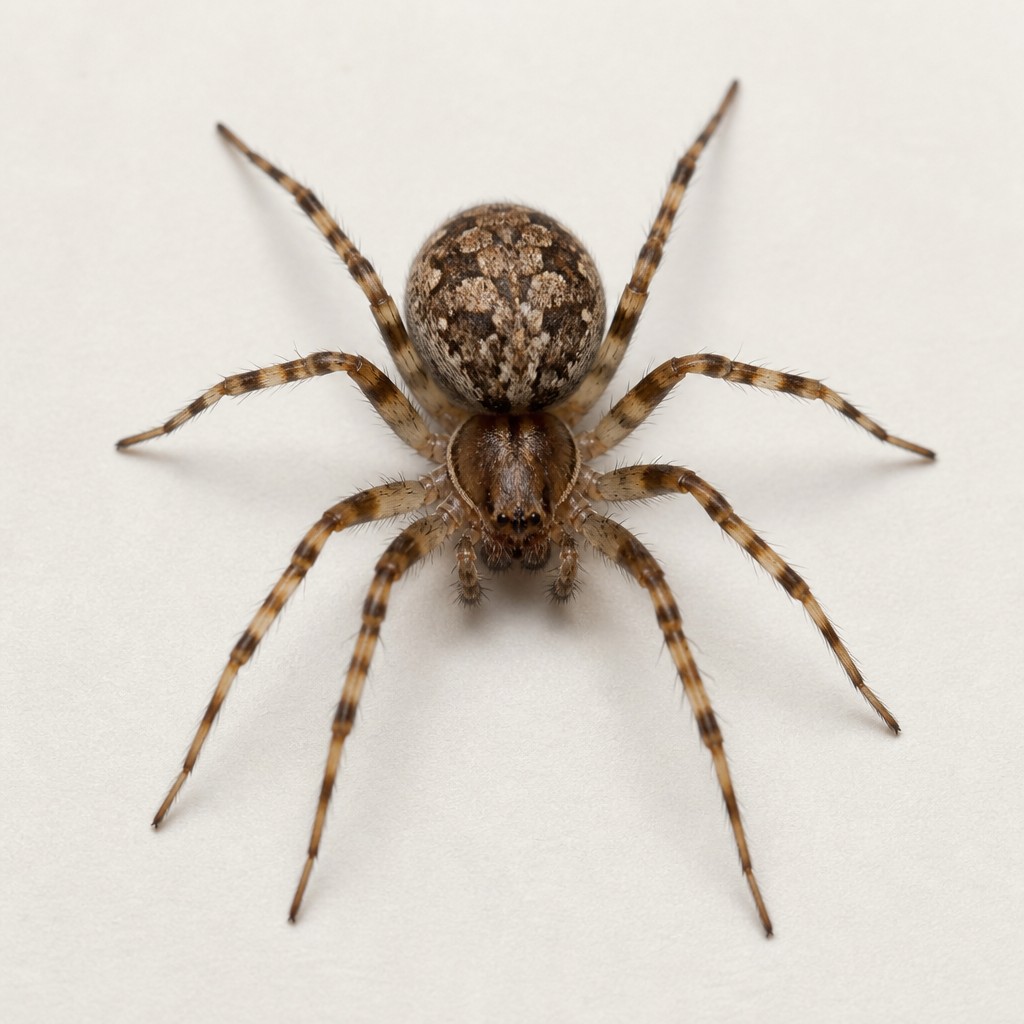
House Spider
A small, round-bodied brown spider with mottled markings that spins tangled, irregular cobwebs in quiet corners, ceilings, and undisturbed indoor spaces.
spider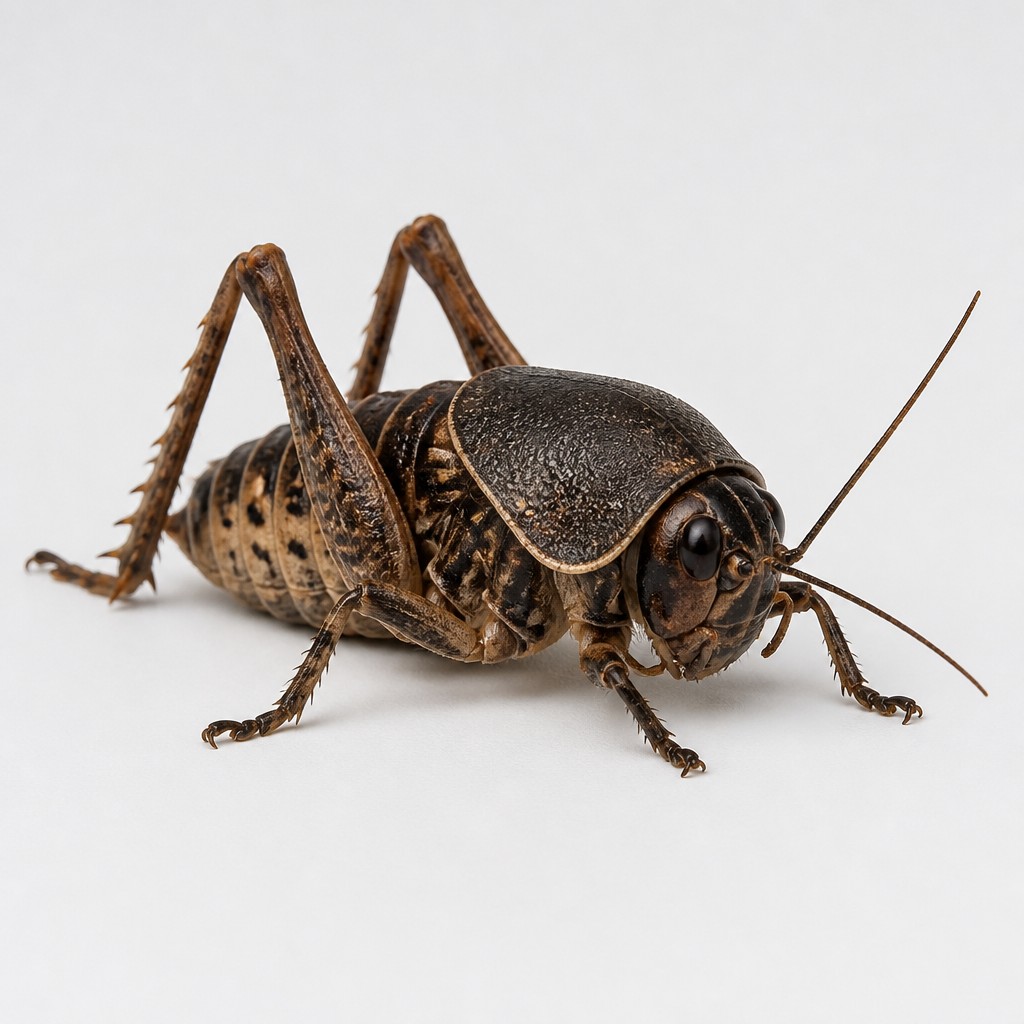
Mormon Cricket
A hefty, flightless katydid whose swarms can stretch for miles across western rangelands, marching en masse in search of food and mates.
grasshopper-cricket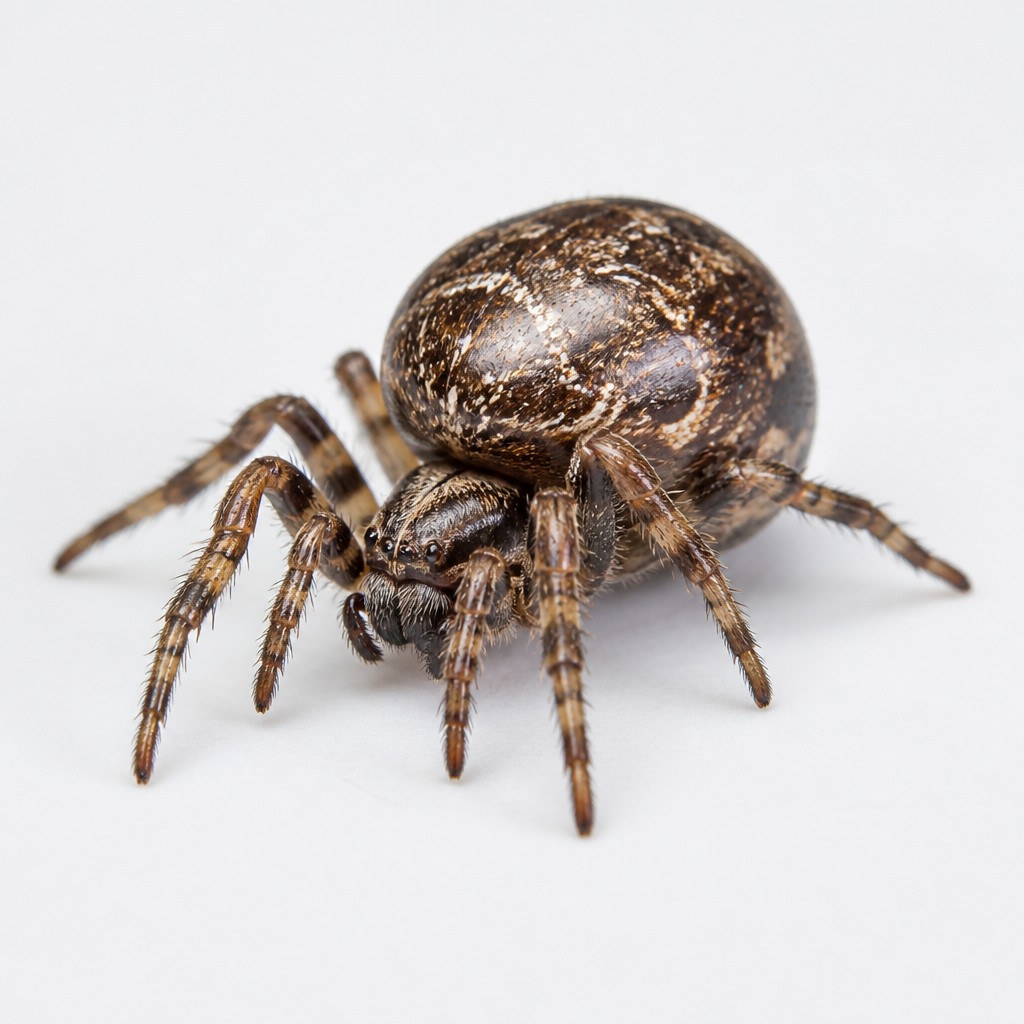
Cobweb Spider
A common household spider that spins a messy, three-dimensional tangle of silk in dark corners and drags entangled insects up into the maze to feed.
spider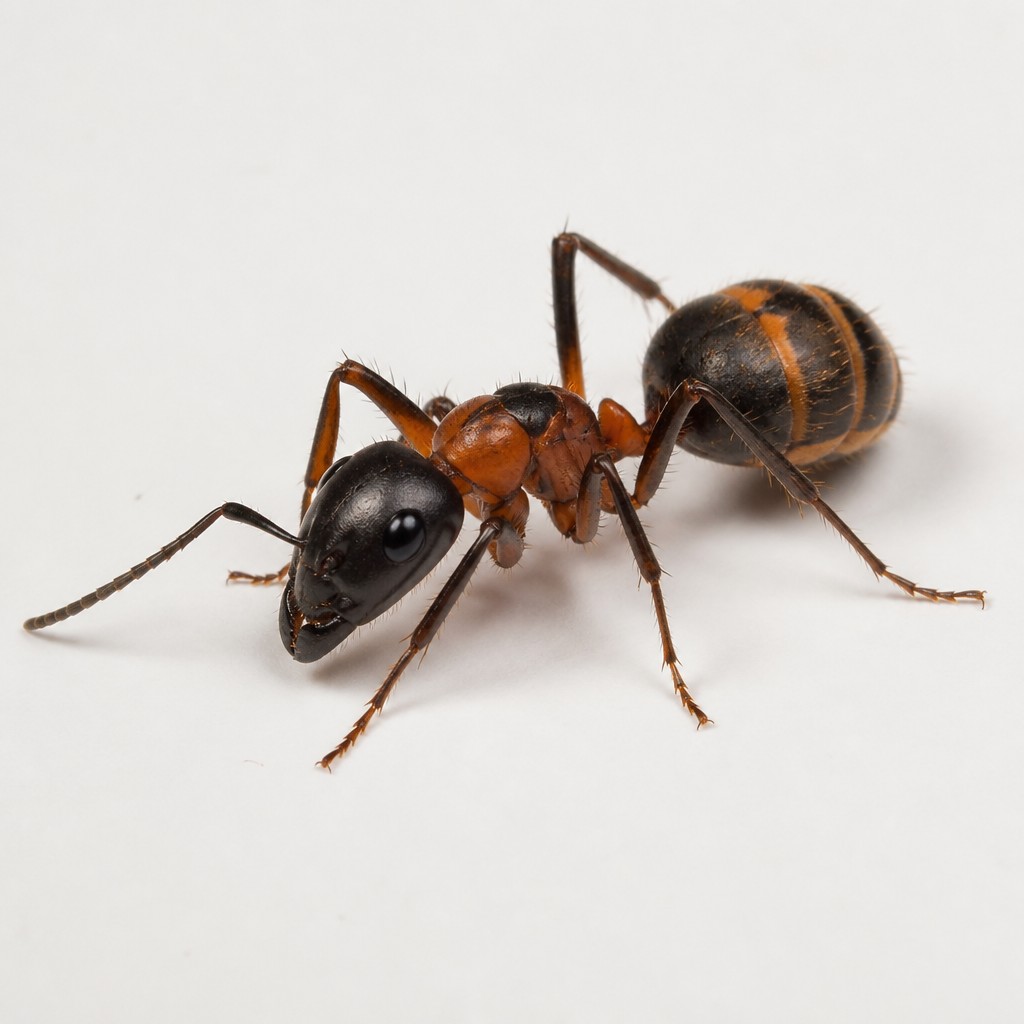
Sugar Ant
A common name for several large, sugar-loving ants, most famously the black-and-orange banded sugar ant of Australia, known for its persistent nighttime foraging around kitchens and picnics.
ant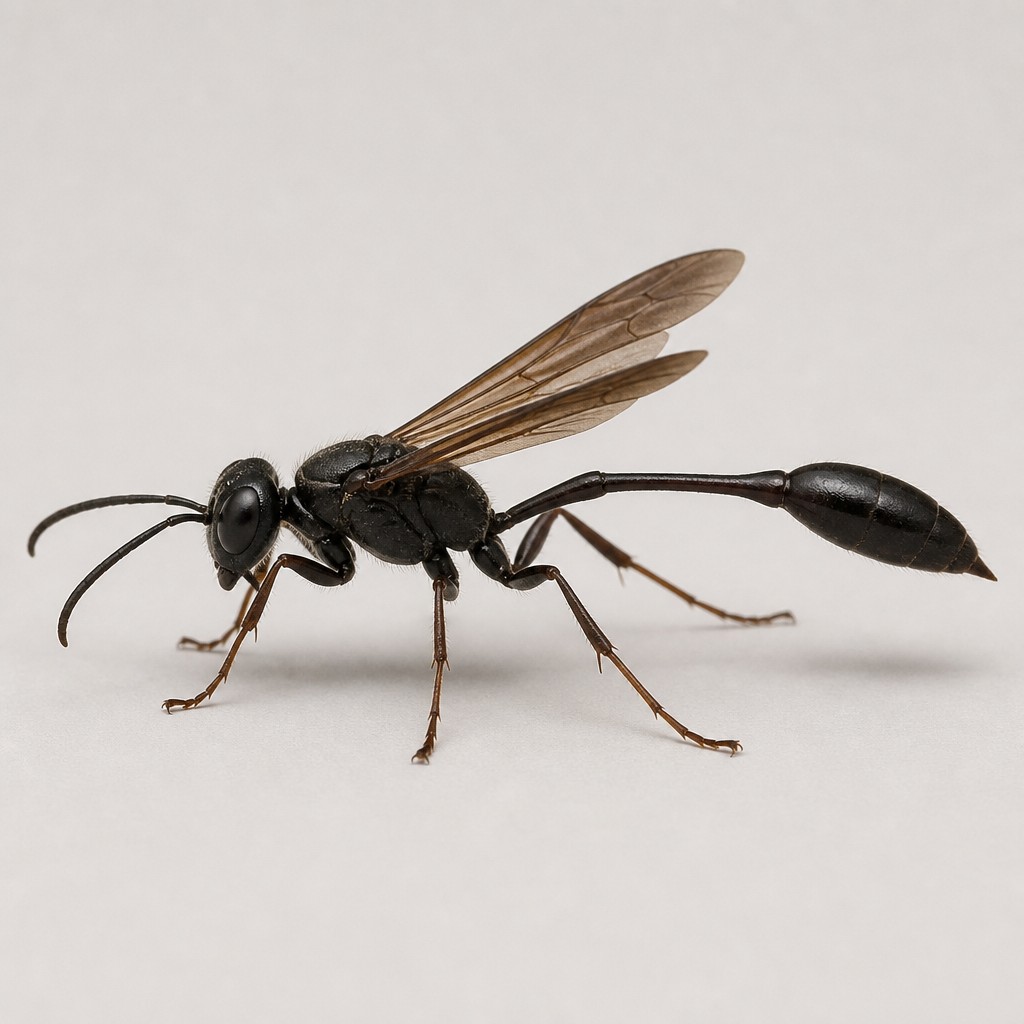
Mud Dauber Wasp
Slender, long-waisted wasps that build distinctive nests from mud, mud daubers stock their cells with paralyzed spiders. Their tube or urn-shaped mud nests are common under eaves and bridges.
wasp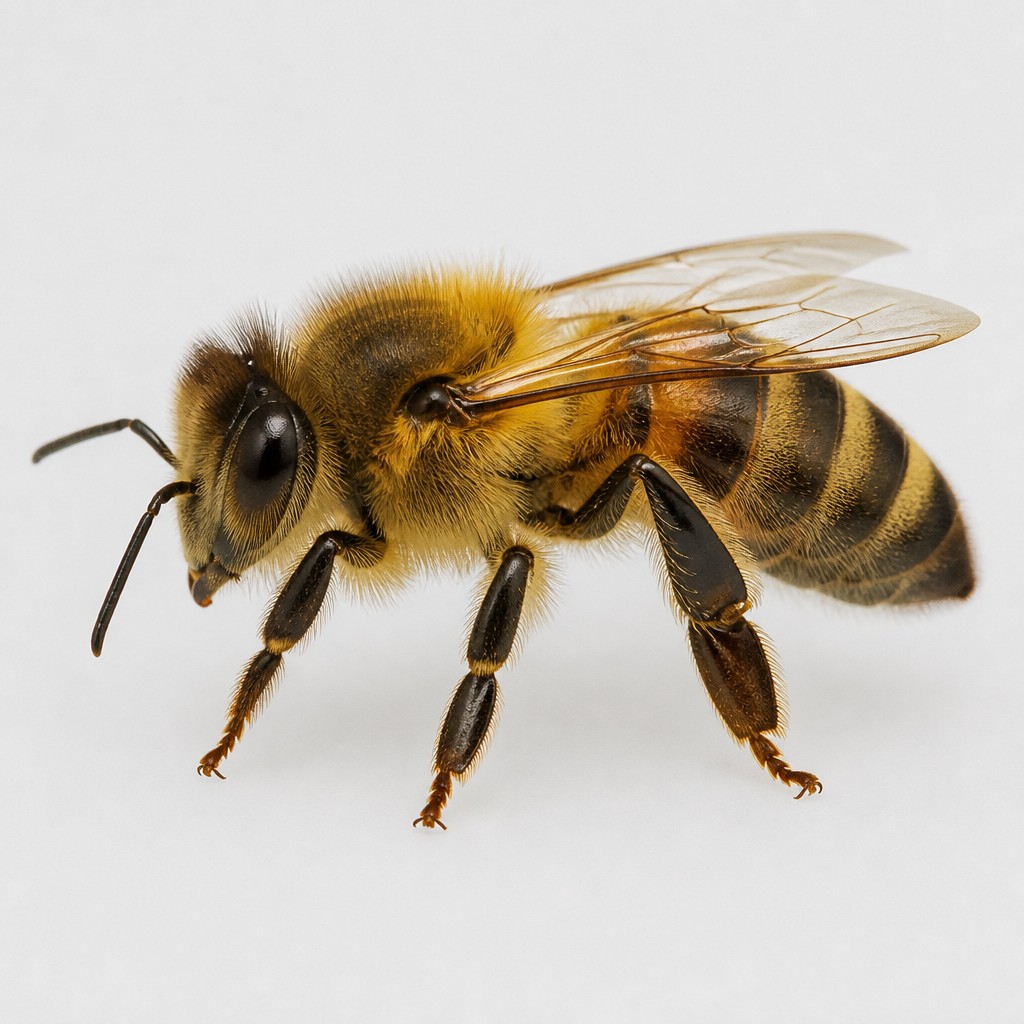
Africanized Honeybee (Killer Bee)
A hybrid strain of the western honey bee, nearly identical in appearance to common honey bees but known for more easily triggered, faster, and more numerous defensive responses when a colony is disturbed.
bee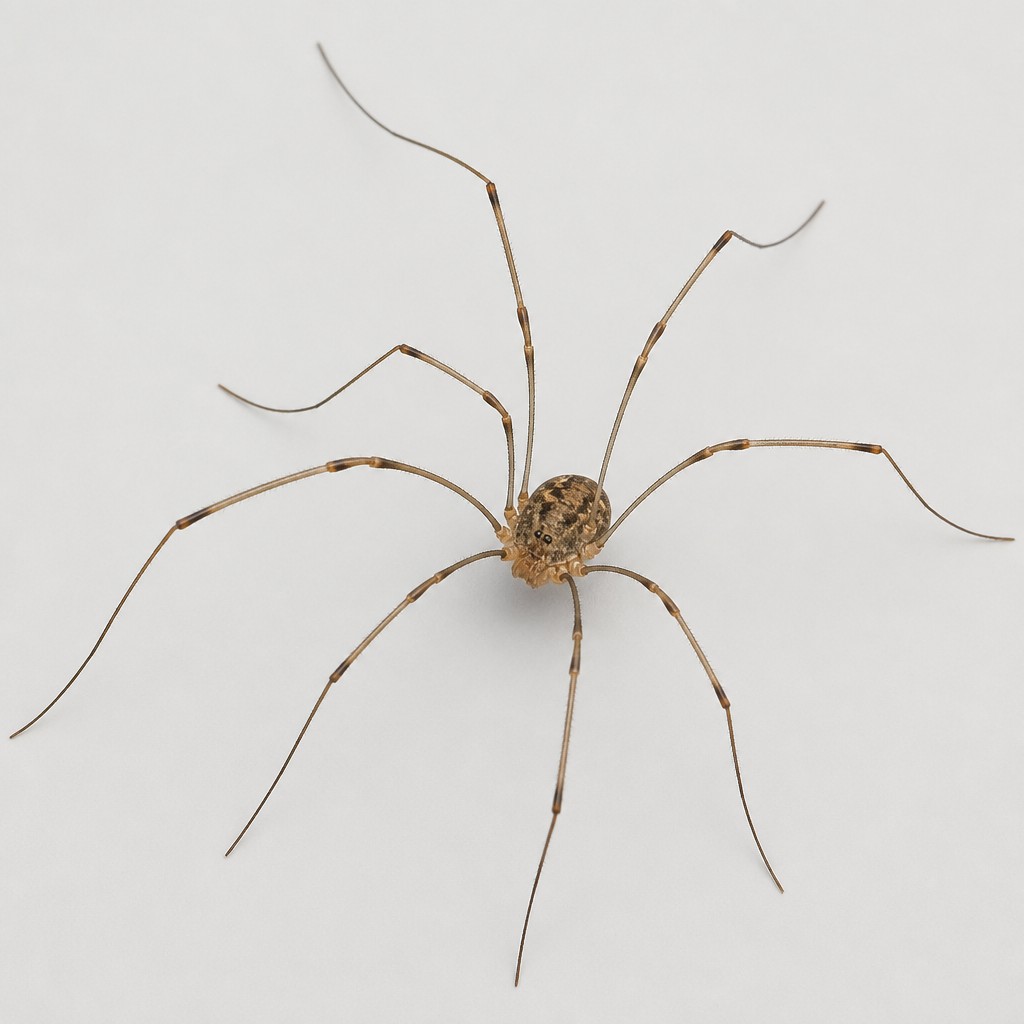
Harvestman
An arachnid built almost entirely of legs, with a single compact, oval body segment and no waist separating it into two parts like a true spider. Common in gardens and forests worldwide, it scuttles along on impossibly long, thin legs scavenging for food after dark.
arachnid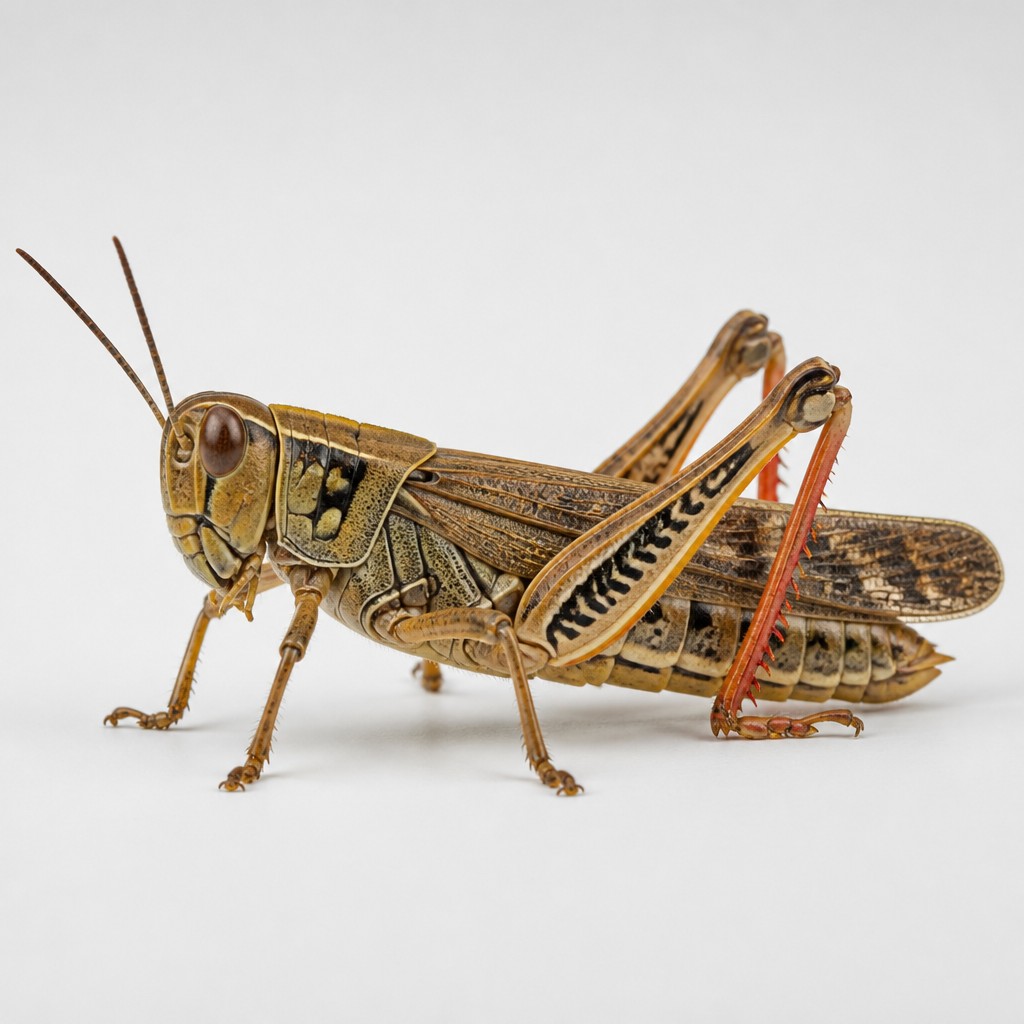
Spur-throated Grasshopper
One of the most familiar grasshopper groups in North America, named for the small spine on its throat and known for including some of the continent's most abundant rangeland species.
grasshopper-cricket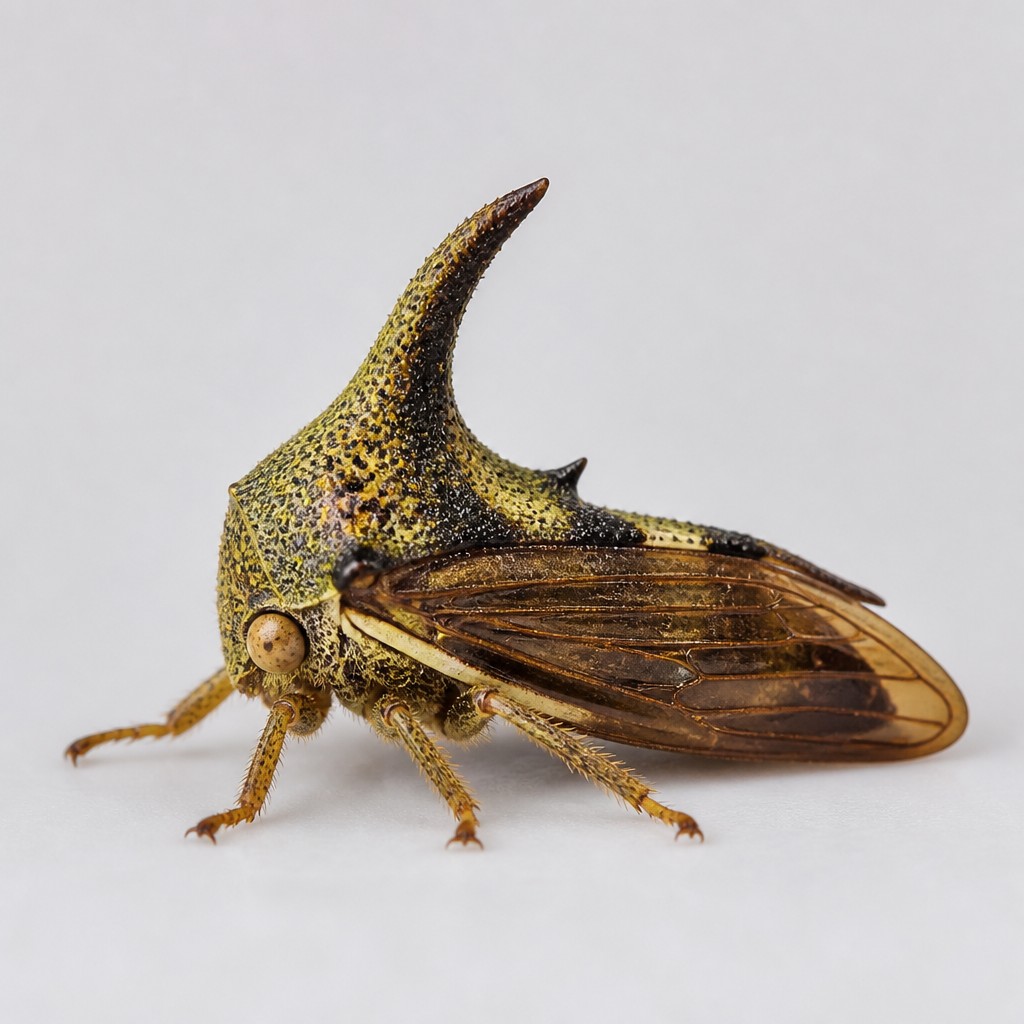
Treehopper
A small, oddly shaped sap-feeding bug best known for an enlarged, often bizarre pronotum extending backward over its body, sometimes shaped like a thorn, leaf, or spike.
true-bug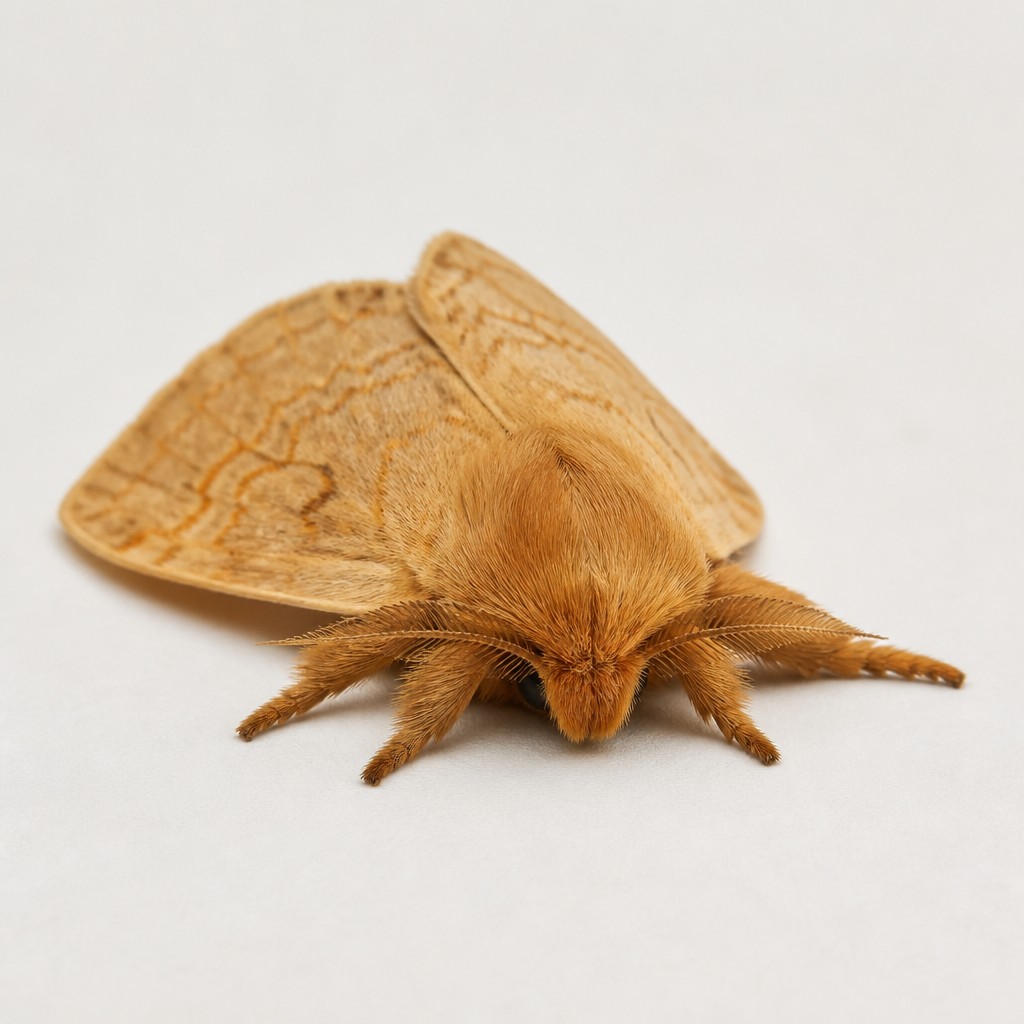
Southern Flannel Moth (Puss Caterpillar Moth)
A small, densely furred tan-to-orange moth best known for its unusual larva, a soft-looking, cat-tailed caterpillar whose fluffy coat hides rows of venomous spines.
moth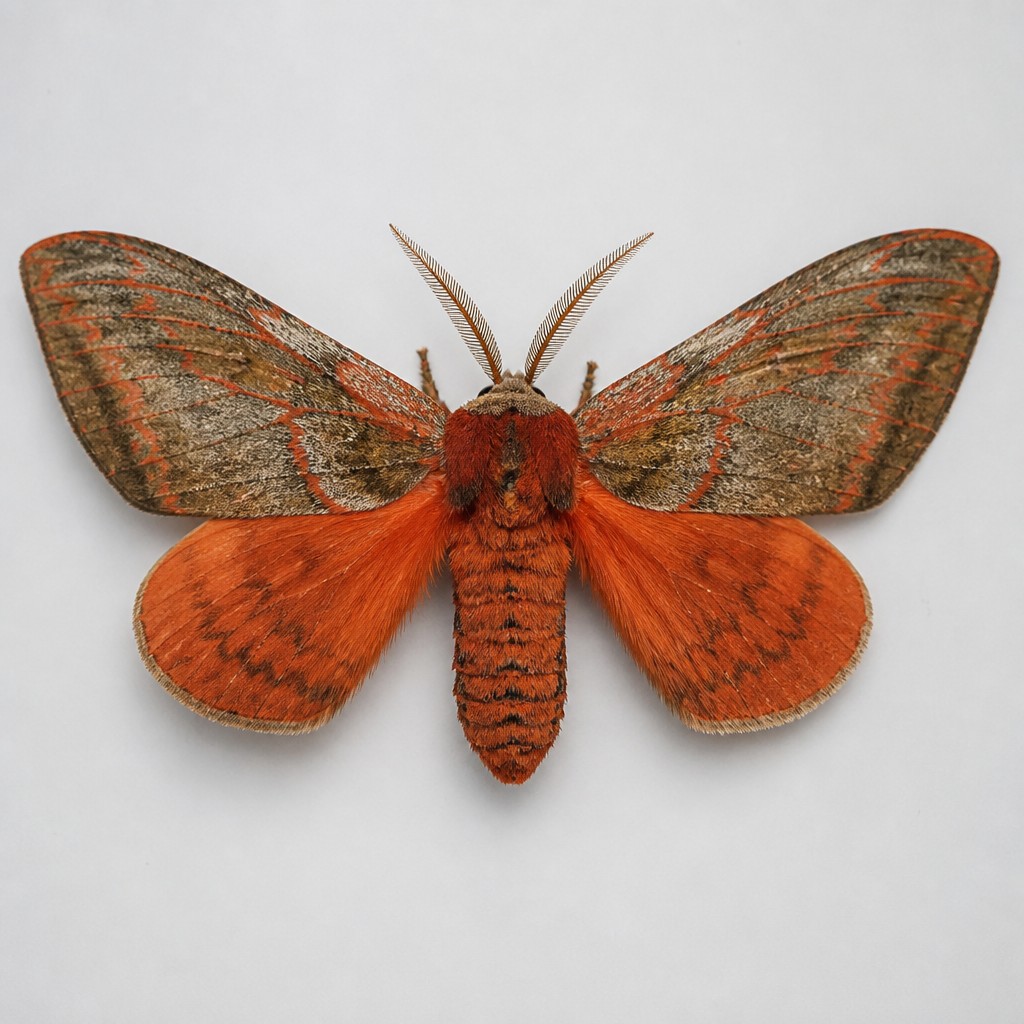
Regal Moth (Hickory Horned Devil)
One of the largest moths in North America, with orange-red and gray-veined wings on the adult, best known for its enormous, formidable-looking caterpillar, the hickory horned devil, a blue-green giant bristling with long orange spines.
moth