
Cobweb Spider
Steatoda spp.
A common household spider that spins a messy, three-dimensional tangle of silk in dark corners and drags entangled insects up into the maze to feed.
- Size
- 0.15-0.6 in (4-15 mm) body length
- Habitat
- Corners of buildings, sheds, basements, and garden debris
- Danger
- Bites
Spotted a bug like this?
Identify any bug or insect from a photo, free.
Overview
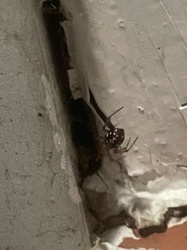
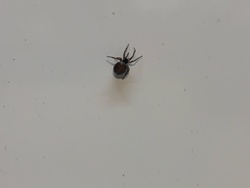
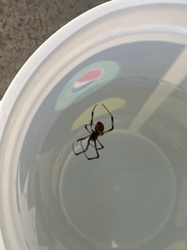
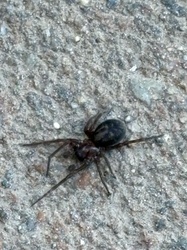
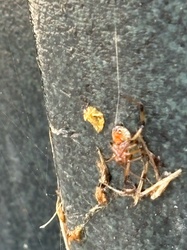
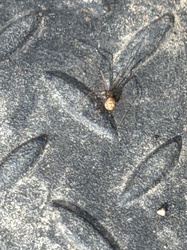
Cobweb spiders is a broad common name applied to members of the family Theridiidae that build the classic irregular, tangled silk structure most people picture when they hear the word cobweb. The genus Steatoda, sometimes called false widow spiders for their resemblance to true widow spiders, is among the most familiar cobweb-spinning groups found around homes and gardens worldwide.
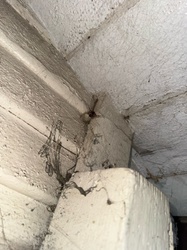
Unlike the neat, geometric spiral of an orb weaver, a cobweb spider's web is a chaotic three-dimensional scaffold of crisscrossing threads, often anchored in a corner where a wall meets the ceiling or floor. Some threads run down to the ground and are coated with sticky droplets, acting as trip lines that snap taut and hoist a walking insect up into the tangle when it brushes against one.
Cobweb spiders are shy and sedentary, generally remaining in or near their web and retreating rather than confronting anything larger than typical prey. Their webs, once established, are rarely rebuilt from scratch but instead continuously repaired and added to over the spider's lifetime.
How to Identify
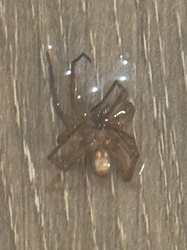
- Rounded, bulbous abdomen, often glossy brown, purplish-brown, or patterned with pale markings
- Legs relatively short compared to the body, suited to moving through a dense tangle of silk
- Web is an irregular, multi-layered tangle rather than a flat spiral, usually built in a sheltered corner
- Gumfoot threads run from the web down to the substrate, tipped with sticky silk to snag walking insects
- Spider typically hangs upside down within the tangle, retreating to a hidden crevice when disturbed
- Lookalikes include true widow spiders, but cobweb spiders in general lack the widows' bold red or orange hourglass marking
Habitat & Range
Cobweb spiders are found nearly worldwide in sheltered, undisturbed spaces: corners of garages, sheds, basements, window frames, woodpiles, and garden structures. They tolerate both indoor and outdoor conditions and are active year-round in heated buildings, while outdoor populations are most noticeable from summer through autumn in temperate climates.
Behavior & Diet
These spiders wait motionless in their tangled web for insects such as flies, ants, beetles, and other small arthropods to become caught on the sticky gumfoot lines. Once prey is snagged, the spider quickly wraps it in silk and hoists it up into the web to feed. Cobweb spiders play a useful role in controlling small insect pests around structures, and their persistent, rarely-abandoned webs can accumulate significant amounts of debris and prey remains over time.
Life Cycle
Females produce one or more round, papery egg sacs that are suspended within the web and guarded until the spiderlings emerge. Hatchlings disperse to build their own small webs nearby, growing through a series of molts over several months to a year. In temperate climates, cobweb spiders often overwinter as eggs, juveniles, or sheltered adults, resuming activity and web-building as temperatures warm.
Frequently asked questions
How is a cobweb different from an orb web?
A cobweb is an irregular, tangled, three-dimensional mesh of threads, while an orb web is a flat, geometric spiral built by a different group of spiders.
Where do cobweb spiders usually build their webs?
In sheltered, undisturbed corners such as garages, sheds, basements, and woodpiles, both indoors and outdoors.
What do cobweb spiders eat?
Small insects like flies, ants, and beetles that become caught on the sticky trip lines leading up into the tangled web.
Are cobweb spiders the same as widow spiders?
Some cobweb spiders, such as false widows, resemble true widow spiders in shape but generally lack the widow's bold hourglass marking.
Cobweb Spider guides
In-depth guides for identifying, understanding, and living alongside Cobweb Spider.
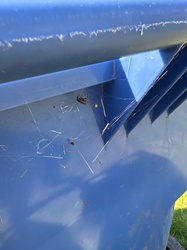
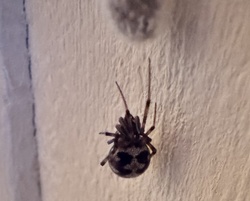
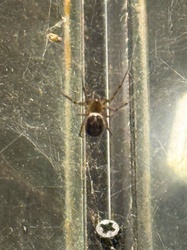
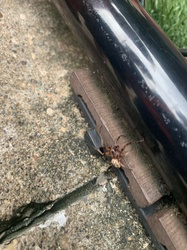
Cobweb Spider identified by the community
Real finds identified with Bug Identifier.
Other bugs you may enjoy
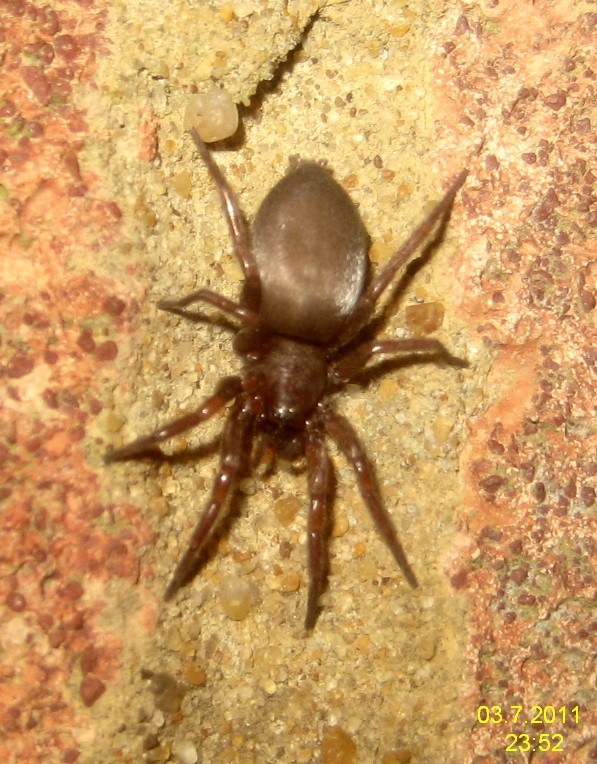
Woodlouse Spider
Damp leaf litter, under logs, stones, and mulch
Wolf Spider
Gardens, grasslands, forests, leaf litter, ground burrows
Wandering Spider
Tropical and subtropical forest floor, foliage, and banana plants
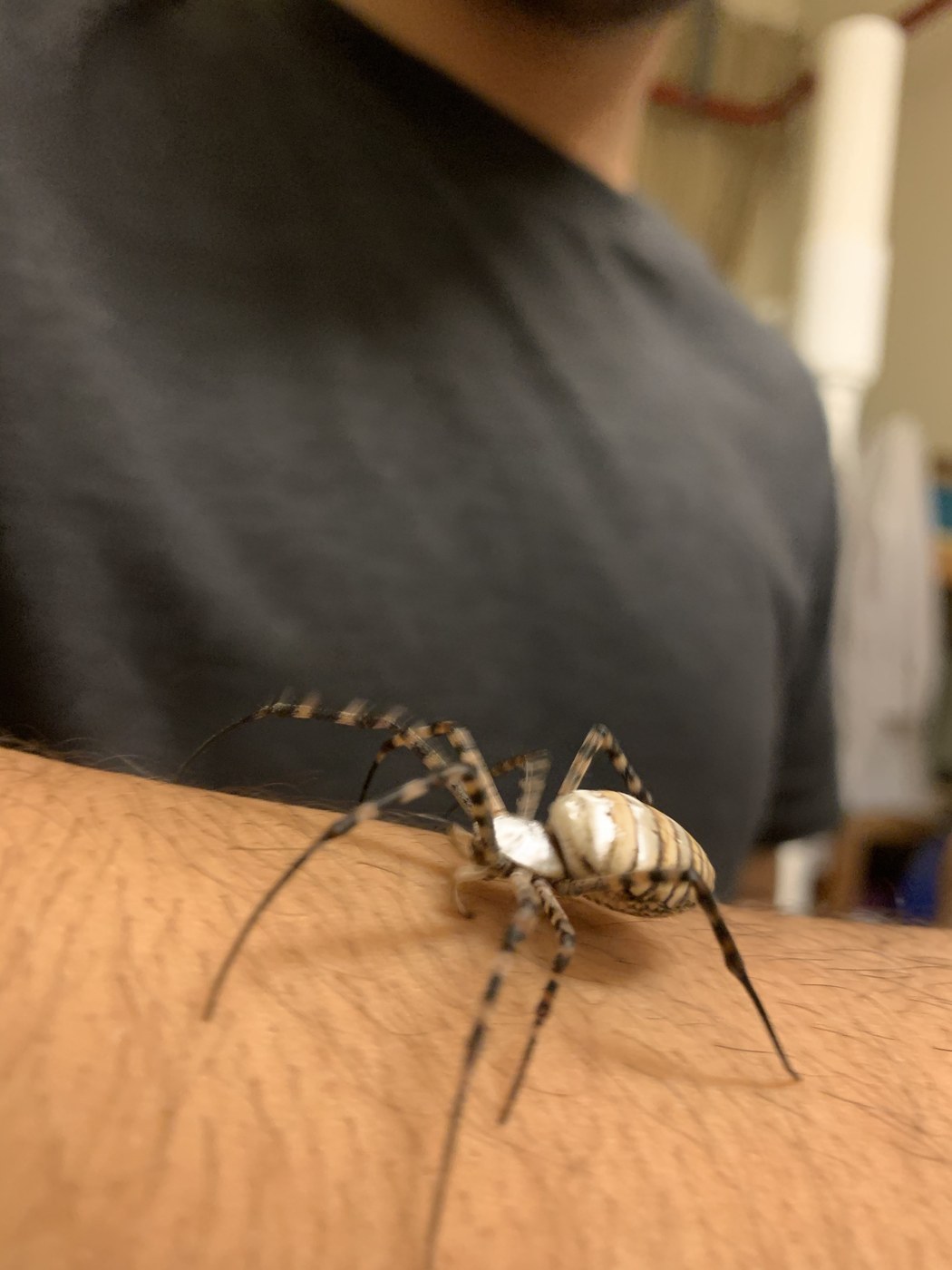
Banded Garden Spider
Tall grass, meadows, and gardens with open sunny vegetation
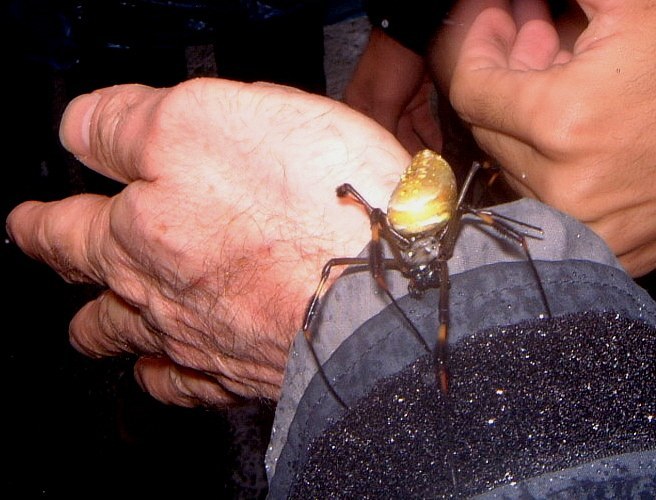
Banana Spider
Wooded trails, forest edges, and gardens across the southeastern U.S. and the American tropics
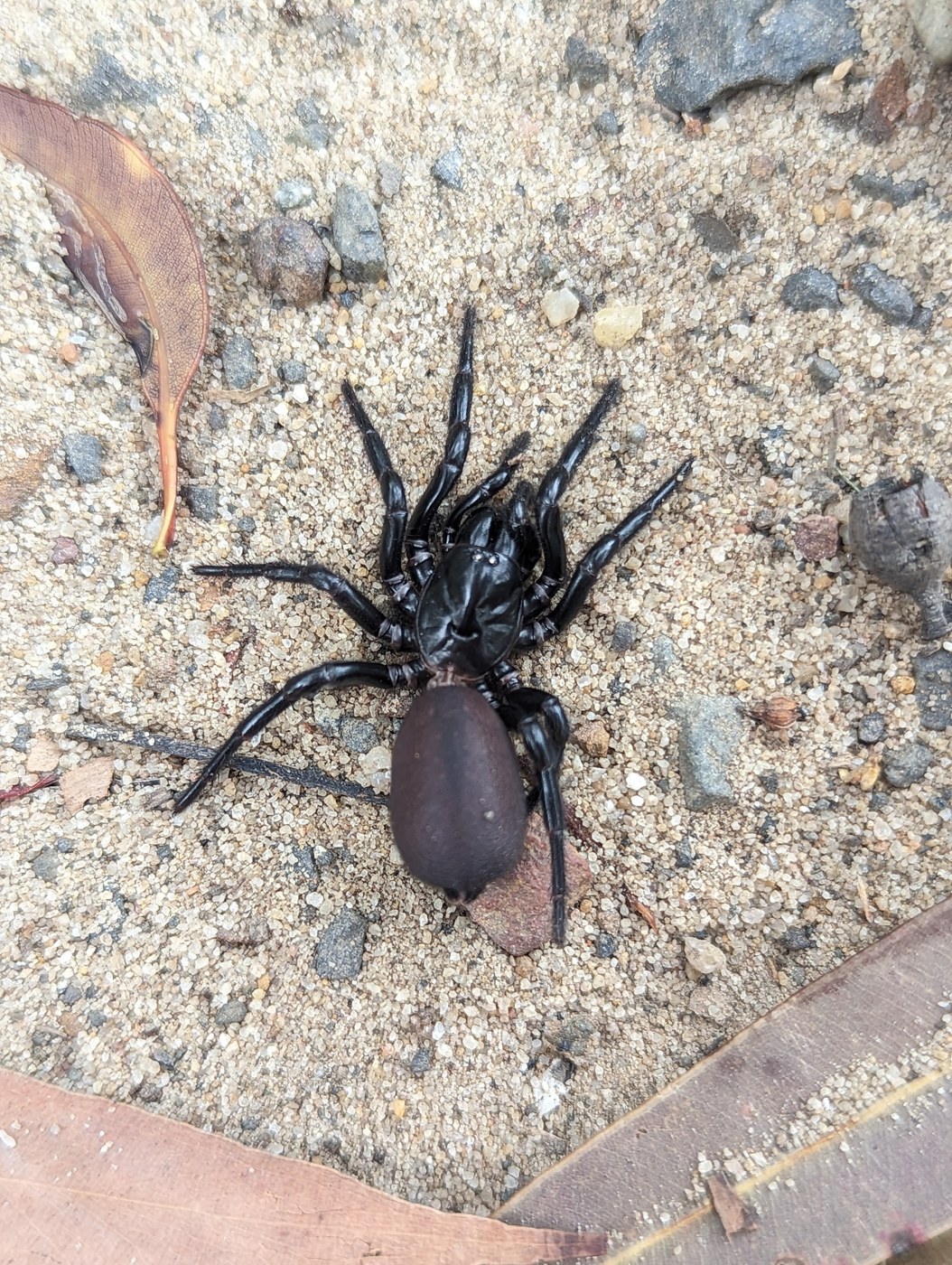
Sydney Funnel-web Spider
Burrows in moist soil, gardens, and forested gullies around the Sydney basin of eastern Australia
Trapdoor Spider
Self-dug silk-lined burrows with a camouflaged door, in dry, well-drained soil worldwide
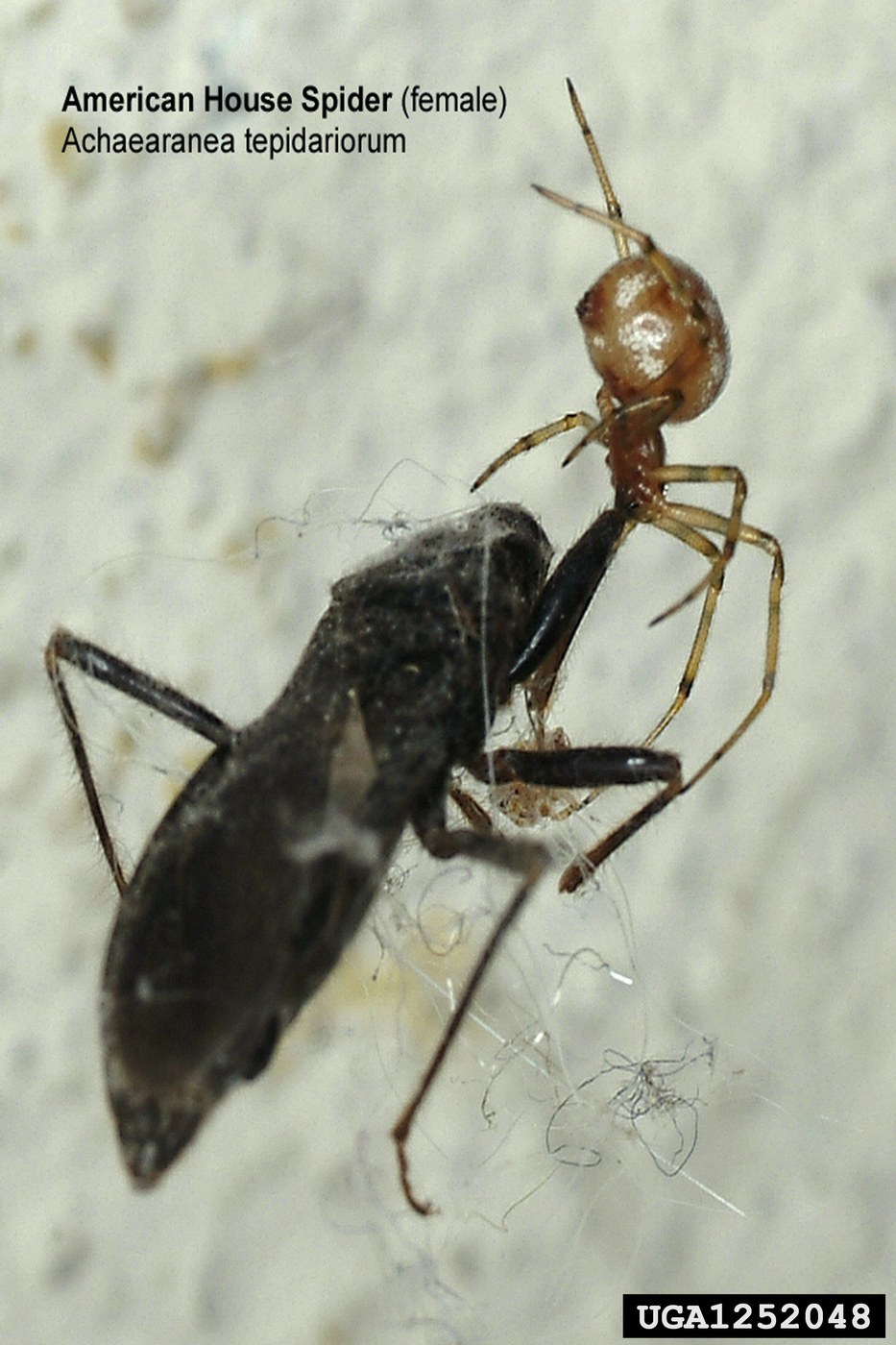
American House Spider
Corners, basements, garages, and outbuildings worldwide
Tube Web Spider
Wall crevices, bark, rockeries, and masonry
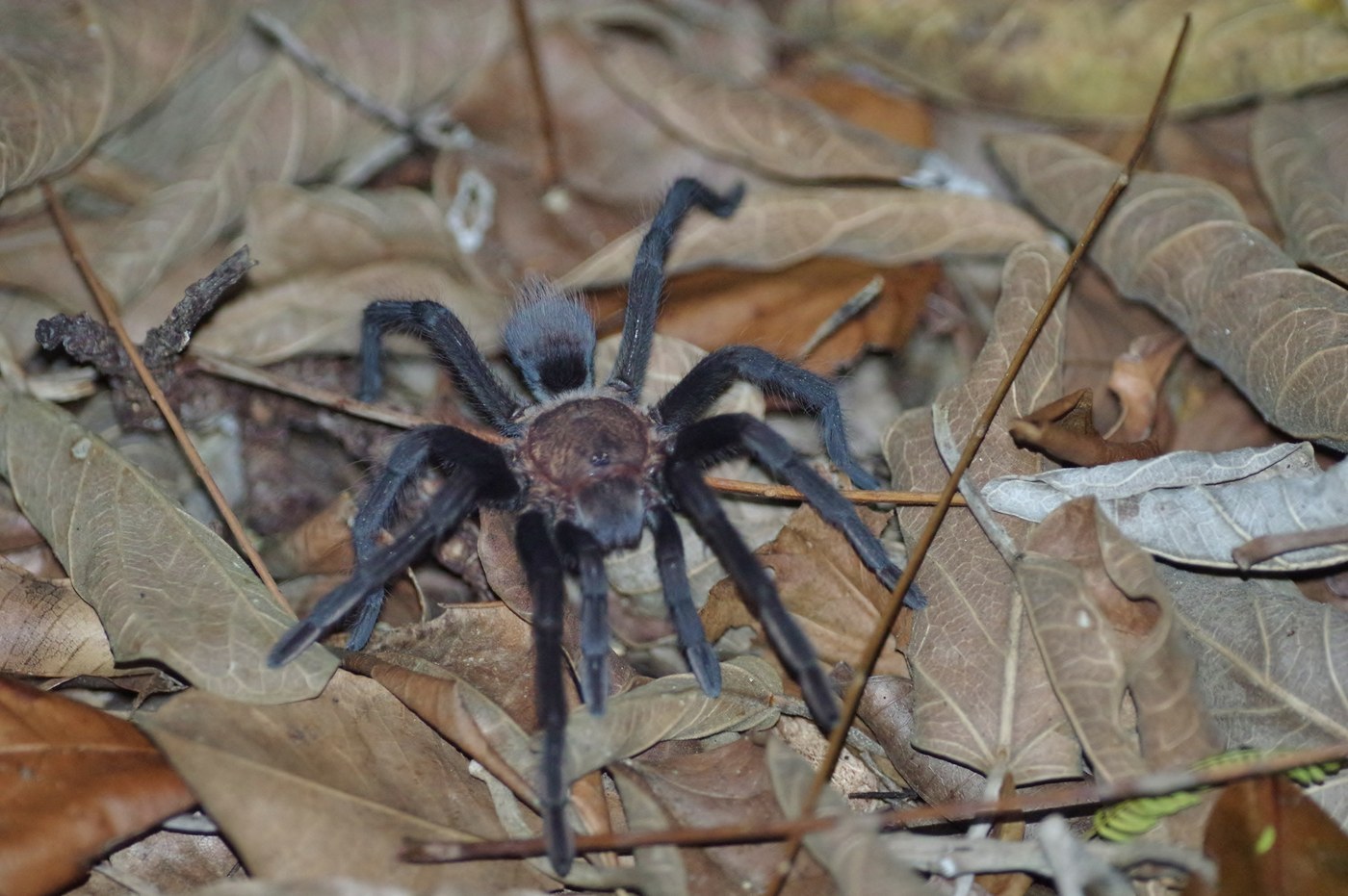
Tarantula
Burrows, rock crevices, and tree hollows in deserts, grasslands, and tropical forests worldwide
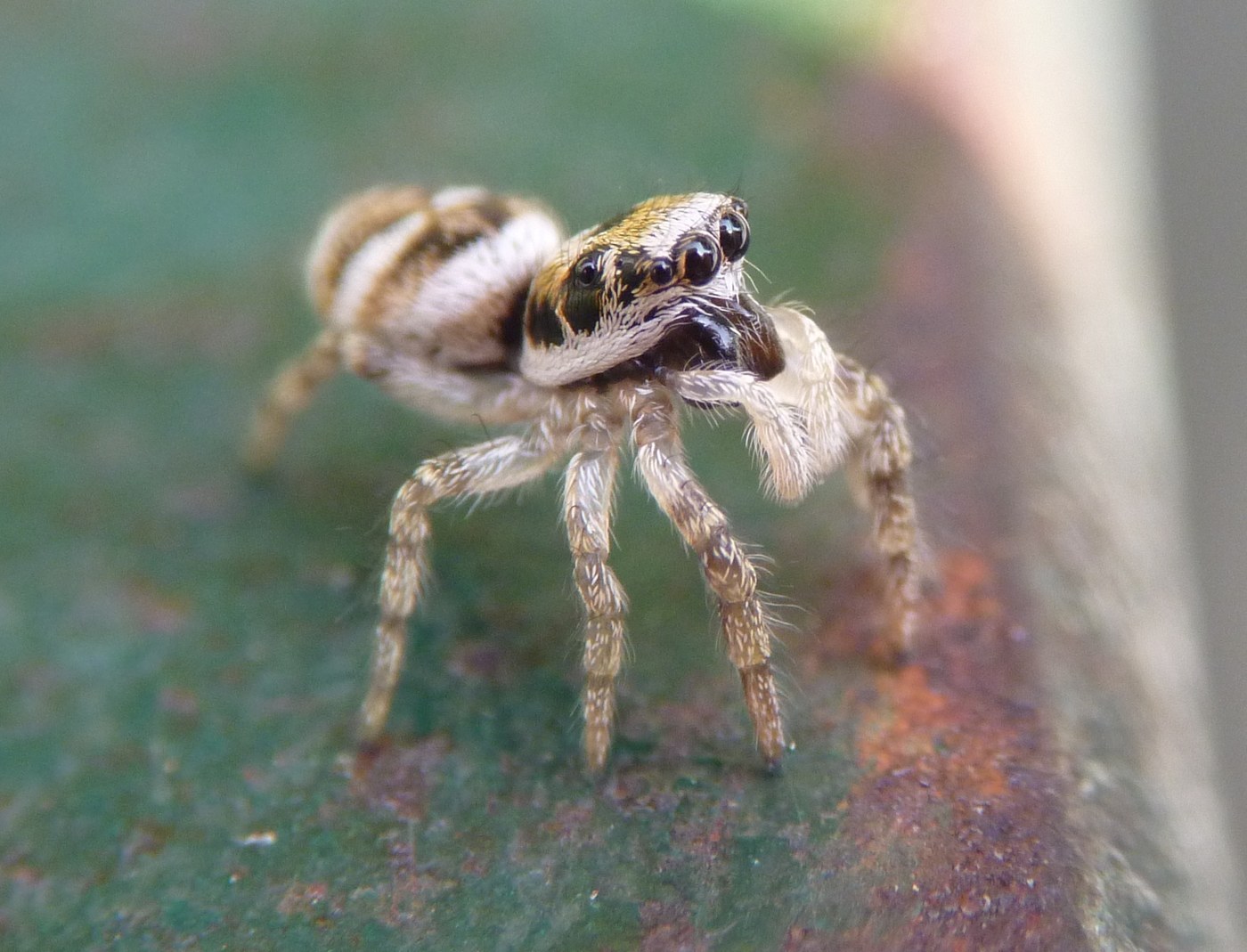
Zebra Jumping Spider
Sunny walls, fences, tree bark, and building exteriors
Wall Spider
Cracks and crevices on exterior and interior walls