
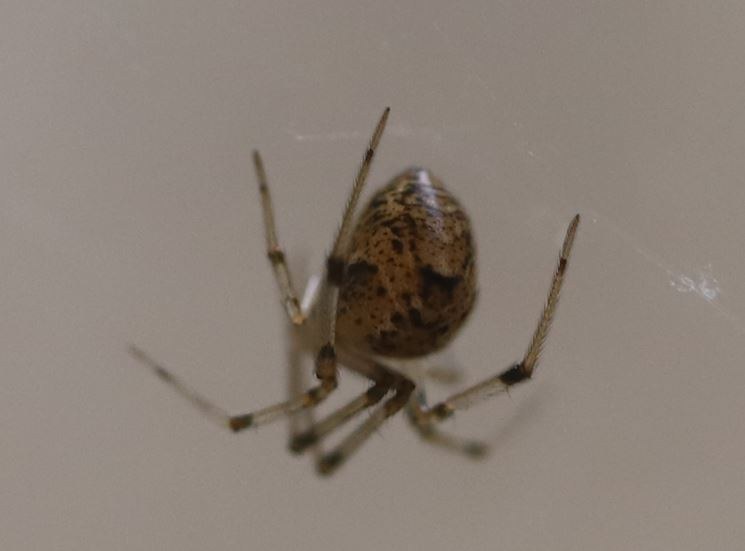
Common House Spider
Parasteatoda tepidariorum
Tucked into a messy tangle of silk in a quiet corner, the common house spider is one of the most familiar indoor spiders, quietly picking off flies and other small insects that blunder into its web.
- Size
- Body 0.2-0.3 in (5-8 mm) in females; males smaller
- Habitat
- Corners of ceilings, basements, garages, and window frames in and around buildings worldwide
- Danger
- Harmless
Spotted a bug like this?
Identify any bug or insect from a photo, free.
Overview
The common house spider, Parasteatoda tepidariorum, is a cobweb spider in the family Theridiidae and one of the most widespread spiders associated with human dwellings. Originally described from Europe, it has spread to become essentially cosmopolitan, thriving in homes, barns, and outbuildings on every inhabited continent. Its close relationship to buildings has made it one of the most frequently encountered spiders by people, even if it often goes unnoticed tucked into an upper corner.
This species builds the classic tangled, irregular "cobweb" that gives the family its common name, spun in undisturbed corners where air currents carry flying insects into the sticky threads. Because it readily colonizes structures and reproduces quickly, it is one of the spiders most people picture when they think of a typical indoor spider.
Although sometimes considered a nuisance simply because of the webs it leaves behind, the common house spider captures flies, mosquitoes, and other small insects that share the same indoor spaces.
How to Identify
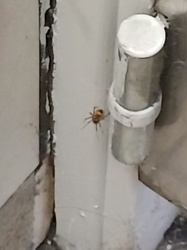
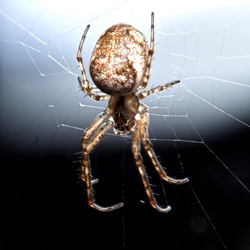
- Rounded, bulbous abdomen, typically brownish-gray with darker mottled chevron markings
- Long, thin legs relative to body size, banded with subtle darker rings
- Females are noticeably larger than the small, slender males
- Builds a messy, three-dimensional tangle web rather than a neat circular orb
- Lookalikes include other cobweb spiders such as false widows, which are similarly shaped but often darker and more uniformly colored
Habitat & Range
True to its name, the common house spider is most often found in and around human structures: basements, garages, sheds, window corners, and the undersides of furniture. Outdoors it also occupies similarly sheltered spots such as rock crevices, hollow logs, and dense vegetation. It is found nearly worldwide in temperate and warm climates, having been spread widely through commerce and travel.
Behavior & Diet
This spider builds an irregular, three-dimensional cobweb in a sheltered corner and waits at its center or nearby retreat for insects to become entangled in the sticky threads. Once prey is trapped, the spider quickly wraps it in silk before feeding. Webs are typically rebuilt or repaired continually rather than replaced daily. Common house spiders are shy and generally retreat or remain motionless when disturbed rather than confronting anything larger than their prey. As indoor predators, they feed on flies, mosquitoes, and other small flying insects.
Life Cycle
Females produce multiple tan, papery egg sacs over their lifetime, each containing dozens to a few hundred eggs, which are suspended within or near the web. Spiderlings hatch and disperse on silk threads to establish their own webs nearby. They molt several times over a period of a few months to a year as they grow to adulthood. Common house spiders can live for a year or more indoors, with development continuing year-round in heated buildings even as outdoor populations may slow during colder months.
Frequently asked questions
Are common house spiders aggressive toward people?
No, they are shy spiders that tend to stay motionless or retreat into their web rather than confront anything larger than their prey.
Why do common house spiders build messy webs?
Their tangled, three-dimensional cobwebs are effective at intercepting flying insects from multiple angles in the corners where they are built.
What do common house spiders eat?
They feed on flies, mosquitoes, moths, and other small insects that become caught in their web.
How long do common house spiders live?
Indoors, where temperatures stay stable, they can live for a year or more, continuing to molt and reproduce.
Common House Spider guides
In-depth guides for identifying, understanding, and living alongside Common House Spider.
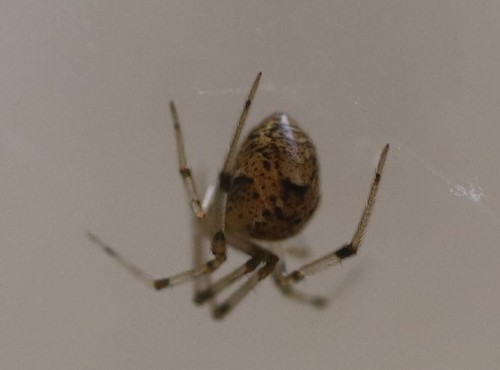
Common House Spider identified by the community
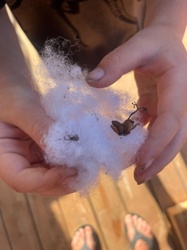
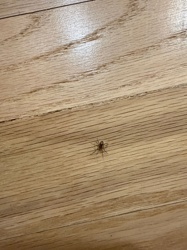
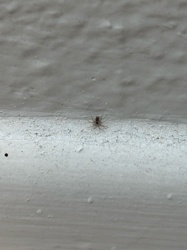
Real finds identified with Bug Identifier.


Other bugs you may enjoy
Woodlouse Spider
Damp leaf litter, under logs, stones, and mulch
Wolf Spider
Gardens, grasslands, forests, leaf litter, ground burrows
Wandering Spider
Tropical and subtropical forest floor, foliage, and banana plants
Banded Garden Spider
Tall grass, meadows, and gardens with open sunny vegetation
Banana Spider
Wooded trails, forest edges, and gardens across the southeastern U.S. and the American tropics
Sydney Funnel-web Spider
Burrows in moist soil, gardens, and forested gullies around the Sydney basin of eastern Australia
Trapdoor Spider
Self-dug silk-lined burrows with a camouflaged door, in dry, well-drained soil worldwide
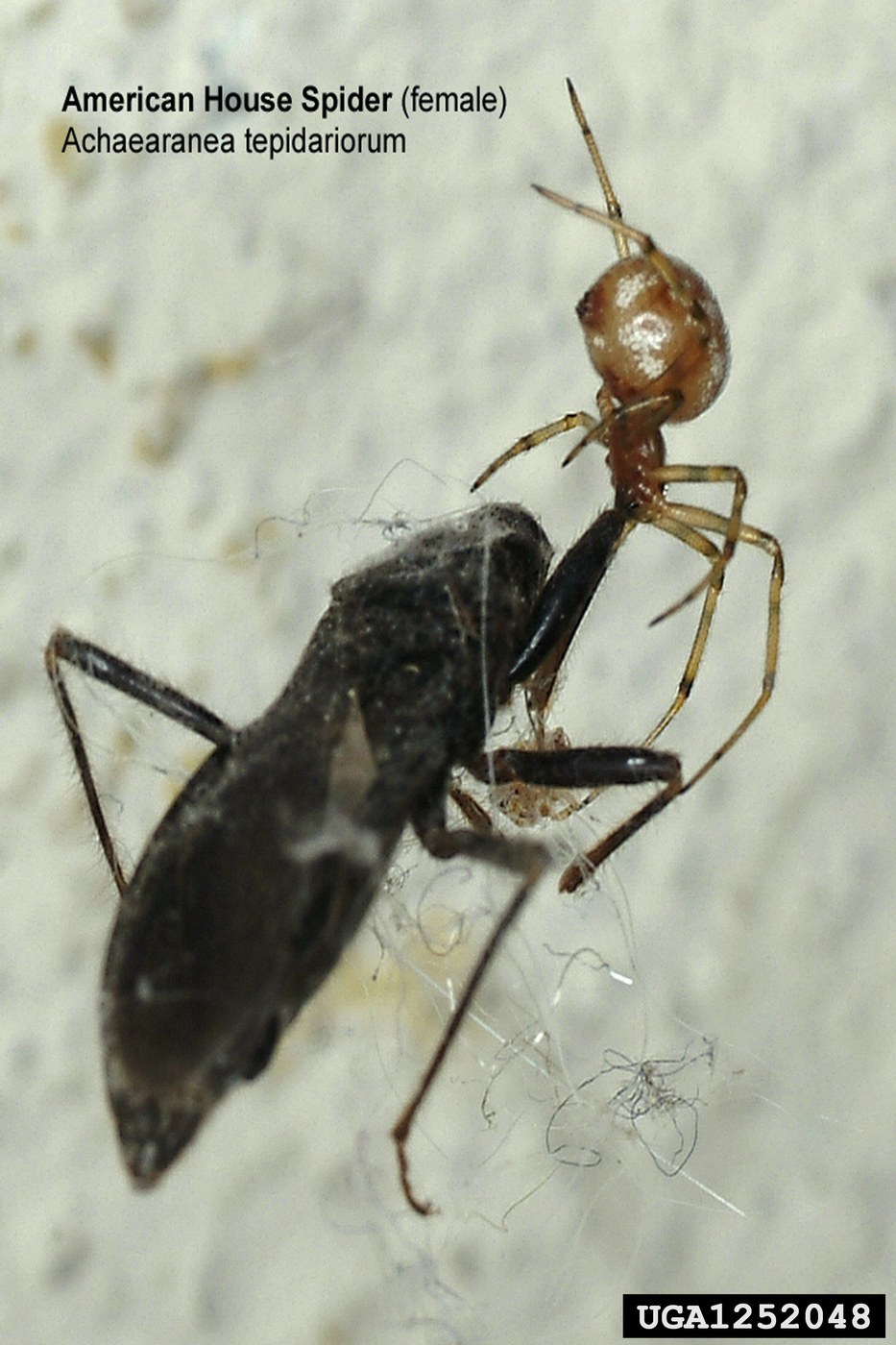
American House Spider
Corners, basements, garages, and outbuildings worldwide
Tube Web Spider
Wall crevices, bark, rockeries, and masonry
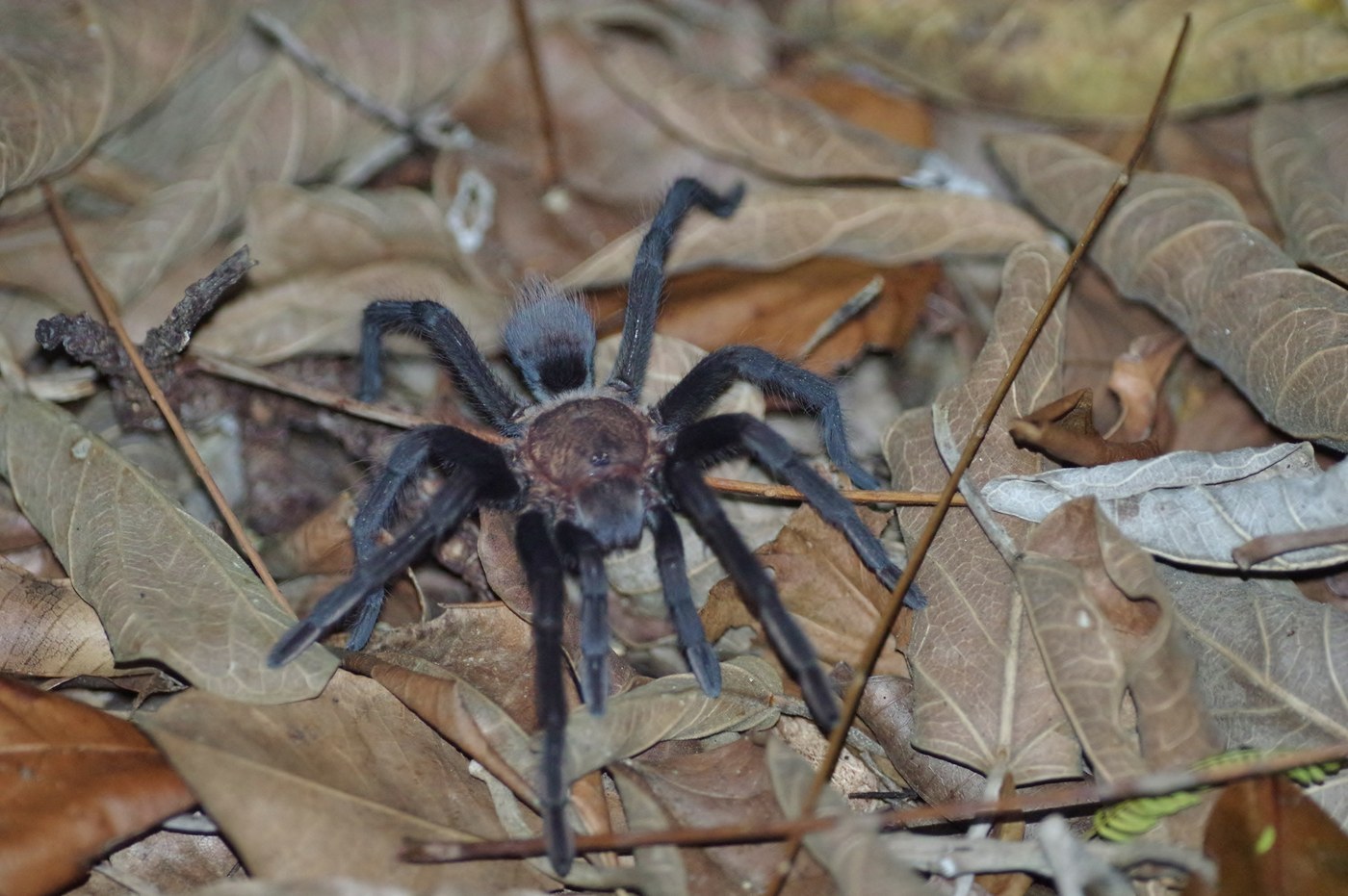
Tarantula
Burrows, rock crevices, and tree hollows in deserts, grasslands, and tropical forests worldwide
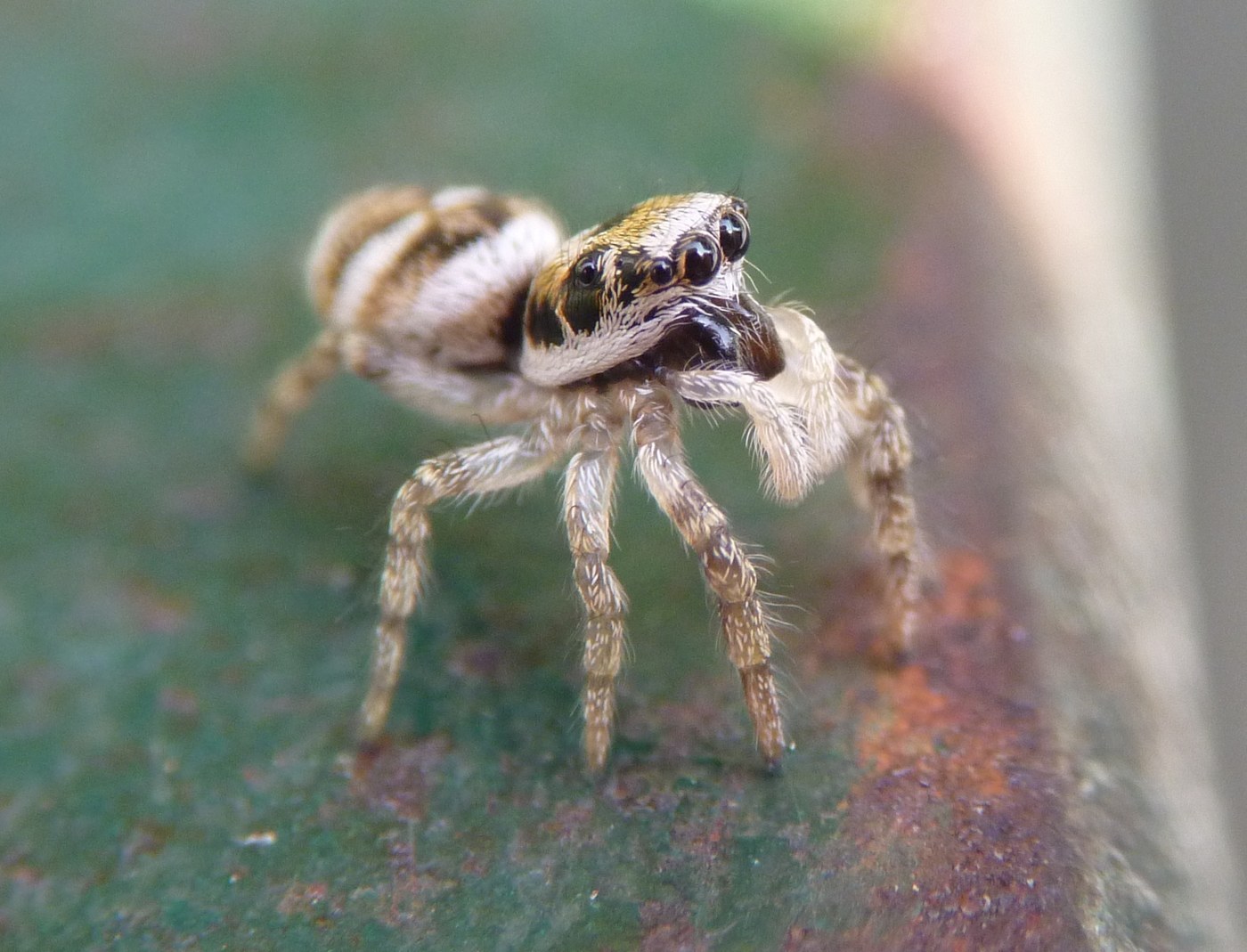
Zebra Jumping Spider
Sunny walls, fences, tree bark, and building exteriors
Wall Spider
Cracks and crevices on exterior and interior walls