
Bug Encyclopedia
Search and identify bugs & insects — beetles, butterflies, moths, ants, bees, spiders and more — with size, habitat, danger, behavior, and how to tell them apart.
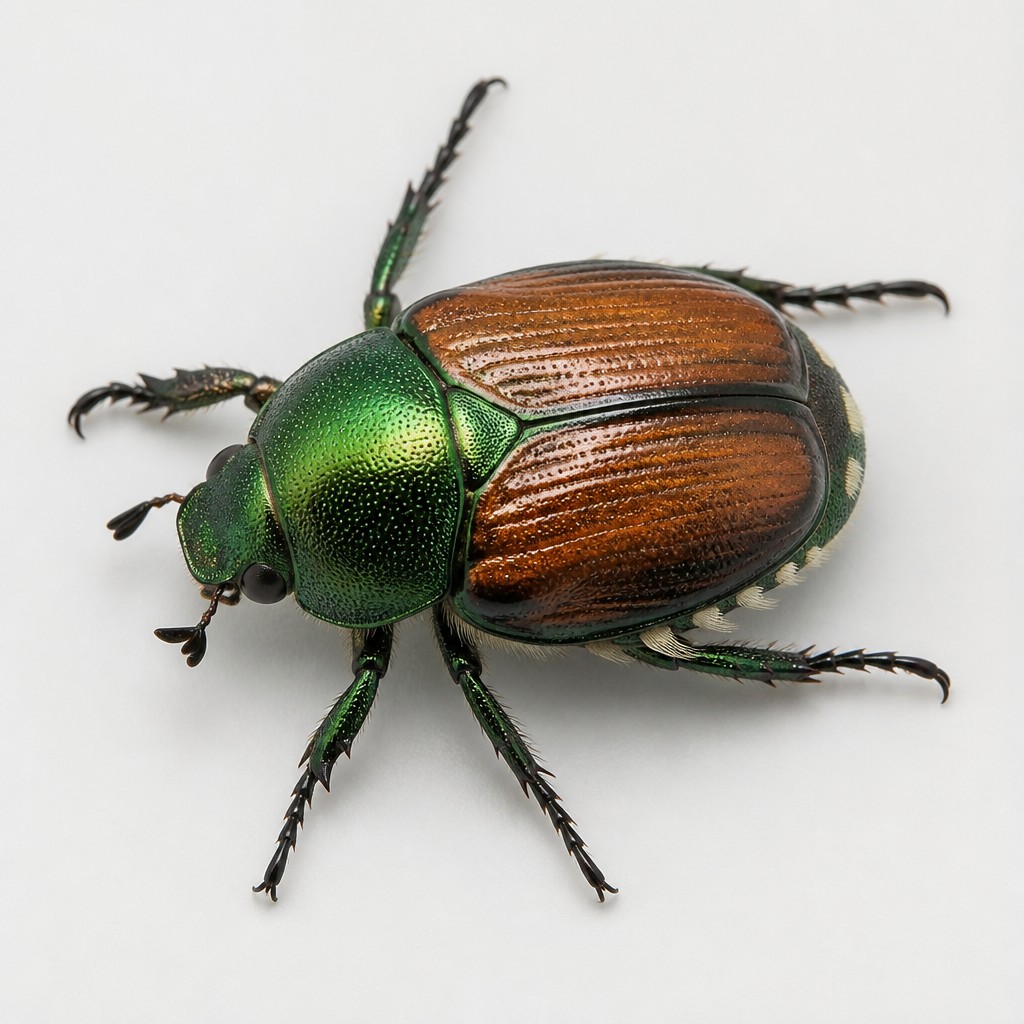
Japanese Beetle
A small, iridescent beetle with a metallic green head and thorax and coppery-bronze wing covers, notorious for skeletonizing the leaves of roses, grapevines, and hundreds of other garden plants.
beetle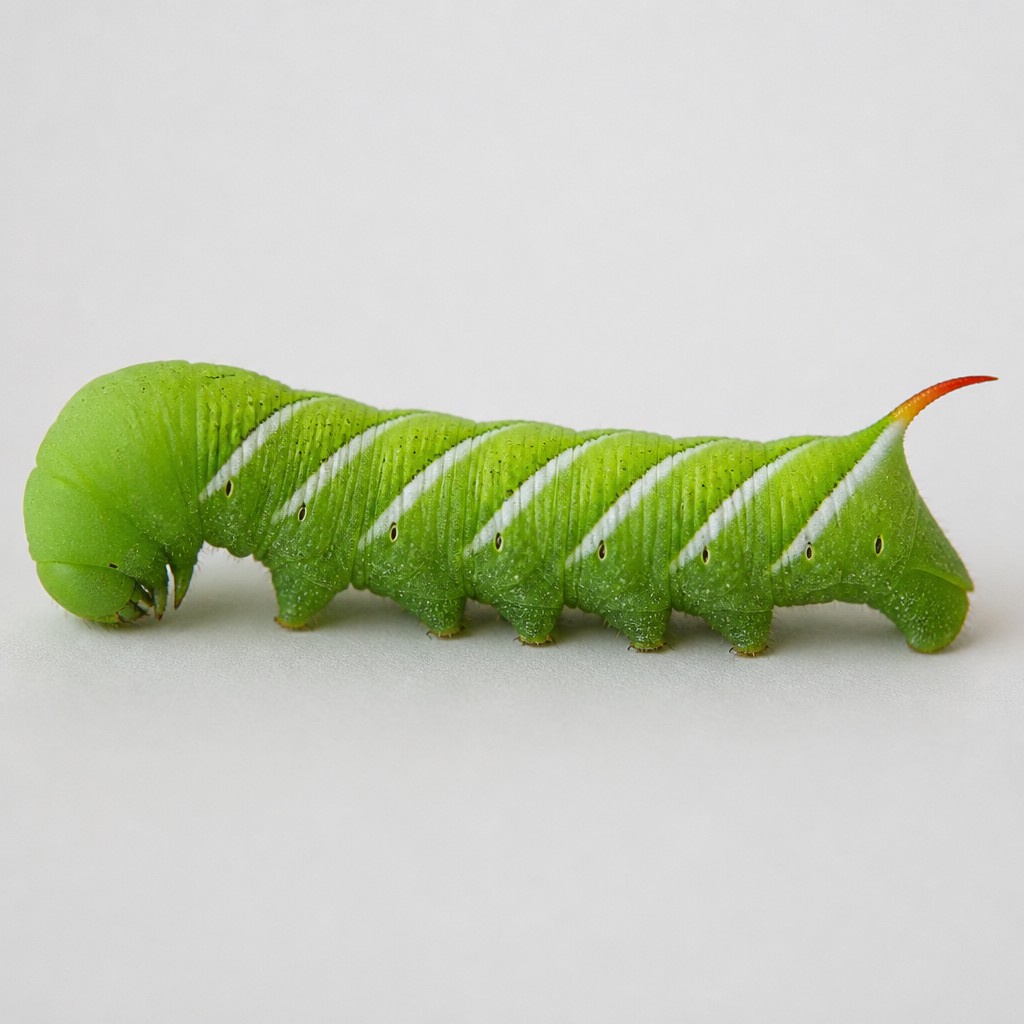
Tobacco Hornworm
A large, chunky green caterpillar with diagonal white stripes and a curved red-orange horn at its tail end, often found stripping tomato and tobacco plants.
caterpillar-larva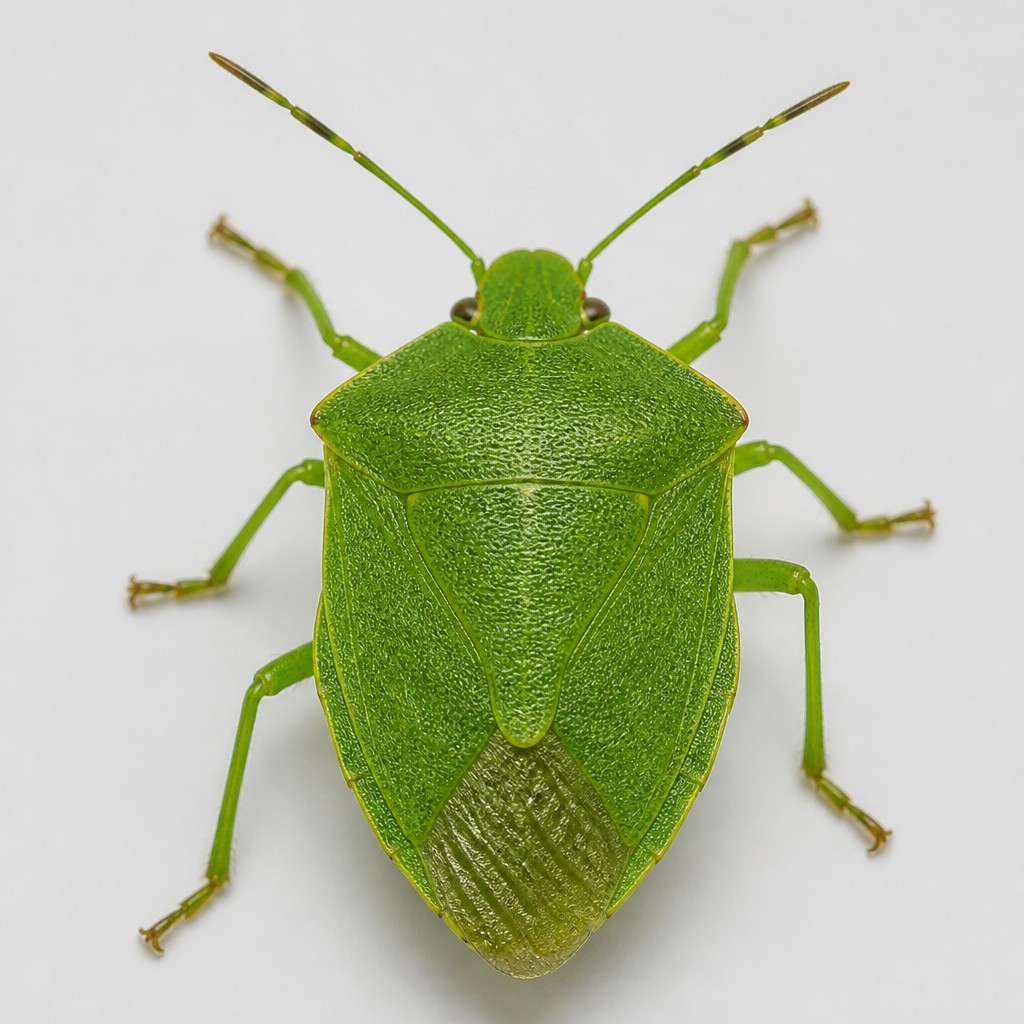
Green Stink Bug
A broad, shield-shaped bug in solid bright green with a shell-like appearance, easily disturbed off host plants and known for releasing a pungent odor when handled.
true-bug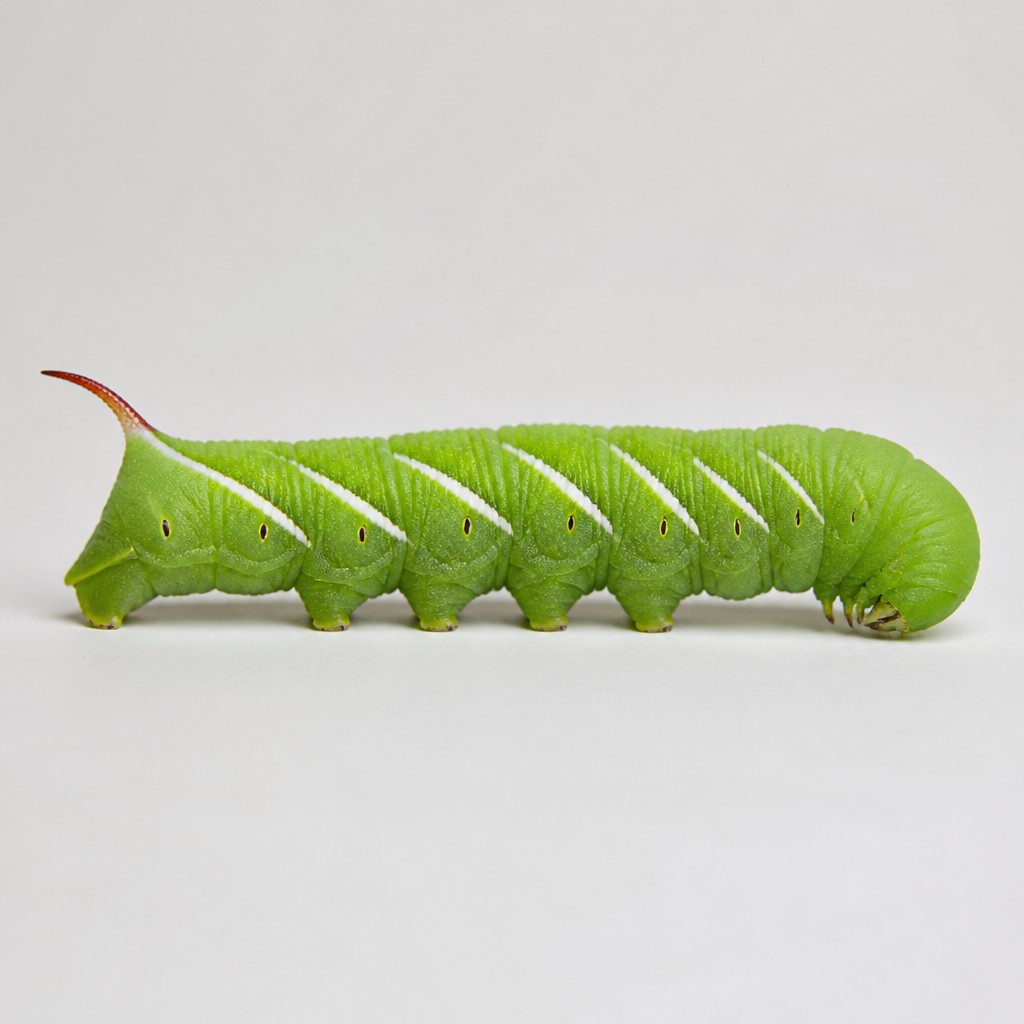
Tomato Hornworm
A large, thick green caterpillar with diagonal white stripes and a distinctive curved horn at its tail end, often found stripping leaves from tomato plants in gardens.
caterpillar-larva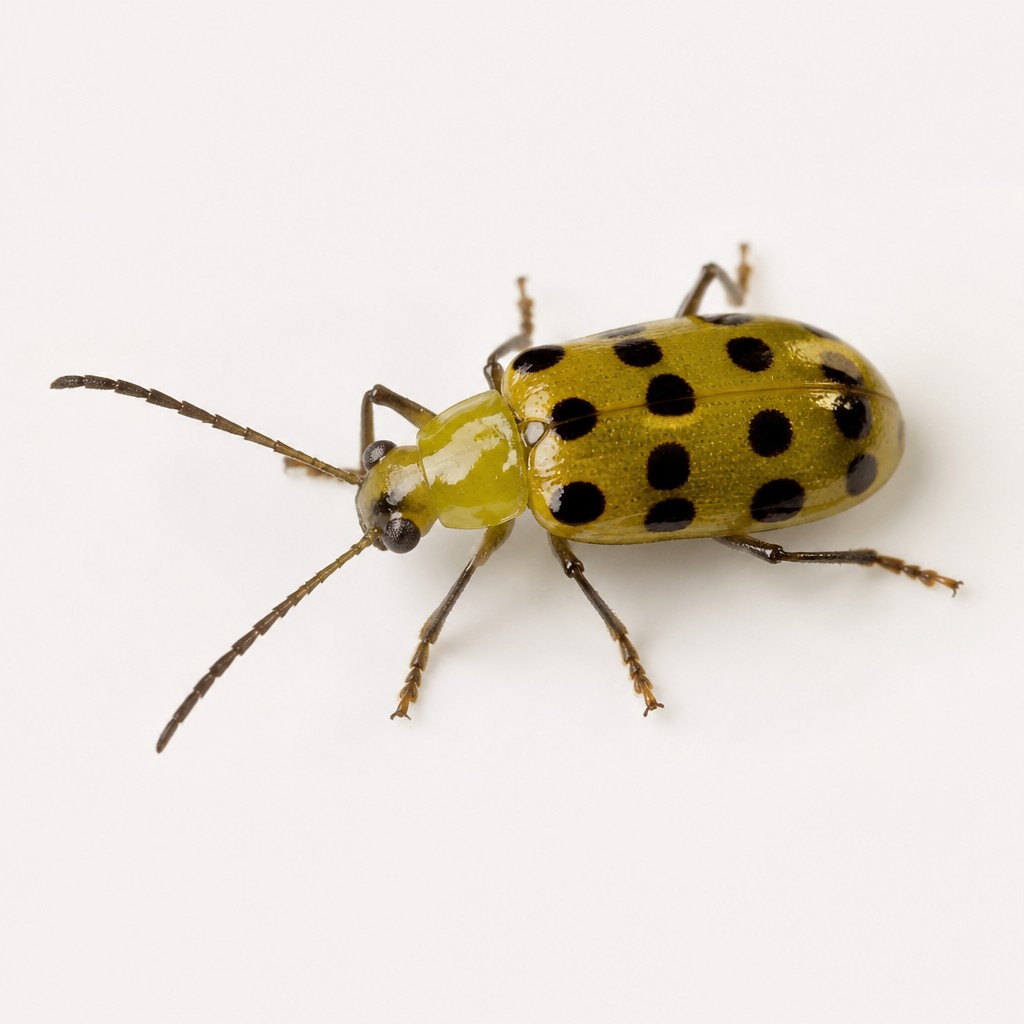
Spotted Cucumber Beetle
A small, elongated yellow-green beetle marked with twelve black spots across its wing covers, commonly seen on cucurbit and corn plants throughout the growing season.
beetle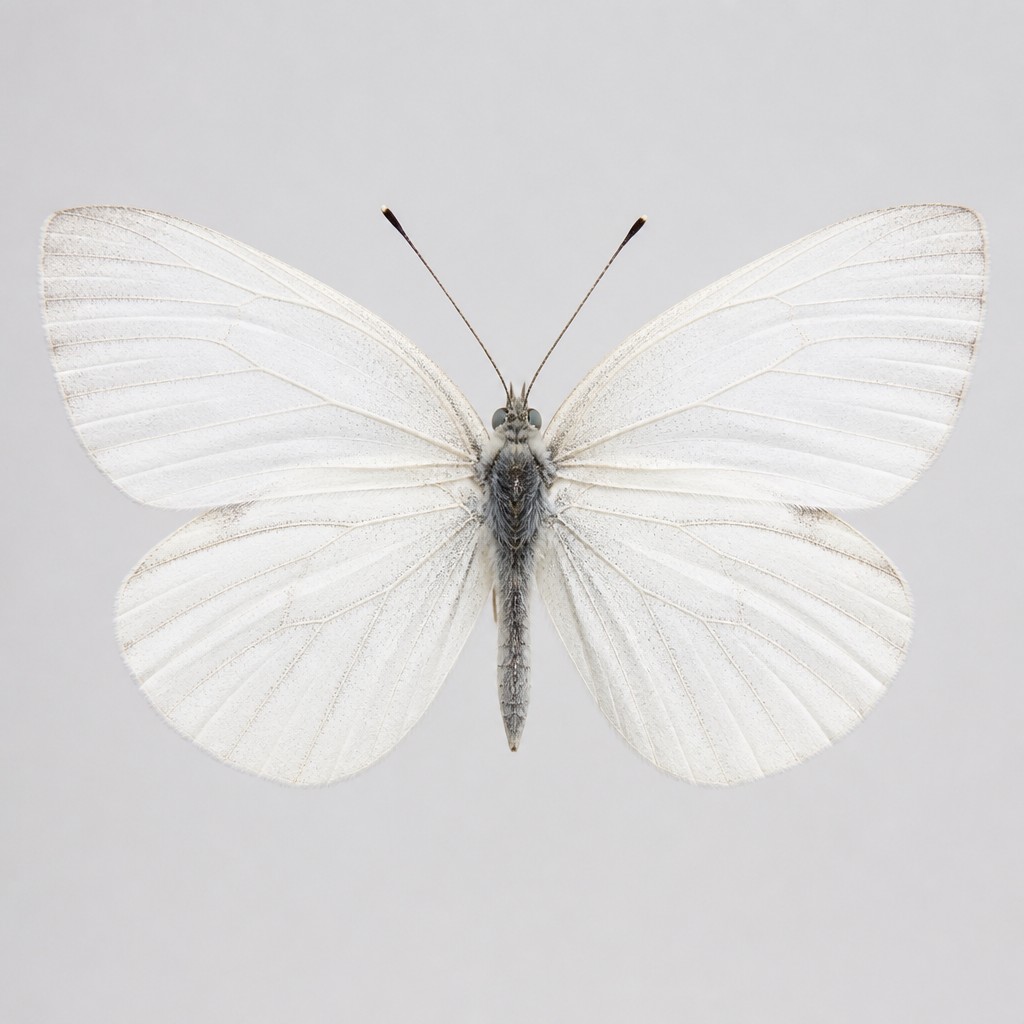
West Virginia White
A delicate, pure-white spring butterfly of eastern hardwood forests with faint gray veining on the underside, flying only for a few weeks each year before its short-lived toothwort host plants fade.
butterfly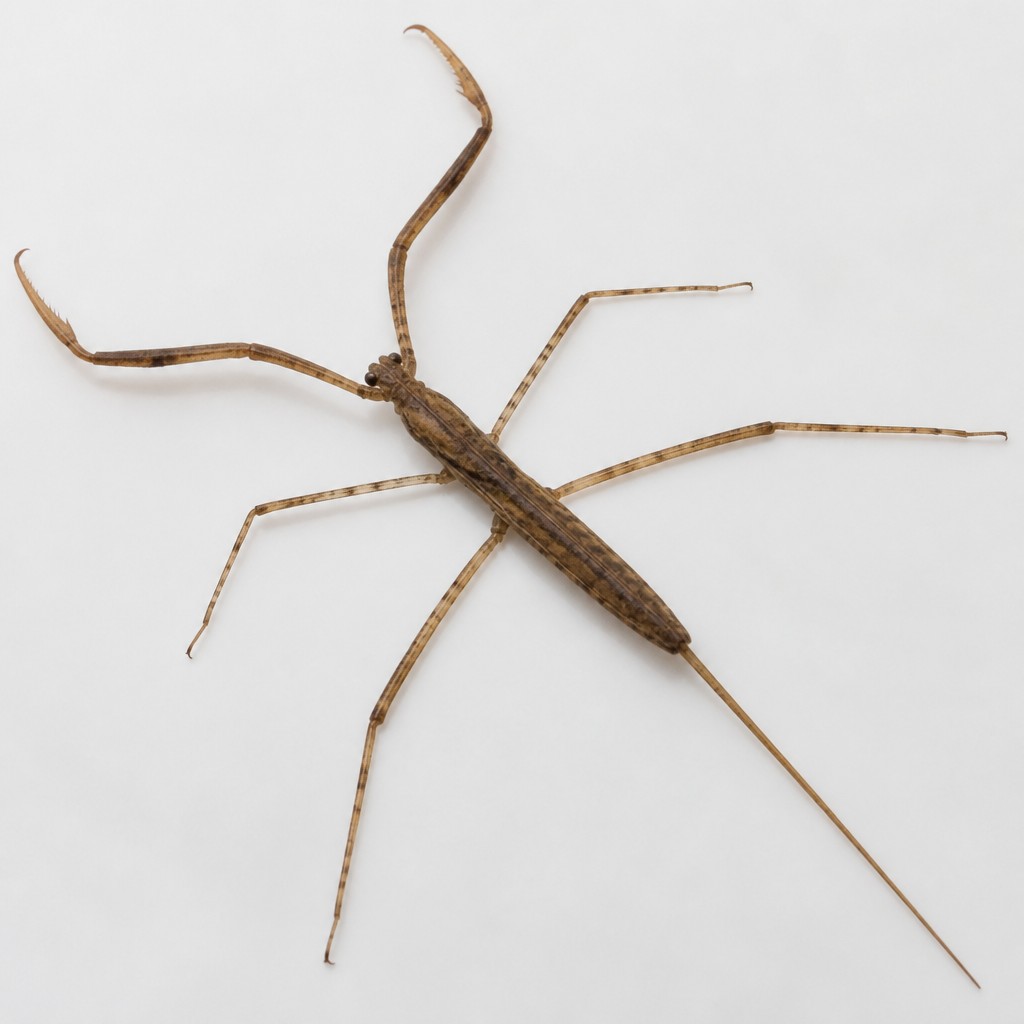
Water Scorpion
An elongated, twig-like aquatic true bug with grasping raptorial forelegs and a long, thin breathing tube at the tail end, resembling a slender scorpion as it lies in ambush among submerged plants.
aquatic-insect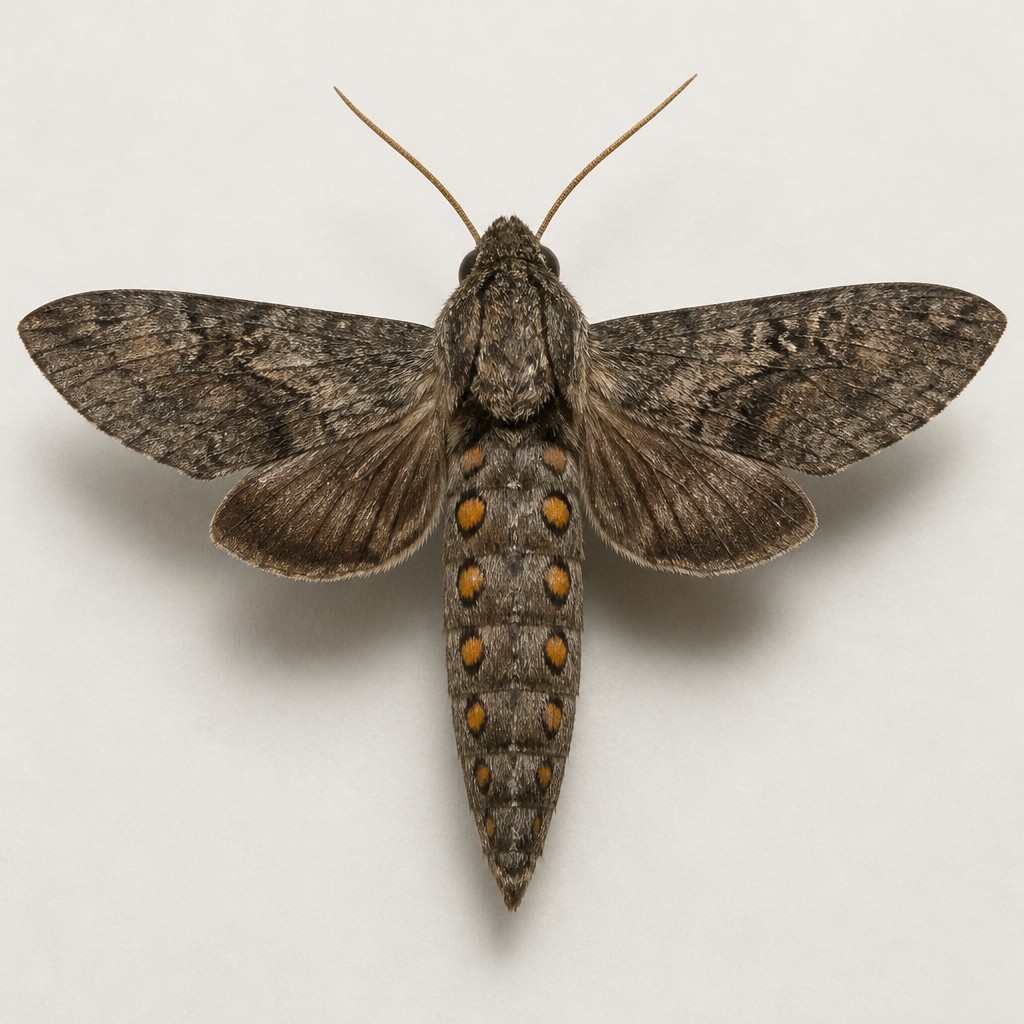
Tobacco Hornworm Moth (Carolina Sphinx)
A large, streamlined gray-brown sphinx moth with six pairs of orange spots along its abdomen, best known as the adult stage of the tobacco hornworm caterpillar that feeds on tomato and tobacco plants.
moth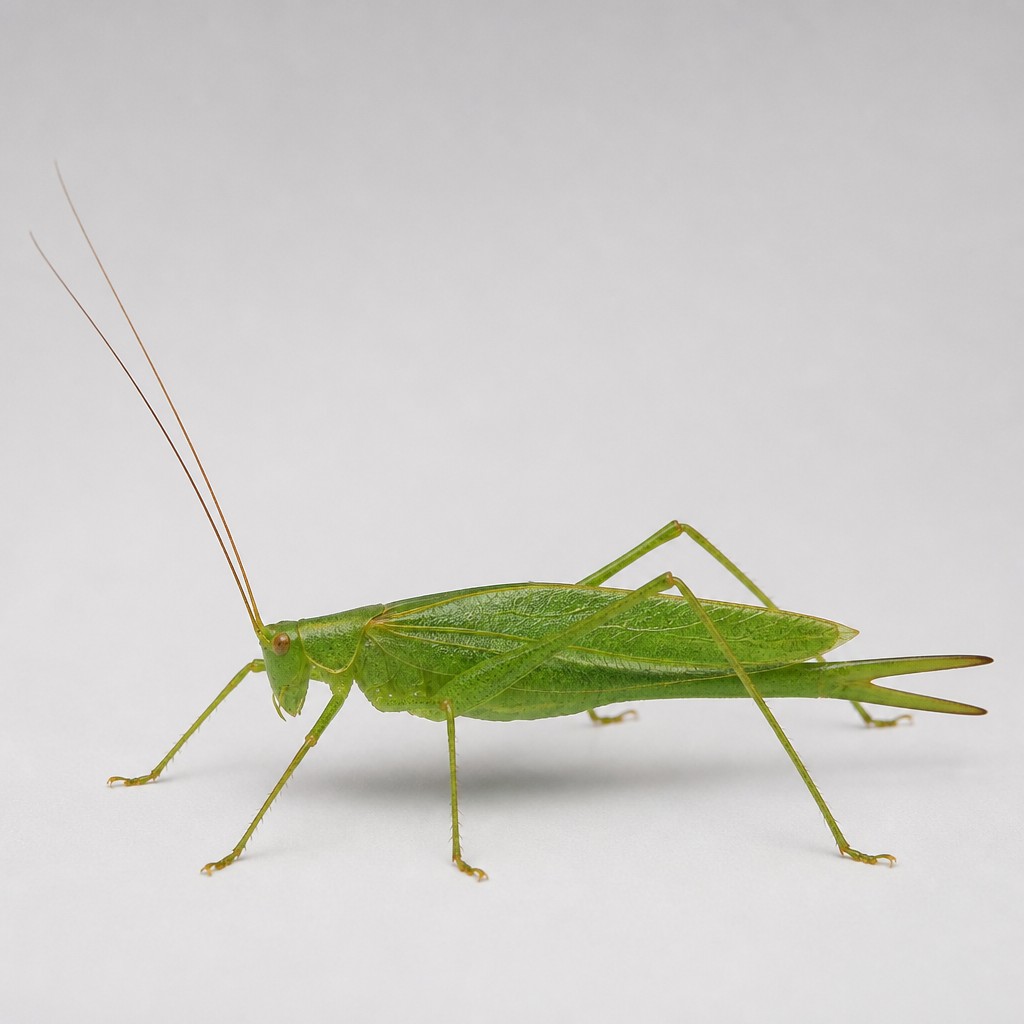
Fork-tailed Bush Katydid
Slimmer and greener than its treetop relatives, the fork-tailed bush katydid lives among shrubs and garden plants, with males identified by the distinctive forked appendages at the tip of the abdomen that give the species its name.
grasshopper-cricket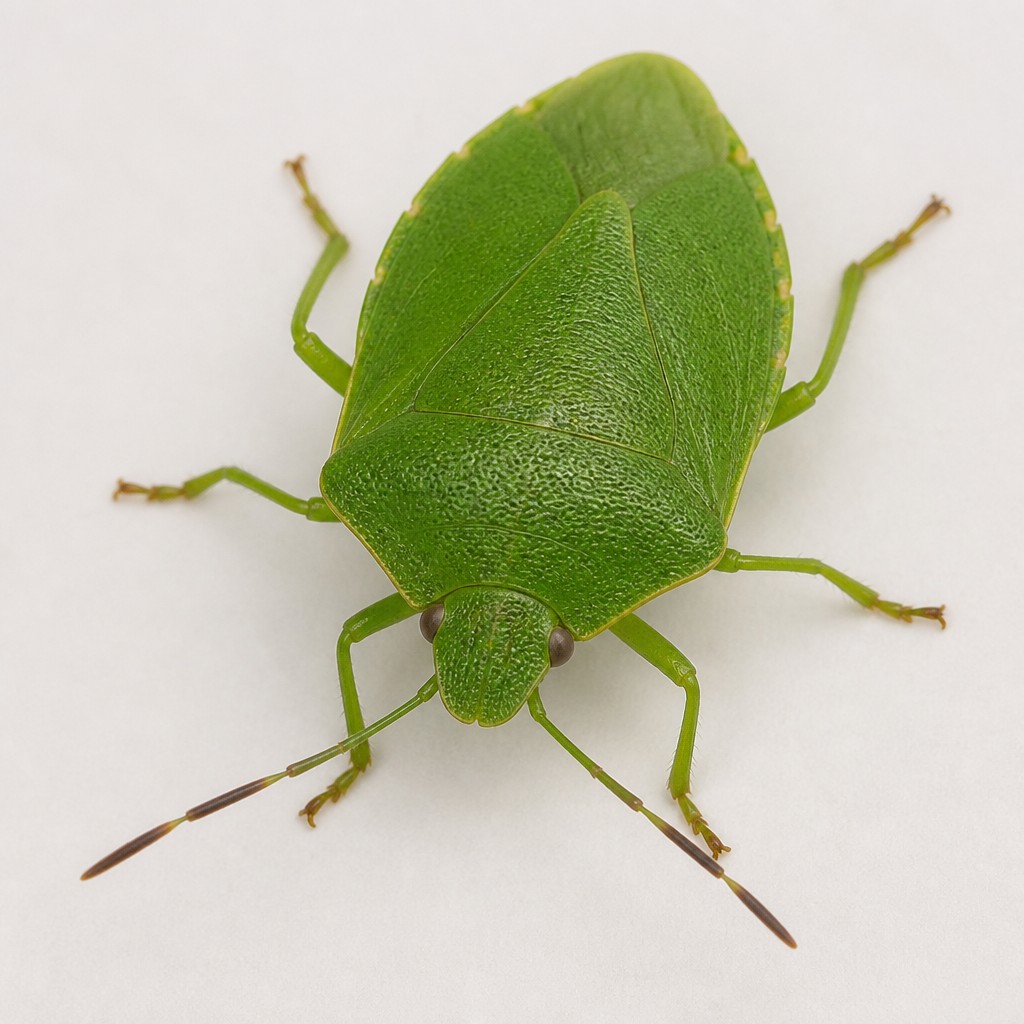
Southern Green Stink Bug
A large, shield-shaped, solid bright green true bug found on a wide variety of garden and crop plants across warm regions worldwide, recognizable by its broad body and, in some individuals, a row of small pale dots along the shoulders.
true-bug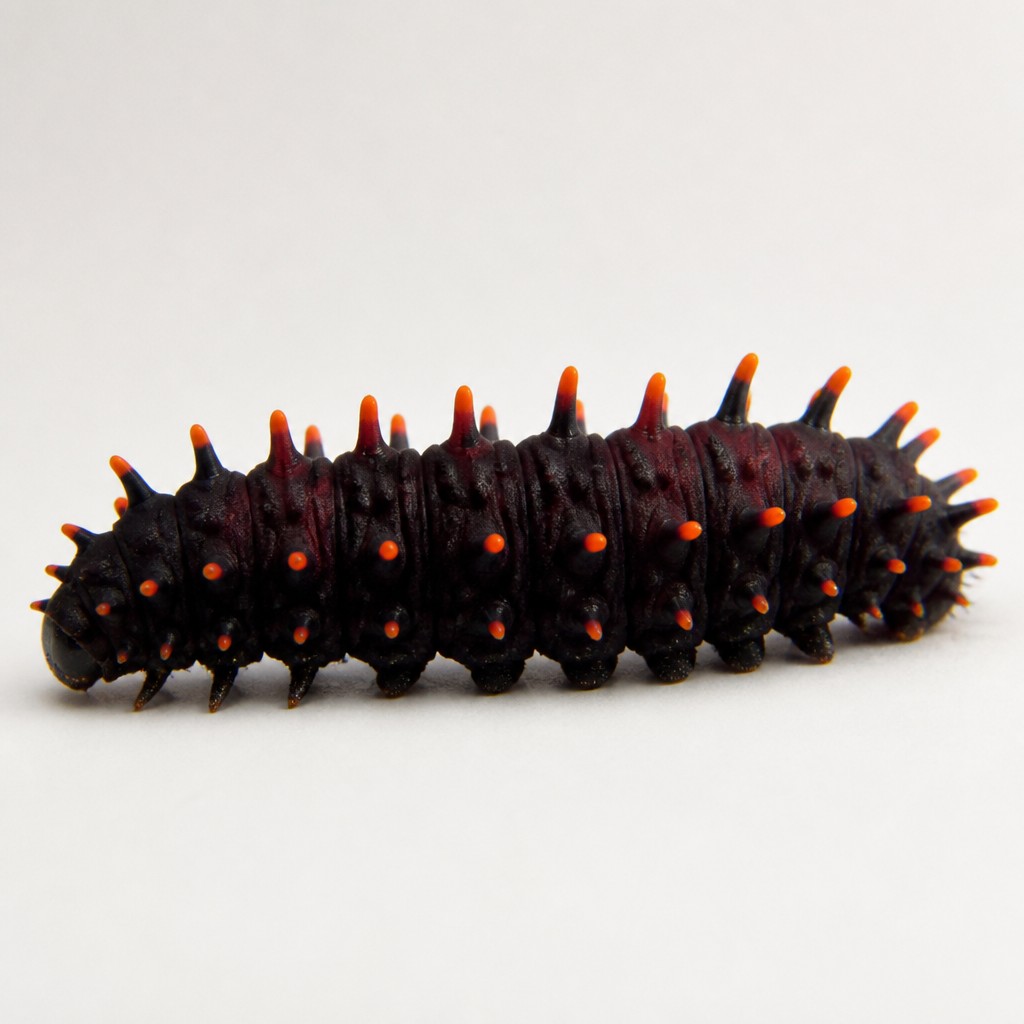
Pipevine Swallowtail Caterpillar
A dark, velvety caterpillar studded with fleshy orange-tipped tubercles that feeds exclusively on pipevine, storing its host plant's chemistry for later defense as a butterfly.
caterpillar-larva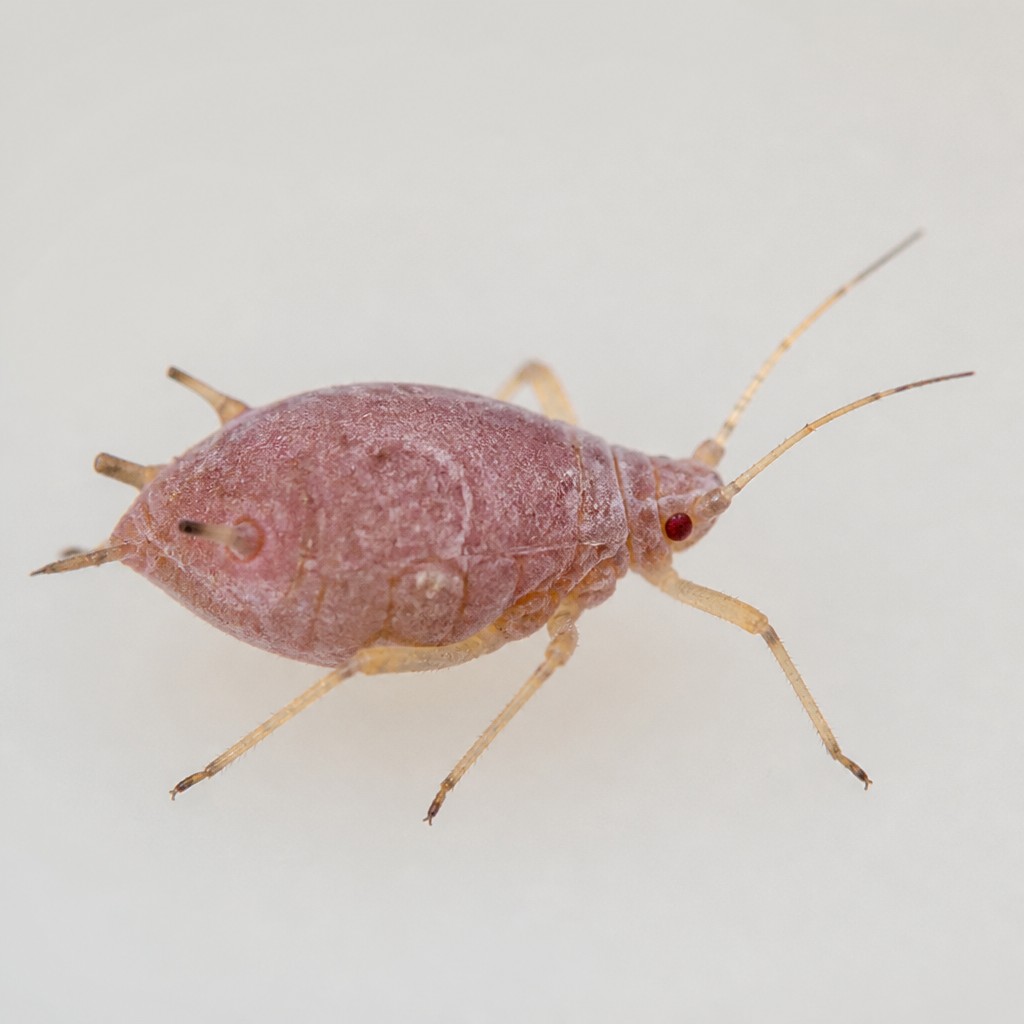
Rosy Apple Aphid
A small, dusty pink to purplish-gray aphid that clusters on apple foliage in spring, causing distinctive curled, reddened leaves that make its presence easy to spot even before the insects themselves are seen.
true-bug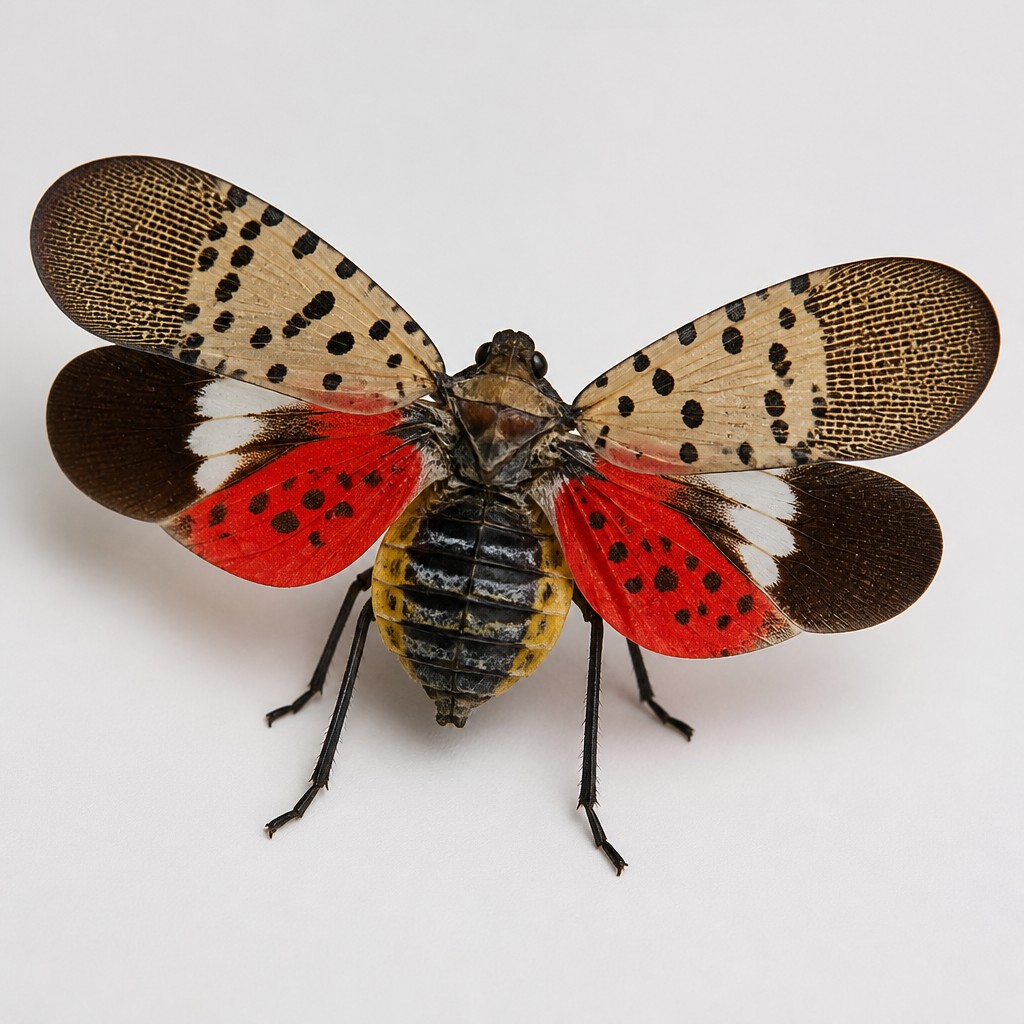
Spotted Lanternfly
A large, strikingly patterned planthopper with gray spotted forewings that flash to reveal crimson hindwings when it leaps or takes flight.
true-bug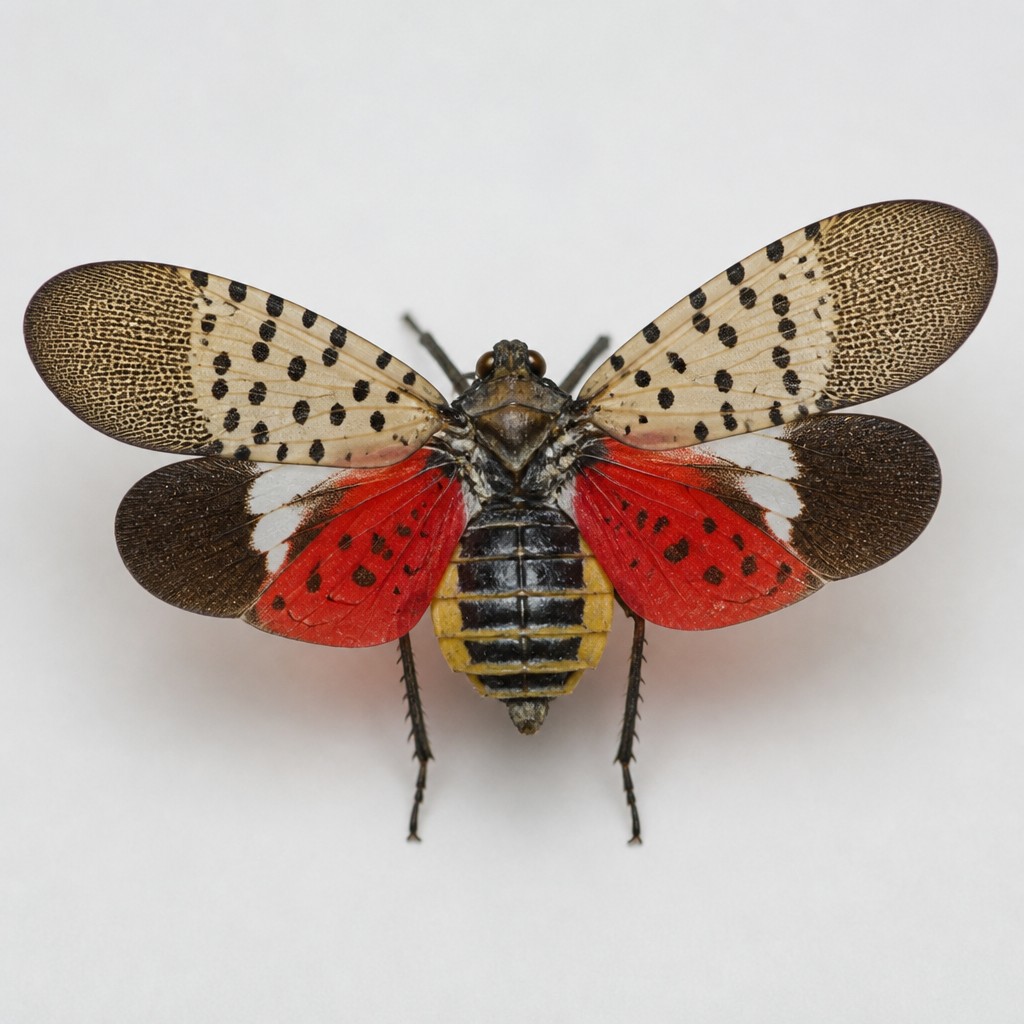
Lanternfly (Spotted Lanternfly)
A strikingly patterned planthopper with grey, spotted forewings that flash to reveal crimson hindwings when it leaps, now notorious as an invasive agricultural pest far from its native range.
true-bug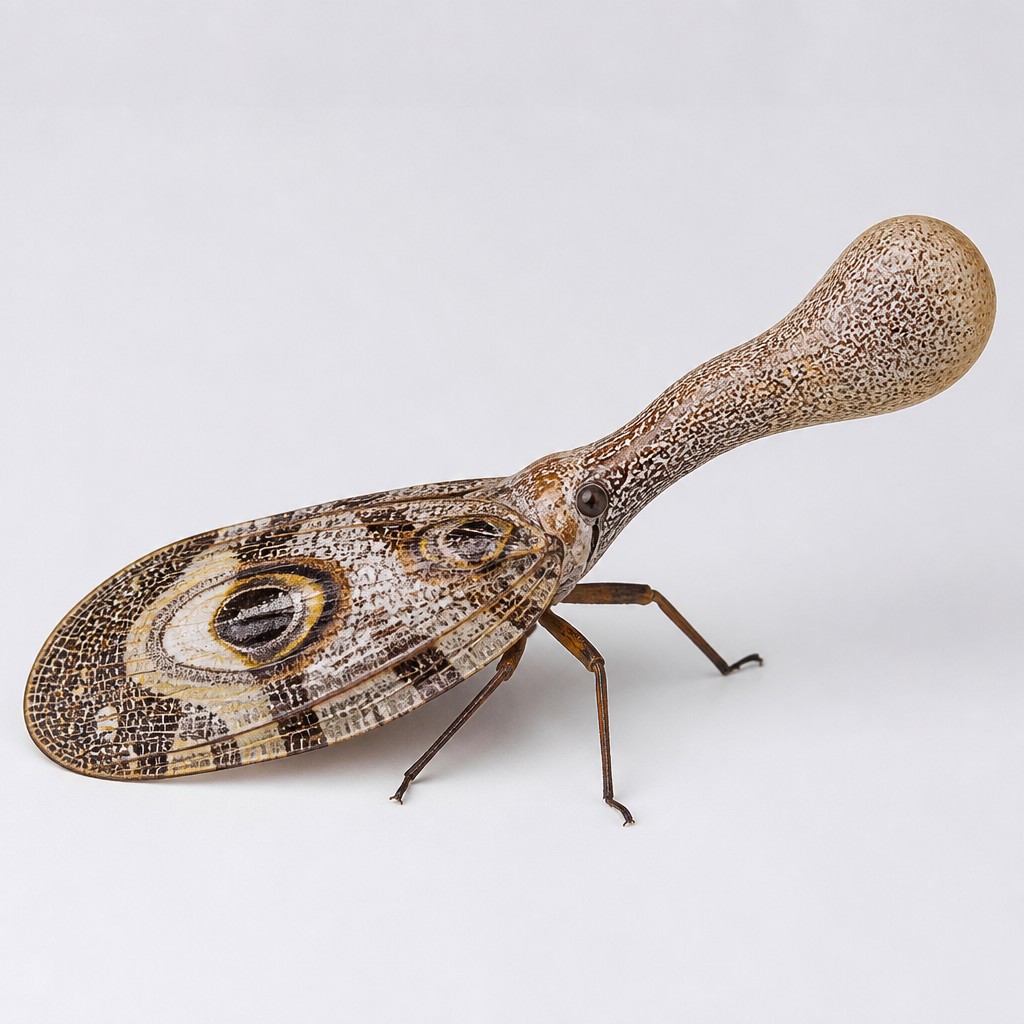
Lantern Bug (Peanut-head Bug)
A bizarre rainforest planthopper whose head is drawn out into a huge, hollow, peanut-shaped snout, and whose hindwings flash a pair of large eyespots resembling the face of a small reptile.
true-bug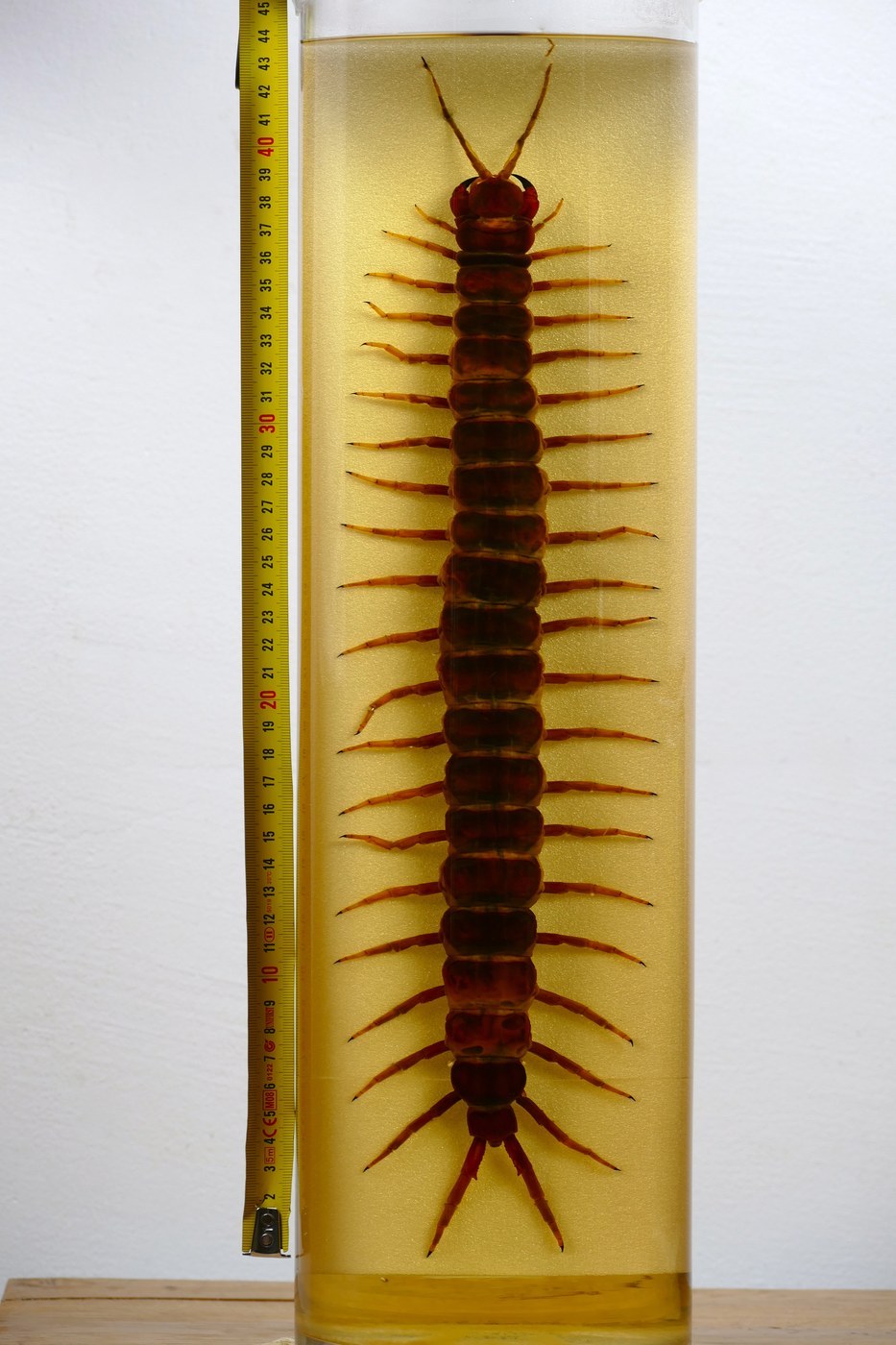
Amazonian Giant Centipede
The largest centipede on the planet, a formidable dark reddish-brown predator from South American rainforests capable of capturing prey as large as bats and small reptiles.
myriapod