
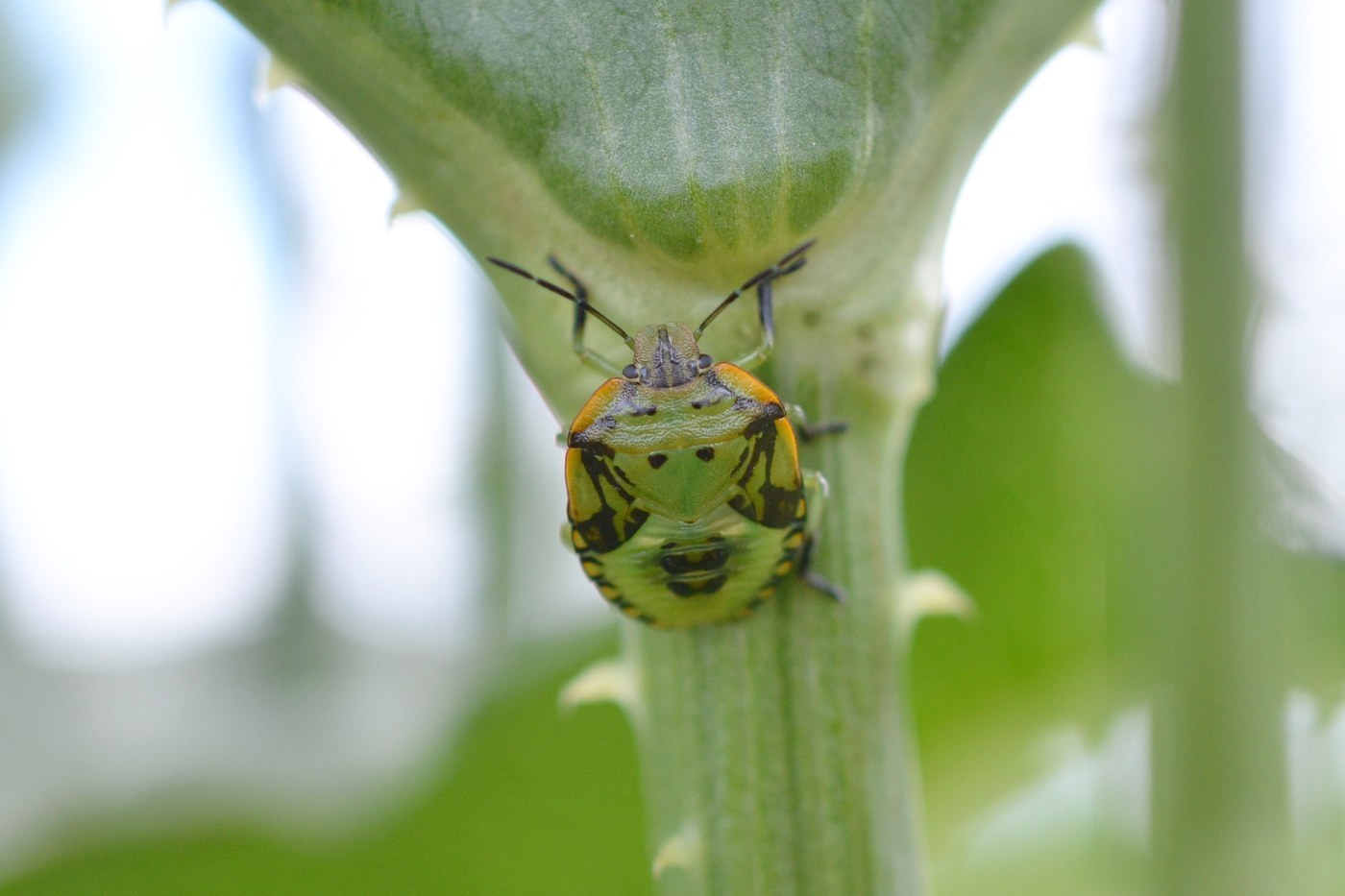
Green Stink Bug
Chinavia hilaris
A broad, shield-shaped bug in solid bright green with a shell-like appearance, easily disturbed off host plants and known for releasing a pungent odor when handled.
- Size
- 14–19 mm
- Habitat
- Gardens, agricultural fields, orchards, on host plant foliage
- Danger
- Nuisance pest
Spotted a bug like this?
Identify any bug or insect from a photo, free.
Overview
The Green Stink Bug is a common true bug in the family Pentatomidae, the stink bugs, named for the shield-like shape of its body and its ability to release a pungent defensive odor from glands on the thorax. It is one of the most frequently encountered stink bug species in gardens and agricultural settings across North America.
As a member of the order Hemiptera, it feeds by piercing plant tissue with a needle-like mouthpart and withdrawing sap, a feeding style shared by all true bugs. It is considered agriculturally notable because of its habit of feeding on developing fruits, seeds, and pods of many cultivated and wild plants.
The species is part of a broader stink bug guild that plays a role in plant sap cycling and is, in turn, preyed upon by birds, predatory insects, and parasitic wasps, forming part of the food web in gardens and farmland.
How to Identify
- Broad, shield-shaped body, wider at the shoulders and tapering toward the rear.
- Solid bright to dull green coloration across the entire body, sometimes with a narrow pale border along the edges.
- Piercing-sucking mouthparts folded beneath the body when not feeding.
- Wings held flat over the back, with a triangular scutellum (shield plate) visible at the base.
- Lookalikes: closely resembles the Southern Green Stink Bug and other green pentatomids; subtle differences in the edge markings and shoulder shape help distinguish species.
Habitat & Range
Found throughout much of North America, the Green Stink Bug is common in gardens, orchards, row crops, and along field edges wherever host plants such as beans, tomatoes, and various fruit trees grow. Adults and nymphs are active from late spring through fall, seeking shelter under leaf litter or bark as temperatures drop.
Behavior & Diet
Both nymphs and adults feed by piercing plant tissue, particularly developing fruit, seed pods, and stems, to withdraw plant fluids. When disturbed, they release a strong-smelling defensive compound from thoracic glands, a behavior shared across the stink bug family. They are relatively slow-moving and often first noticed clustering on fruiting plants or window screens as they seek shelter in cooler months.
Life Cycle
Green Stink Bugs undergo incomplete metamorphosis. Eggs are laid in tight, barrel-shaped clusters on the underside of leaves, hatching into nymphs that resemble small, rounder, often patterned versions of the adult. Nymphs pass through five instars, gradually developing wing pads and adult coloration, before molting into full winged adults. Depending on climate, the species can produce one to two generations per year, with adults overwintering in sheltered leaf litter or structures.
Frequently asked questions
Why does it smell bad when I touch it?
It releases a pungent chemical from glands on its thorax as a defensive response when handled or disturbed.
Is the Green Stink Bug the same as a shield bug?
Yes, stink bugs are often called shield bugs due to their shield-shaped outline, and the terms are used interchangeably in many regions.
What does it feed on?
It uses piercing-sucking mouthparts to feed on plant sap, favoring developing fruit, seeds, and pods.
How can I tell a nymph from the adult?
Nymphs are rounder, wingless, and often show a mottled pattern of colors before developing the solid green coloring and full wings of the adult.
Green Stink Bug guides
In-depth guides for identifying, understanding, and living alongside Green Stink Bug.
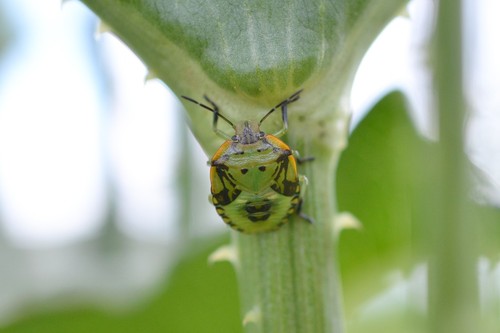
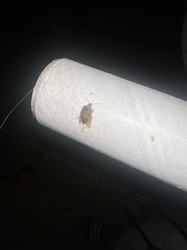
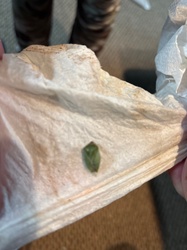
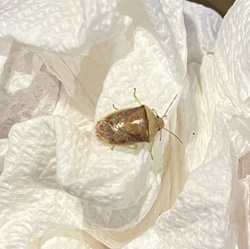
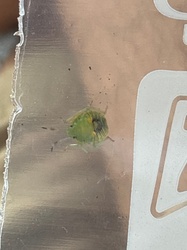
Green Stink Bug identified by the community
Real finds identified with Bug Identifier.
Other bugs you may enjoy
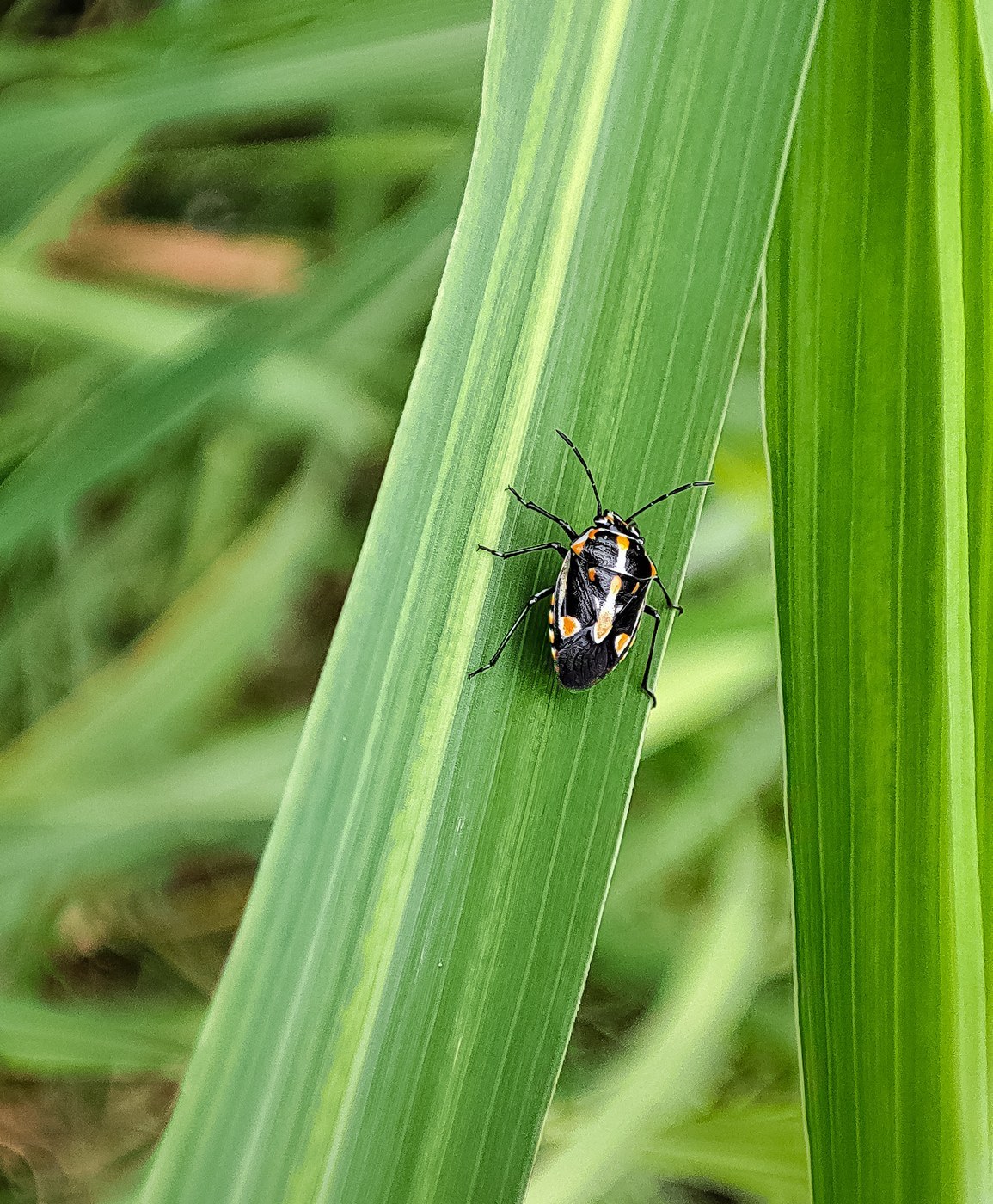
Bagrada Bug
Arid gardens, crucifer fields, desert-adjacent croplands
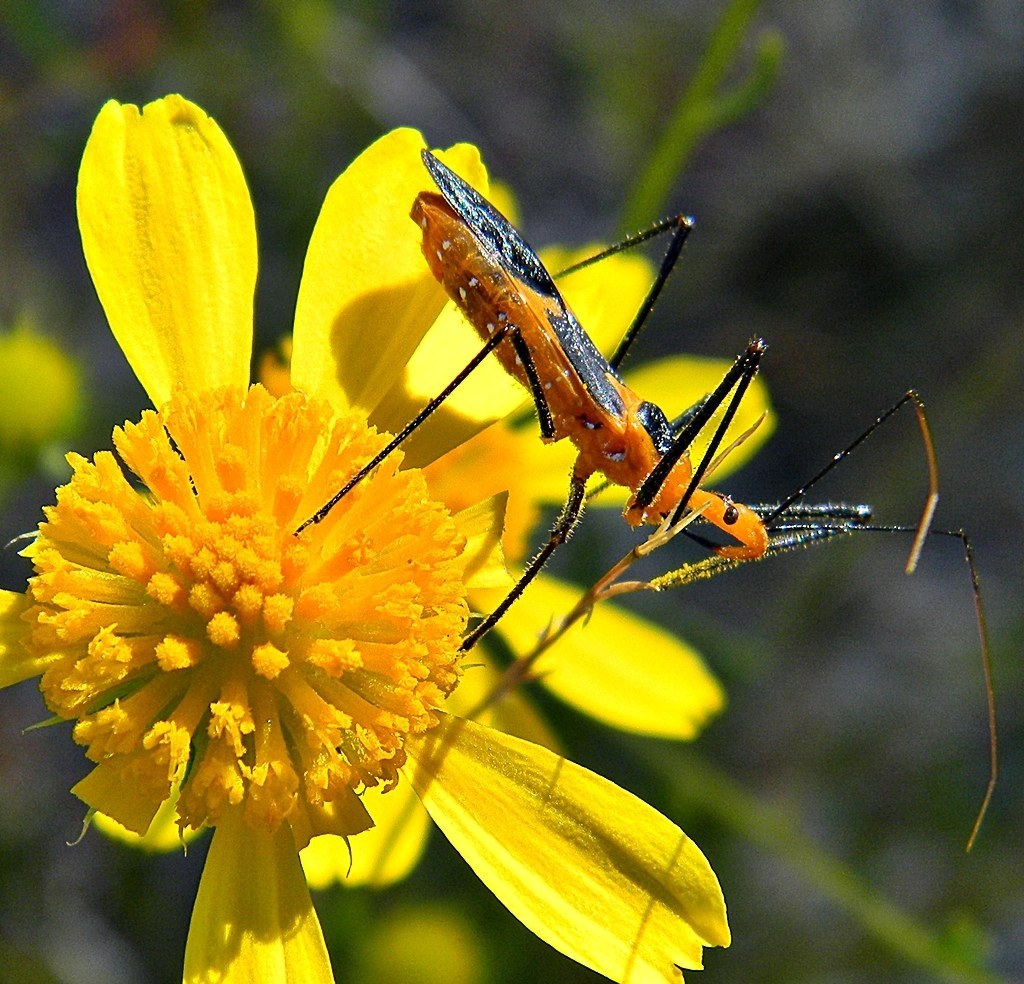
Assassin Bug
Gardens, meadows, and vegetation worldwide
Water Boatman Bug
Ponds, lakes, and slow-moving freshwater
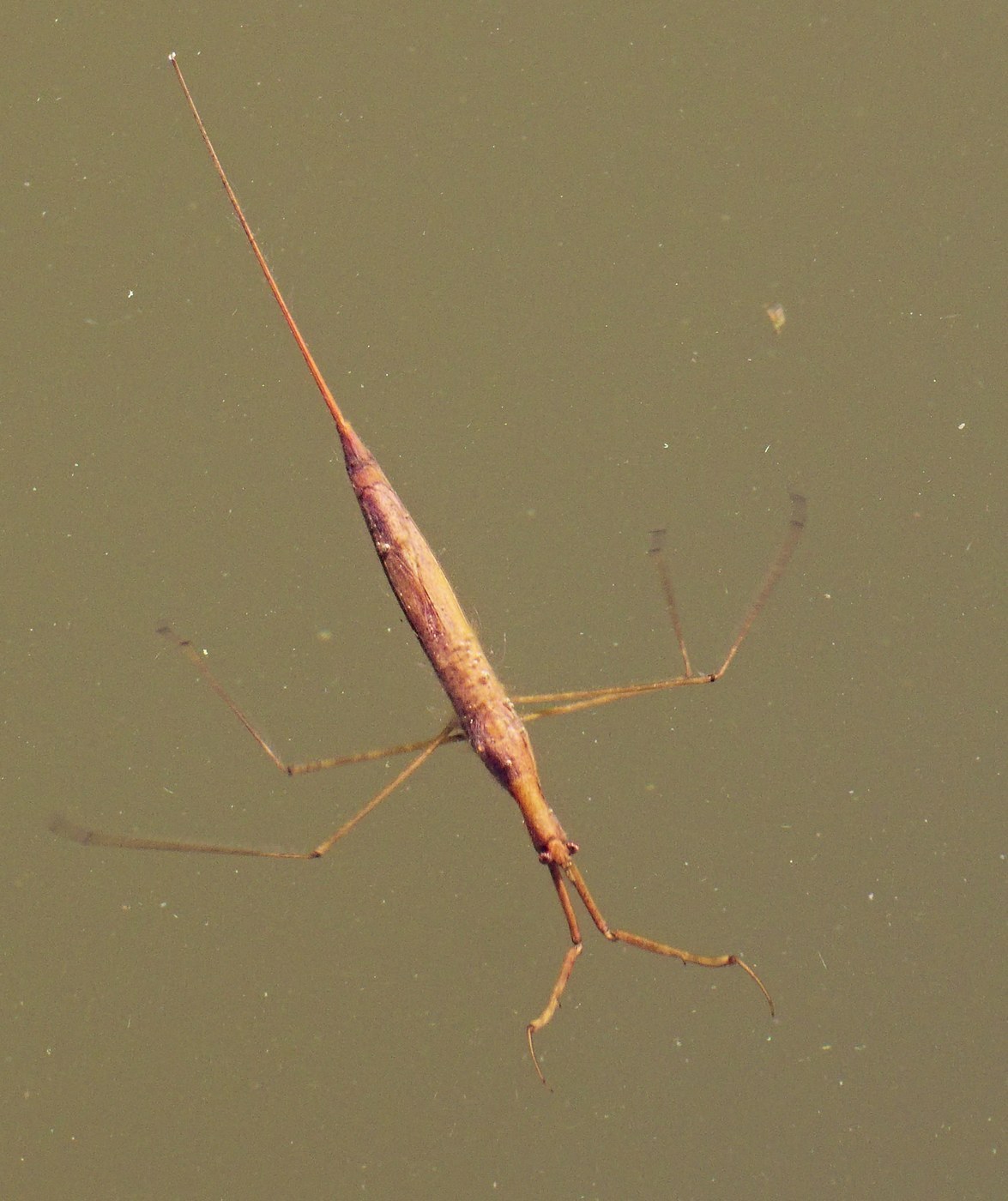
Water Stick Insect
Still and slow-moving water with dense submerged vegetation
Rough Stink Bug
Tree bark, woodlands, orchards, and shrubby vegetation
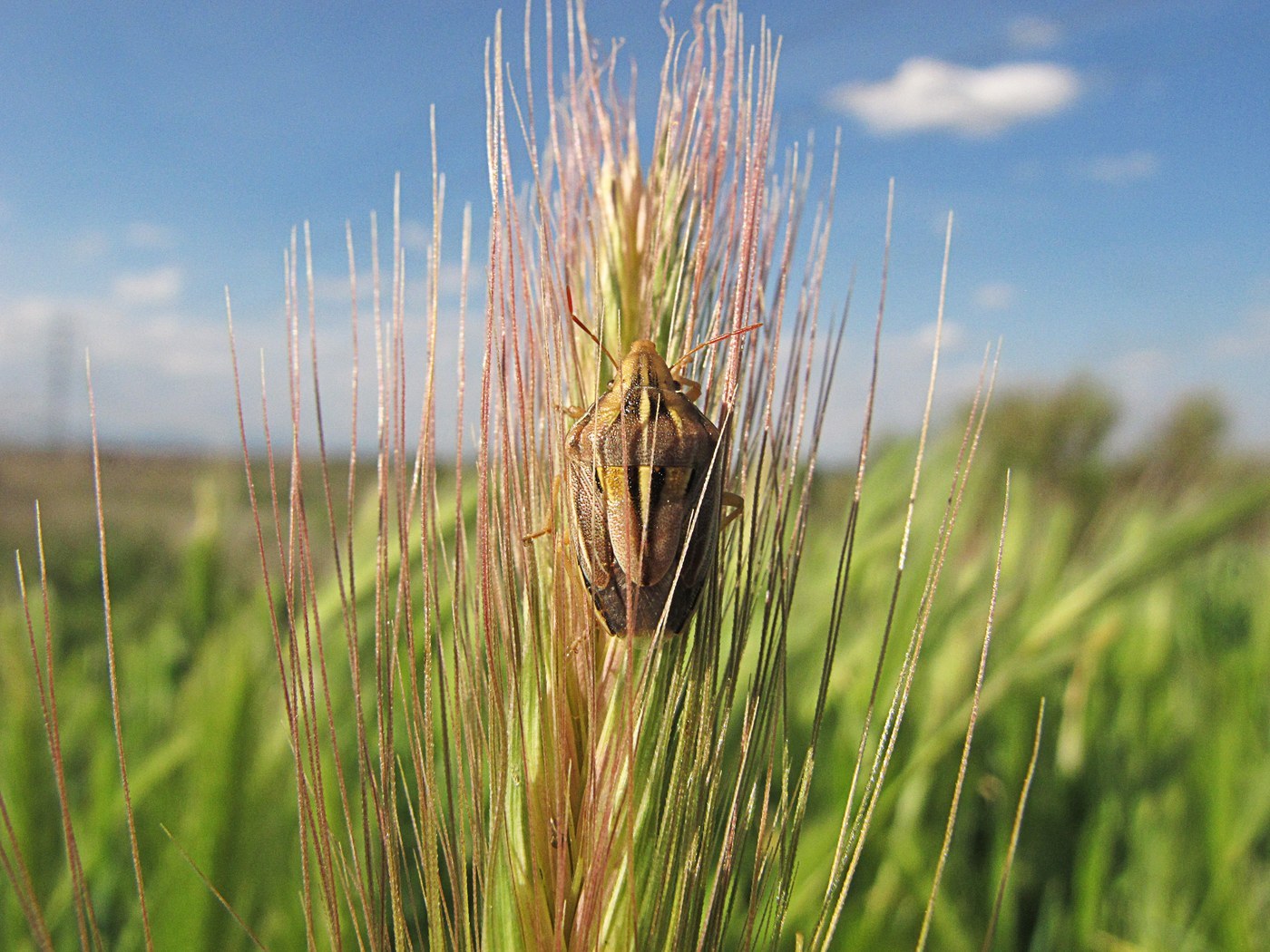
Stink Bug
Gardens, crop fields, and woodlands across temperate and subtropical regions
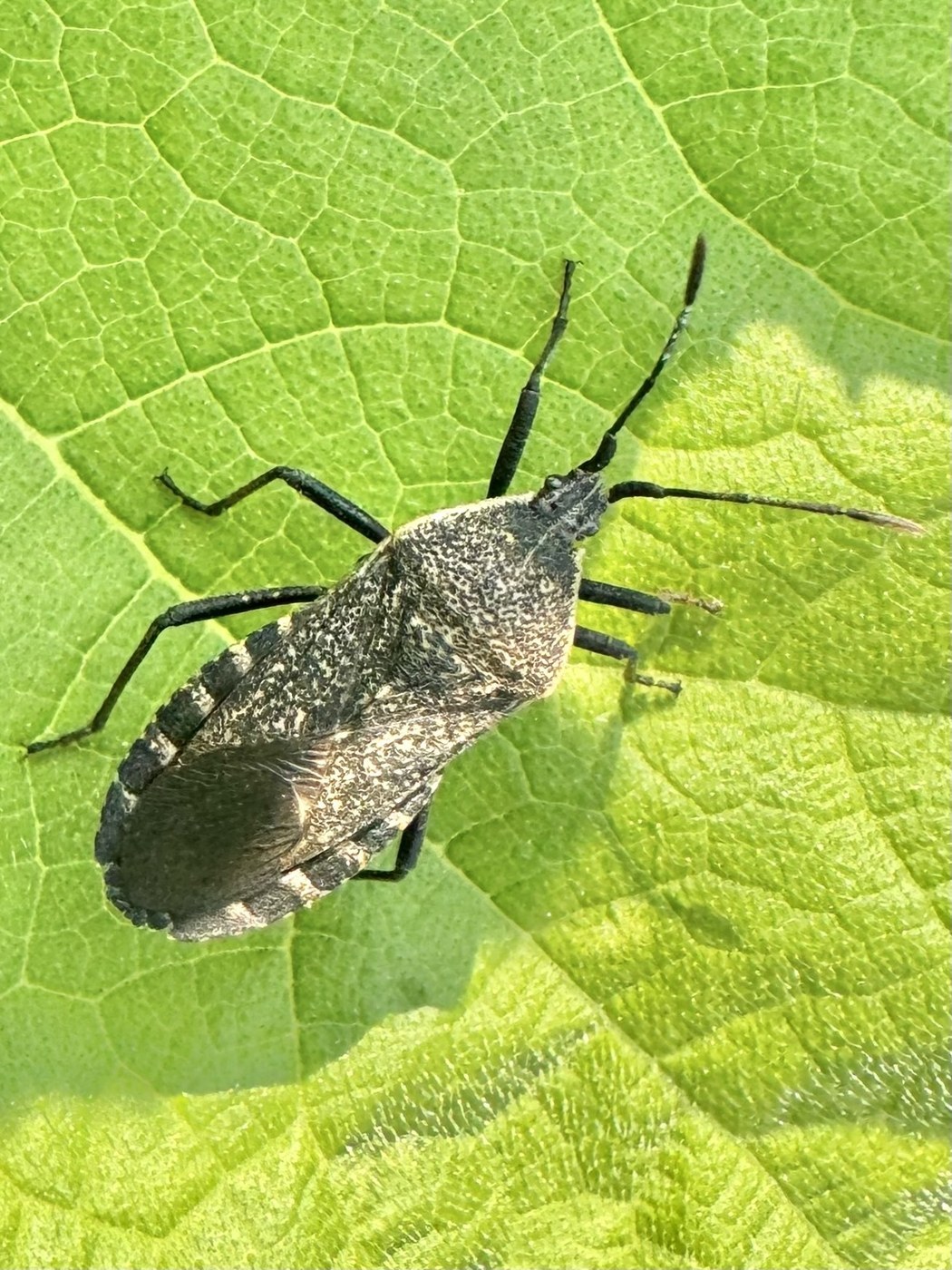
Squash Bug
Vegetable gardens and farm fields growing squash, pumpkin, and other cucurbits
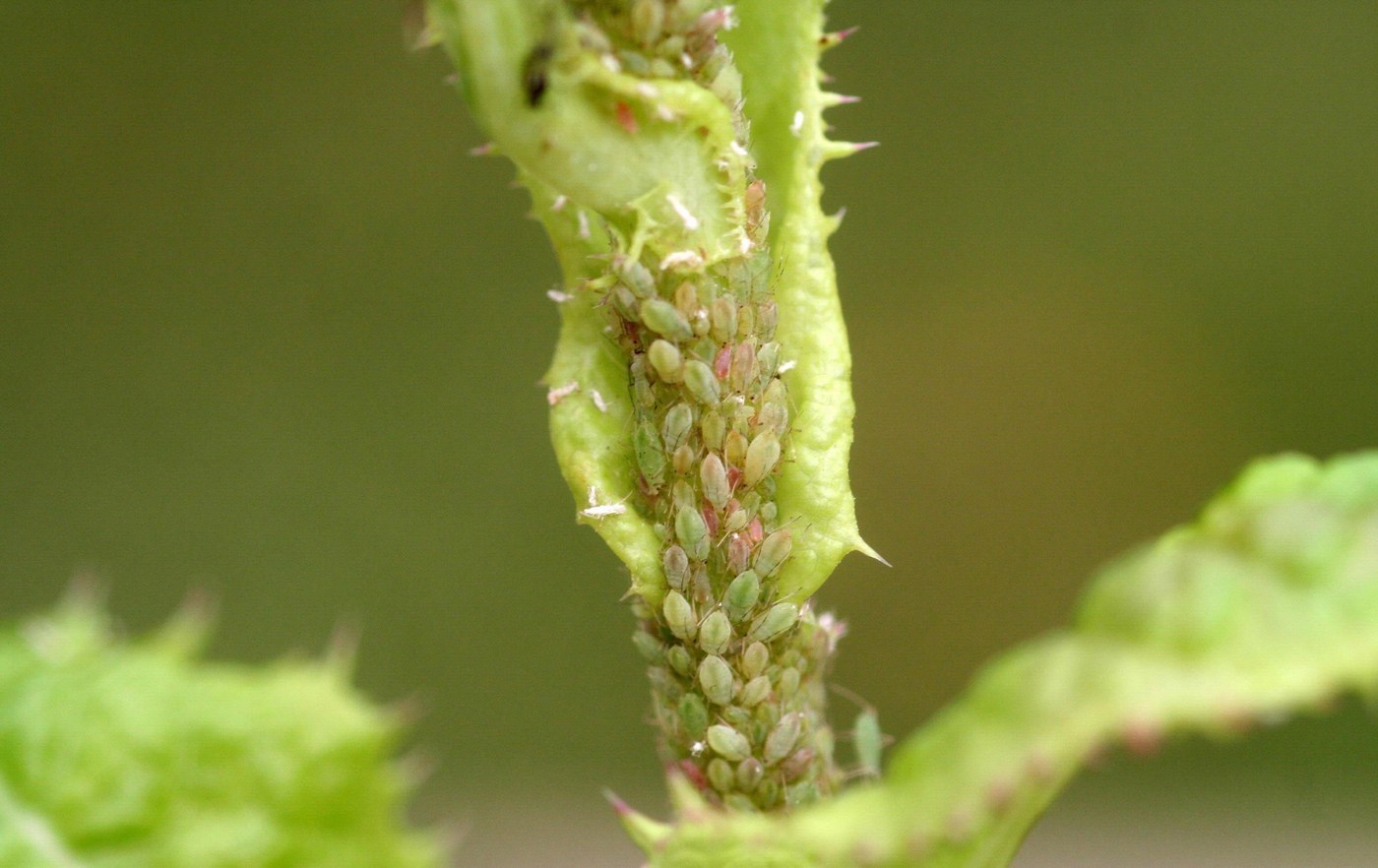
Aphid
On stems, leaves, and buds of a very wide range of host plants
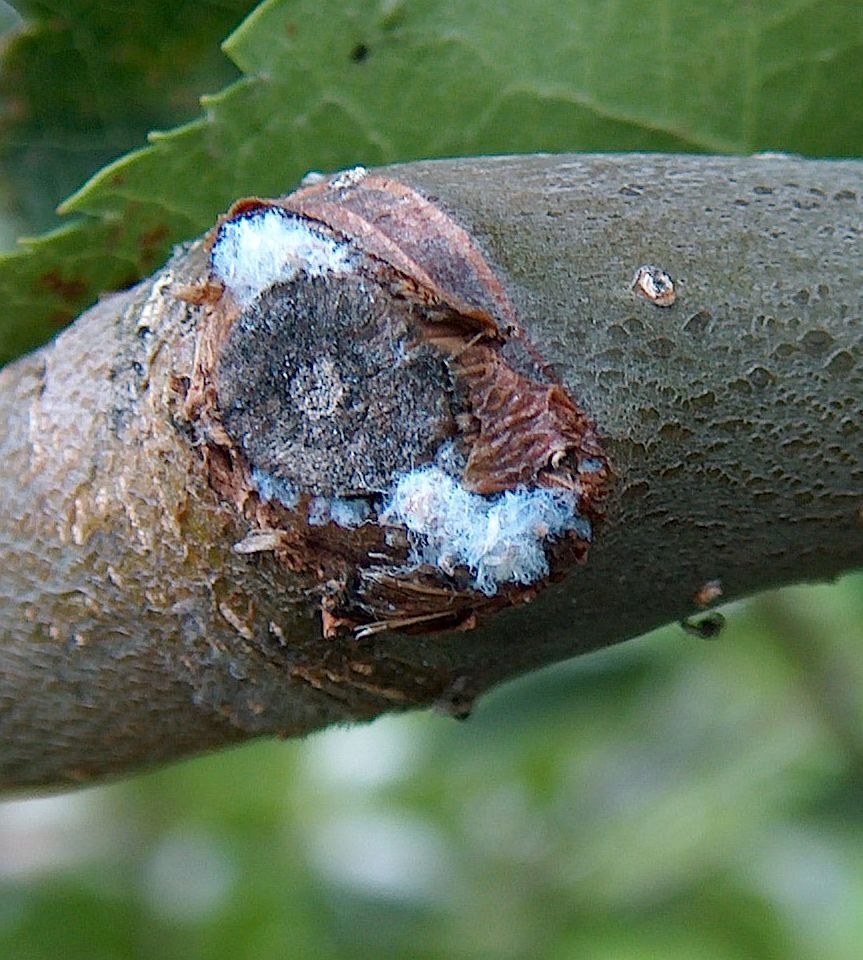
Woolly Aphid
Bark crevices, root collars, and twigs of apple, elm, and alder trees
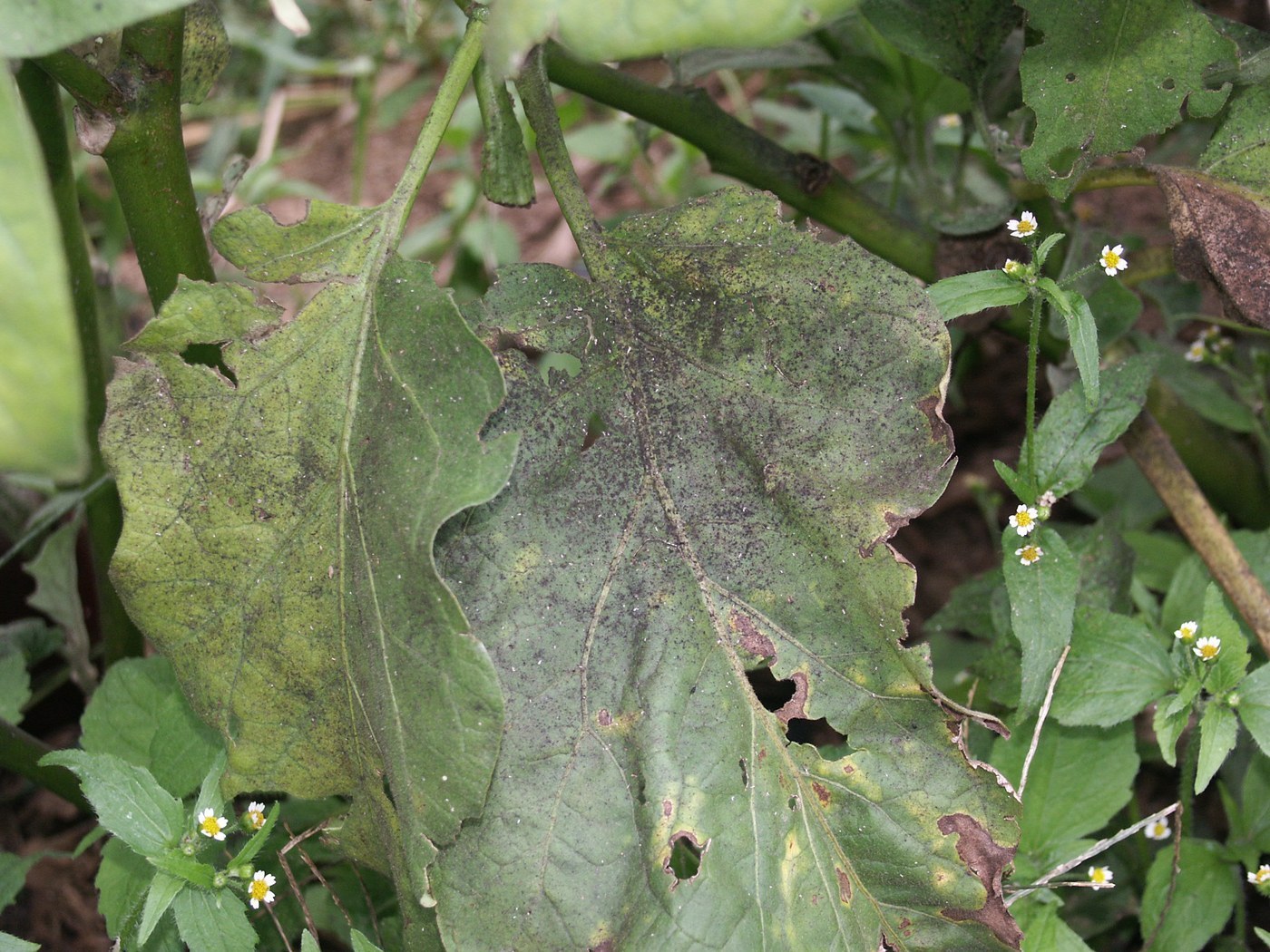
Whitefly
Greenhouses, gardens, and undersides of leaves on host plants
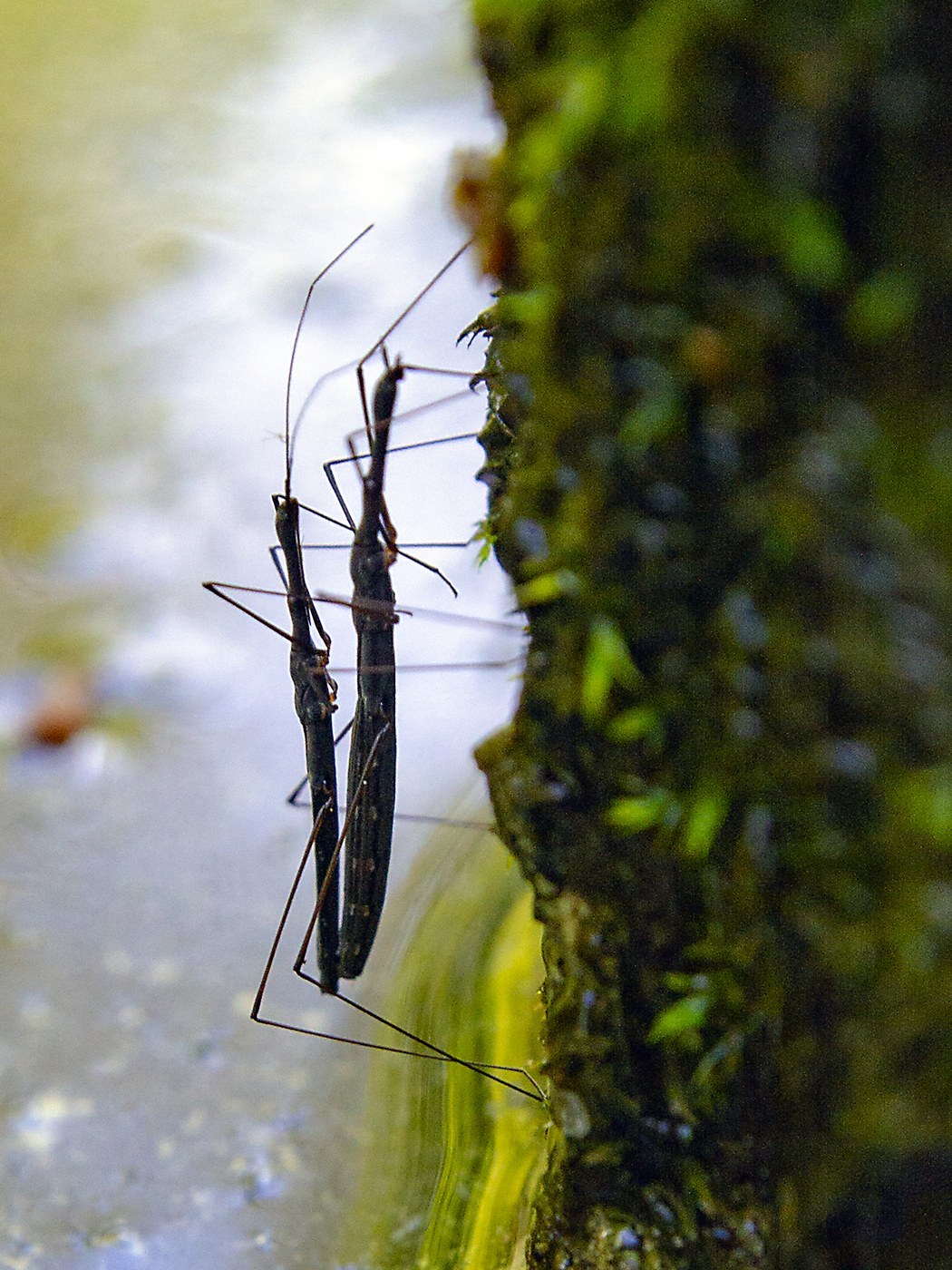
Water Measurer
Quiet edges of ponds, marshes, and slow streams
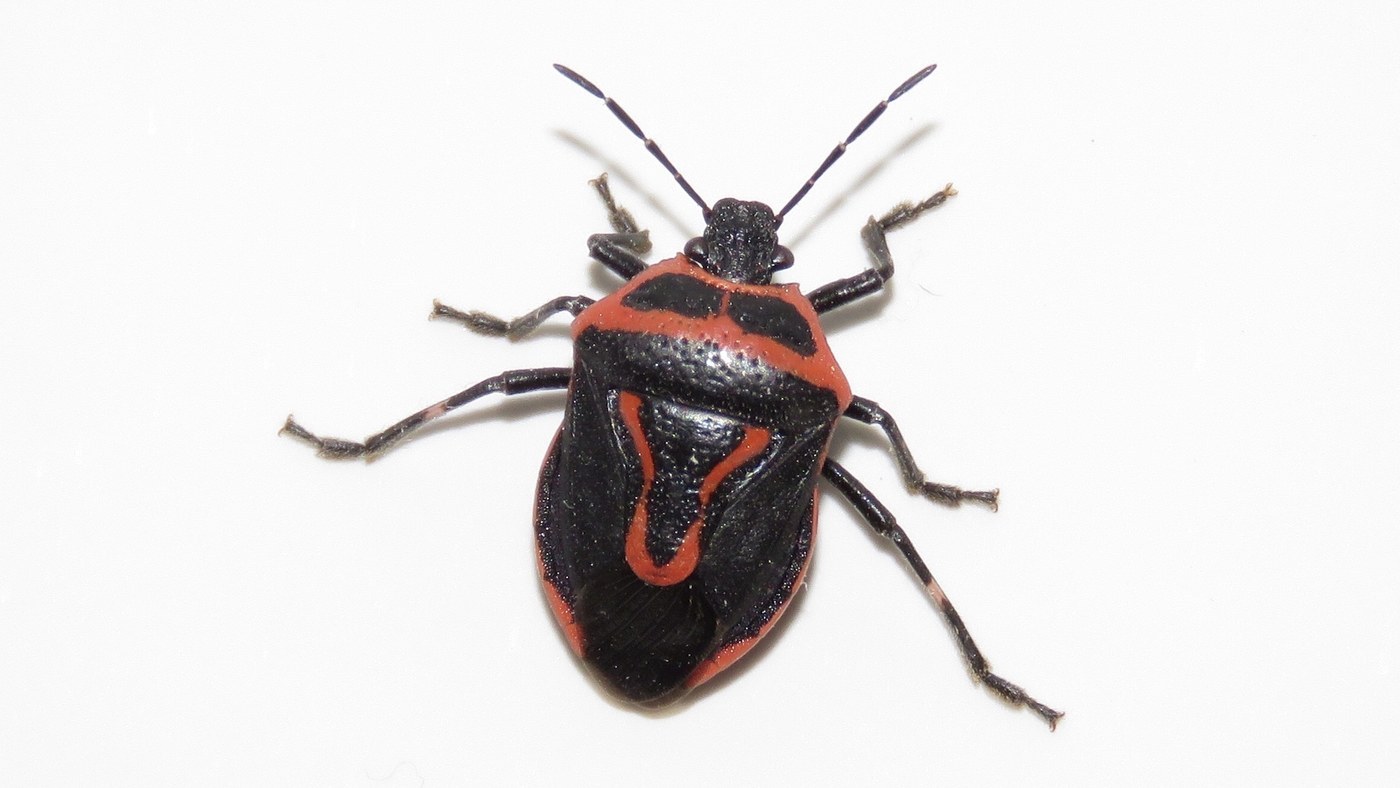
Two-Spotted Stink Bug
Gardens and fields with potato and nightshade-family plants