
Bug Encyclopedia
Search and identify bugs & insects — beetles, butterflies, moths, ants, bees, spiders and more — with size, habitat, danger, behavior, and how to tell them apart.
Sawfly
A wasp relative that never stings, best known for its caterpillar-like larvae that strip leaves from roses, pines, and other garden plants in tidy rows.
wasp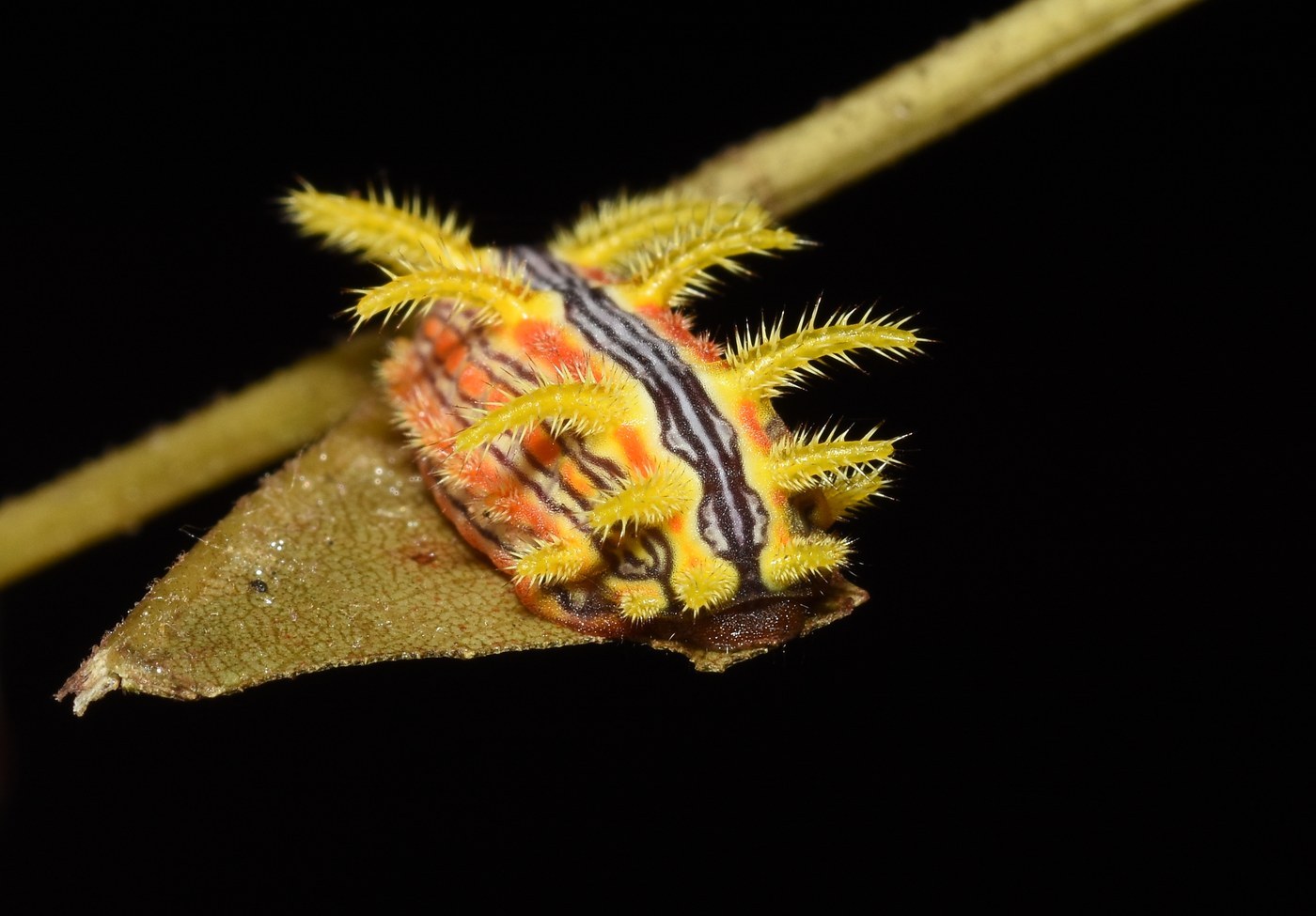
Stinging Rose Caterpillar
A boldly striped slug caterpillar in candy-like tones of yellow, orange, and purple, crowned with tufted spine clusters that can sting on contact.
caterpillar-larvaGall Midge
A delicate, mosquito-like fly whose larvae trigger plants to grow strange, often colorful swellings called galls, each species usually tied to one particular host plant.
fly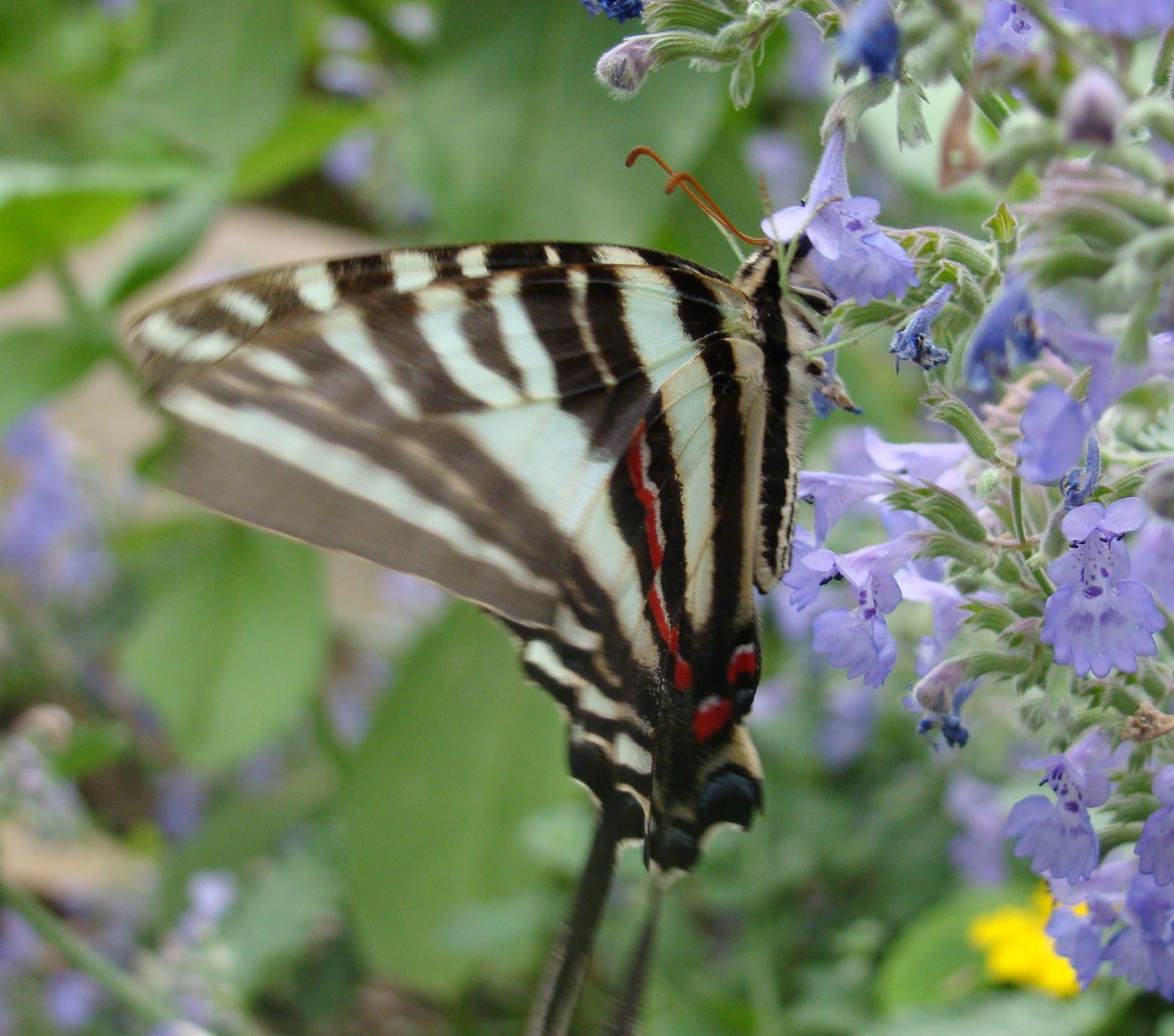
Zebra Swallowtail
A sleek, triangular-winged swallowtail striped boldly in black and pale green-white like a zebra, with long tails and red-and-blue accent spots, whose caterpillars feed exclusively on pawpaw trees.
butterflyGall Mite
An almost worm-shaped, microscopic mite that induces plants to grow strange pouches, pockets, and felt-like patches around its feeding sites.
arachnid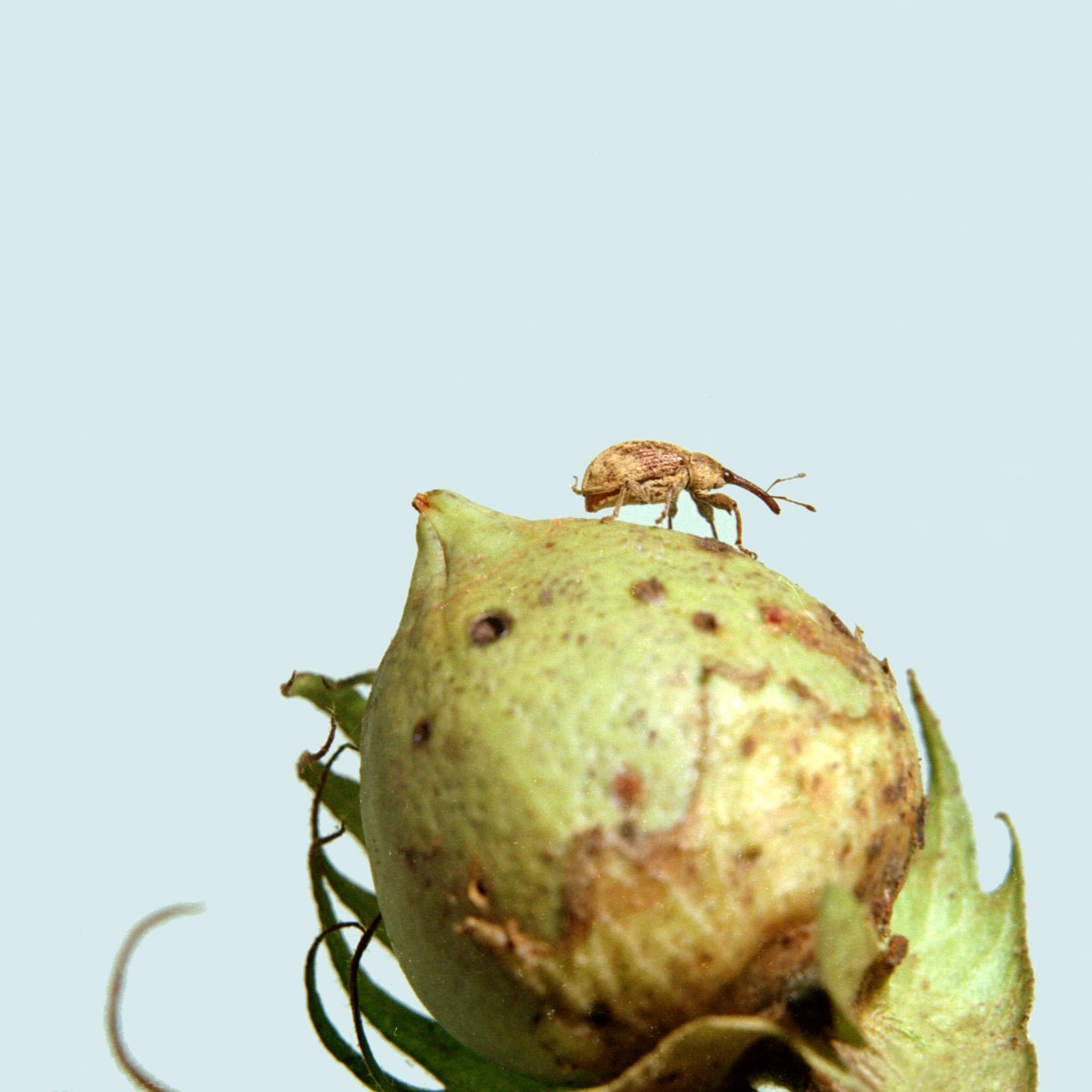
Boll Weevil
A small, grayish-brown snout beetle with a long, curved rostrum, historically famous for its close feeding association with cotton flower buds and bolls.
beetle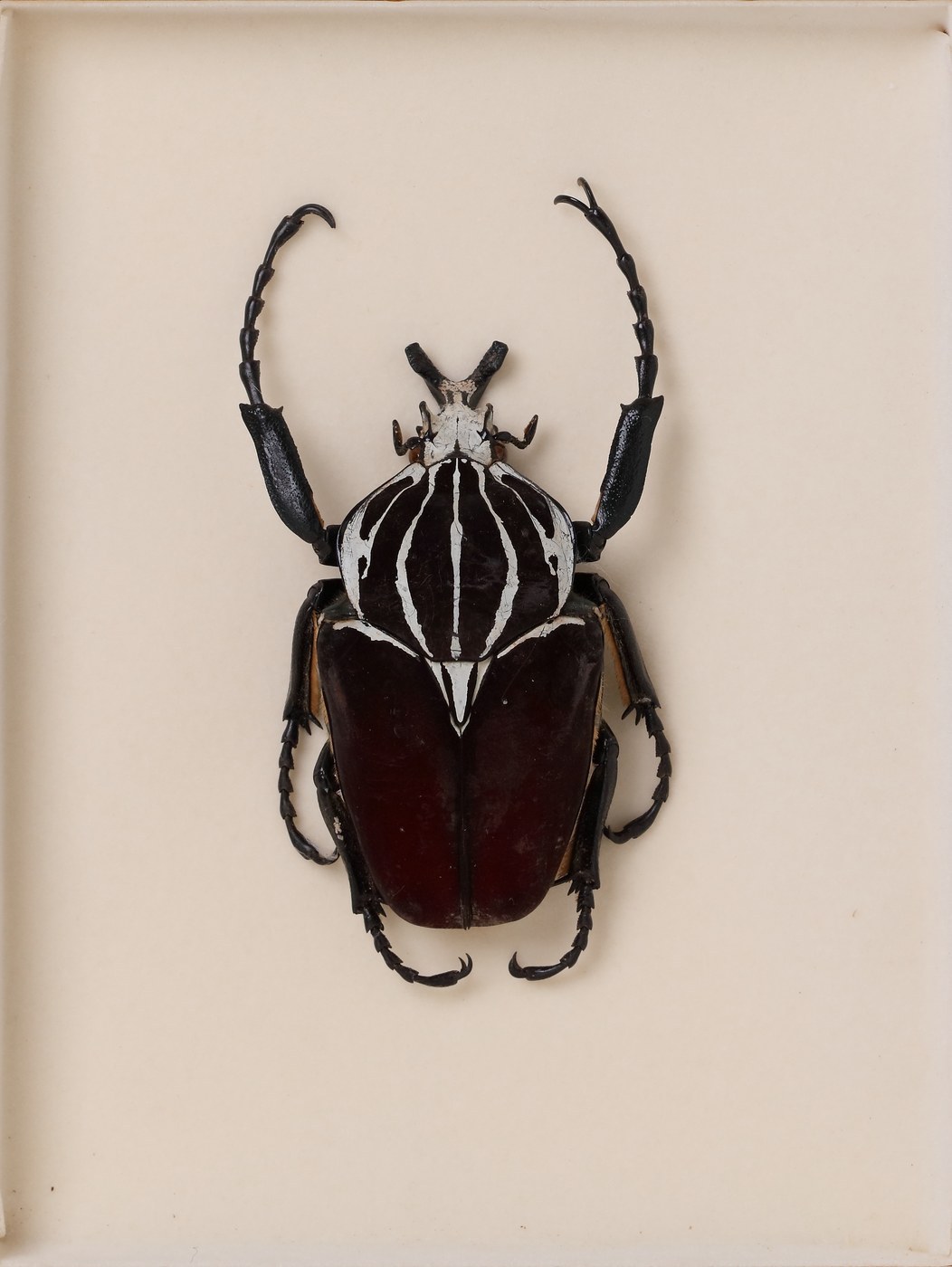
Goliath Beetle
One of the largest and heaviest beetles on Earth, a massive scarab with a bold pattern of black, white, and brown stripes across its shield-like body.
beetle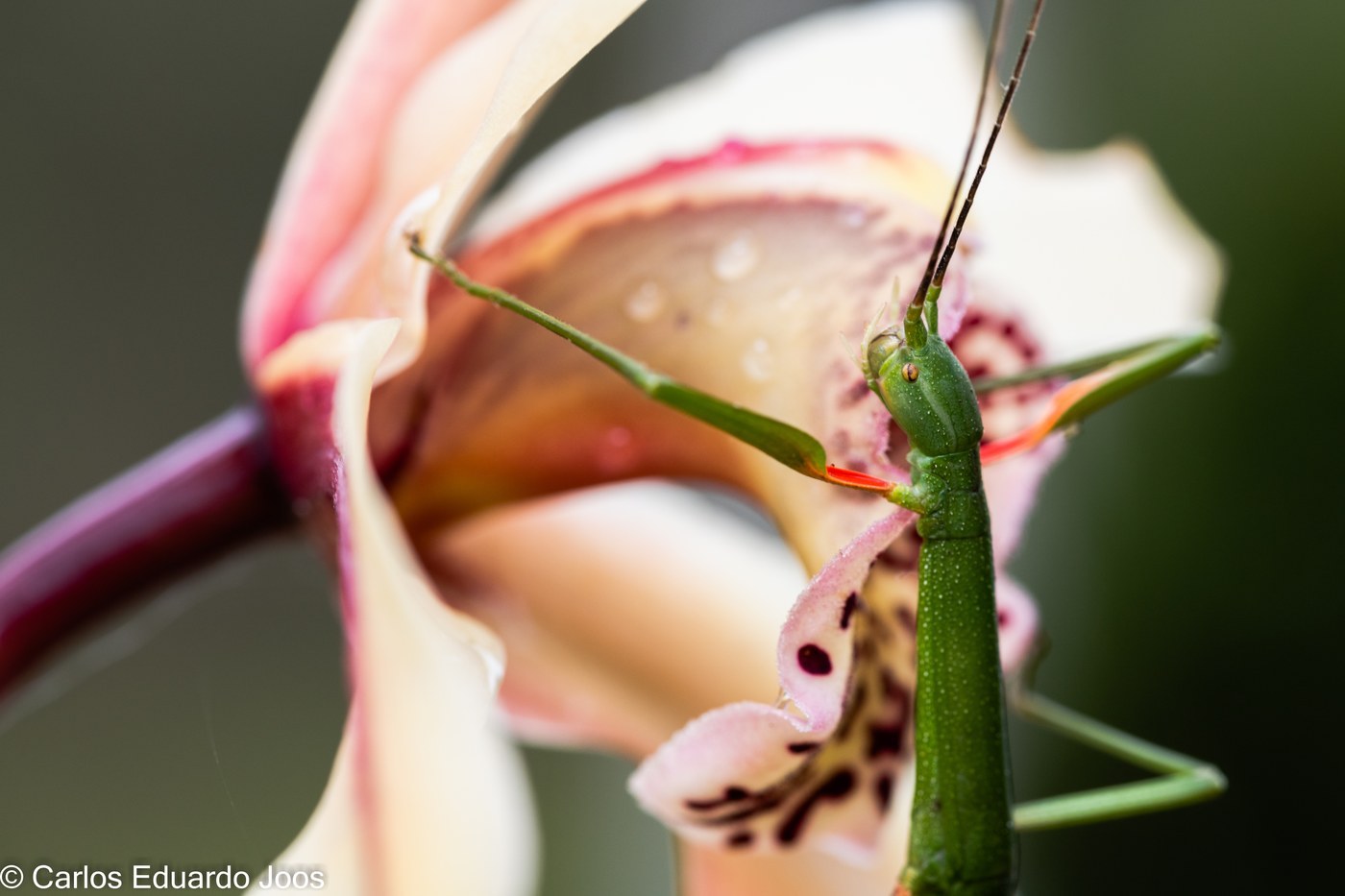
Walking Stick
A remarkably twig-like insect with a long, slender, brown to green body and thin legs, so effective at mimicking a plant stem that it can be nearly invisible while motionless on vegetation.
mantis-stick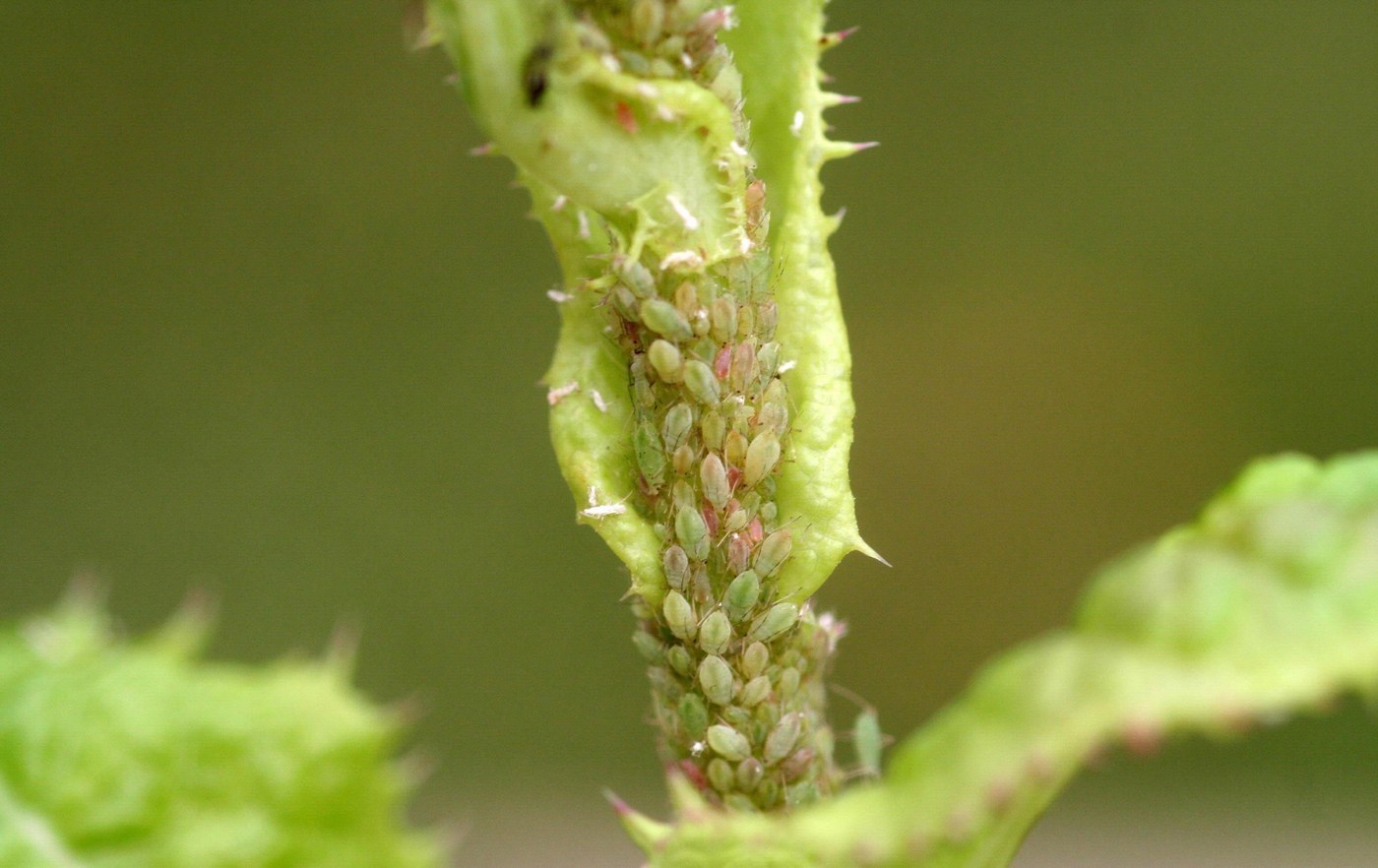
Aphid
A tiny, soft-bodied, pear-shaped insect that clusters in dense colonies on plant stems and leaf undersides, feeding on sap through needle-like mouthparts and often coated in sweet honeydew.
true-bug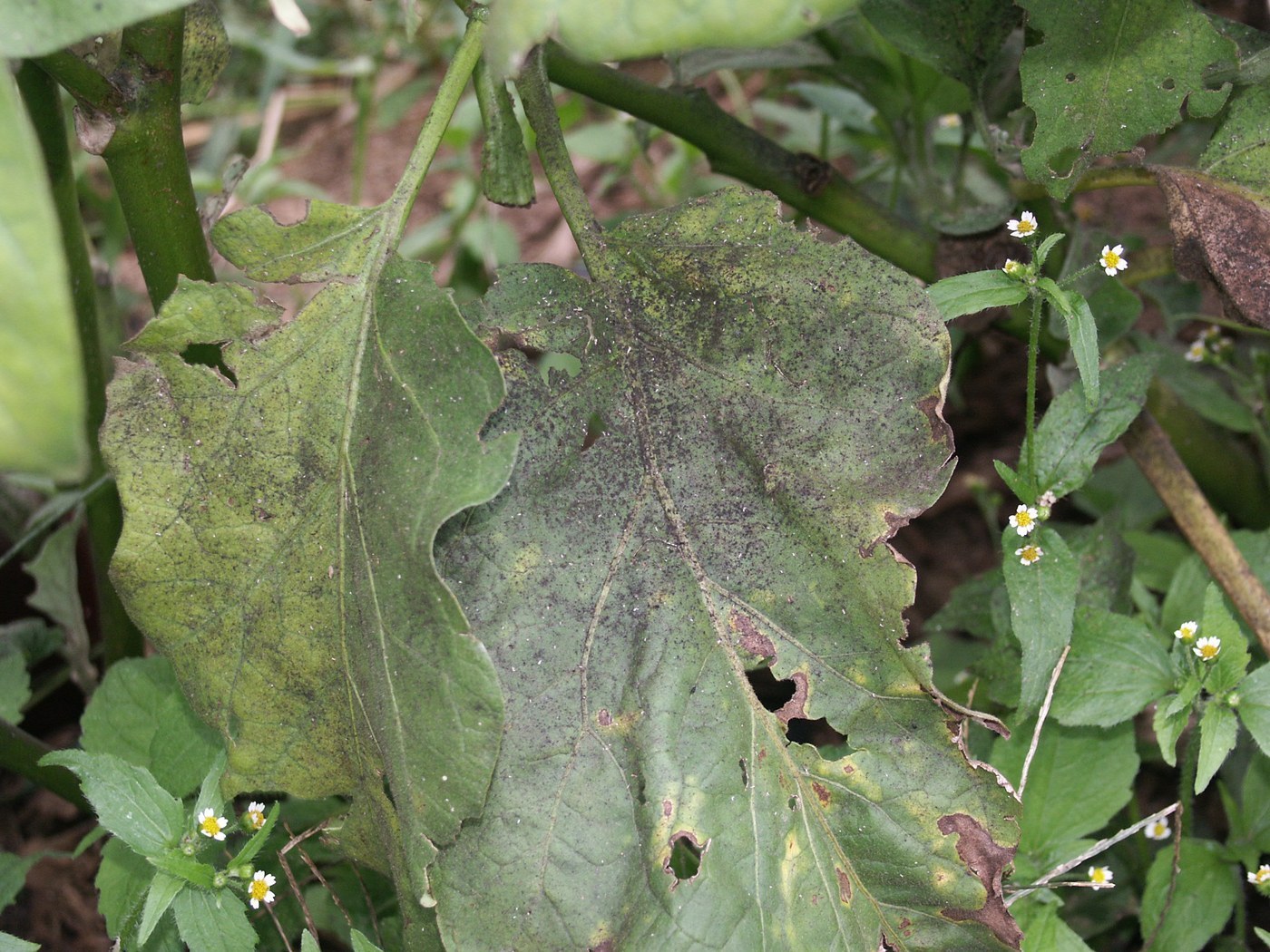
Whitefly
A tiny, moth-like white insect that clusters on the undersides of leaves and bursts into a snowy cloud when the plant is disturbed. Despite the name, it is not a true fly but a sap-feeding relative of aphids and scale insects.
true-bugWater Scavenger Beetle
Rounded and glossy, water scavenger beetles paddle through weedy ponds gathering air with a short antenna rather than a snorkel-like tube, feeding mostly on decaying plant matter and algae.
beetle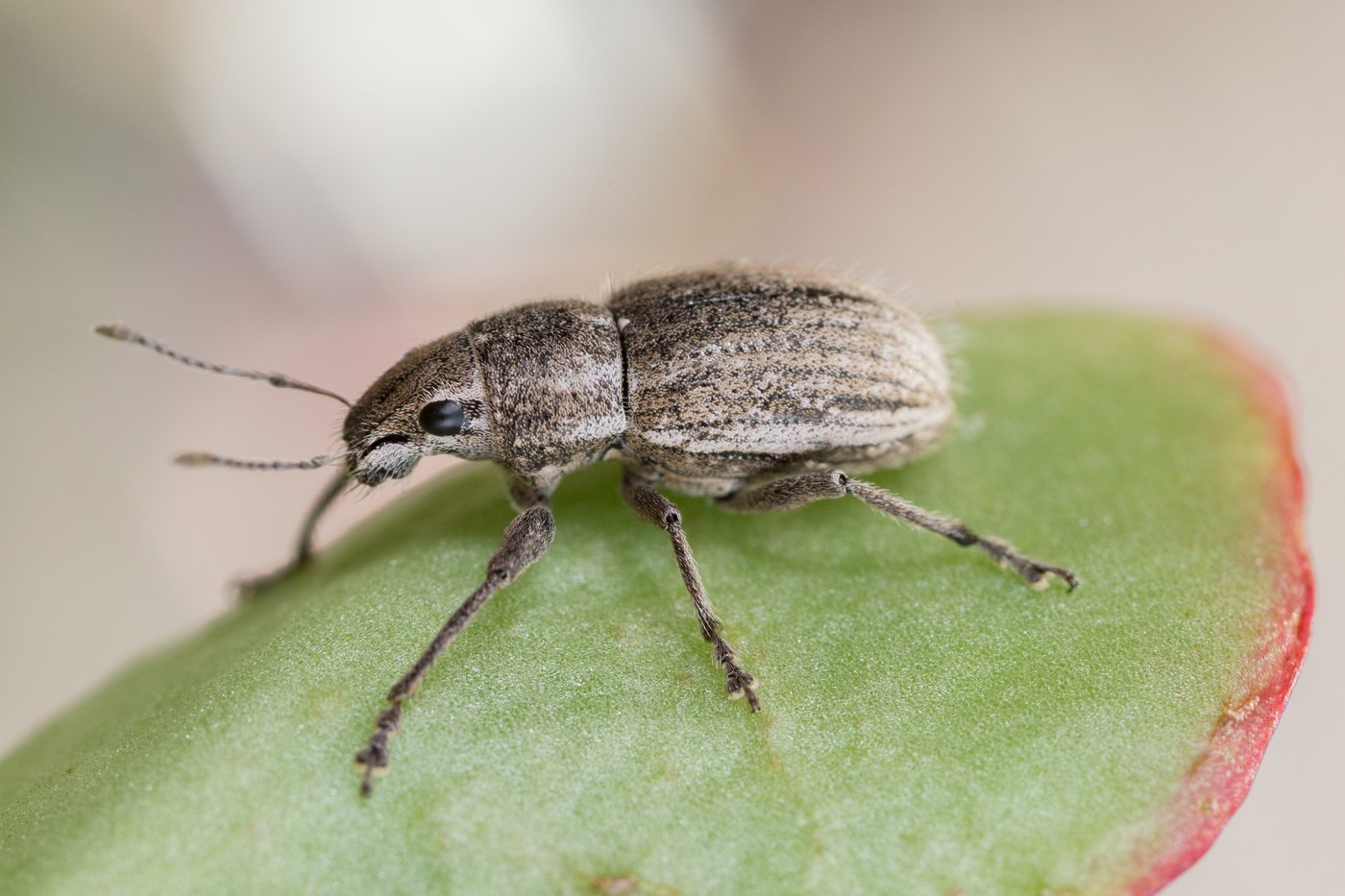
Whitefringed Beetle
A stout gray-brown weevil named for the pale, fringe-like stripe along the outer edge of its wing covers, whose root-feeding larvae are a recognized issue in pastures and row crops.
beetleCrane Fly Larva
Thick-skinned and worm-like, the crane fly larva, often called a leatherjacket, burrows through wet mud and decaying vegetation at the edges of ponds and streams, breaking down plant material as it grows.
aquatic-insect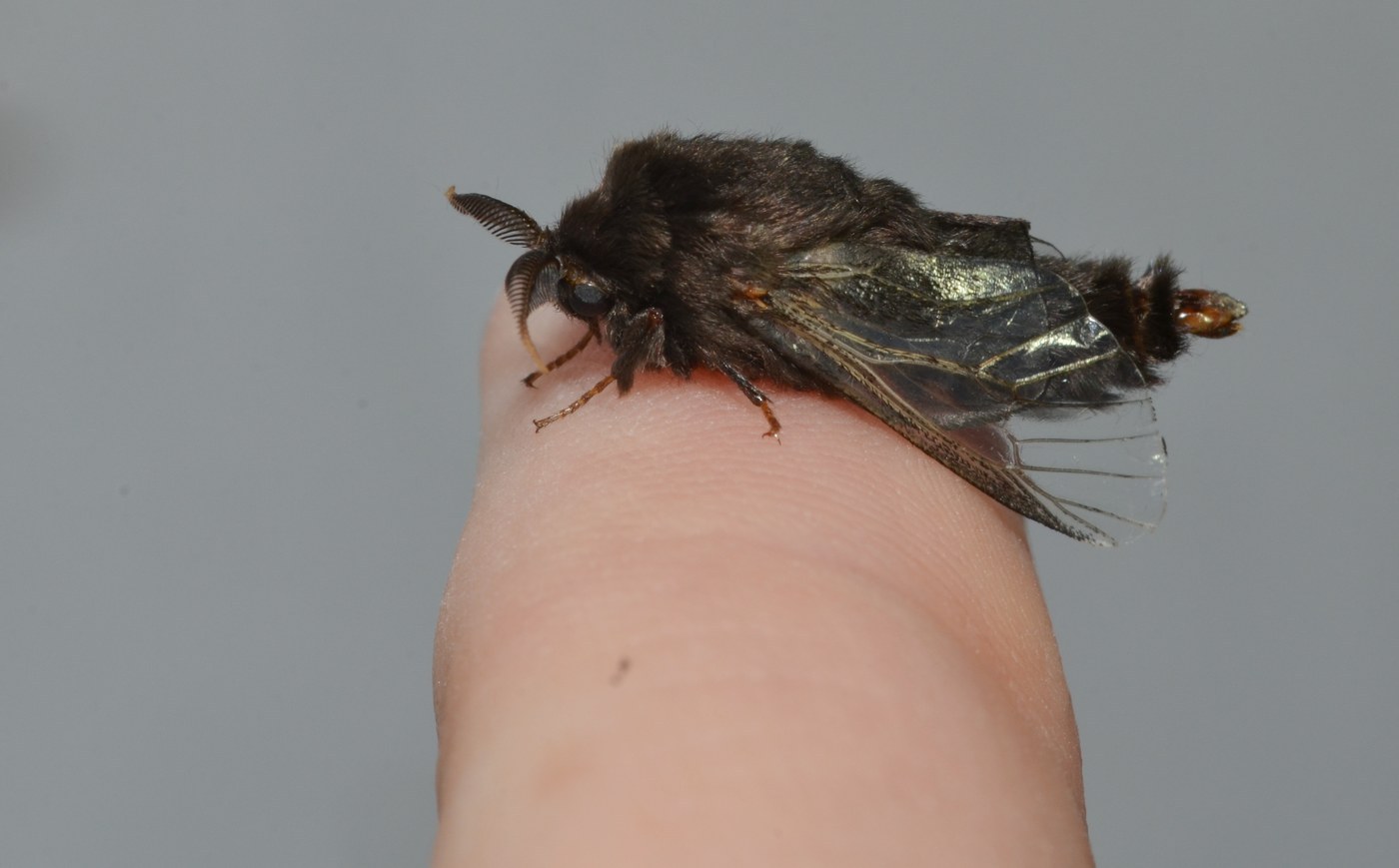
Bagworm Moth
A moth best known for its larva's habit of constructing and living inside a spindle-shaped case of silk and plant debris that hangs from twigs, with adult males a plain sooty-winged moth and females remaining wingless and grub-like inside the bag for life.
mothLily Leaf Beetle
A brilliant scarlet-red beetle with a jet-black head, legs, and underside that feeds almost exclusively on true lilies and fritillaries, often stripping leaves down to bare stems.
beetle