
Lily Leaf Beetle
Lilioceris lilii
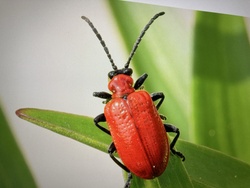
A brilliant scarlet-red beetle with a jet-black head, legs, and underside that feeds almost exclusively on true lilies and fritillaries, often stripping leaves down to bare stems.
- Size
- 6–9 mm
- Habitat
- Gardens, flower beds, and wild patches with true lilies or fritillaries
- Danger
- Nuisance pest
Spotted a bug like this?
Identify any bug or insect from a photo, free.
Overview
The lily leaf beetle is a small but strikingly colored member of the leaf beetle family (Chrysomelidae), instantly recognizable by its glossy, fire-engine-red elytra contrasted against a black head and legs. Native to Europe and parts of Asia, it has become established in North America, where it is closely watched by gardeners who grow ornamental lilies.
Both the adults and the slug-like larvae feed on the foliage, buds, and flowers of Lilium species and fritillaries, making this beetle one of the most conspicuous plant-feeding insects in a lily bed. Its bright coloration is thought to serve as a warning signal to potential predators, a common strategy among leaf beetles that sequester plant compounds.
Within the broader beetle world, Lilioceris lilii belongs to the subfamily Criocerinae, a group of narrow-bodied leaf beetles that includes other lily-feeding and asparagus-feeding relatives, underscoring how specialized many leaf beetles are to a single host-plant group.
How to Identify
- Adult: 6–9 mm long, elongated oval body, brilliant glossy scarlet-red elytra and pronotum, with a solid black head, antennae, legs, and underside.
- Squeaks faintly when handled, a trait shared with some other Criocerinae leaf beetles.
- Larvae are soft, humpbacked, orange-yellow grubs that cover themselves in their own dark, wet excrement as camouflage, making them look like small piles of slime or bird droppings on lily leaves.
- Lookalikes: the scarlet lily beetle is often confused with other all-red beetles, but the combination of solid black head/legs on a lily plant is diagnostic; true ladybird beetles are rounder and usually spotted.
Habitat & Range
Found wherever true lilies, fritillaries, and related Liliaceae are grown or grow wild, including home gardens, nurseries, botanical collections, and open woodland edges within its native and introduced range across Europe, Asia, and now much of northeastern North America. Adults become active in spring as soon as lily shoots emerge and remain present through summer.
Behavior & Diet
Adults and larvae feed exclusively on the leaves, stems, buds, and flowers of lilies and fritillaries, sometimes defoliating plants entirely over a season. Adults are active fliers and readily drop off a leaf and land on their backs when disturbed, exposing their black underside and making them briefly harder to spot against soil. This beetle plays a minor ecological role as a specialist herbivore of lily-family plants and, in its introduced range, is regarded as a notable garden pest of ornamental lilies.
Life Cycle
Adults overwinter in soil or leaf litter and emerge in spring to feed and mate. Females lay long rows of small orange eggs on the undersides of lily leaves, which hatch into larvae within about a week. Larvae feed for two to three weeks while carrying their protective fecal shield, then drop to the soil to pupate in a small earthen chamber. New adults emerge later in summer, feed briefly, and then seek shelter to overwinter, typically producing one generation per year in temperate climates.
Frequently asked questions
Is the lily leaf beetle the same as a ladybird beetle?
No. Despite both being round-ish red beetles, the lily leaf beetle is elongated and unspotted with a solid black head and legs, while ladybird beetles are rounder, domed, and usually patterned with spots.
Why do the larvae look like wet dirt?
The larvae carry a coating of their own excrement on their backs as a defensive disguise, which makes them appear as dark slimy blobs rather than insects.
What plants does it feed on?
It feeds almost exclusively on true lilies (Lilium) and fritillaries (Fritillaria), rarely touching daylilies, which are a different plant family.
Does it make a sound?
Adults can produce a faint squeaking noise by rubbing body parts together when picked up or disturbed.
Lily Leaf Beetle guides
In-depth guides for identifying, understanding, and living alongside Lily Leaf Beetle.
Lily Leaf Beetle identified by the community
Real finds identified with Bug Identifier.

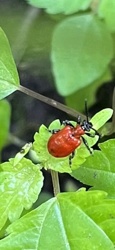
Other bugs you may enjoy
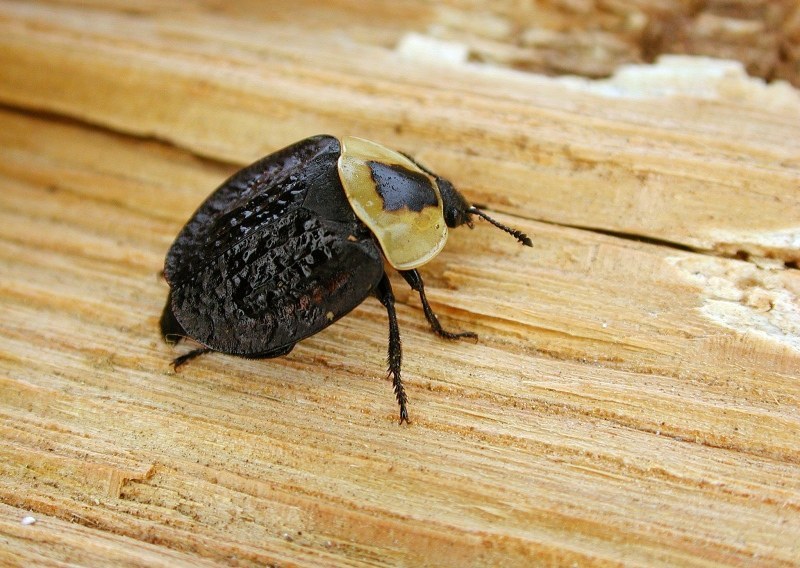
American Carrion Beetle
Forests, fields, and roadsides across North America, near decaying animal carcasses
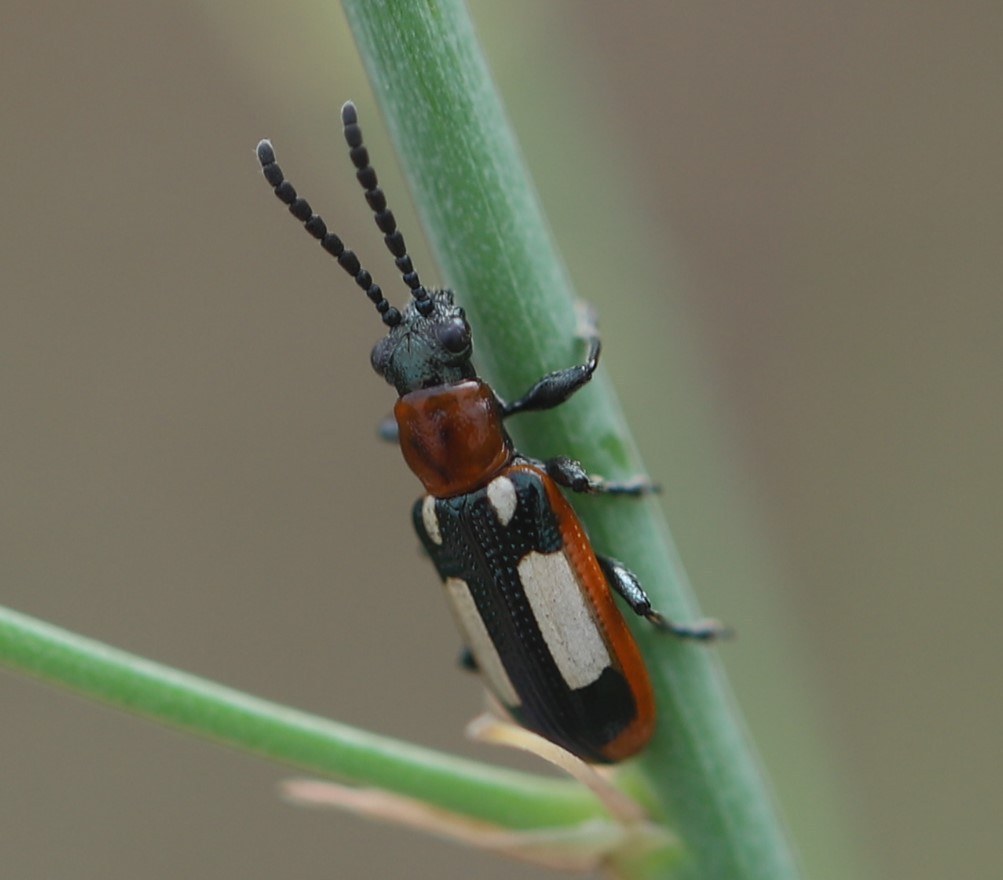
Asparagus Beetle
Asparagus patches, gardens, and farm fields
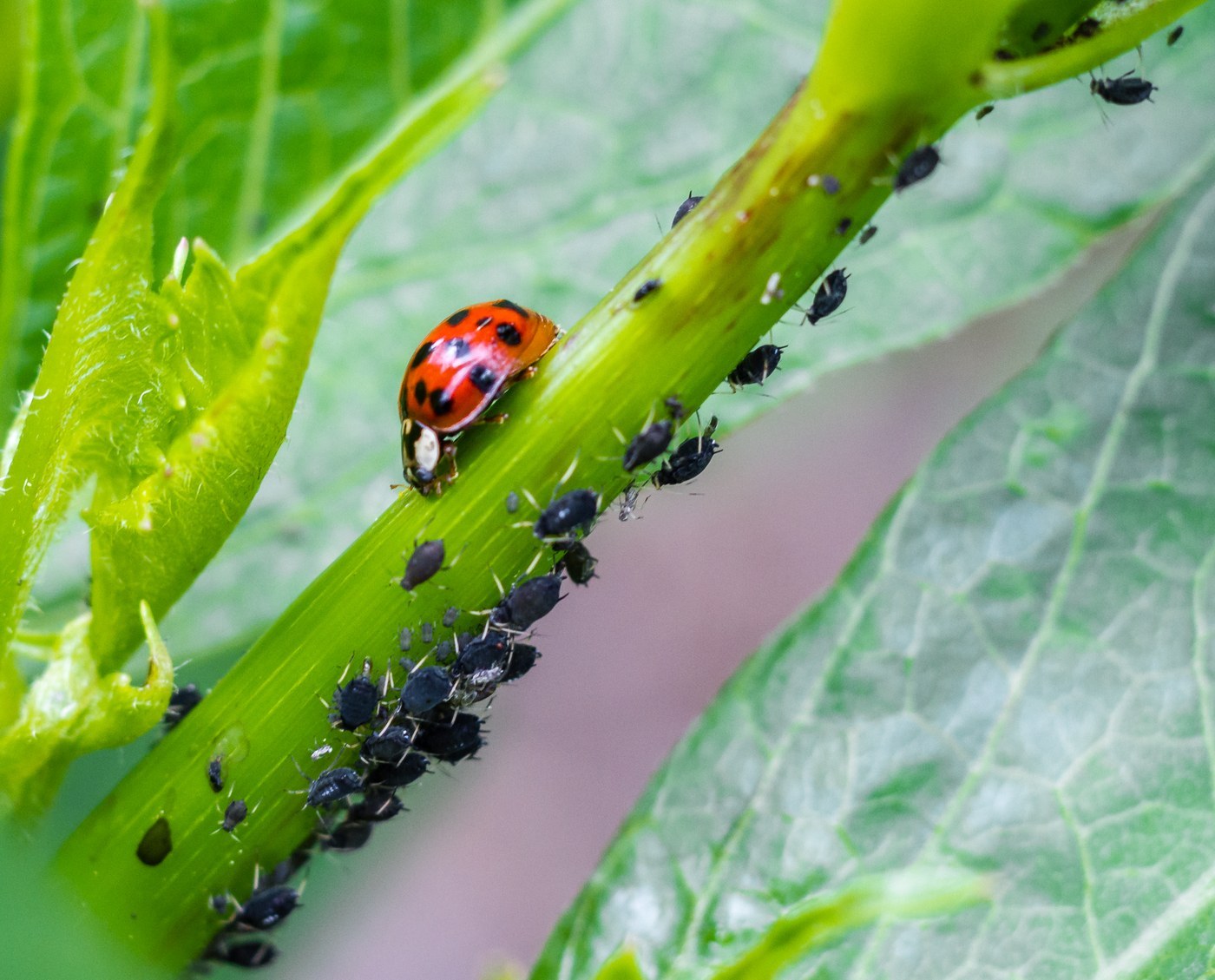
Asian Lady Beetle
Gardens, crop fields, woodlands, buildings
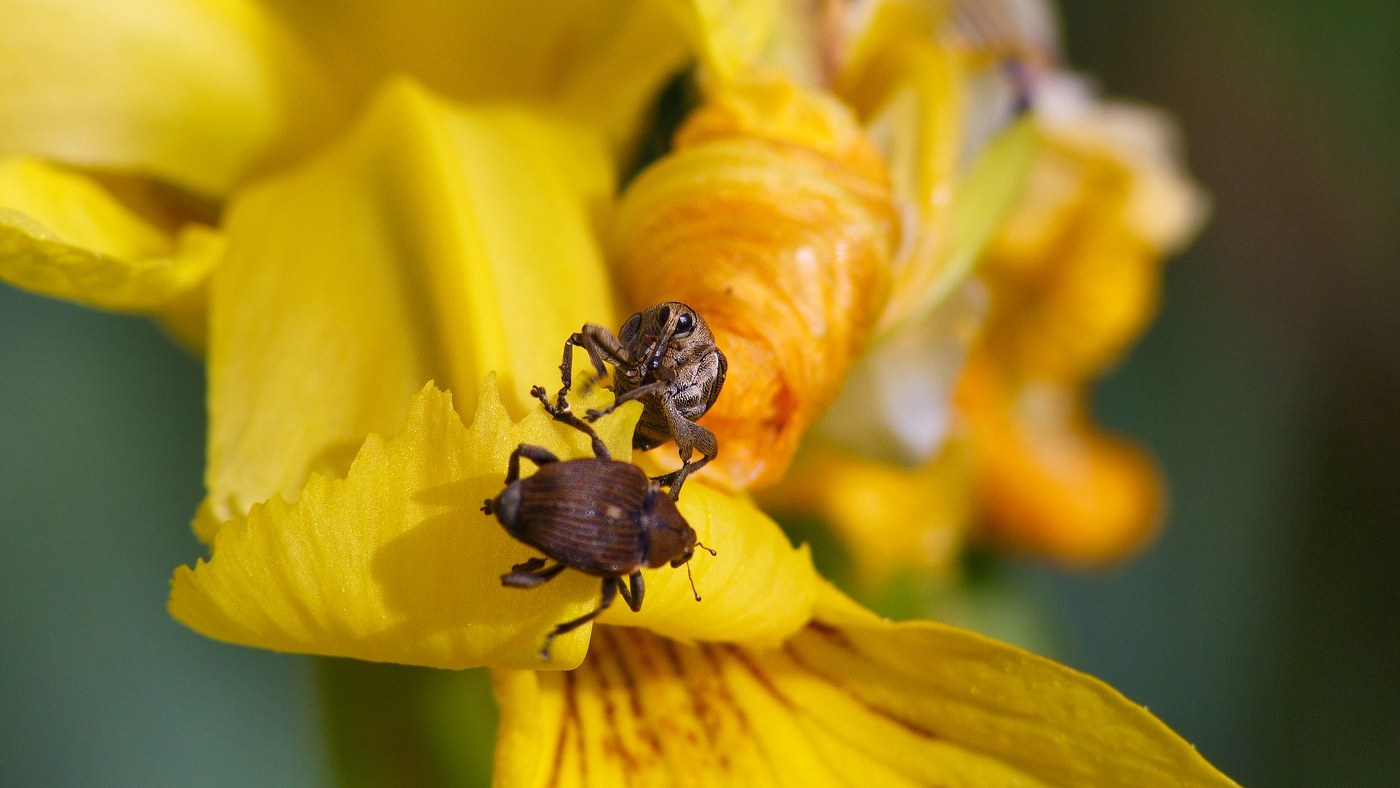
Acorn Weevil
Oak woodlands and forests, on and beneath oak trees
Wireworm
Soil of grasslands, gardens, and cultivated fields worldwide
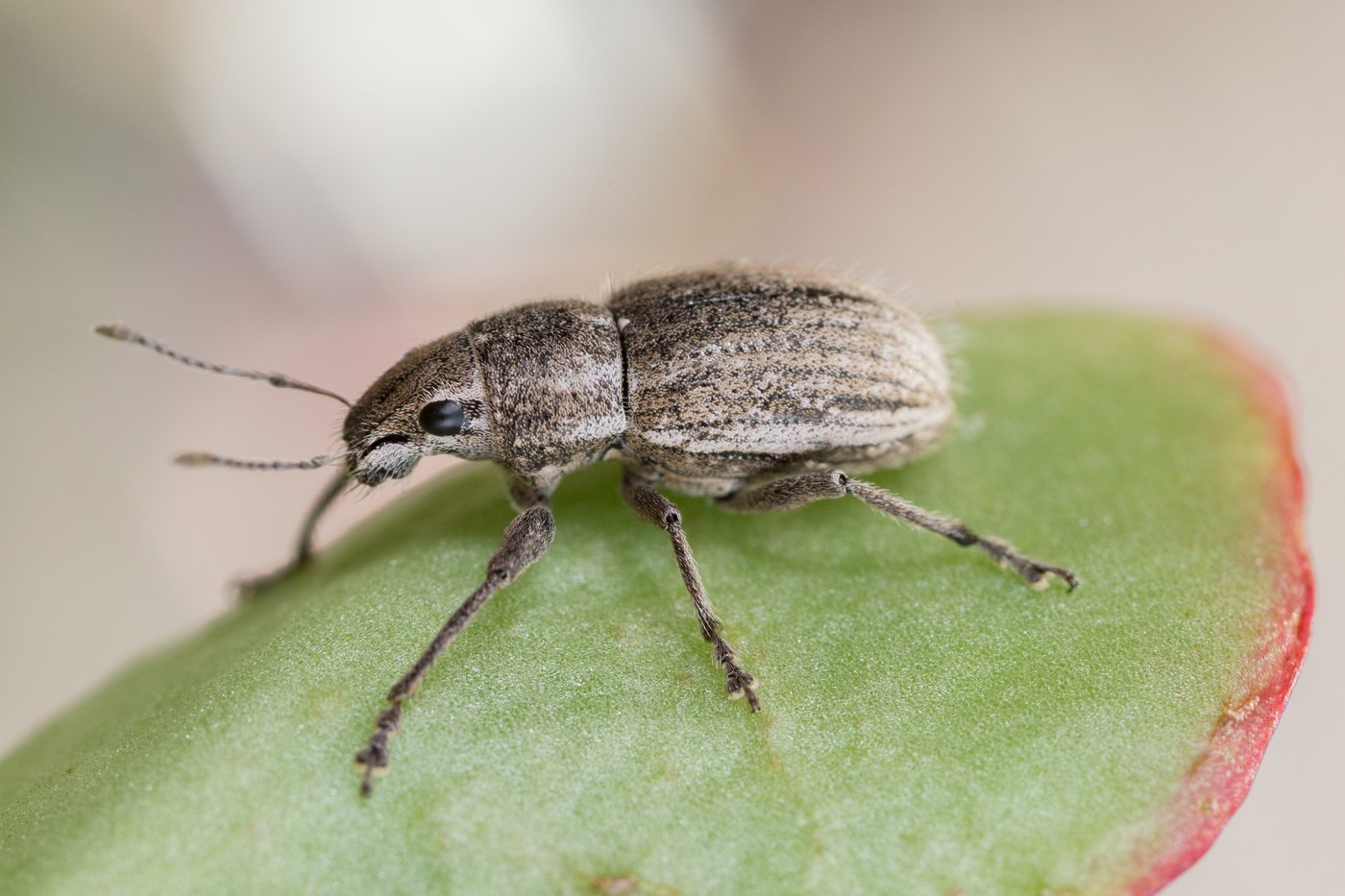
Whitefringed Beetle
Pastures, row crops, lawns, disturbed soils
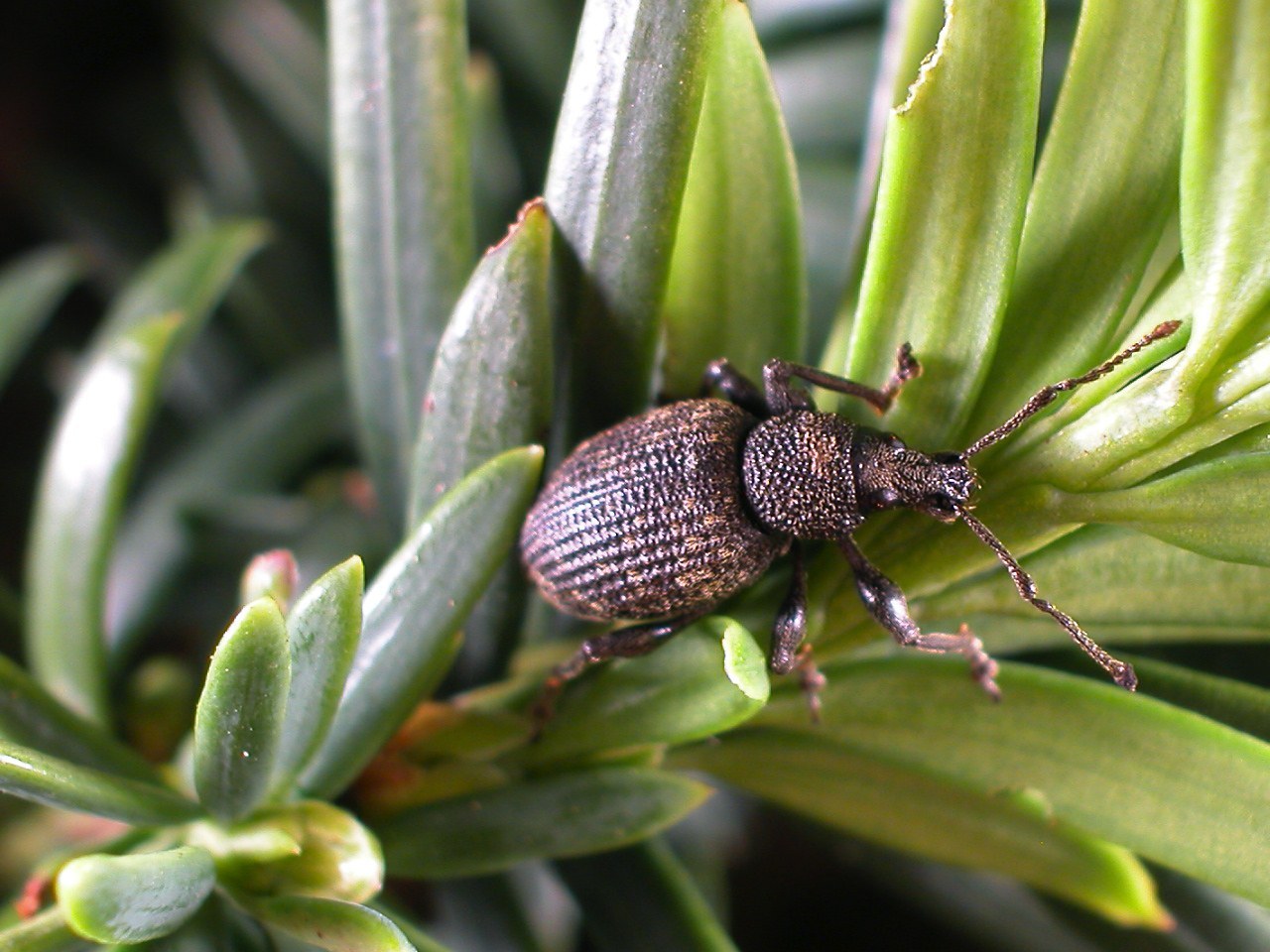
Vine Weevil
Gardens, nurseries, greenhouses, and container plantings
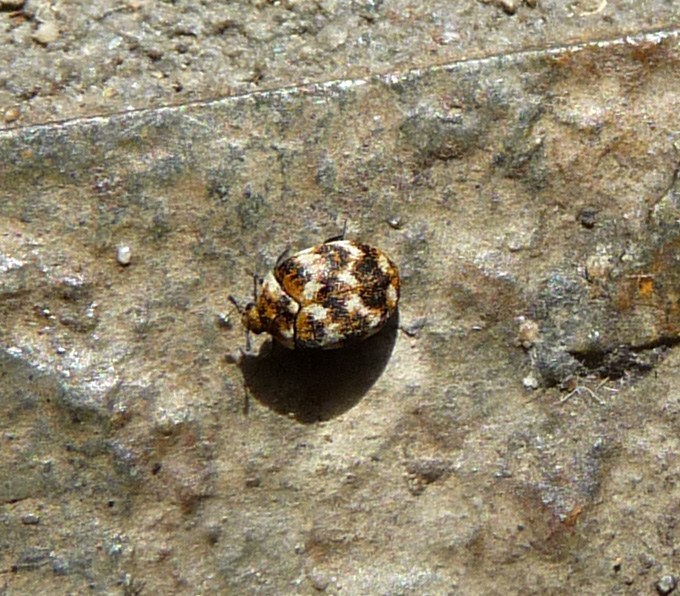
Varied Carpet Beetle
Homes, nests of birds and mammals, and flowers outdoors
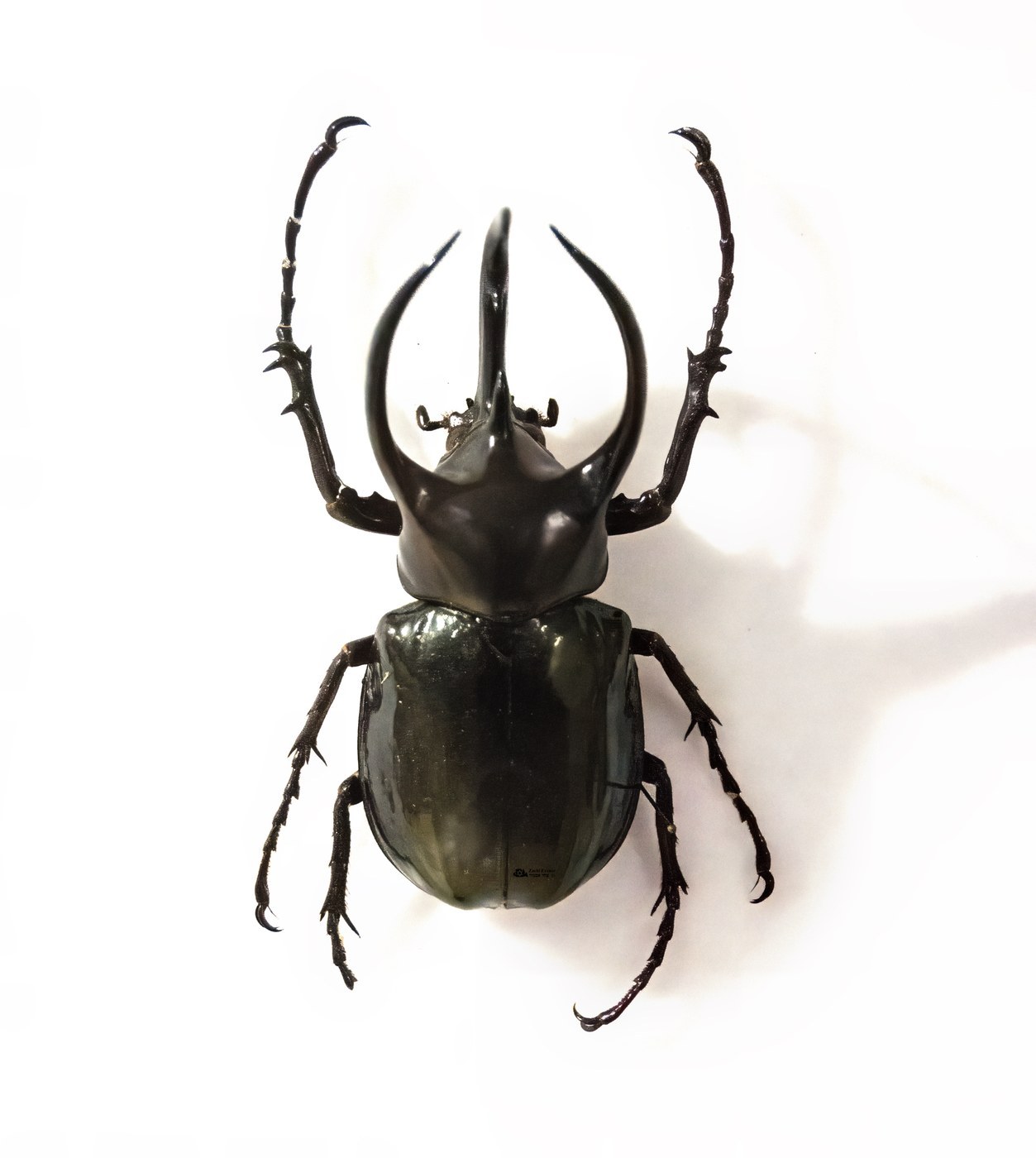
Atlas Beetle
Tropical forests of Southeast Asia
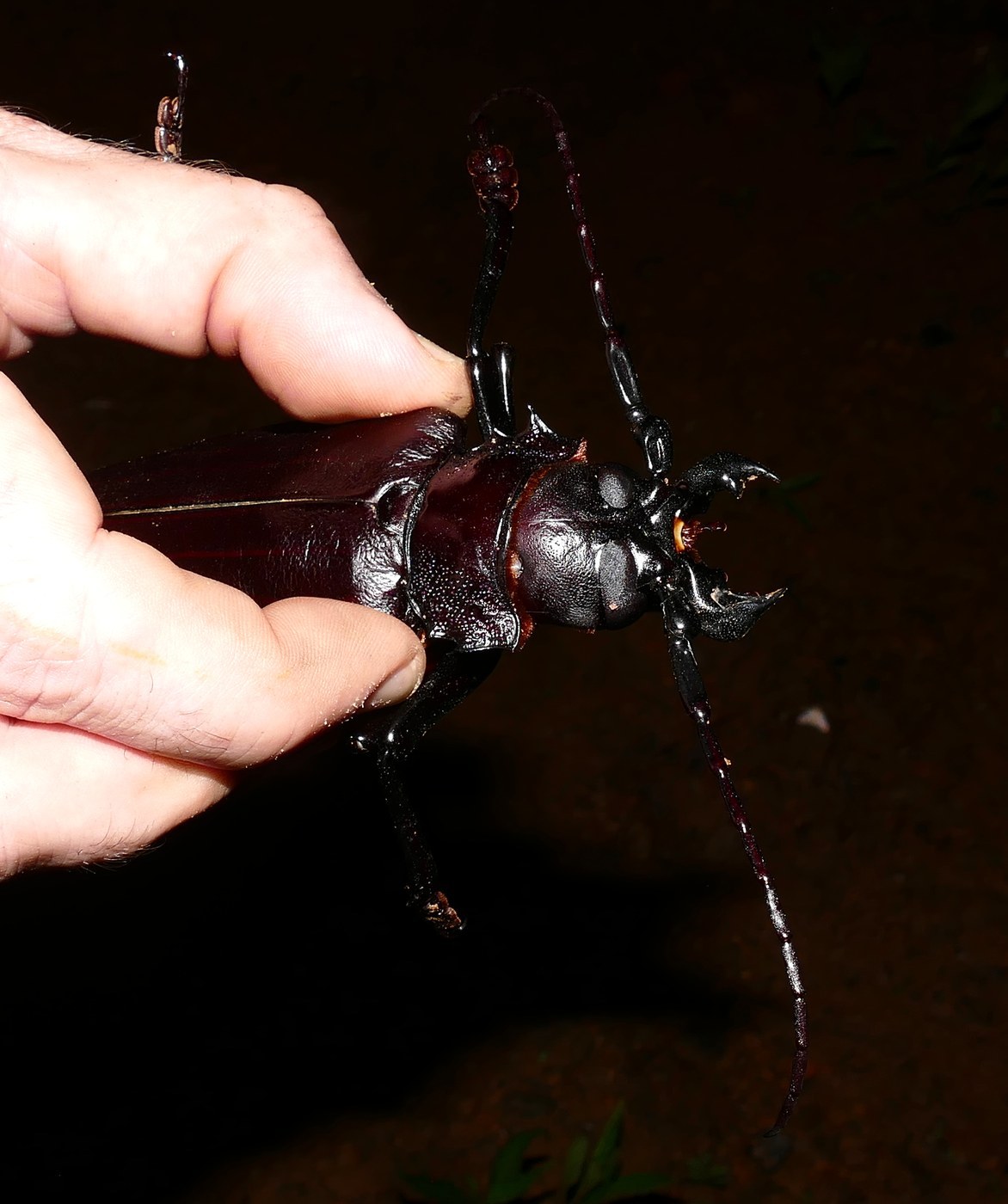
Titan Beetle
Amazon rainforest of South America
Ten-lined June Beetle
Sandy soils, pine forests, and orchards of western North America
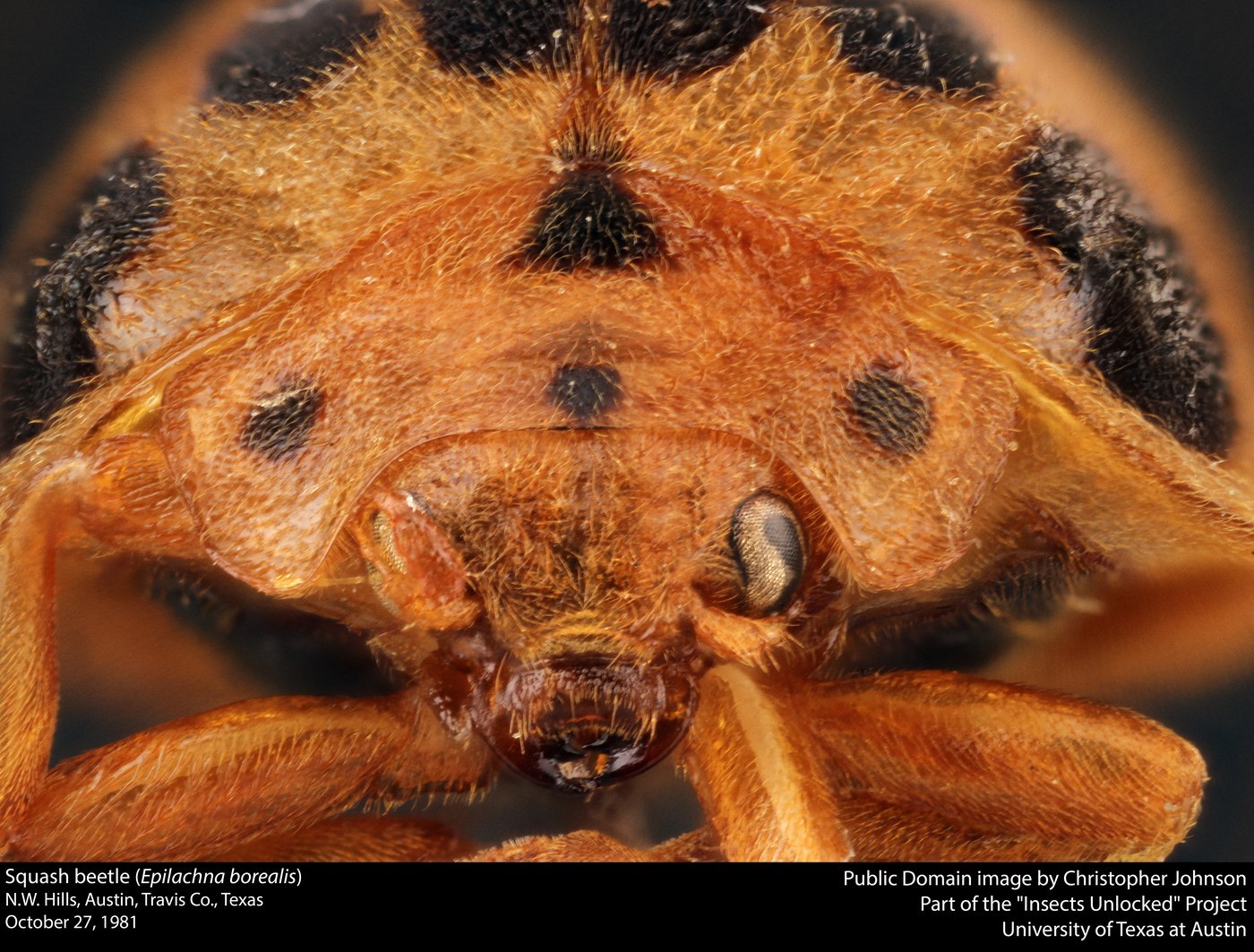
Squash Beetle
Vegetable gardens and fields growing squash, pumpkin, and other cucurbits