
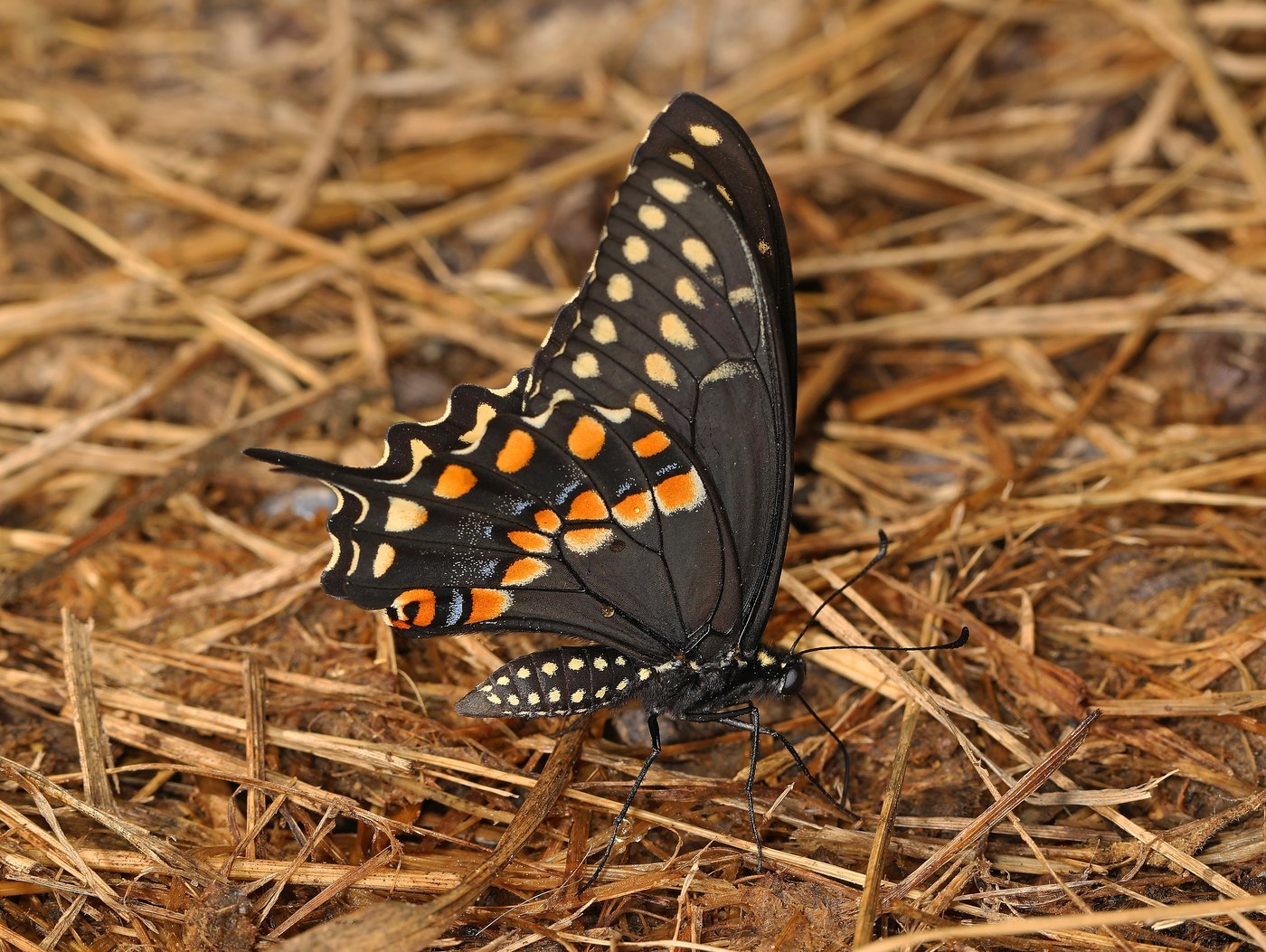
Black Swallowtail
Papilio polyxenes
A striking black swallowtail with two rows of yellow spots and a patch of blue scaling on the hindwings, whose green-and-black banded caterpillars are a familiar sight on garden dill, parsley, and carrot foliage.
- Size
- 6.7–9.3 cm wingspan
- Habitat
- Meadows, gardens, roadsides, agricultural fields (North America)
- Danger
- Harmless
Spotted a bug like this?
Identify any bug or insect from a photo, free.
Overview
The black swallowtail is a widespread North American member of the swallowtail family (Papilionidae), ranging across much of the continent east of the Rockies and into parts of the West and Mexico. It is one of the most commonly encountered swallowtails in home gardens because its caterpillars feed readily on cultivated herbs and vegetables in the carrot family, making it a familiar sight to anyone growing dill, parsley, fennel, or carrots.
Males and females differ somewhat in pattern: males tend to show larger, brighter yellow spot bands, while females typically show more blue scaling on the hindwings and comparatively smaller yellow spots, an example of sexual dimorphism within the species. The species is also part of a mimicry complex, with its dark coloring and pattern resembling the toxic pipevine swallowtail, offering it a degree of predator avoidance.
Because its caterpillars are so strongly associated with garden and wild members of the carrot family (Apiaceae), the larvae are sometimes called parsleyworms, and gardeners who grow dill or parsley for cooking frequently encounter this species without realizing it is a butterfly caterpillar.
How to Identify
- Wingspan roughly 6.7–9.3 cm; wings are predominantly black with two rows of yellow spots crossing the forewing and hindwing.
- Hindwings show a patch of iridescent blue scaling, more extensive in females, along with a single orange eyespot near the tail.
- Short black tails extend from each hindwing.
- Body is black with fine yellow markings, and antennae are clubbed.
- Lookalikes: the pipevine swallowtail lacks the two rows of yellow spots and shows more uniform iridescent blue-green hindwings; dark-form female eastern tiger swallowtails are larger and show faint shadow-striping rather than crisp yellow spot rows.
Habitat & Range
Found across a broad range of open habitats including meadows, roadsides, agricultural fields, gardens, and vacant lots throughout most of North America east of the Rocky Mountains, with additional populations further west and south into Mexico and Central America. Adults are active from spring through fall, with two to three generations per year across most of the range. Caterpillars are found wherever carrot-family host plants, whether wild or cultivated, are growing in sunny locations.
Behavior & Diet
Adults are active fliers that visit a wide range of nectar sources including garden flowers, clover, and milkweed, and males often patrol open areas searching for mates. Caterpillars feed on the leaves and flowers of plants in the carrot family, including dill, parsley, fennel, carrot, and various wild relatives such as Queen Anne's lace, chewing along leaf edges as they grow. When disturbed, the caterpillar extends a bright orange, forked, odorous organ called an osmeterium from just behind its head as a startle defense, a trait shared with other swallowtail caterpillars.
Life Cycle
Complete metamorphosis with two to three generations per year in most of its range. Eggs are laid singly on the leaves of host plants; young caterpillars are dark with a white saddle marking resembling bird droppings, while older caterpillars turn bright green with black bands studded with yellow-orange spots. Pupation occurs in a mottled brown or green chrysalis attached upright to a stem or nearby structure, with the final generation overwintering as a chrysalis before emerging as adults in spring.
Frequently asked questions
What is a "parsleyworm"?
It is another common name for the black swallowtail caterpillar, referring to its habit of feeding on parsley and related carrot-family herbs.
How can I tell males and females apart?
Males generally have larger, brighter yellow spot bands, while females tend to show more blue scaling on the hindwings and smaller yellow spots.
Why does the caterpillar stick out an orange forked structure when I touch it?
That is a defensive organ called an osmeterium, which the caterpillar extends as a startle response when disturbed.
What garden plants attract black swallowtail caterpillars?
Dill, parsley, fennel, and carrot foliage are commonly used host plants, along with wild relatives like Queen Anne's lace.
Black Swallowtail guides
In-depth guides for identifying, understanding, and living alongside Black Swallowtail.
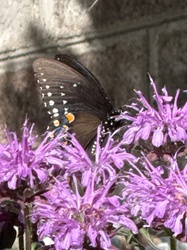
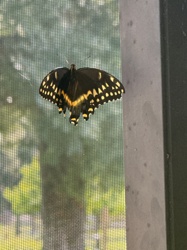
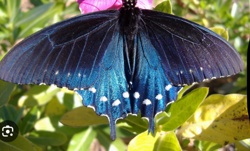
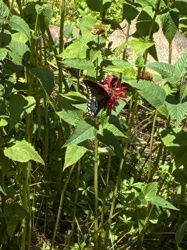
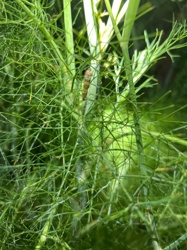
Black Swallowtail identified by the community
Real finds identified with Bug Identifier.
Other bugs you may enjoy
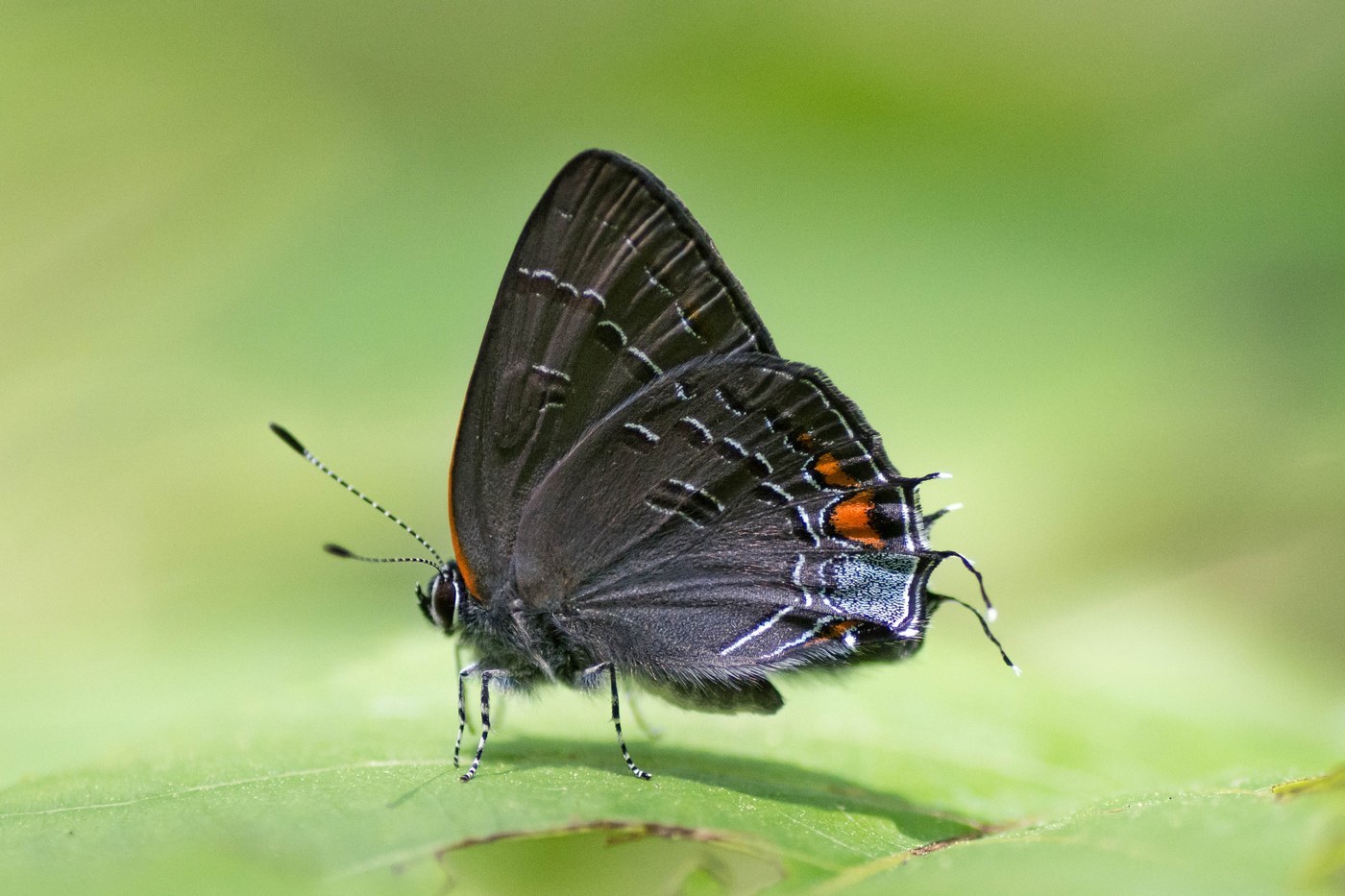
Banded Hairstreak
Deciduous woodlands and edges with oaks and hickories
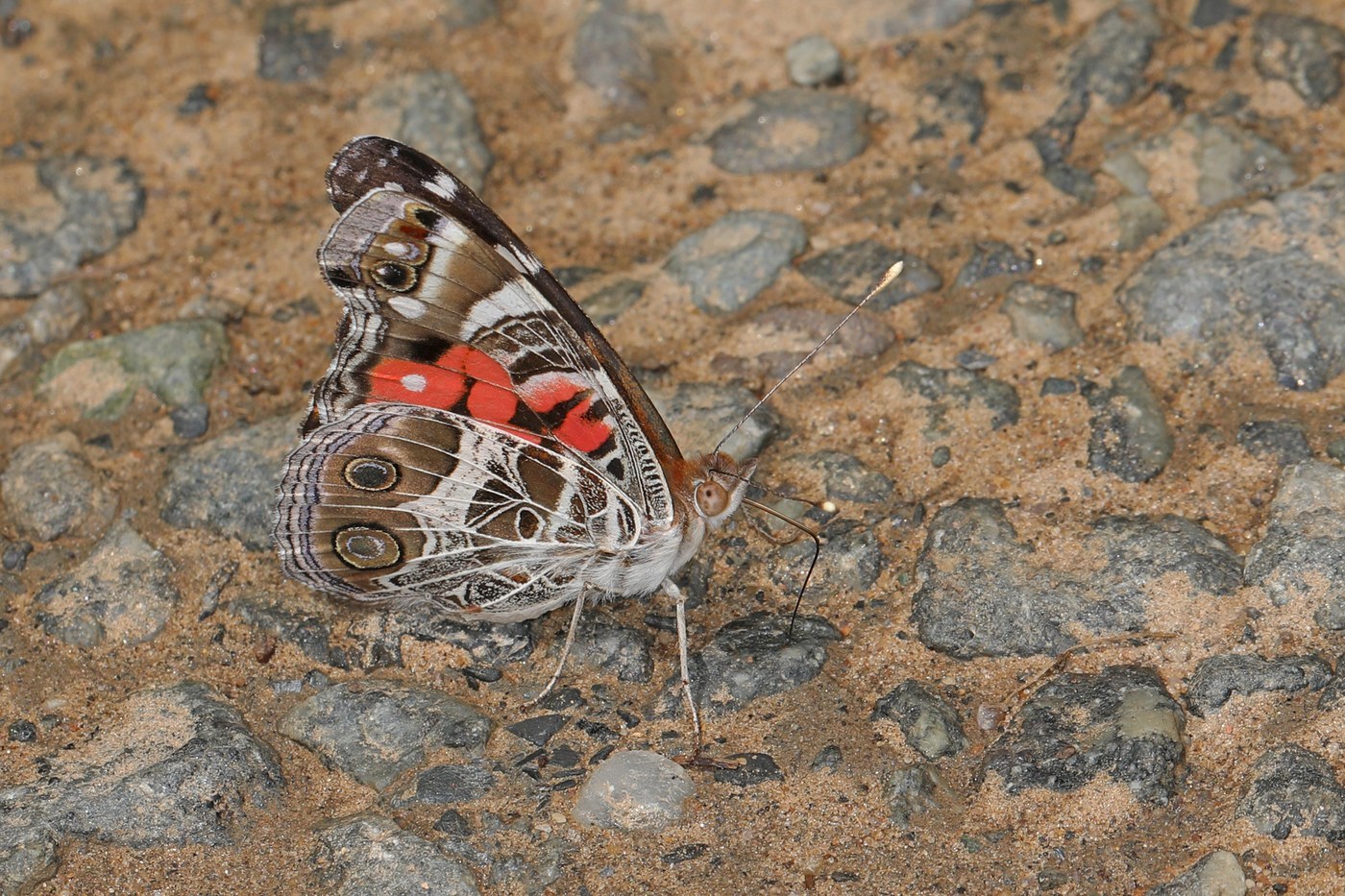
American Lady
Open fields, meadows, gardens, roadsides
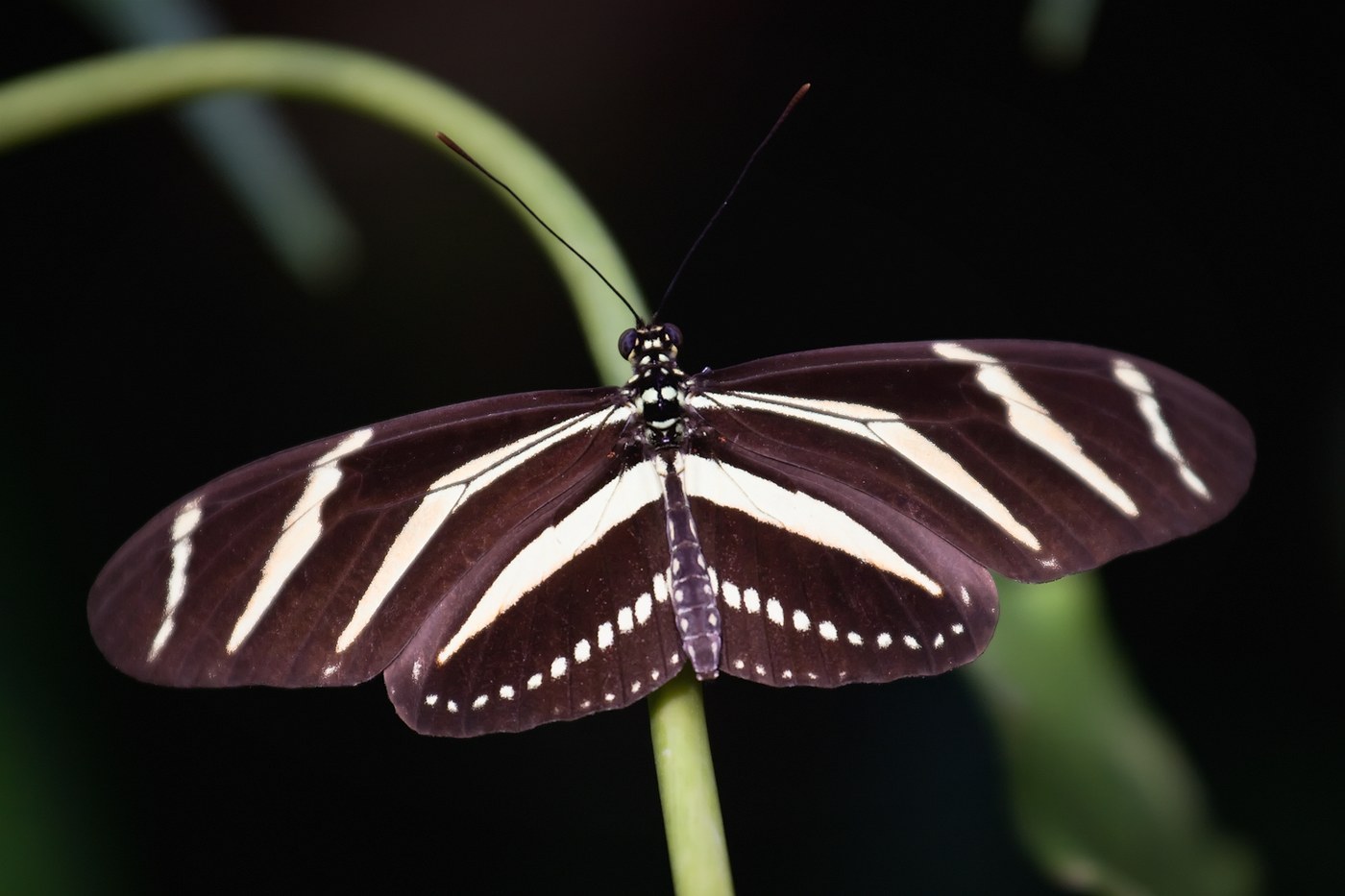
Zebra Longwing
Tropical hammocks, gardens, forest edges
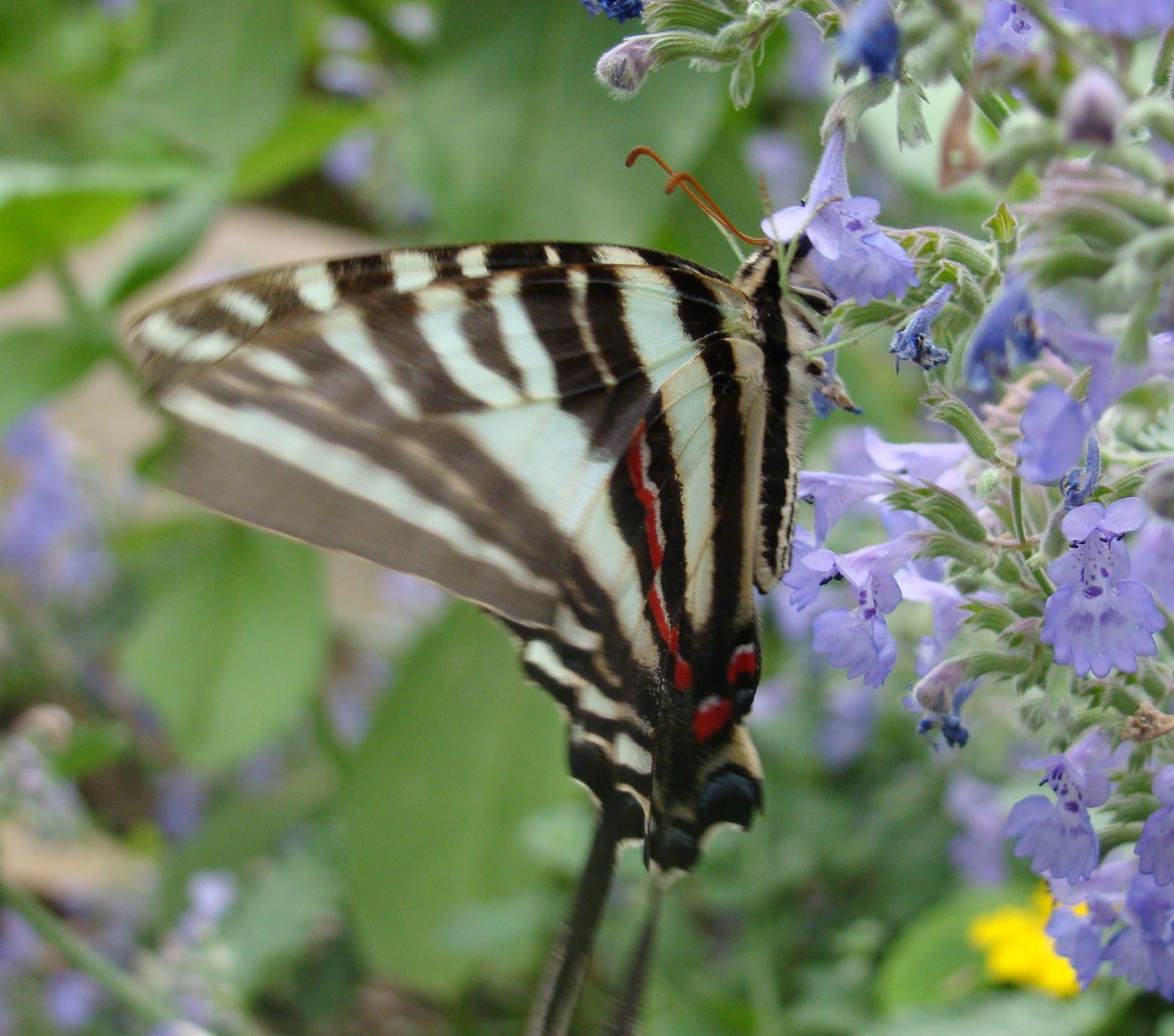
Zebra Swallowtail
Woodlands, floodplains, forest edges near pawpaw
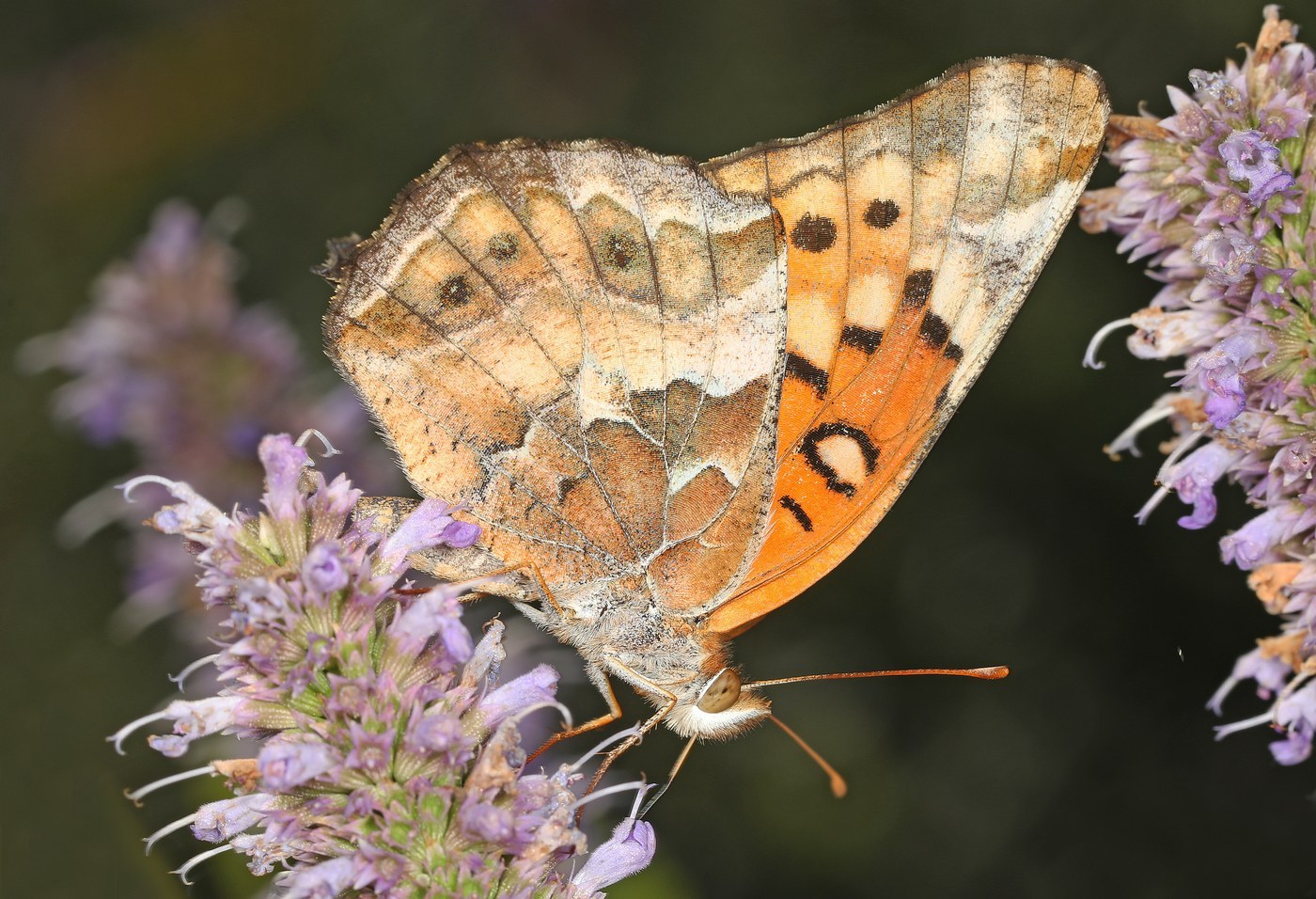
Variegated Fritillary
Open fields, prairies, roadsides, and disturbed ground across most of the United States
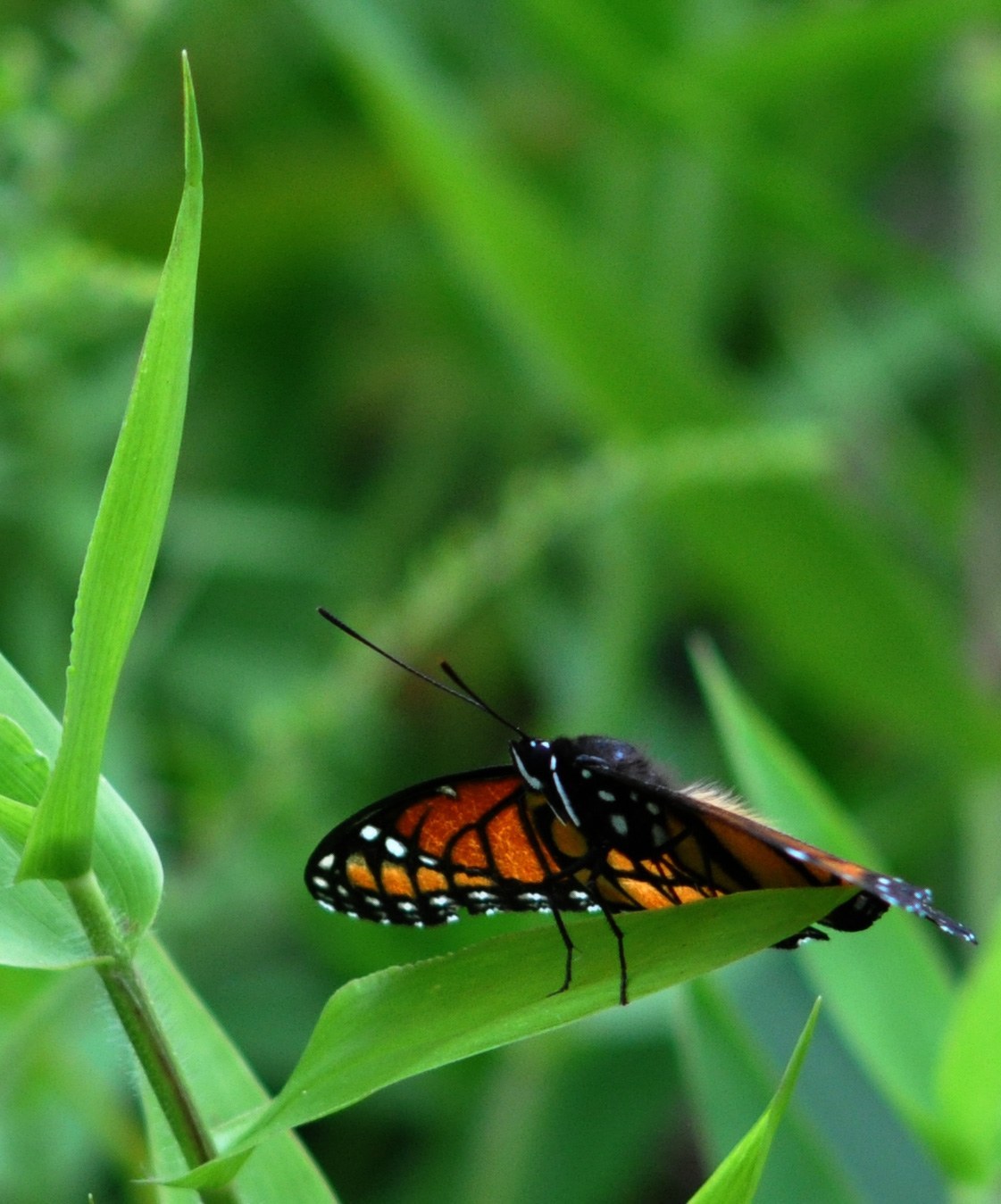
Viceroy Butterfly
Wetlands, meadows, riverbanks, willow thickets (North America)
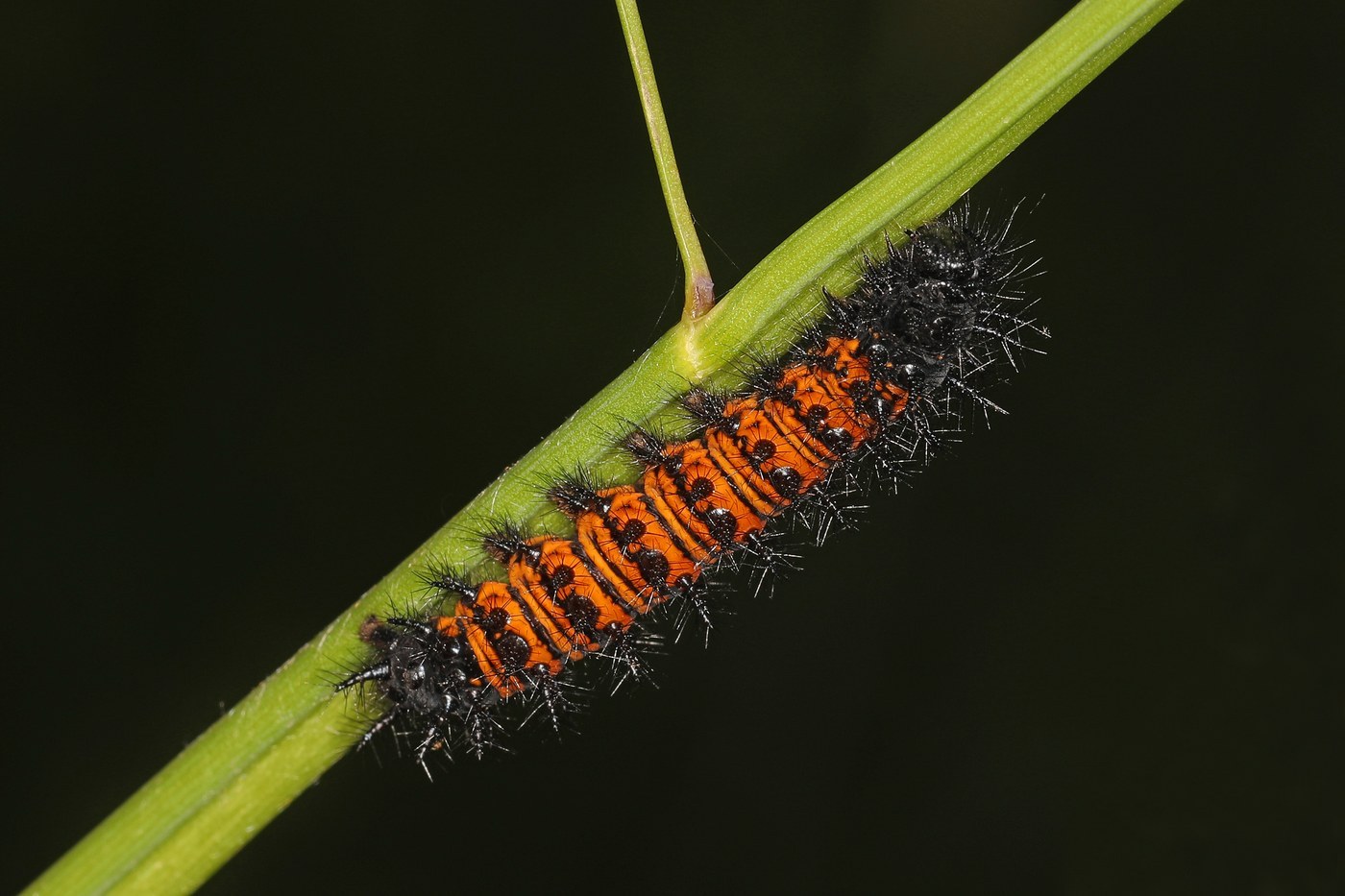
Baltimore Checkerspot
Wet meadows, bogs, and marshy fields in the northeastern and Appalachian US
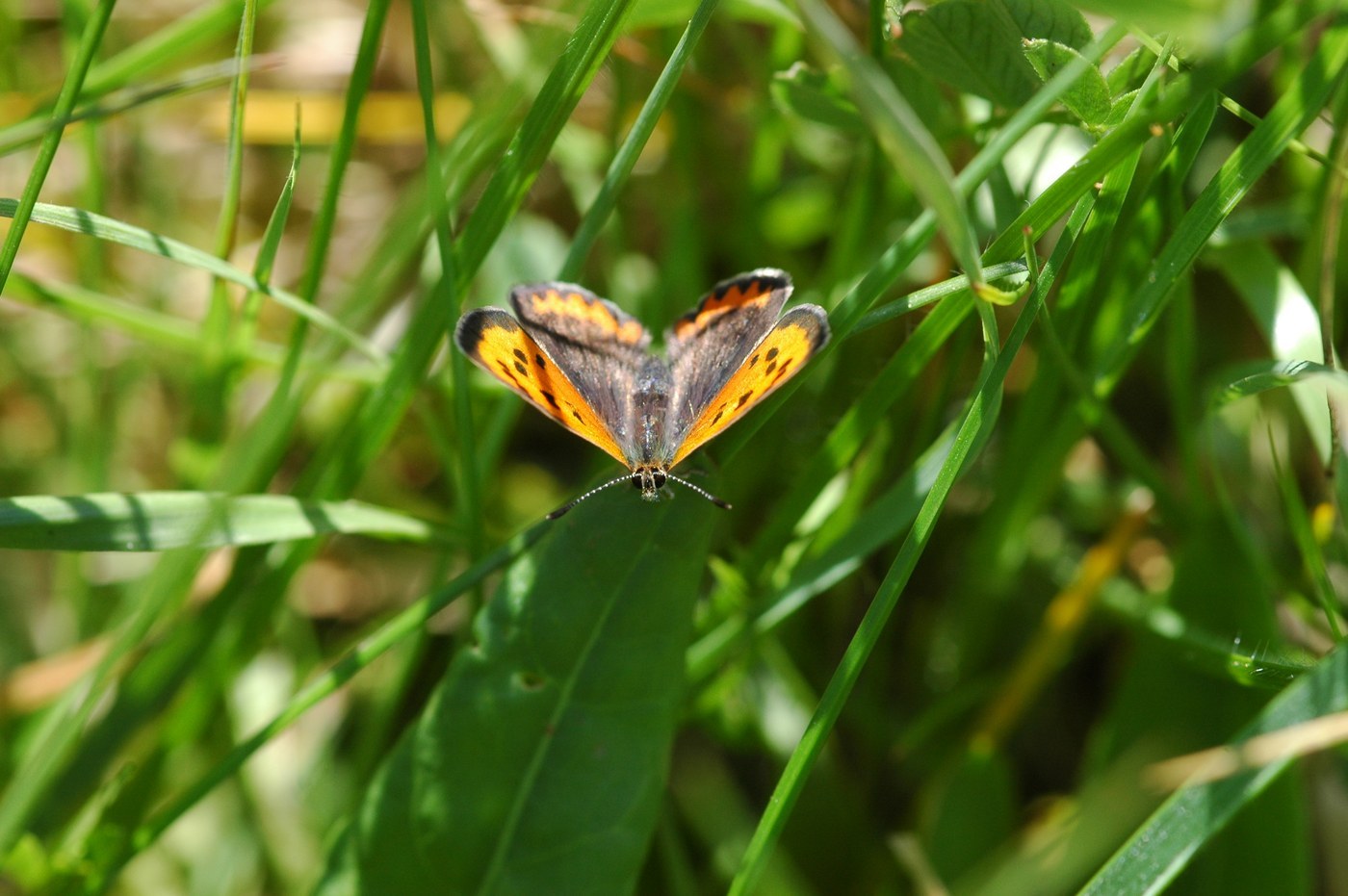
American Copper
Old fields, roadsides, and disturbed open ground with sorrel or dock
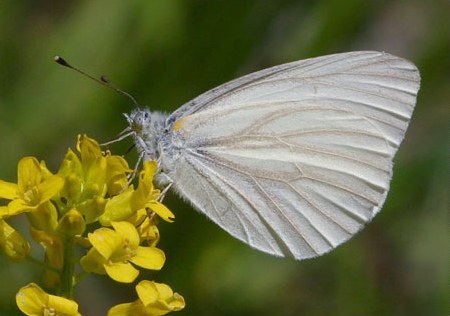
West Virginia White
Rich deciduous forest floors, especially near seeps and streams
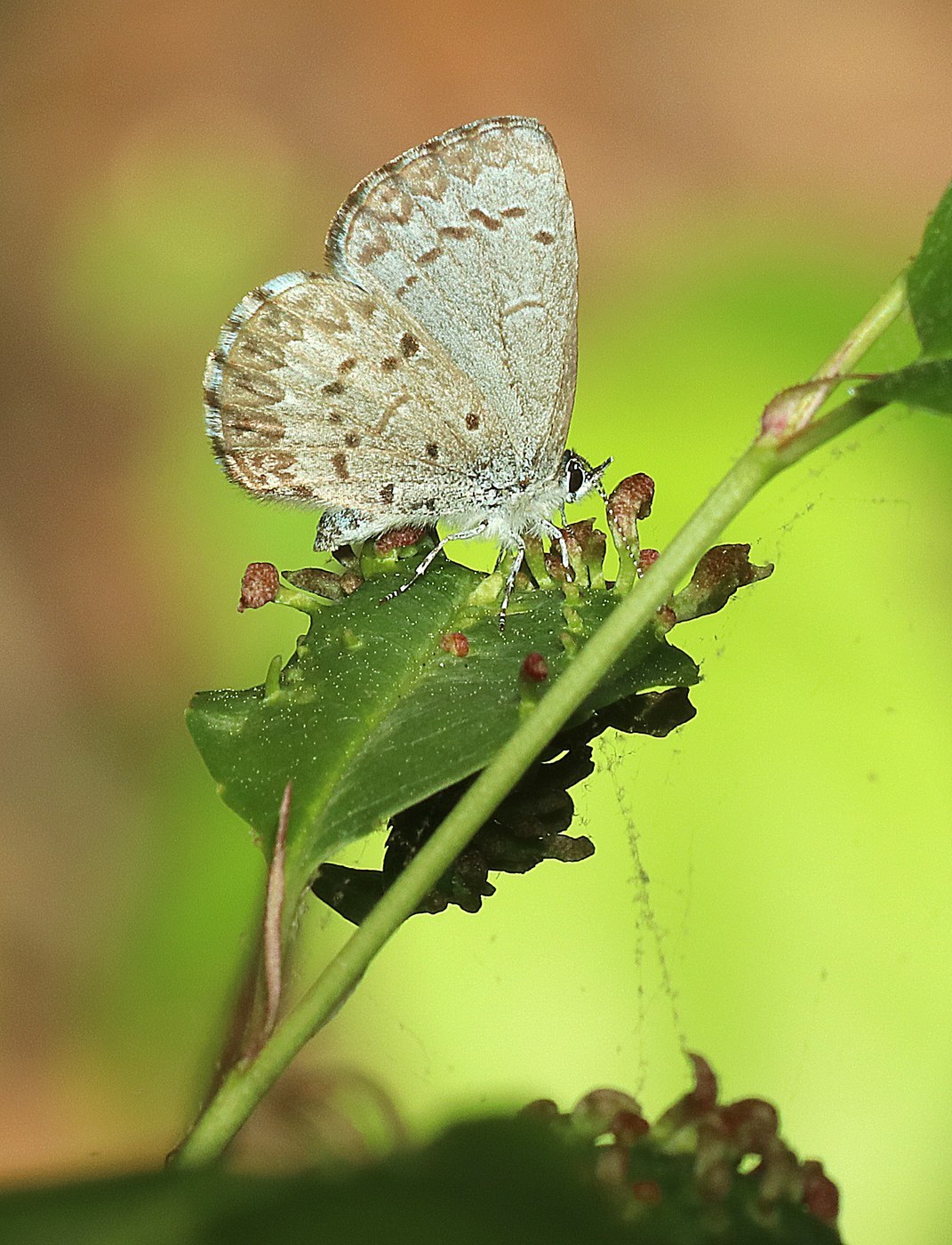
Spring Azure
Woodland edges, gardens, shrubby clearings
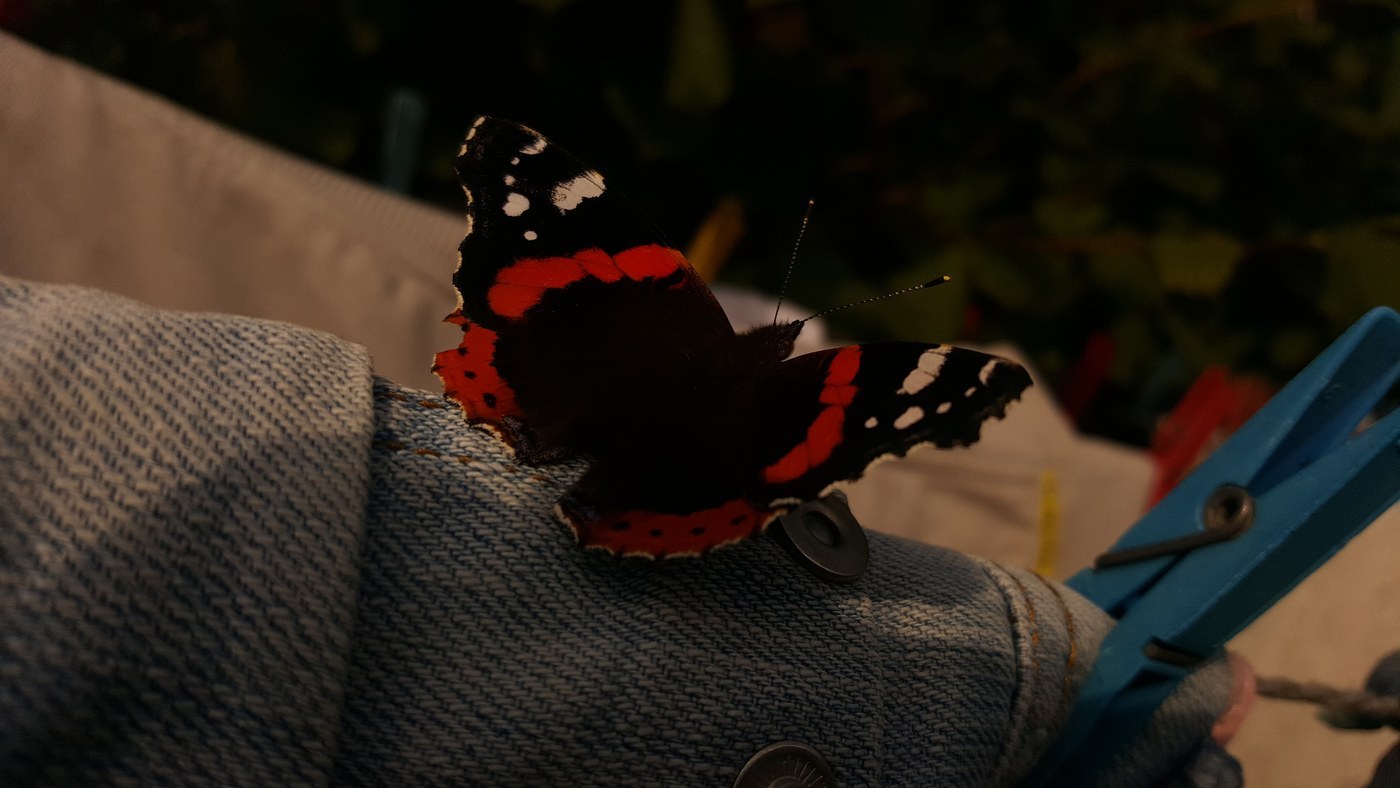
Red Admiral
Gardens, woodland edges, parks, meadows
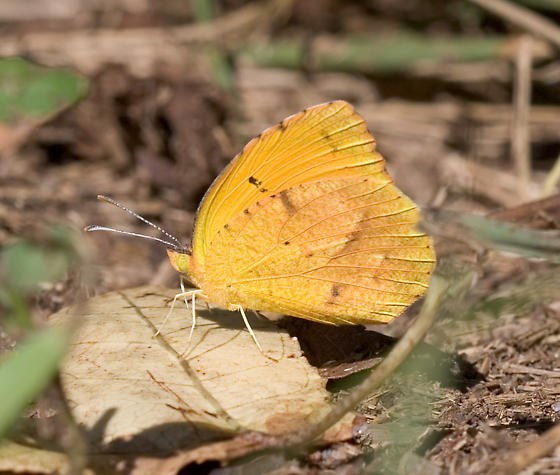
Sleepy Orange
Open woodland, fields, roadsides, and disturbed ground