
Black Swallowtail Caterpillar
Papilio polyxenes
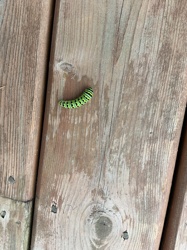
A striking green caterpillar banded with black and dotted with yellow spots, famous for the bright orange, forked osmeterium it flicks out when disturbed.
- Size
- 4-5 cm long
- Habitat
- gardens, meadows, and fields with parsley-family plants
- Danger
- Harmless
Spotted a bug like this?
Identify any bug or insect from a photo, free.
Overview
The black swallowtail caterpillar is the larval stage of Papilio polyxenes, a common and widespread swallowtail butterfly found across much of North America. Often called the parsley worm for its fondness for garden herbs, it is one of the most frequently encountered and admired garden caterpillars due to its bold coloring and its role as host to a beautiful adult butterfly.
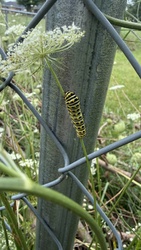
This caterpillar feeds almost exclusively on plants in the carrot family (Apiaceae), including parsley, dill, fennel, carrot tops, and Queen Anne's lace, as well as some plants in the citrus family in certain regions. Its striking green, black, and yellow banding changes in pattern and intensity as it matures through its larval instars.
A hallmark of this species is its defensive osmeterium, a forked, fleshy orange organ hidden behind the head that the caterpillar can suddenly evert when threatened, releasing a strong odor meant to deter predators such as birds and predatory insects.
How to Identify
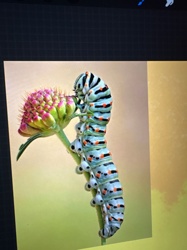
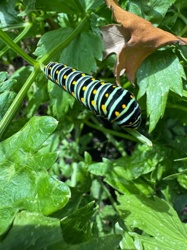
- Bright green body marked with black bands studded with small yellow-orange spots
- Banding pattern becomes more distinct and colorful in later instars
- Smooth, plump body without spines or long hairs
- Grows to roughly 4-5 cm at full size
- Possesses a hidden orange, Y-shaped osmeterium behind the head that it can evert when disturbed, releasing a pungent smell
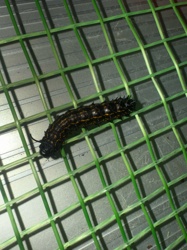
- Young caterpillars look very different: mottled brown and white, resembling bird droppings for camouflage
- Lookalikes: monarch caterpillar (which has black, white, and yellow stripes without the osmeterium) and other swallowtail caterpillars
Habitat & Range
Black swallowtail caterpillars are found throughout most of the United States, southern Canada, and into Mexico and Central America, wherever their host plants grow. They are common in vegetable and herb gardens, meadows, roadsides, and fields containing carrot-family plants like parsley, dill, fennel, and Queen Anne's lace. Active from spring through fall depending on region and generation, they are frequently spotted by gardeners tending herb patches.
Behavior & Diet
These caterpillars feed on the leaves and sometimes flowers of carrot-family host plants, often consuming significant portions of small garden herb plants during outbreaks. When threatened by predators such as birds or wasps, they rear up and extend the bright orange osmeterium from behind the head while releasing a strong, unpleasant odor intended to startle and repel the attacker. This defensive display, combined with their bold coloring, helps deter many would-be predators, though they still fall prey to birds, spiders, and parasitic wasps.
Life Cycle
Adult female butterflies lay small, round, pale yellow eggs singly on the leaves or stems of host plants. Eggs hatch within about a week into tiny larvae that initially resemble bird droppings for camouflage, then develop the bold green-and-black banding through later instars over about three to four weeks. Mature caterpillars form a mottled brown or green chrysalis attached to a plant stem or nearby structure by silk, where they may remain for one to two weeks in summer generations or overwinter through the colder months. Adults emerge as black swallowtail butterflies with blue and orange markings on the hindwings. The species typically produces two to three generations per year depending on climate.
Frequently asked questions
What is the orange forked organ behind the caterpillar's head?
It is called an osmeterium, a defensive gland the caterpillar everts when threatened, releasing a strong smell to deter predators.
What plants do black swallowtail caterpillars eat?
They feed mainly on carrot-family plants such as parsley, dill, fennel, carrot foliage, and Queen Anne's lace.
Do young and mature caterpillars look the same?
No, young caterpillars are mottled brown and white to resemble bird droppings, while mature caterpillars display bold green, black, and yellow banding.
What butterfly does this caterpillar become?
It becomes the black swallowtail butterfly, a large black butterfly with blue and orange markings on the hindwings.
Black Swallowtail Caterpillar guides
In-depth guides for identifying, understanding, and living alongside Black Swallowtail Caterpillar.
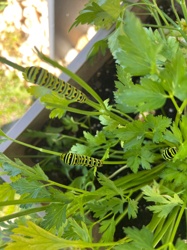
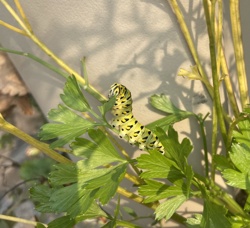
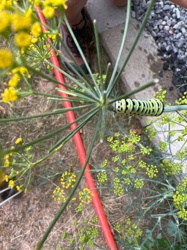
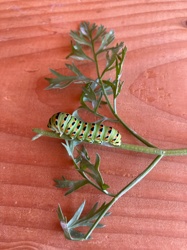
Black Swallowtail Caterpillar identified by the community
Real finds identified with Bug Identifier.
Other bugs you may enjoy
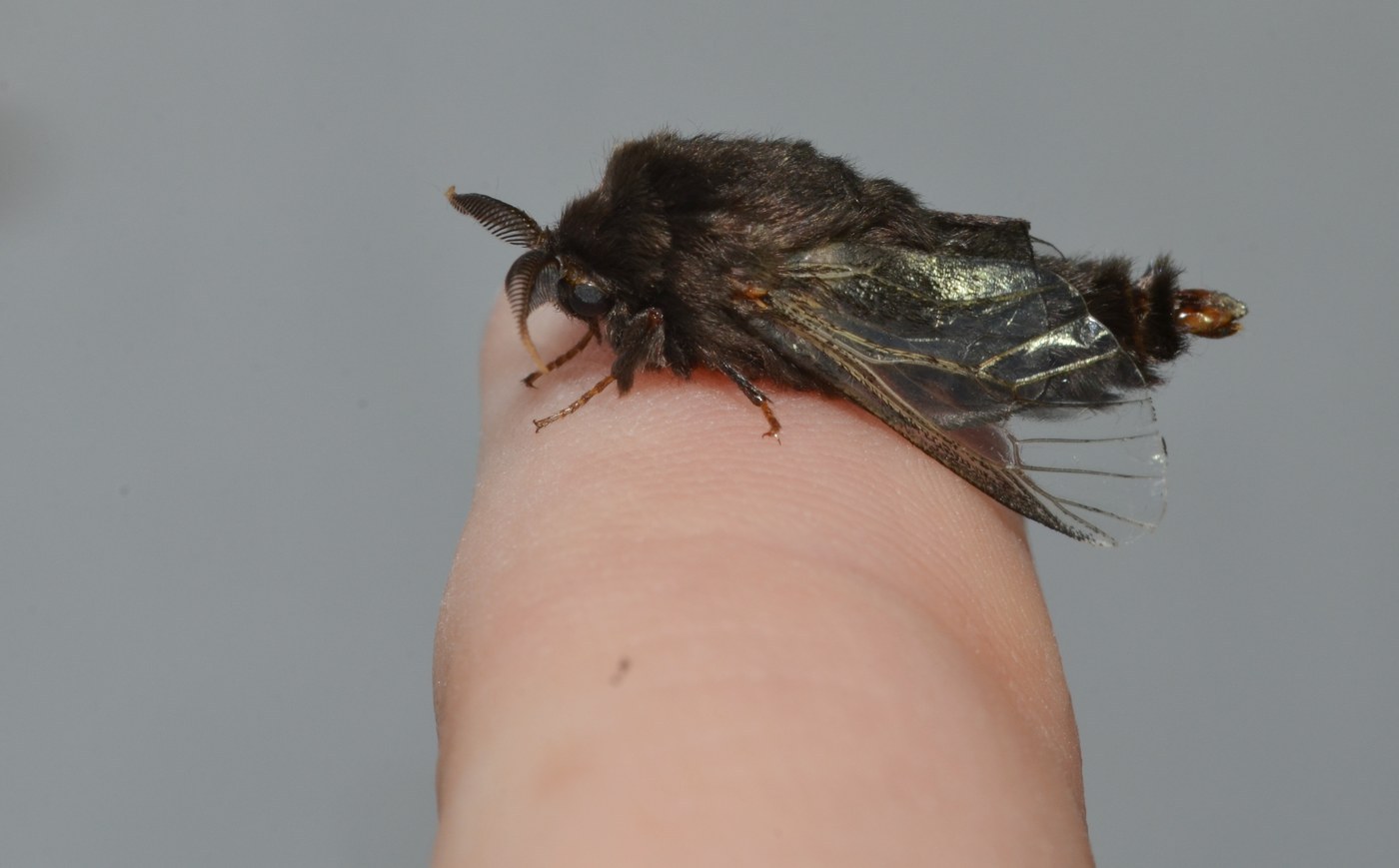
Bagworm
Trees and shrubs, especially conifers and ornamental landscaping
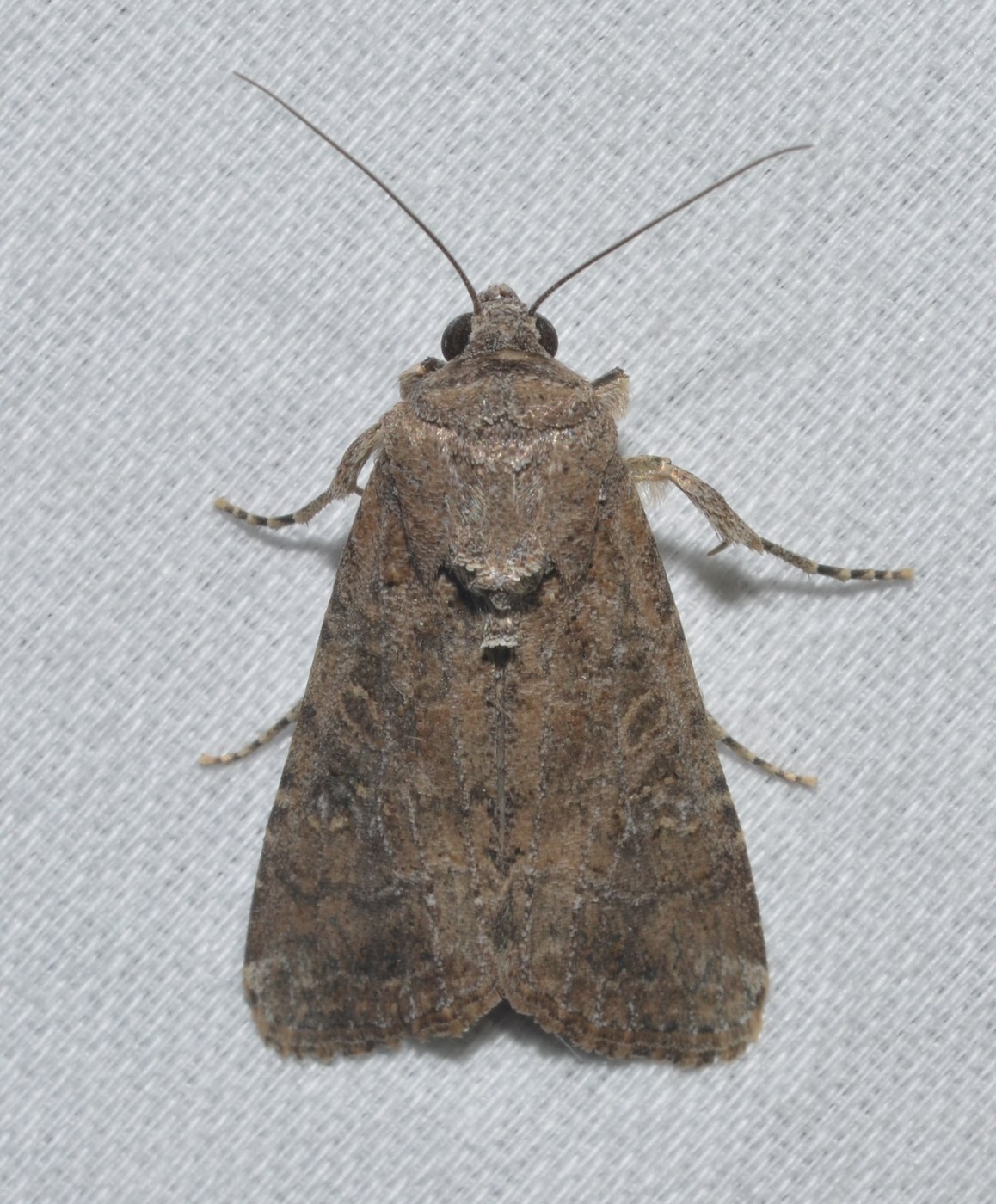
Armyworm
grasslands, pastures, and cereal crop fields
Zebra Longwing Caterpillar
Tropical and subtropical hammocks with passionflower vines
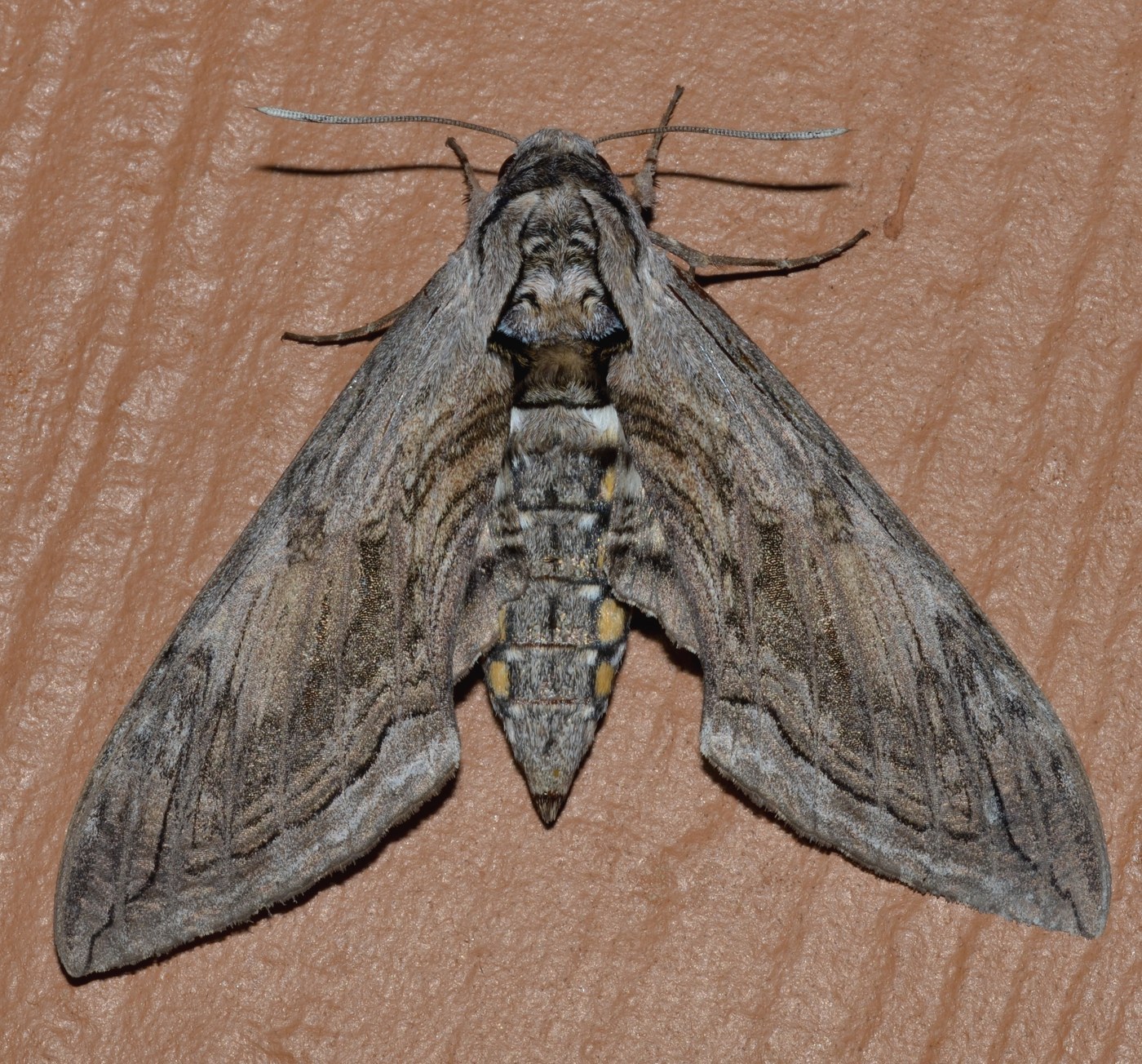
Tomato Hornworm
Gardens and fields with tomato, pepper, and other nightshade plants
Tent Caterpillar
Deciduous trees such as cherry, apple, and other rosaceous species
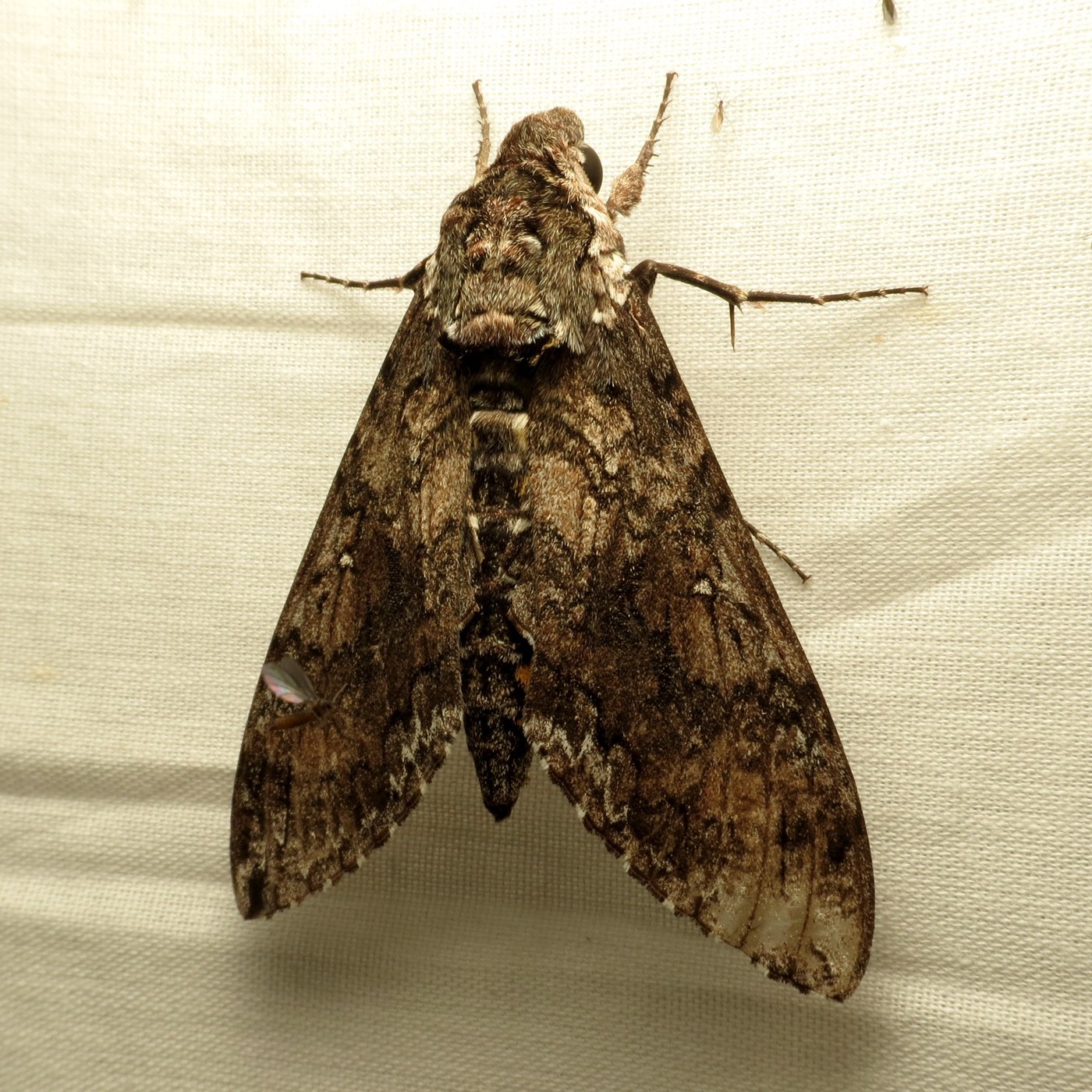
Tobacco Hornworm
tobacco, tomato, and pepper plants in gardens and fields
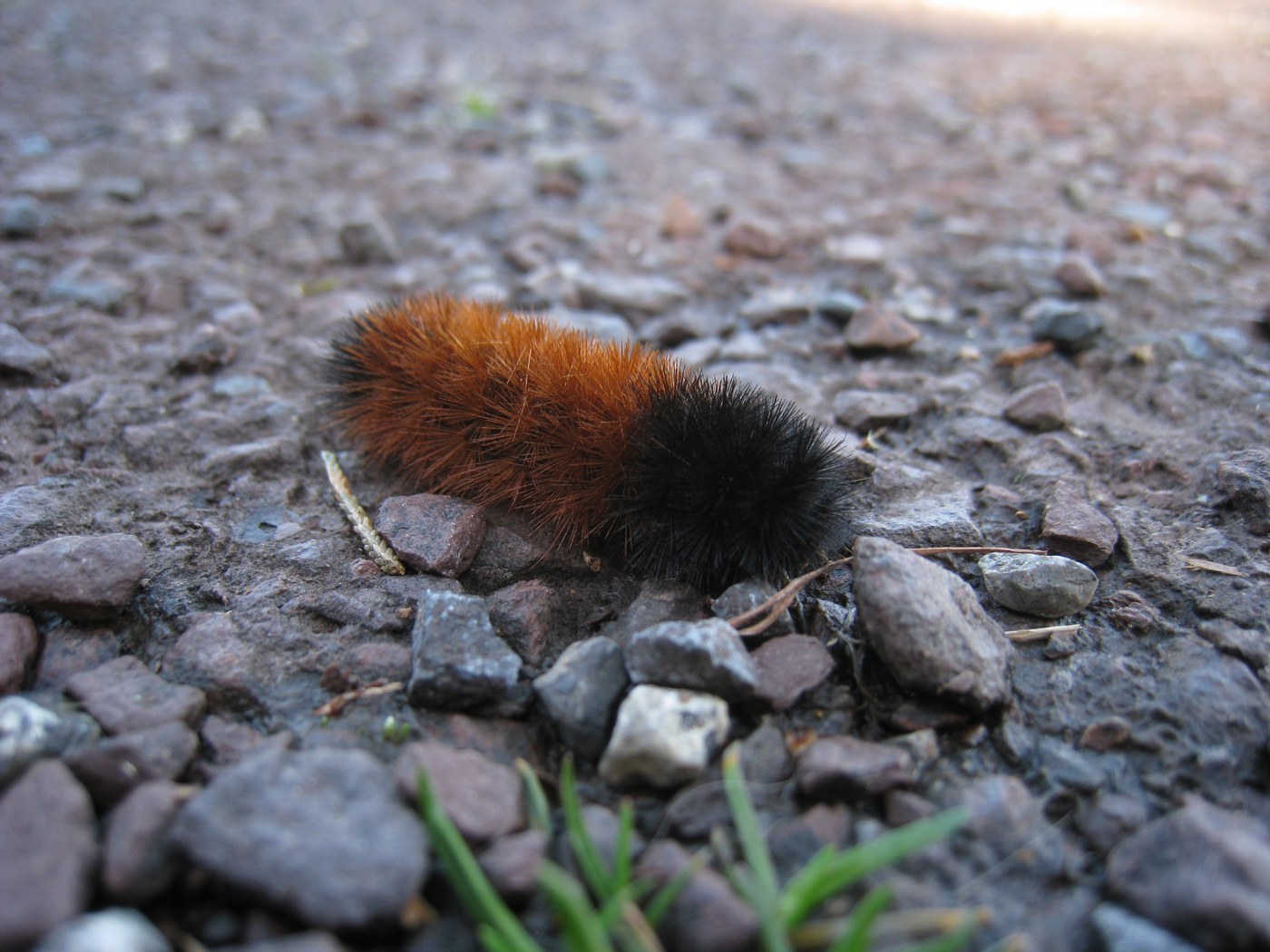
Woolly Bear Caterpillar
Gardens, meadows, roadsides, and woodland edges across North America
Sod Webworm
Turfgrass lawns, golf courses, pastures
Spiny Oak-slug Caterpillar
Deciduous forests and woodland edges with oak and other hardwoods
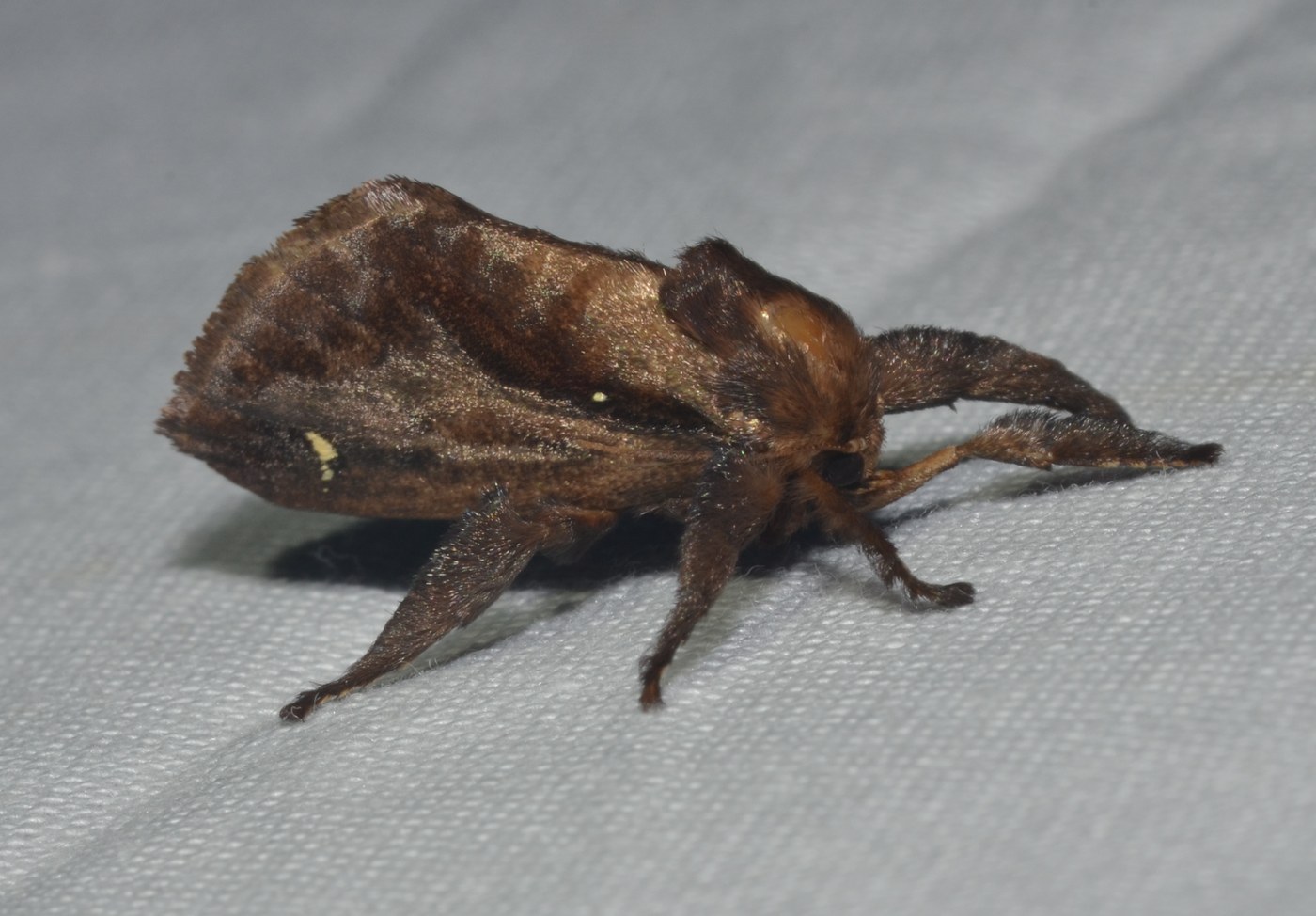
Saddleback Caterpillar
Deciduous trees and shrubs in eastern and southern North America
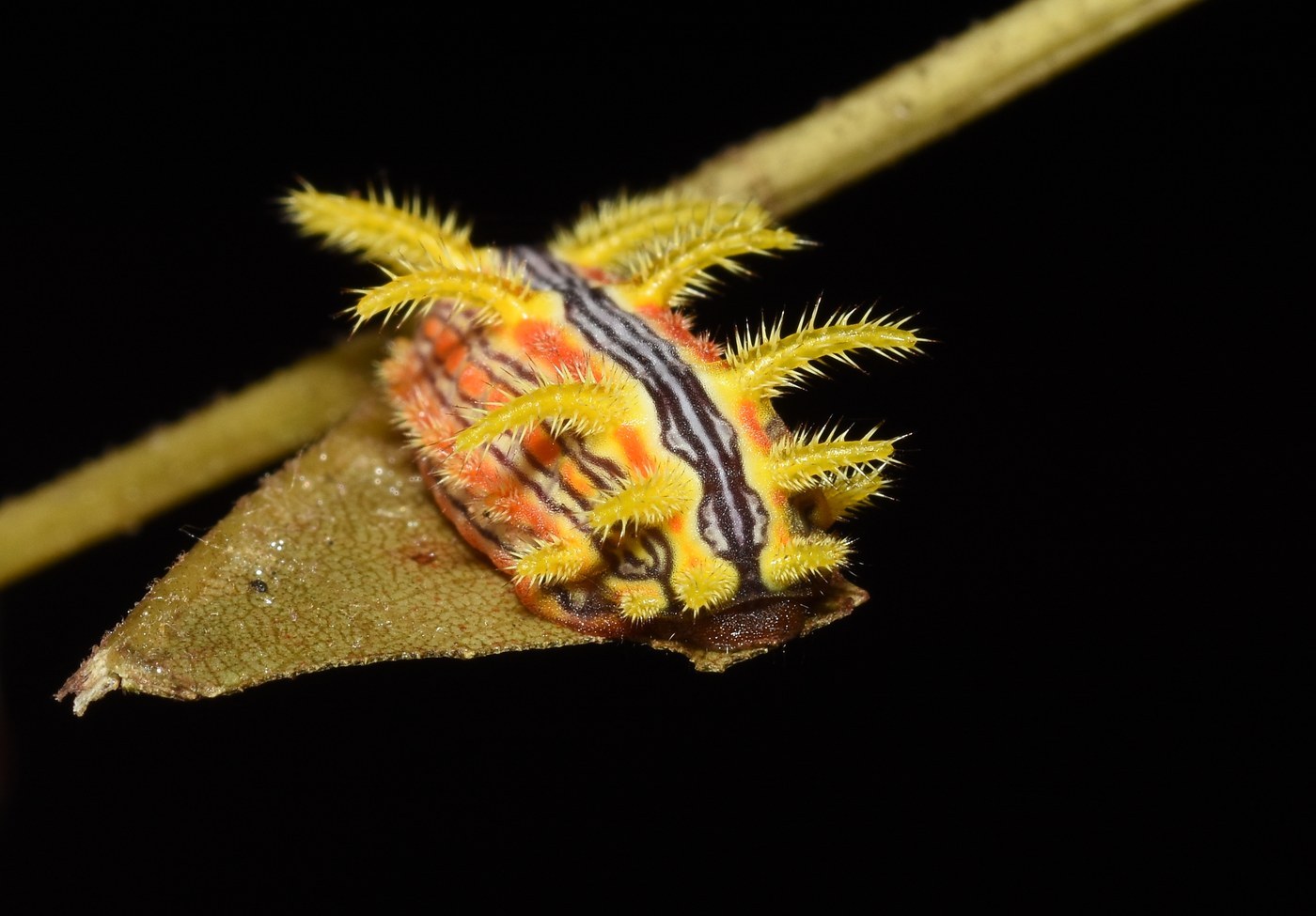
Stinging Rose Caterpillar
Gardens and woodlands with rose, dogwood, or oak
Silkworm
Reared exclusively in captivity on mulberry leaves; no independent wild population