
Braconid Wasp
Cotesia spp.
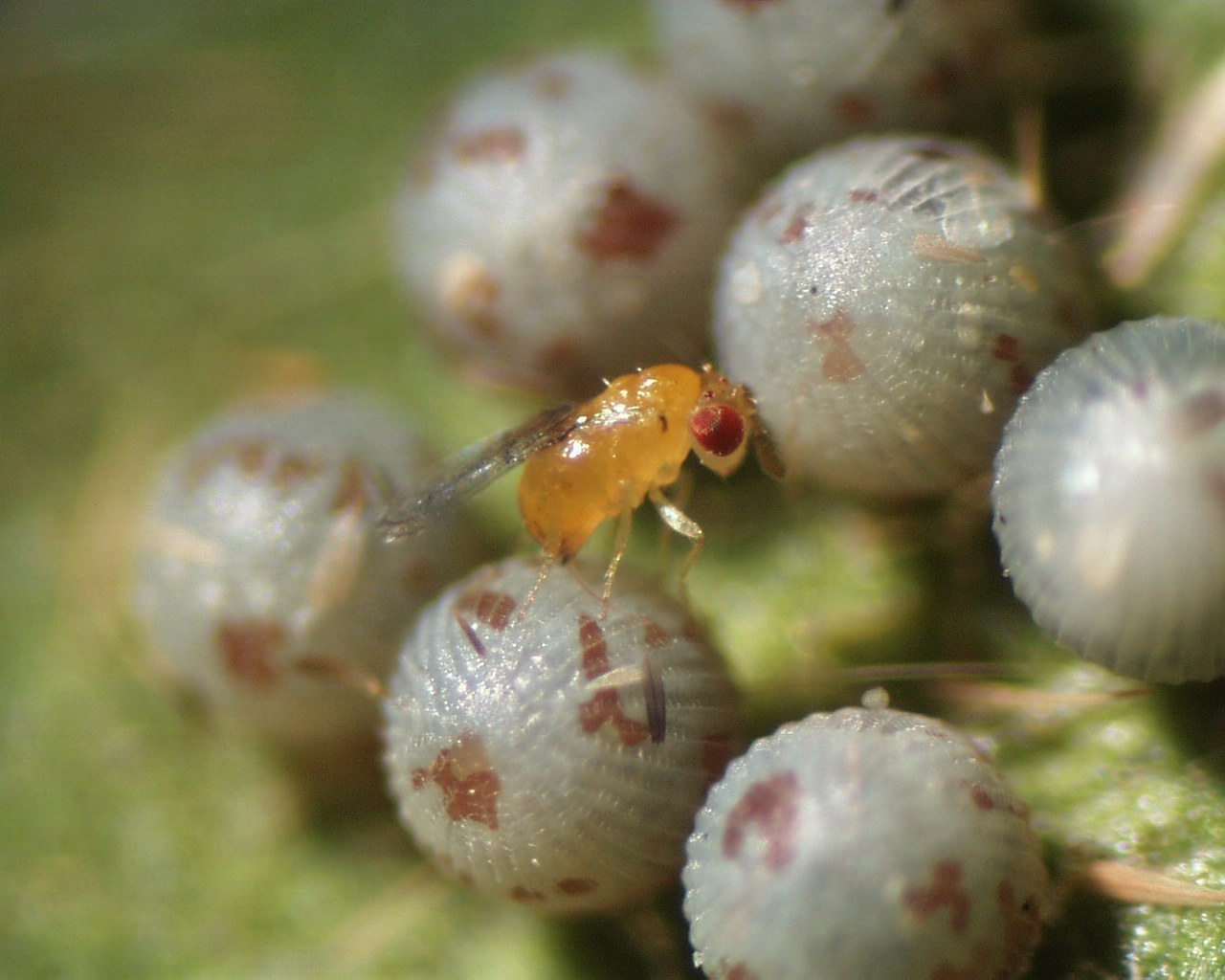
A tiny, often overlooked parasitoid wasp best known for laying eggs inside caterpillars and other insect hosts, sometimes leaving telltale clusters of small white cocoons on a host's back.
- Size
- 2–15 mm
- Habitat
- Gardens, fields, and woodlands wherever host insects occur
- Danger
- Harmless
Spotted a bug like this?
Identify any bug or insect from a photo, free.
Overview
Braconid wasps make up the family Braconidae, one of the largest wasp families in the world with tens of thousands of described species, second in diversity only to the closely related ichneumon wasps. Most are tiny to small, dark-colored insects that go unnoticed except for the dramatic evidence they sometimes leave behind on their hosts.
Braconids are parasitoids, meaning the larvae develop by feeding on or inside a host insect, ultimately killing it, rather than simply sharing space with it. Hosts range widely across insect groups including caterpillars, aphids, beetle larvae, and true bugs, making braconids extremely important natural regulators of many plant-feeding insect populations.
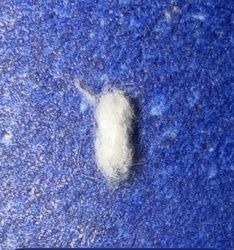
One of the most recognizable signs of braconid activity is a caterpillar, such as a hornworm, covered in small white silken cocoons where the wasp larvae completed development after emerging from the host's body.
How to Identify
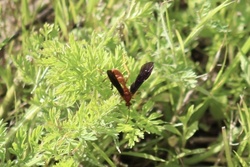
- Very small to small body size, typically a few millimeters long, often dark brown or black, sometimes with reddish or yellowish markings.
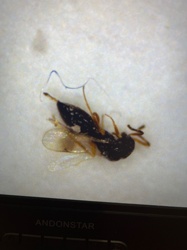
- Slender build with long, thread-like antennae, usually longer than the head and thorax combined.
- Females of many species have a visible ovipositor at the tip of the abdomen used for laying eggs into hosts.
- Wings are clear and membranous, with a reduced, simplified wing vein pattern compared to ichneumon wasps.
- Lookalikes: ichneumon wasps are generally larger with a more complete wing vein pattern; braconids are best confirmed by finding their small cocoon clusters on a parasitized host.
Habitat & Range
Braconid wasps are found on every continent except Antarctica and occupy nearly every terrestrial habitat that supports insect hosts, including gardens, agricultural fields, meadows, and forests. Adults are typically active from spring through fall in temperate regions, timing their activity to the availability of host insects such as caterpillars and aphids.
Behavior & Diet
Adult females search for suitable host insects and use their ovipositor to lay one or many eggs inside or on the host's body. The wasp larvae feed internally, eventually emerging to spin cocoons either on or near the host, which is typically killed in the process. Adult braconids themselves feed on nectar, pollen, or honeydew. Because of their role in suppressing plant-feeding insect populations, braconids are considered valuable natural allies in gardens and croplands.
Life Cycle
Eggs are laid inside or on a host insect, and the larvae develop internally, consuming the host from within over one to several weeks depending on species. Mature larvae exit the host to spin small silken cocoons, either singly or in clusters, where they pupate. Development is complete metamorphosis, and many species can complete multiple generations per year, with some overwintering as larvae or pupae inside a host or cocoon.
Frequently asked questions
Why are there white cocoons on a caterpillar I found?
Those are braconid wasp cocoons; the wasp larvae developed inside the caterpillar and emerged to pupate on its skin.
Are braconid wasps harmful to plants?
No, braconid wasps do not feed on plants; their larvae develop on or inside other insects.
How is a braconid wasp different from an ichneumon wasp?
Braconids are typically smaller with a simpler wing vein pattern, while ichneumon wasps tend to be larger with longer antennae and more complex wing venation.
Do braconid wasps sting people?
They are not known to sting people; their ovipositor is adapted for laying eggs into insect hosts, not defense against humans.
Braconid Wasp guides
In-depth guides for identifying, understanding, and living alongside Braconid Wasp.
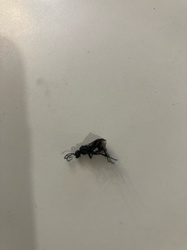
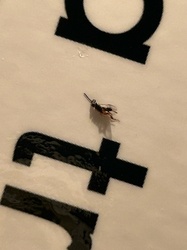
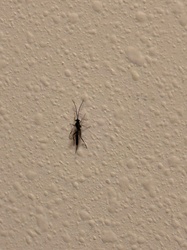
Braconid Wasp identified by the community
Real finds identified with Bug Identifier.
Other bugs you may enjoy
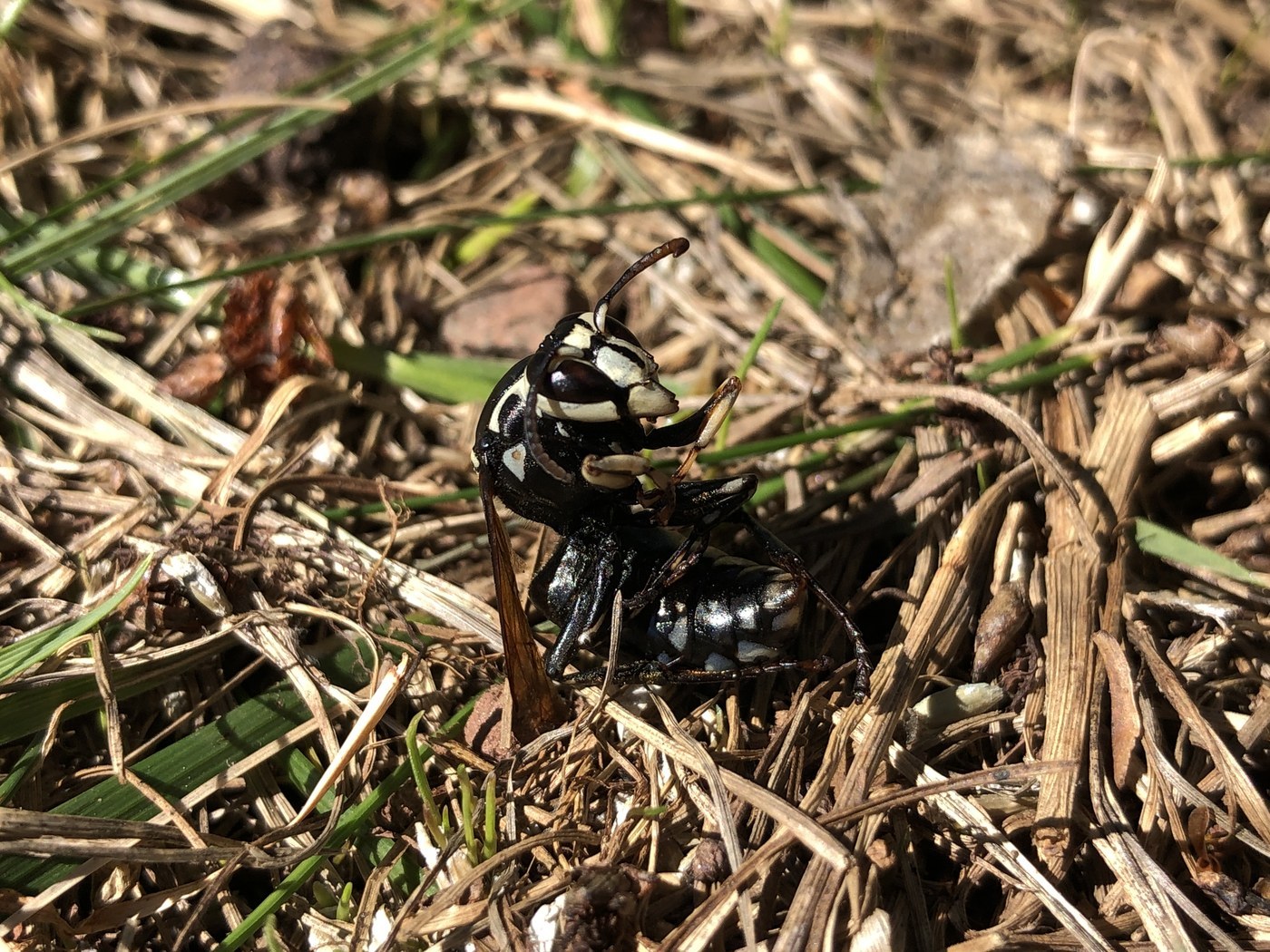
Bald-faced Hornet
Woodland edges, shrubs, and tree branches across North America
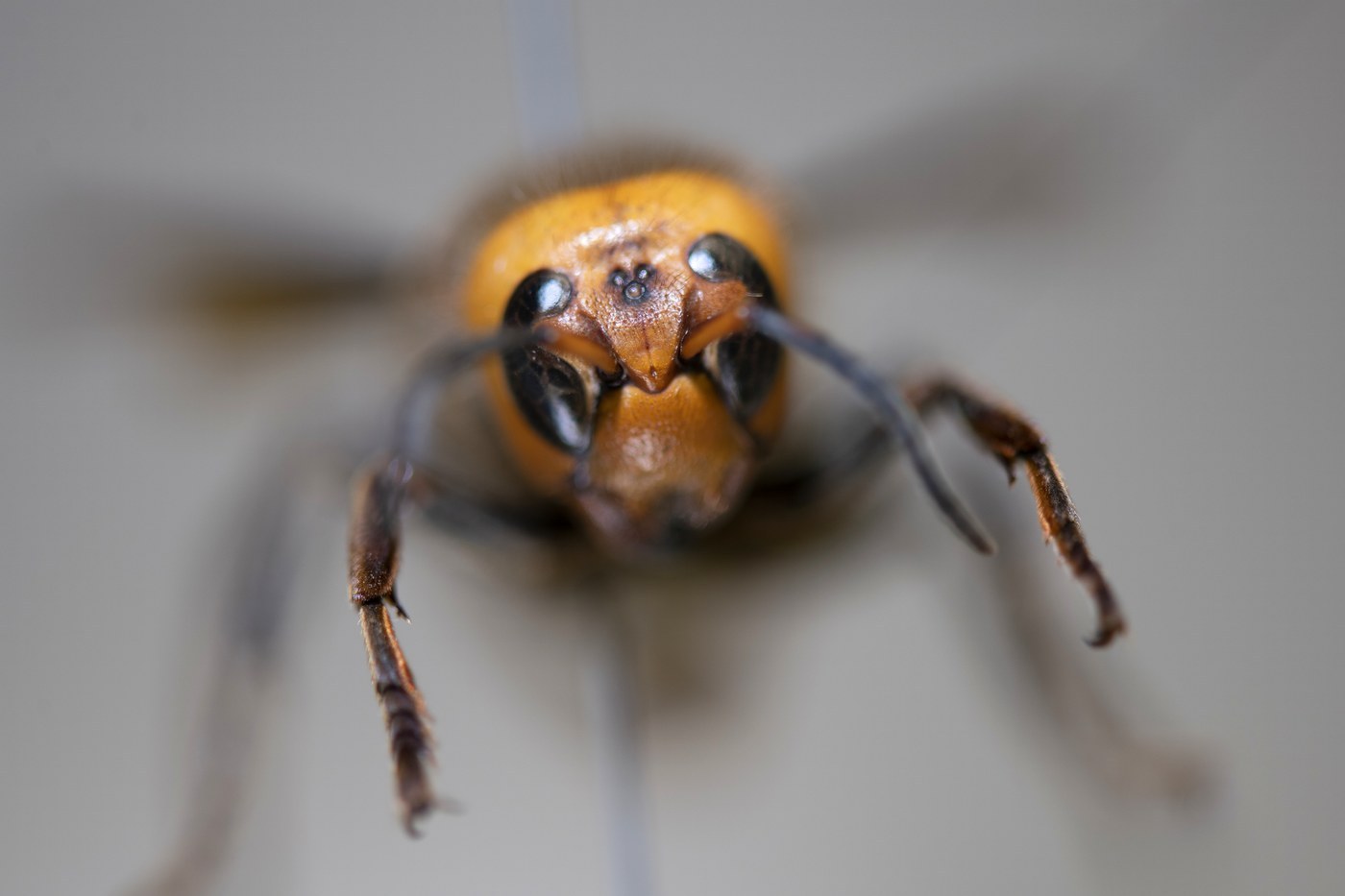
Asian Giant Hornet
Forested lowlands and mountains of East and South Asia; low tree hollows
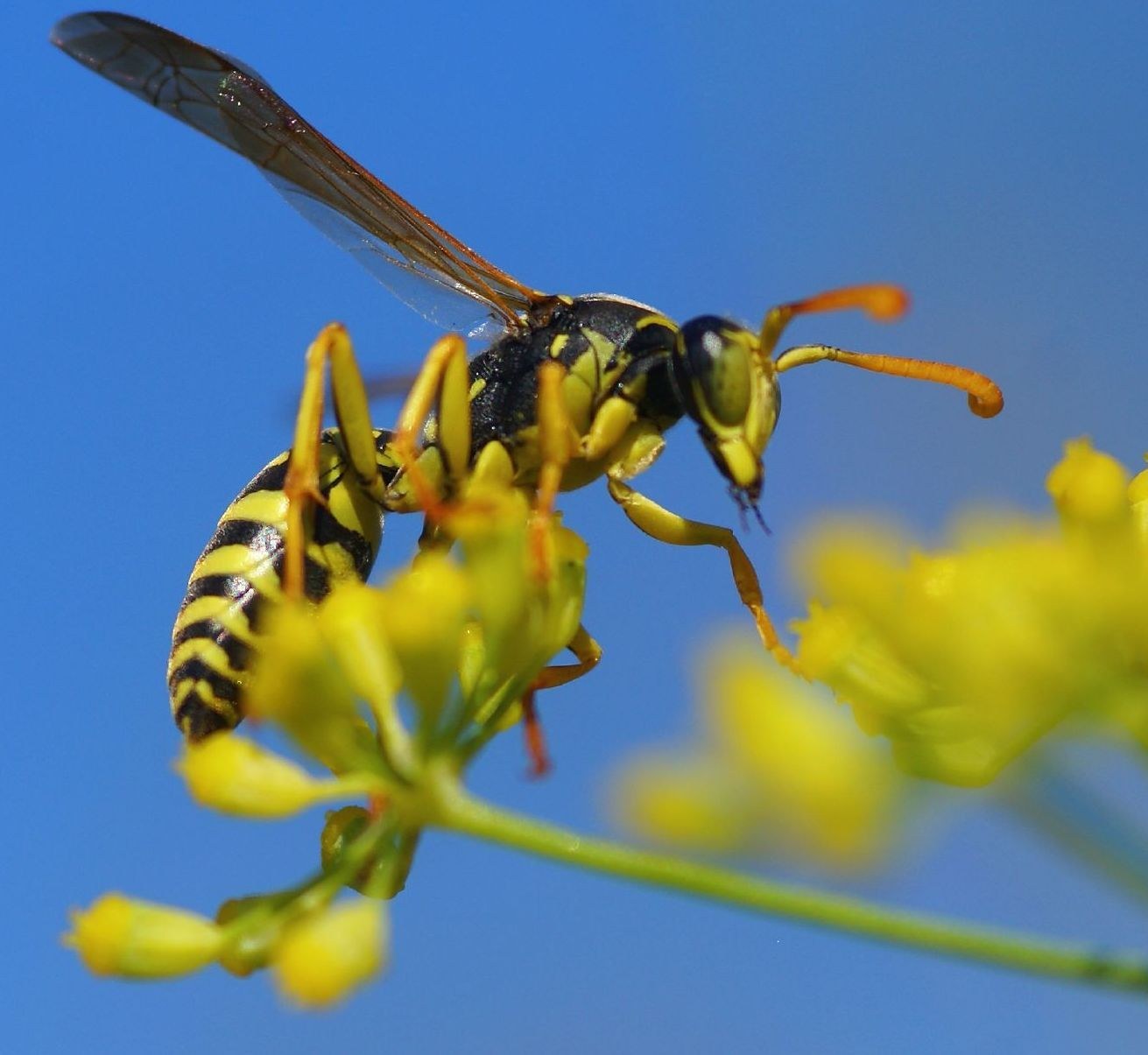
Yellowjacket
Underground nests, wall voids, gardens, picnic areas
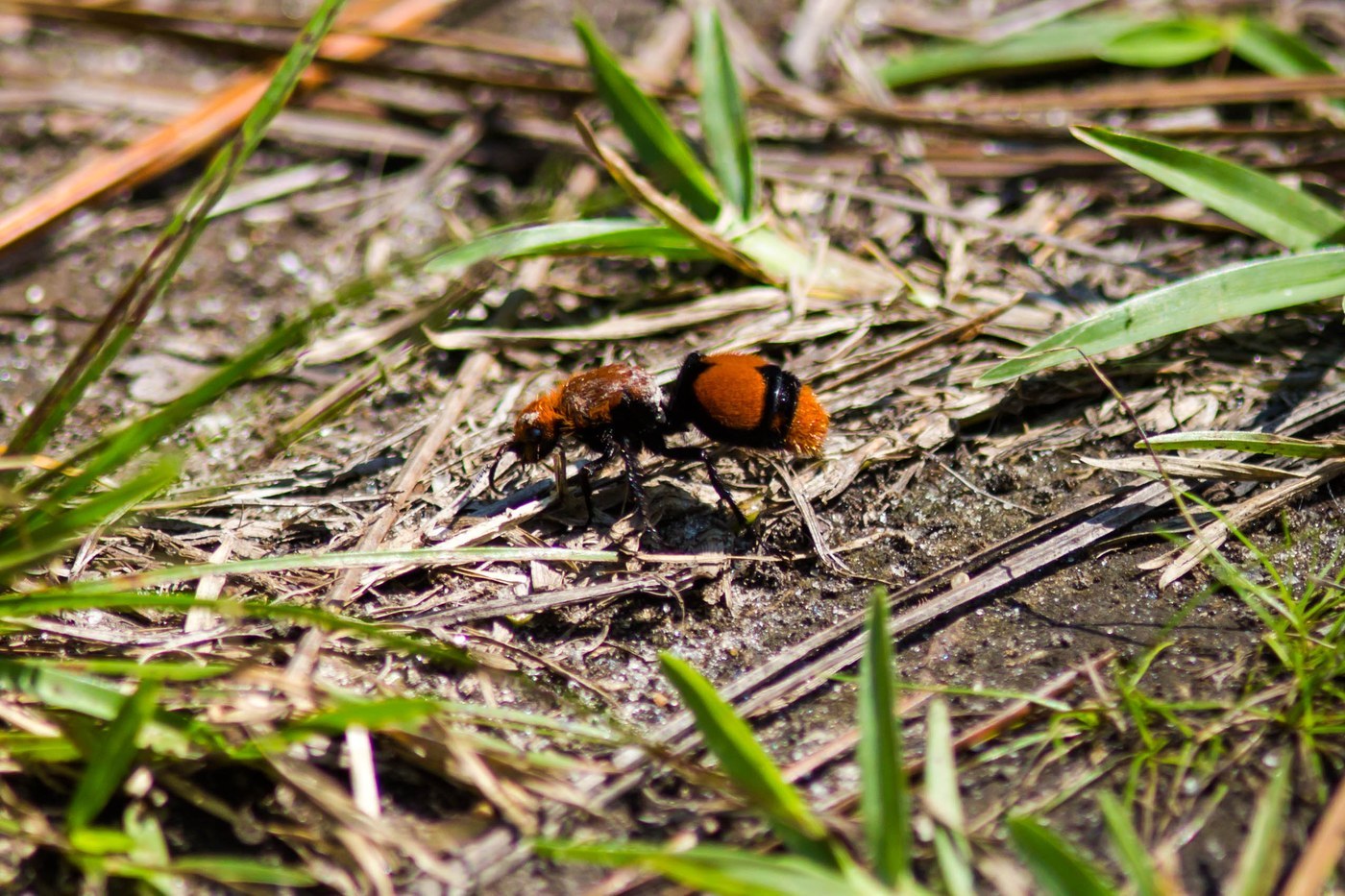
Velvet Ant
Sandy soils, open fields, dunes, roadsides in warm regions
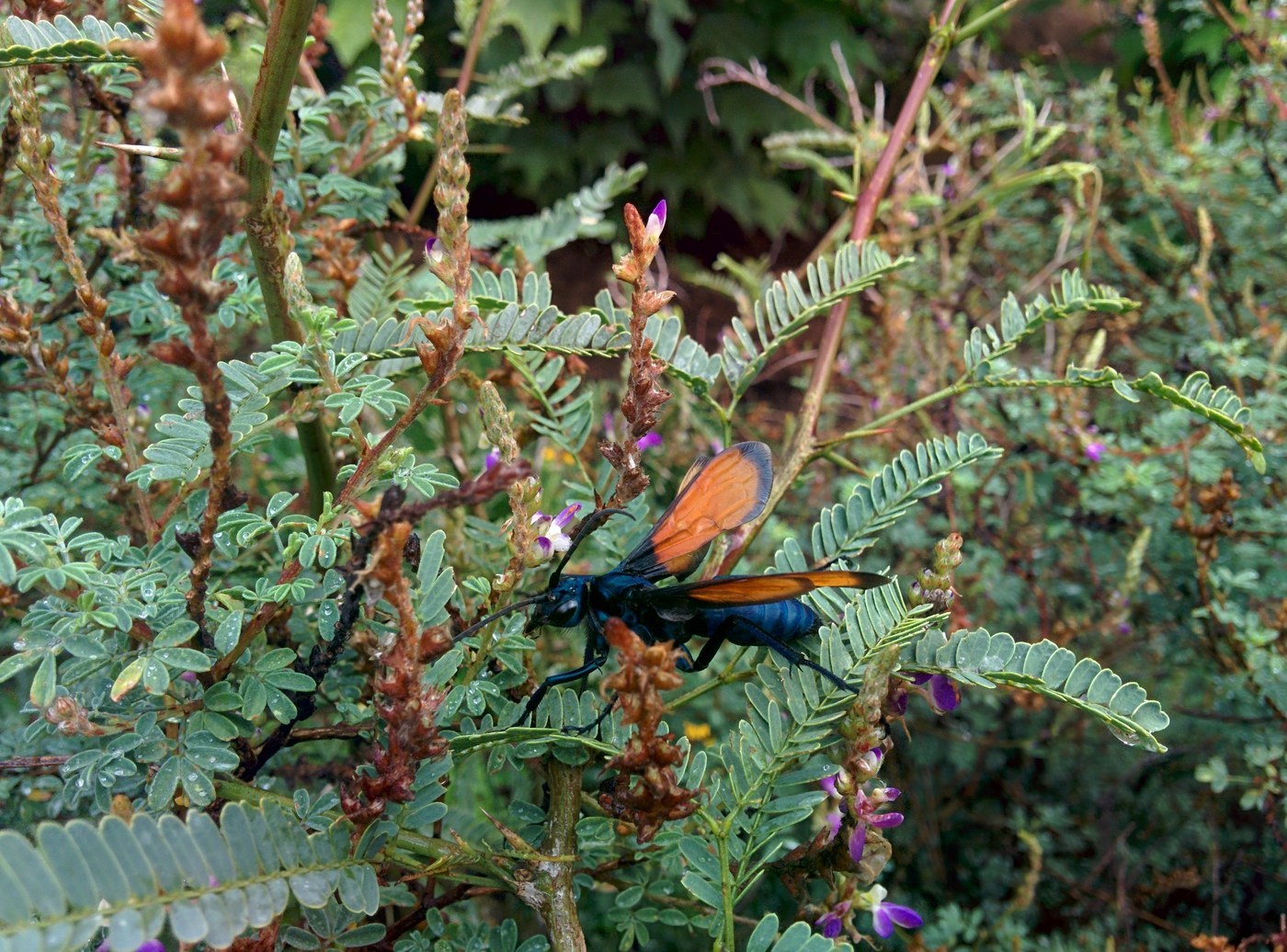
Tarantula Hawk
Deserts, arid scrublands, and dry grasslands
Tarantula Hawk Wasp
Deserts, grasslands, and scrub of the Americas
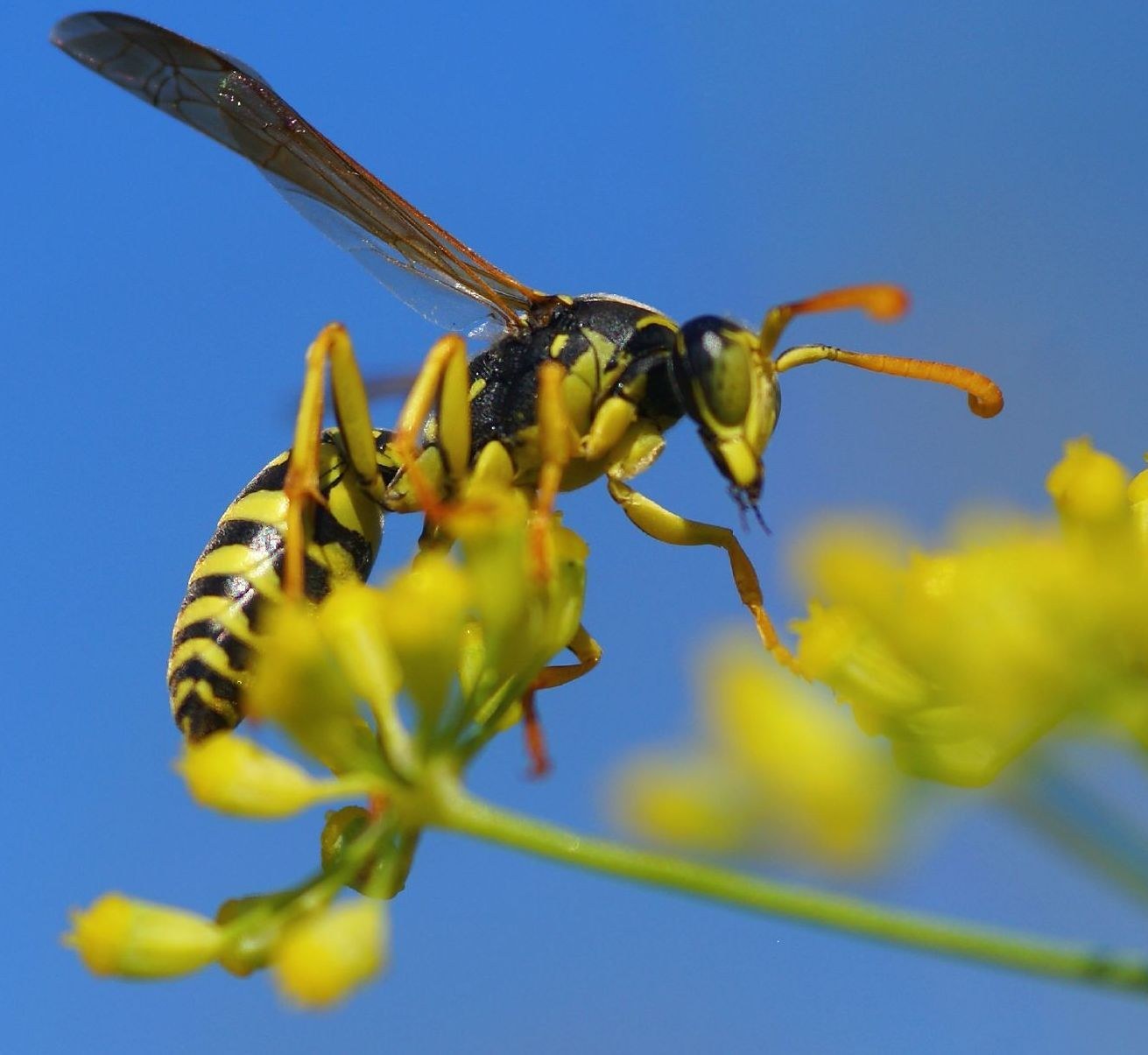
Wasp
Gardens, woodlands, eaves, and urban areas worldwide
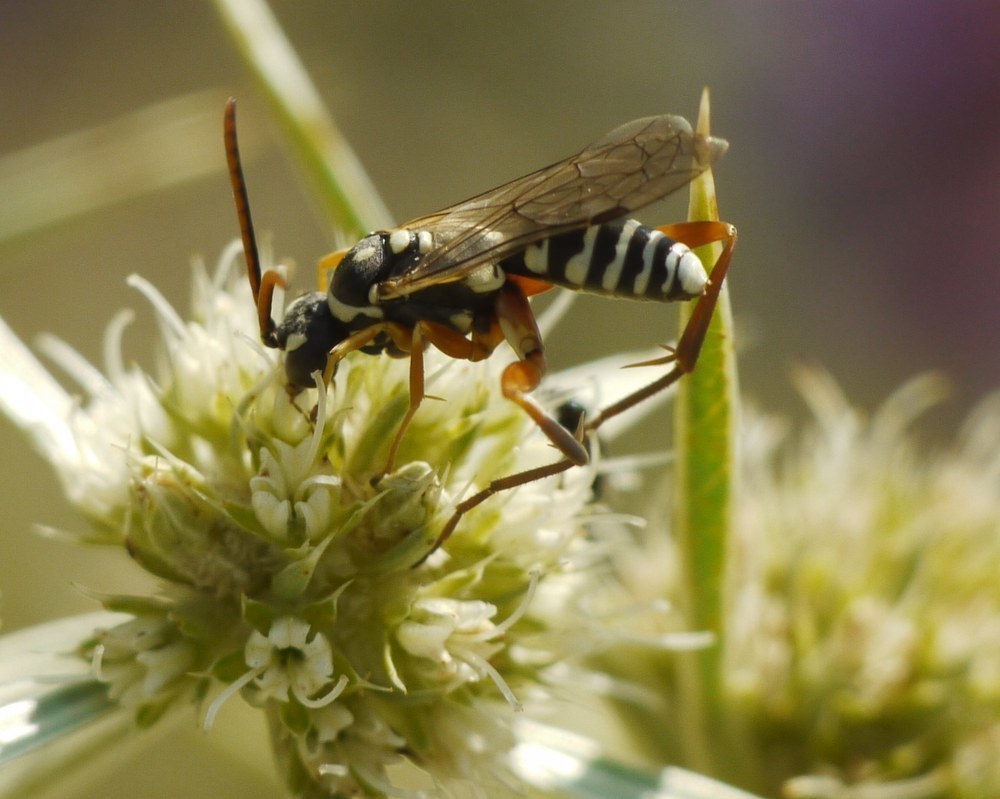
Spider Wasp
Gardens, grasslands, and sandy open areas worldwide
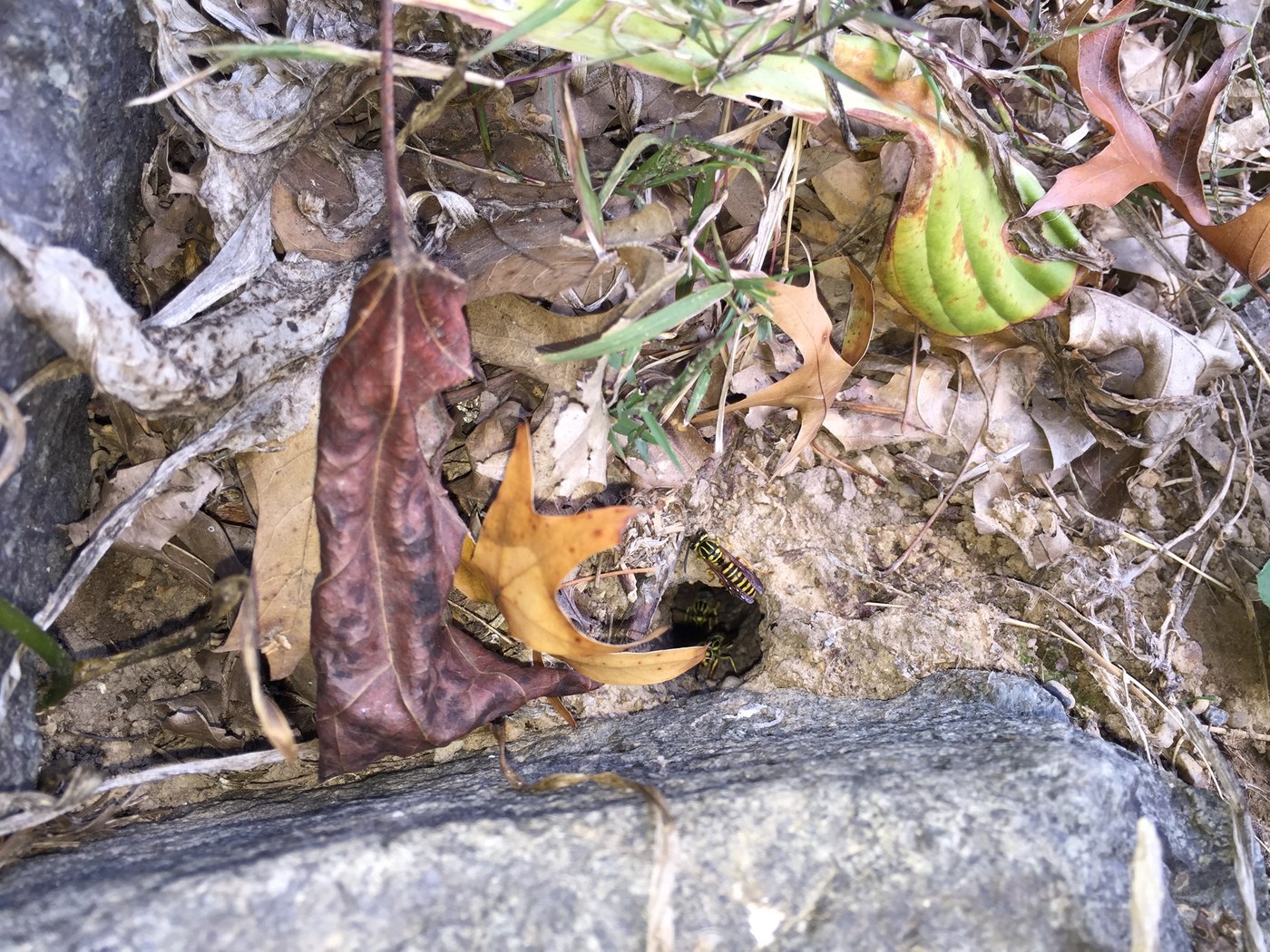
Yellow Jacket
Ground nests, wall voids, parks, and areas near food sources
Sawfly
Gardens, woodlands, and orchards on host foliage
Red Paper Wasp
Eaves, porch ceilings, sheds, open woodland edges, gardens
Trichogramma Wasp
Fields, gardens, and crops worldwide