
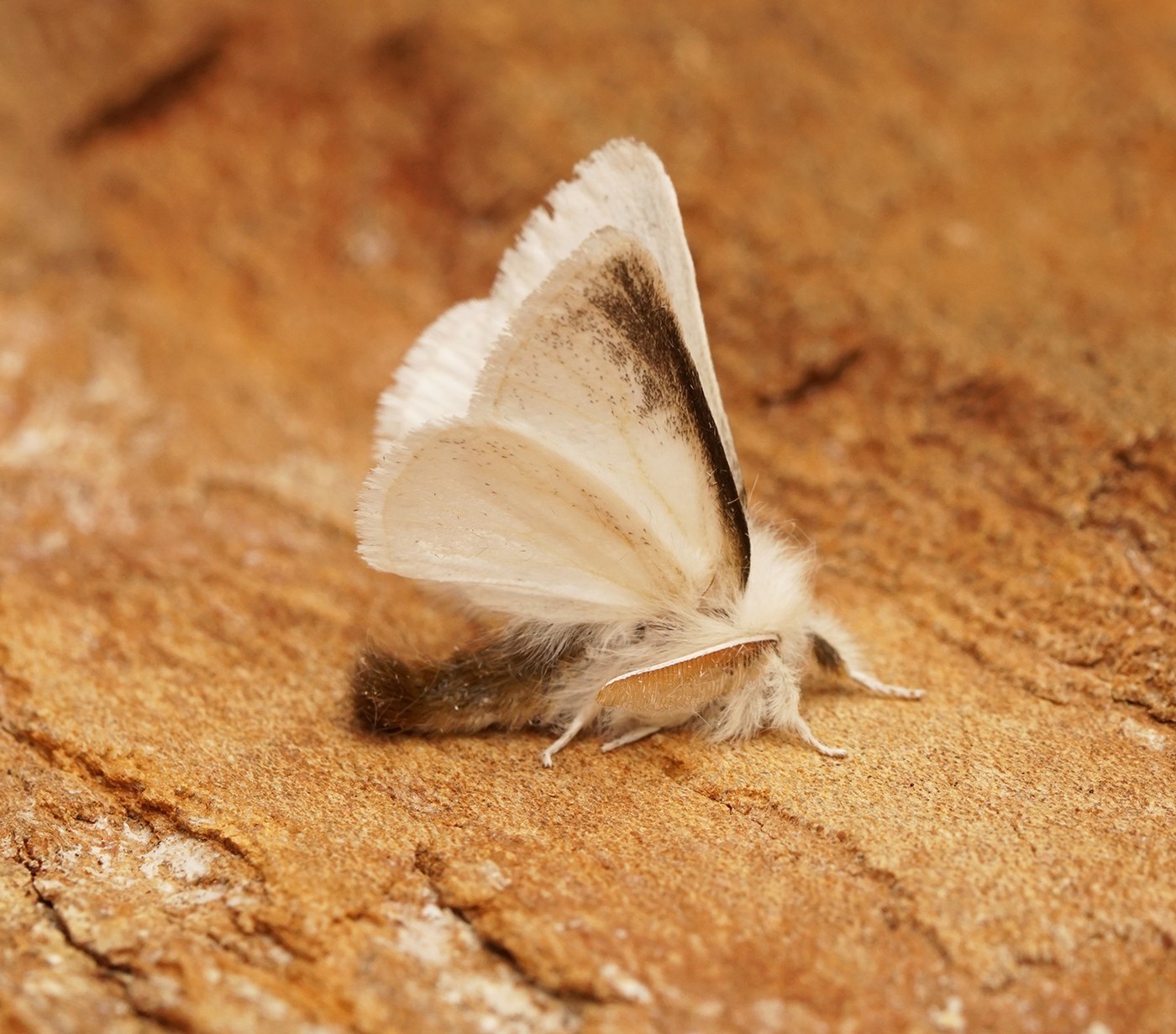
Brown-tail Moth
Euproctis chrysorrhoea
A pure white moth with a tuft of brown hair at the tip of its abdomen, whose gregarious, hairy caterpillars overwinter communally in silken webs on tree branches.
- Size
- 1.2–1.6 in wingspan
- Habitat
- Deciduous woodlands, coastal shrubland, orchards
- Danger
- Stings
Spotted a bug like this?
Identify any bug or insect from a photo, free.
Overview
The brown-tail moth is a member of the subfamily Lymantriinae within the family Erebidae, native to Europe but established as an introduced species in parts of North America, particularly along the northeastern coast. It is named for the tuft of brown hair at the end of the adult female's abdomen, used to cover her egg mass after laying.
Adults are entirely white-winged moths with a compact, fuzzy body, making them fairly distinctive among white moths due to the contrasting brown tail tuft, most visible on females. The caterpillars are gregarious, living communally in silken winter nests woven into the branch tips of host trees, and are covered in dense hairs.
As an introduced species in North America, the brown-tail moth has drawn attention due to periodic population outbreaks affecting deciduous trees and shrubs in coastal New England, making it a notable subject of regional monitoring.
How to Identify
- Adult wings and body are almost entirely snow-white, with a dense covering of white scales.
- A conspicuous tuft of brown hair sits at the tip of the abdomen, more prominent in females than males.
- Wingspan roughly 3–4 cm; body compact and moderately furry in appearance.
- The caterpillar is dark brown with two conspicuous orange-red spots near the rear and a broken white stripe along each side, densely covered in short hairs.
- Distinguished from other white moths by the brown tail tuft, and from other hairy caterpillars by the paired orange-red dorsal spots near the tail end.
Habitat & Range
Native to Europe, North Africa, and parts of Asia, with an established introduced population along the coast of the northeastern United States, particularly Massachusetts and Maine. Found in deciduous woodlands, coastal shrubland, orchards, and hedgerows. Caterpillars overwinter in silken communal nests at branch tips and become active again feeding on new foliage in spring, while adults fly in mid-summer.
Behavior & Diet
Adults are nocturnal fliers attracted to light, with a relatively short flight period in summer focused on mating and egg-laying. Caterpillars feed gregariously on the leaves of a wide range of deciduous trees and shrubs, particularly in spring, and construct dense communal silk webs at branch tips for overwintering shelter. The caterpillar's body hairs are a notable defensive feature, readily detaching and dispersing to deter predators.
Life Cycle
Females lay egg masses on leaves in mid-summer, covering them with brown hair from the tip of the abdomen for protection. Eggs hatch into small caterpillars that feed briefly before constructing a communal silk nest in which they overwinter as partially grown larvae. In spring the caterpillars emerge to resume feeding, molting through several instars before pupating within the shelter of leaves or bark crevices. There is one generation per year, with adults emerging in summer to mate and restart the cycle.
Frequently asked questions
Is the brown-tail moth native to North America?
No, it is native to Europe and parts of Asia and North Africa, and was introduced to the northeastern United States where it has become established.
How do I tell it apart from other white moths?
Look for the conspicuous tuft of brown hair at the tip of the abdomen, which is distinctive among otherwise all-white moths.
Where do the caterpillars spend the winter?
They live communally in dense silk nests woven at the tips of host tree branches, emerging again in spring to feed.
Why are the caterpillars so hairy?
Their dense body hairs readily detach and act as a defensive deterrent against predators, and the paired orange-red spots near the tail help distinguish them from other hairy caterpillars.
Brown-tail Moth guides
In-depth guides for identifying, understanding, and living alongside Brown-tail Moth.
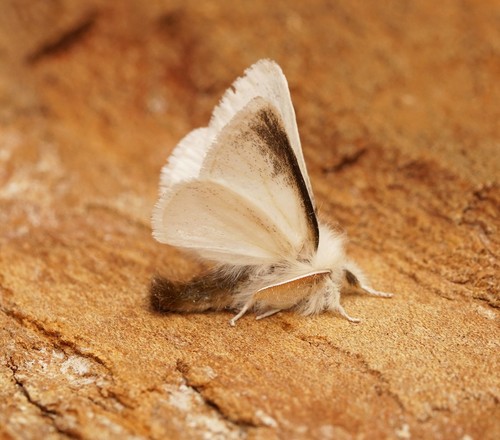
Brown-tail Moth identified by the community
Real finds identified with Bug Identifier.

Other bugs you may enjoy
Bagworm Moth
Coniferous and deciduous trees, shrubs, hedges
Antheraea Silkmoth
Deciduous forests, woodland edges, orchards
Ailanthus Silkmoth (Cynthia Moth)
Urban parks, wastelands, and woodland edges with tree-of-heaven; native to Asia, introduced in North America and Europe
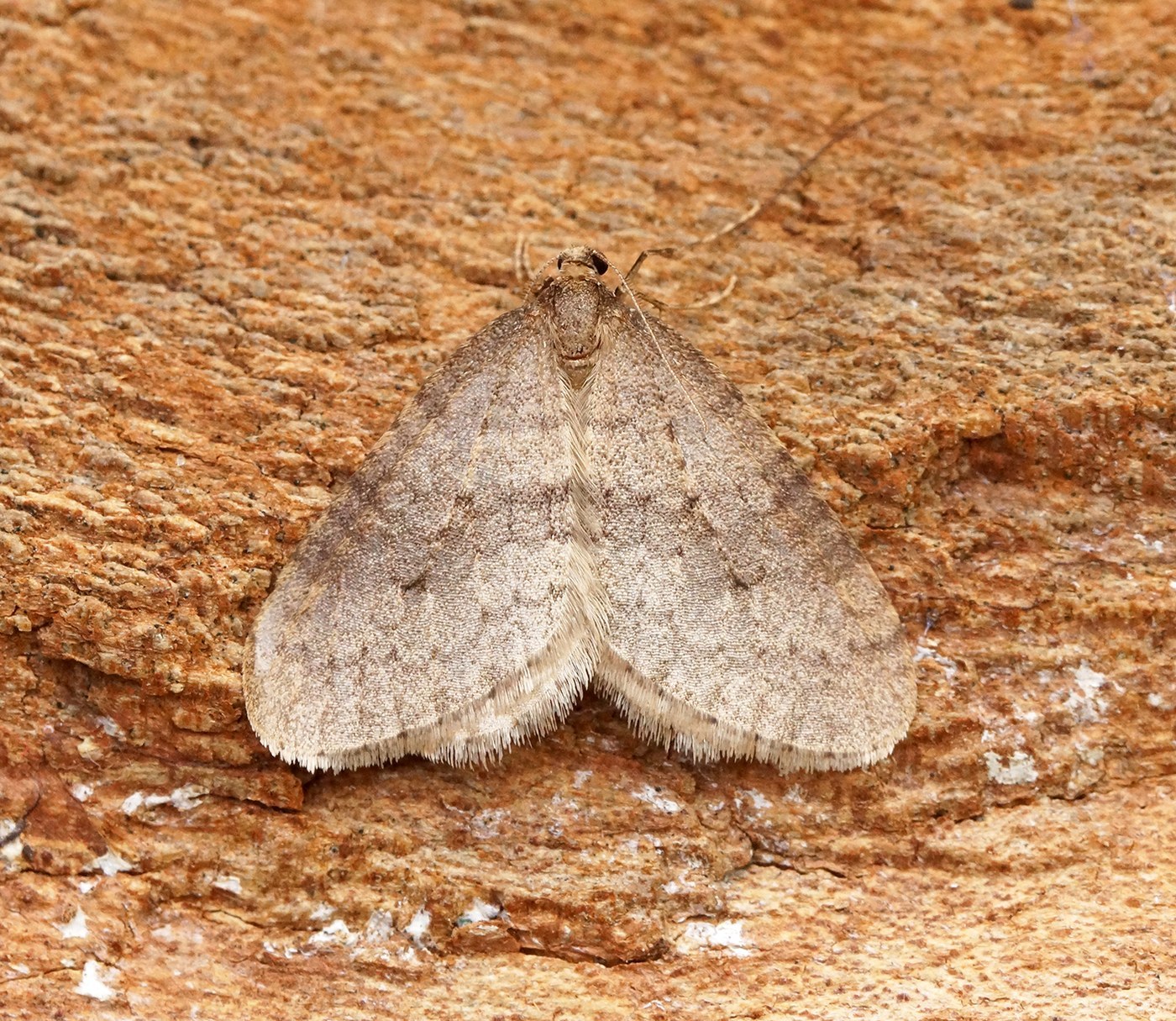
Winter Moth
Deciduous woodland, orchards, gardens, hedgerows
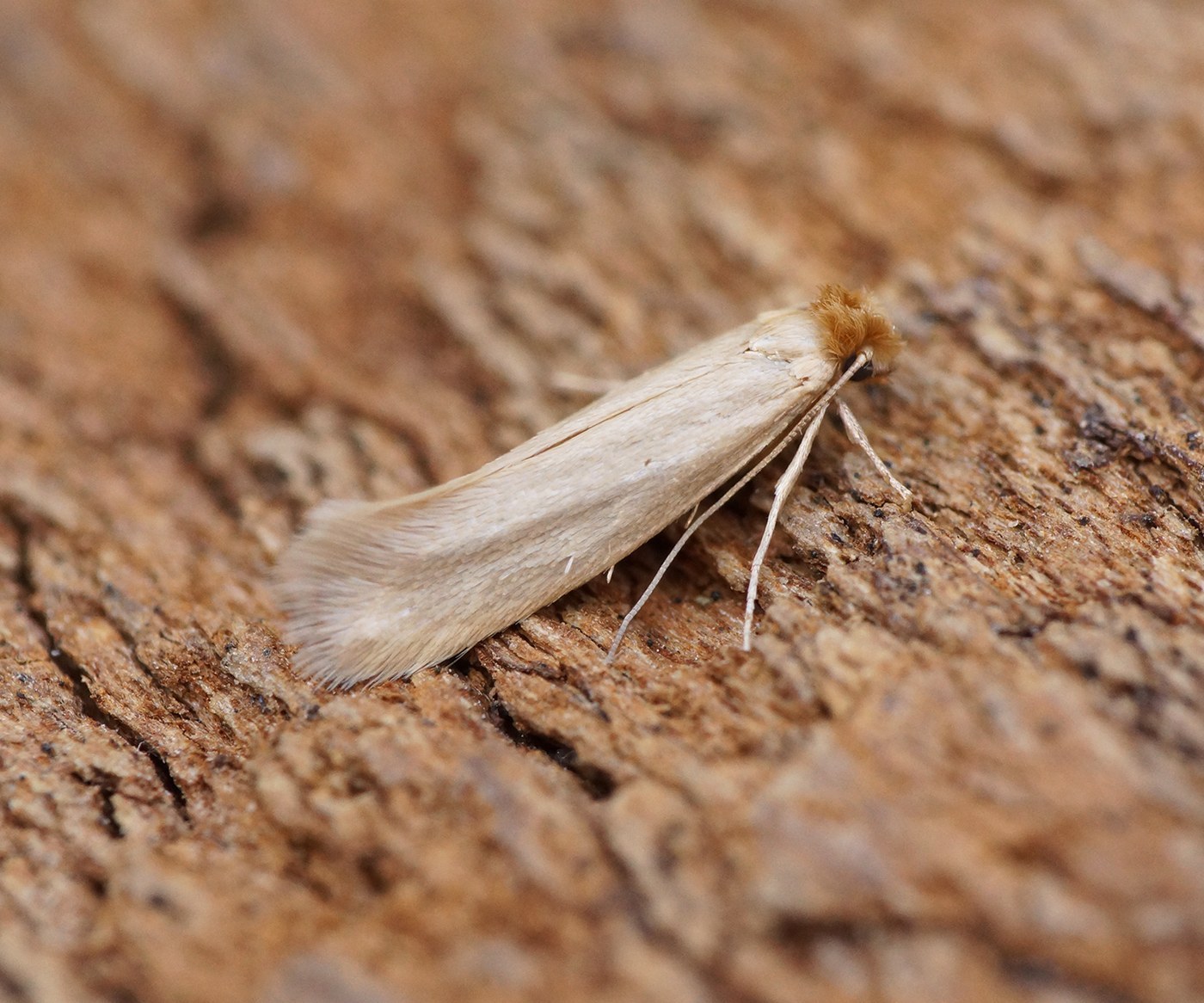
Webbing Clothes Moth
Dark closets, storage areas, and animal nests worldwide
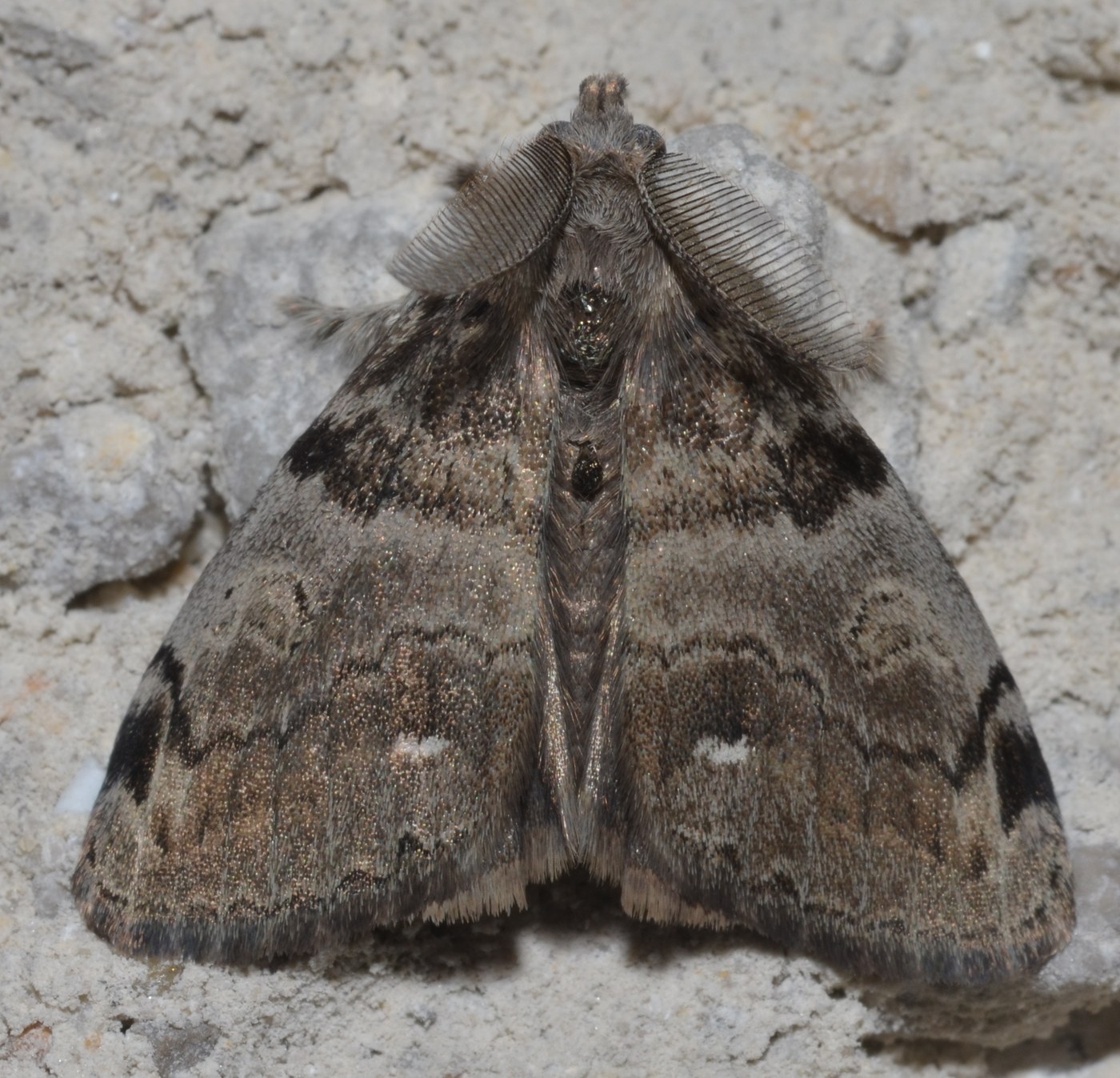
Tussock Moth
Deciduous forests, parks, gardens
Wax Moth
Beehives, apiaries, stored beeswax and comb
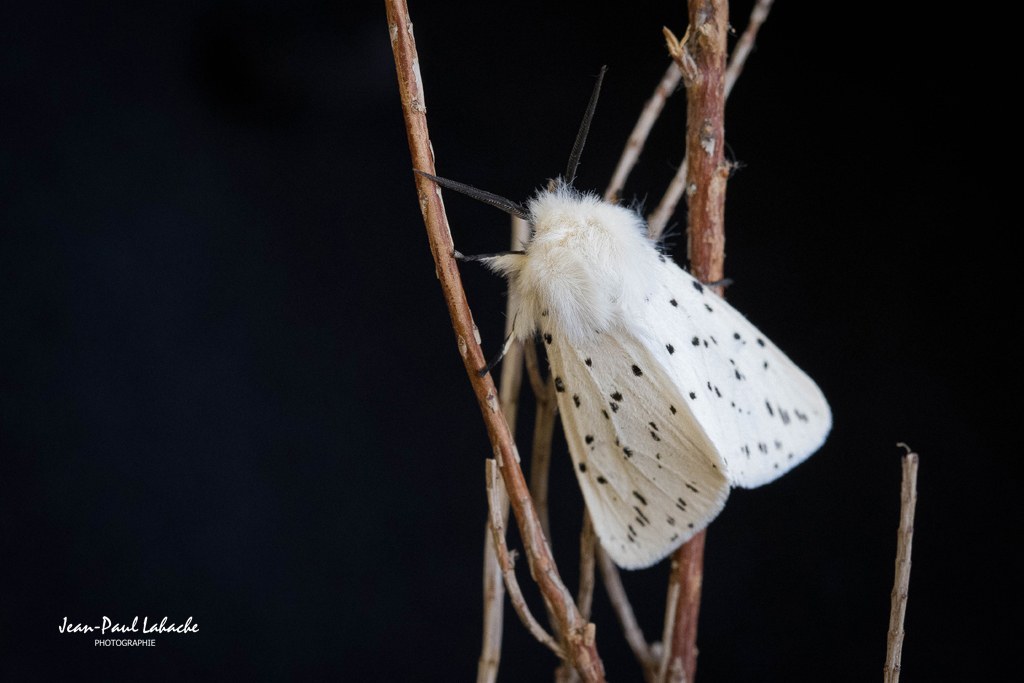
White Ermine Moth
Gardens, meadows, hedgerows
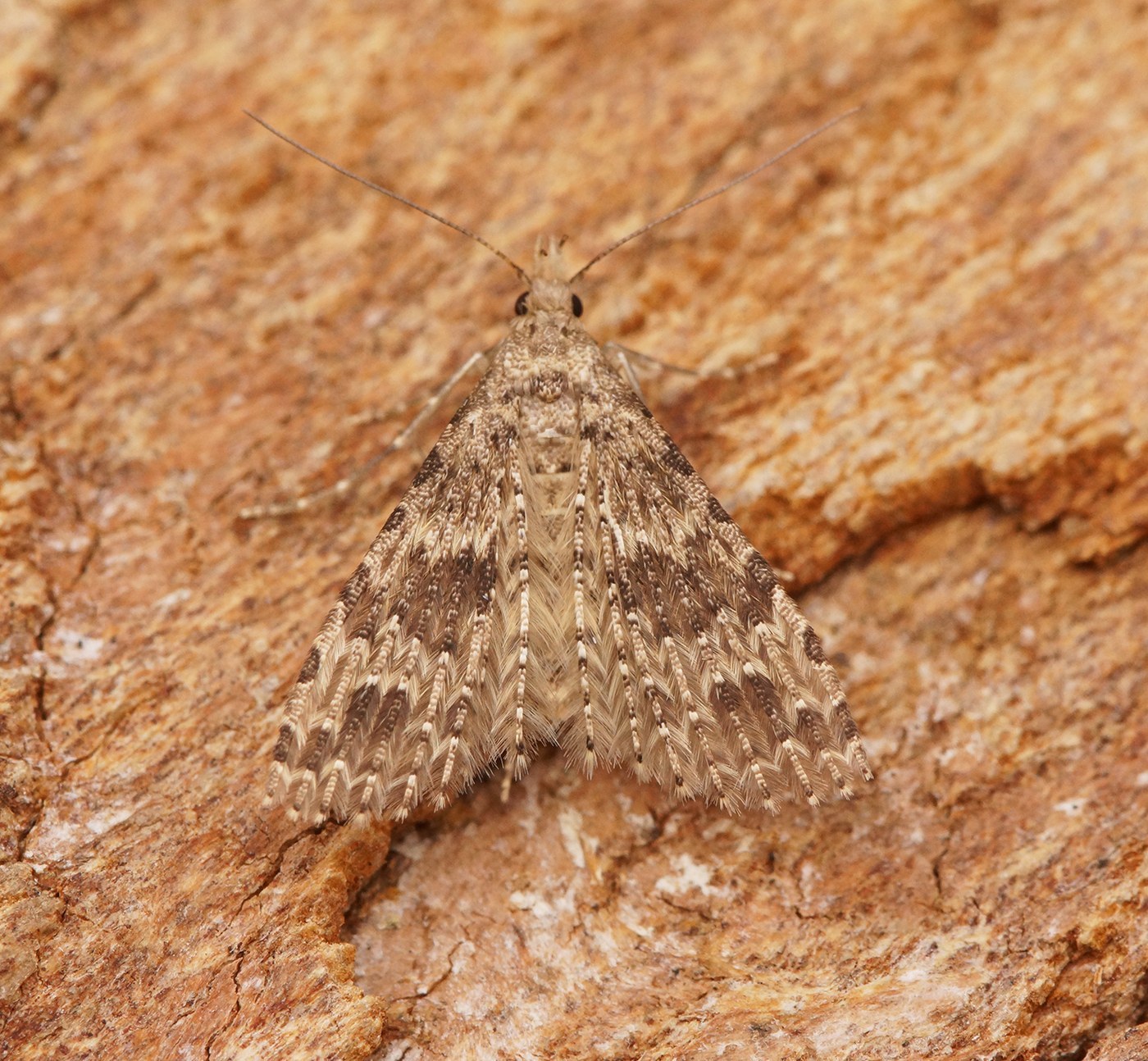
Twenty-plume Moth
Gardens, hedgerows, near honeysuckle
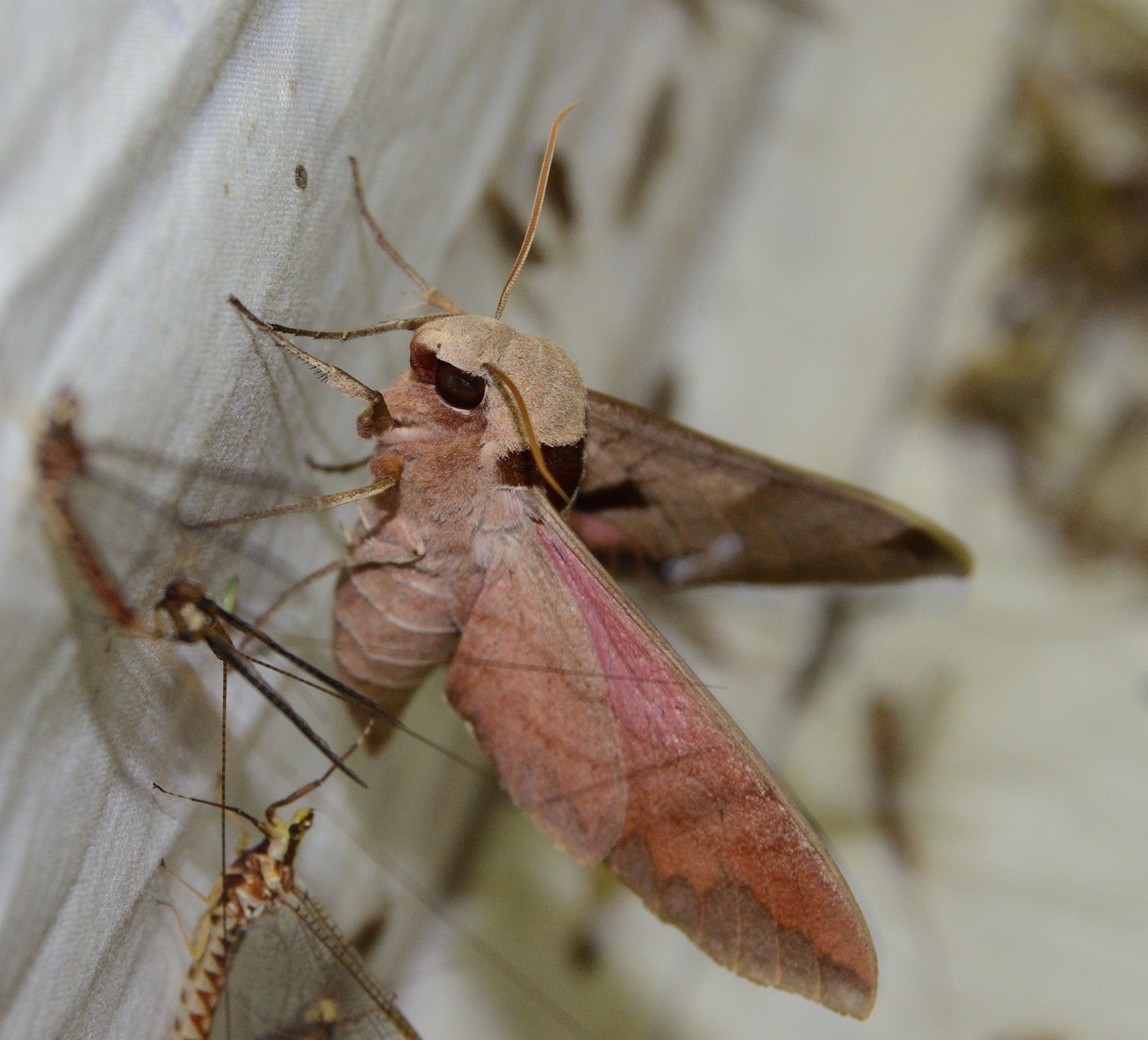
Achemon Sphinx Moth
Vineyards, woodland edges, gardens with wild grape
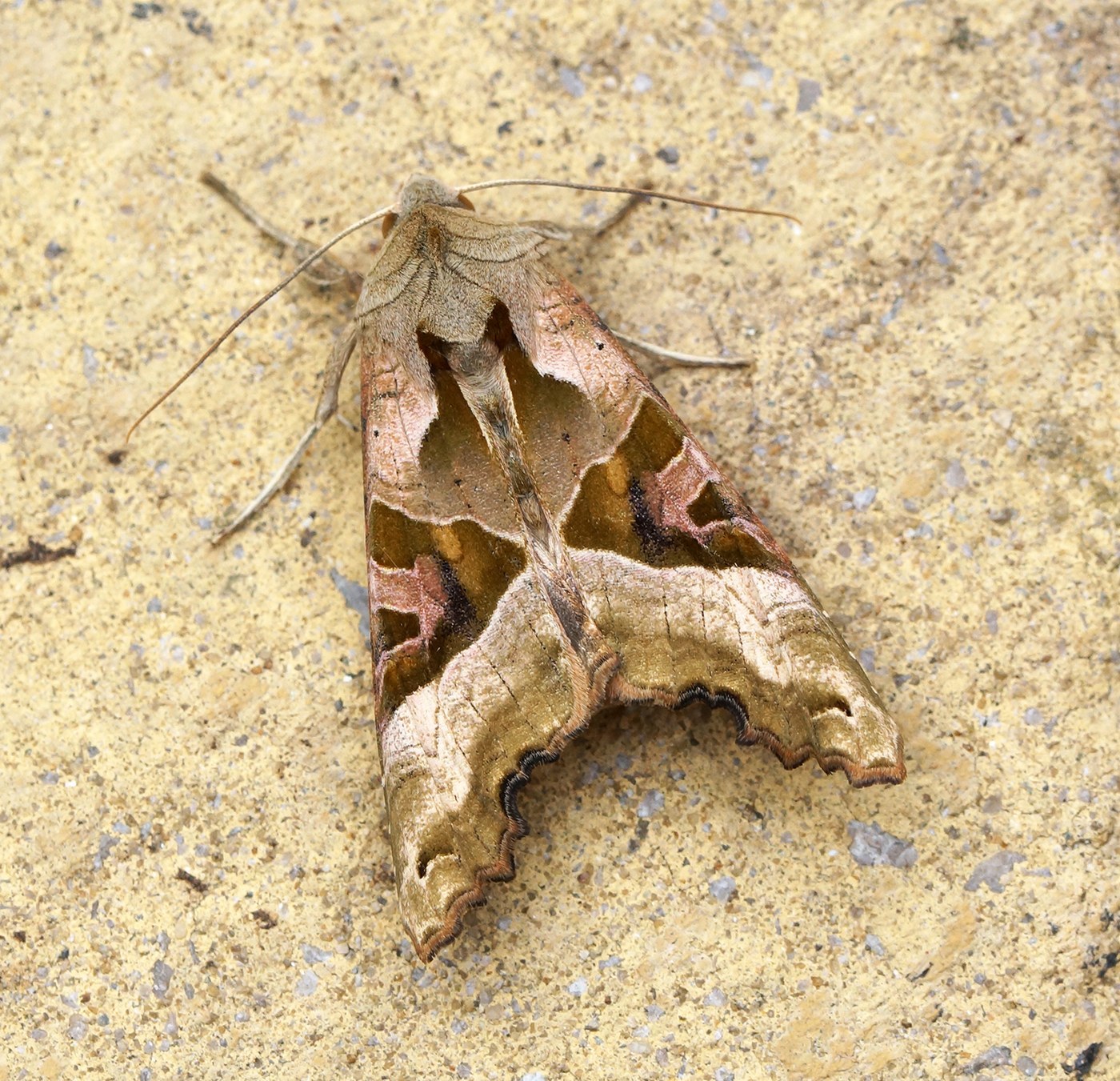
Angle Shades Moth
Gardens, hedgerows, woodland edges, urban parks
Atlas Moth
Tropical and subtropical lowland forests of Southeast Asia