
Burying Beetle
Nicrophorus spp.
A black beetle marked with bold orange-red bands, notable for locating small dead animals, burying them underground, and cooperatively raising larvae with a partner over the buried carcass.
- Size
- 10–35 mm
- Habitat
- Woodlands, grasslands, and fields across the Northern Hemisphere, near small animal carcasses
- Danger
- Harmless
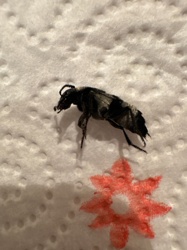
Spotted a bug like this?
Identify any bug or insect from a photo, free.
Overview
Burying beetles, also called sexton beetles, belong to the genus Nicrophorus within the carrion beetle family Silphidae. They are distinguished from most other insects by their advanced parental care, making them a frequent subject of behavioral and ecological research.
After locating a small vertebrate carcass — typically a mouse, vole, or small bird — a pair of beetles will work together to bury it underground, strip its fur or feathers, and shape it into a preserved food ball for their offspring, actively guarding and even feeding the developing larvae in the meantime.
Several species occur across North America, Europe, and Asia, including the American burying beetle (Nicrophorus americanus), a large species of conservation concern. As a group, burying beetles are important recyclers of small carcasses in the environment.
How to Identify
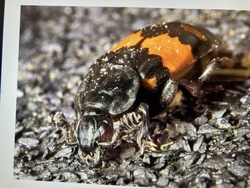
- Robust, somewhat flattened black body with bold orange to reddish-orange bands or blotches across the elytra.
- Clubbed antennae typically tipped in bright orange, which stands out against the dark head.
- Strong, spiny legs adapted for digging.
- Lookalikes: distinguished from the American carrion beetle by the banded orange-red pattern on the elytra, versus that species' solid black wing covers.
Habitat & Range
Burying beetles range widely across temperate regions of North America, Europe, and Asia, occupying woodlands, grasslands, and open fields. They are primarily nocturnal, most active on warm nights when they can detect the scent of a fresh small-animal carcass from a considerable distance and fly to it.
Behavior & Diet
This beetle locates small carcasses by scent and, once found, a mating pair will bury it by excavating soil beneath the body until it sinks underground, then strip away fur or feathers and coat the remains with antimicrobial secretions to slow decomposition. The female lays eggs in a chamber near the buried carcass, and the emerging larvae are fed regurgitated food by one or both parents, a rare example of biparental care among insects. This burial and recycling behavior makes burying beetles significant contributors to nutrient cycling wherever small carcasses occur.
Life Cycle
Burying beetles undergo complete metamorphosis. After a carcass is buried and prepared, the female lays eggs nearby, and larvae hatch within a few days to feed on the prepared carcass, often assisted by parental feeding. Larvae pass through several instars before leaving the carcass to pupate in the surrounding soil. Depending on climate, one or more generations may occur per year, with adults overwintering in soil or leaf litter.
Frequently asked questions
Why is it called a burying beetle?
Because it buries small animal carcasses underground to use as a food source and nursery for its larvae.
Do the parents really care for the larvae?
Yes, burying beetles show unusually advanced parental care for insects, with one or both parents feeding and guarding larvae at the buried carcass.
Is the American burying beetle the same species?
It is one species within this genus, notable for its large size and status as a species of conservation concern.
How does it find a carcass?
It detects the scent of decomposition from a distance and flies toward it, often arriving within hours of an animal's death.
Burying Beetle guides
In-depth guides for identifying, understanding, and living alongside Burying Beetle.
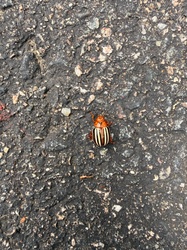
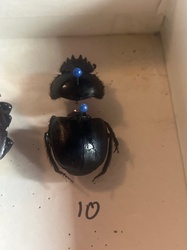
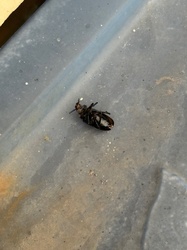
Burying Beetle identified by the community
Real finds identified with Bug Identifier.
Other bugs you may enjoy
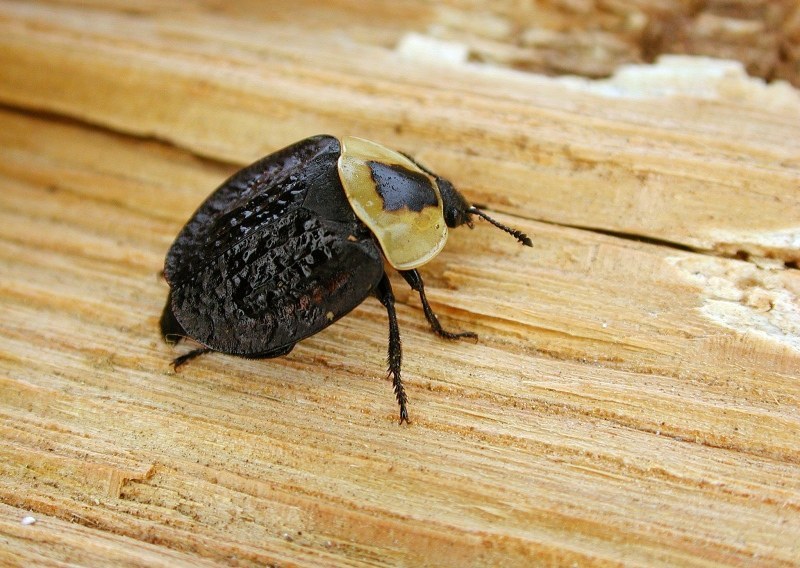
American Carrion Beetle
Forests, fields, and roadsides across North America, near decaying animal carcasses
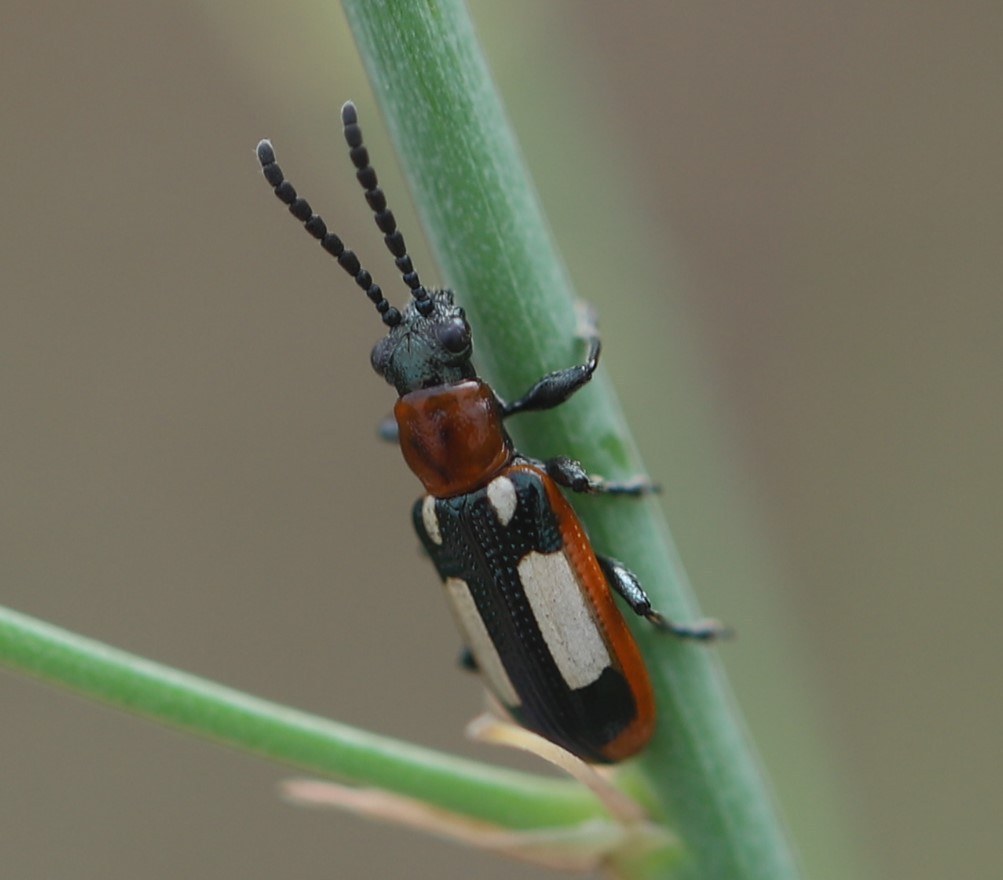
Asparagus Beetle
Asparagus patches, gardens, and farm fields
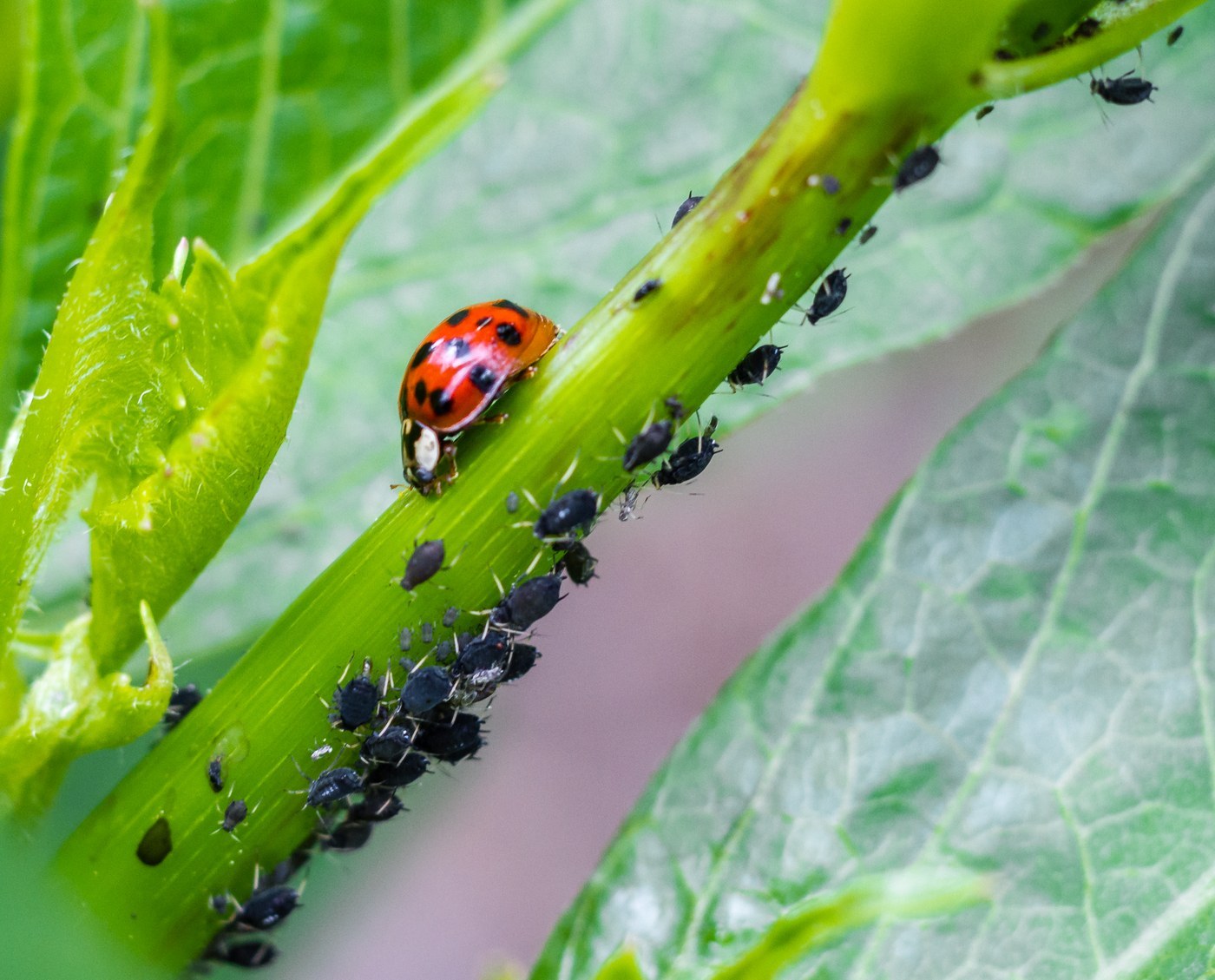
Asian Lady Beetle
Gardens, crop fields, woodlands, buildings
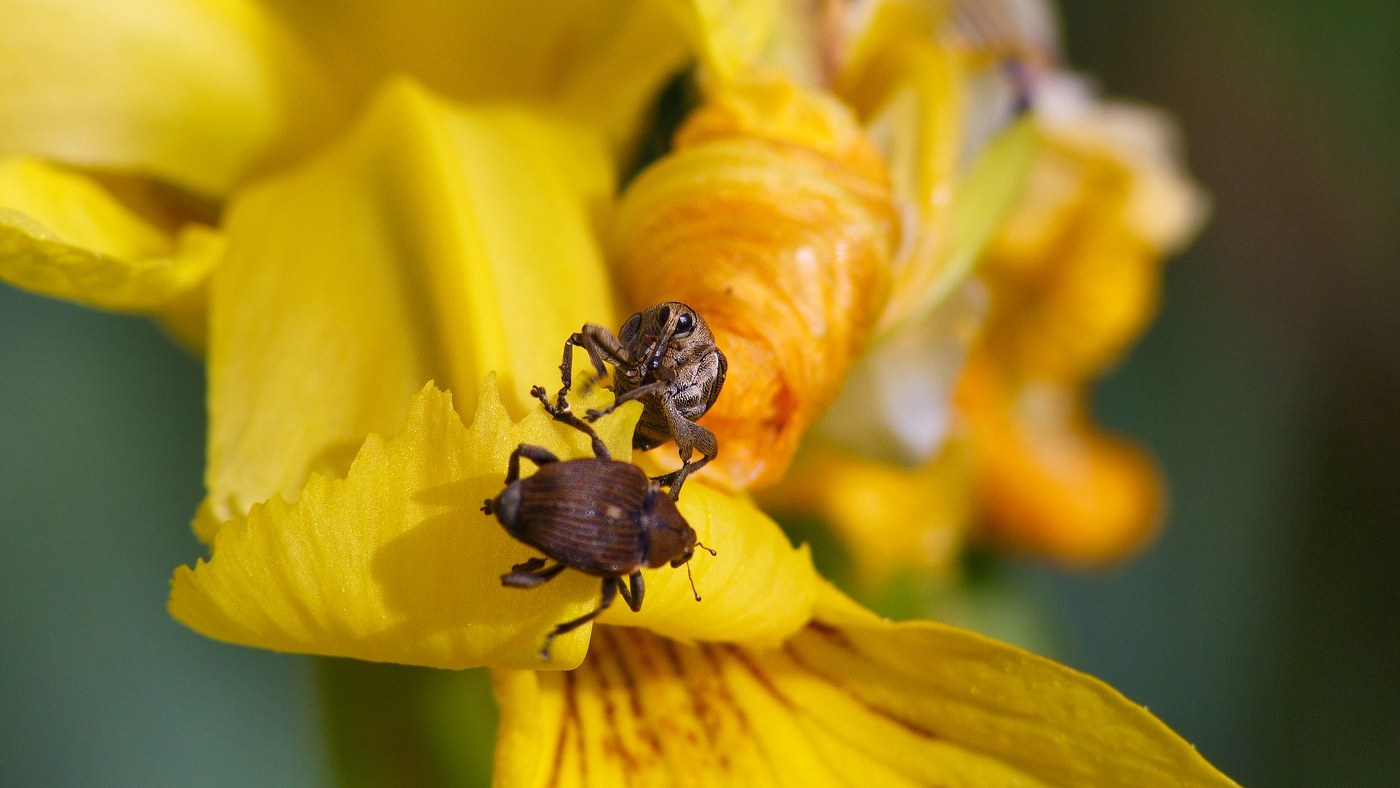
Acorn Weevil
Oak woodlands and forests, on and beneath oak trees
Wireworm
Soil of grasslands, gardens, and cultivated fields worldwide
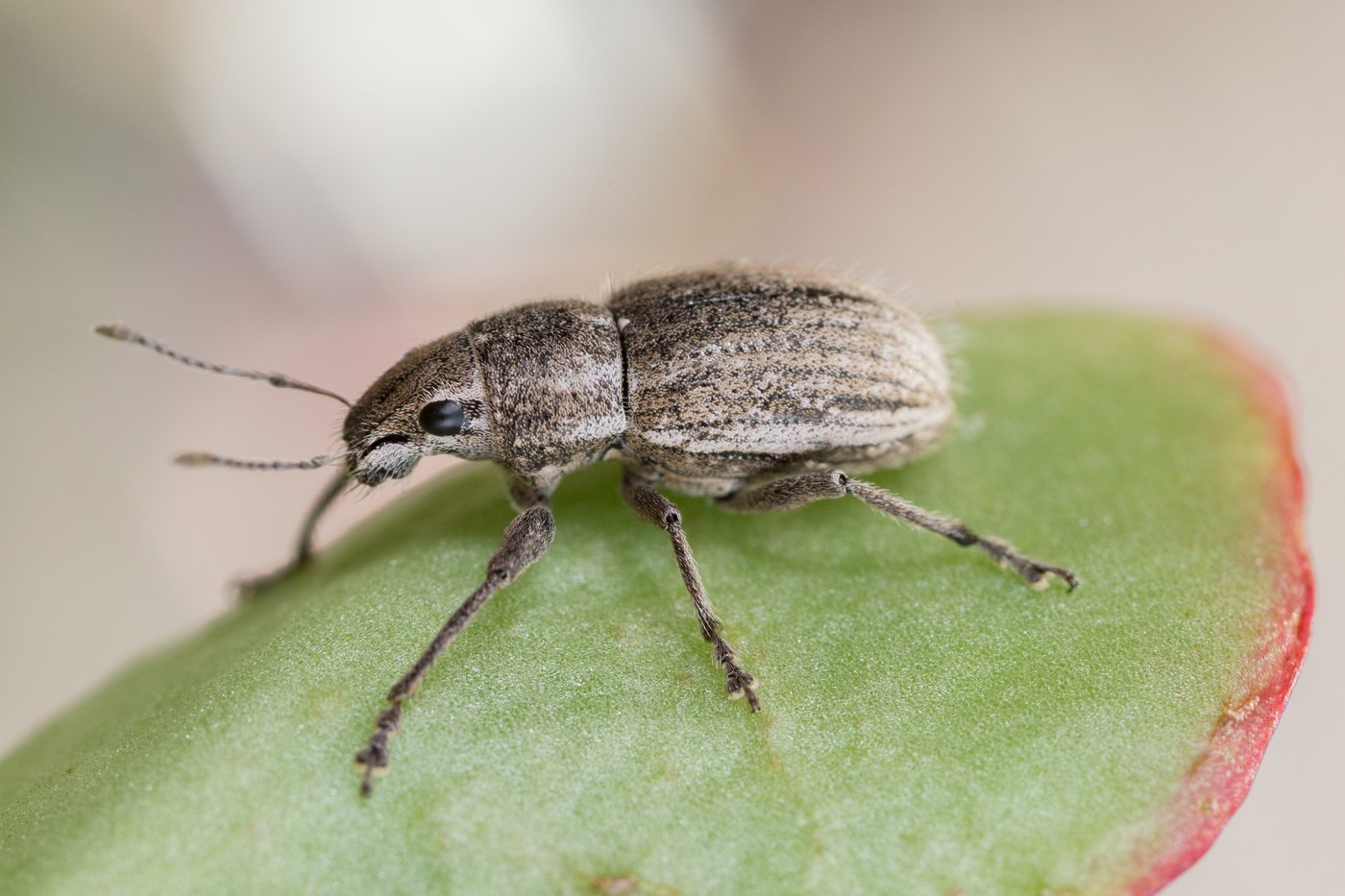
Whitefringed Beetle
Pastures, row crops, lawns, disturbed soils
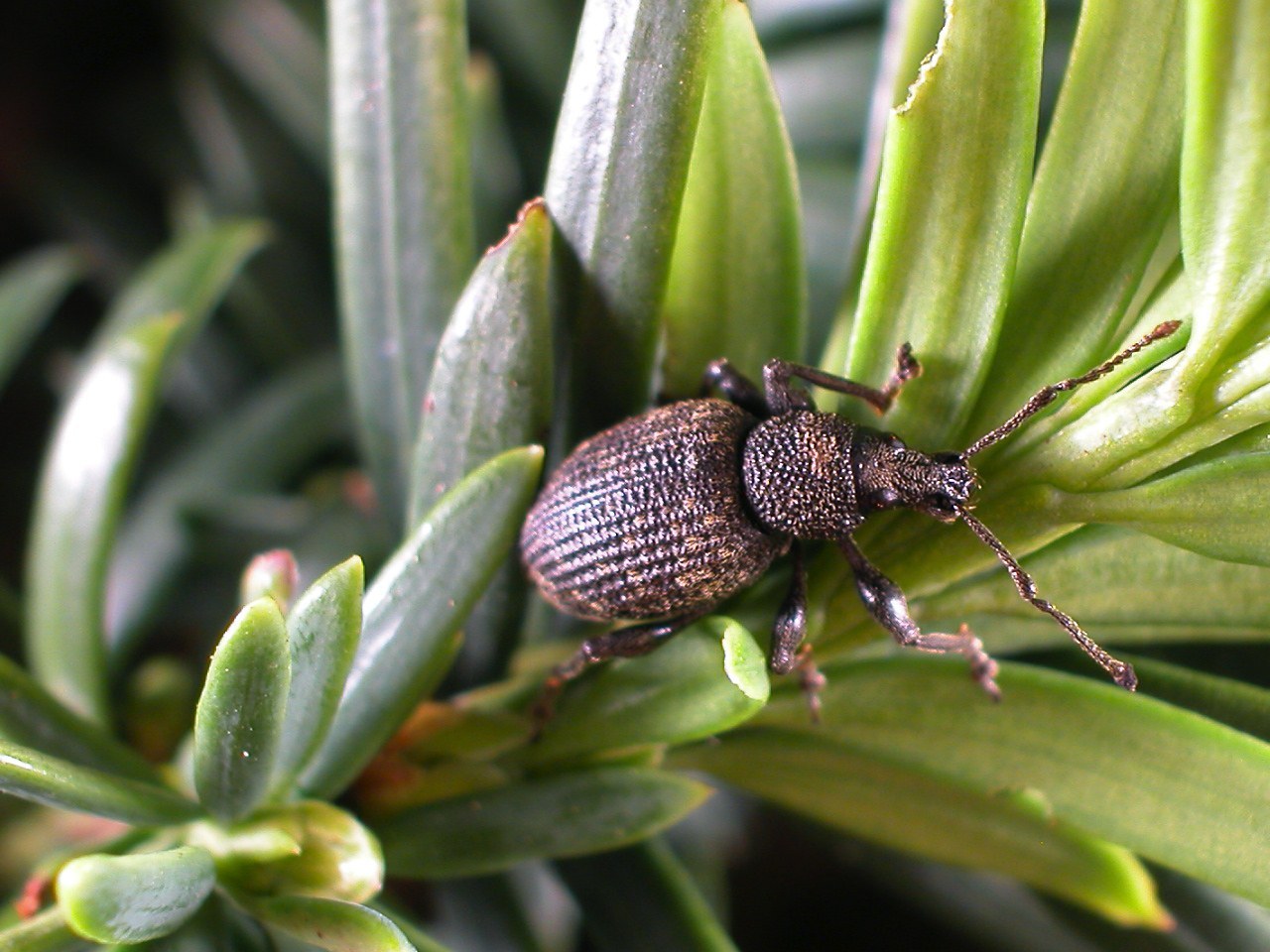
Vine Weevil
Gardens, nurseries, greenhouses, and container plantings
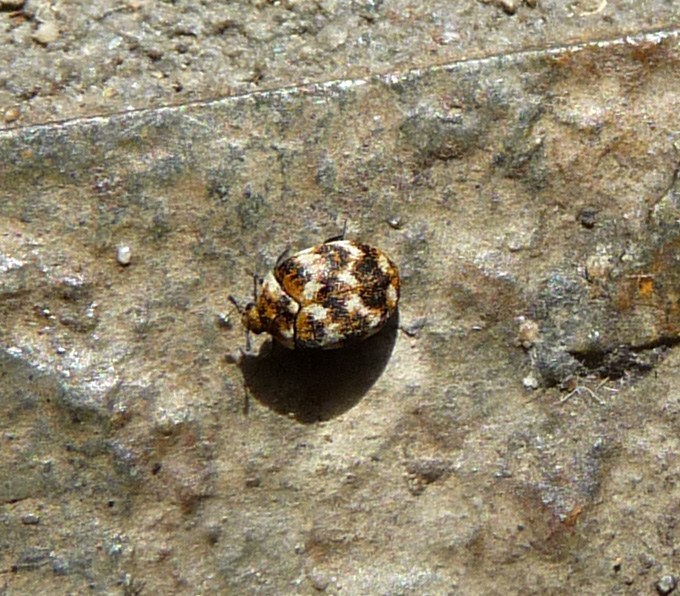
Varied Carpet Beetle
Homes, nests of birds and mammals, and flowers outdoors
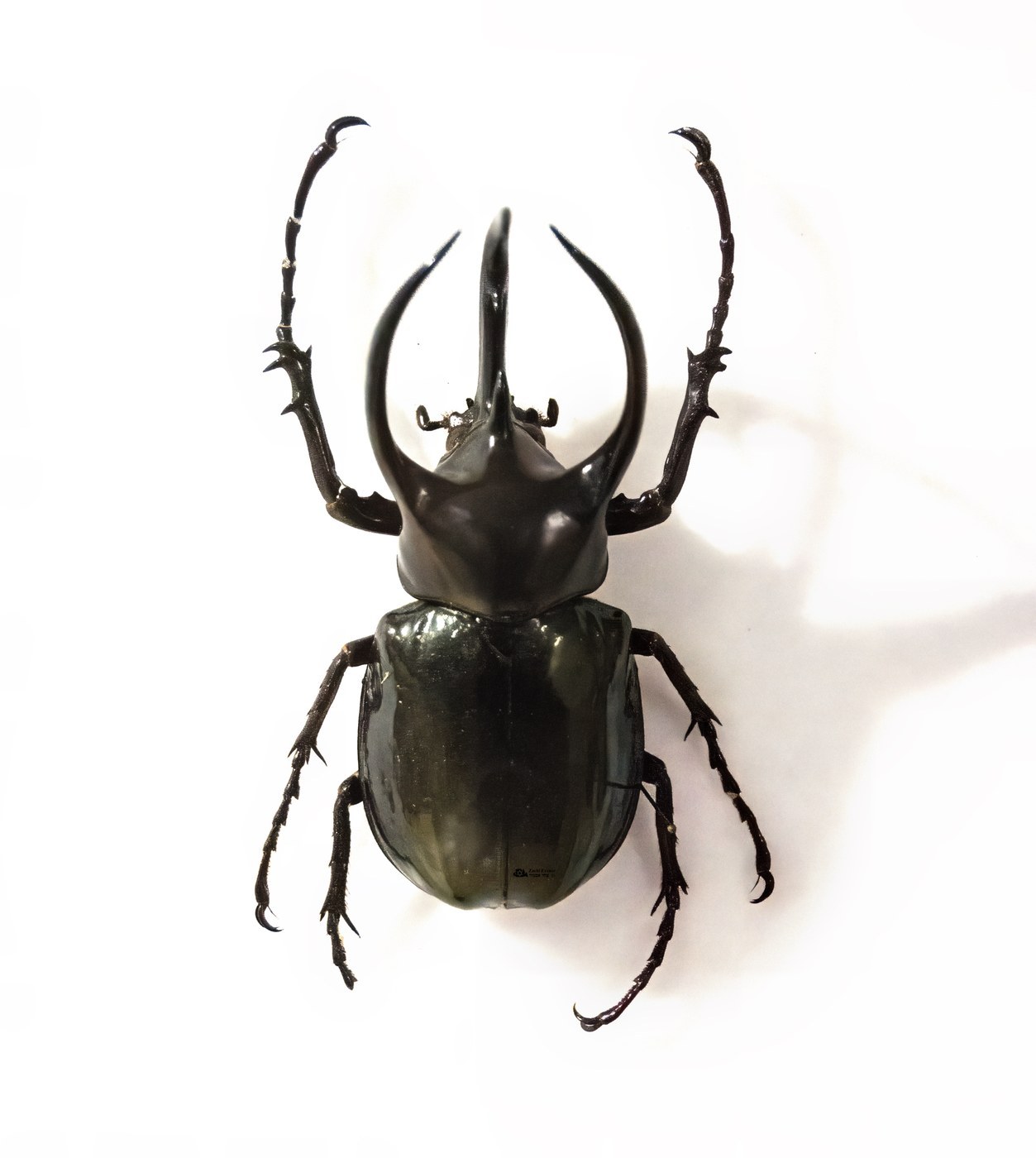
Atlas Beetle
Tropical forests of Southeast Asia
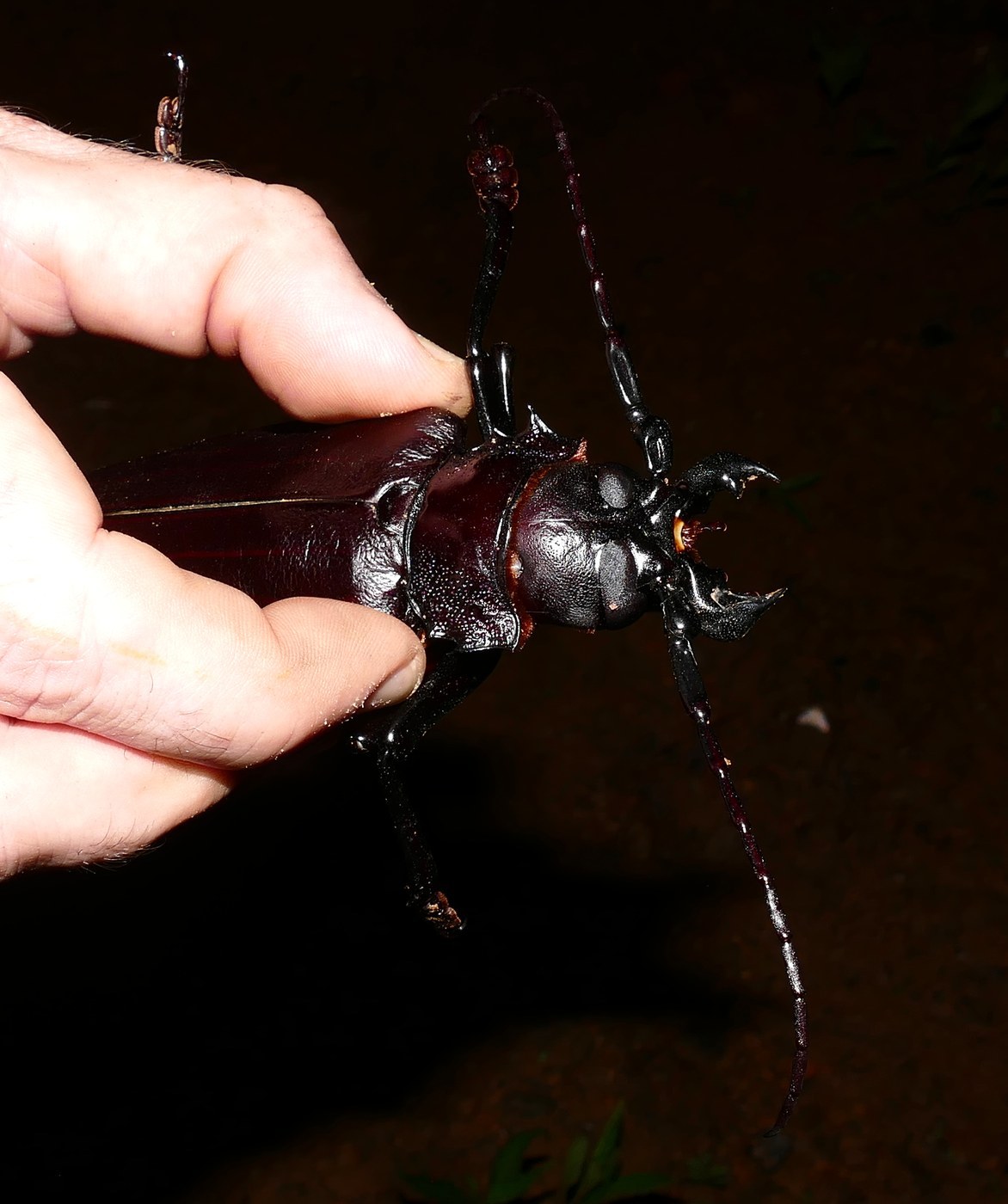
Titan Beetle
Amazon rainforest of South America
Ten-lined June Beetle
Sandy soils, pine forests, and orchards of western North America
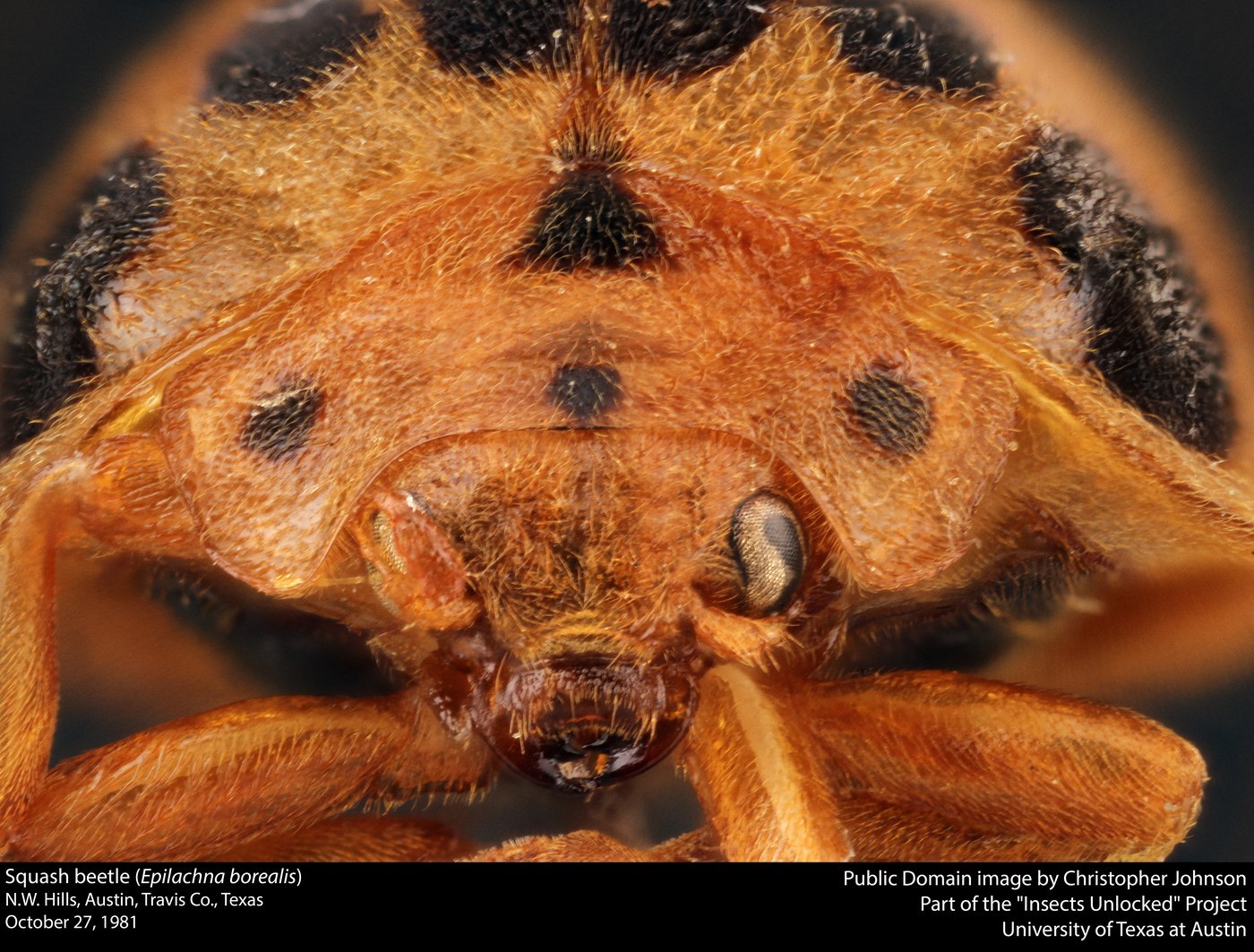
Squash Beetle
Vegetable gardens and fields growing squash, pumpkin, and other cucurbits