
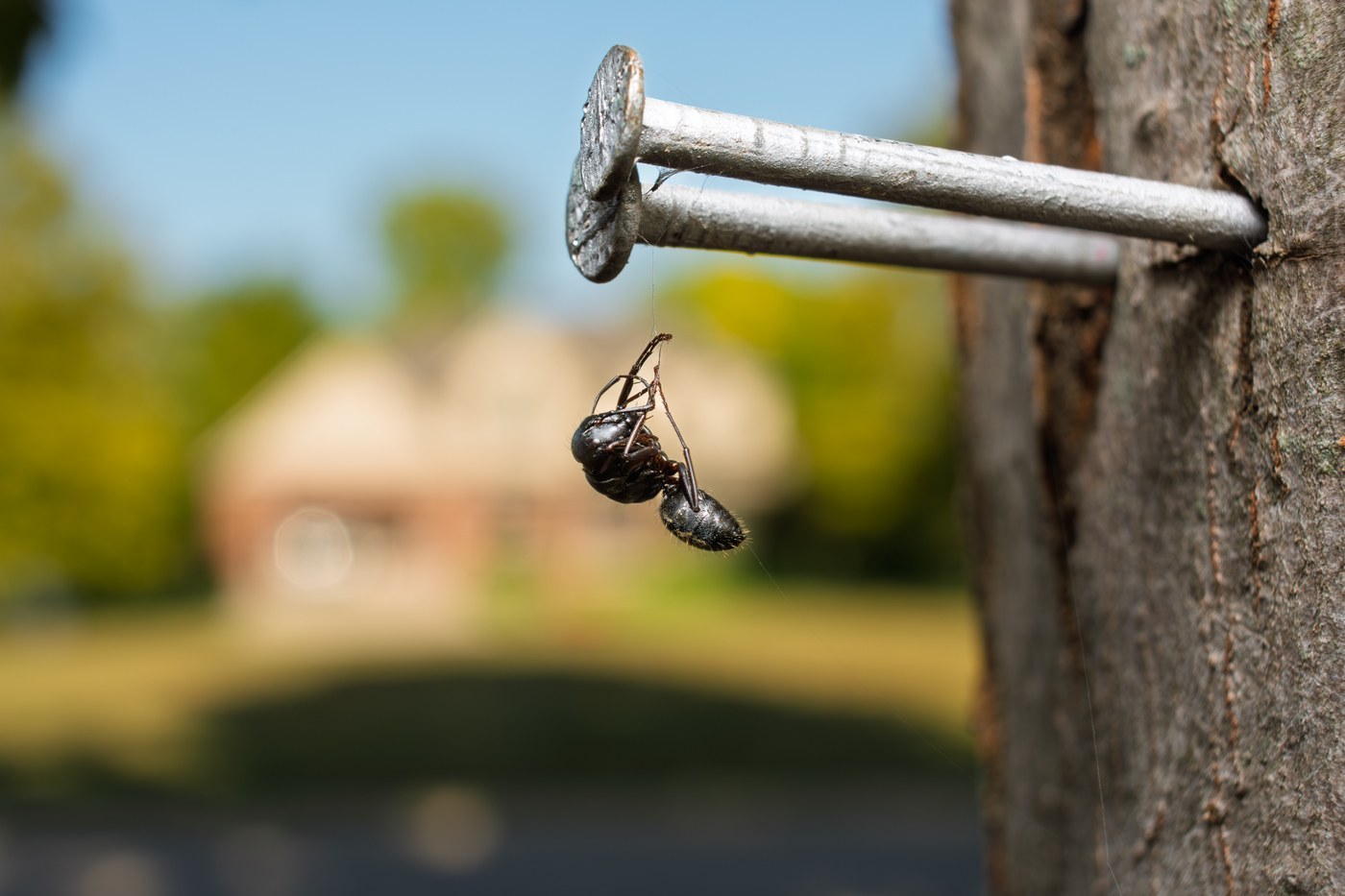
Carpenter Ant
Camponotus pennsylvanicus
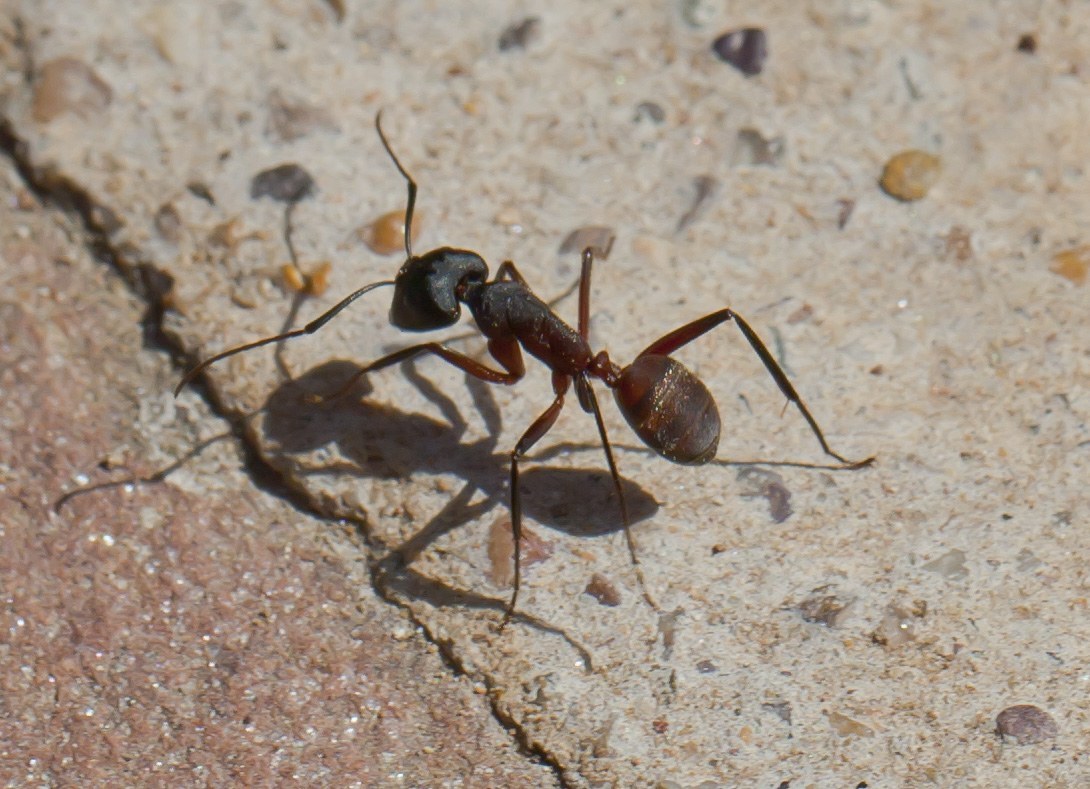
A large, often shiny black ant that excavates smooth tunnels in dead or damp wood for nesting, recognizable by its size, evenly rounded thorax, and elbowed antennae.
- Size
- 6–13 mm (workers)
- Habitat
- Forests, dead or damp wood, tree stumps, structural timber
- Danger
- Bites
Spotted a bug like this?
Identify any bug or insect from a photo, free.
Overview
Carpenter ants (genus Camponotus, with the black carpenter ant Camponotus pennsylvanicus a common and well-studied representative in North America) are among the largest ants found in temperate regions. They belong to the family Formicidae and are named for their habit of excavating galleries in wood to build their nests, though—unlike termites—they do not consume the wood itself.
These ants live in structured colonies with distinct worker castes of different sizes (minor and major workers), all serving a single queen who can live for many years. Carpenter ants are found worldwide, with dozens of species occupying forests, woodlands, and human structures across most temperate and tropical regions.
Ecologically, carpenter ants play a role in decomposing dead and decaying wood by tunneling through it, which can accelerate the breakdown of fallen logs and stumps in forest ecosystems.
How to Identify
- Body: large, robust ants, often shiny black, though some species show reddish or bicolored patterns.
- Size: workers vary from about 6 mm (minor workers) to 13 mm or more (major workers), reflecting a polymorphic caste system.
- Waist: single-segmented petiole with a smoothly rounded thorax profile.
- Antennae: elbowed (geniculate), a trait shared with all ants, useful for distinguishing them from termites.
- Lookalikes: often confused with termites when winged reproductives swarm; carpenter ants have a narrow, pinched waist, elbowed antennae, and two unequal pairs of wings, while termites have a broad waist, straight antennae, and two equal-length wing pairs.
Habitat & Range
Carpenter ants are found across forests, woodlands, and suburban landscapes throughout North America, Europe, and other temperate and tropical regions, depending on species. They nest preferentially in dead, decaying, or water-damaged wood—stumps, fallen logs, and hollow trees outdoors, or damp structural timber when they move into buildings.
Colonies are most active in warm months from spring through fall, with foraging activity typically increasing at dusk and during the night, when workers travel established trails to find food sources.
Behavior & Diet
Carpenter ants are omnivorous foragers, feeding on other insects, honeydew produced by aphids, and various sugary or protein-rich substances found in their environment. Workers travel along scent trails between the nest and food sources, often over long distances relative to their body size.
Rather than eating wood, carpenter ants excavate smooth galleries within it purely for nesting space, pushing out coarse sawdust-like debris (frass) as they tunnel. When disturbed, they can bite in defense, and some species also spray formic acid as an additional defensive measure.
Life Cycle
Carpenter ants undergo complete metamorphosis, passing through egg, larva, pupa, and adult stages. A single queen founds a colony after a mating flight, initially rearing the first brood of workers alone on stored reserves before the colony becomes self-sustaining.
Colonies grow slowly, often taking several years to reach maturity and produce winged reproductive ants of their own. Mature colonies can persist for many years, with a queen potentially living a decade or more, and satellite nests sometimes forming as the colony expands into multiple wood cavities.
Frequently asked questions
How can I tell a carpenter ant from a termite?
Carpenter ants have a narrow pinched waist, elbowed antennae, and unequal wing pairs, while termites have a thick waist, straight antennae, and equal-length wings.
Do carpenter ants eat wood?
No, they excavate wood to create nesting galleries but feed on other insects and sugary substances rather than the wood itself.
How big are carpenter ants?
Workers range from about 6 to 13 mm, with major workers noticeably larger than minor workers in the same colony.
What color are carpenter ants?
Most commonly shiny black, though some species are reddish or bicolored.
Carpenter Ant guides
In-depth guides for identifying, understanding, and living alongside Carpenter Ant.
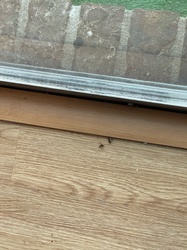
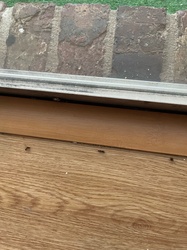
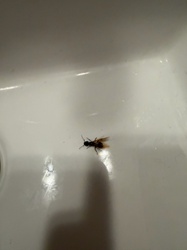
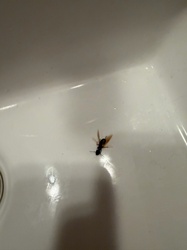
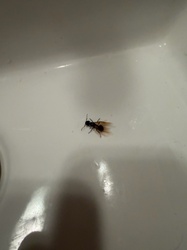
Carpenter Ant identified by the community
Real finds identified with Bug Identifier.
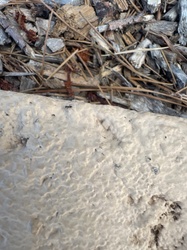
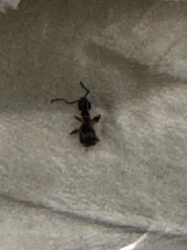
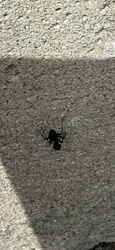
Other bugs you may enjoy
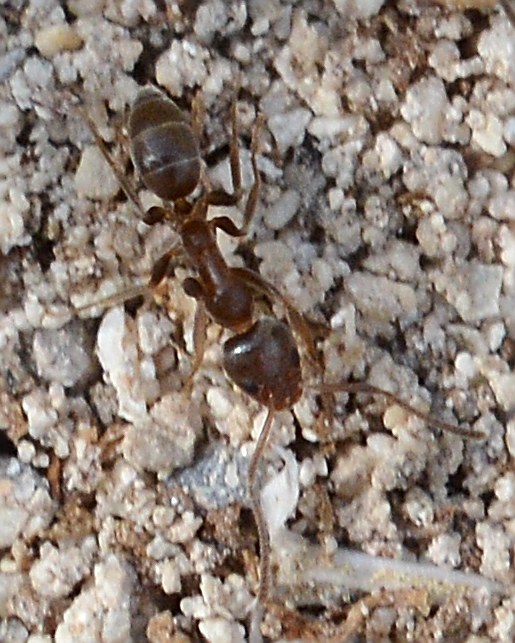
Argentine Ant
Disturbed urban soil, gardens, and building perimeters
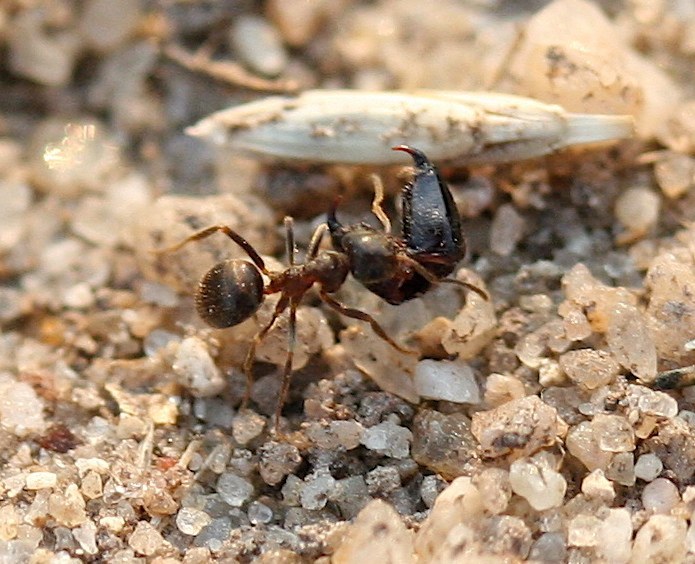
Ant
Gardens, lawns, woodlands, sidewalks, and buildings worldwide
Weaver Ant
Canopy of tropical forests, orchards, and mangroves
Sugar Ant
Gardens, woodlands, and urban areas; nests in soil, timber, or tree hollows
Trap-Jaw Ant
Tropical and subtropical forests, leaf litter, sandy coastal soils
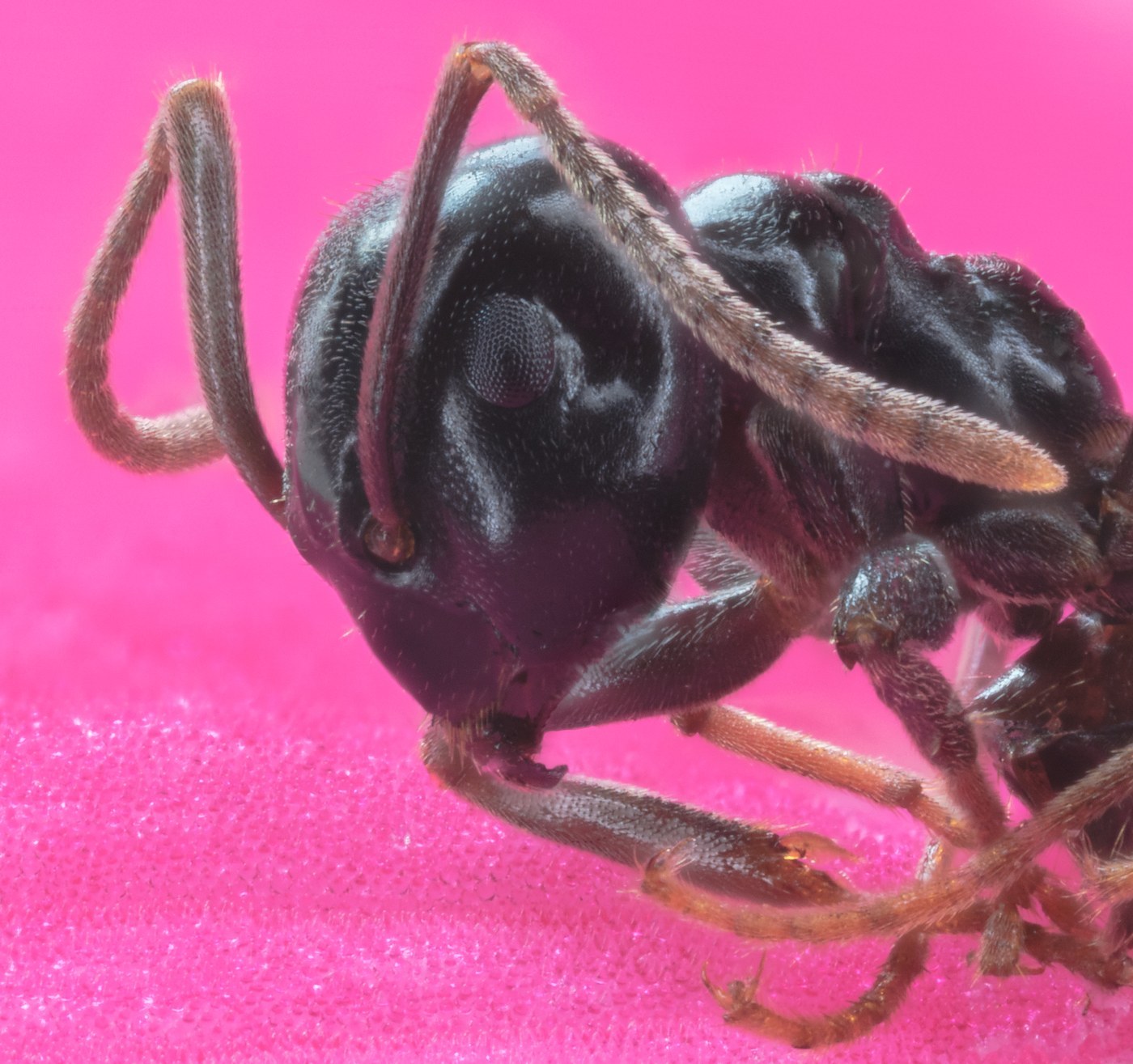
Pharaoh Ant
Warm, humid indoor voids such as wall cavities and heating ducts
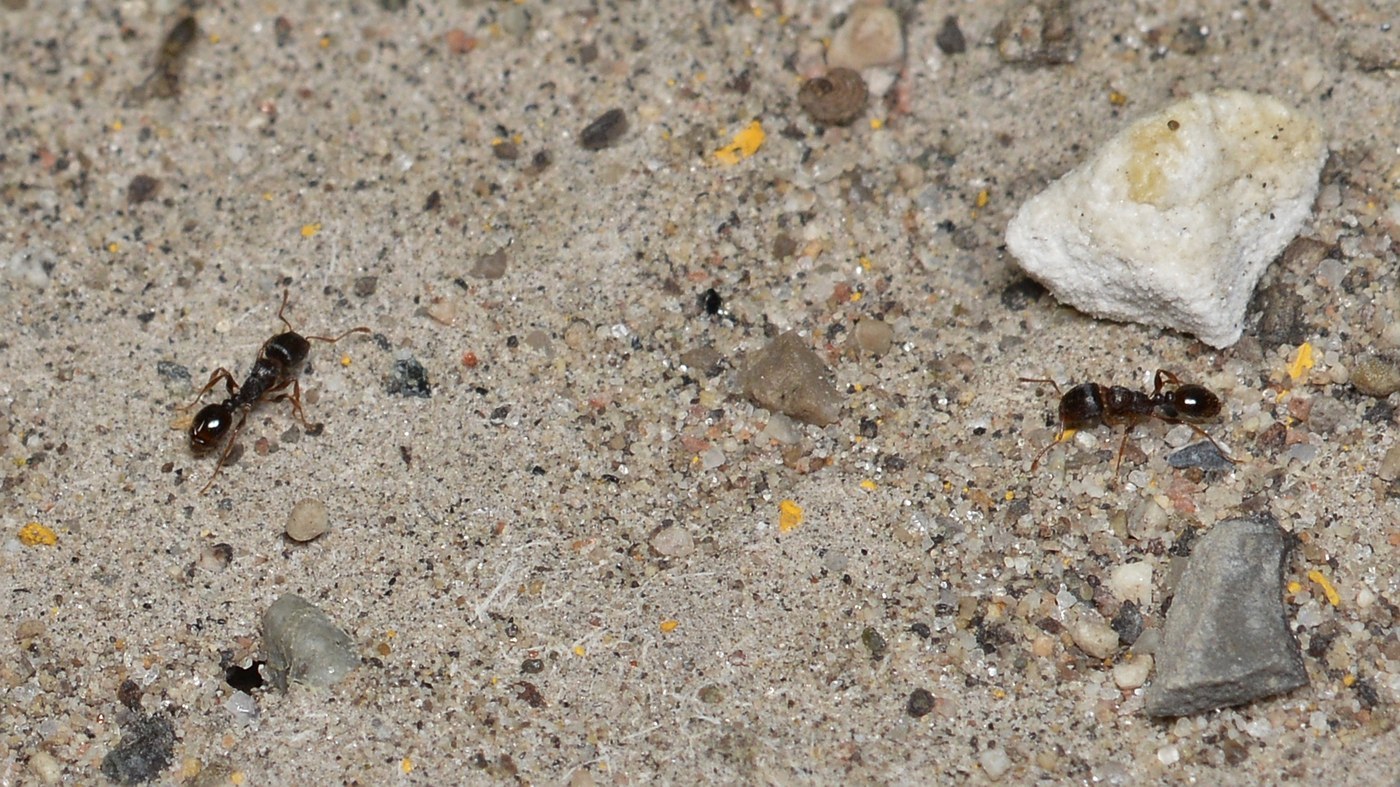
Pavement Ant
Cracks in sidewalks, driveways, and building foundations
Odorous House Ant
Soil, mulch, wall voids, and areas near moisture indoors and out
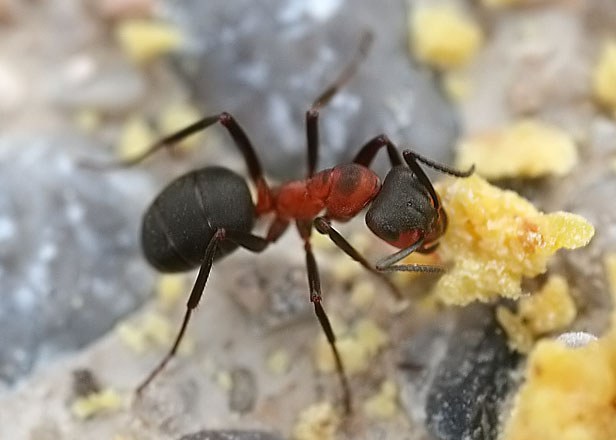
Red Wood Ant
Coniferous and mixed woodland, forest clearings and edges
Harvester Ant
Arid grasslands, deserts, and open sandy areas
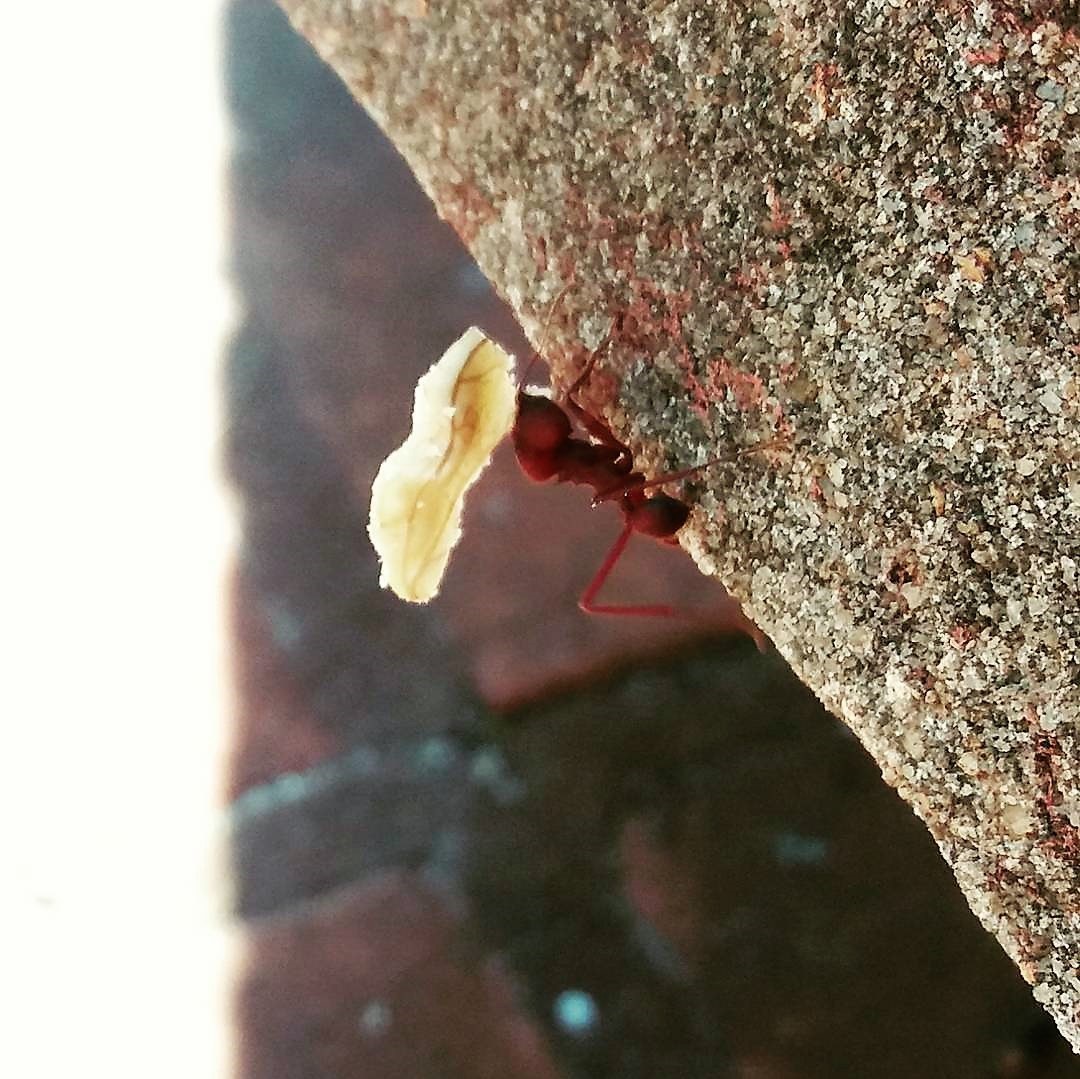
Leafcutter Ant
Tropical and subtropical forests, farmland edges
Little Black Ant
Lawns, gardens, rotting wood, and occasionally indoors