
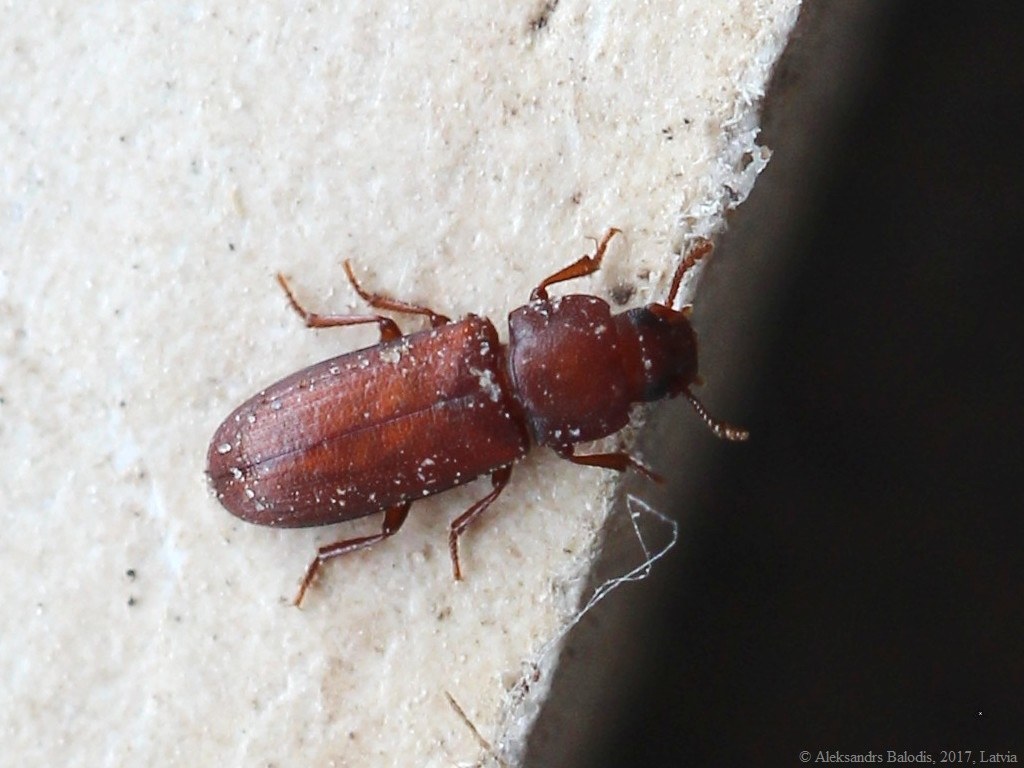
Confused Flour Beetle
Tribolium confusum
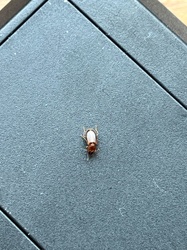
A tiny, flattened, reddish-brown beetle commonly found in stored flour and grain products, distinguished from its near-identical relative the red flour beetle mainly by its antennae shape.
- Size
- 3–4 mm
- Habitat
- Stored grain, flour, and dry food products in mills, warehouses, and pantries worldwide
- Danger
- Nuisance pest
Spotted a bug like this?
Identify any bug or insect from a photo, free.
Overview
The confused flour beetle is a small darkling beetle (family Tenebrionidae) closely associated with stored food products worldwide. Its unusual common name does not refer to any behavior of the insect itself, but to the historical difficulty entomologists had in reliably distinguishing it from its very similar relative, the red flour beetle.
It is one of the most commonly encountered insects in flour mills, grain storage facilities, and household pantries, feeding on flour, cereal products, and other dry stored goods.
Because of its small size, rapid development, and ease of laboratory rearing, the confused flour beetle and its relatives have also become important model organisms in entomological and genetic research on stored-product insects.
How to Identify
- Small, flattened, oval body with a uniform reddish-brown color and a somewhat matte finish.
- Antennae widen gradually into a loosely defined four-segmented club — the key feature separating it from the red flour beetle's abrupt three-segmented club.
- Wings are present but reduced, and this species is generally considered unable to fly, unlike the red flour beetle.
- Lookalikes: virtually identical to the red flour beetle (Tribolium castaneum) at a glance; reliable separation requires close examination of the antennal club under magnification.
Habitat & Range
This beetle is found worldwide wherever grain, flour, and other dry food products are stored, including mills, warehouses, grocery stores, and home pantries. It thrives in relatively cool, dry stored-product environments and can persist year-round indoors regardless of outdoor climate.
Behavior & Diet
Adults and larvae both feed on flour, cereal products, and other finely milled or broken grain, often congregating in large numbers within infested packages. Because it cannot fly effectively, it spreads primarily by crawling or by being transported within infested food products. As a widespread inhabitant of stored food, it is considered a common pantry and stored-product pest.
Life Cycle
The confused flour beetle undergoes complete metamorphosis. Eggs are laid loosely within flour or grain, and the small, slender, yellowish-white larvae feed and develop through several instars directly within the food material before pupating. Development from egg to adult can occur in a matter of weeks under warm conditions, allowing for multiple, overlapping generations per year in stored-product settings.
Frequently asked questions
How is it different from the red flour beetle?
The two look nearly identical, but the confused flour beetle has a gradually widening antennal club while the red flour beetle's club is abrupt and more sharply defined; the confused flour beetle also cannot fly.
Where would I find this beetle?
In stored flour, cereal, and other dry food products in pantries, mills, and warehouses.
Can it fly?
No, its wings are reduced and it is generally considered flightless, unlike its close relative the red flour beetle.
Why is it called 'confused'?
The name reflects the historical confusion among entomologists in distinguishing it from the near-identical red flour beetle, not any behavior of the insect.
Confused Flour Beetle guides
In-depth guides for identifying, understanding, and living alongside Confused Flour Beetle.
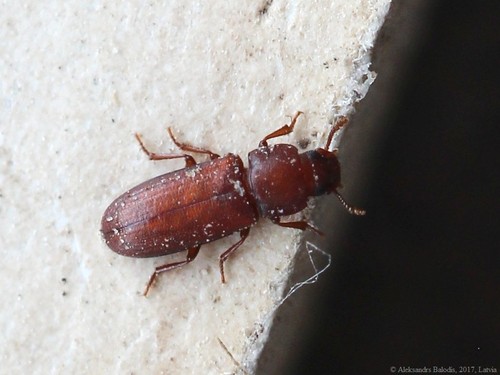
Confused Flour Beetle identified by the community
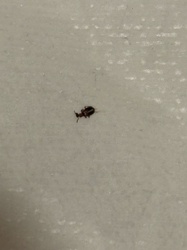
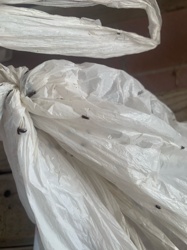
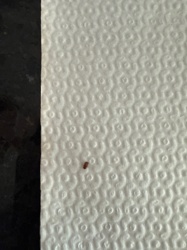
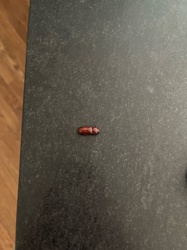
Real finds identified with Bug Identifier.
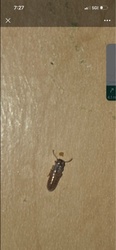
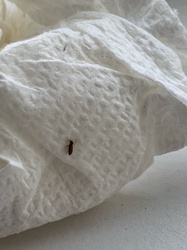

Other bugs you may enjoy
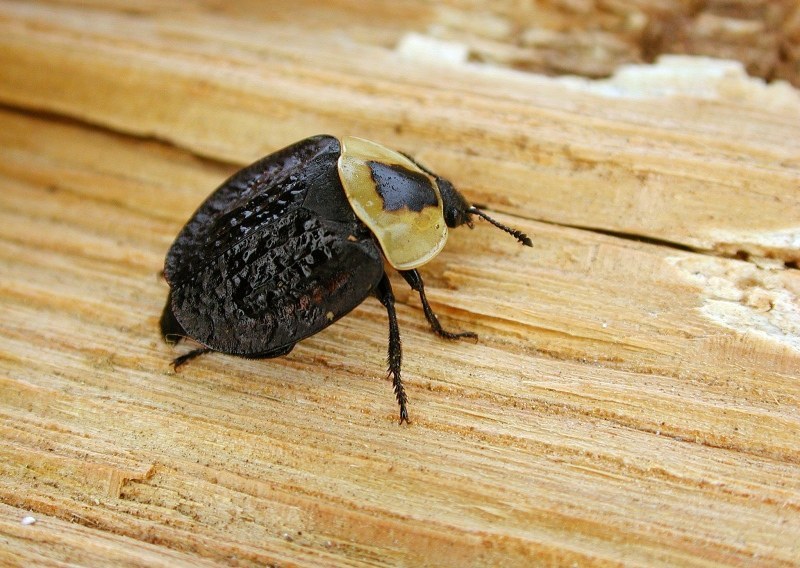
American Carrion Beetle
Forests, fields, and roadsides across North America, near decaying animal carcasses
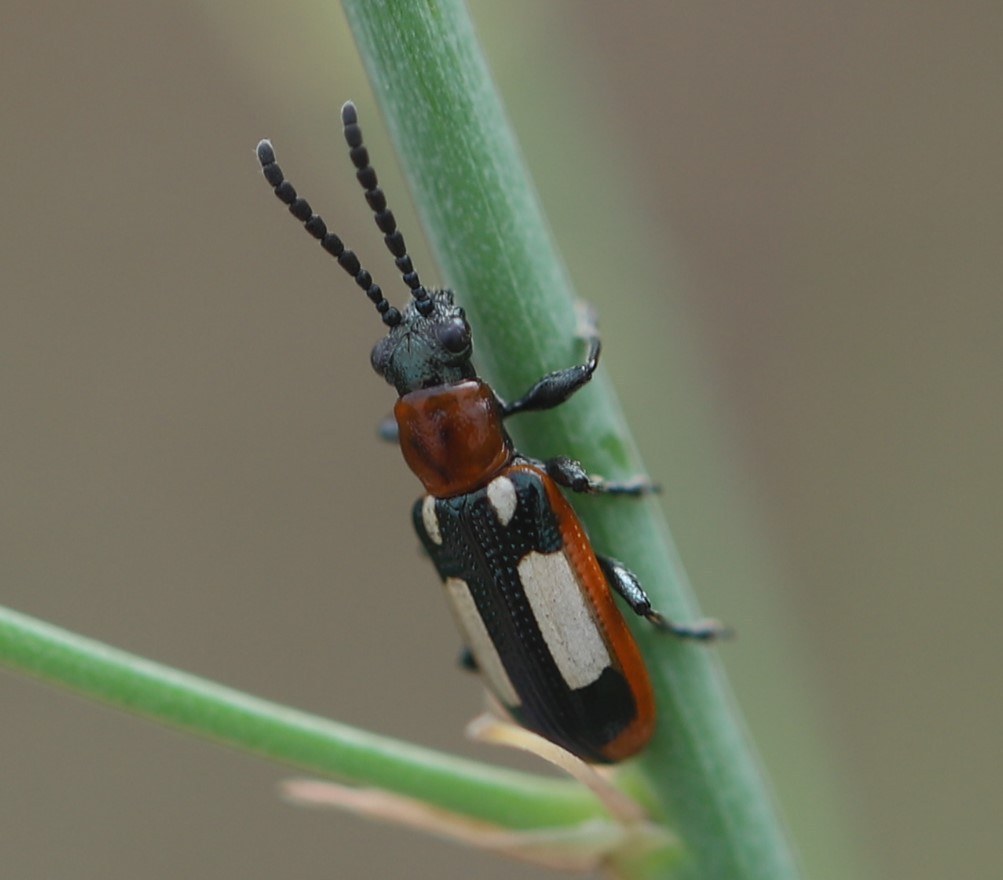
Asparagus Beetle
Asparagus patches, gardens, and farm fields
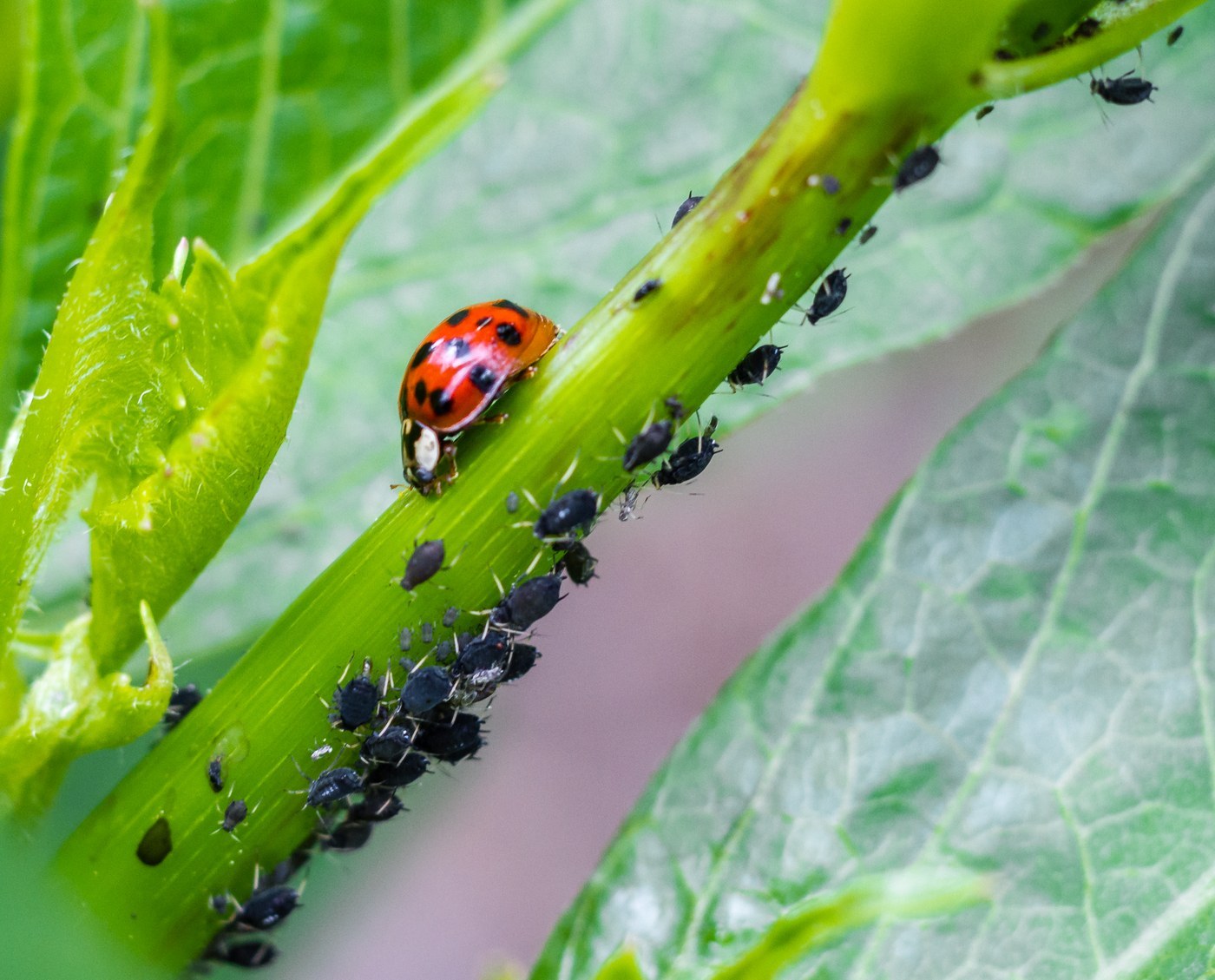
Asian Lady Beetle
Gardens, crop fields, woodlands, buildings
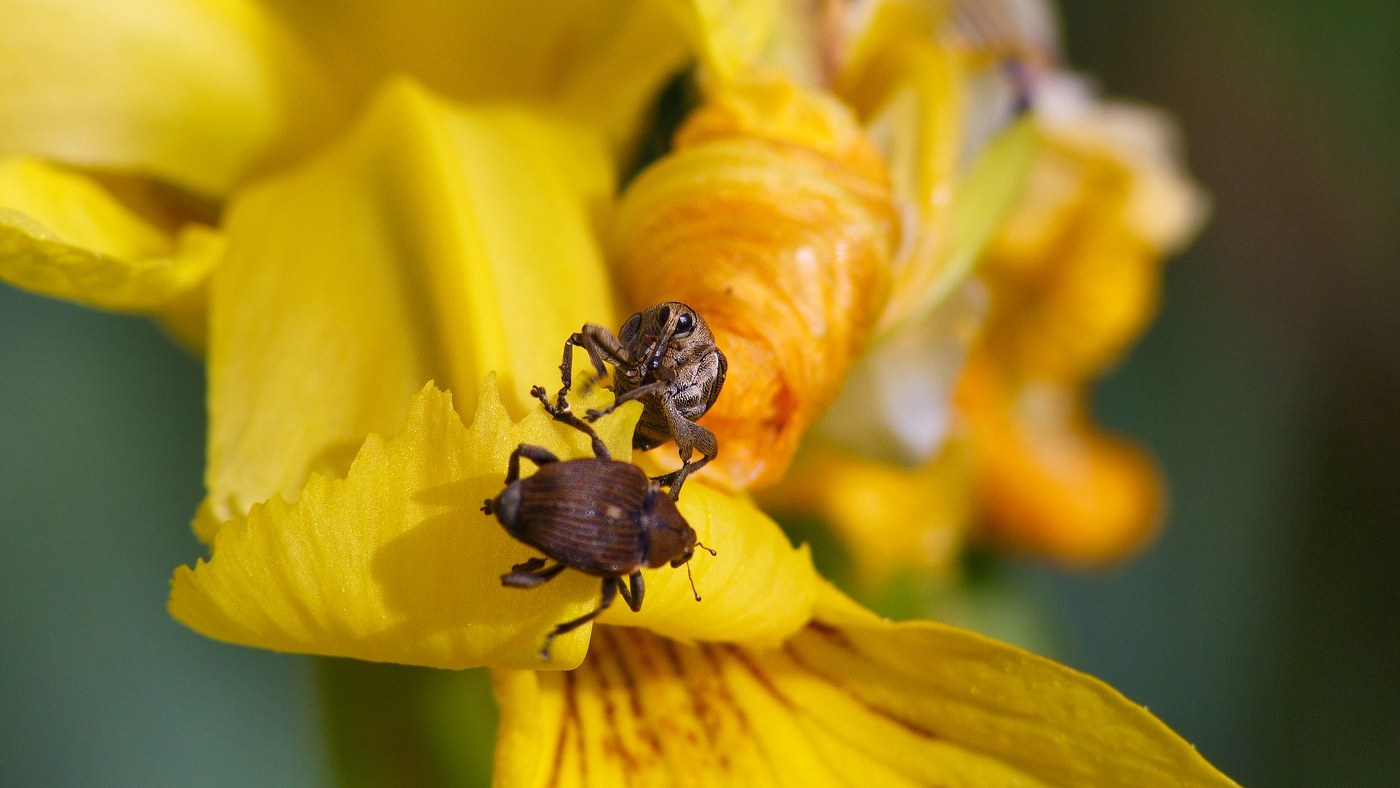
Acorn Weevil
Oak woodlands and forests, on and beneath oak trees
Wireworm
Soil of grasslands, gardens, and cultivated fields worldwide
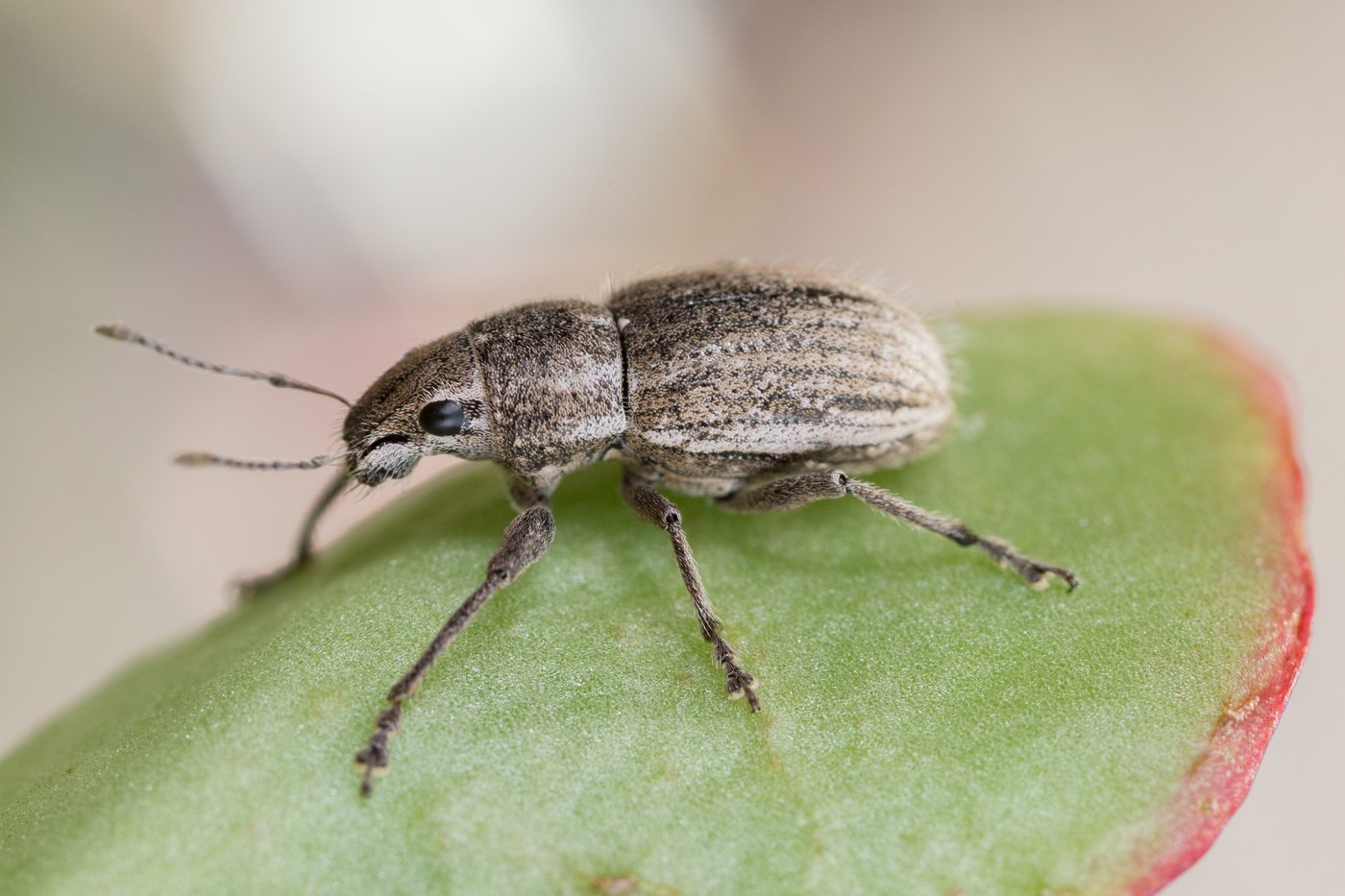
Whitefringed Beetle
Pastures, row crops, lawns, disturbed soils
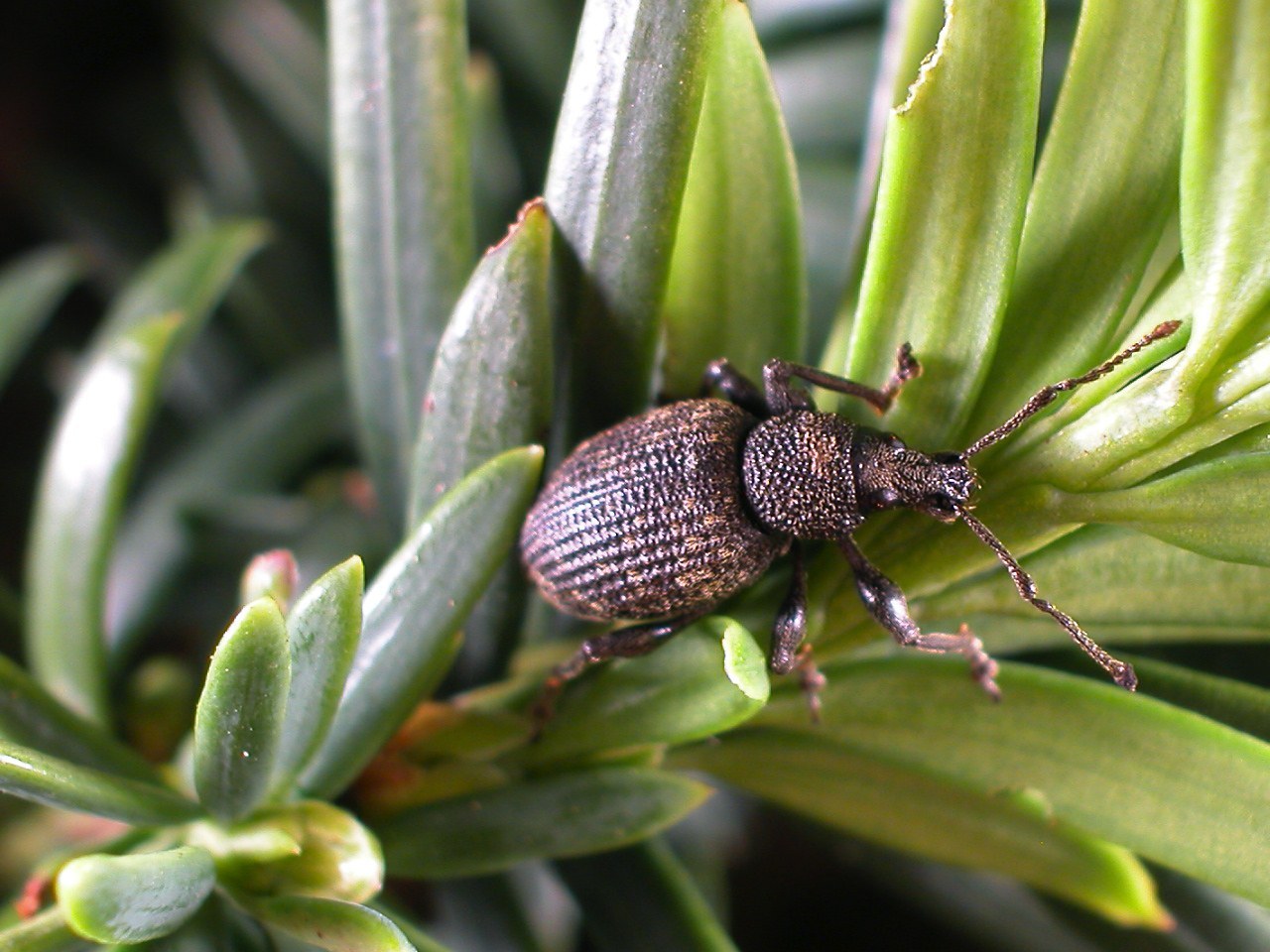
Vine Weevil
Gardens, nurseries, greenhouses, and container plantings
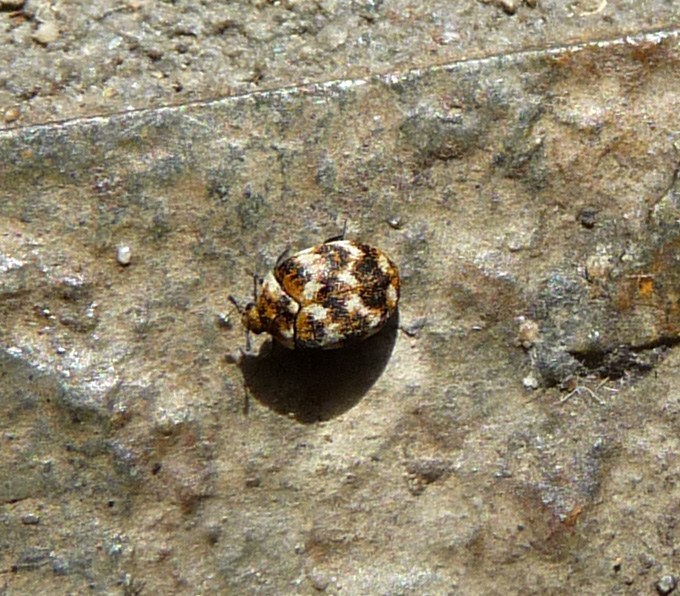
Varied Carpet Beetle
Homes, nests of birds and mammals, and flowers outdoors
Atlas Beetle
Tropical forests of Southeast Asia
Titan Beetle
Amazon rainforest of South America
Ten-lined June Beetle
Sandy soils, pine forests, and orchards of western North America
Squash Beetle
Vegetable gardens and fields growing squash, pumpkin, and other cucurbits