
Eastern Tiger Swallowtail
Papilio glaucus
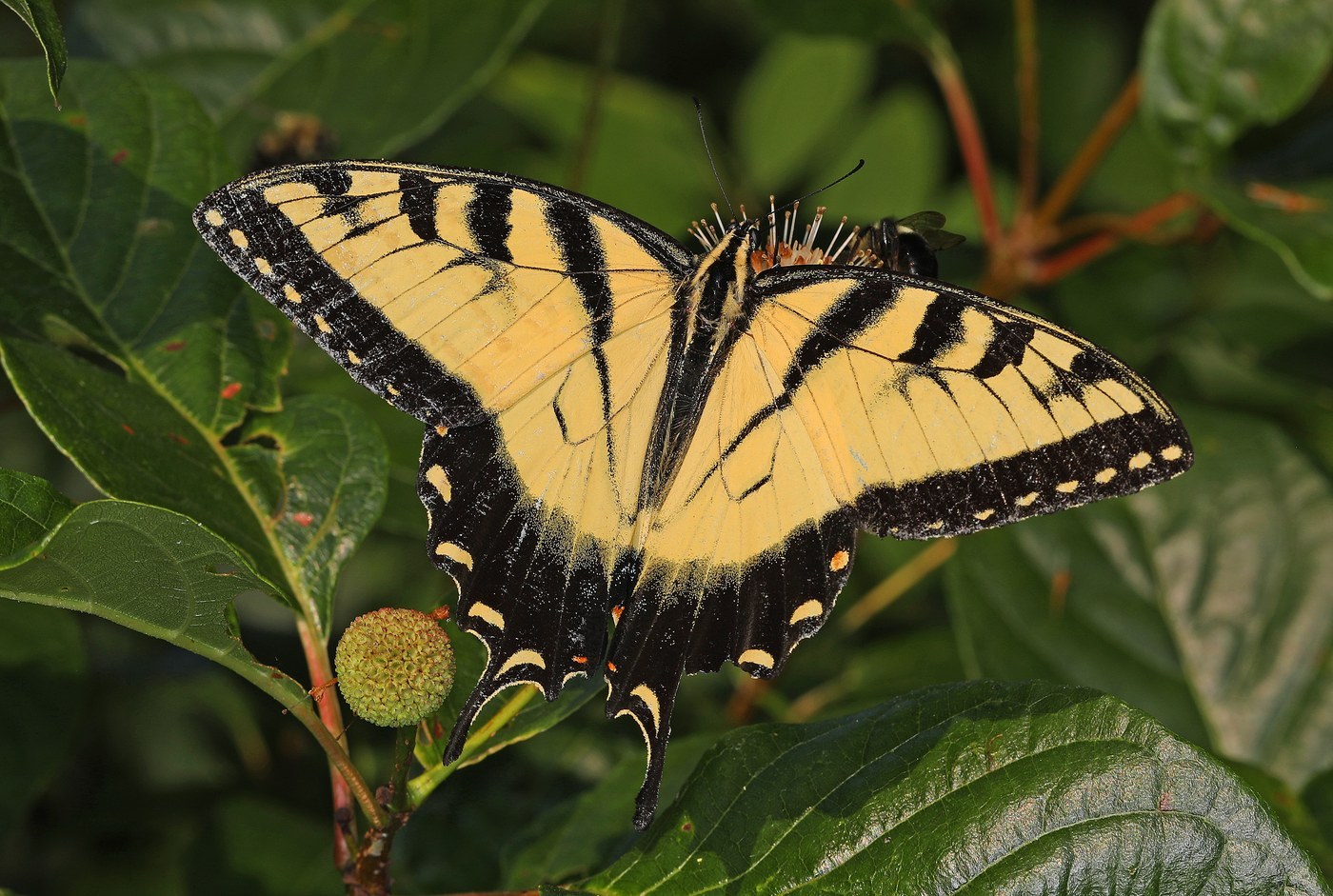
A large, showy yellow-and-black striped swallowtail with elegant tail extensions on the hindwings, one of the most recognizable butterflies of eastern North American woodlands and gardens.
- Size
- 7.9–14 cm wingspan
- Habitat
- Deciduous woodlands, forest edges, gardens, river corridors (eastern North America)
- Danger
- Harmless
Spotted a bug like this?
Identify any bug or insect from a photo, free.
Overview
The eastern tiger swallowtail is a large member of the swallowtail family (Papilionidae) and is among the most familiar and widely admired butterflies in eastern North America, often serving as a state symbol in several states. Its bold yellow-and-black "tiger stripe" pattern and graceful tailed hindwings make it easy to recognize even for people with little interest in insects.
The species exhibits notable sexual and regional variation: females occur in two color forms, a yellow form resembling the male and a dark form that is almost entirely black with only faint stripe traces, an adaptation believed to mimic the toxic pipevine swallowtail and thereby gain some protection from predators. This dark female form is more common in the southern part of the range, where the model species it mimics is also more abundant.
Ecologically, the eastern tiger swallowtail is an important pollinator across a wide range of flowering trees, shrubs, and garden plants, and its caterpillars have an equally distinctive appearance, including a resemblance to a small snake in later stages, an example of a defensive mimicry strategy in the larval stage.
How to Identify
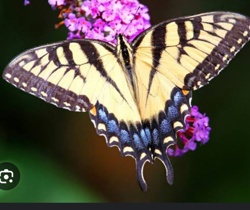
- Wingspan roughly 7.9–14 cm; wings are bright yellow with four to five bold black tiger-stripe bands running across the forewing.
- Hindwings have elongated black "tails" and often show a band of blue scaling along the trailing edge, with orange spots near the tail base.
- Females occur in two forms: a yellow form similar to males, and a dark form that is mostly black with shadowy stripe outlines still faintly visible.
- Body is stout with a fuzzy thorax typical of large swallowtails.
- Lookalikes: the Canadian tiger swallowtail is very similar but generally smaller with a slightly different stripe pattern and a more northern range; the pipevine swallowtail, mimicked by dark-form females, lacks yellow stripes and shows iridescent blue-green hindwings instead.
Habitat & Range
Common throughout deciduous forests, forest edges, river and stream corridors, parks, and gardens across eastern North America, from southern Canada down through the eastern and central United States into parts of the Gulf region. Adults are active from spring through late summer, with multiple generations in the southern part of the range and typically a single generation further north. Caterpillars are found on the leaves of preferred host trees along woodland edges and riparian areas.
Behavior & Diet
Adults are strong, graceful fliers that visit a wide variety of flowering plants for nectar, including native wildflowers, flowering trees, and garden plants, making them significant pollinators. Males frequently patrol along stream corridors, roads, or forest edges searching for mates and can sometimes be seen gathering at damp mud or puddles, a behavior called puddling that supplies them with minerals. Caterpillars rest on silk pads on leaves during the day, and early instars mimic bird droppings while later instars are green with large false eyespots that give them a snake-like appearance, both serving as defenses against predators; when disturbed, larvae can also extend a forked, odorous organ called an osmeterium from behind the head.
Life Cycle
Complete metamorphosis, with two to three generations per year in warmer parts of the range and typically one generation in the north. Eggs are laid singly on the leaves of host trees such as tulip tree and wild cherry, among various other deciduous species; caterpillars pass through several instars, changing from a bird-dropping mimic to a green, eyespotted form as they grow, and construct a silk-lined leaf shelter for resting. Pupation occurs in a mottled brown or green chrysalis attached to a twig or nearby structure, with the final generation of the year overwintering as a chrysalis through the winter before adults emerge in spring.
Frequently asked questions
Why are some eastern tiger swallowtails all black instead of yellow and black striped?
These are dark-form females, a color variation believed to mimic the toxic pipevine swallowtail for added protection from predators, and they are more common in the southern part of the range.
How is it different from the Canadian tiger swallowtail?
The two species look very similar, but the eastern tiger swallowtail is generally larger, ranges further south, and has subtle differences in stripe width, with the Canadian tiger swallowtail restricted to more northern latitudes.
What does the caterpillar look like?
Early caterpillars resemble bird droppings, while older caterpillars turn green with two large false eyespots near the head, giving them a snake-like look.
What plants do the caterpillars feed on?
Tulip tree, wild black cherry, and several other deciduous trees and shrubs are commonly used host plants.
Eastern Tiger Swallowtail guides
In-depth guides for identifying, understanding, and living alongside Eastern Tiger Swallowtail.
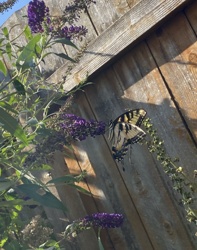
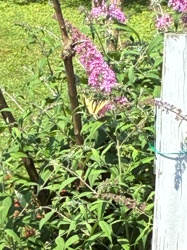
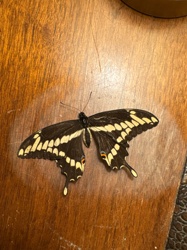
Eastern Tiger Swallowtail identified by the community
Real finds identified with Bug Identifier.
Other bugs you may enjoy
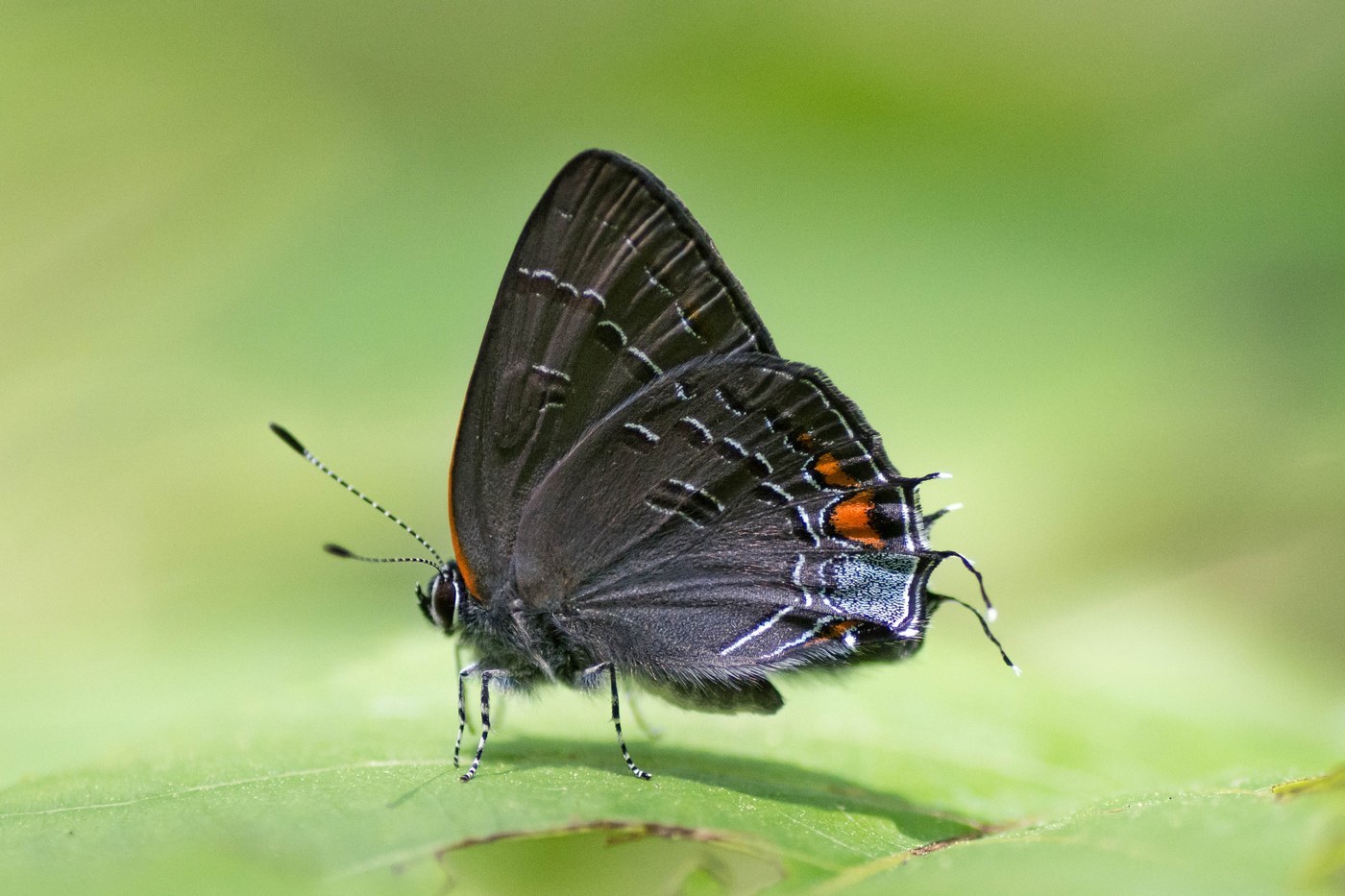
Banded Hairstreak
Deciduous woodlands and edges with oaks and hickories
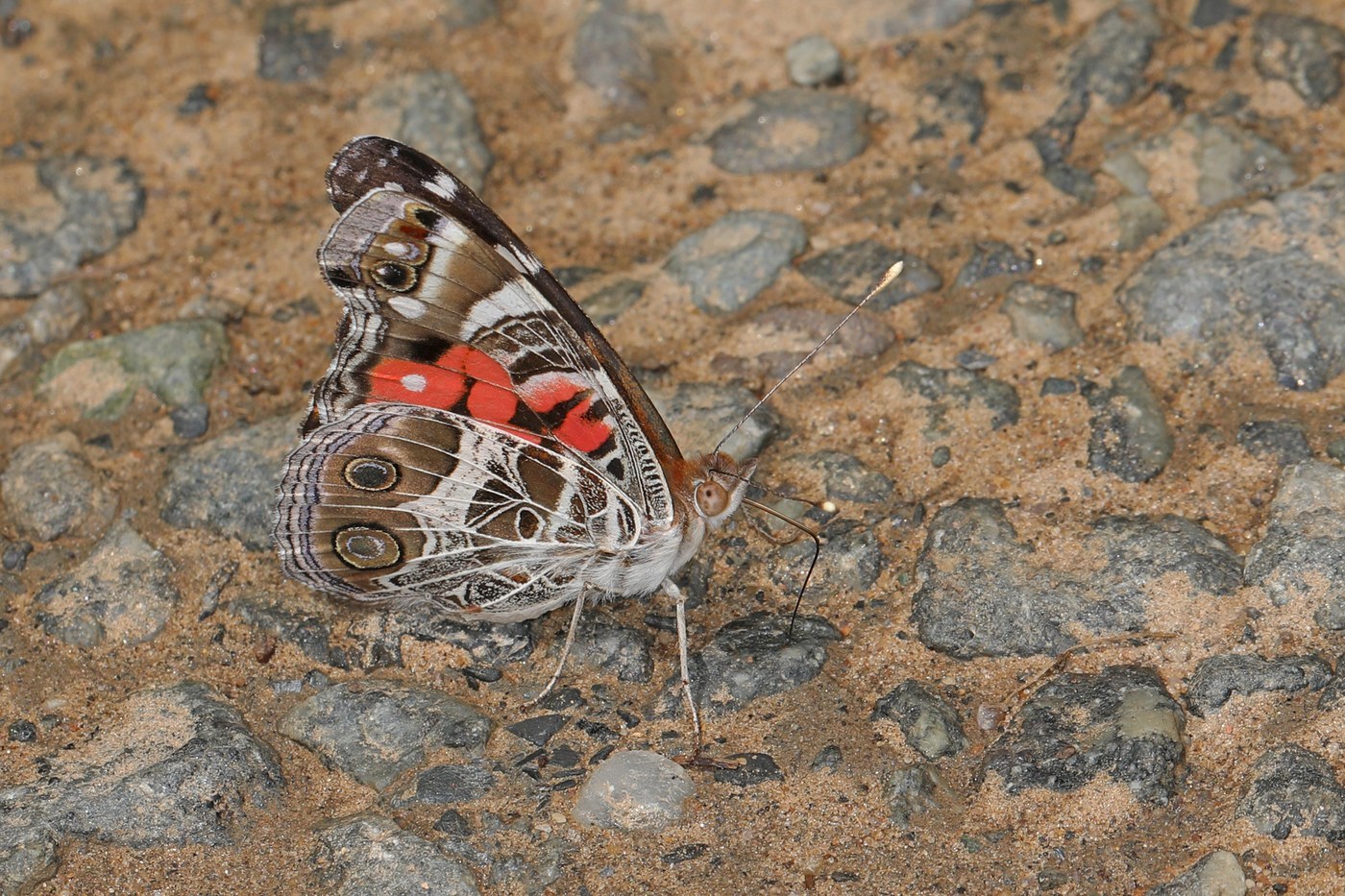
American Lady
Open fields, meadows, gardens, roadsides
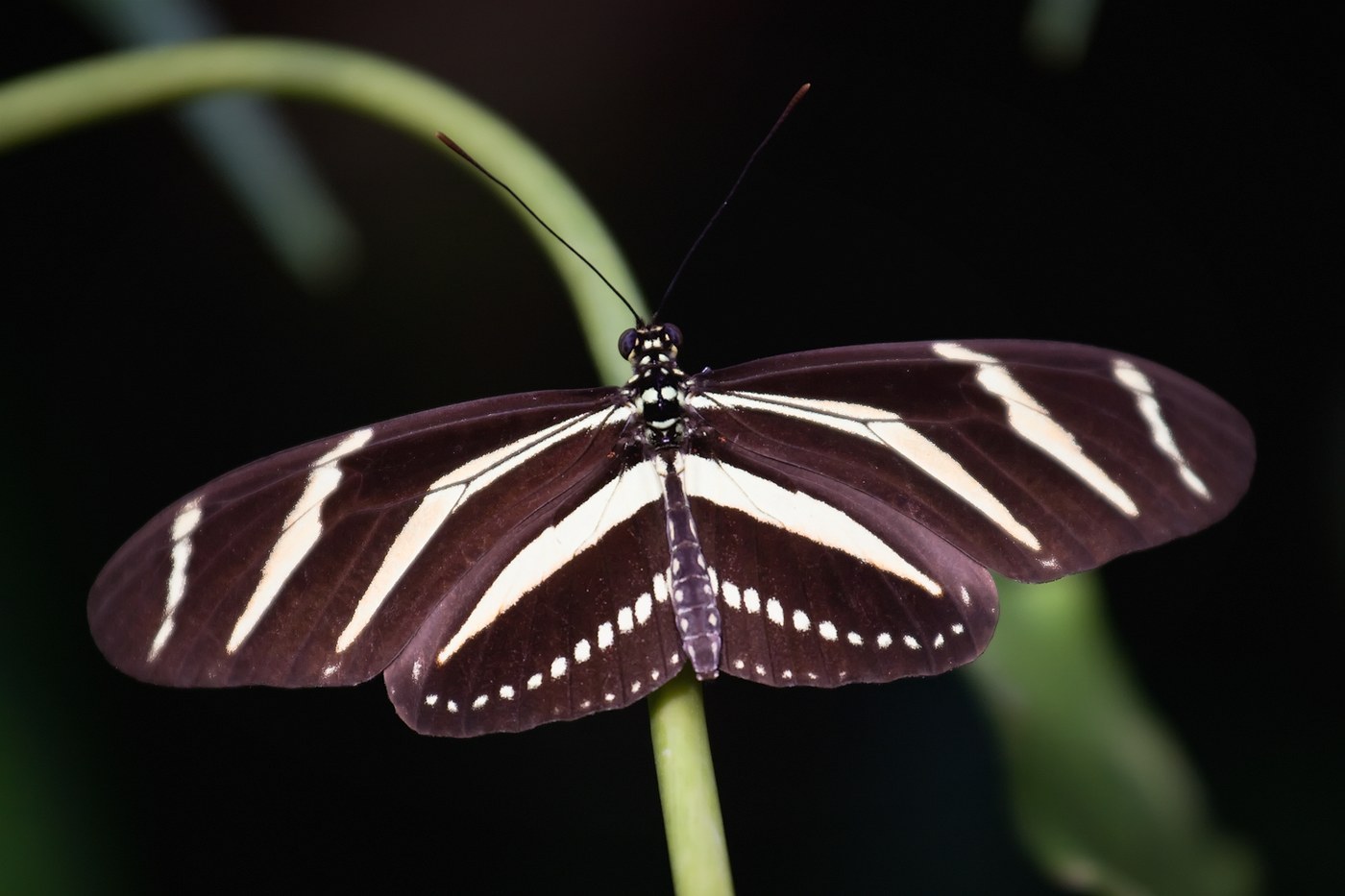
Zebra Longwing
Tropical hammocks, gardens, forest edges
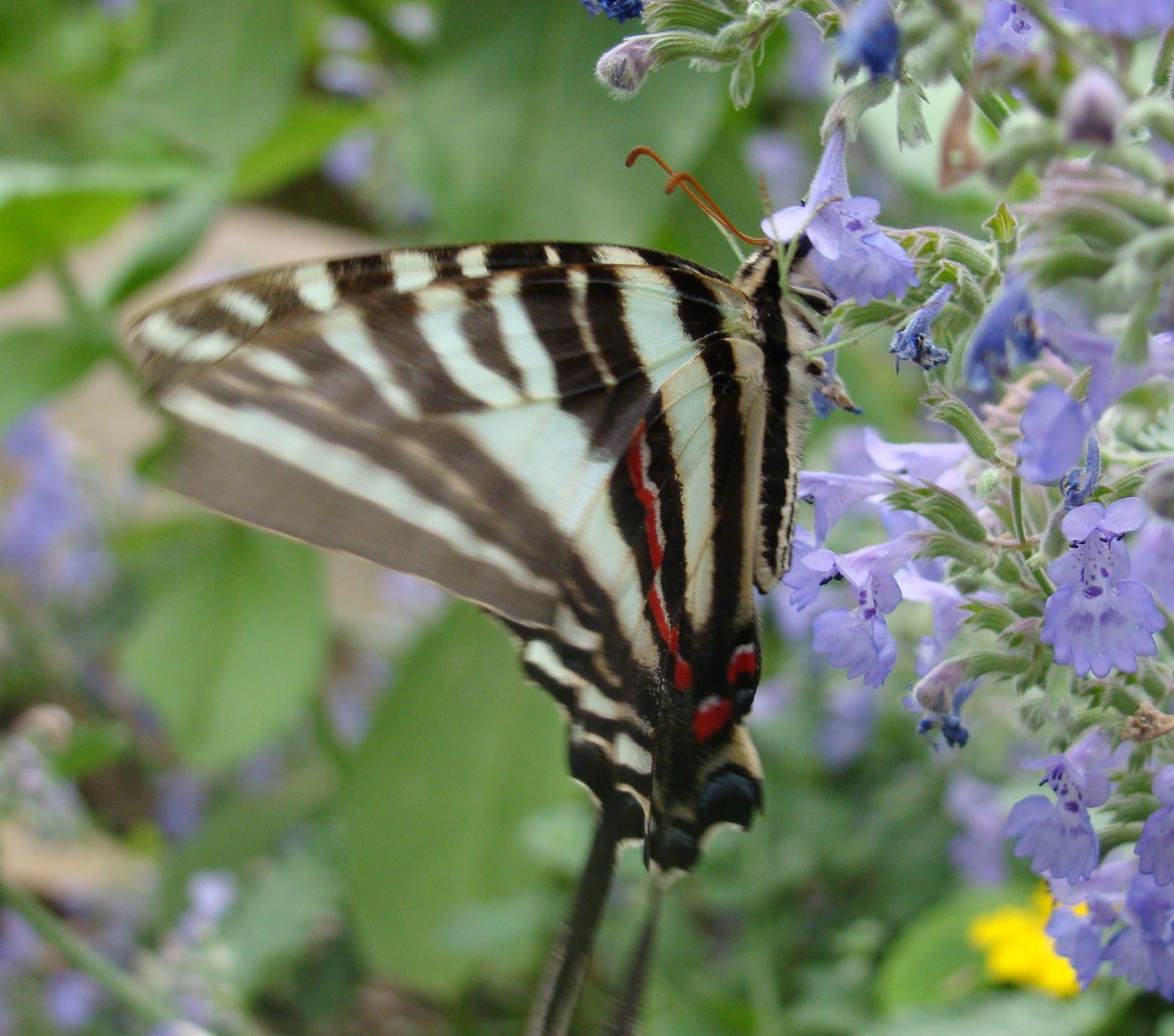
Zebra Swallowtail
Woodlands, floodplains, forest edges near pawpaw
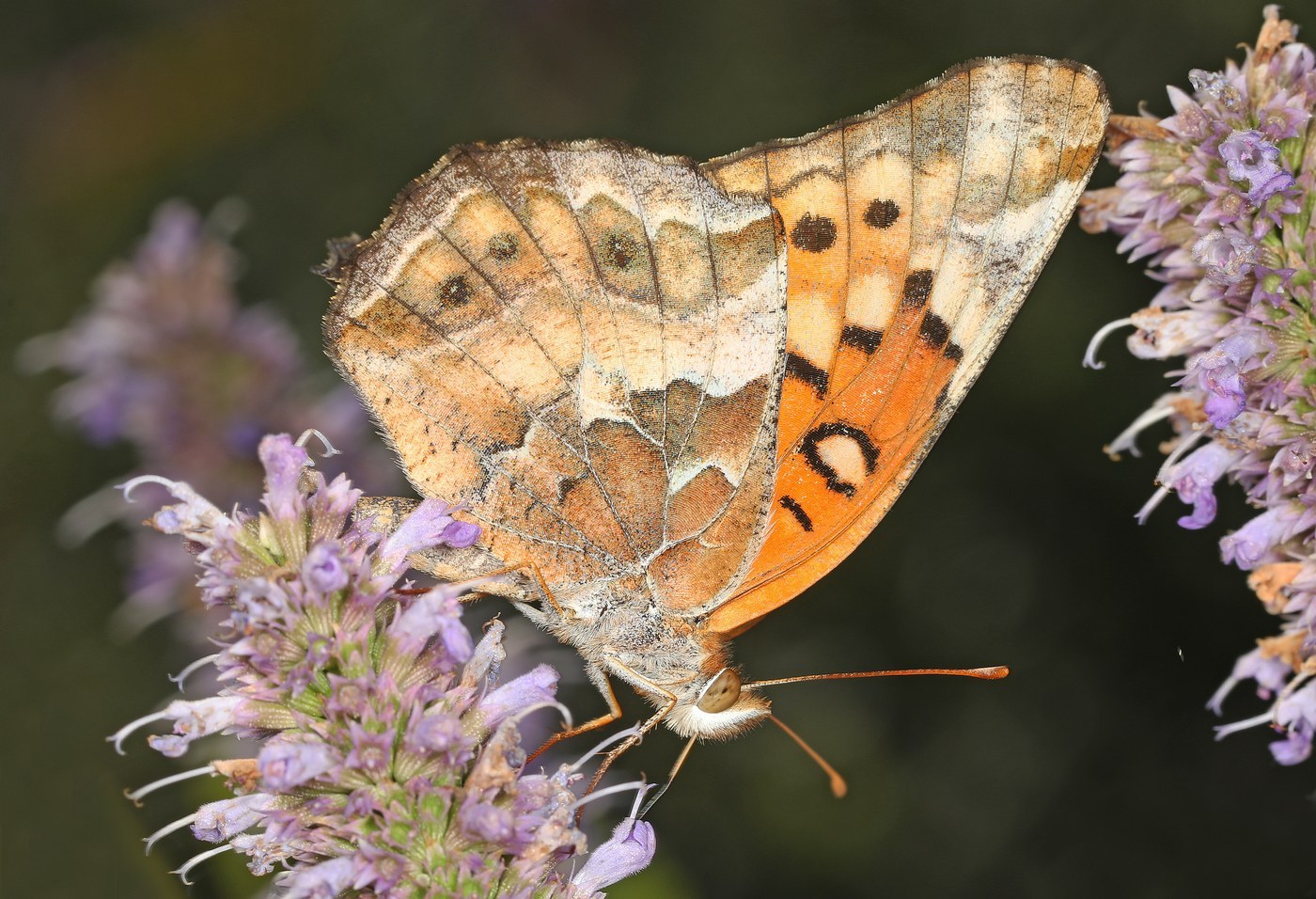
Variegated Fritillary
Open fields, prairies, roadsides, and disturbed ground across most of the United States
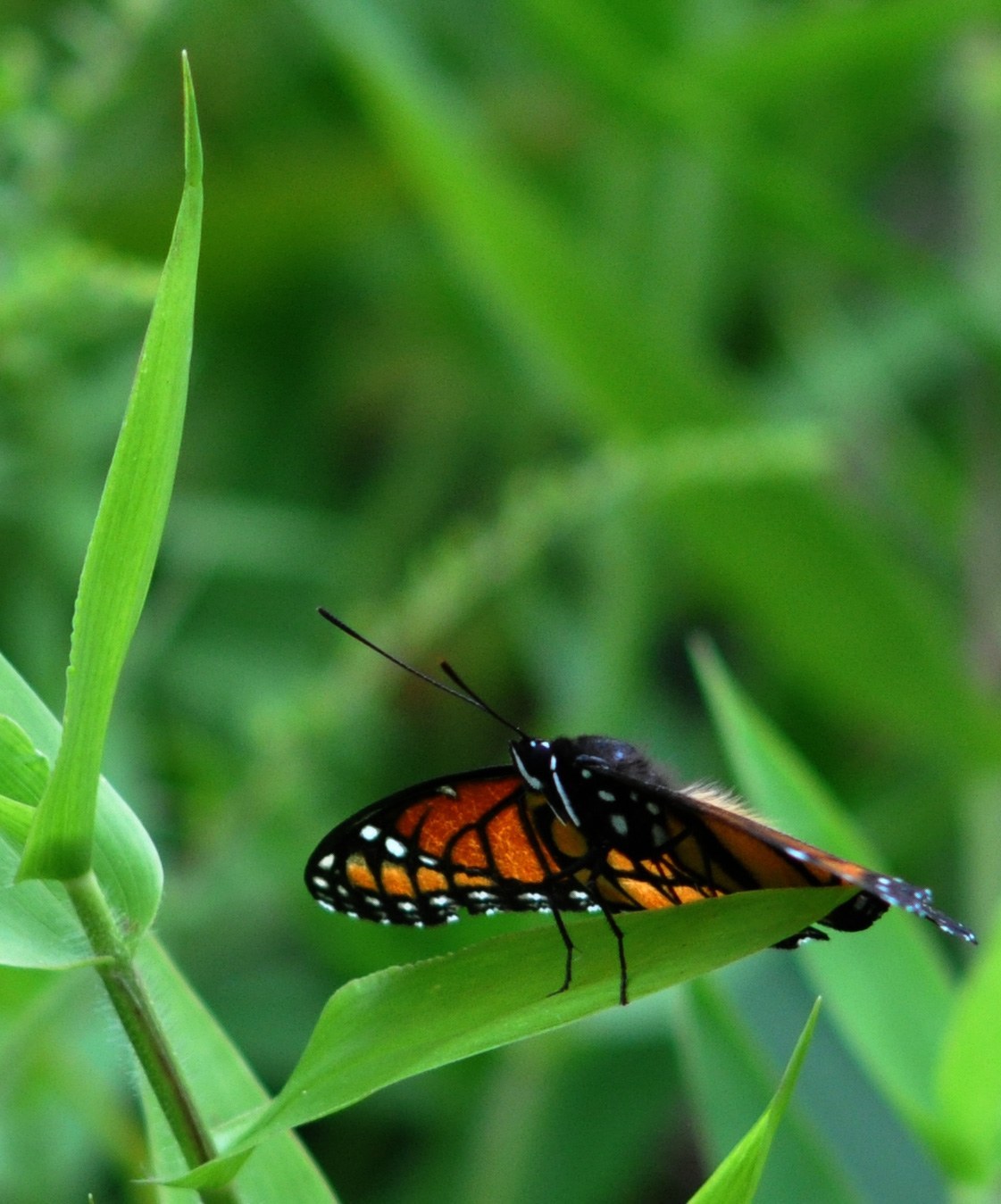
Viceroy Butterfly
Wetlands, meadows, riverbanks, willow thickets (North America)
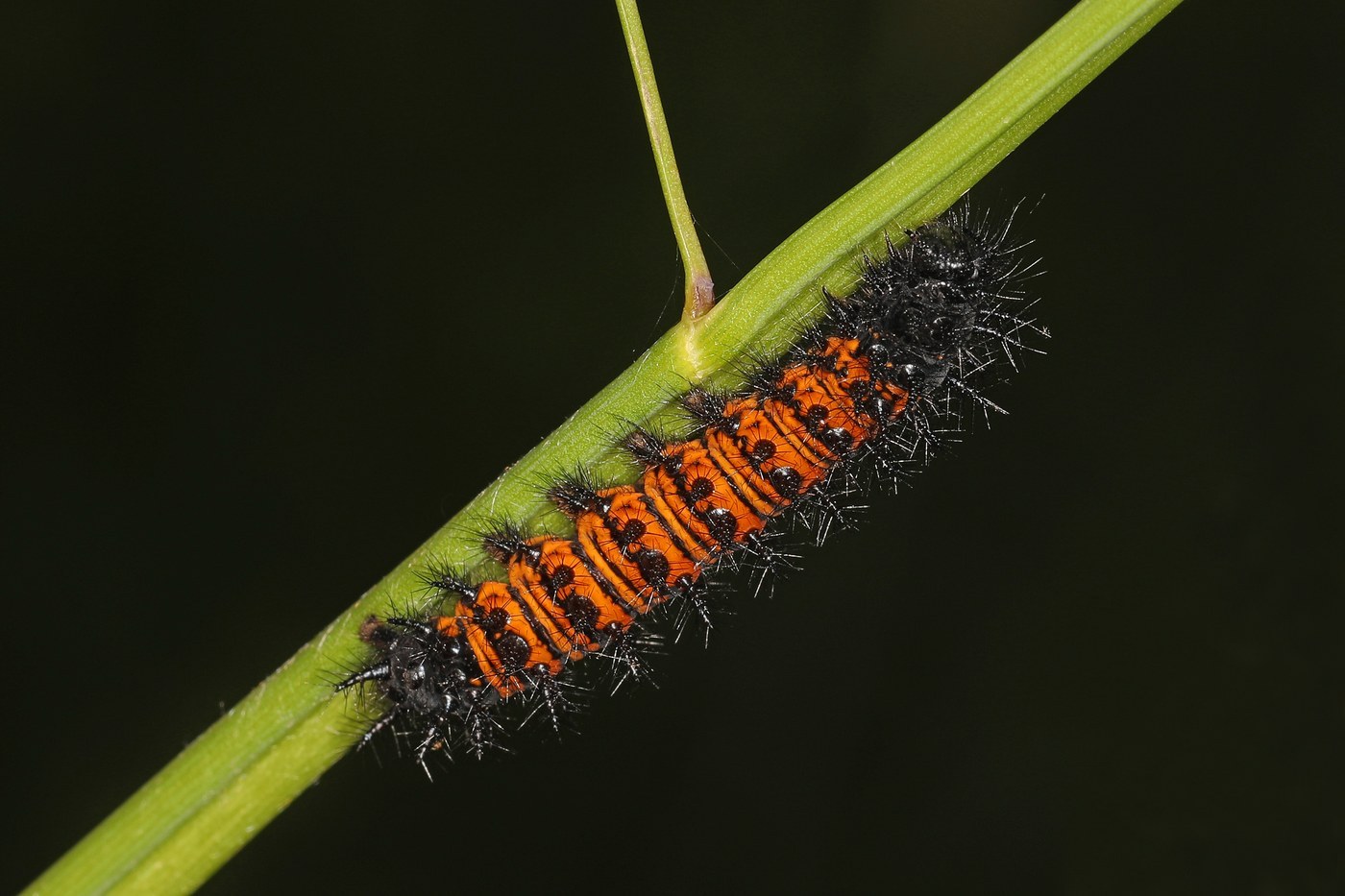
Baltimore Checkerspot
Wet meadows, bogs, and marshy fields in the northeastern and Appalachian US
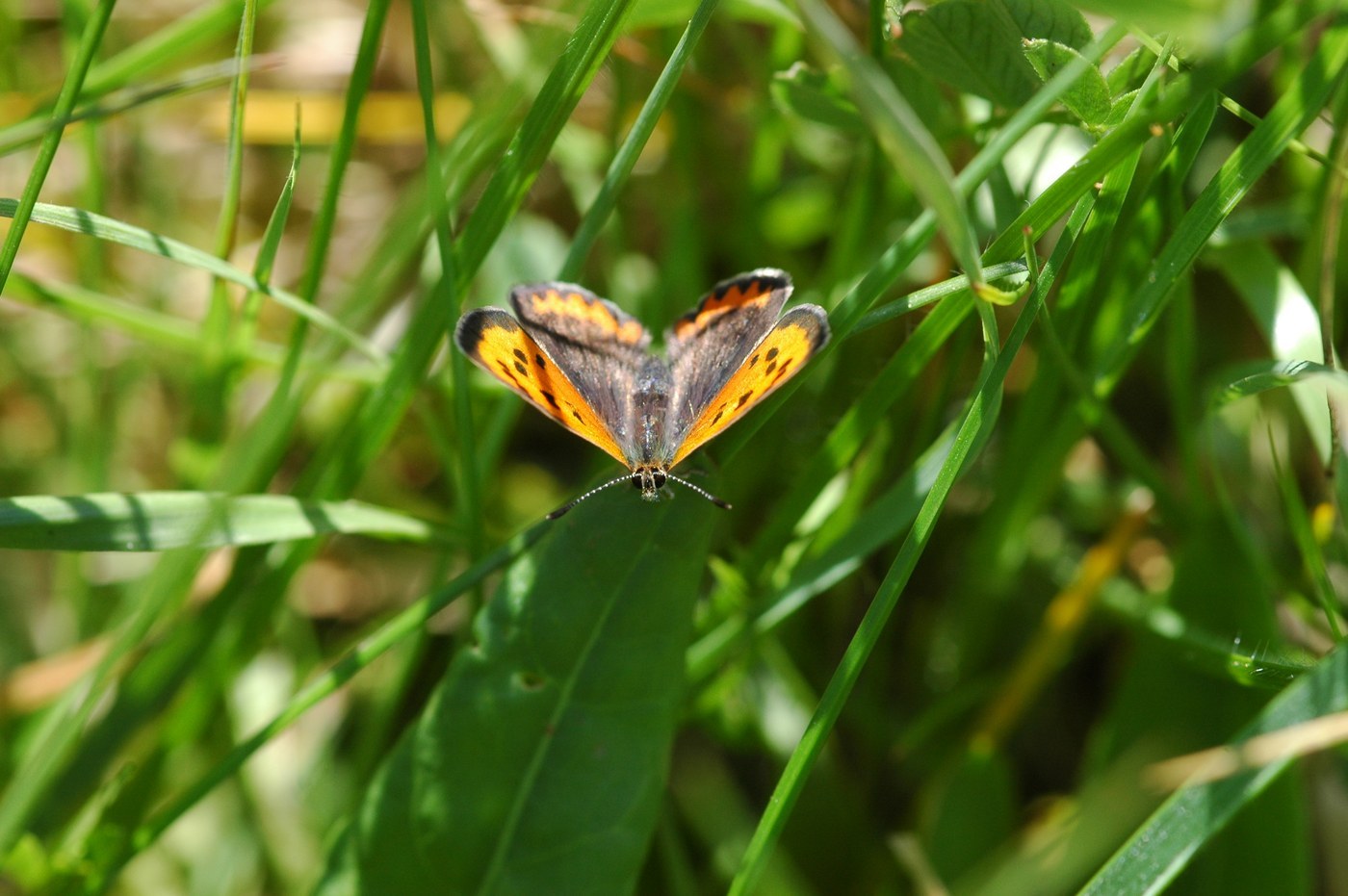
American Copper
Old fields, roadsides, and disturbed open ground with sorrel or dock
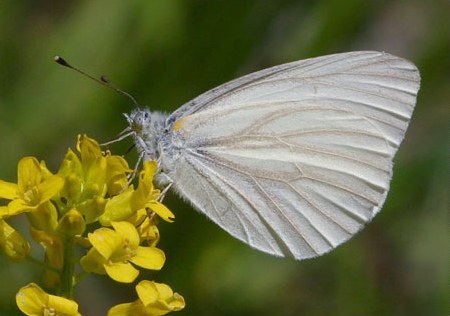
West Virginia White
Rich deciduous forest floors, especially near seeps and streams
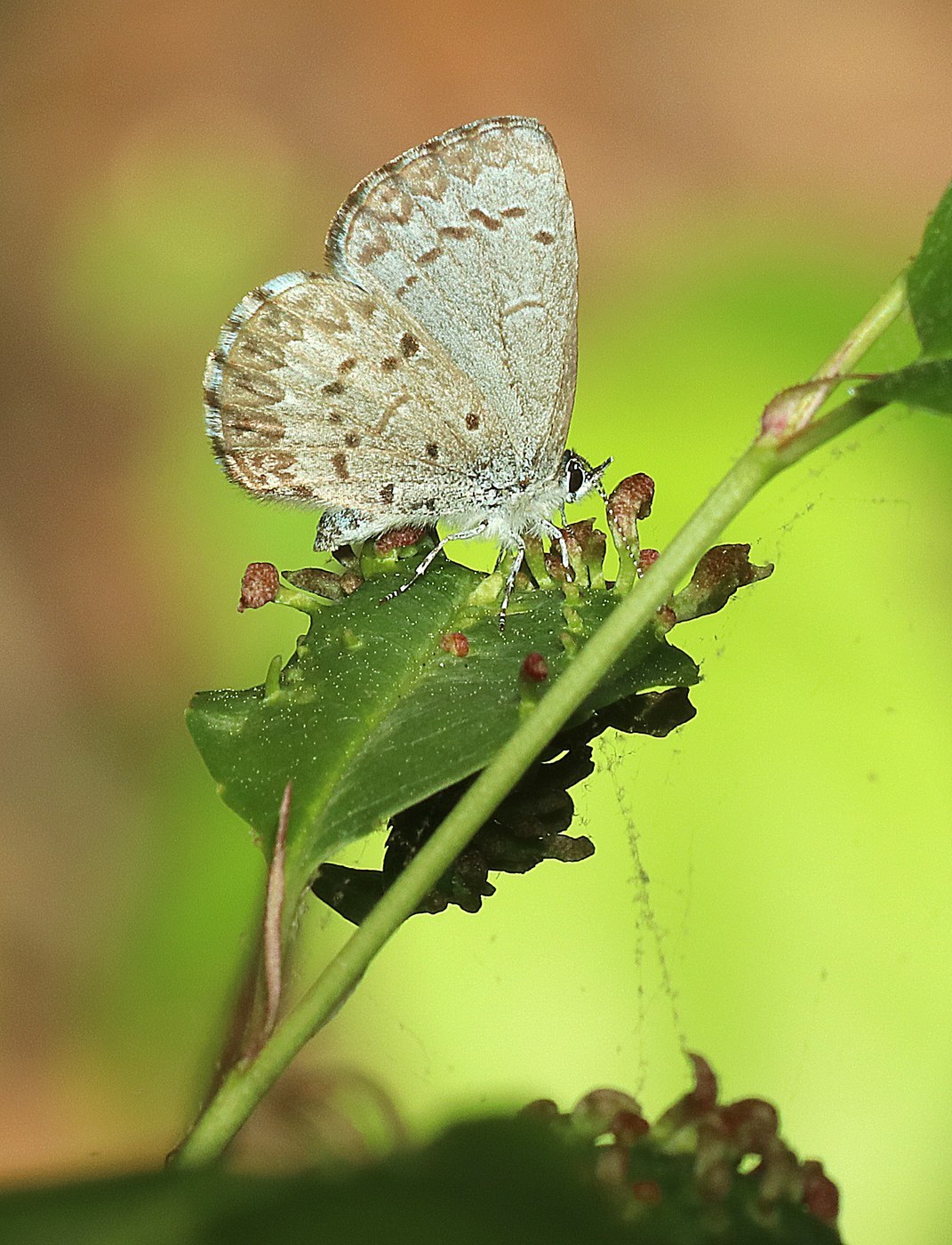
Spring Azure
Woodland edges, gardens, shrubby clearings
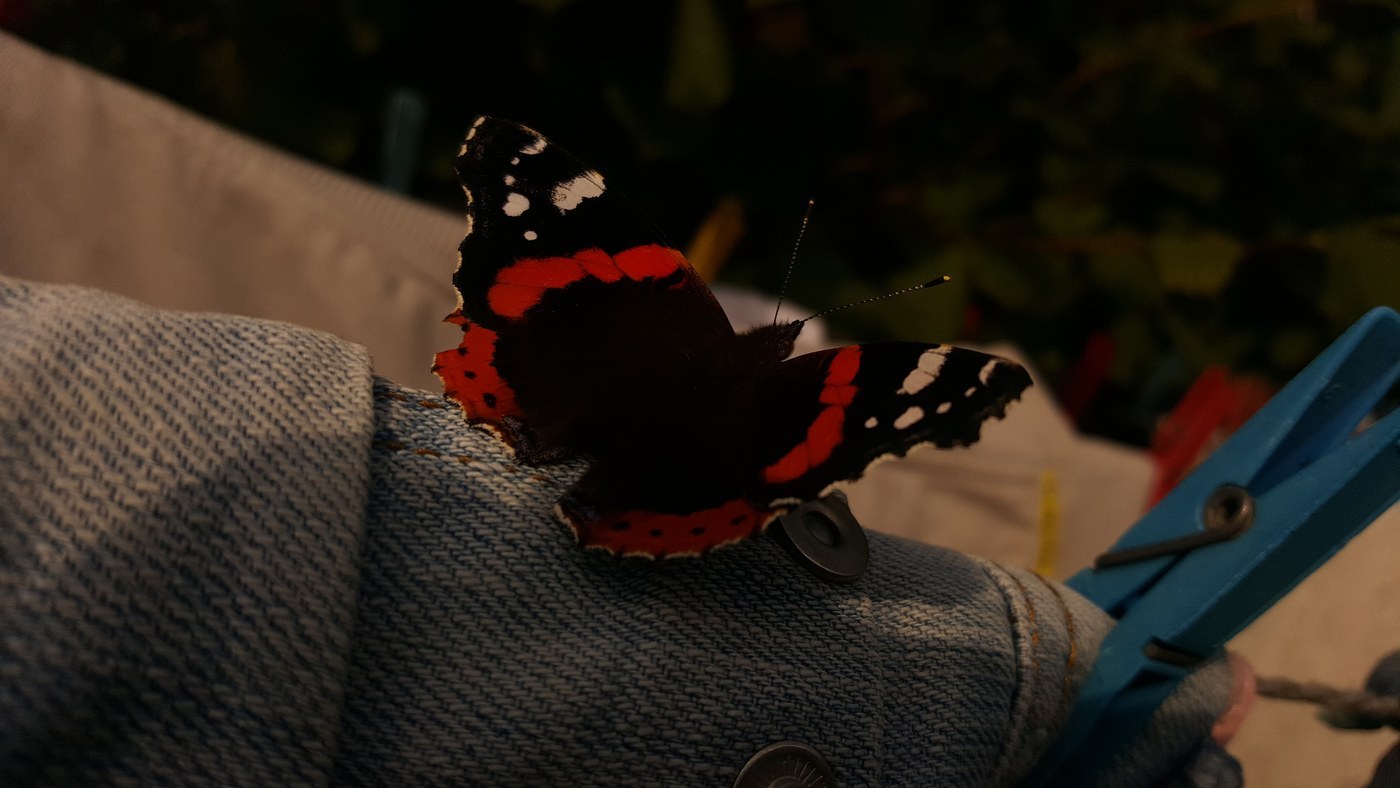
Red Admiral
Gardens, woodland edges, parks, meadows
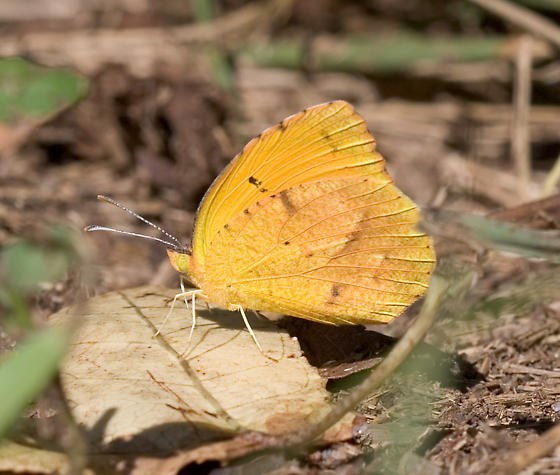
Sleepy Orange
Open woodland, fields, roadsides, and disturbed ground