
Fire Ant
Solenopsis invicta
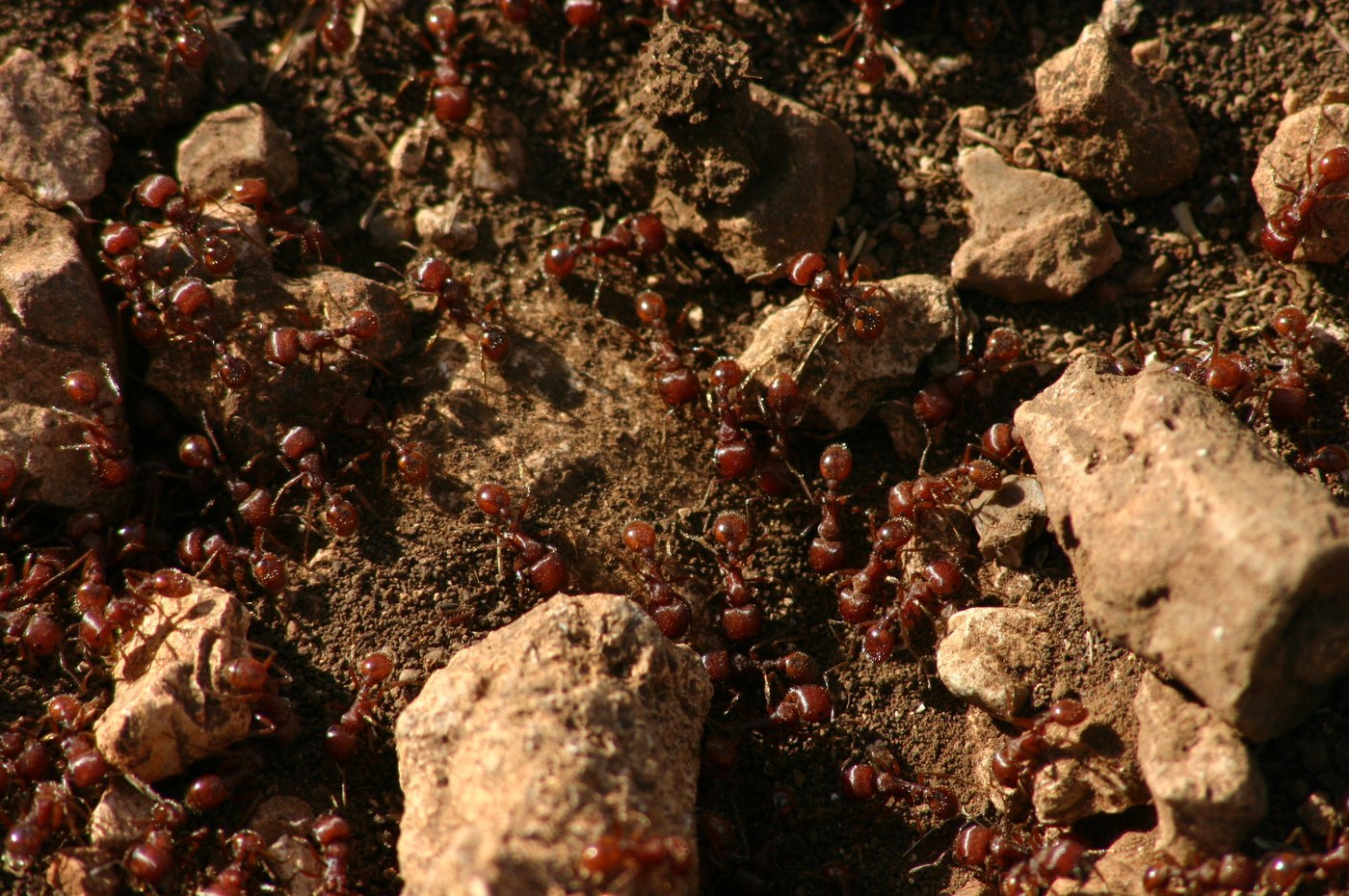
A small reddish-brown ant that builds loose, crater-less dirt mounds in sunny open turf and mobilizes large numbers of workers rapidly when the nest is disturbed.
- Size
- 2–6 mm workers
- Habitat
- Open sunny lawns, pastures, fields; mound nests
- Danger
- Stings
Spotted a bug like this?
Identify any bug or insect from a photo, free.
Overview
The red imported fire ant, Solenopsis invicta, is a small but highly organized ant in the family Formicidae, native to South America and now established across much of the southern United States and other warm regions worldwide following accidental introduction. It is one of the best-known invasive ant species due to its aggressive colony defense and distinctive mound-building habit.
Fire ants live in large, highly social colonies with a caste system of queens, workers, and reproductive alates (winged ants), and a single colony can contain tens of thousands of individuals. Colonies construct visible, dome-shaped earthen mounds, particularly noticeable in open, sunny turf after rain.
Ecologically, fire ants are opportunistic omnivores and aggressive competitors, often displacing native ant species in areas where they become established, which has made them a notable subject of ecological study as an invasive species.
How to Identify
- Body: reddish-brown to copper-colored head and thorax with a darker abdomen; workers show noticeable size variation (polymorphic) within a single colony.
- Size: workers range roughly 2–6 mm.
- Waist: two-segmented petiole connecting thorax to abdomen, a general ant characteristic.
- Mounds: builds loose, dome-shaped dirt mounds without a visible central entrance hole, often 20–45 cm across.
- Lookalikes: confused with other reddish ant species, but the combination of a fluffy, crater-less mound and rapid, coordinated swarming response to disturbance is characteristic.
Habitat & Range
Fire ants favor open, sunny areas with well-drained soil—lawns, pastures, roadsides, and agricultural fields—where they build their characteristic mound nests. In its introduced range across the southern United States it is common from the Carolinas west to Texas and California, and it also occurs in parts of the Caribbean, Australia, and Asia.
Colonies are active year-round in warm climates, with foraging activity increasing in spring and fall when temperatures are moderate, and mounds becoming more prominent after rainfall as ants move soil upward.
Behavior & Diet
Fire ants are aggressive, highly coordinated foragers that feed on a wide range of food including insects, other invertebrates, seeds, and sugary substances, making them opportunistic omnivores. Workers communicate using pheromone trails to recruit nestmates rapidly to a food source or to a perceived threat.
When a mound is disturbed, large numbers of workers emerge quickly and can sting in defense of the colony, a coordinated response that is one of the species' most notable behavioral traits. Within the colony, fire ants also engage in cooperative brood care and can relocate an entire mound in response to flooding or disturbance.
Life Cycle
Fire ants undergo complete metamorphosis: egg, larva, pupa, and adult. A queen lays eggs continuously within the colony, and larvae are fed and tended by worker ants before pupating.
Colonies can be either single-queen (monogyne) or multiple-queen (polygyne), affecting colony size and mound density. Winged reproductive males and females periodically leave the nest in mating flights, after which fertilized queens shed their wings and attempt to found new colonies, which can grow to full size within one to two years under favorable conditions.
Frequently asked questions
How do you recognize a fire ant mound?
A loose, dome-shaped pile of soil with no obvious single entrance hole, often appearing suddenly after rain in open turf.
Are all reddish ants fire ants?
No, many native ant species share a similar reddish-brown color; mound shape and the coordinated swarming response are more reliable clues.
How big is a fire ant colony?
Colonies can contain tens of thousands of workers, with size varying by queen number and colony age.
What do fire ants eat?
They are omnivorous, feeding on insects, other invertebrates, seeds, and sugary plant substances.
Fire Ant guides
In-depth guides for identifying, understanding, and living alongside Fire Ant.
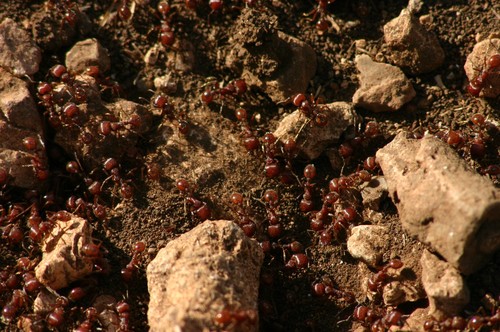
Fire Ant identified by the community
Real finds identified with Bug Identifier.
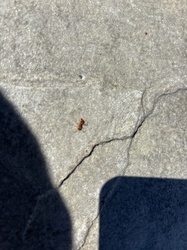
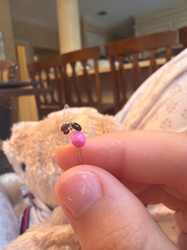
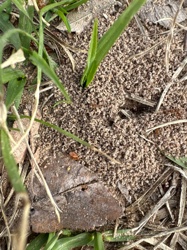

Other bugs you may enjoy
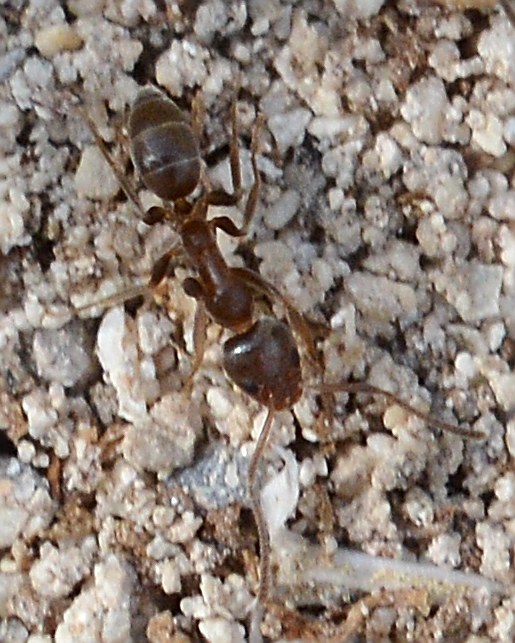
Argentine Ant
Disturbed urban soil, gardens, and building perimeters
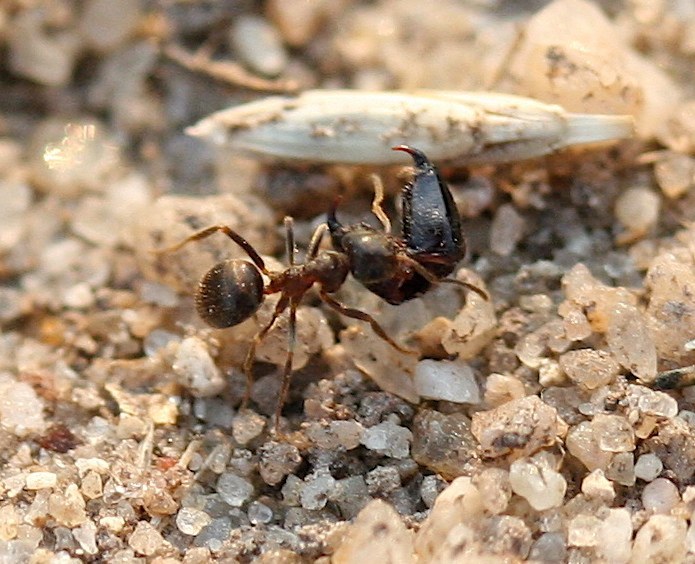
Ant
Gardens, lawns, woodlands, sidewalks, and buildings worldwide
Weaver Ant
Canopy of tropical forests, orchards, and mangroves
Sugar Ant
Gardens, woodlands, and urban areas; nests in soil, timber, or tree hollows
Trap-Jaw Ant
Tropical and subtropical forests, leaf litter, sandy coastal soils
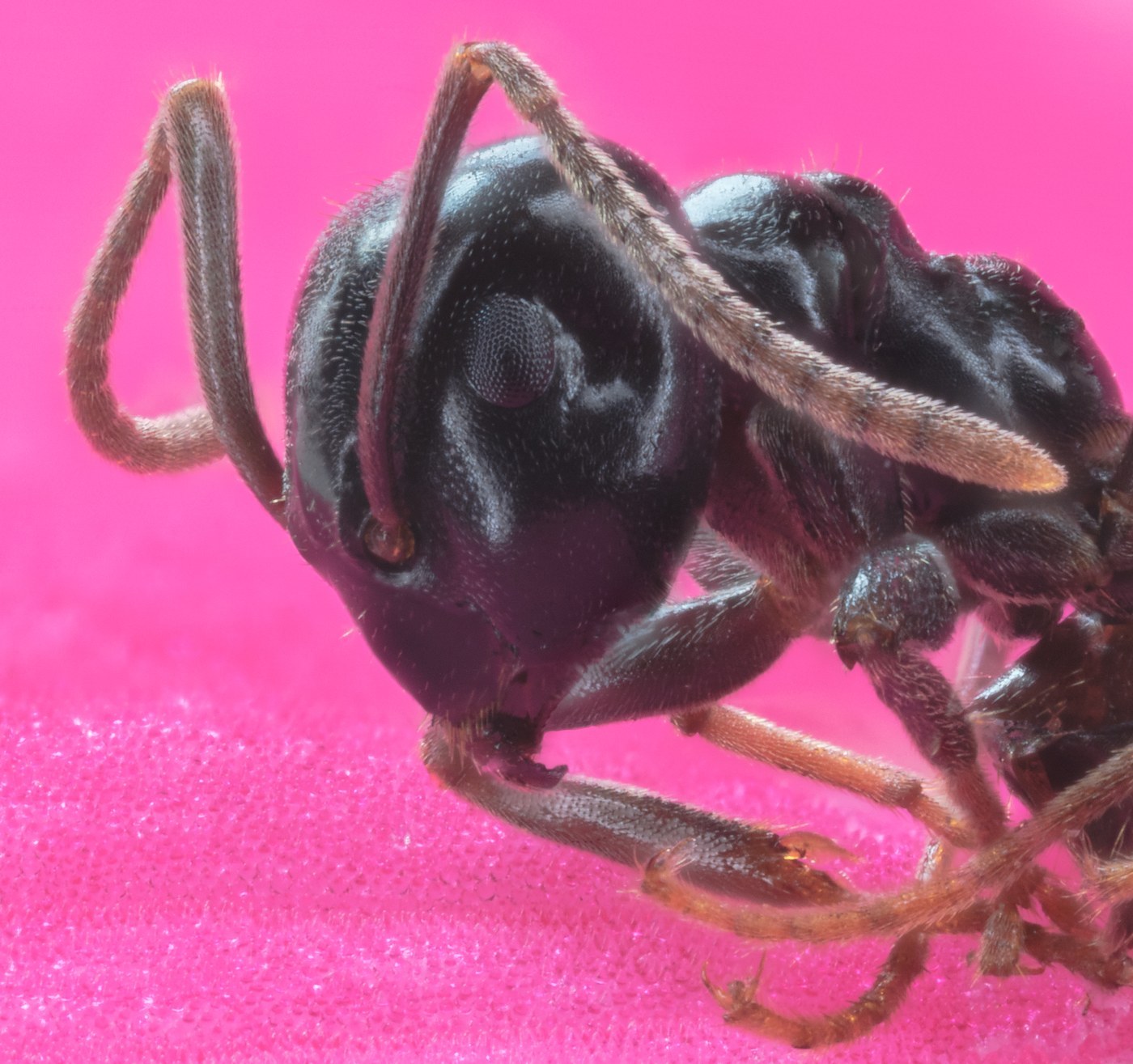
Pharaoh Ant
Warm, humid indoor voids such as wall cavities and heating ducts
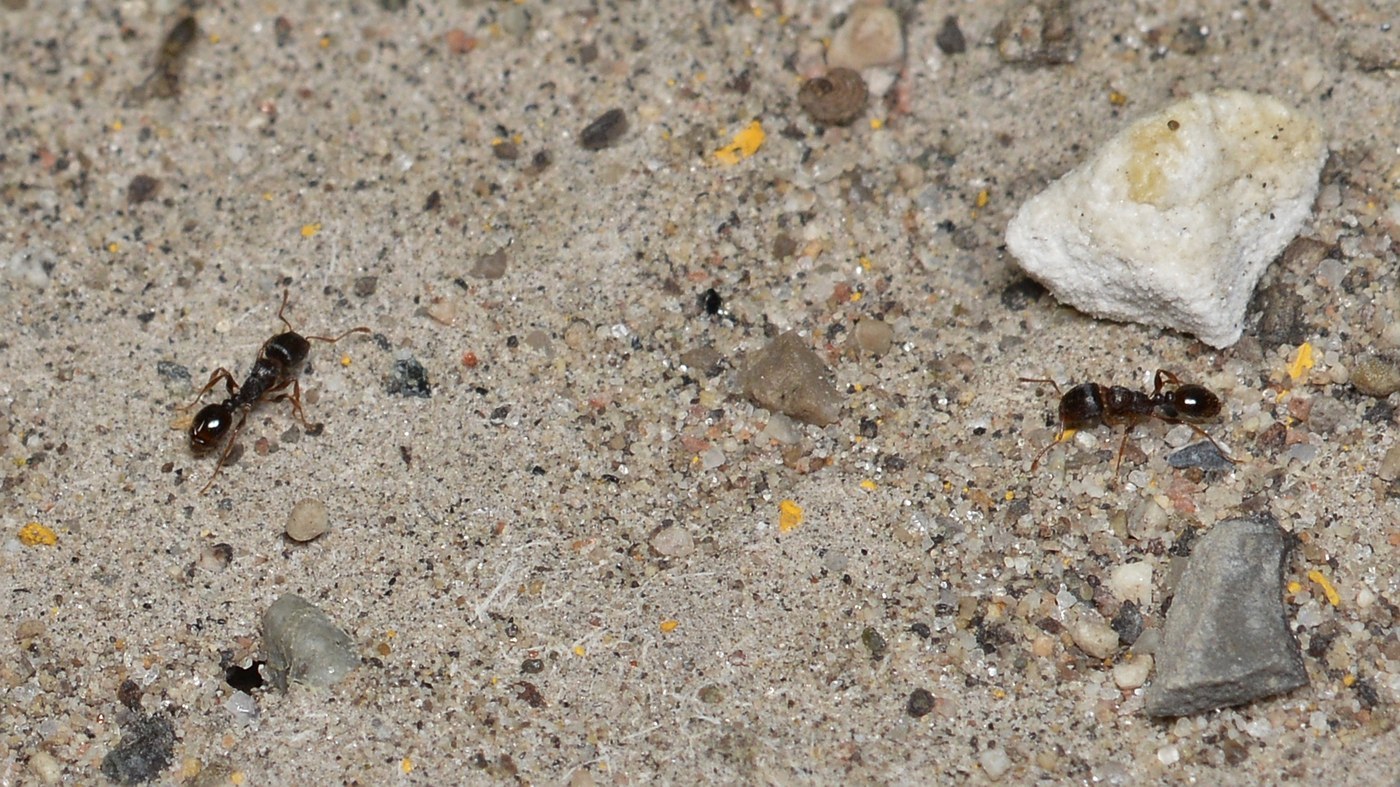
Pavement Ant
Cracks in sidewalks, driveways, and building foundations
Odorous House Ant
Soil, mulch, wall voids, and areas near moisture indoors and out
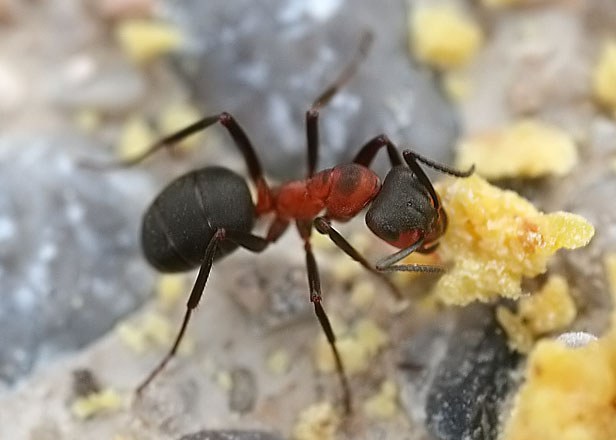
Red Wood Ant
Coniferous and mixed woodland, forest clearings and edges
Harvester Ant
Arid grasslands, deserts, and open sandy areas
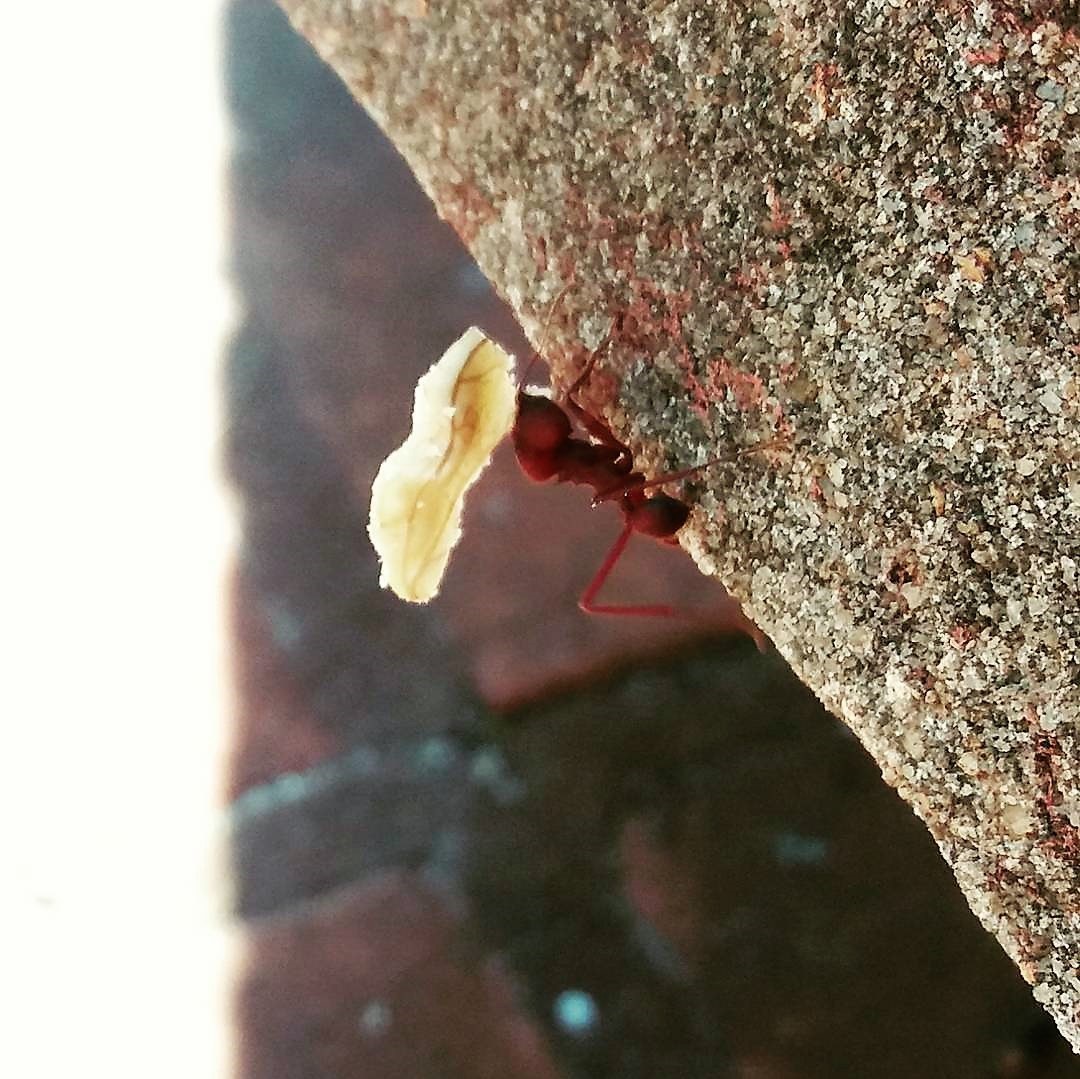
Leafcutter Ant
Tropical and subtropical forests, farmland edges
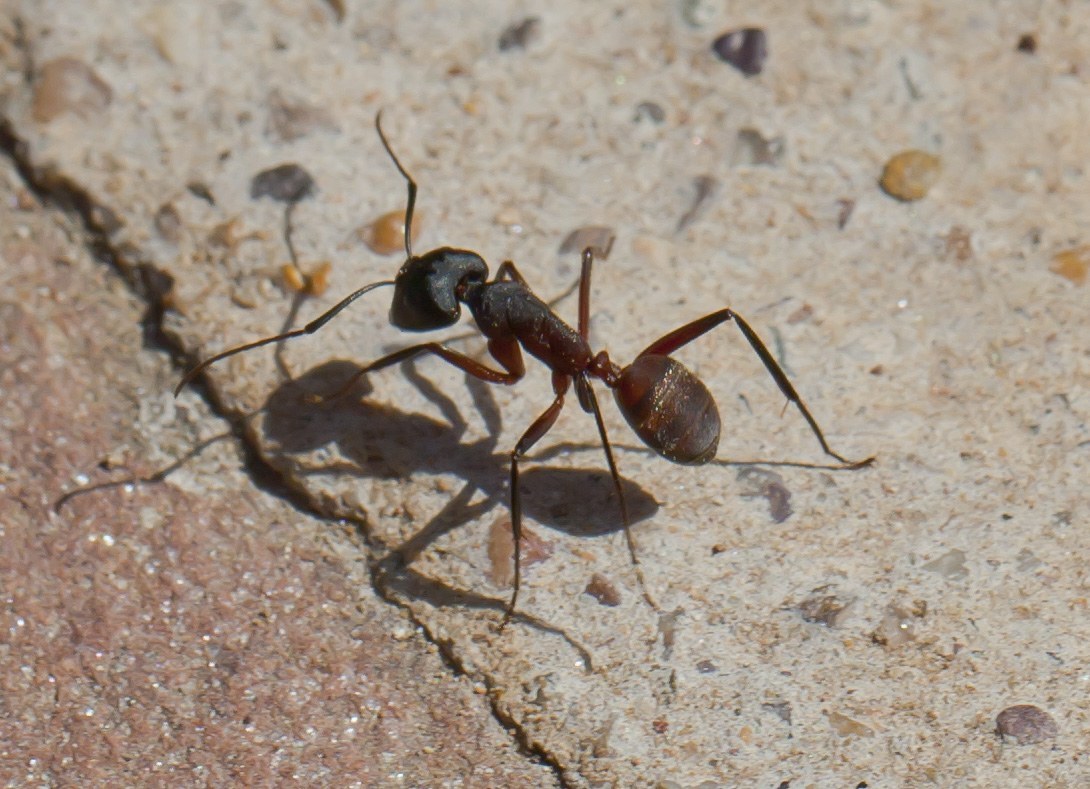
Little Black Ant
Lawns, gardens, rotting wood, and occasionally indoors