
Flesh Fly
Sarcophaga spp.
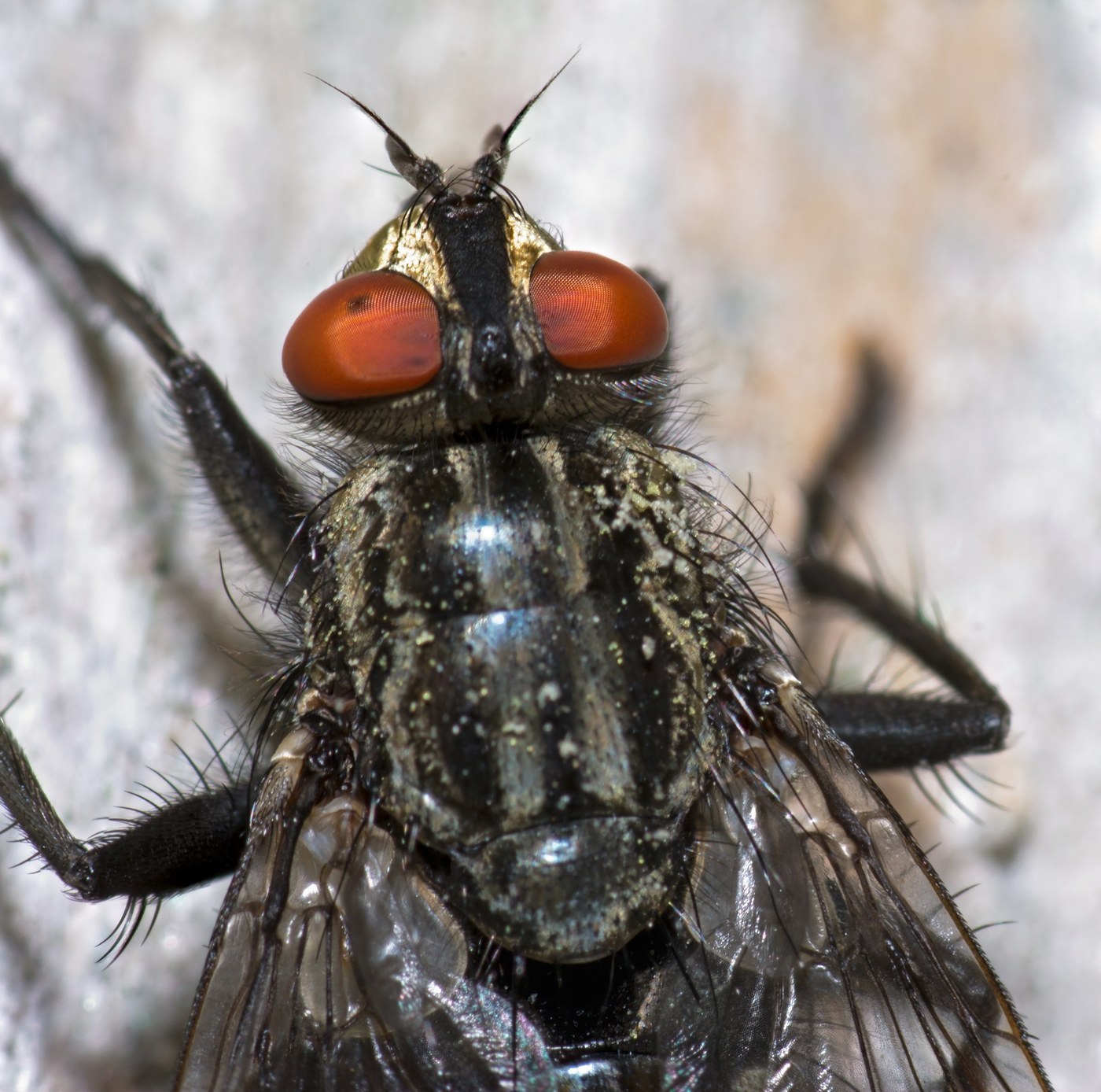
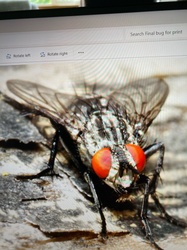
A bristly gray fly marked with three dark thoracic stripes and a checkerboard-patterned abdomen, often spotted hovering near carrion or garbage.
- Size
- 6-14 mm long
- Habitat
- Gardens, woodlands, and urban areas near carrion, dung, or garbage, worldwide
- Danger
- Harmless
Spotted a bug like this?
Identify any bug or insect from a photo, free.
Overview
Flesh flies make up the large family Sarcophagidae, with more than 2,500 species distributed across nearly every region of the world. Their common name refers to the diet of many species' larvae, which develop on carrion, dung, or other decaying organic material, making them important decomposers in most terrestrial ecosystems.
Adult flesh flies are somewhat larger and bristlier than the common house fly, and their distinctive gray-and-black checkered abdominal pattern combined with three bold stripes on the thorax makes them fairly easy to recognize once you know what to look for.
Because of their reliable and rapid attraction to decomposing tissue, flesh flies are also of interest to forensic entomologists, who use the predictable timing of their life cycle stages to help estimate how long a carcass has been present in a given location.
How to Identify
- Gray body, 6-14 mm long, noticeably bristlier than a house fly
- Three bold black longitudinal stripes running down the thorax
- Checkered black-and-gray pattern on the abdomen, sometimes with a pinkish or coppery tip
- Large reddish eyes in many species
- Lookalikes: house flies lack the thoracic stripes and checkered abdomen; blow flies have a metallic blue or green sheen that flesh flies lack
Habitat & Range
Flesh flies occur nearly worldwide except in the coldest polar regions, found wherever carrion, dung, or decaying organic matter is available. They are common in gardens, woodlands, farmland, and urban lots, and are frequently among the first insects to arrive at animal carcasses or exposed garbage.
Behavior & Diet
Adult flesh flies feed on nectar, plant sap, and liquids from decaying organic matter, while larvae are scavengers that develop on carrion, dung, or discarded food waste, helping break down organic material and recycle nutrients back into the ecosystem. Some species are more specialized, developing as parasitoids of other insects such as grasshoppers or beetle larvae. Adults are strong, fast fliers and are often among the earliest visitors to a fresh carcass, a trait exploited in forensic entomology to help establish a decomposition timeline.
Life Cycle
Unlike most flies, flesh flies are ovoviviparous: rather than laying eggs, females retain fertilized eggs internally until they hatch, then deposit live first-instar larvae directly onto a suitable food source such as carrion or dung. The larvae pass through three instars while feeding, then leave the food source to pupate in nearby soil. In warm weather the entire cycle from larviposition to adult emergence can take as little as one to two weeks, allowing for many overlapping generations per year.
Frequently asked questions
What do flesh flies eat as larvae?
Flesh fly larvae typically scavenge on carrion, dung, or decaying organic waste, though some species develop as parasitoids of other insects.
How do flesh flies differ from house flies?
Flesh flies are larger and bristlier, with three dark stripes on the thorax and a checkered gray-and-black abdomen, features house flies lack.
Do flesh flies lay eggs?
No, they are ovoviviparous, meaning the female retains the eggs internally and deposits live larvae directly onto a food source.
Why are flesh flies important in forensic entomology?
Because they arrive quickly and predictably at carcasses, the developmental stage of flesh fly larvae found on a body can help estimate how long decomposition has been occurring.
Flesh Fly guides
In-depth guides for identifying, understanding, and living alongside Flesh Fly.
Flesh Fly identified by the community
Real finds identified with Bug Identifier.
Other bugs you may enjoy
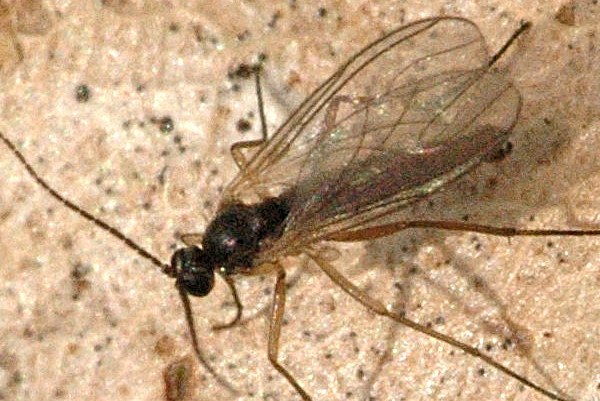
Aphid Midge
Gardens, greenhouses, and crops with aphids
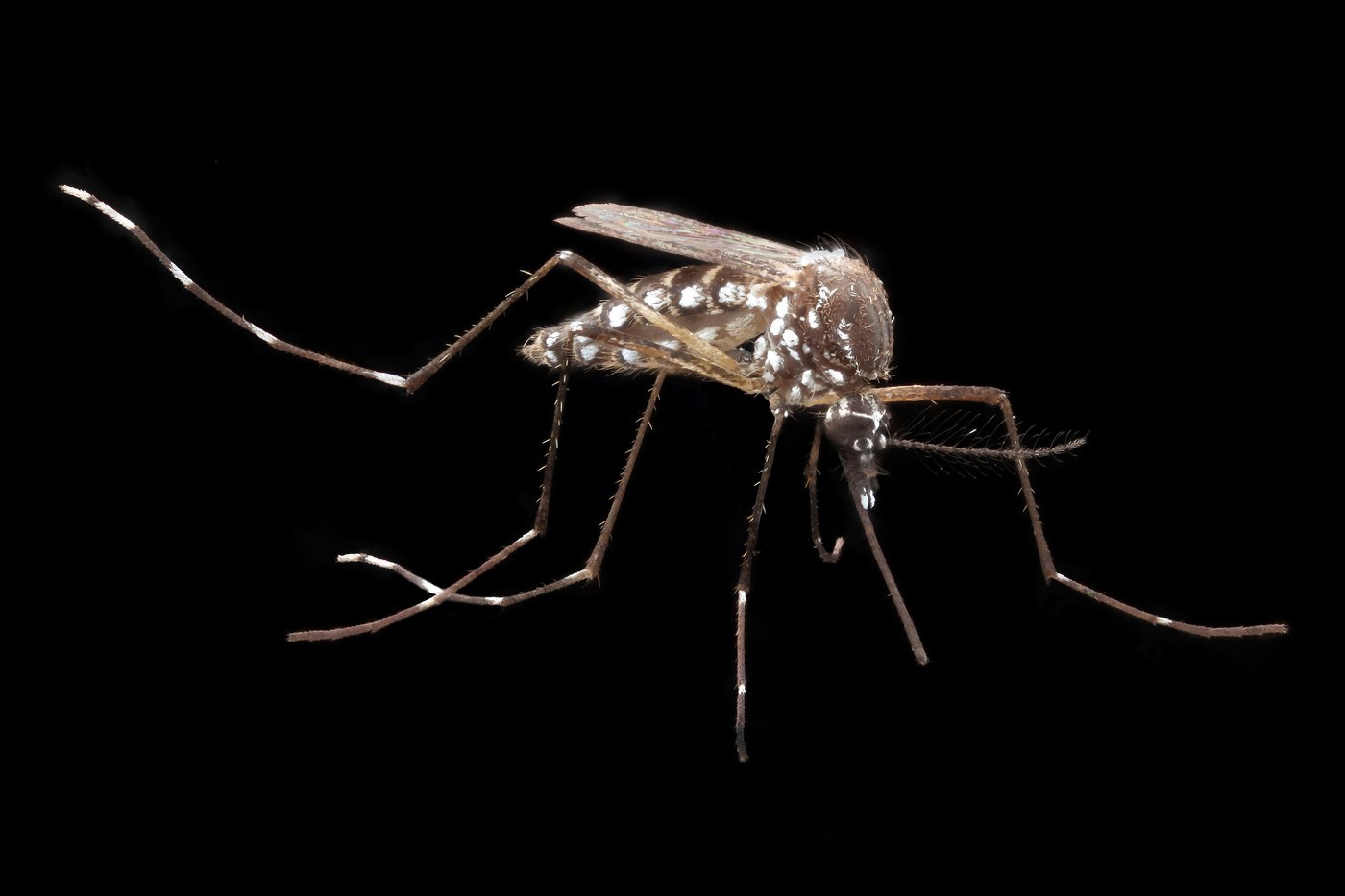
Yellow Fever Mosquito
Urban and peri-urban areas near small artificial water containers in tropical and subtropical regions worldwide
Root Maggot
Garden and field soil around the roots of cole crops and other vegetables
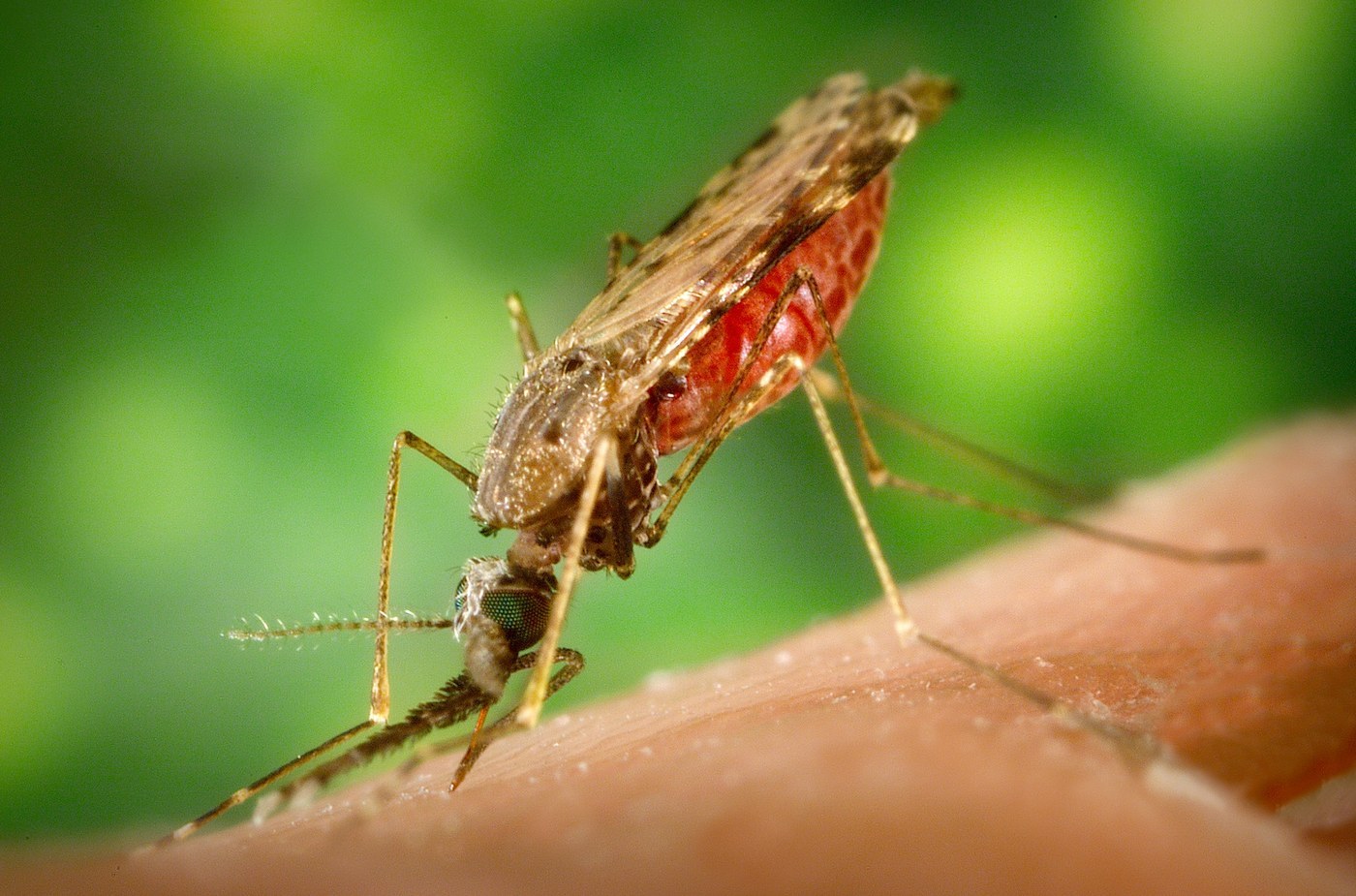
Anopheles Mosquito
Clean, still or slow-moving freshwater habitats such as marshes, ponds, and rice paddies
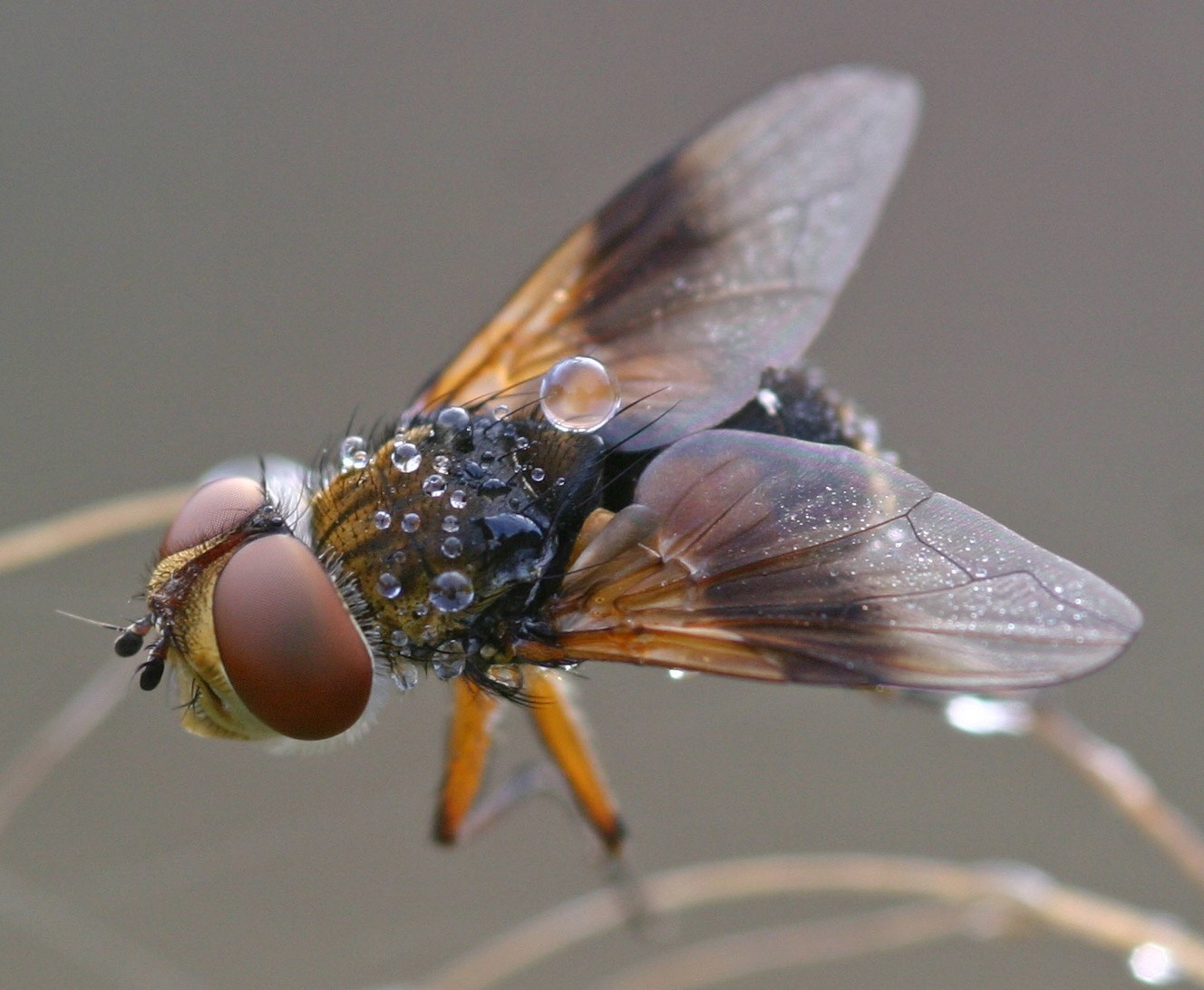
Tachinid Fly
Gardens, meadows, and woodlands wherever host caterpillars and other insects occur
Asian Tiger Mosquito
Shaded urban and suburban areas near small water-holding containers, tires, and tree holes; native to Southeast Asia, now widespread
Tsetse Fly
Wooded savanna, riverine thickets, and forest edges across sub-Saharan Africa
Vinegar Fly
Around overripe fruit, compost, and fermenting materials worldwide
Yellow Dung Fly
Pastures and fields with fresh cattle dung
Screwworm Fly
Warm, humid lowlands of the Americas, especially near livestock and wildlife wounds
Soldier Fly
Wetland margins, decaying organic matter, and vegetation near water
Punkie
near marshes, mudflats, ponds, and other standing water