
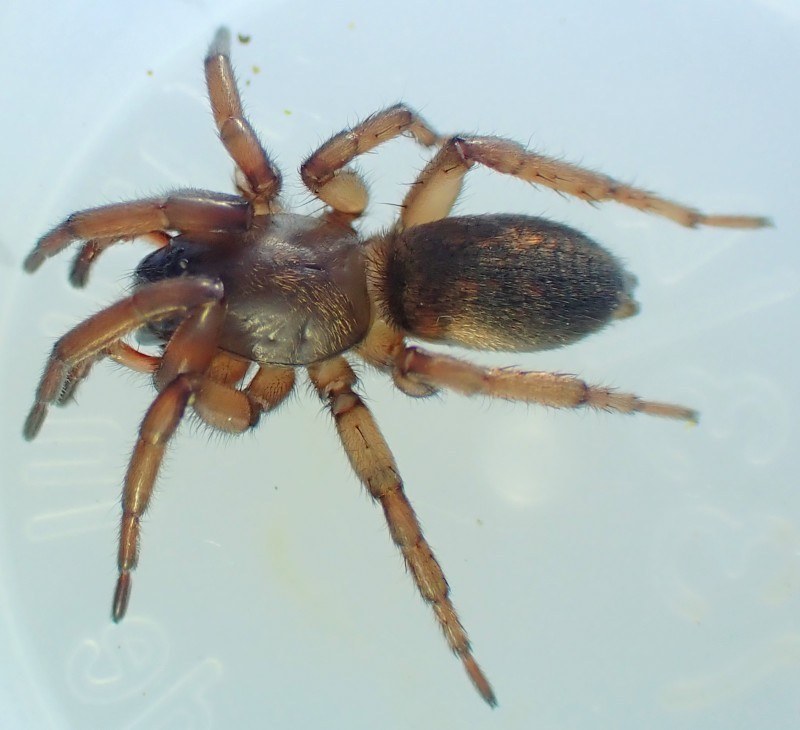
Ground Spider
Gnaphosidae spp.
A dark, fast-moving nocturnal hunter that patrols the ground surface at night, easily recognized by its distinctive pair of forward-projecting silk spinnerets.
- Size
- Body length 4-12 mm
- Habitat
- Leaf litter, under stones, soil surface and low vegetation
- Danger
- Bites
Spotted a bug like this?
Identify any bug or insect from a photo, free.
Overview
Ground spiders make up one of the largest spider families, with thousands of species found on every continent except Antarctica. They are ground-dwelling hunters that forgo prey-capturing webs, instead actively roaming the soil surface and leaf litter at night in search of small invertebrate prey.
A distinguishing feature of this family is the pair of elongated, cylindrical spinnerets that project noticeably from the rear of the abdomen, often visible without magnification, distinguishing them from many other ground-active spider families. Most species are uniformly colored in dark brown, gray, or black, providing effective camouflage against soil and leaf litter.
During the day, ground spiders typically retreat beneath stones, bark, or into a silk-lined retreat within the leaf litter or soil, emerging after dark to hunt actively across the ground surface, making them a common but rarely noticed component of many terrestrial ecosystems.
How to Identify
- Uniformly dark brown, gray, or black body coloring, providing camouflage against soil and leaf litter
- Distinctive elongated, cylindrical spinnerets projecting visibly from the rear of the abdomen
- Flattened body shape suited to squeezing beneath stones, bark, and litter
- Eight eyes arranged in two rows, relatively small compared to active visual hunters like jumping spiders
- Lookalikes include wolf spiders and other ground hunters, distinguished from ground spiders by the wolf spider's larger forward-facing eyes and the ground spider's more prominent, protruding spinnerets
Habitat & Range
Ground spiders are found worldwide in leaf litter, under stones and bark, in soil crevices, and among low vegetation, occupying habitats ranging from forests and grasslands to deserts and even urban gardens. Their broad habitat tolerance and diversity make them among the most commonly encountered ground-active spiders globally.
Behavior & Diet
These spiders are nocturnal, active hunters that forage across the ground surface after dark, using speed and stealth rather than a web to capture small insects and other invertebrates. During daylight hours they retreat to a silk-lined shelter beneath debris, bark, or stones, emerging again at night to resume hunting. As abundant ground-level predators, they contribute meaningfully to controlling small invertebrate populations within leaf litter and soil ecosystems.
Life Cycle
Females lay eggs within a flattened silk sac, often hidden beneath a stone or within a leaf litter retreat, and may remain nearby to protect the sac until spiderlings emerge. Spiderlings disperse into the surrounding litter and soil to begin hunting on their own, growing through several molts over the course of months to about a year. In temperate regions, many species overwinter as juveniles or adults within sheltered ground-level retreats.
Frequently asked questions
How can I identify a ground spider?
Look for a dark, uniformly colored body and a pair of noticeably elongated, cylindrical spinnerets projecting from the rear of the abdomen, a hallmark of this family.
Does the ground spider build a web to catch prey?
No, it is an active nocturnal hunter that forages across the ground surface rather than relying on a capture web, though it does spin a silk retreat for shelter.
Where are ground spiders typically found?
They are found worldwide under stones, bark, and within leaf litter and soil across forests, grasslands, deserts, and gardens.
Ground Spider guides
In-depth guides for identifying, understanding, and living alongside Ground Spider.
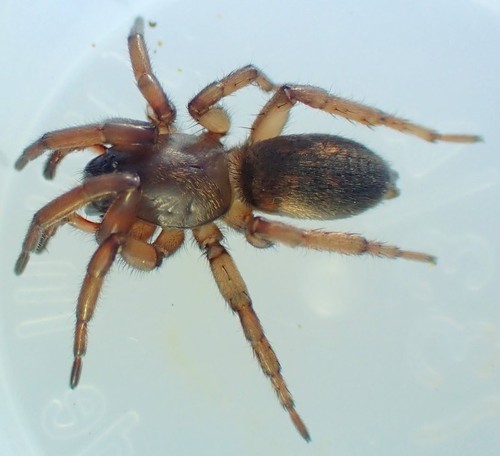
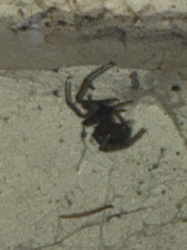
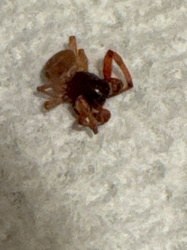
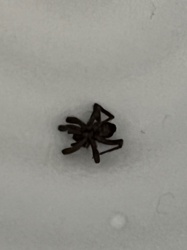
Ground Spider identified by the community
Real finds identified with Bug Identifier.

Other bugs you may enjoy
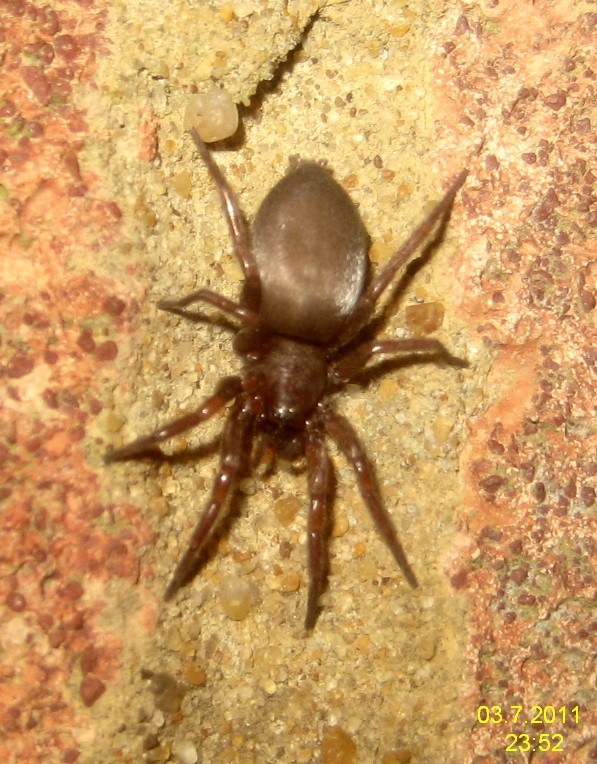
Woodlouse Spider
Damp leaf litter, under logs, stones, and mulch
Wolf Spider
Gardens, grasslands, forests, leaf litter, ground burrows
Wandering Spider
Tropical and subtropical forest floor, foliage, and banana plants
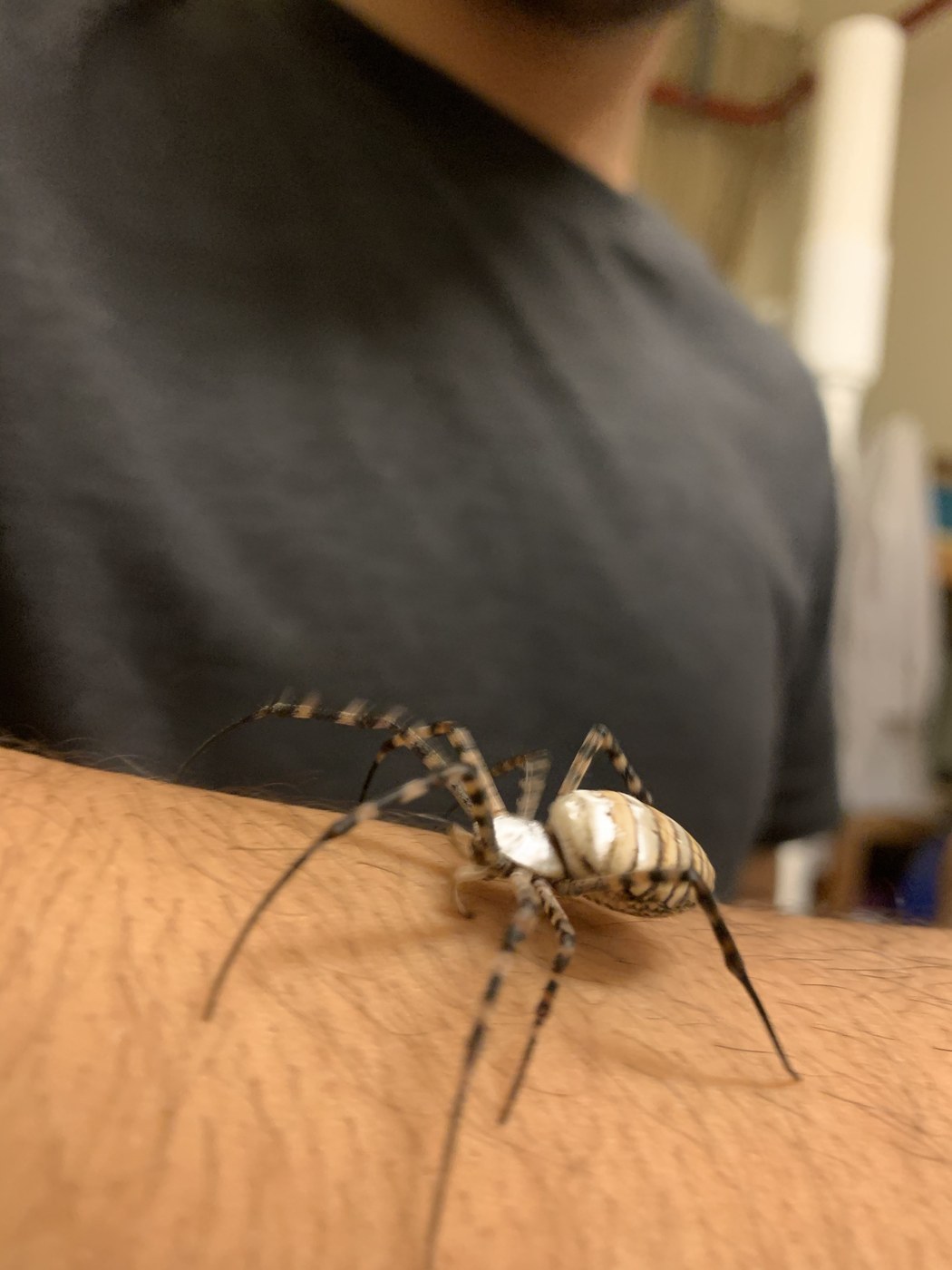
Banded Garden Spider
Tall grass, meadows, and gardens with open sunny vegetation
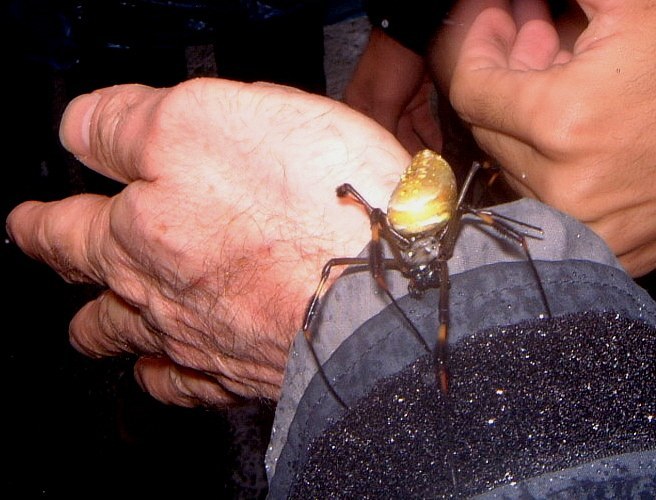
Banana Spider
Wooded trails, forest edges, and gardens across the southeastern U.S. and the American tropics
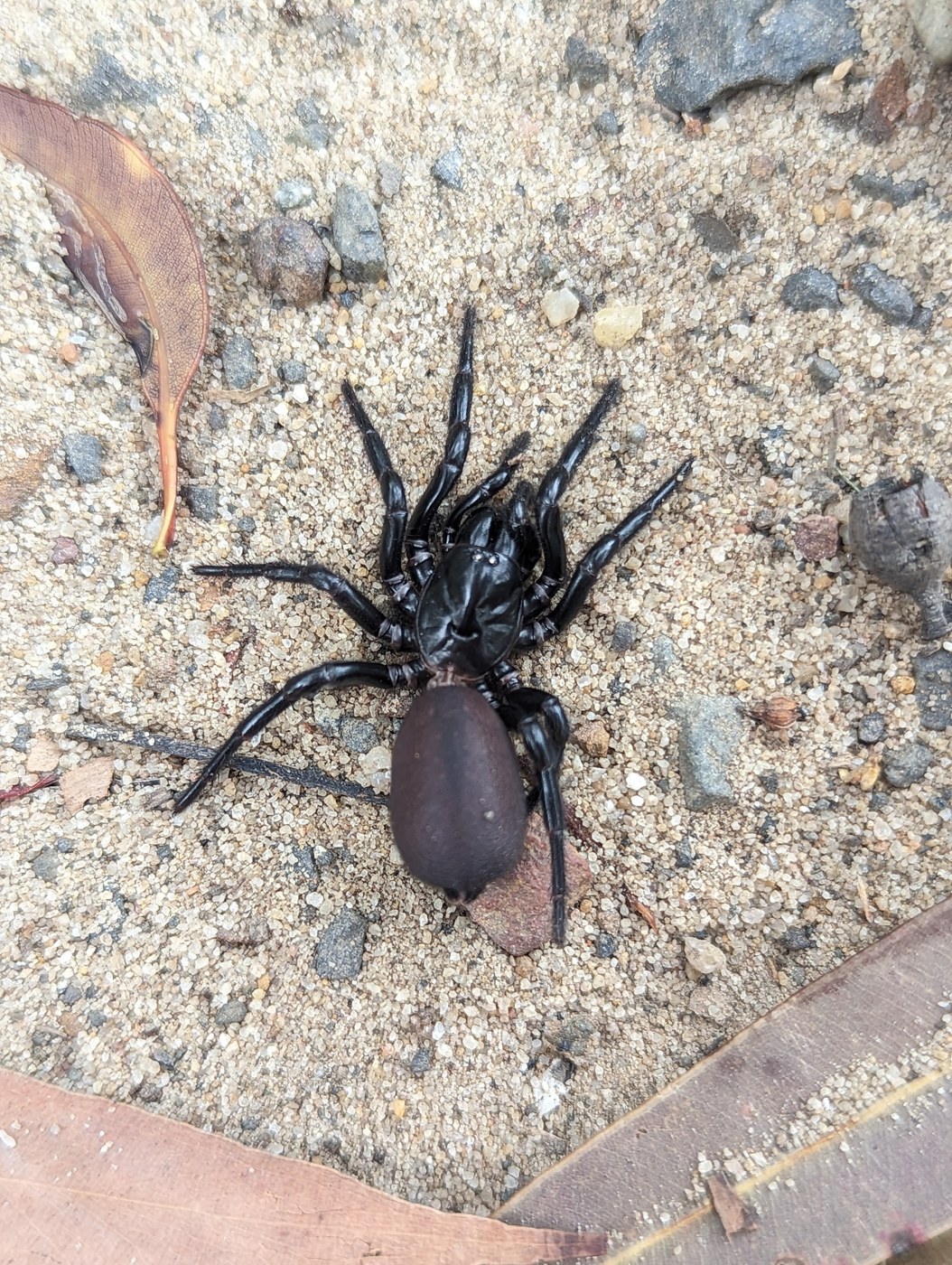
Sydney Funnel-web Spider
Burrows in moist soil, gardens, and forested gullies around the Sydney basin of eastern Australia
Trapdoor Spider
Self-dug silk-lined burrows with a camouflaged door, in dry, well-drained soil worldwide
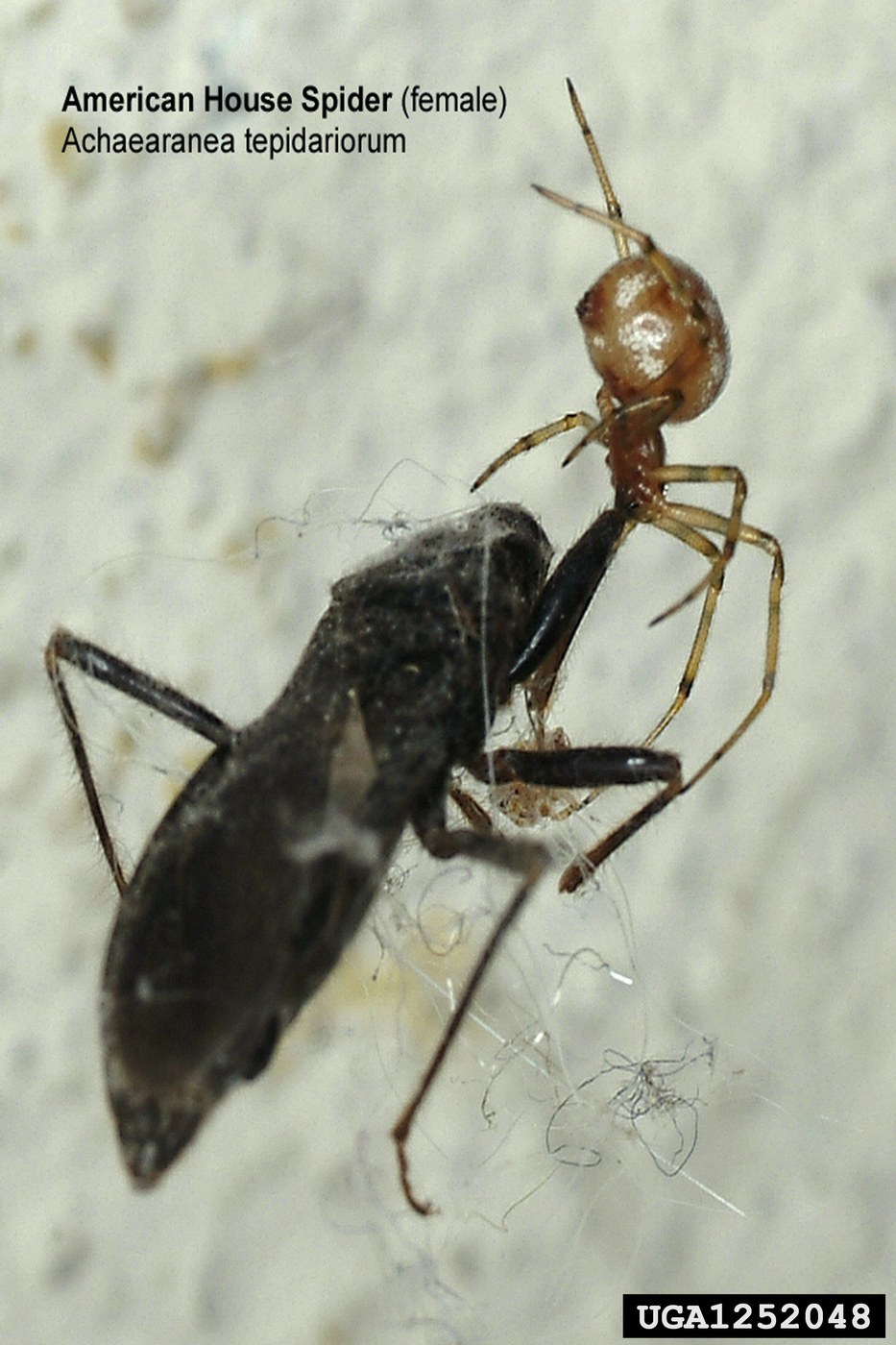
American House Spider
Corners, basements, garages, and outbuildings worldwide
Tube Web Spider
Wall crevices, bark, rockeries, and masonry
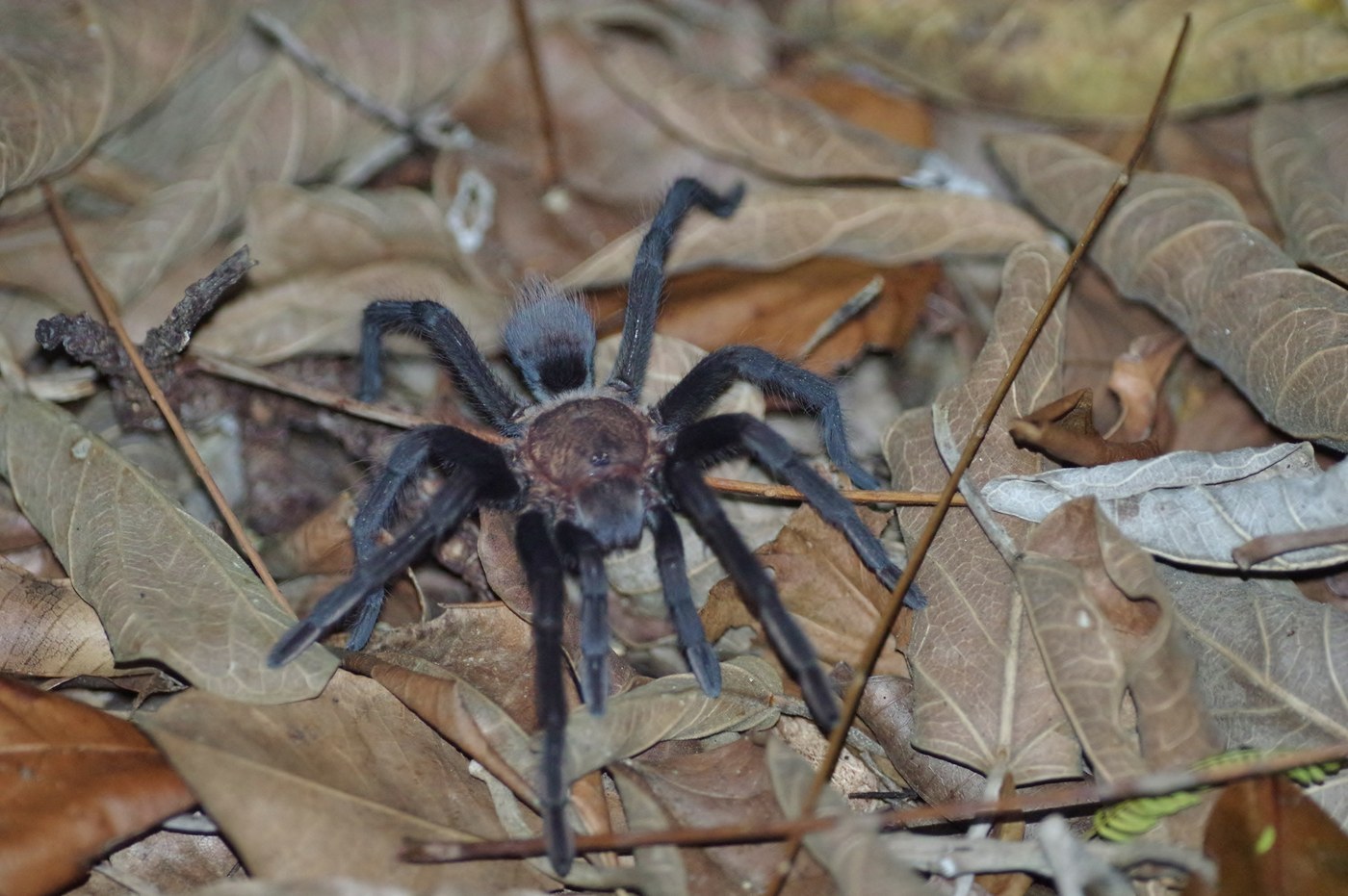
Tarantula
Burrows, rock crevices, and tree hollows in deserts, grasslands, and tropical forests worldwide
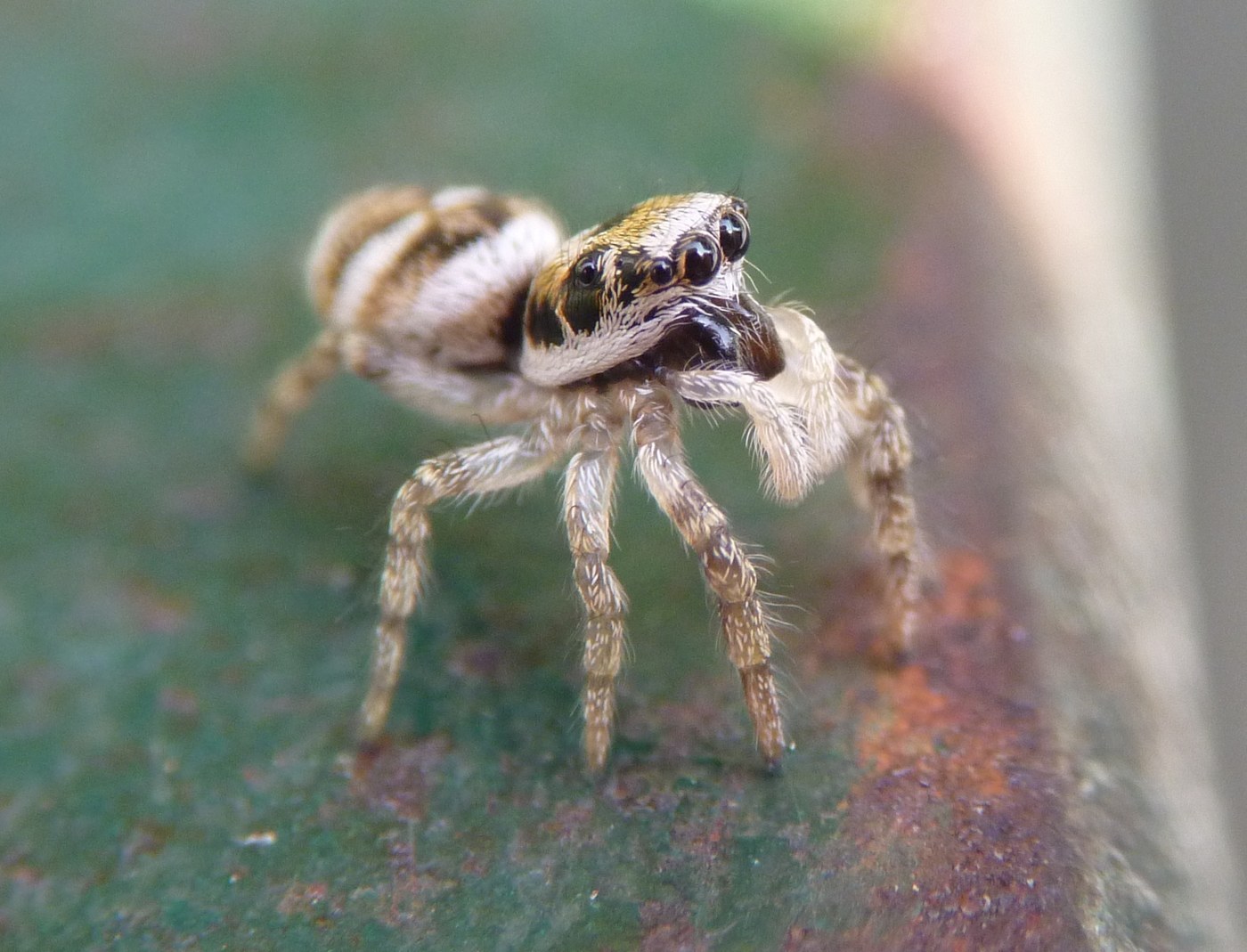
Zebra Jumping Spider
Sunny walls, fences, tree bark, and building exteriors
Wall Spider
Cracks and crevices on exterior and interior walls