
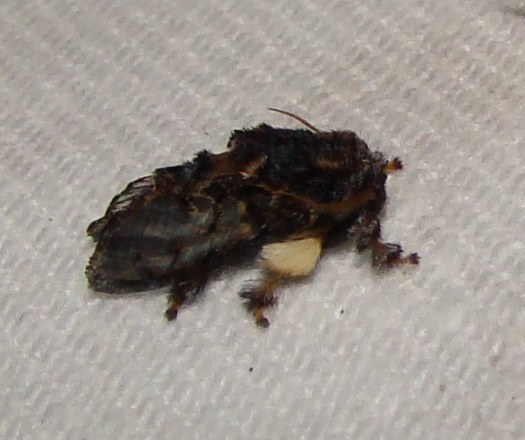
Hag Moth Caterpillar (Monkey Slug)
Phobetron pithecium
One of the strangest caterpillars in North America, with curling, hair-covered arm-like projections that make it look uncannily like a tiny tuft of matted fur or a miniature spider monkey.
- Size
- About 0.5-0.8 in (1.3-2 cm) long
- Habitat
- Deciduous forests and shrubby edges across eastern North America
- Danger
- Stings
Spotted a bug like this?
Identify any bug or insect from a photo, free.
Overview
The hag moth caterpillar, widely nicknamed the monkey slug for its bizarre resemblance to a tiny, hairy primate, is among the most unusual-looking larvae found in North American woodlands. Rather than a recognizable caterpillar shape, it presents as an irregular clump of curled, fuzzy, brown to tan projections that can easily be mistaken for a bit of windblown fur, dead leaf debris, or even a shed tarantula skin.
This strange appearance is a form of disguise, helping the caterpillar go unnoticed by predators and casual observers alike as it rests on bark or leaves, blending remarkably well with its surroundings.
How to Identify
- Body is small, brown to tan, and covered in dense, curling hair-like projections of varying lengths
- Several pairs of these fleshy, hair-covered arm-like lobes curl outward and can appear asymmetrical from individual to individual
- Overall silhouette resembles a tuft of fur, a spider, or debris rather than a typical caterpillar
- True body segments and legs are obscured beneath the hairy projections
- Fine stinging hairs are present among the curled projections
- Unmistakable once recognized due to its unique shaggy, asymmetric shape unlike any other North American caterpillar
Habitat & Range
This species is found across much of the eastern United States, from the Gulf Coast north into New England and west into the Midwest, in deciduous forests, woodland edges, and shrubby yards. Caterpillars are present from summer into fall, resting and feeding on a variety of hardwood and shrub leaves.
Behavior & Diet
The caterpillar feeds on the leaves of a wide range of trees and shrubs, including oak, cherry, dogwood, and many others, and is a generalist among slug caterpillars. Its unusual, fur-like appearance functions as camouflage and mimicry, helping it avoid detection by blending in with debris or resembling a small spider rather than an edible caterpillar. The curled projections carry fine hairs that can sting in defense if the caterpillar is touched, adding to its disguise-based strategy against predators.
Life Cycle
Females lay flat, translucent eggs in small groups on host leaves. Larvae hatch and develop through several instars over the summer, gradually forming their characteristic curled, hairy projections as they mature. The caterpillar spins a small, tough, brown cocoon, often attached to bark or leaf litter, within which it overwinters. It emerges as an adult hag moth the following season, typically producing one generation per year across most of its range.
Frequently asked questions
Why is it called the monkey slug?
Its curled, hairy, arm-like projections give it a silhouette resembling a tiny hairy primate or spider rather than a typical caterpillar.
What does the hag moth caterpillar eat?
It feeds on the leaves of a wide range of trees and shrubs, including oak, cherry, and dogwood.
Can the hag moth caterpillar sting?
Yes, fine hairs among its curled projections can sting in defense if the caterpillar is touched.
How does its odd shape help it survive?
The shaggy, irregular shape camouflages it as debris or mimics a small spider, helping it avoid being recognized and eaten as a caterpillar.
Hag Moth Caterpillar (Monkey Slug) guides
In-depth guides for identifying, understanding, and living alongside Hag Moth Caterpillar (Monkey Slug).
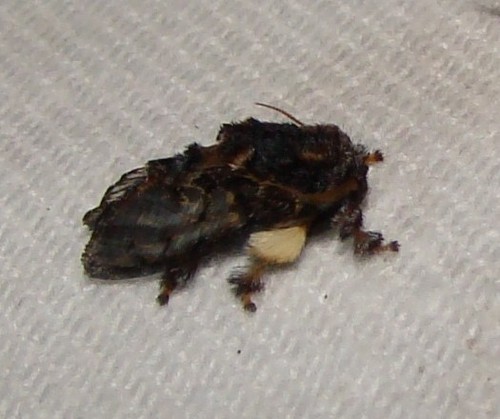
Hag Moth Caterpillar (Monkey Slug) identified by the community
Real finds identified with Bug Identifier.
Other bugs you may enjoy
Bagworm
Trees and shrubs, especially conifers and ornamental landscaping
Armyworm
grasslands, pastures, and cereal crop fields
Zebra Longwing Caterpillar
Tropical and subtropical hammocks with passionflower vines
Tomato Hornworm
Gardens and fields with tomato, pepper, and other nightshade plants
Tent Caterpillar
Deciduous trees such as cherry, apple, and other rosaceous species
Tobacco Hornworm
tobacco, tomato, and pepper plants in gardens and fields
Woolly Bear Caterpillar
Gardens, meadows, roadsides, and woodland edges across North America
Sod Webworm
Turfgrass lawns, golf courses, pastures
Spiny Oak-slug Caterpillar
Deciduous forests and woodland edges with oak and other hardwoods
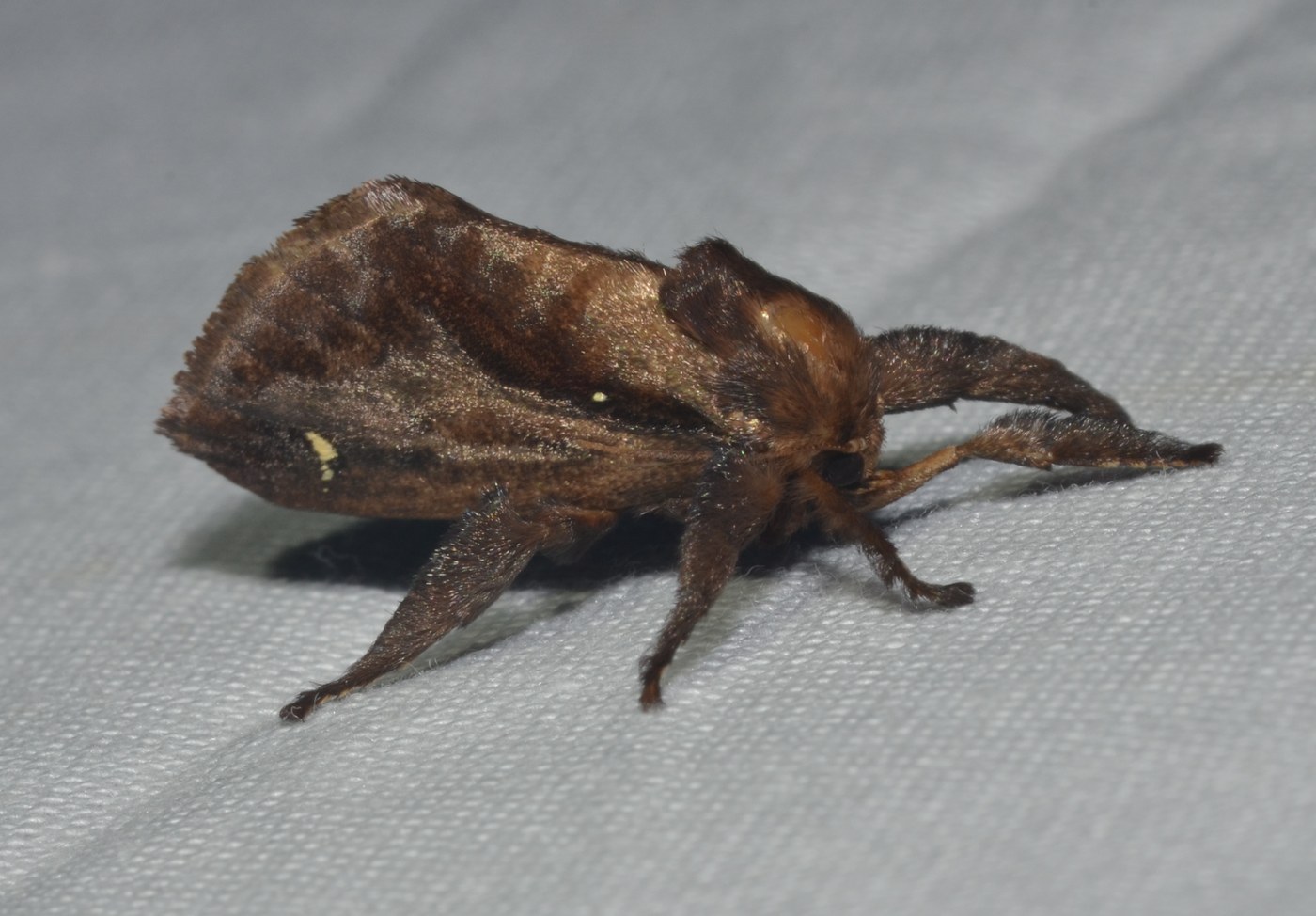
Saddleback Caterpillar
Deciduous trees and shrubs in eastern and southern North America
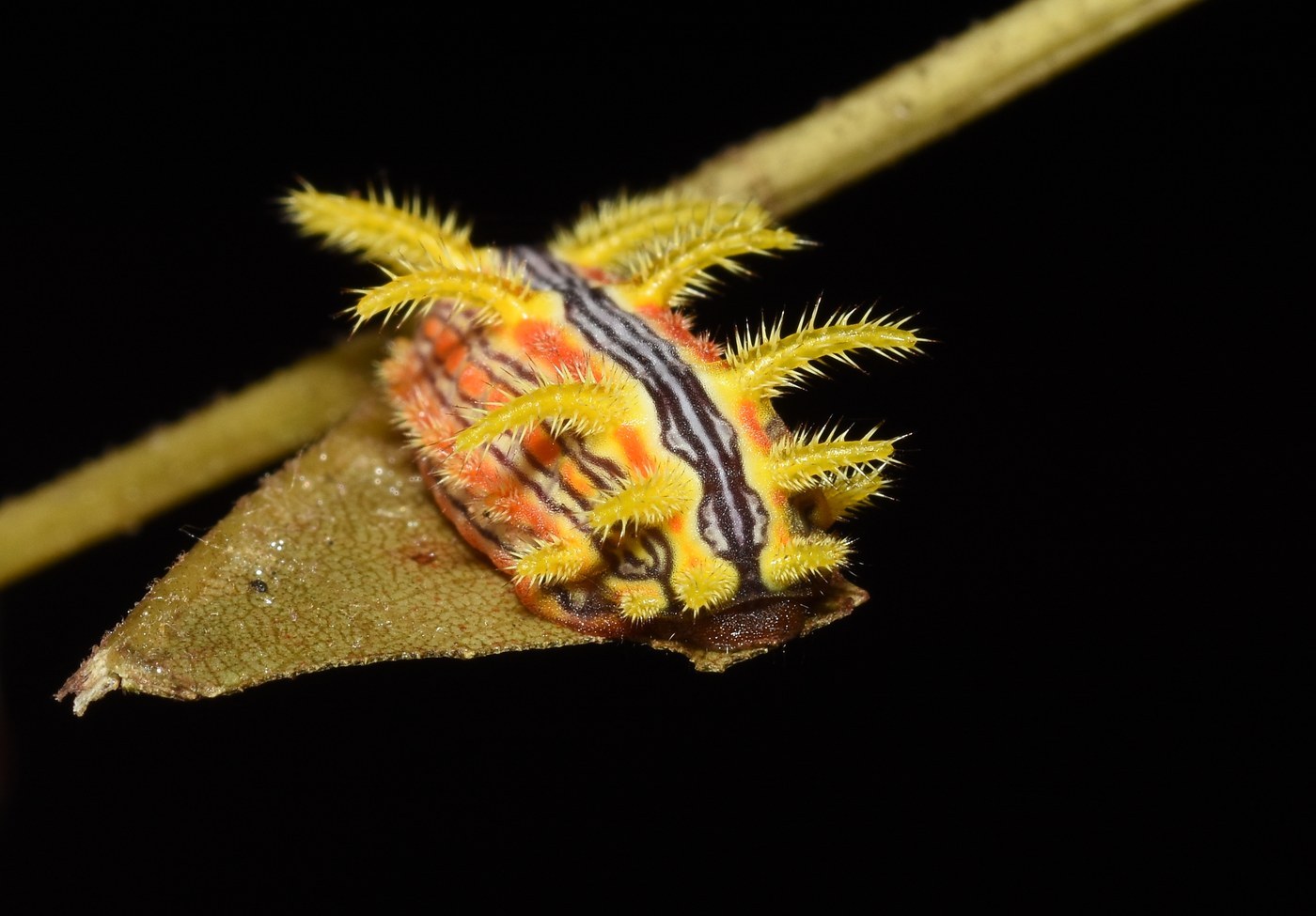
Stinging Rose Caterpillar
Gardens and woodlands with rose, dogwood, or oak
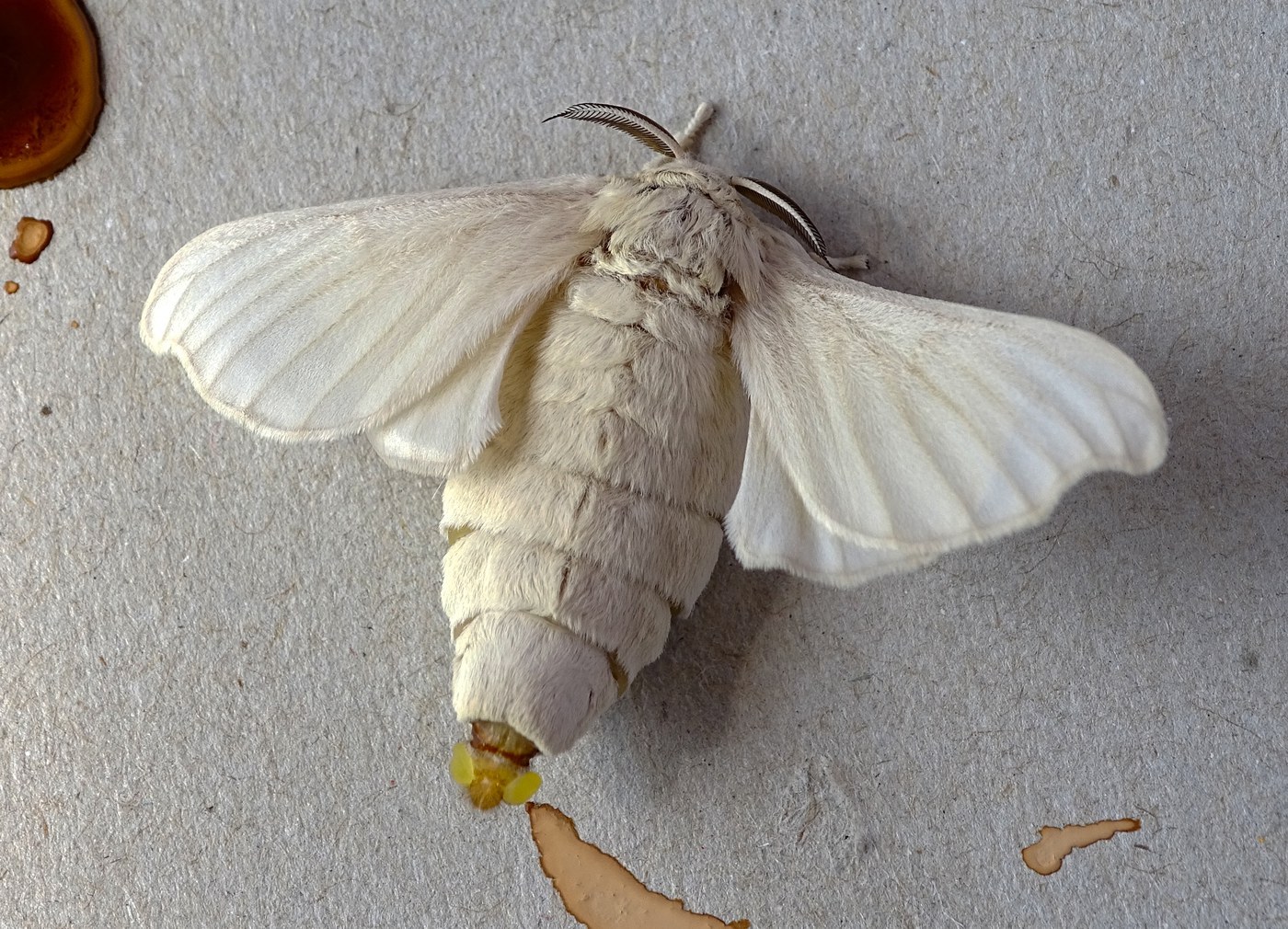
Silkworm
Reared exclusively in captivity on mulberry leaves; no independent wild population