
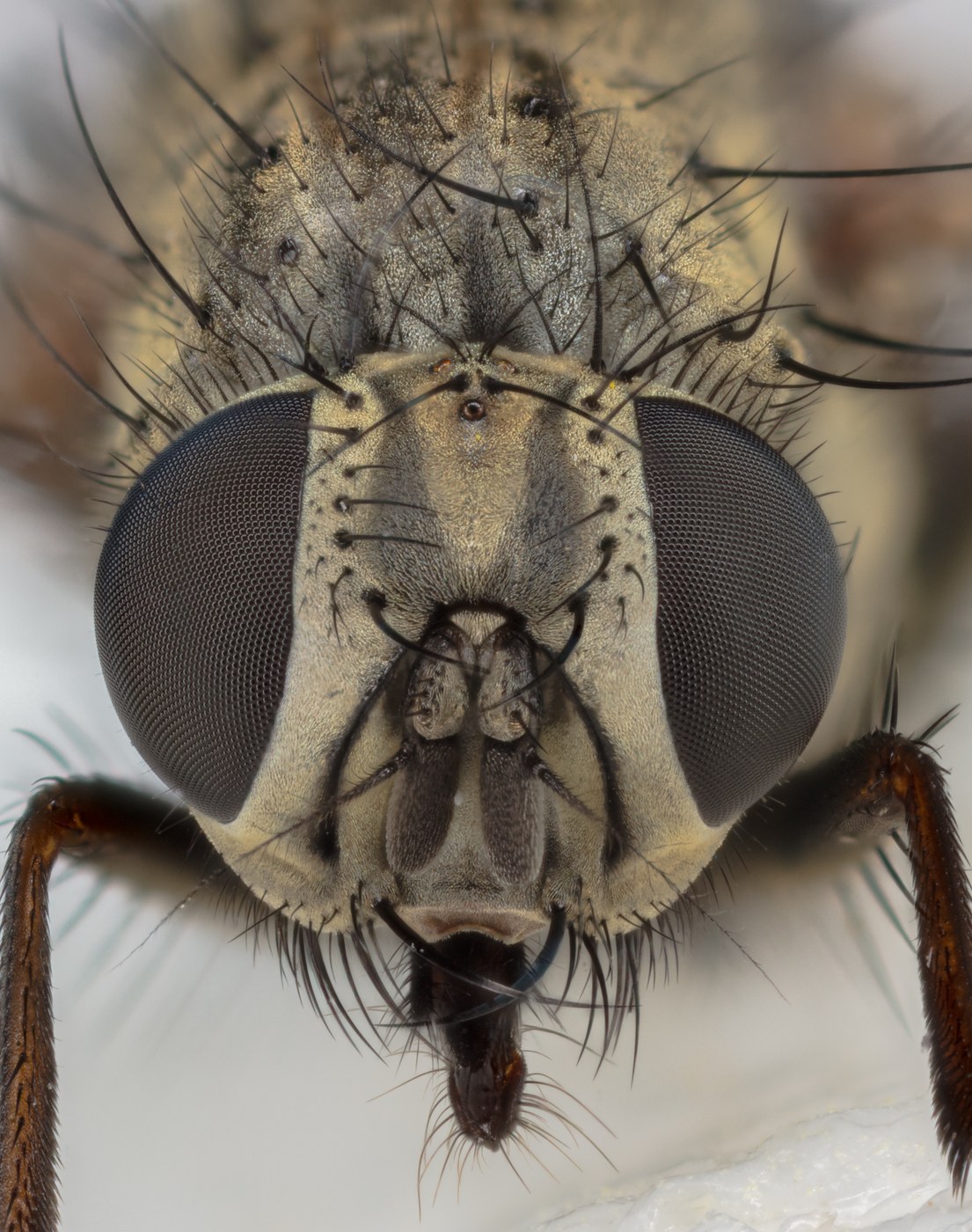
House Fly
Musca domestica
A gray, fuzzy-bodied fly with four dark stripes on its thorax and large reddish compound eyes, famous for its erratic buzzing flight and tendency to land repeatedly on food and surfaces.
- Size
- 6–7 mm
- Habitat
- Homes, barns, garbage areas, and anywhere near human activity
- Danger
- Nuisance pest
Spotted a bug like this?
Identify any bug or insect from a photo, free.
Overview
The house fly, Musca domestica, is a member of the family Muscidae within the order Diptera, the true flies. It is one of the most widely distributed insects on the planet, having spread alongside humans to nearly every inhabited region as a close commensal species.
House flies are notable for their extraordinarily fast life cycle and adaptability, allowing populations to boom quickly wherever organic waste and warm temperatures are available. They possess a single pair of functional wings (the hind wings are reduced to small balancing organs called halteres), a hallmark of the order Diptera.
In the wider ecosystem, house flies and their larvae play an important role as decomposers, helping break down decaying organic material, though their close association with unsanitary conditions has made them a globally recognized nuisance insect.
How to Identify
- Dull gray thorax marked with four narrow dark longitudinal stripes.
- Large, reddish-brown compound eyes that nearly meet on top of the head in males.
- A single pair of clear, veined wings held slightly apart at rest, with a sharp bend near the wing tip vein.
- Sponging mouthparts adapted for lapping up liquids rather than biting.
- Lookalikes: stable flies look almost identical but have a piercing proboscis that projects forward, whereas house flies have blunt, spongy mouthparts.
Habitat & Range
House flies are found virtually worldwide in close association with human dwellings, farms, and waste areas. They are active during daylight hours in warm months, seeking shelter indoors or in sheltered crevices during cold weather, and breed wherever moist decaying organic matter accumulates.
Behavior & Diet
Adults feed by regurgitating digestive enzymes onto solid food and then sponging up the resulting liquid with their proboscis. They fly in short, erratic bursts, often landing repeatedly on various surfaces while foraging. As part of the decomposer community, house flies help recycle organic waste and serve as a food source for many birds, spiders, and predatory insects.
Life Cycle
House flies undergo complete metamorphosis with egg, larva (maggot), pupa, and adult stages. Females lay clusters of small white eggs in moist decaying material, which hatch into legless maggots within a day; the larvae feed and molt through several instars before pupating in a hardened brown case. The full cycle from egg to adult can take as little as one to two weeks in warm conditions, allowing many generations per year.
Frequently asked questions
How do I tell a house fly from a fruit fly?
House flies are larger, gray, and about 6–7 mm long, while fruit flies are tiny, tan to reddish-brown, and only 2–3 mm, often seen around ripening produce.
Do house flies bite?
No, house flies have sponging mouthparts built for lapping liquids and cannot pierce skin.
How long does a house fly live?
Adult house flies typically live around two to four weeks under favorable conditions.
Where are house flies most commonly seen?
They are most often seen indoors near kitchens, garbage bins, and outdoors around livestock areas or compost piles.
House Fly guides
In-depth guides for identifying, understanding, and living alongside House Fly.
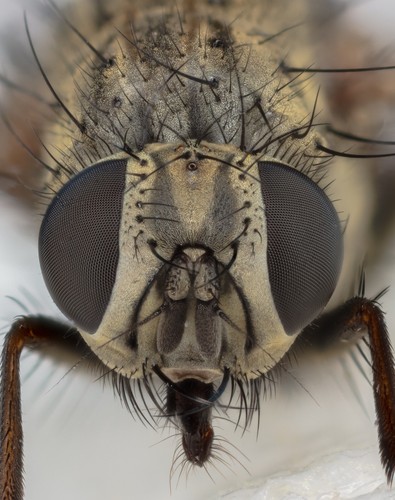
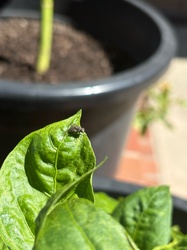
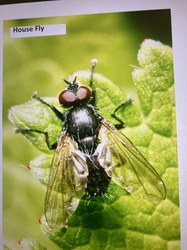
House Fly identified by the community
Real finds identified with Bug Identifier.
Other bugs you may enjoy
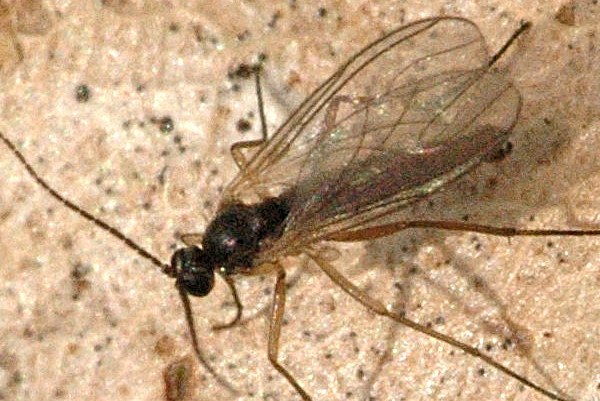
Aphid Midge
Gardens, greenhouses, and crops with aphids
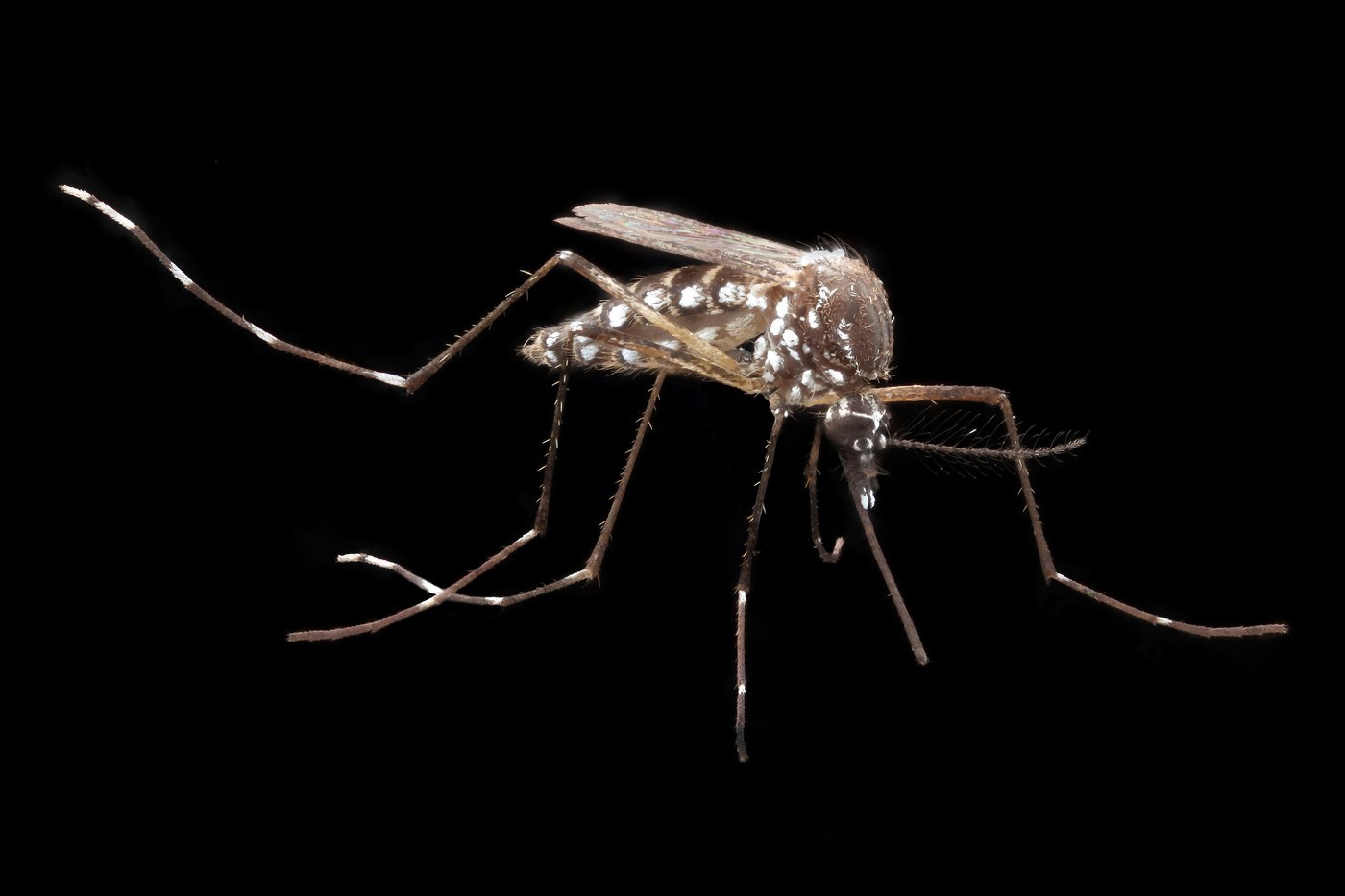
Yellow Fever Mosquito
Urban and peri-urban areas near small artificial water containers in tropical and subtropical regions worldwide
Root Maggot
Garden and field soil around the roots of cole crops and other vegetables
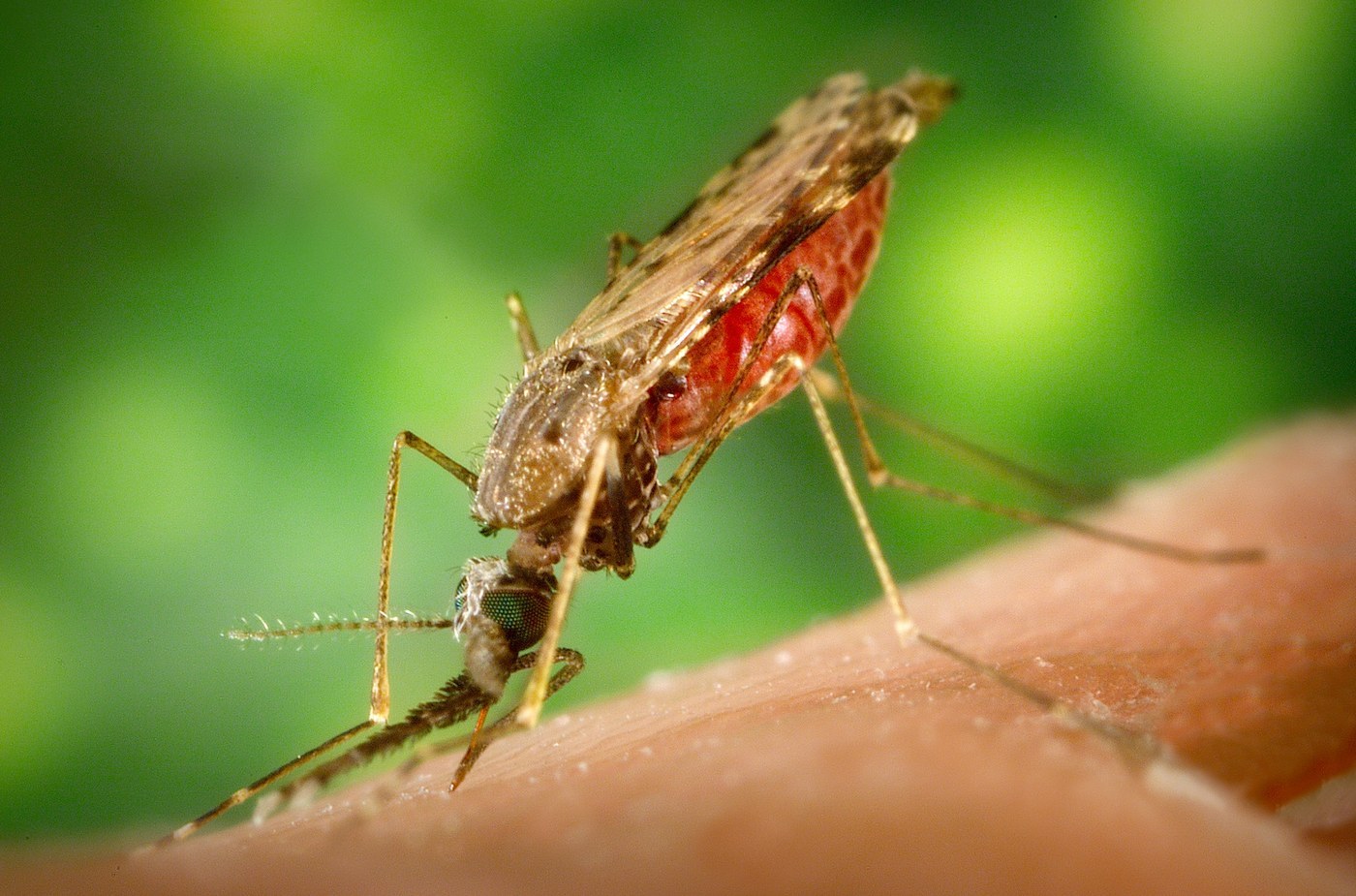
Anopheles Mosquito
Clean, still or slow-moving freshwater habitats such as marshes, ponds, and rice paddies
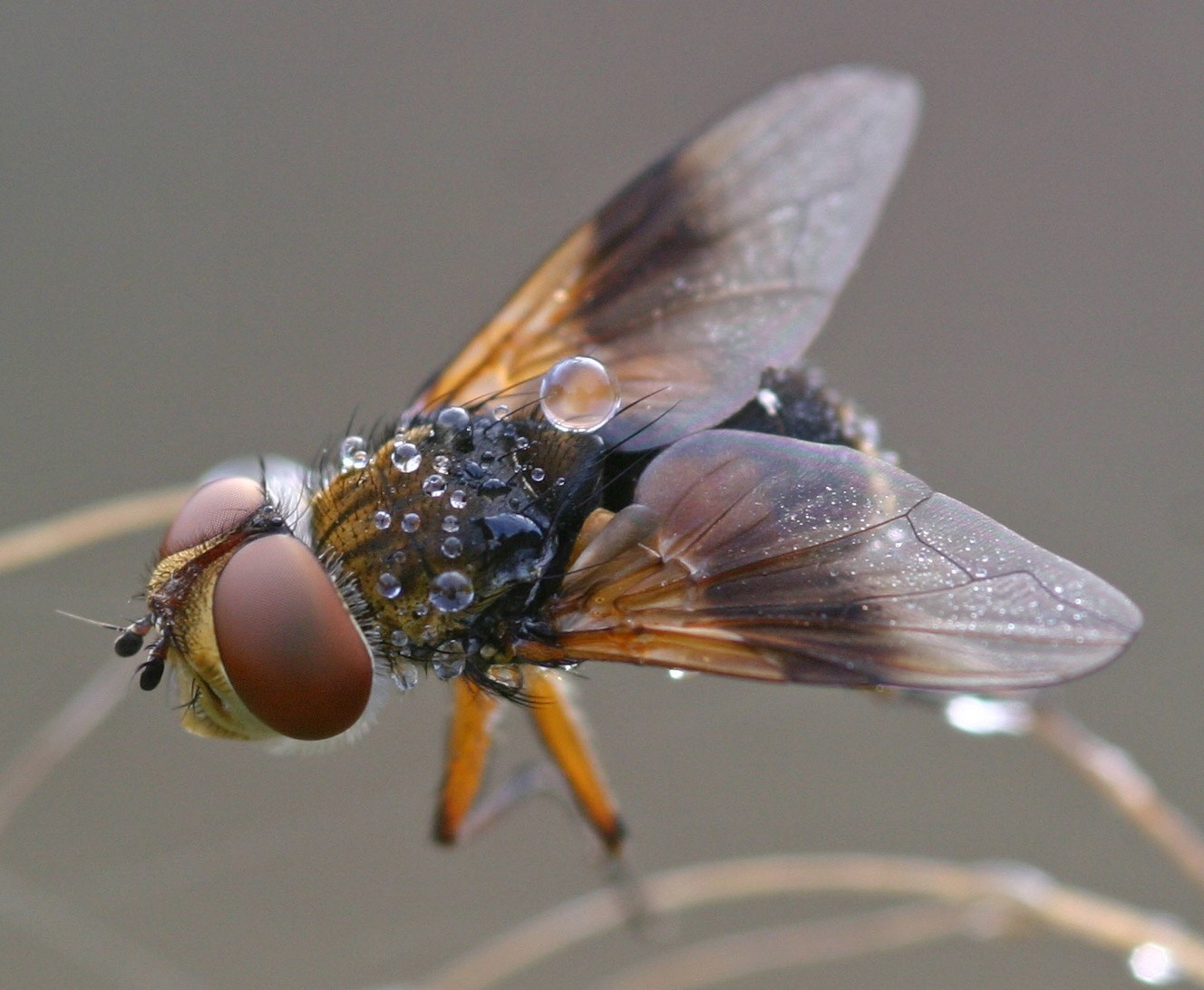
Tachinid Fly
Gardens, meadows, and woodlands wherever host caterpillars and other insects occur
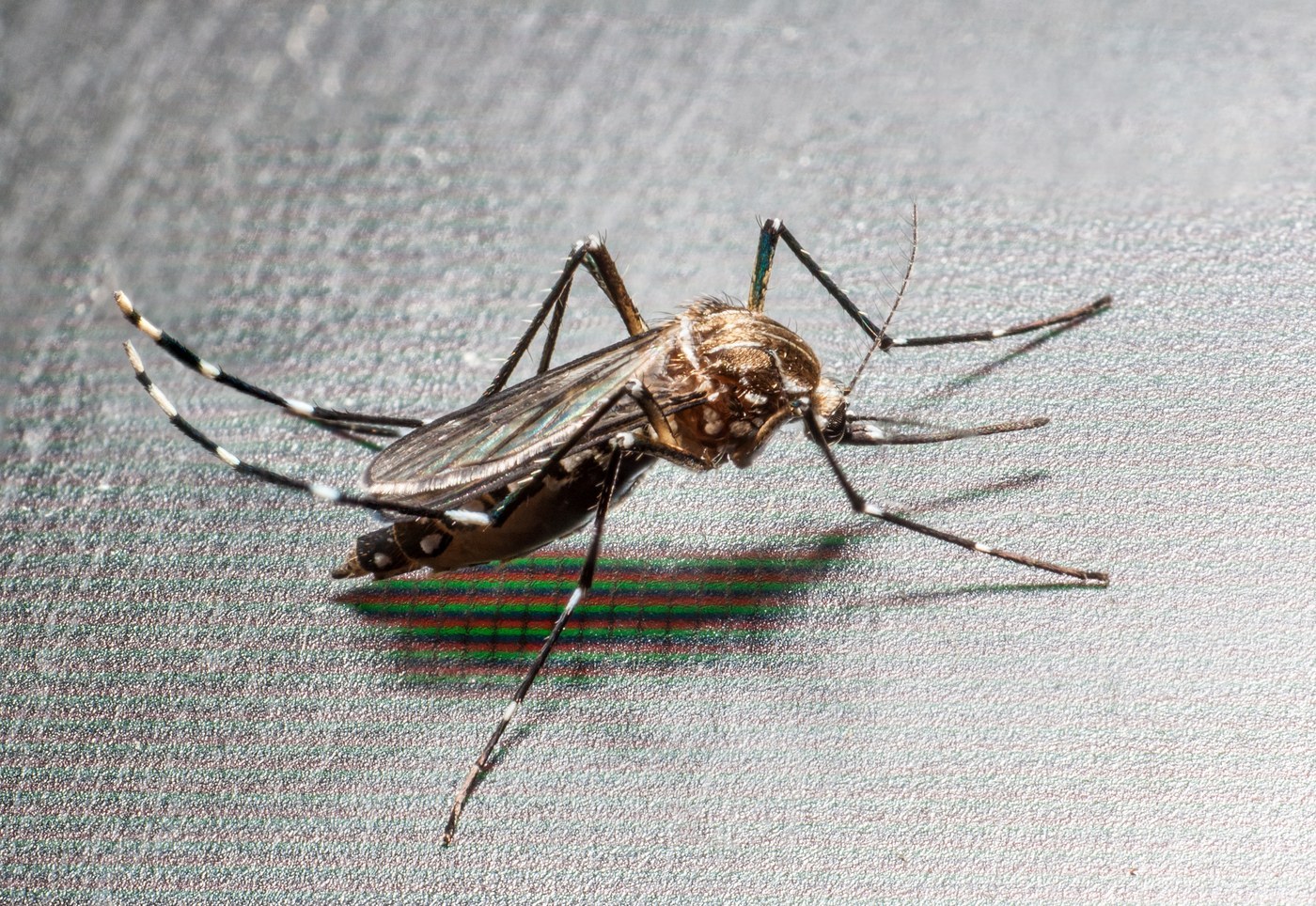
Asian Tiger Mosquito
Shaded urban and suburban areas near small water-holding containers, tires, and tree holes; native to Southeast Asia, now widespread
Tsetse Fly
Wooded savanna, riverine thickets, and forest edges across sub-Saharan Africa
Vinegar Fly
Around overripe fruit, compost, and fermenting materials worldwide
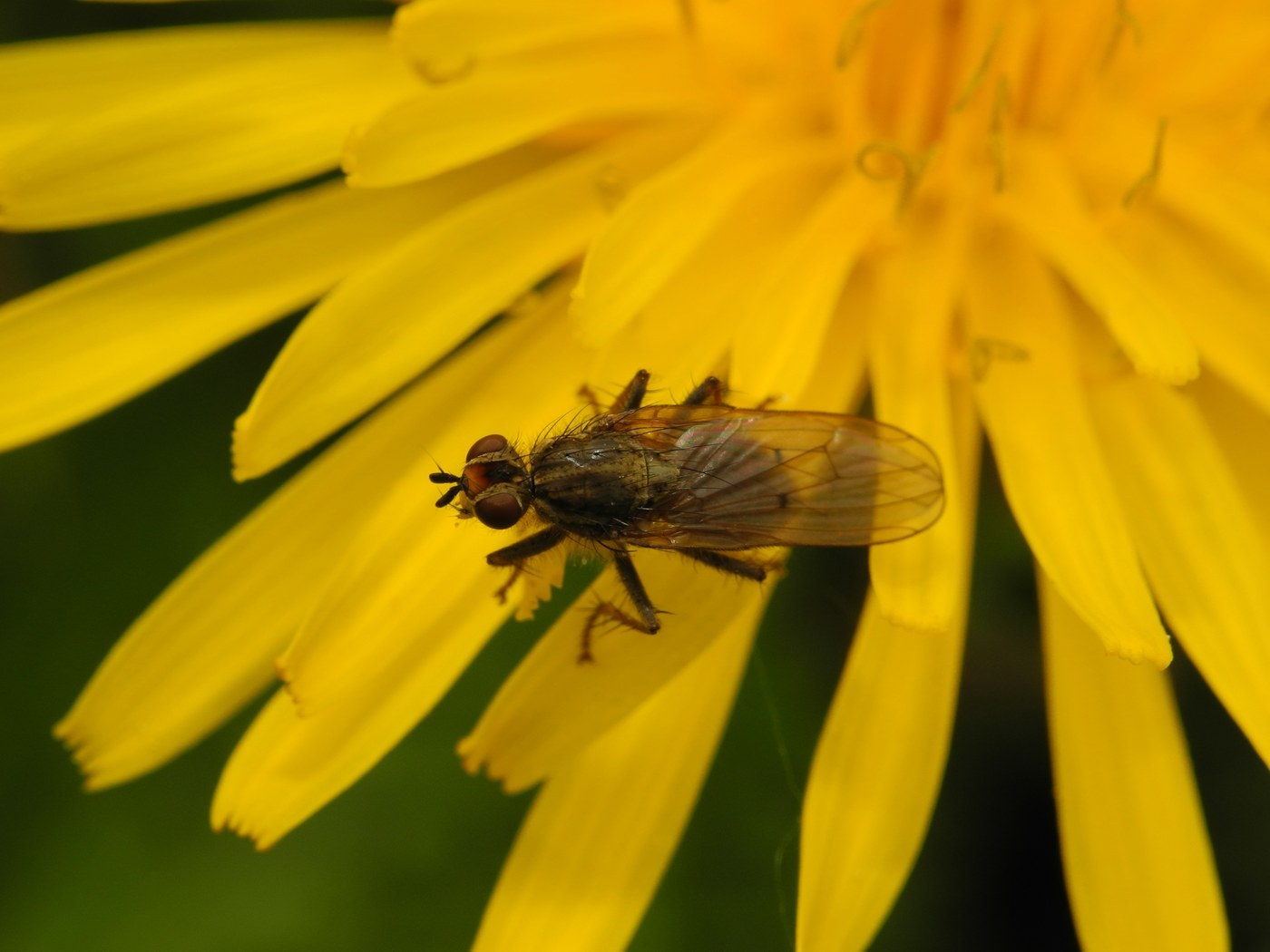
Yellow Dung Fly
Pastures and fields with fresh cattle dung
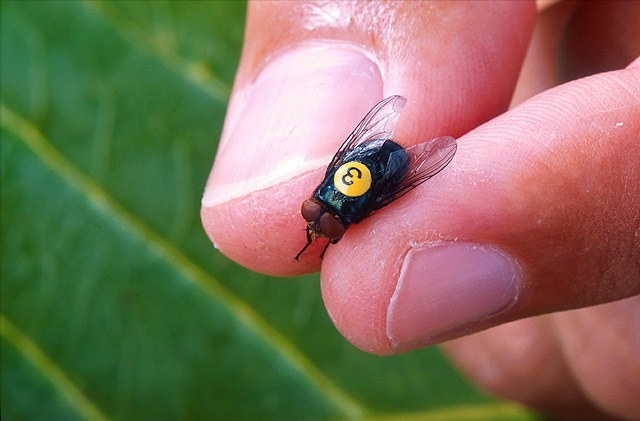
Screwworm Fly
Warm, humid lowlands of the Americas, especially near livestock and wildlife wounds
Soldier Fly
Wetland margins, decaying organic matter, and vegetation near water
Punkie
near marshes, mudflats, ponds, and other standing water