
Huntsman Spider
Sparassidae spp.
With legs splayed crab-like to either side of a flattened body, the huntsman spider is built for speed, capable of scuttling sideways across walls and tree trunks in pursuit of prey.
- Size
- Leg span up to 12 in (30 cm) in the giant huntsman; body 0.4-1.8 in (1-4.5 cm)
- Habitat
- Tree bark, rock crevices, and buildings in tropical and subtropical regions worldwide
- Danger
- Bites
Spotted a bug like this?
Identify any bug or insect from a photo, free.
Overview
Huntsman spiders belong to the family Sparassidae, a group of roughly 1,300 species distributed through the tropics and subtropics, with particular diversity in Australia, Southeast Asia, and Africa. Their name comes from their active hunting style: rather than spinning webs, huntsmen chase down prey using bursts of remarkable speed. Some of the largest species, such as the giant huntsman spider of Laos, have leg spans that rival small dinner plates, making them among the largest spiders in the world by leg span.
Despite their imposing size, huntsman spiders are generally shy and would rather flee than confront a large animal. Their flattened bodies are an adaptation for squeezing into narrow spaces such as bark crevices, under loose rocks, and behind wall hangings, which is why they are frequently discovered indoors, sometimes to a homeowner's surprise.
Huntsman spiders are considered beneficial predators in gardens and homes because they feed on a wide range of insects, including cockroaches, moths, and other pests, helping to naturally suppress their populations.
How to Identify
- Long legs held out to the sides in a crab-like posture rather than forward and back
- Flattened, oval body allowing the spider to fit into tight crevices
- Coloration typically gray, brown, or tan, sometimes with mottled or banded leg patterns for camouflage against bark
- Eight eyes arranged in two rows across the front of the head
- Capable of remarkably fast, sideways sprinting movement, unlike the slower gait of most large spiders
- Lookalikes include wolf spiders, which hold their legs forward rather than to the side, and tarantulas, which are far bulkier and hairier
Habitat & Range
Huntsman spiders are found throughout tropical and subtropical regions worldwide, with the richest diversity in Australia, Southeast Asia, and parts of Africa. They favor the loose bark of trees, rock crevices, leaf litter, and log piles, and readily move into human structures such as garages, sheds, and homes, particularly during cooler months or rainy seasons when shelter is sought. Some coastal and desert-adapted species live under stones or in sand burrows instead of on vegetation.
Behavior & Diet
Unlike orb-weaving spiders, huntsmen do not build webs to capture food. Instead, they actively stalk and pursue insects, other spiders, and small invertebrates, relying on speed and keen vision to close the gap before pouncing. They are primarily nocturnal, resting flattened against bark or in crevices during the day and becoming active at dusk. When disturbed, a huntsman's first response is almost always to flee rapidly rather than stand its ground. Female huntsman spiders of some species show notable maternal care, guarding their egg sac and even remaining with the spiderlings for a period after hatching, which is unusual among spiders.
Life Cycle
Female huntsman spiders spin a flattened, disc-shaped silk egg sac that they carry beneath their body or attach to a sheltered surface, standing guard over it until the spiderlings emerge. In several species the mother stays with the newly hatched young for days or weeks, a rare example of maternal care among spiders. Spiderlings disperse to hunt independently, molting repeatedly over the following months as they grow toward adulthood. Most huntsman spiders reach maturity within a year and live for one to two years total, with development speed varying by climate and species.
Frequently asked questions
Do huntsman spiders build webs?
No, they are active hunters that chase down prey rather than trapping it in a web.
Why do huntsman spiders end up indoors?
Their flattened bodies let them squeeze into narrow gaps around doors, windows, and wall cavities, and they often seek shelter indoors during cooler or wetter weather.
Are huntsman spiders fast?
Yes, they are among the quickest spiders, capable of sudden bursts of sideways, crab-like movement to escape threats or pursue prey.
How can I tell a huntsman spider from a wolf spider?
Huntsman spiders hold their legs out to the sides in a flattened, crab-like posture, while wolf spiders carry their legs more forward and have a more compact, rounded body.
Huntsman Spider guides
In-depth guides for identifying, understanding, and living alongside Huntsman Spider.
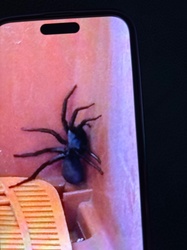
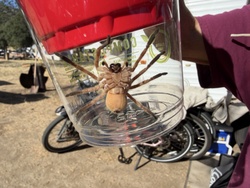
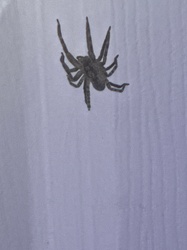
Huntsman Spider identified by the community
Real finds identified with Bug Identifier.
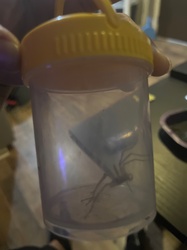
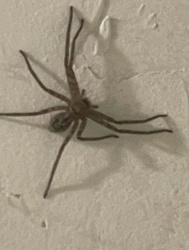

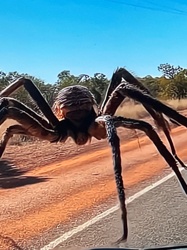
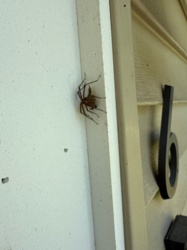
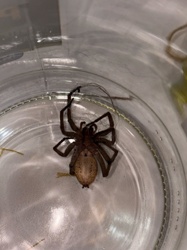
Other bugs you may enjoy
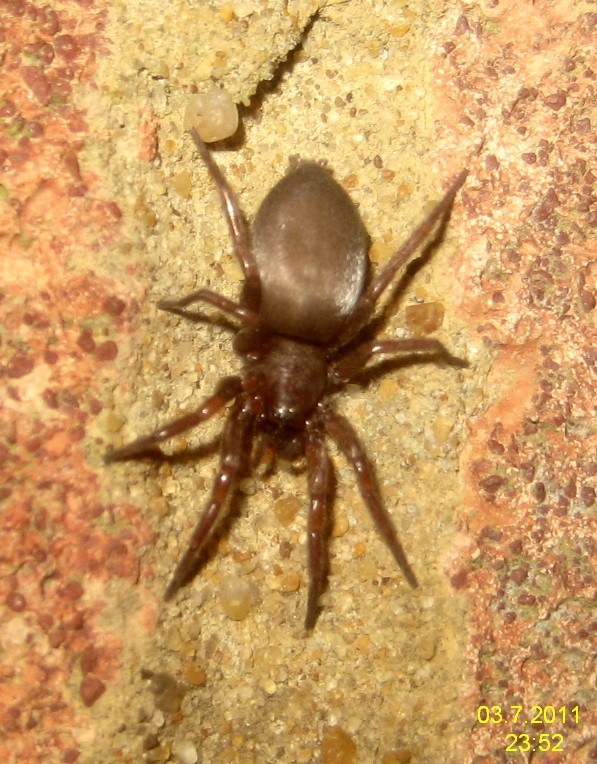
Woodlouse Spider
Damp leaf litter, under logs, stones, and mulch
Wolf Spider
Gardens, grasslands, forests, leaf litter, ground burrows
Wandering Spider
Tropical and subtropical forest floor, foliage, and banana plants
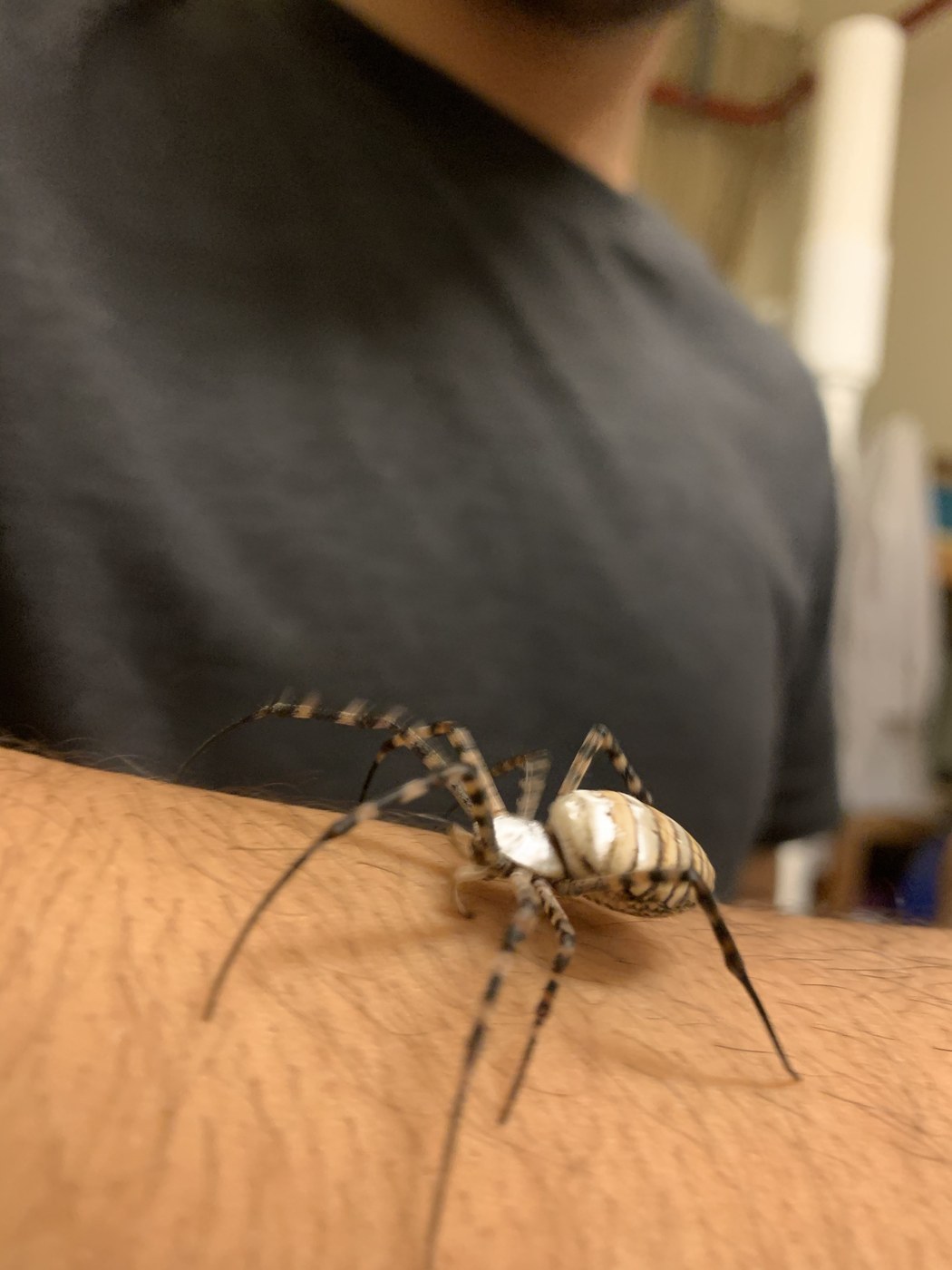
Banded Garden Spider
Tall grass, meadows, and gardens with open sunny vegetation
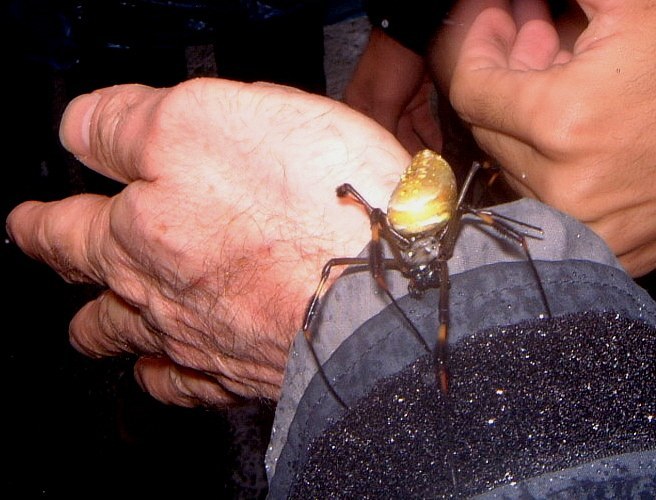
Banana Spider
Wooded trails, forest edges, and gardens across the southeastern U.S. and the American tropics
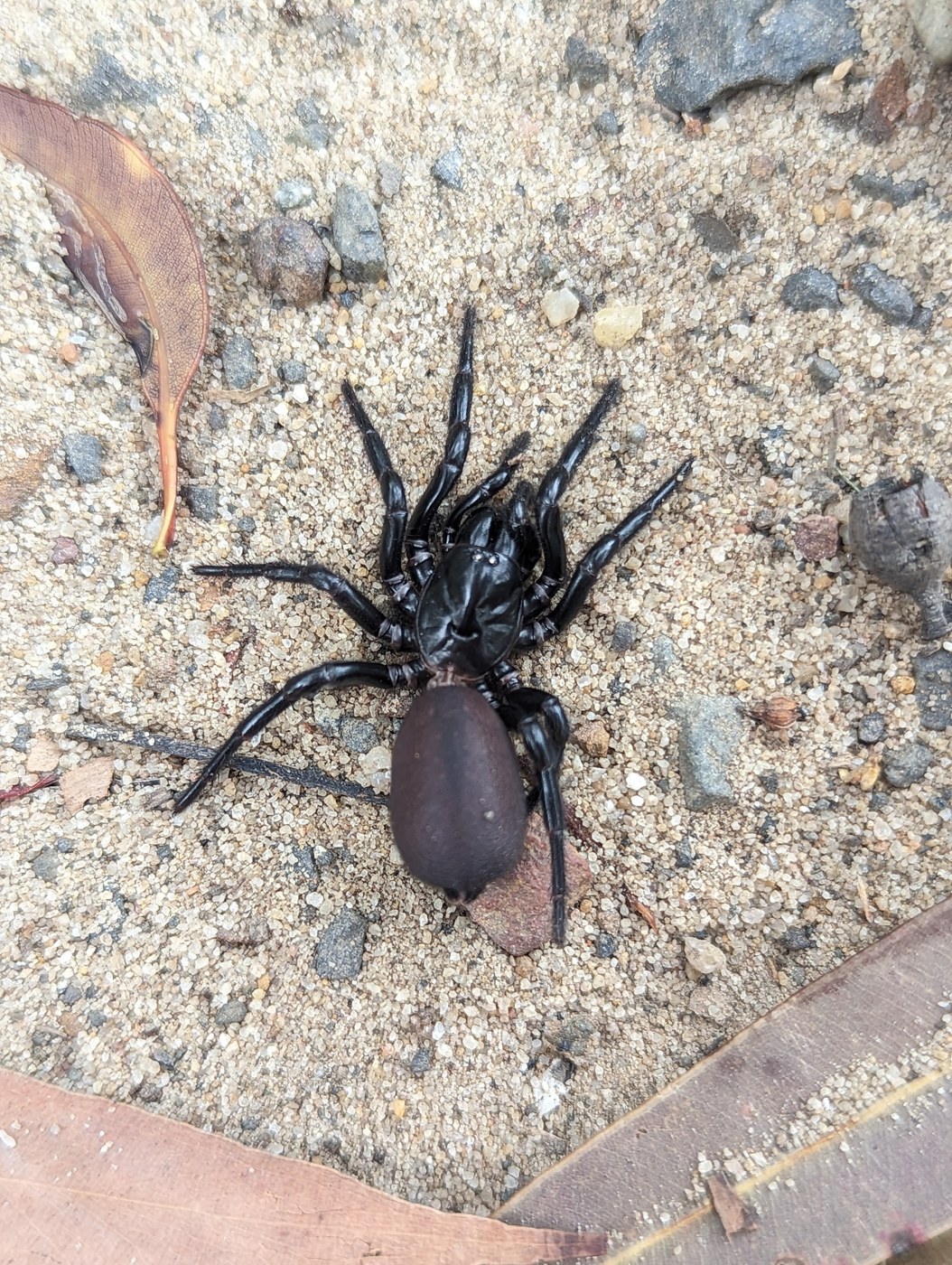
Sydney Funnel-web Spider
Burrows in moist soil, gardens, and forested gullies around the Sydney basin of eastern Australia
Trapdoor Spider
Self-dug silk-lined burrows with a camouflaged door, in dry, well-drained soil worldwide
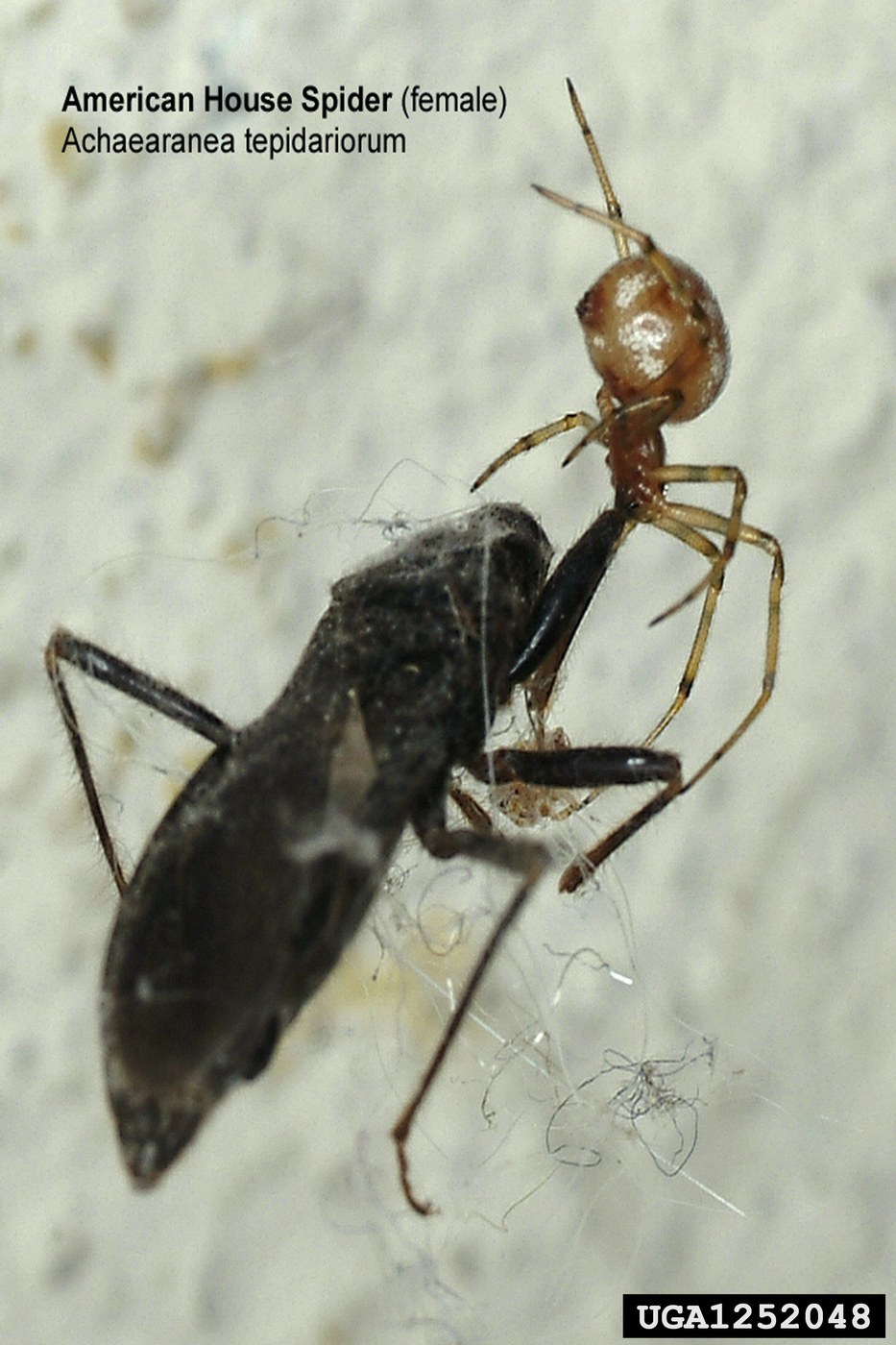
American House Spider
Corners, basements, garages, and outbuildings worldwide
Tube Web Spider
Wall crevices, bark, rockeries, and masonry
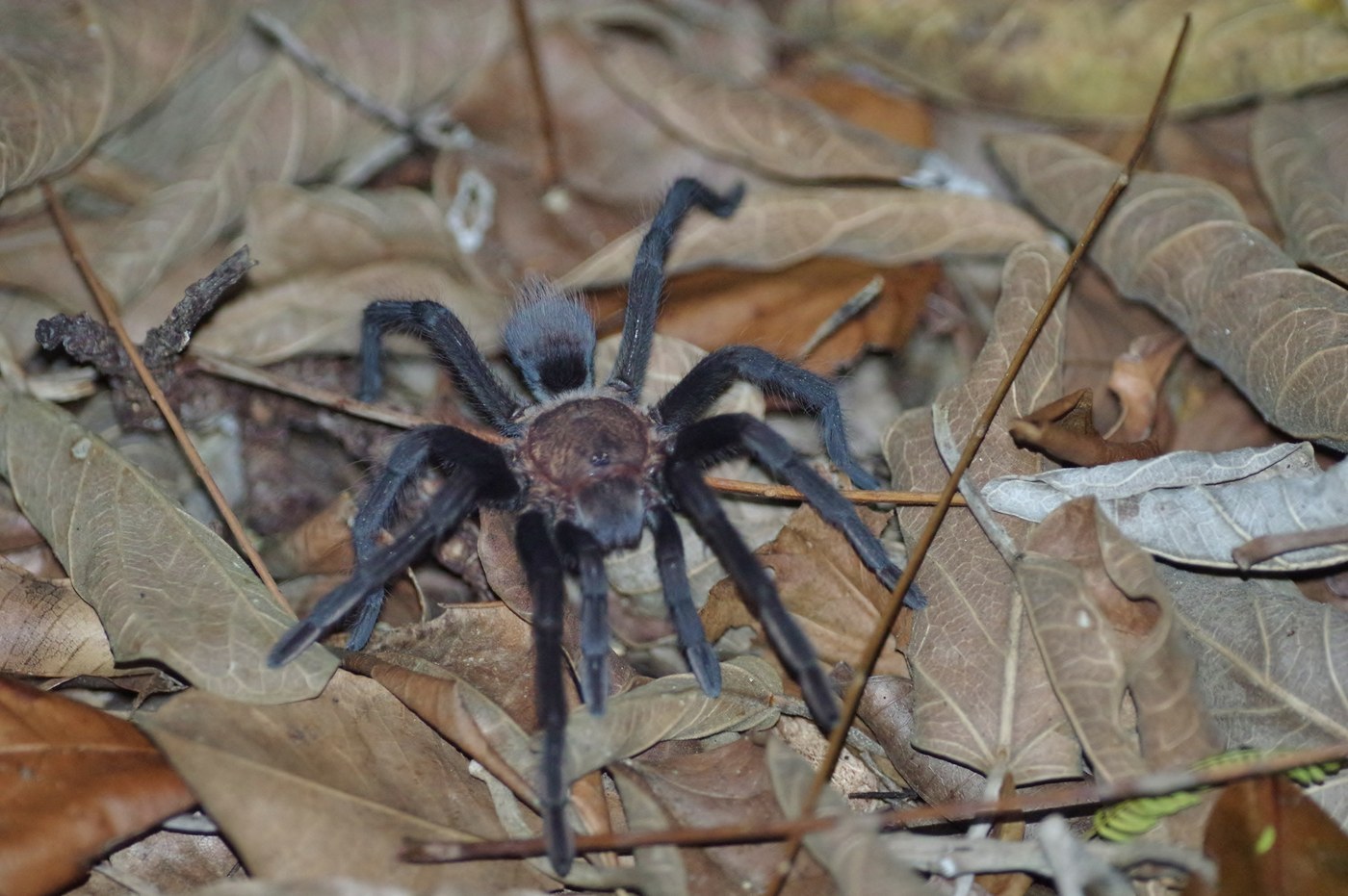
Tarantula
Burrows, rock crevices, and tree hollows in deserts, grasslands, and tropical forests worldwide
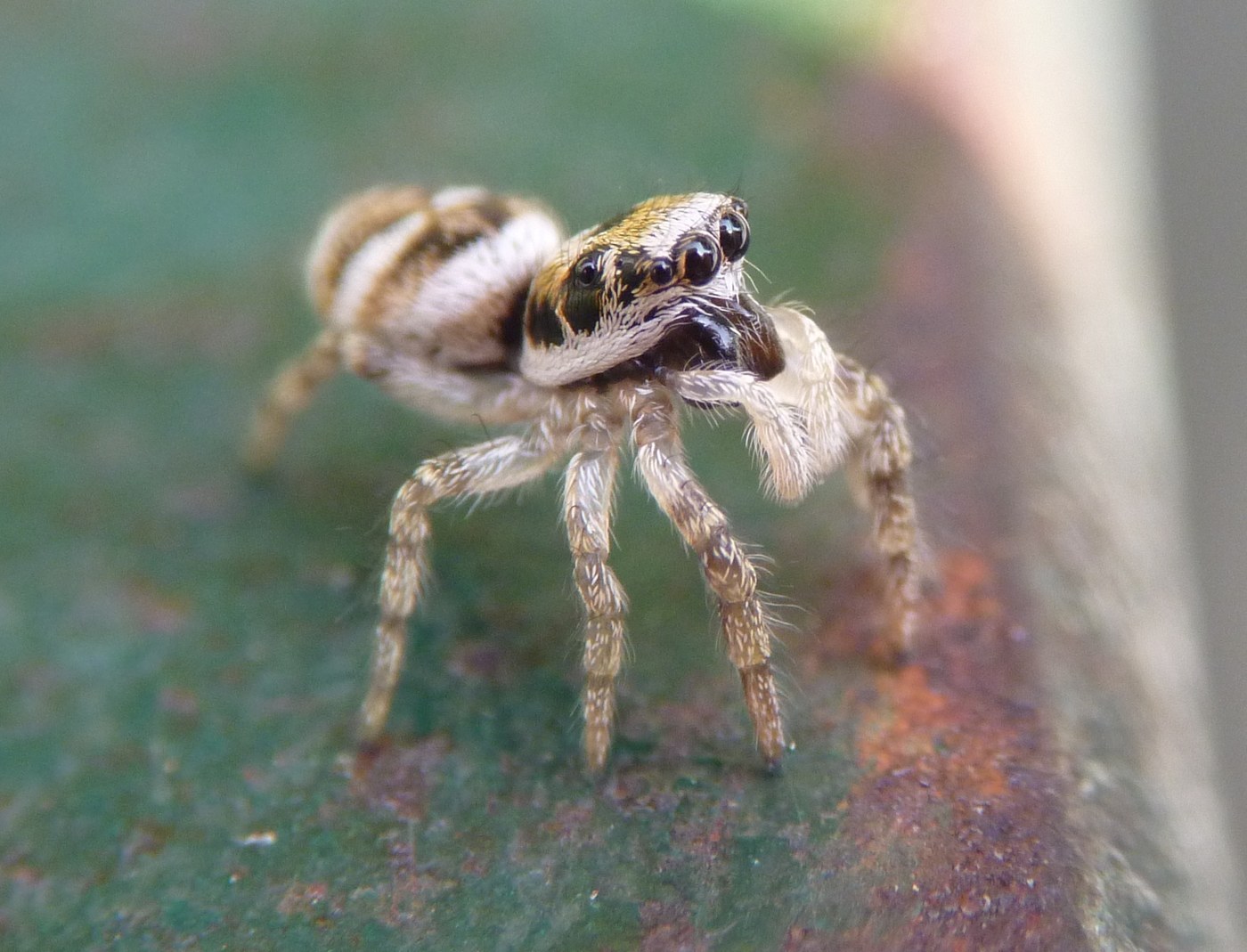
Zebra Jumping Spider
Sunny walls, fences, tree bark, and building exteriors
Wall Spider
Cracks and crevices on exterior and interior walls