
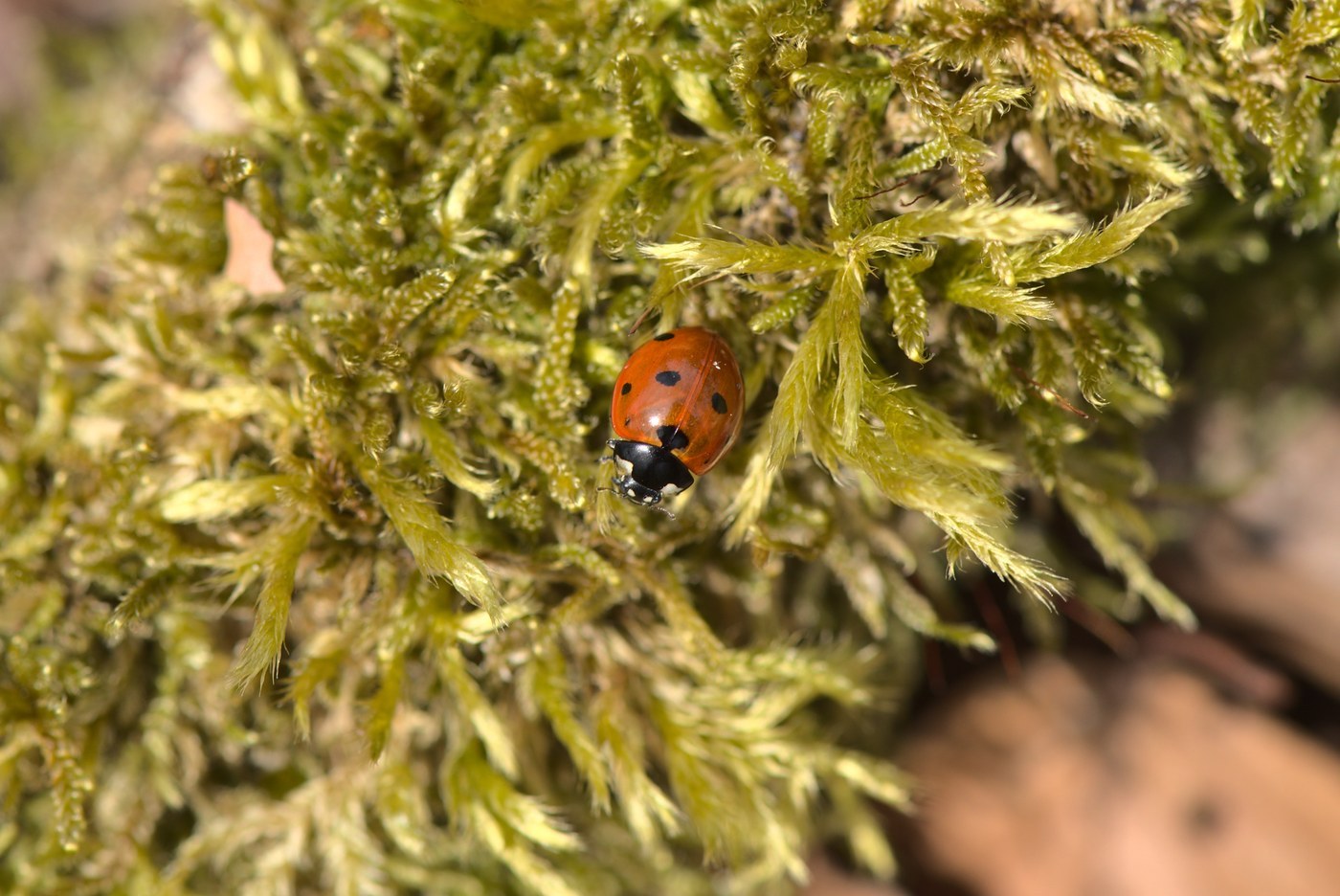
Ladybug
Coccinella septempunctata
A small, round, brightly colored beetle with a domed, shiny shell typically red or orange with black spots, one of the most recognizable and beloved beetles found in gardens worldwide.
- Size
- 5–8 mm
- Habitat
- Gardens, meadows, fields, and woodland edges
- Danger
- Harmless
Spotted a bug like this?
Identify any bug or insect from a photo, free.
Overview
The ladybug, or ladybird beetle, belongs to the family Coccinellidae within the order Coleoptera, the beetles. The seven-spotted ladybird, Coccinella septempunctata, is among the most familiar and widespread representatives of this large family, which includes over 6,000 described species globally.
Ladybugs are notable for their bright warning coloration, called aposematism, which signals to potential predators that they can be distasteful, and for their strong reputation as beneficial predators in gardens and agricultural fields. Their domed, hemispherical body shape and hardened wing covers (elytra) make them one of the easiest beetles to identify at a glance.
Ecologically, ladybugs are important natural predators of aphids and other small soft-bodied insects, making them a well-known example of a beneficial insect within backyard and farm ecosystems.
How to Identify
- Rounded, dome-shaped body with a glossy, hardened pair of elytra (wing covers).
- Classic coloration is bright red or orange with black spots, though color and spot number vary by species.
- Small head partly tucked beneath a pronotum often marked with white or pale patches.
- Short, clubbed antennae and six legs.
- Lookalikes: the invasive Asian lady beetle is similar but often shows a black "M" or "W" marking behind the head and more variable spot patterns and background color.
Habitat & Range
Ladybugs are found across temperate and subtropical regions of North America, Europe, and Asia, thriving in gardens, meadows, agricultural fields, and woodland edges wherever aphid prey is abundant. They are most active from spring through fall and often gather in large aggregations to overwinter in sheltered spots such as leaf litter, rock crevices, or building exteriors.
Behavior & Diet
Both adult and larval ladybugs are voracious predators, feeding primarily on aphids as well as scale insects, mites, and other small soft-bodied prey, making them valued allies in natural pest regulation within gardens and crops. When threatened, ladybugs may release a foul-smelling yellow fluid from their leg joints as a defensive deterrent, a behavior known as reflex bleeding. They fly readily, unfolding membranous hindwings from beneath their hardened elytra.
Life Cycle
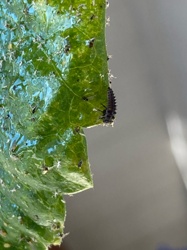
Ladybugs undergo complete metamorphosis: egg, larva, pupa, and adult. Females lay clusters of small yellow-orange eggs on plants near aphid colonies, which hatch into spiny, alligator-shaped larvae that actively hunt and consume large numbers of aphids as they grow. After several molts, larvae pupate attached to a leaf or stem before emerging as winged adults; multiple generations can occur per year, and adults often overwinter in large sheltered clusters.
Frequently asked questions
Do all ladybugs have seven spots?
No, spot number and color vary widely by species; the seven-spotted ladybird is just one common example, while others may have more, fewer, or no spots at all.
How can I tell a ladybug from an Asian lady beetle?
The Asian lady beetle often has a black M or W-shaped marking on the area behind its head and more variable coloring, while native ladybirds typically lack this marking.
What do ladybugs eat?
Both adults and larvae primarily feed on aphids and other small, soft-bodied insects.
Where do ladybugs go in winter?
They often gather in large clusters in sheltered spots like leaf litter, bark crevices, or building exteriors to overwinter.
Ladybug guides
In-depth guides for identifying, understanding, and living alongside Ladybug.
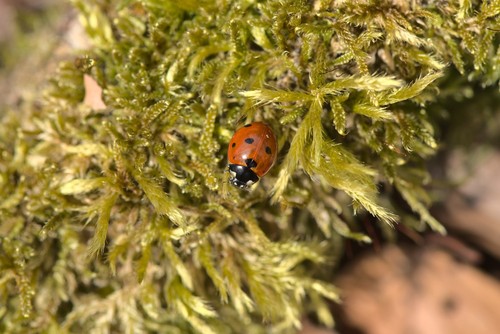
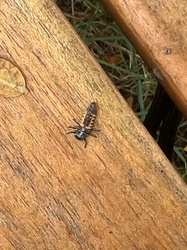
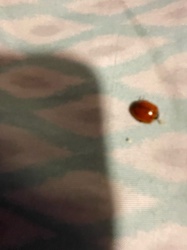
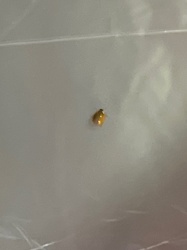
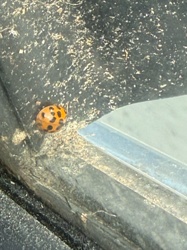
Ladybug identified by the community
Real finds identified with Bug Identifier.
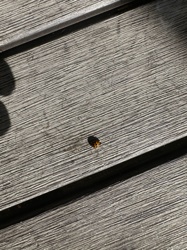
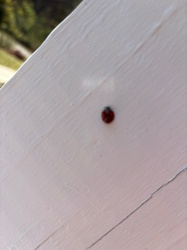
Other bugs you may enjoy
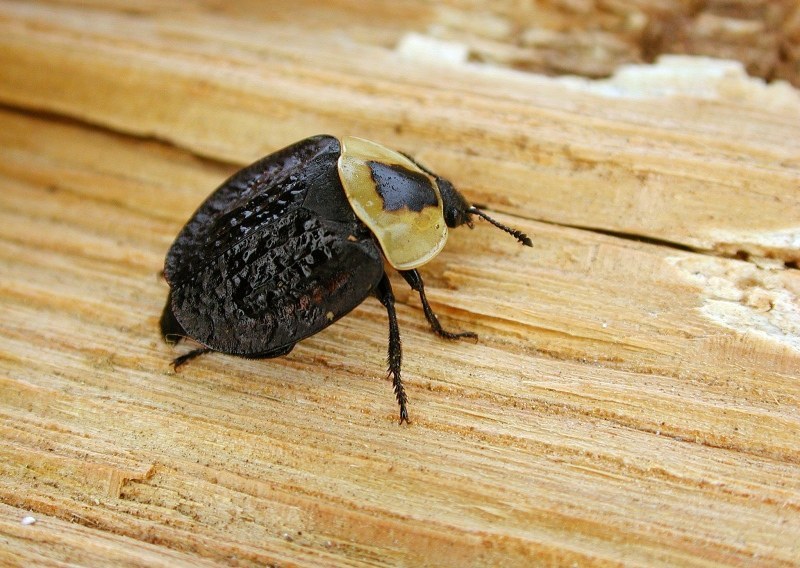
American Carrion Beetle
Forests, fields, and roadsides across North America, near decaying animal carcasses
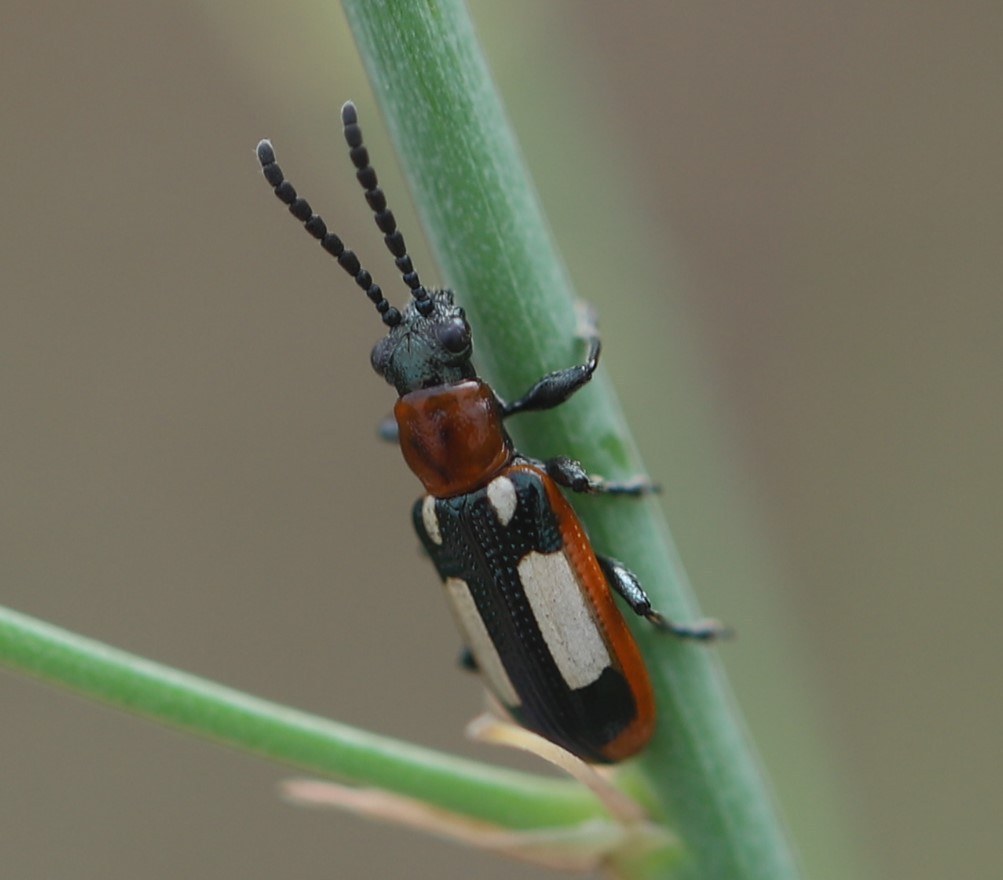
Asparagus Beetle
Asparagus patches, gardens, and farm fields
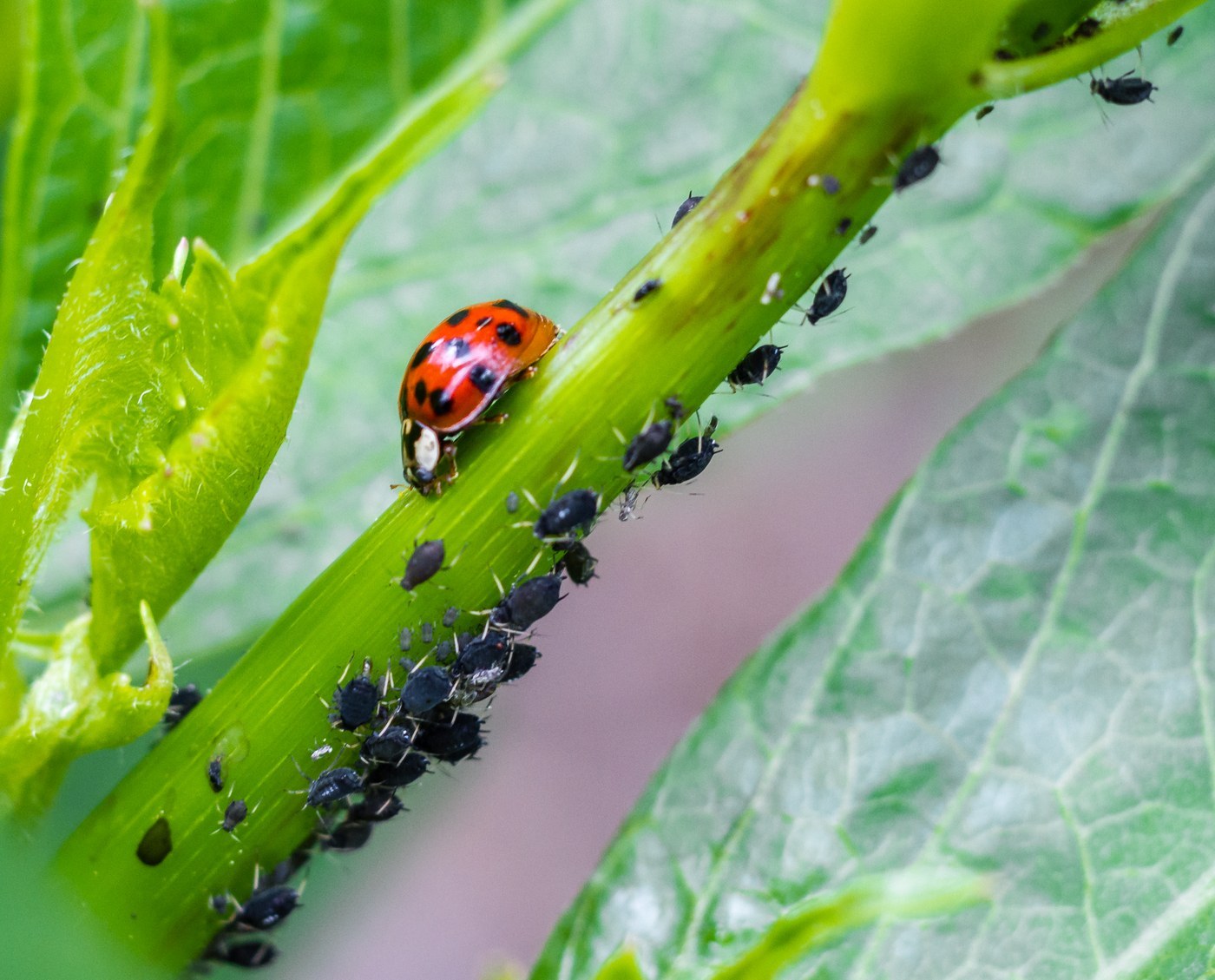
Asian Lady Beetle
Gardens, crop fields, woodlands, buildings
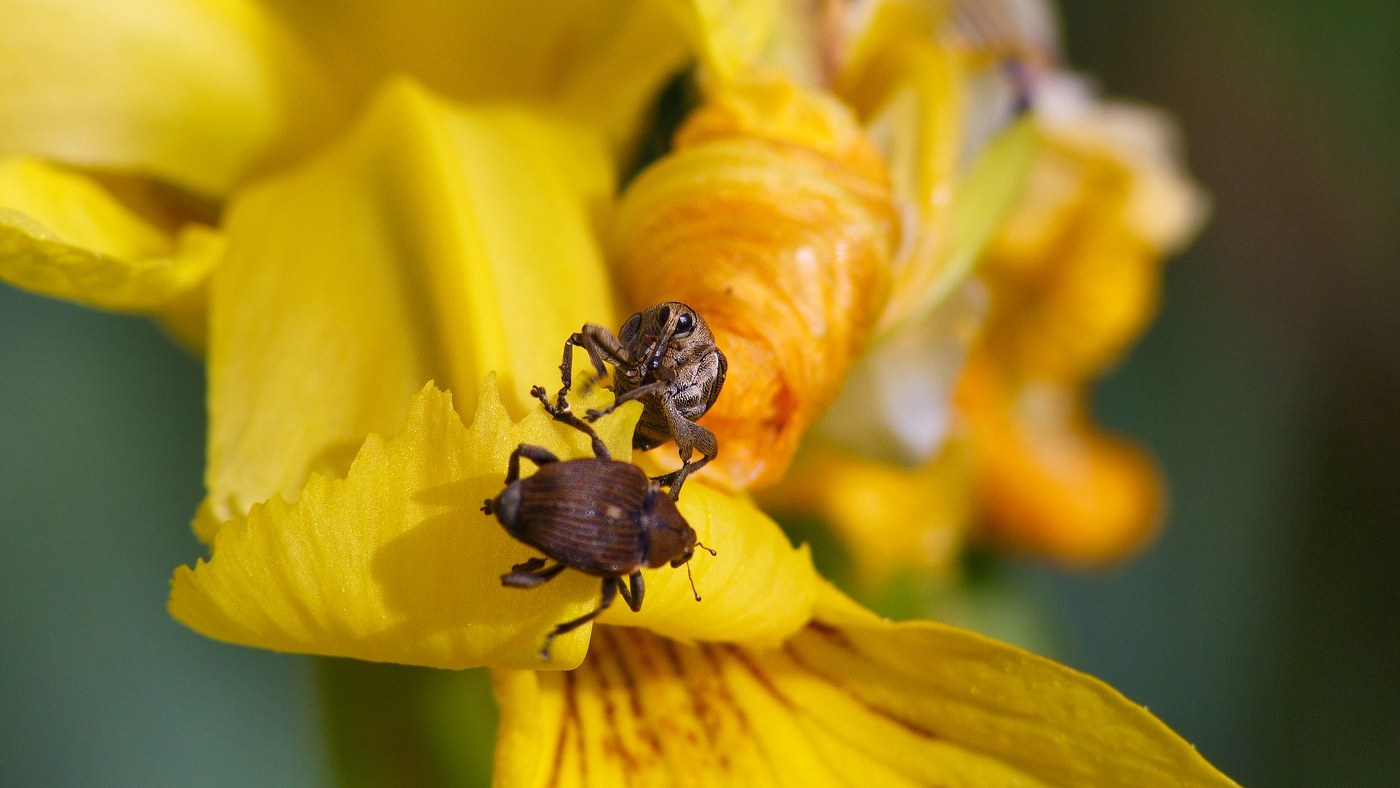
Acorn Weevil
Oak woodlands and forests, on and beneath oak trees
Wireworm
Soil of grasslands, gardens, and cultivated fields worldwide
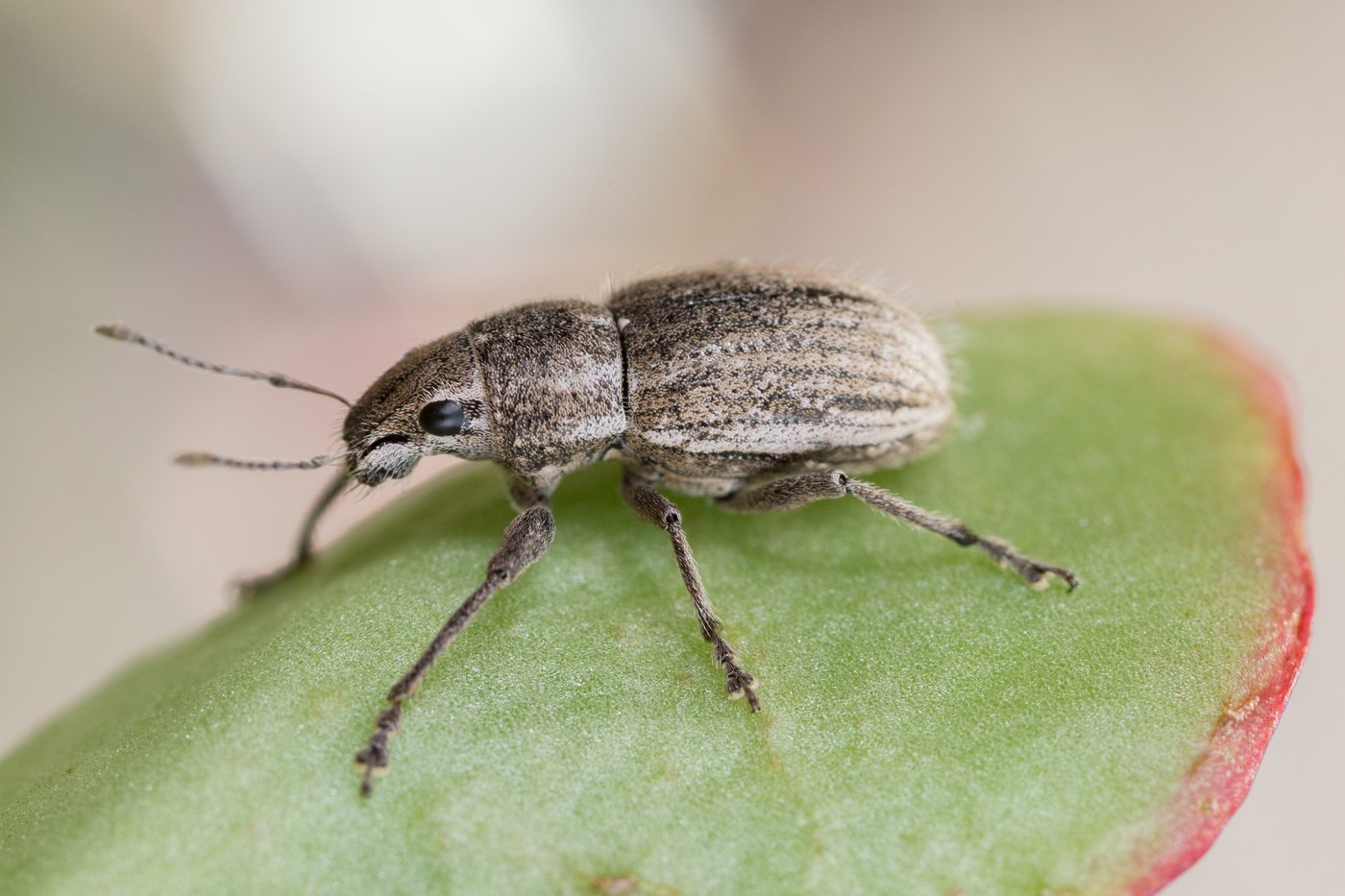
Whitefringed Beetle
Pastures, row crops, lawns, disturbed soils
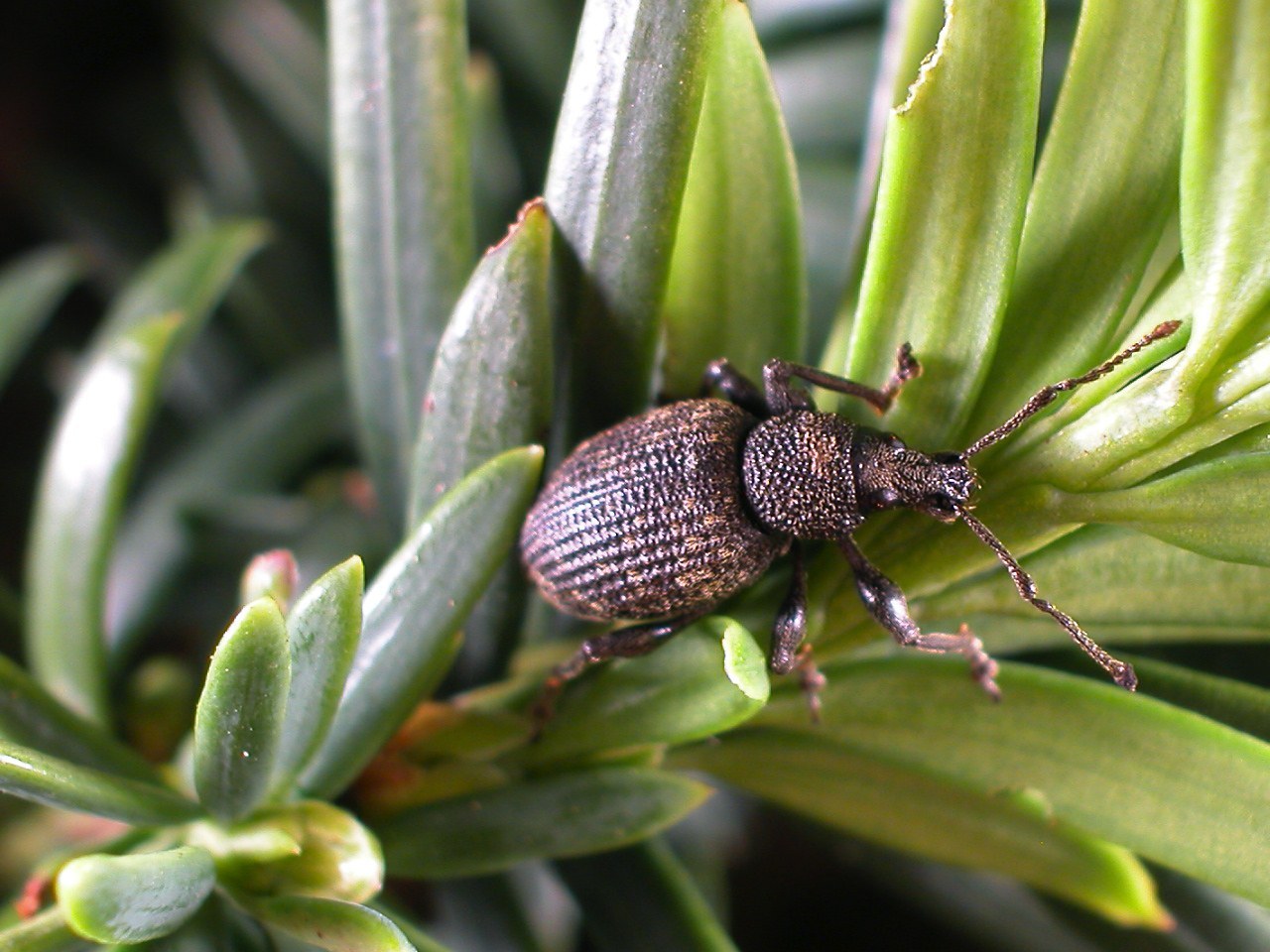
Vine Weevil
Gardens, nurseries, greenhouses, and container plantings
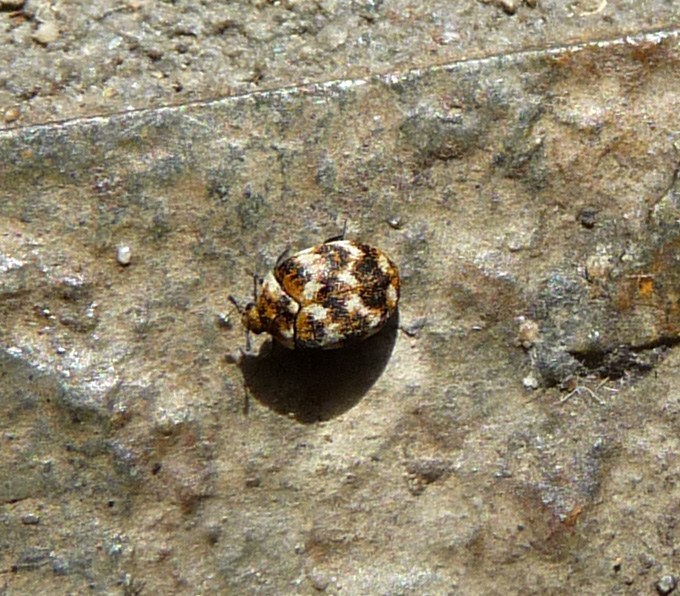
Varied Carpet Beetle
Homes, nests of birds and mammals, and flowers outdoors
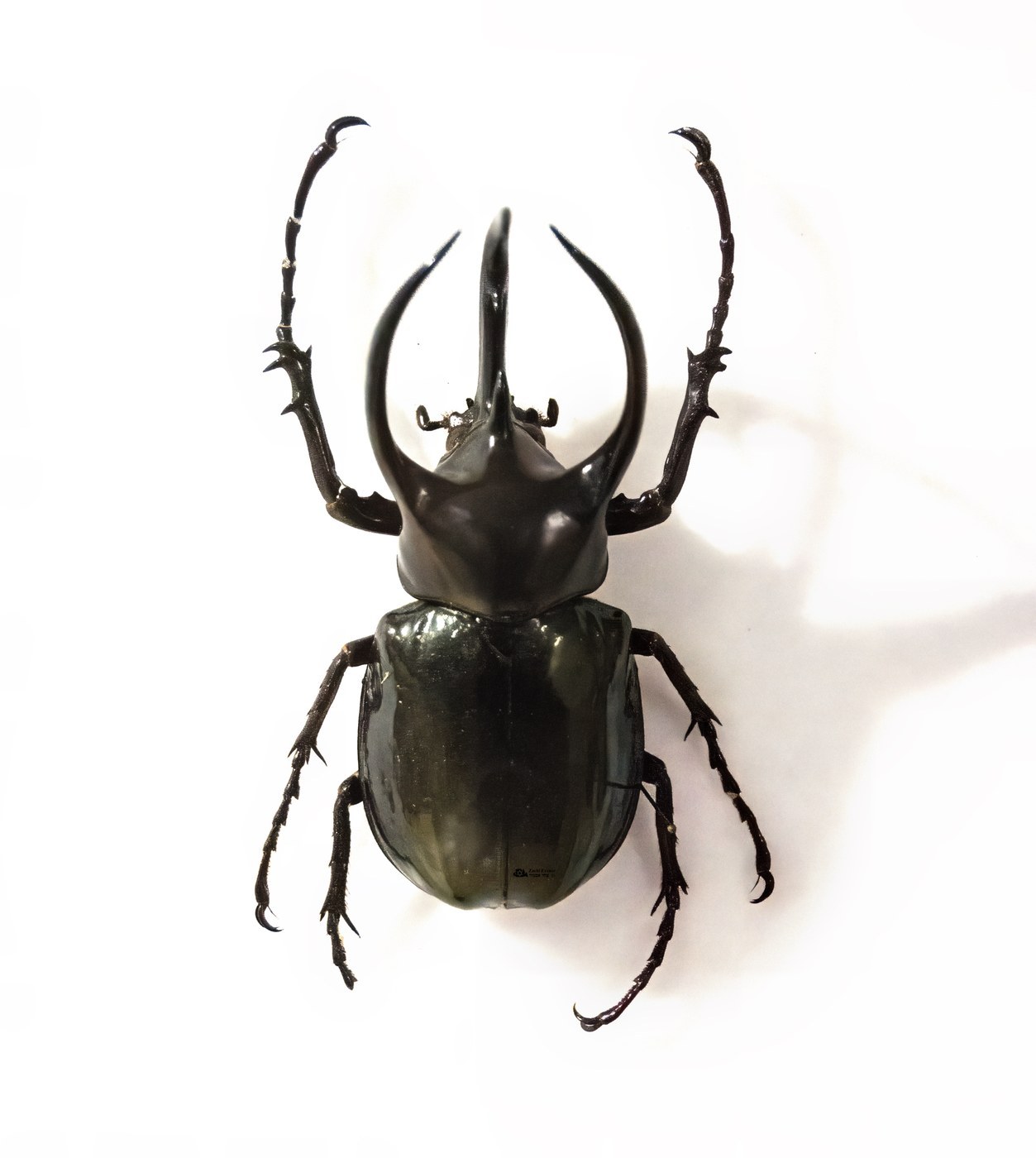
Atlas Beetle
Tropical forests of Southeast Asia
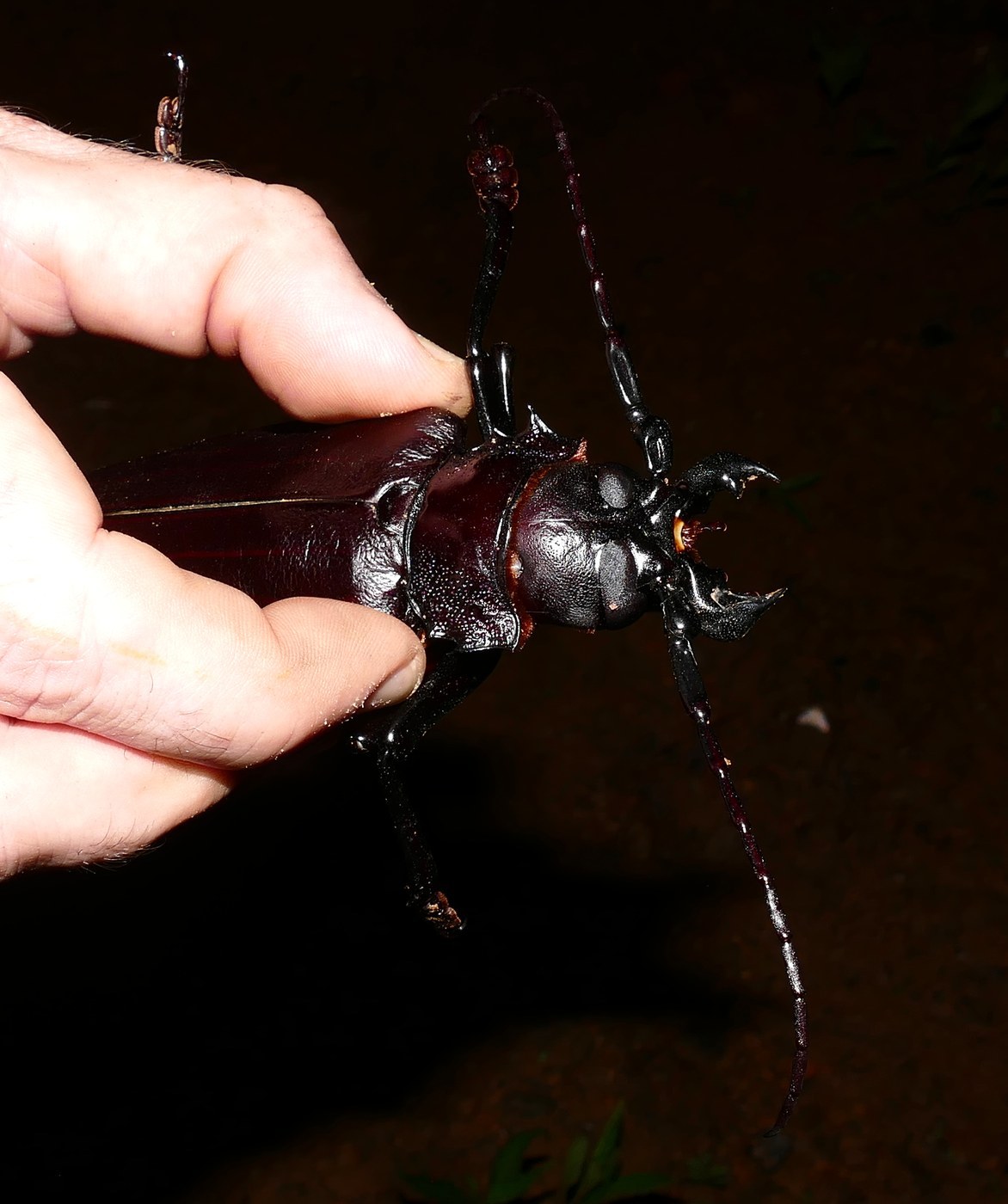
Titan Beetle
Amazon rainforest of South America
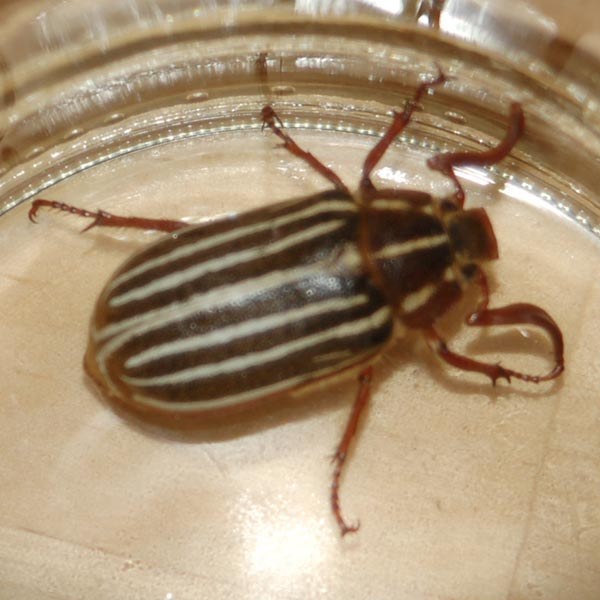
Ten-lined June Beetle
Sandy soils, pine forests, and orchards of western North America
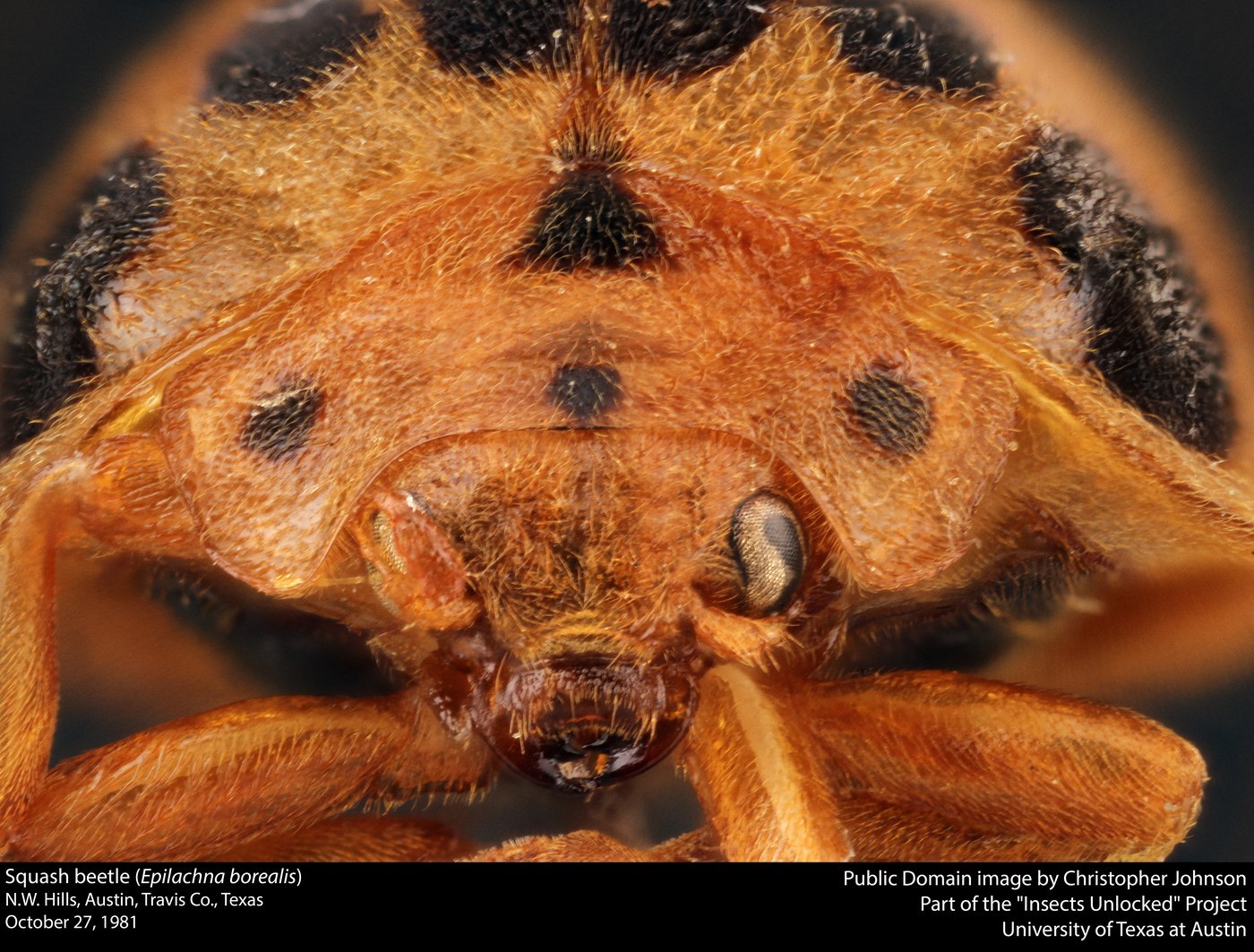
Squash Beetle
Vegetable gardens and fields growing squash, pumpkin, and other cucurbits