
Leaf Miner
Liriomyza spp.
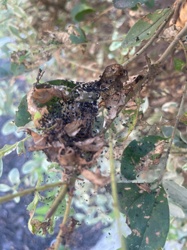
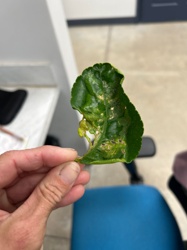
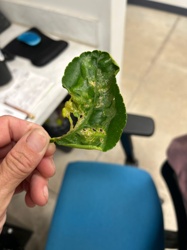
Rather than chewing from the outside, a leaf miner larva tunnels between the upper and lower surfaces of a leaf, leaving behind pale, winding trails or blotches that trace its path as it feeds.
- Size
- Larvae 2-4 mm long; mines can span several centimeters
- Habitat
- Inside leaf tissue of a wide range of garden, crop, and ornamental plants worldwide
- Danger
- Nuisance pest
Spotted a bug like this?
Identify any bug or insect from a photo, free.
Overview
'Leaf miner' is not a single species but a broad ecological term for the larvae of many unrelated insects that share a common feeding strategy: tunneling and feeding within the internal tissue of a leaf, between its upper and lower surfaces, rather than chewing from the outside. Leaf-mining larvae occur among flies (especially the family Agromyzidae, including the genus Liriomyza), moths, sawflies, and even a few beetles.
Because the larva feeds entirely enclosed within leaf tissue, it is protected from many predators while leaving a visible record of its feeding in the form of winding tunnels ('serpentine mines') or expanding blotches on the leaf surface. The exact shape of the mine is often characteristic enough to help identify which insect group produced it.
Leaf miners occur on an enormous range of host plants, from garden vegetables and ornamentals to forest trees, and different leaf-mining species tend to be highly specific to particular host plants or plant families.
How to Identify
- Larvae are tiny, typically only 2-4 mm long, pale yellow, white, green, or translucent depending on species
- Larvae themselves are rarely seen directly, as they remain hidden within leaf tissue throughout development
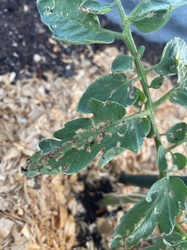
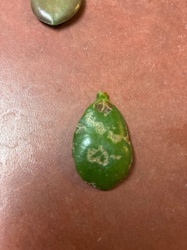
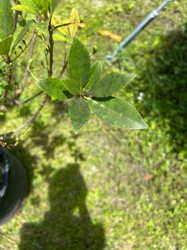
- Identified primarily by the mine itself: a winding, serpentine tunnel or an expanding blotch visible as a pale or translucent trace on the leaf
- Mine shape and pattern vary by species and are often diagnostic of the insect group responsible
- Affected leaves show no external chewing damage or holes, distinguishing leaf miner damage from that of caterpillars or beetles feeding on the leaf surface
Habitat & Range
Leaf-mining larvae occur worldwide on an extremely broad range of host plants, including garden vegetables, ornamental plants, fruit trees, and forest trees. Because so many unrelated insect groups produce leaf mines, some species are active in spring, others in summer, and others in fall, depending on the host plant and insect involved.
Behavior & Diet
Leaf miner larvae hatch from eggs laid on or within a leaf and immediately begin tunneling through the tissue between the upper and lower leaf surfaces, consuming the softer internal layers while leaving the tougher outer cuticle intact. This concealed lifestyle offers protection from many predators, though leaf miners remain vulnerable to a range of small parasitic wasps that specialize in locating larvae hidden within mines. Ecologically, leaf miners are a normal part of plant-feeding insect communities, and light to moderate mining generally has little effect on an established plant's overall health.
Life Cycle
Adult female insects, whether flies, moths, or sawflies depending on species, lay eggs on or inside leaf tissue. Larvae hatch and tunnel through the leaf as they feed, growing through several instars while remaining inside the mine. Depending on the species, the larva either pupates within the mine, drops to the soil to pupate, or forms a cocoon elsewhere. Development time and number of generations per year vary widely by species and climate, with some producing several generations per growing season.
Frequently asked questions
Is 'leaf miner' a single species of insect?
No, it is a general term covering the larvae of many unrelated flies, moths, sawflies, and a few beetles that all share the habit of tunneling within leaf tissue.
How can I tell if a plant has leaf miner damage?
Look for pale, winding tunnels or blotches within the leaf itself, rather than chewed holes or ragged edges on the leaf surface.
Why are leaf miner larvae rarely seen?
They spend their entire larval life hidden inside leaf tissue, only becoming visible if the leaf is held up to light or peeled apart.
Do leaf miners seriously harm plants?
Light to moderate leaf mining is mostly a cosmetic issue on the affected leaves, and established plants generally tolerate it without significant impact on overall health.
Leaf Miner guides
In-depth guides for identifying, understanding, and living alongside Leaf Miner.
Leaf Miner identified by the community
Real finds identified with Bug Identifier.
Other bugs you may enjoy
Aphid Midge
Gardens, greenhouses, and crops with aphids
Yellow Fever Mosquito
Urban and peri-urban areas near small artificial water containers in tropical and subtropical regions worldwide
Root Maggot
Garden and field soil around the roots of cole crops and other vegetables
Anopheles Mosquito
Clean, still or slow-moving freshwater habitats such as marshes, ponds, and rice paddies
Tachinid Fly
Gardens, meadows, and woodlands wherever host caterpillars and other insects occur
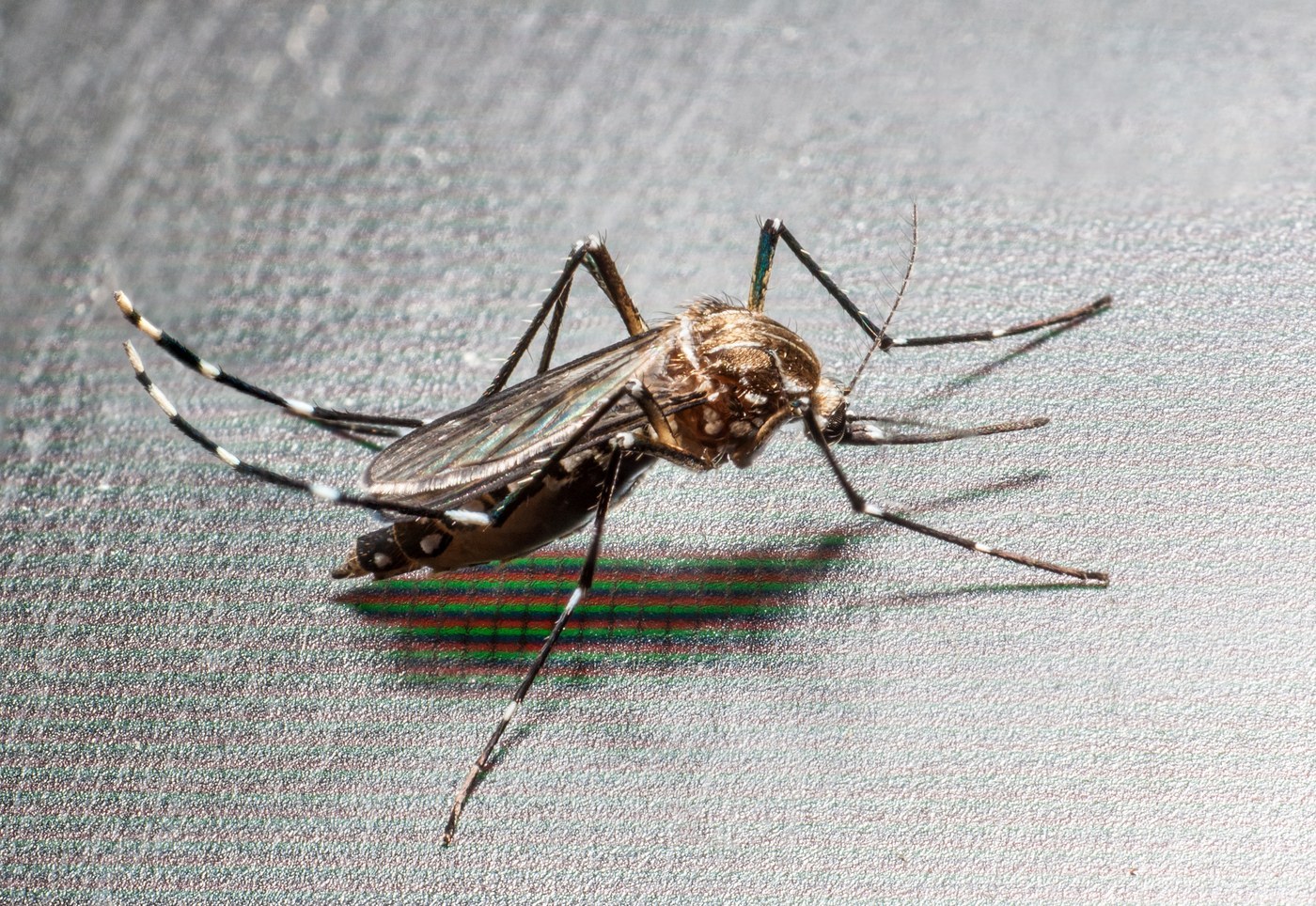
Asian Tiger Mosquito
Shaded urban and suburban areas near small water-holding containers, tires, and tree holes; native to Southeast Asia, now widespread
Tsetse Fly
Wooded savanna, riverine thickets, and forest edges across sub-Saharan Africa
Vinegar Fly
Around overripe fruit, compost, and fermenting materials worldwide
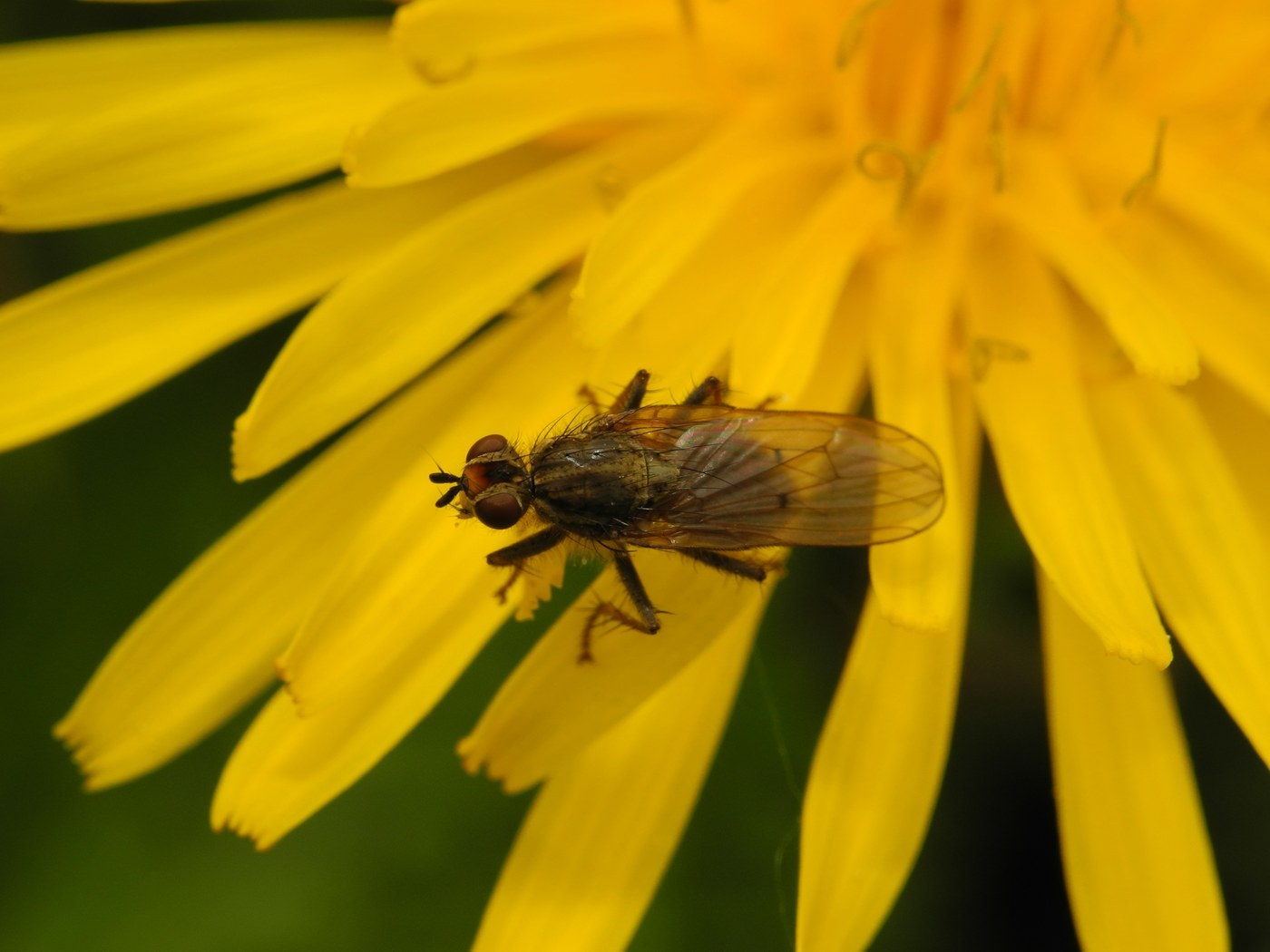
Yellow Dung Fly
Pastures and fields with fresh cattle dung
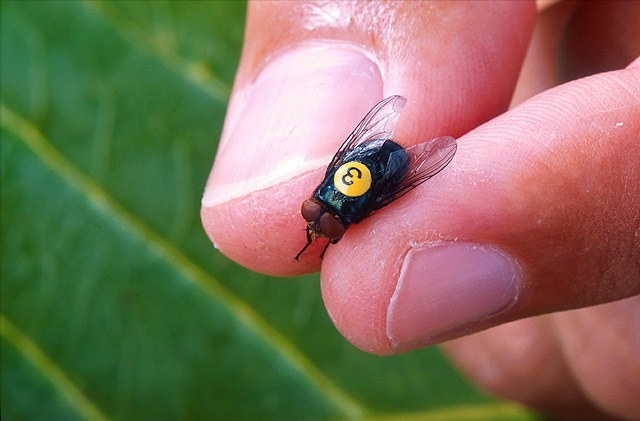
Screwworm Fly
Warm, humid lowlands of the Americas, especially near livestock and wildlife wounds
Soldier Fly
Wetland margins, decaying organic matter, and vegetation near water
Punkie
near marshes, mudflats, ponds, and other standing water