
Long-jawed Orb Weaver
Tetragnatha spp.
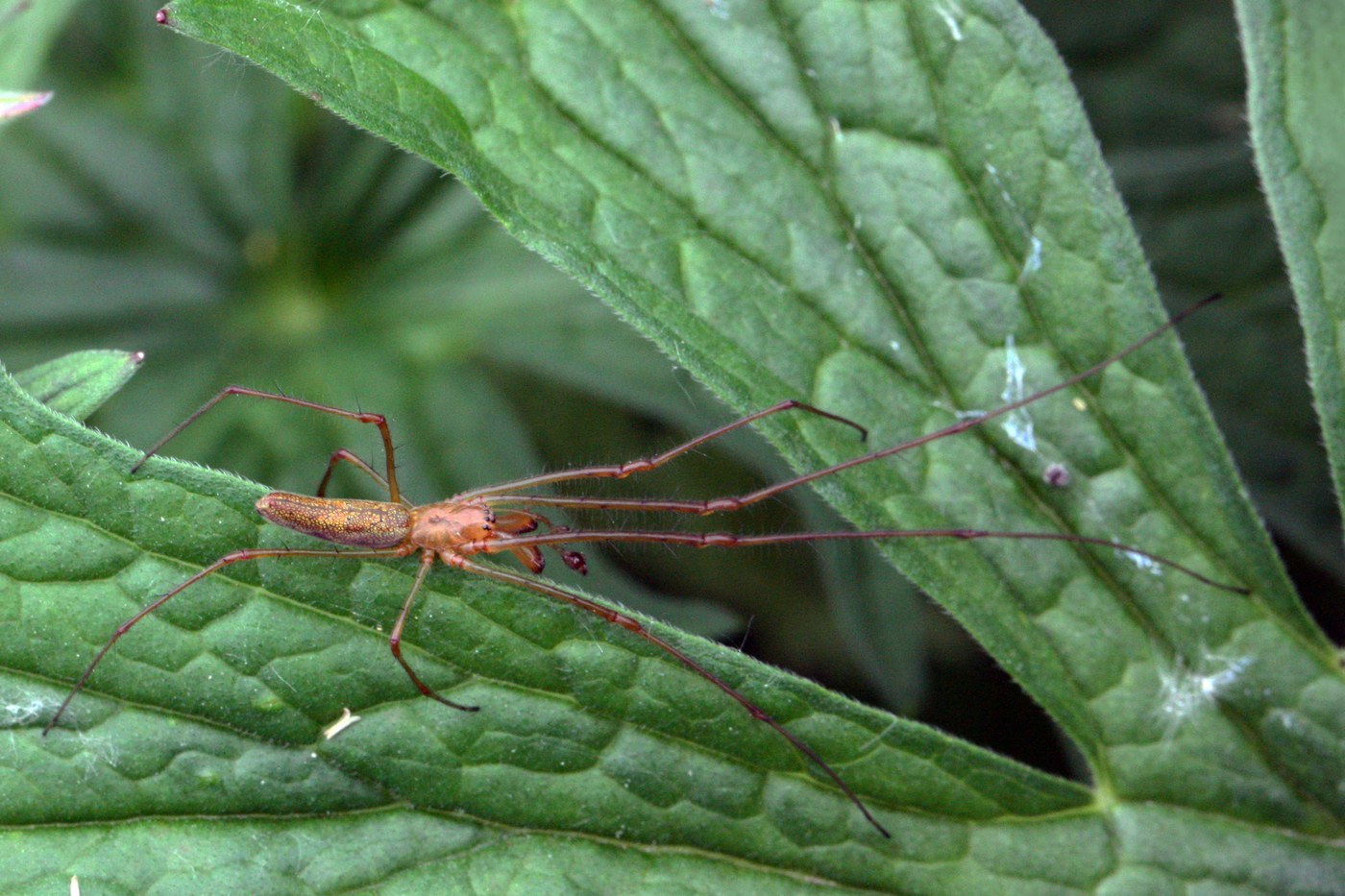
A slender, stick-like spider with oversized jaws that stretches its legs flat along a stem or spins a loose orb web low over water.
- Size
- 0.2-0.9 in (5-23 mm) body length
- Habitat
- Vegetation near ponds, streams, and wetlands
- Danger
- Harmless
Spotted a bug like this?
Identify any bug or insect from a photo, free.
Overview
Long-jawed orb weavers, genus Tetragnatha, are a widespread group within the family Tetragnathidae, instantly recognizable once you notice their elongated bodies and disproportionately large, forward-projecting chelicerae. The exaggerated jaws are especially prominent in males, which use them during courtship and mating to lock the female's fangs safely out of the way.
These spiders are strongly associated with wetland edges, and it is common to find dozens of individuals strung along the grasses and reeds bordering a pond or slow stream. Their thin, cylindrical abdomens and long legs give them a twig-like appearance, an effective camouflage that helps them blend into the linear vegetation where they rest.
Many species build a relatively open, coarse-meshed orb web angled low over water or dense grass, often oriented horizontally rather than vertically, which helps intercept insects emerging from or flying low over the water's surface.
How to Identify
- Long, narrow, cylindrical abdomen, often silvery or greenish
- Very long legs held stretched fore and aft along a stem when at rest, aiding camouflage
- Enlarged, forward-pointing chelicerae, more pronounced in males, sometimes bearing small tooth-like projections
- Web is a coarse, often horizontally-angled orb with a wider mesh than typical garden orb weavers
- Frequently found resting along the midrib of a leaf or a grass blade rather than in the web itself
- Lookalikes include other elongated orb weavers, but the combination of oversized jaws and stretched resting posture near water is distinctive
Habitat & Range
Long-jawed orb weavers are found nearly worldwide near freshwater, including pond margins, stream banks, marshes, and irrigation ditches, as well as in tall grass and shrubs adjacent to these habitats. They are most conspicuous from summer into early autumn and are frequently encountered by anglers and hikers moving through waterside vegetation.
Behavior & Diet
These spiders build orb webs to capture small flying insects, particularly midges, mosquitoes, mayflies, and other insects that emerge from or travel over water. Many species are most active at dusk and through the night, rebuilding or repairing their webs regularly. During the day they often stretch out along a blade of grass or leaf edge with legs extended fore and aft, relying on their slim shape to avoid detection by predators. Their concentration near water makes them significant predators of aquatic-emergent insects, helping regulate midge and mosquito numbers in wetland ecosystems.
Life Cycle
Females produce silk egg sacs attached to vegetation near the water's edge, and spiderlings emerge to begin building small webs of their own close to where they hatched. Growth proceeds through a series of molts over the warm months, with many temperate species completing one generation per year and overwintering as eggs or partially grown juveniles. In warmer regions, multiple generations can occur annually.
Frequently asked questions
Why does this spider have such big jaws?
The enlarged chelicerae, most exaggerated in males, are used during courtship to grip and hold the female's fangs safely apart during mating.
Where would I find a long-jawed orb weaver?
Along grasses, reeds, and shrubs bordering ponds, streams, and other wetlands, often stretched motionless along a leaf or stem.
What does the web look like?
A relatively coarse, wide-meshed orb, frequently angled close to horizontal and positioned low over water to catch emerging insects.
Do long-jawed orb weavers bite people?
They are shy, water-associated spiders that show no interest in humans and simply retreat if disturbed.
Long-jawed Orb Weaver guides
In-depth guides for identifying, understanding, and living alongside Long-jawed Orb Weaver.
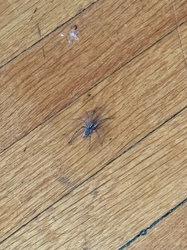
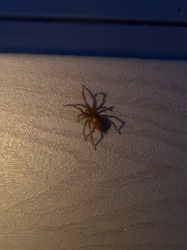
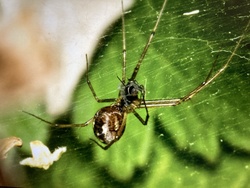
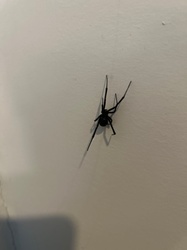
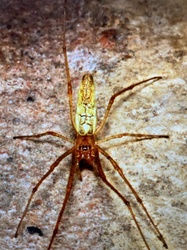
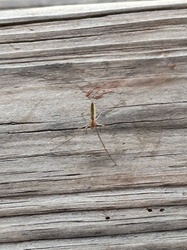
Long-jawed Orb Weaver identified by the community
Real finds identified with Bug Identifier.
Other bugs you may enjoy
Woodlouse Spider
Damp leaf litter, under logs, stones, and mulch
Wolf Spider
Gardens, grasslands, forests, leaf litter, ground burrows
Wandering Spider
Tropical and subtropical forest floor, foliage, and banana plants
Banded Garden Spider
Tall grass, meadows, and gardens with open sunny vegetation
Banana Spider
Wooded trails, forest edges, and gardens across the southeastern U.S. and the American tropics
Sydney Funnel-web Spider
Burrows in moist soil, gardens, and forested gullies around the Sydney basin of eastern Australia
Trapdoor Spider
Self-dug silk-lined burrows with a camouflaged door, in dry, well-drained soil worldwide
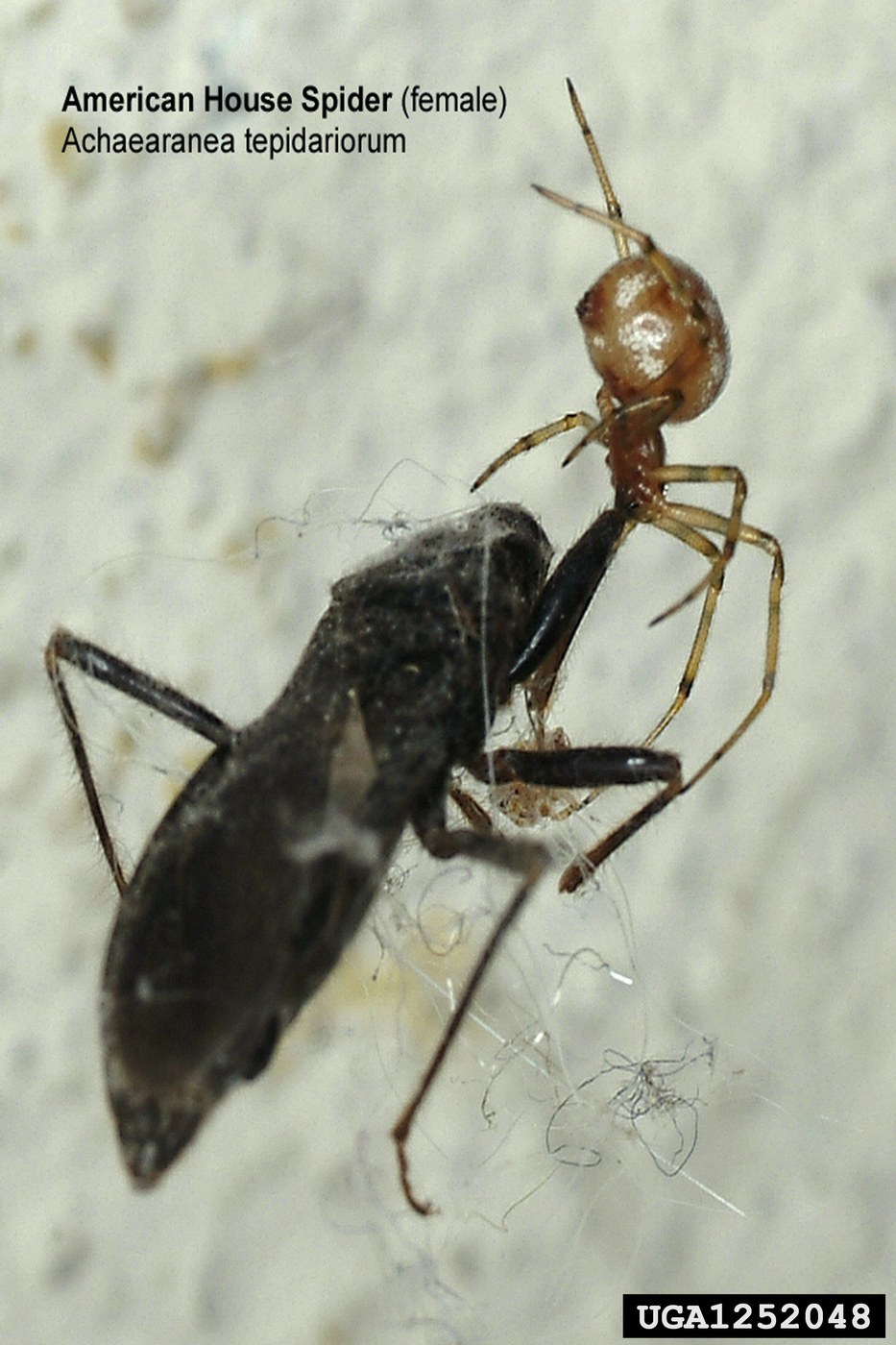
American House Spider
Corners, basements, garages, and outbuildings worldwide
Tube Web Spider
Wall crevices, bark, rockeries, and masonry
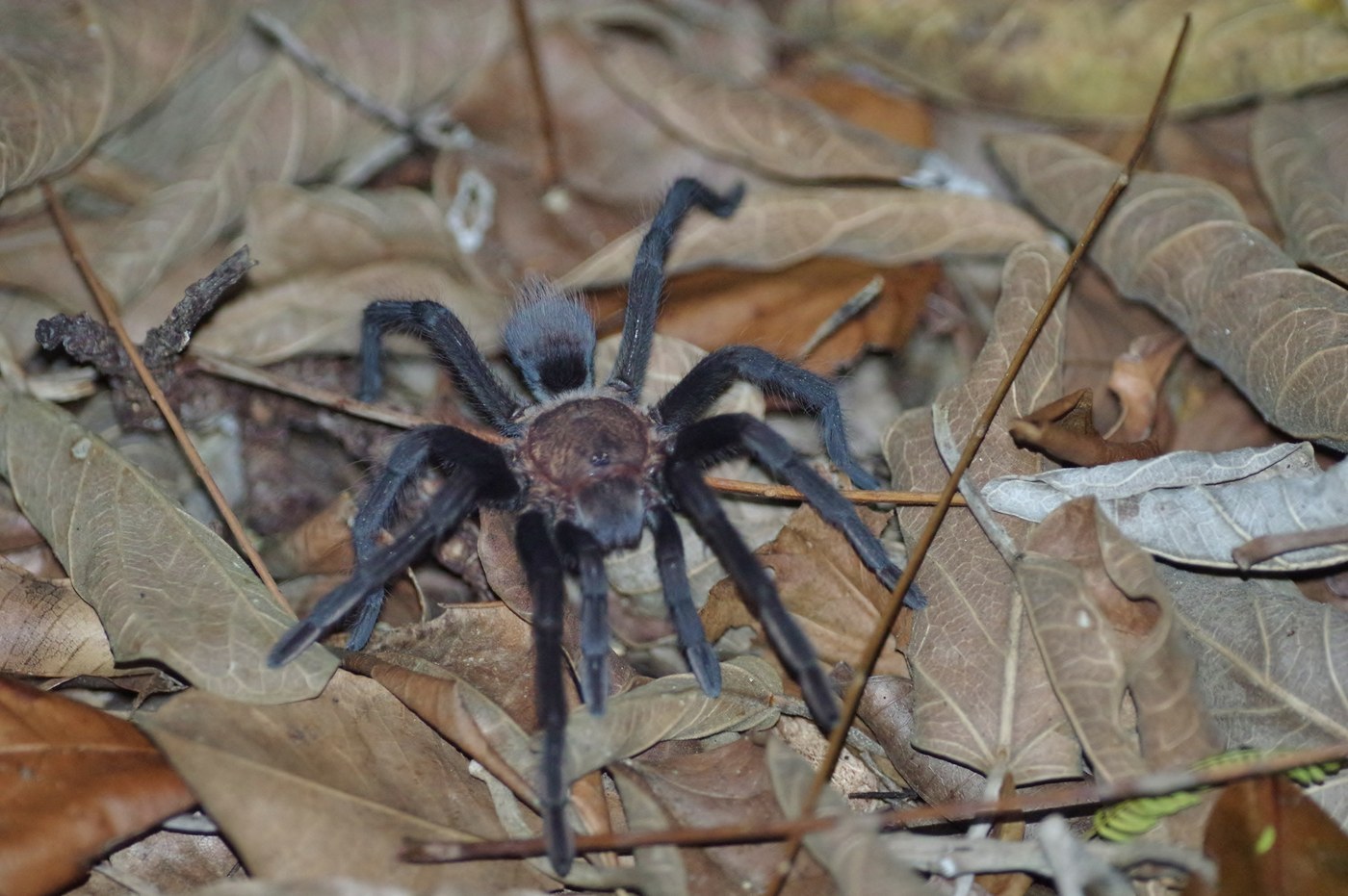
Tarantula
Burrows, rock crevices, and tree hollows in deserts, grasslands, and tropical forests worldwide
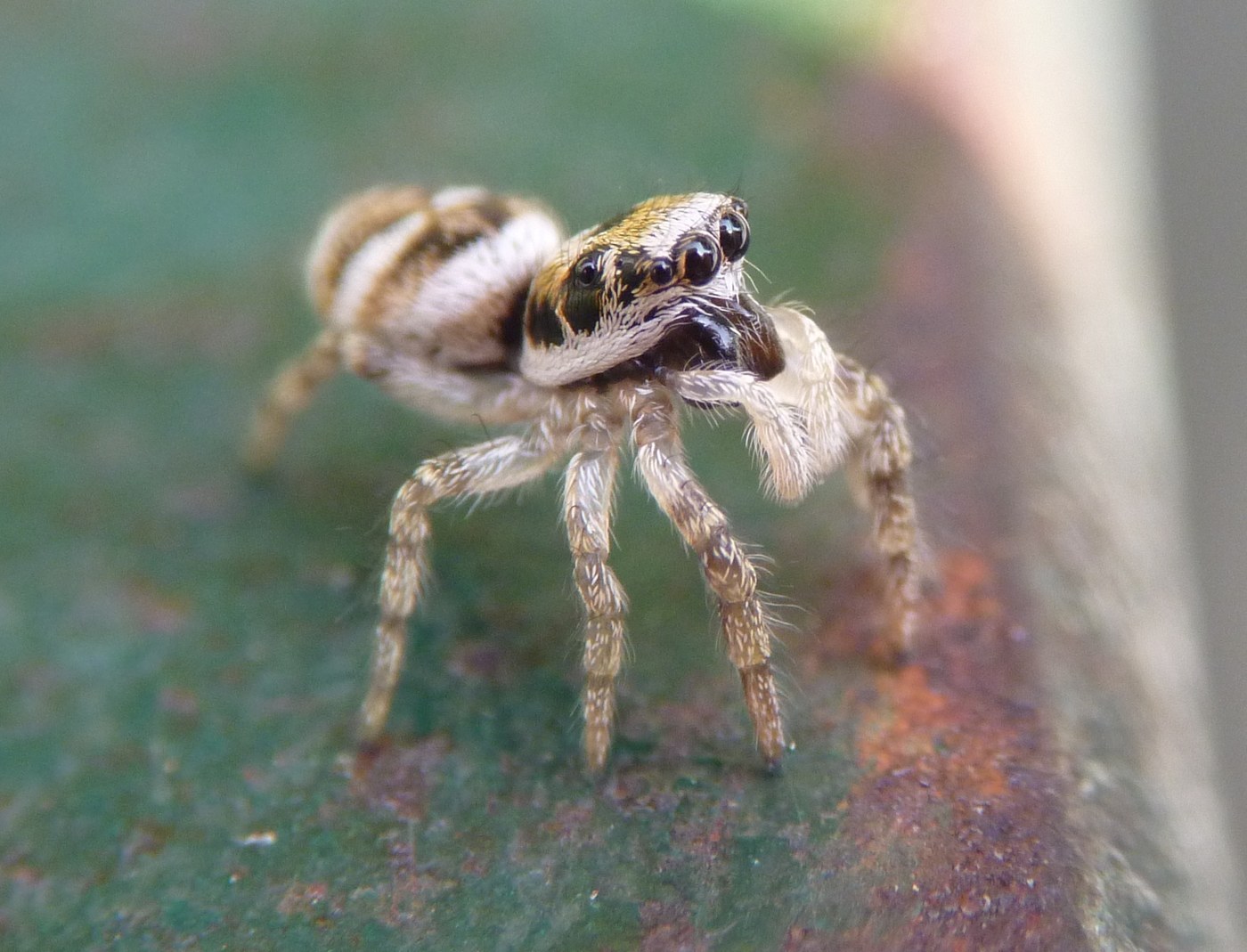
Zebra Jumping Spider
Sunny walls, fences, tree bark, and building exteriors
Wall Spider
Cracks and crevices on exterior and interior walls