
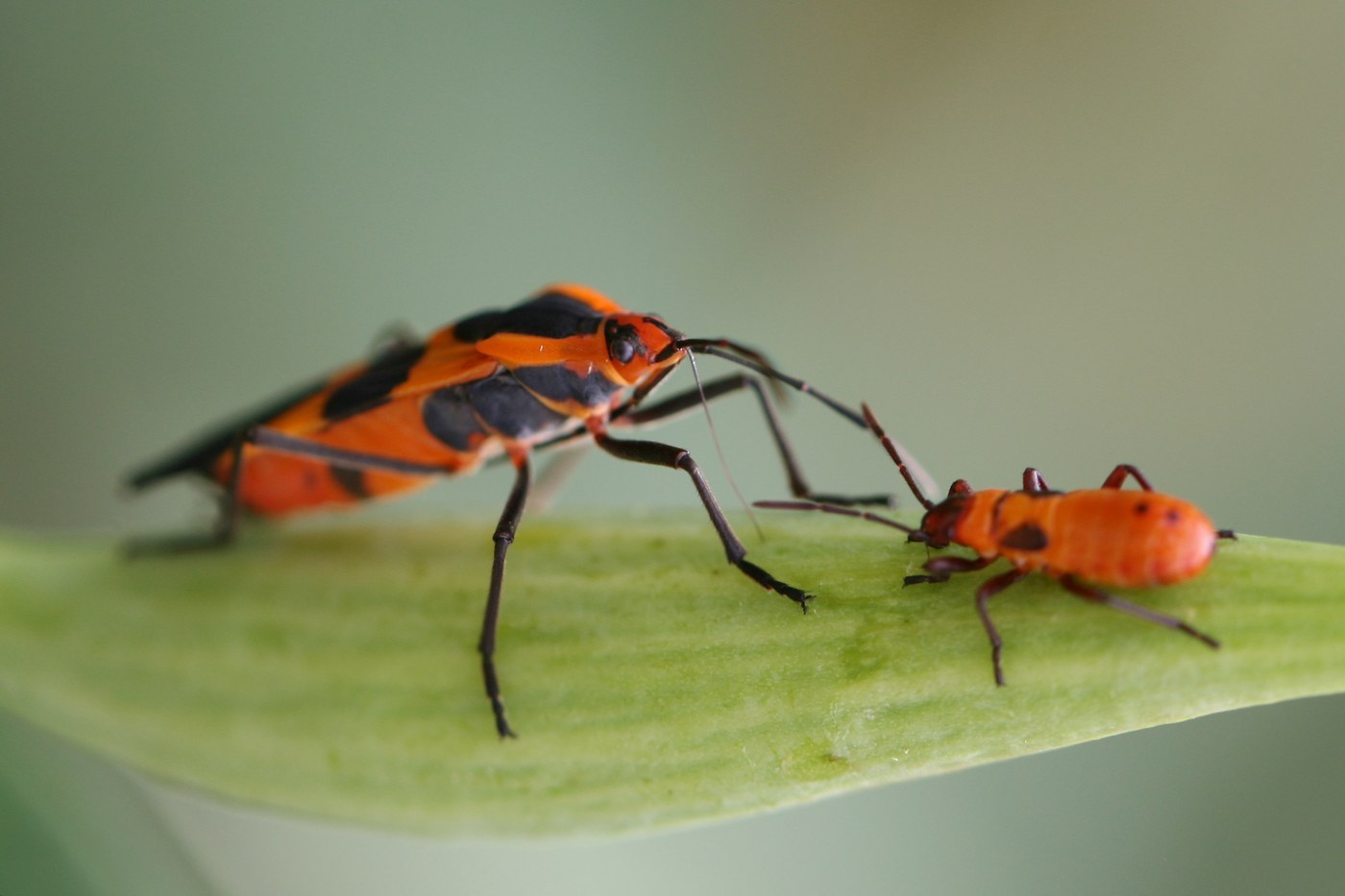
Milkweed Bug (Large Milkweed Bug)
Oncopeltus fasciatus
A boldly patterned orange-and-black true bug found clustering on milkweed seed pods, sporting an elongated body with a distinctive black band across the wings.
- Size
- 11–18 mm
- Habitat
- Milkweed patches, meadows, prairies, roadsides
- Danger
- Harmless
Spotted a bug like this?
Identify any bug or insect from a photo, free.
Overview
The Large Milkweed Bug is a conspicuous true bug in the family Lygaeidae, named for its close association with milkweed plants, which serve as both its primary food source and the origin of its warning coloration. Its bright orange-and-black pattern is a classic example of aposematism, a visual warning that advertises unpalatability to potential predators.
This species is closely tied to milkweed (genus Asclepias), feeding almost exclusively on the plant's seeds by piercing developing seed pods with its needle-like mouthparts. Because of this specialization, it is often found in aggregations directly on milkweed seed pods throughout the growing season.
The Large Milkweed Bug is also a well-known laboratory and classroom study organism due to its ease of rearing and its clear, easily observed incomplete metamorphosis, making it a familiar species in entomology education.
How to Identify
- Elongated, oval body in bright orange-red with bold black markings.
- A distinctive black band crosses the wings roughly at the midpoint of the body, along with a black head and black-tipped antennae.
- Piercing-sucking mouthparts adapted for feeding on milkweed seeds.
- Often seen in groups, both nymphs and adults, clustered on milkweed pods.
- Lookalikes: similar to the Small Milkweed Bug (Lygaeus kalmii), which is smaller with an hourglass-shaped marking rather than a solid band.
Habitat & Range
Found throughout North America wherever milkweed grows, including meadows, prairies, roadsides, and old fields. Populations are highly seasonal, tracking the availability of milkweed seed pods from mid to late summer through fall, and in warmer regions the species may persist through much of the year.
Behavior & Diet
Both nymphs and adults feed primarily on milkweed seeds, piercing pods to draw out the developing seed contents, and will occasionally feed on other plant fluids as well. Its bright coloration serves as a warning signal, reflecting chemical compounds sequestered from its milkweed diet that make it distasteful to many predators. The species is gregarious, often found in clusters of mixed-age individuals on the same plant, and adults are capable of long-distance dispersal flights to locate new milkweed stands.
Life Cycle
The Large Milkweed Bug undergoes incomplete metamorphosis. Eggs are laid in small clusters, often tucked into milkweed pods or nearby plant debris, hatching into wingless nymphs that resemble smaller, rounder versions of the adult. Nymphs pass through five instars, gradually developing wing pads and the adult's characteristic banding, before molting into the fully winged adult stage. Multiple generations can occur during a single growing season in warmer climates, with adults typically overwintering in sheltered locations or migrating southward in cooler regions.
Frequently asked questions
Why is it always found on milkweed plants?
It feeds almost exclusively on milkweed seeds, using its piercing mouthparts to draw out the developing seed contents from pods.
How is it different from the Small Milkweed Bug?
The Large Milkweed Bug has a solid black band across its wings, while the Small Milkweed Bug shows a more hourglass-shaped black marking and is noticeably smaller.
Why is it orange and black?
The bold coloring acts as a warning signal to predators, associated with compounds the bug takes in from its milkweed diet.
Does it damage the milkweed plant?
It feeds on developing seeds within pods but is not generally considered harmful to the overall milkweed plant's survival.
Milkweed Bug (Large Milkweed Bug) guides
In-depth guides for identifying, understanding, and living alongside Milkweed Bug (Large Milkweed Bug).
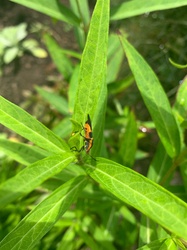
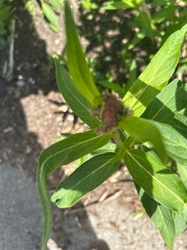
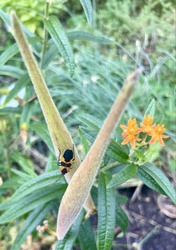
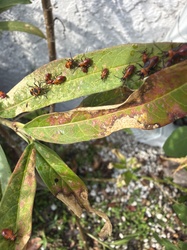
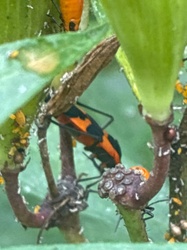
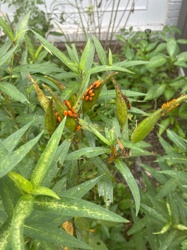
Milkweed Bug (Large Milkweed Bug) identified by the community
Real finds identified with Bug Identifier.
Other bugs you may enjoy
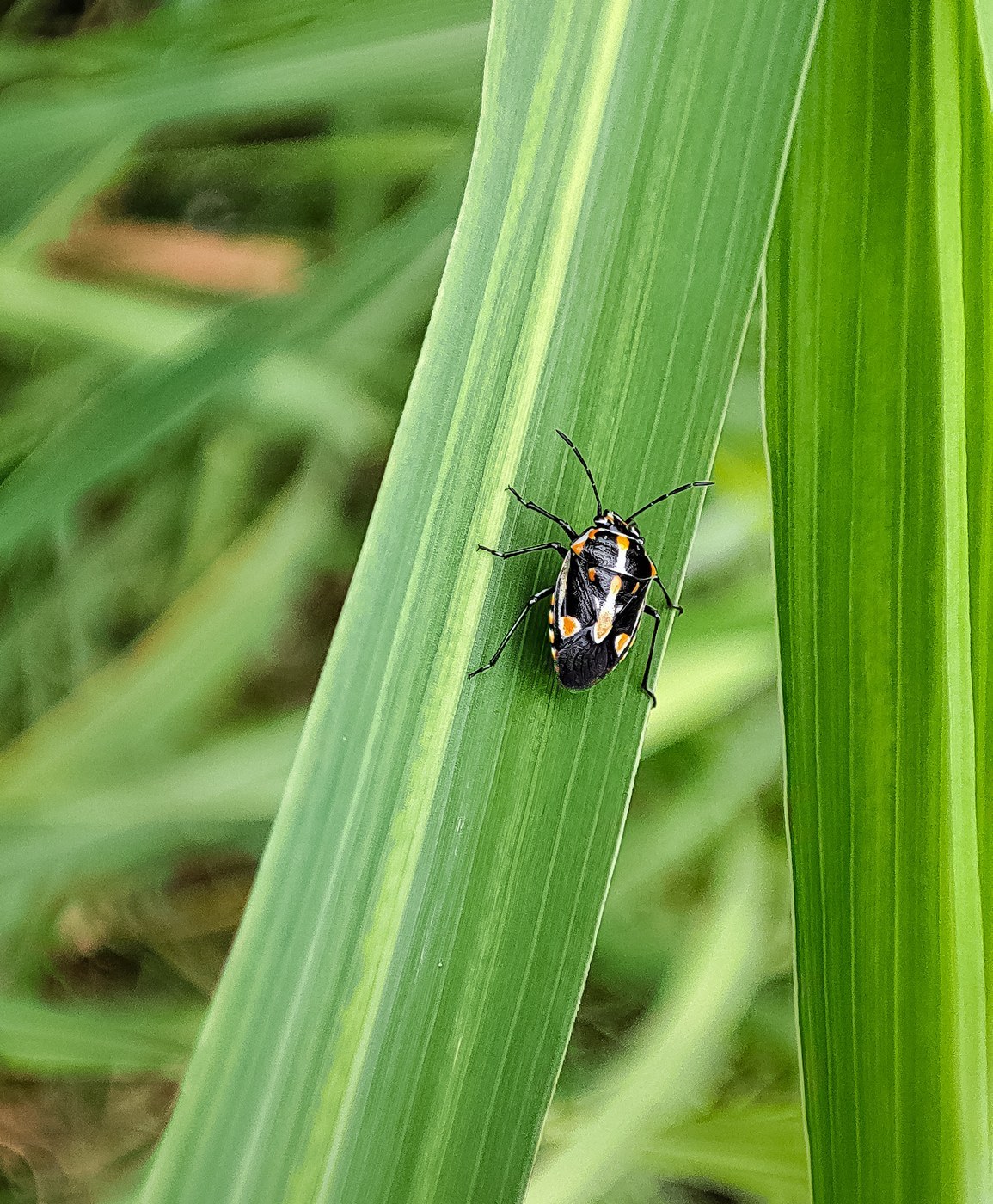
Bagrada Bug
Arid gardens, crucifer fields, desert-adjacent croplands
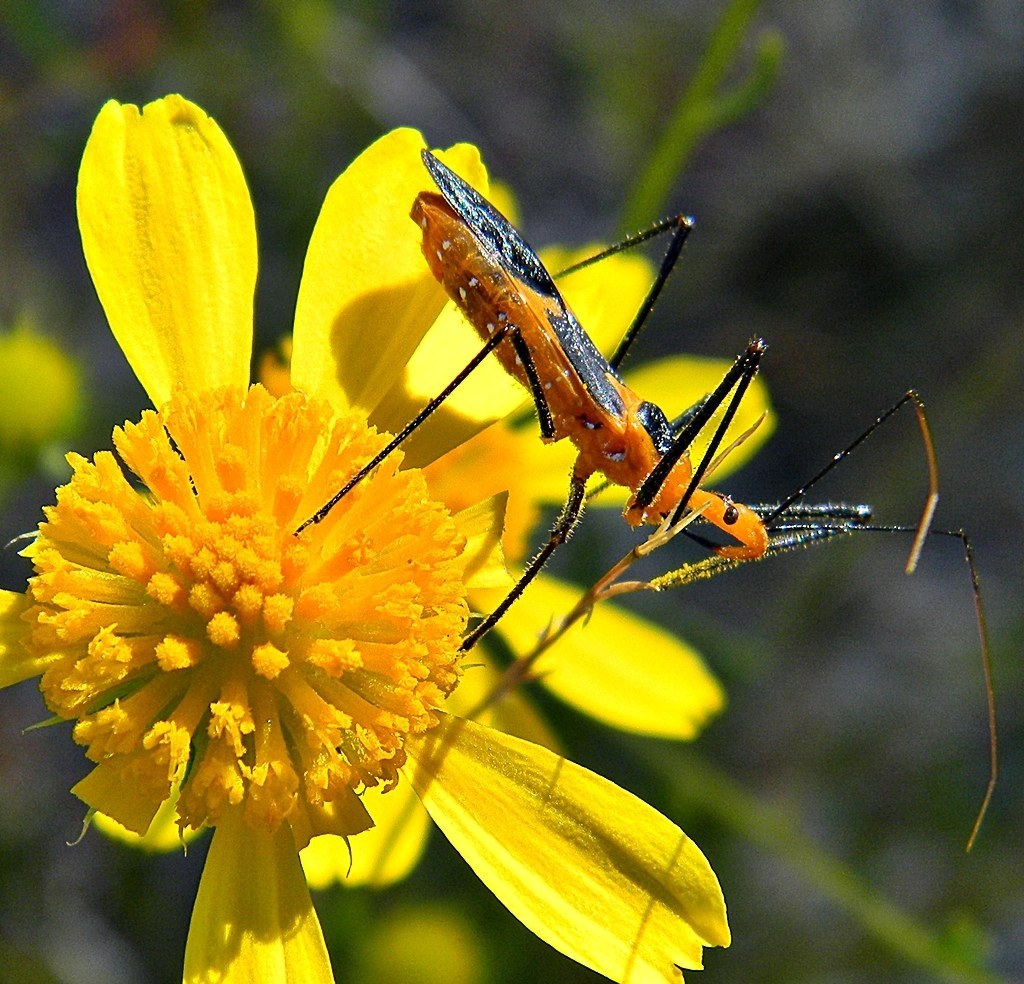
Assassin Bug
Gardens, meadows, and vegetation worldwide
Water Boatman Bug
Ponds, lakes, and slow-moving freshwater
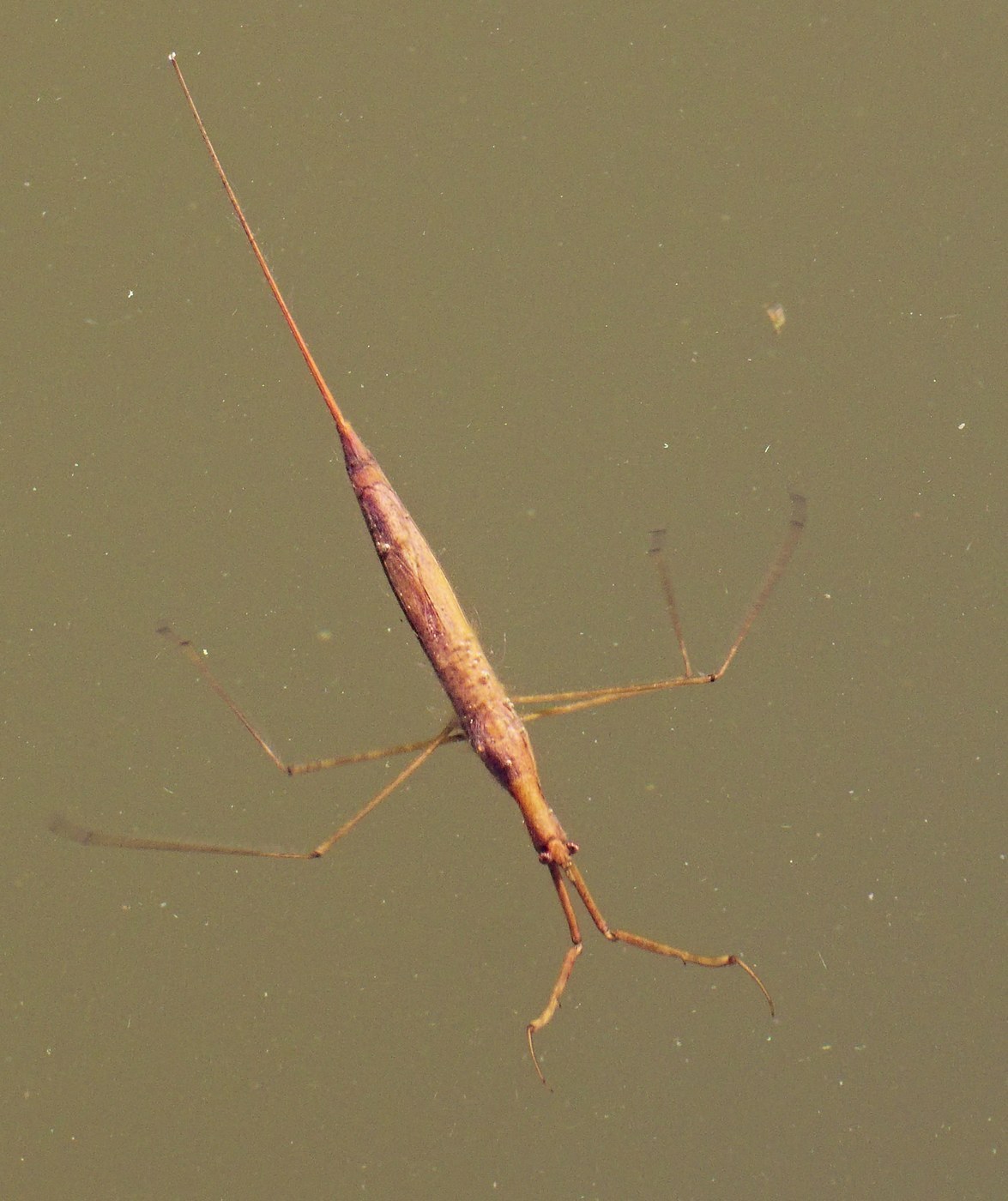
Water Stick Insect
Still and slow-moving water with dense submerged vegetation
Rough Stink Bug
Tree bark, woodlands, orchards, and shrubby vegetation
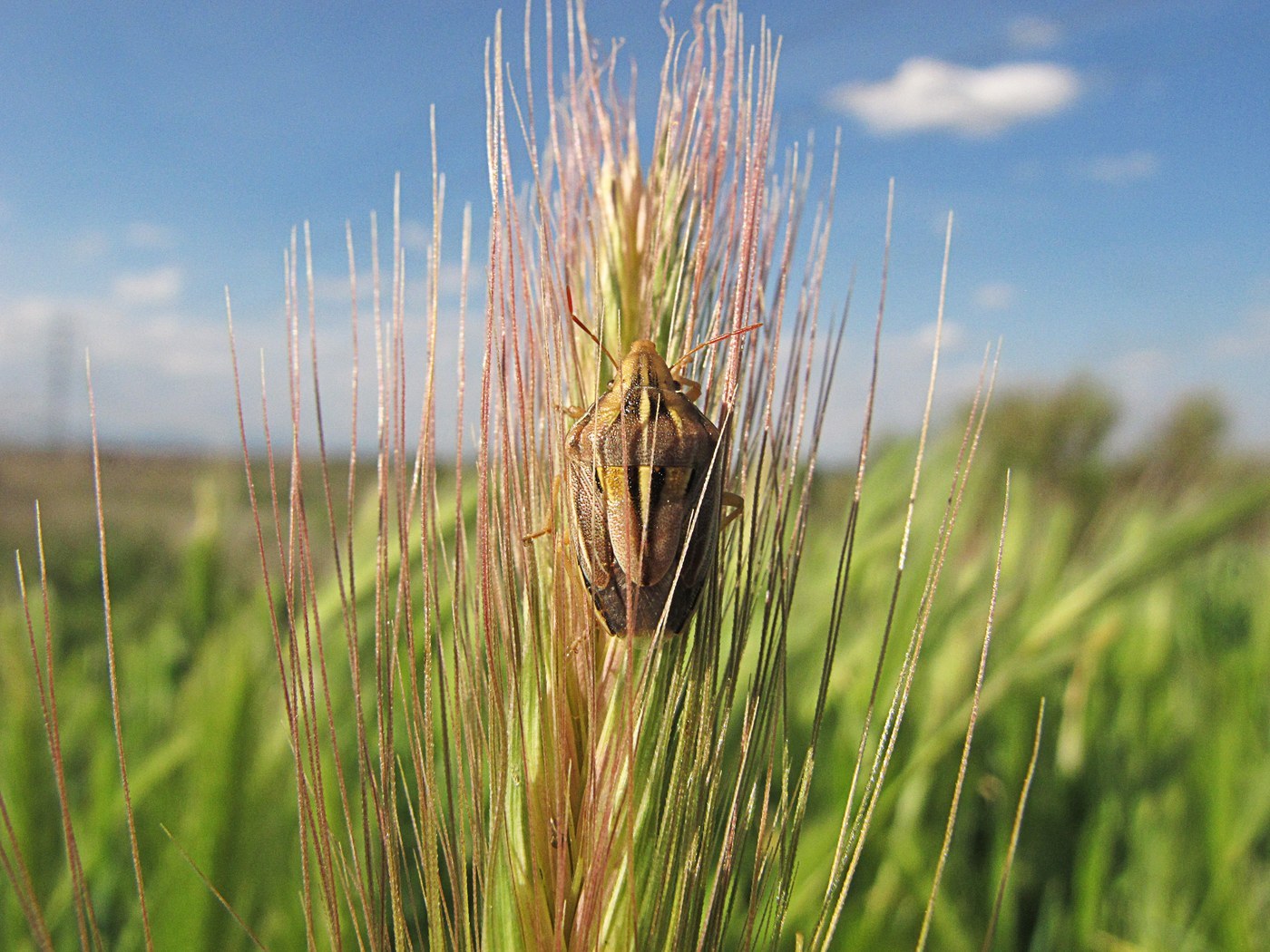
Stink Bug
Gardens, crop fields, and woodlands across temperate and subtropical regions
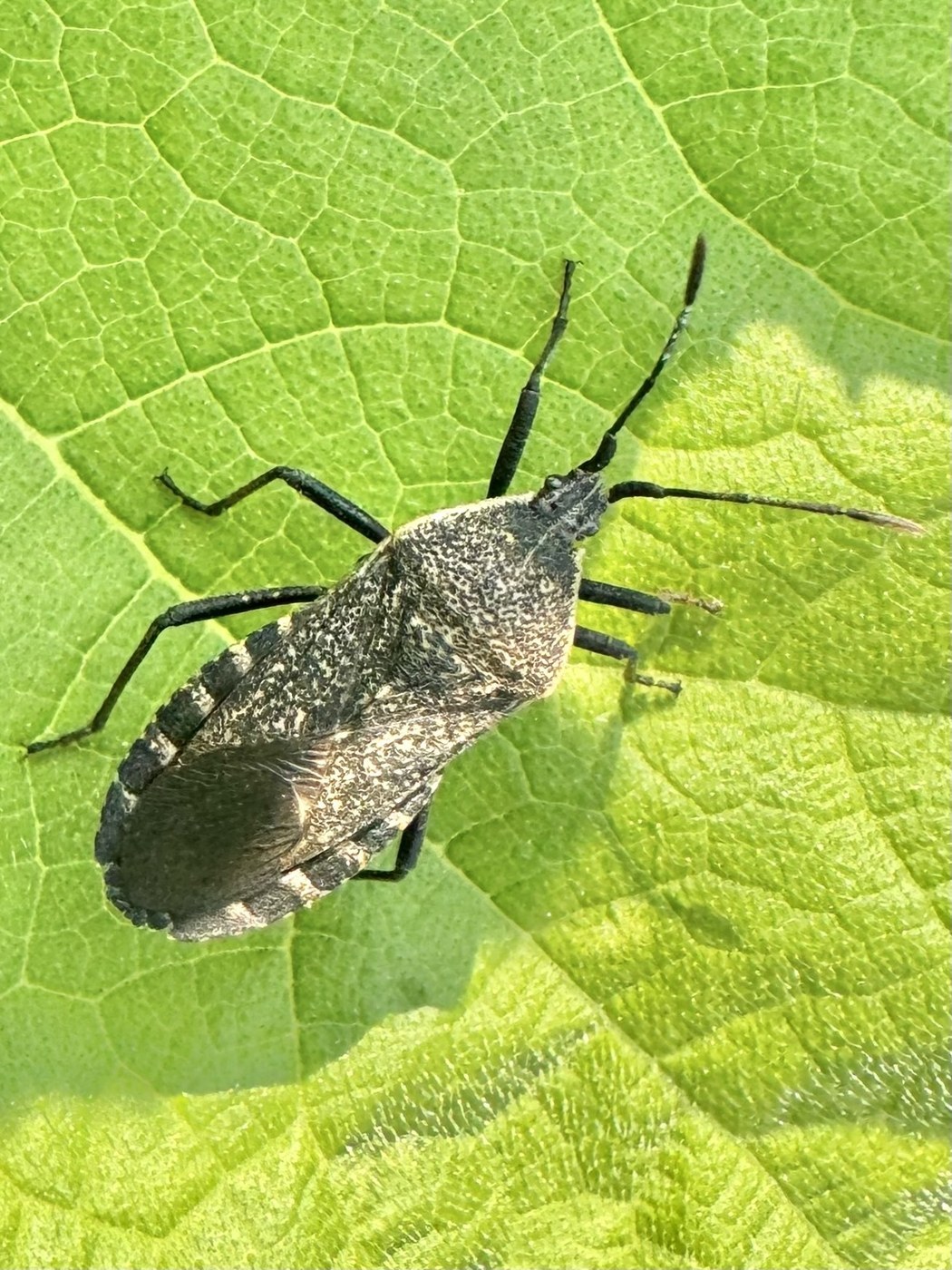
Squash Bug
Vegetable gardens and farm fields growing squash, pumpkin, and other cucurbits
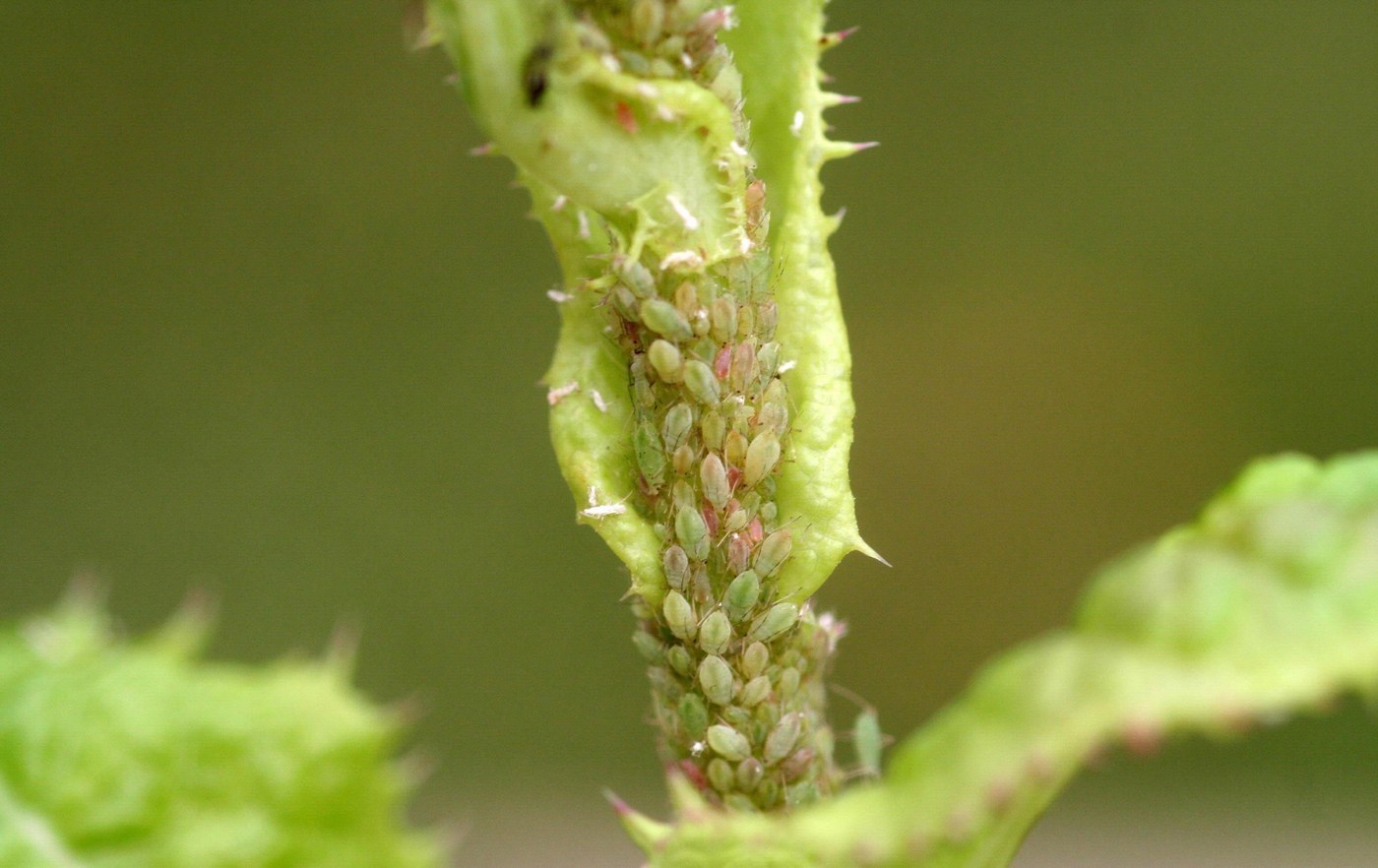
Aphid
On stems, leaves, and buds of a very wide range of host plants
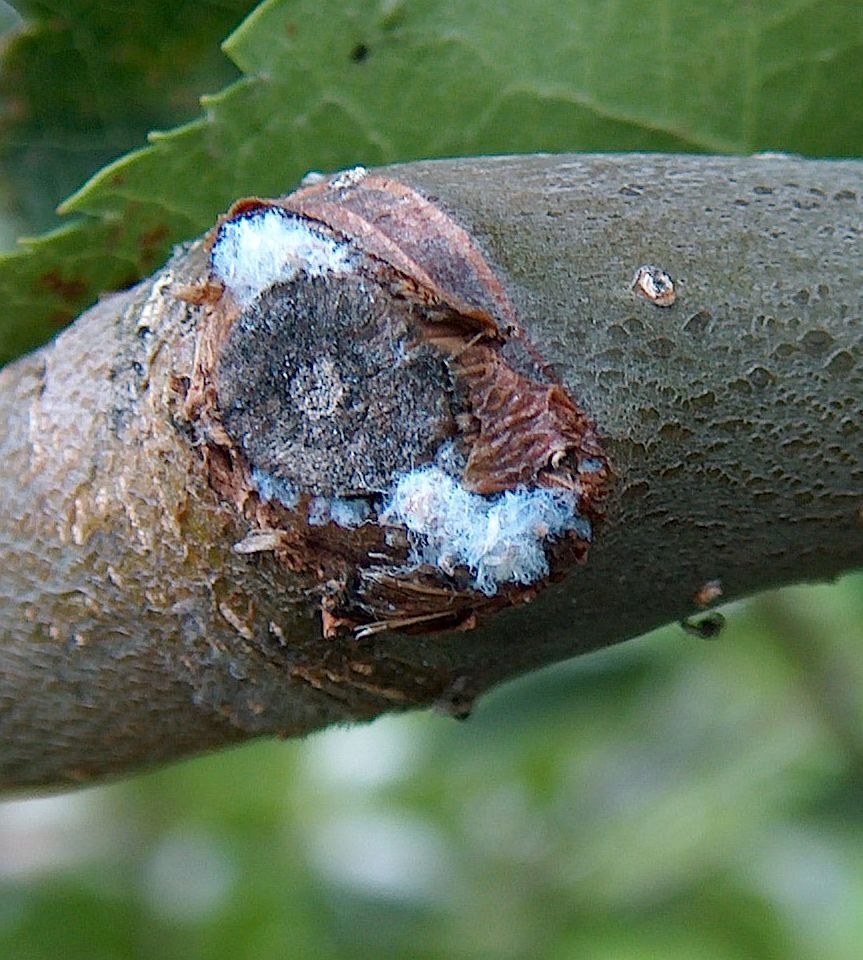
Woolly Aphid
Bark crevices, root collars, and twigs of apple, elm, and alder trees
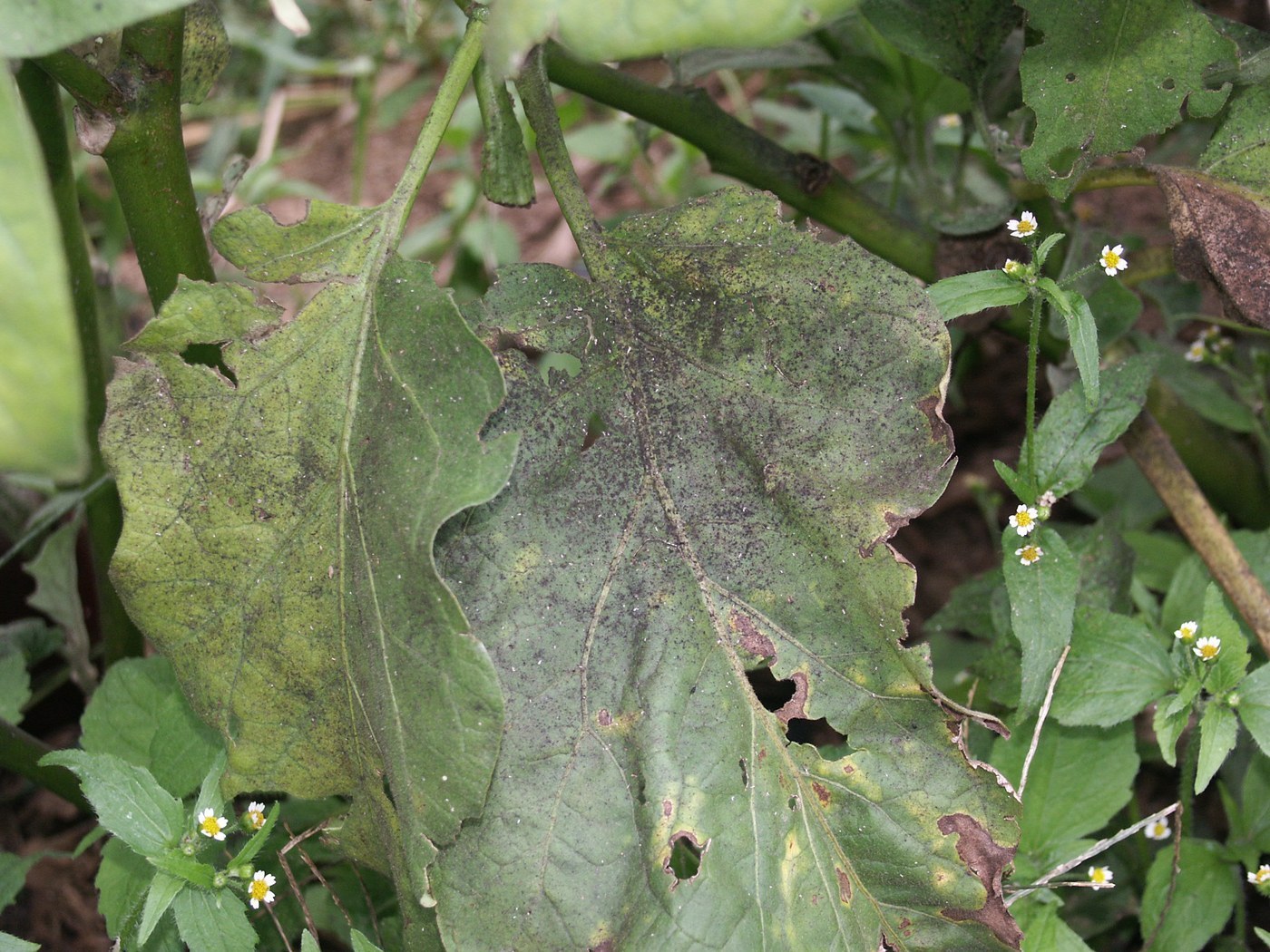
Whitefly
Greenhouses, gardens, and undersides of leaves on host plants
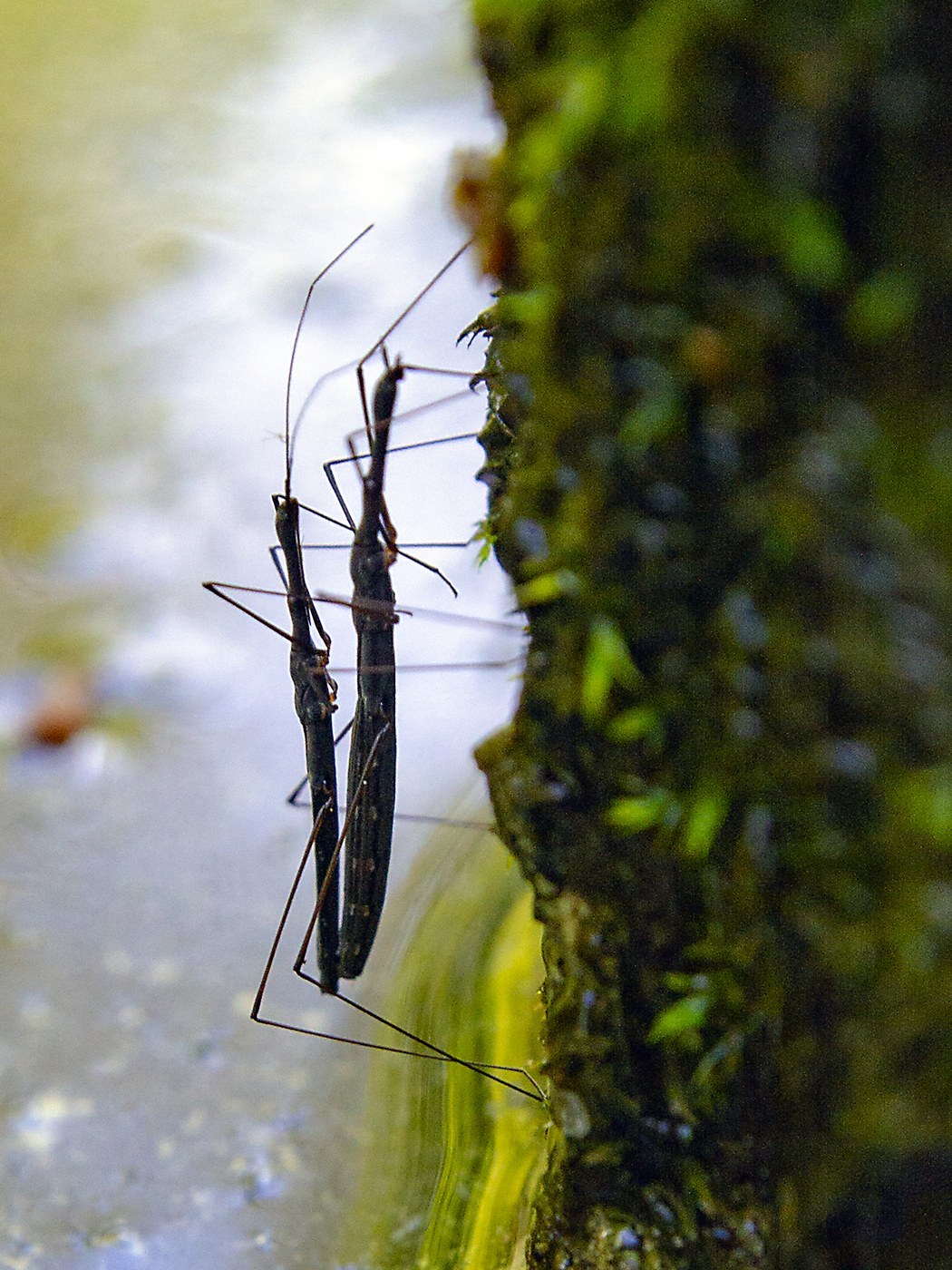
Water Measurer
Quiet edges of ponds, marshes, and slow streams
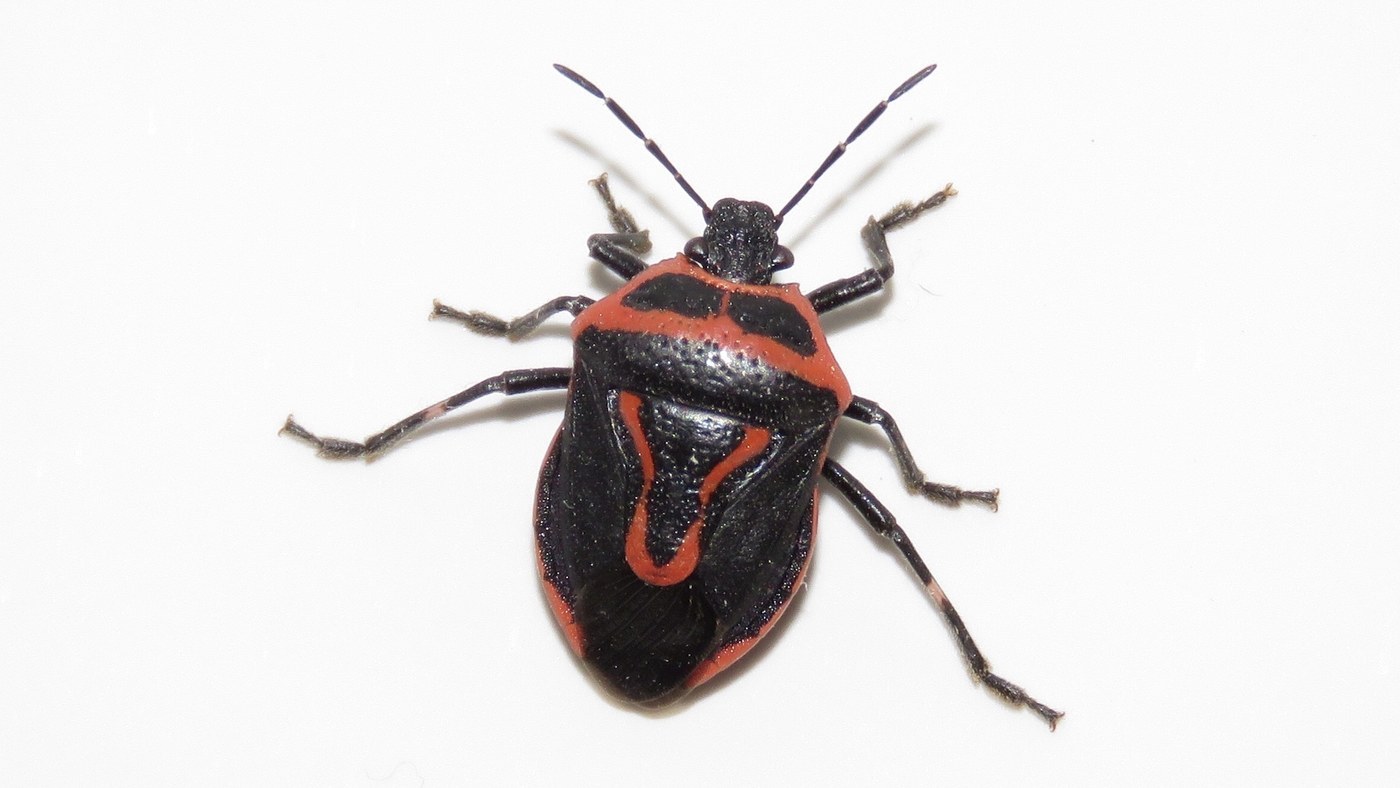
Two-Spotted Stink Bug
Gardens and fields with potato and nightshade-family plants