
Monarch Caterpillar
Danaus plexippus
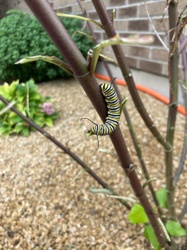
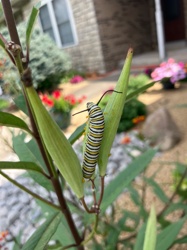
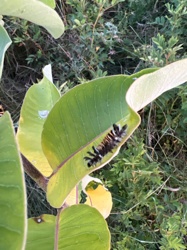
A boldly banded caterpillar in white, yellow, and black stripes, unmistakable as it munches its way through milkweed leaves before transforming into North America's most famous migratory butterfly.
- Size
- up to 5 cm (2 in) long
- Habitat
- Milkweed plants in meadows, gardens, and roadsides
- Danger
- Harmless
Spotted a bug like this?
Identify any bug or insect from a photo, free.
Overview
The monarch caterpillar is the larval stage of the monarch butterfly, one of the most recognizable and widely studied insects in North America. Its vivid banded pattern of black, yellow, and white stripes advertises its diet of milkweed, the sole host plant for this species, from which it sequesters plant compounds that make it distasteful to many predators.
Monarch caterpillars are an essential link in the monarch's remarkable life story, which includes a multi-generational migration spanning thousands of miles across North America. Because the species depends entirely on milkweed for larval development, its presence is closely tied to the health and availability of milkweed habitat across its range.
How to Identify
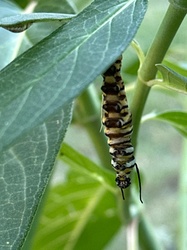
- Smooth, cylindrical body banded in alternating black, white, and yellow stripes running the length of the body
- Two pairs of soft, fleshy black tentacle-like filaments, one longer pair near the head and a shorter pair near the rear
- No true horn or spine, unlike many sphinx moth caterpillars
- Grows from about 2 mm at hatching to roughly 5 cm at full size
- Always found on or near milkweed plants, its exclusive host
- Lacks hairs or spines, distinguishing it from stinging caterpillar species
Habitat & Range
Found throughout North America wherever milkweed grows, including meadows, prairies, roadsides, and gardens planted with milkweed for pollinator habitat. Monarch caterpillars appear in successive generations from spring through fall across the breeding range, tracking the availability of fresh milkweed growth as the season progresses and the species migrates.
Behavior & Diet
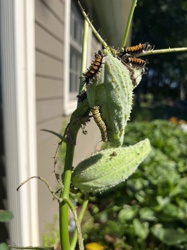
Monarch caterpillars feed exclusively on milkweed leaves, and this specialized diet allows them to sequester cardiac glycosides from the plant, compounds that make both the caterpillar and the adult butterfly distasteful to many predators. They feed almost continuously between molts, often consuming an entire leaf before moving to the next, and can strip small milkweed plants significantly during outbreaks. As pollinator-adjacent insects, monarchs are an important part of grassland and meadow food webs, and their larvae are eaten by a limited number of predators and parasitoids adapted to tolerate the milkweed compounds.
Life Cycle
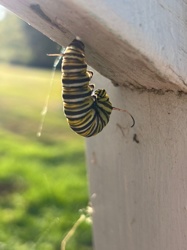
Female monarchs lay single eggs on the undersides of milkweed leaves, and the tiny caterpillar that hatches passes through five instars, molting and growing larger at each stage over about two weeks. At the end of the final instar, the caterpillar forms a jade-green chrysalis trimmed with gold, from which the adult butterfly emerges after roughly 10 to 14 days. Monarchs produce several generations each summer, with the final generation of the year undertaking a long-distance migration to overwintering sites in Mexico or coastal California.
Frequently asked questions
What do monarch caterpillars eat?
They feed exclusively on milkweed plants, which is the only host plant on which they can complete development.
How can I identify a monarch caterpillar?
Look for the bold black, white, and yellow banded stripes and the two pairs of soft black filaments near the head and tail.
How long does it take a monarch caterpillar to become a butterfly?
The caterpillar stage lasts about two weeks, followed by roughly 10 to 14 days as a chrysalis before the adult emerges.
Why are monarch caterpillars only found on milkweed?
They are host-plant specialists that rely on milkweed for both food and the chemical compounds that make them unpalatable to predators.
Monarch Caterpillar guides
In-depth guides for identifying, understanding, and living alongside Monarch Caterpillar.
Monarch Caterpillar identified by the community
Real finds identified with Bug Identifier.
Other bugs you may enjoy
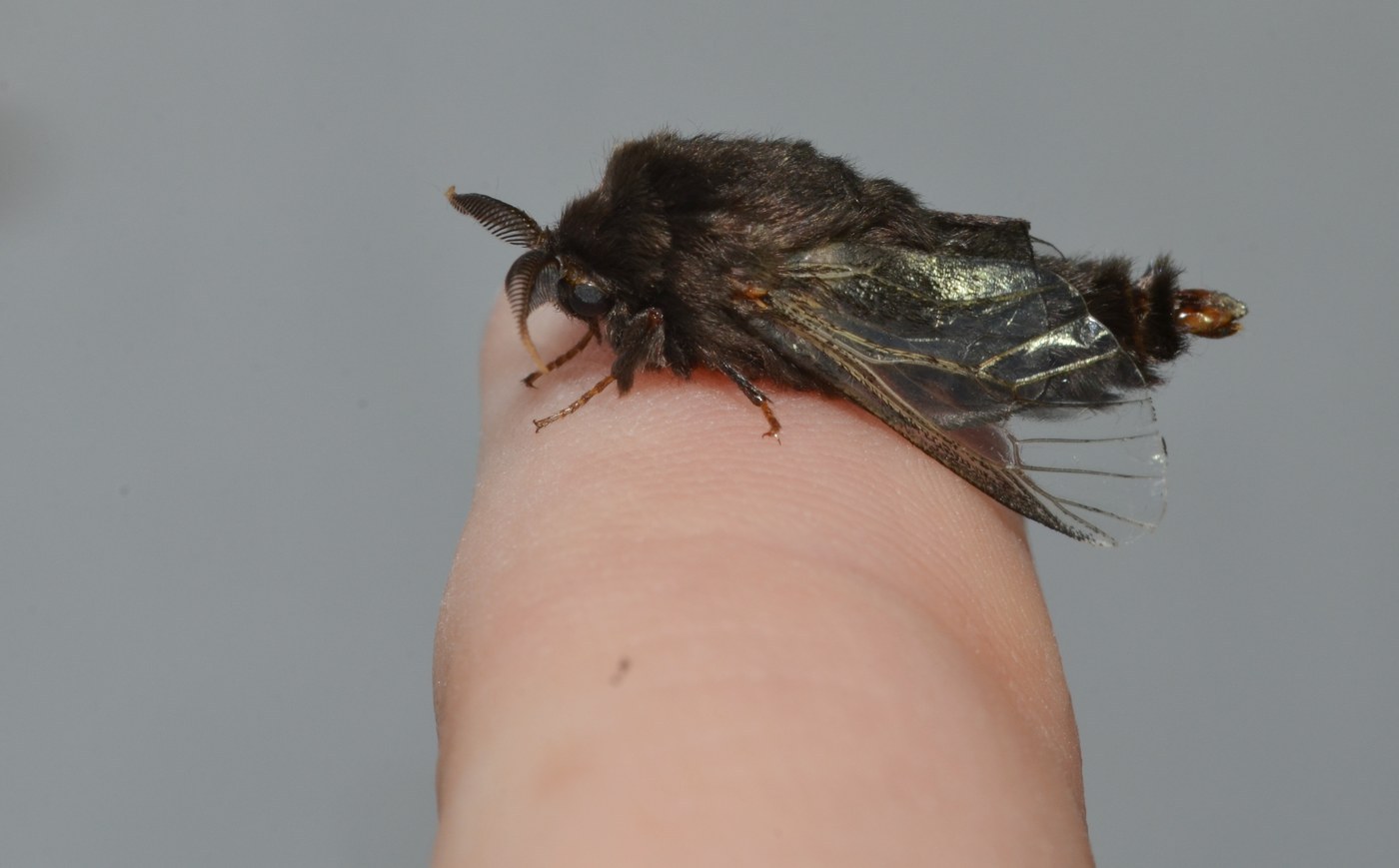
Bagworm
Trees and shrubs, especially conifers and ornamental landscaping
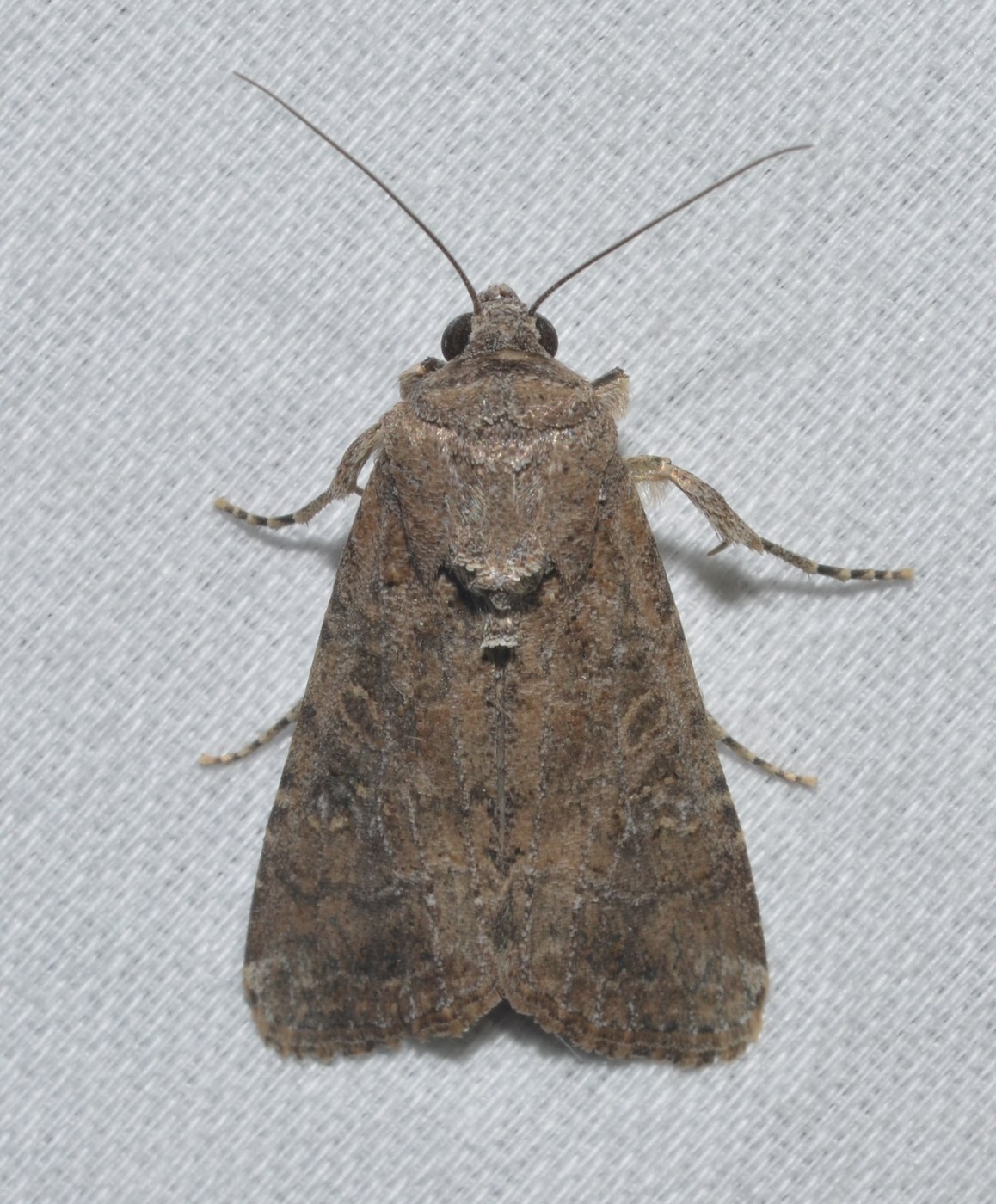
Armyworm
grasslands, pastures, and cereal crop fields
Zebra Longwing Caterpillar
Tropical and subtropical hammocks with passionflower vines
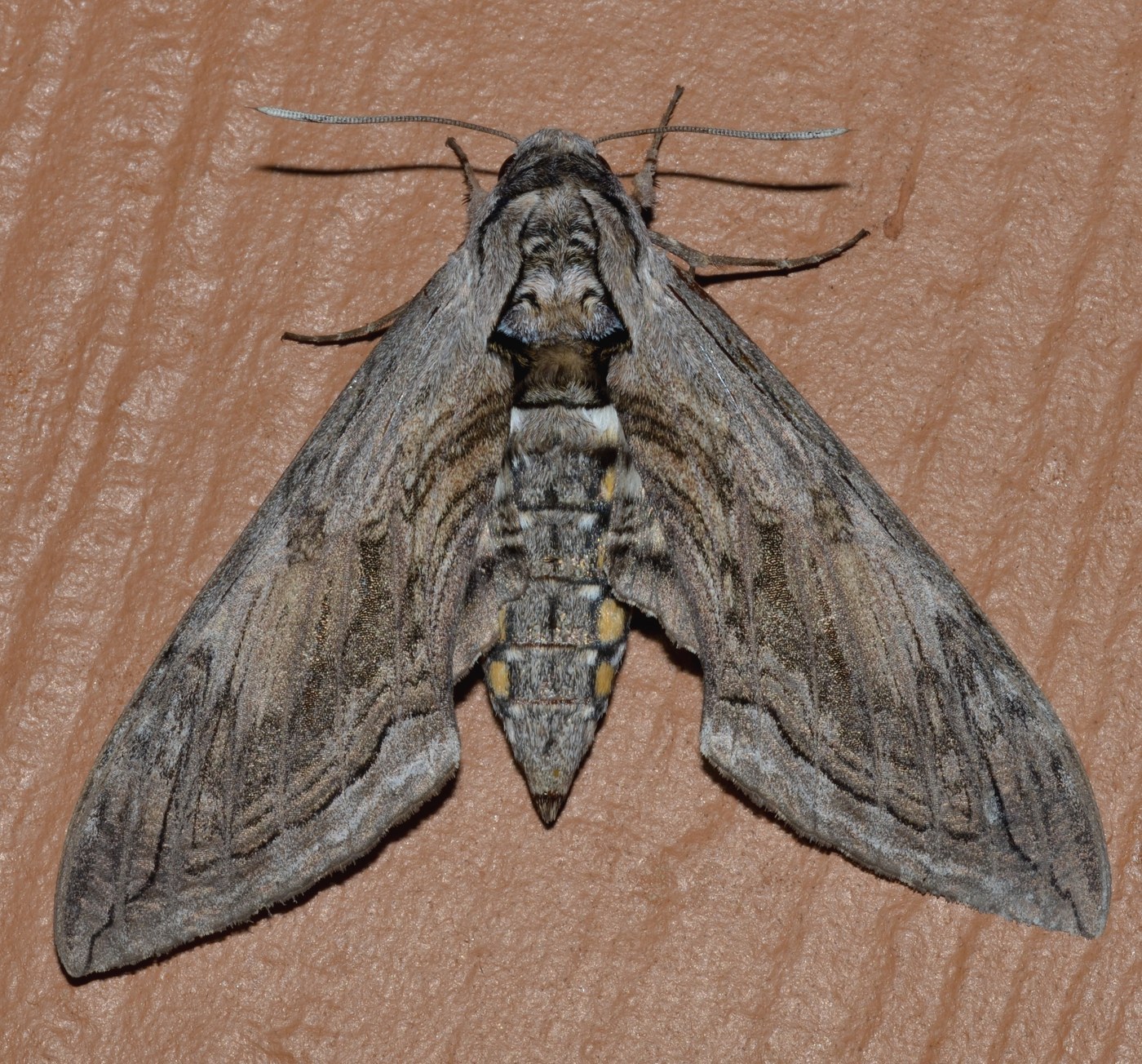
Tomato Hornworm
Gardens and fields with tomato, pepper, and other nightshade plants
Tent Caterpillar
Deciduous trees such as cherry, apple, and other rosaceous species
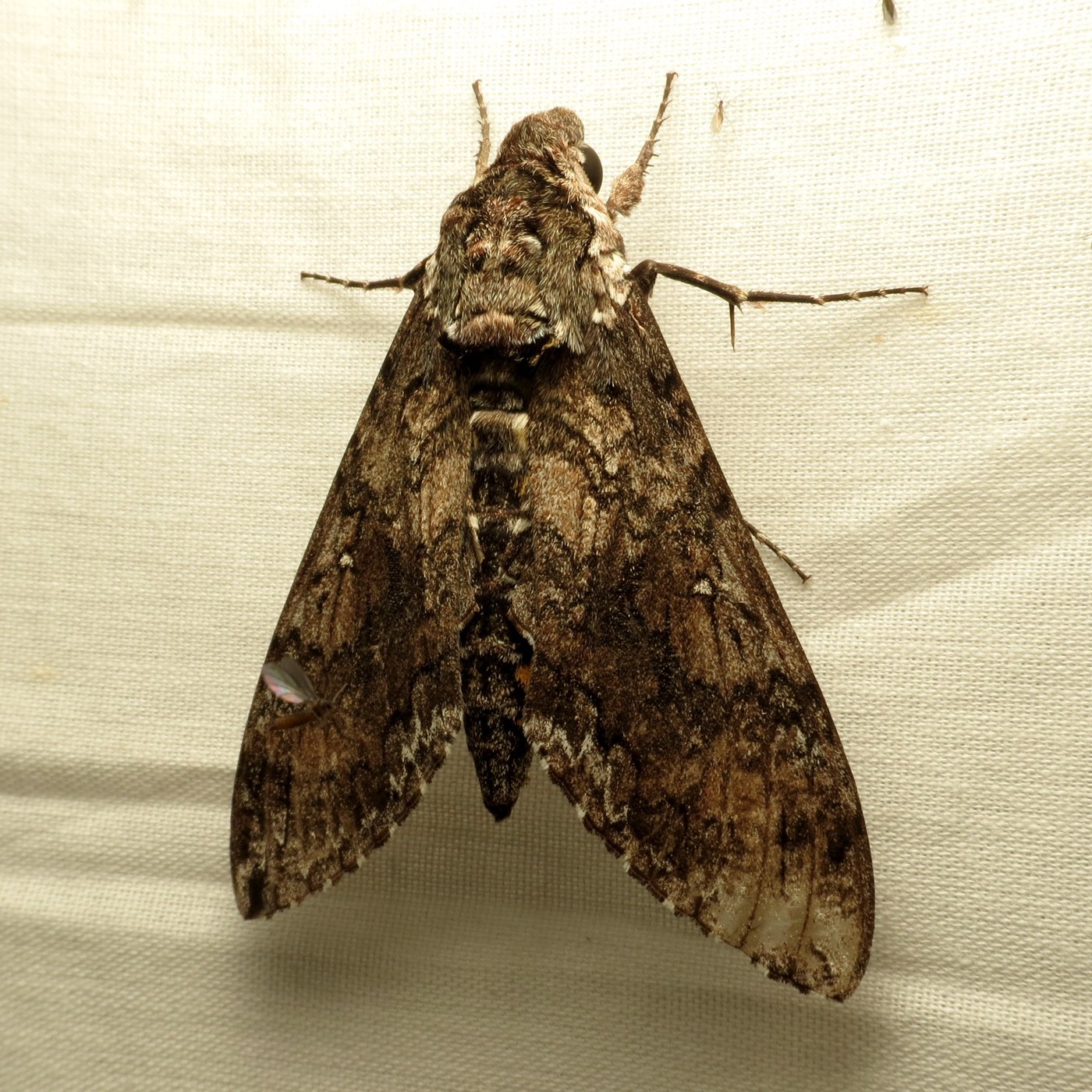
Tobacco Hornworm
tobacco, tomato, and pepper plants in gardens and fields
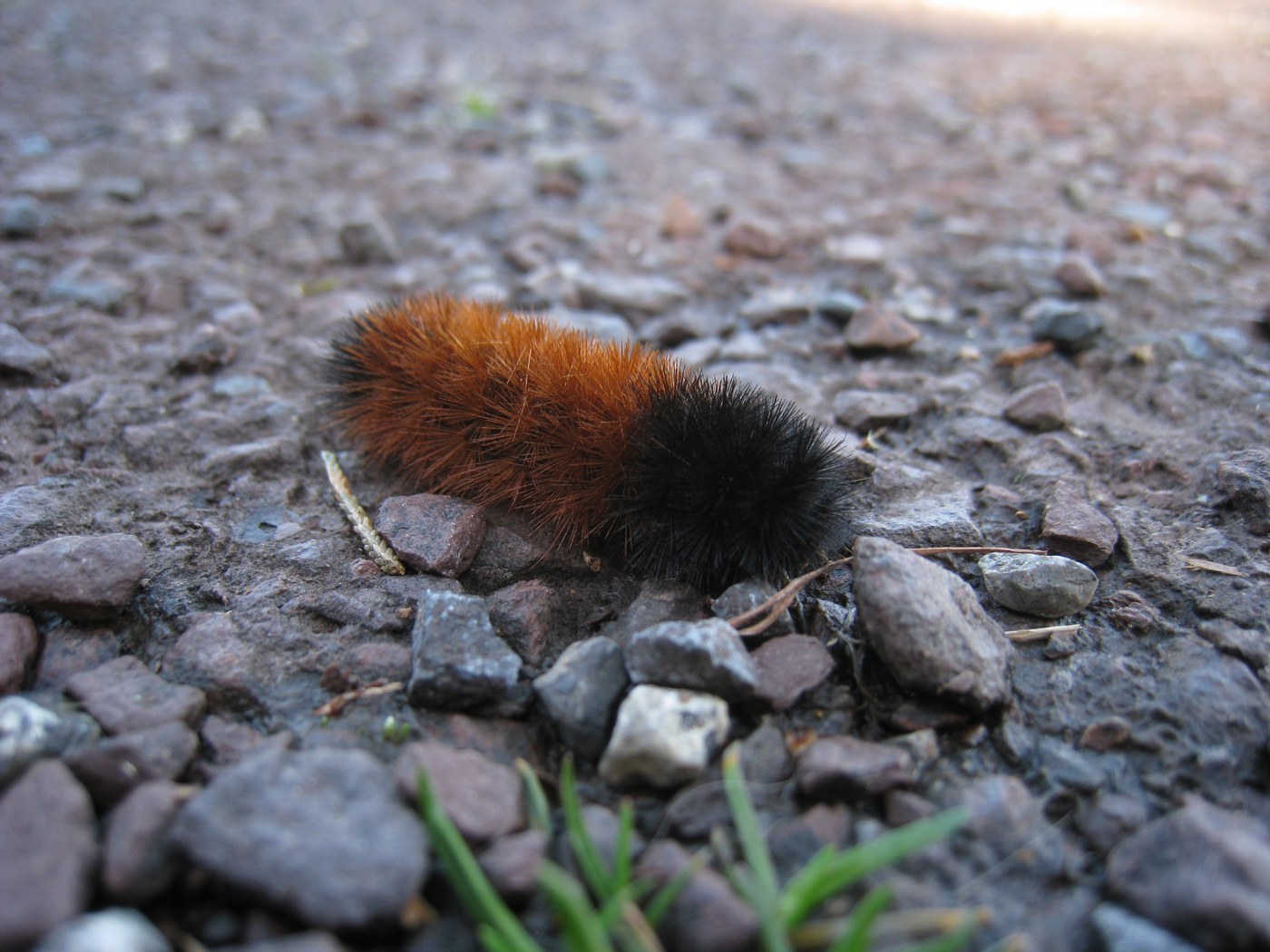
Woolly Bear Caterpillar
Gardens, meadows, roadsides, and woodland edges across North America
Sod Webworm
Turfgrass lawns, golf courses, pastures
Spiny Oak-slug Caterpillar
Deciduous forests and woodland edges with oak and other hardwoods
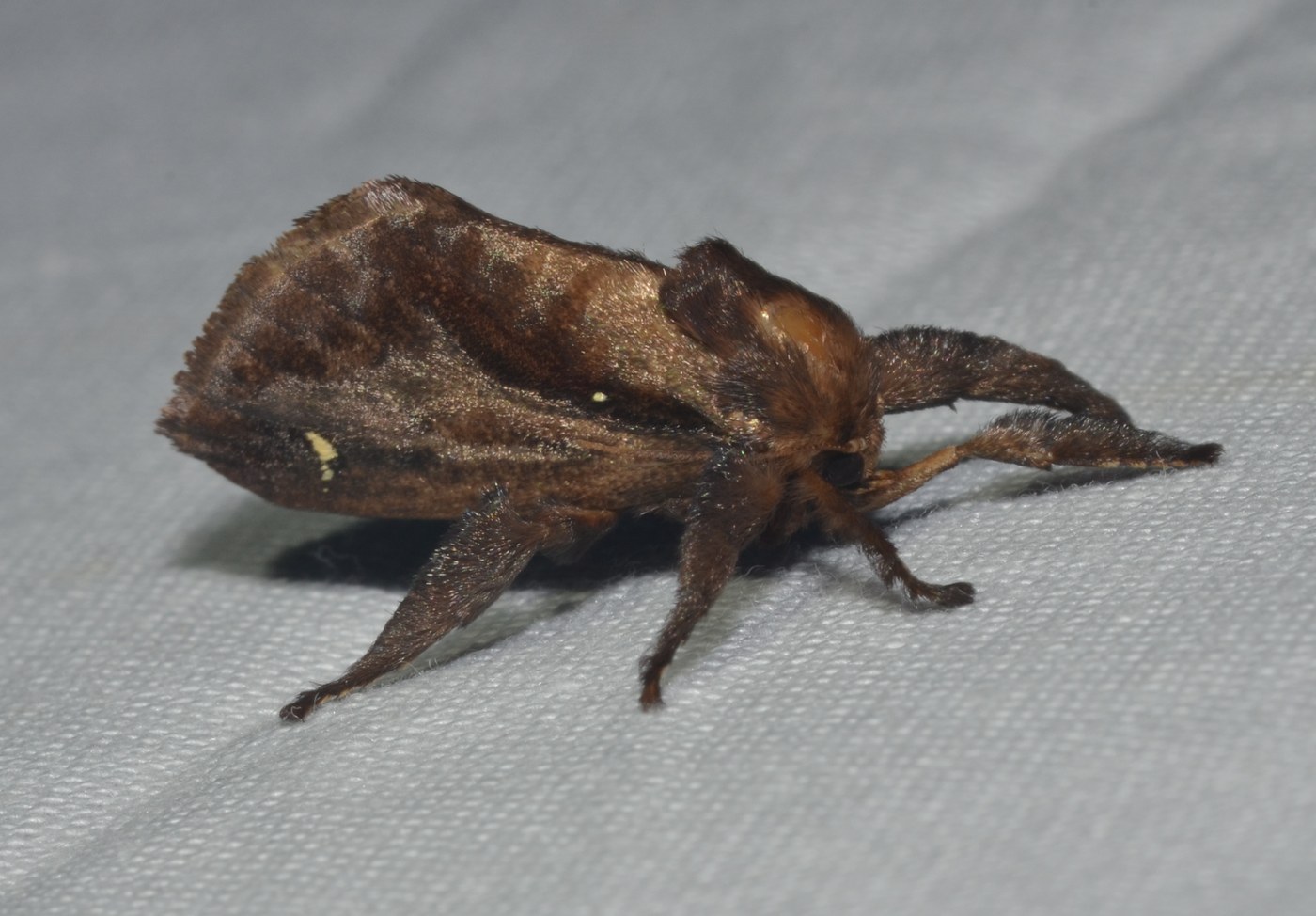
Saddleback Caterpillar
Deciduous trees and shrubs in eastern and southern North America
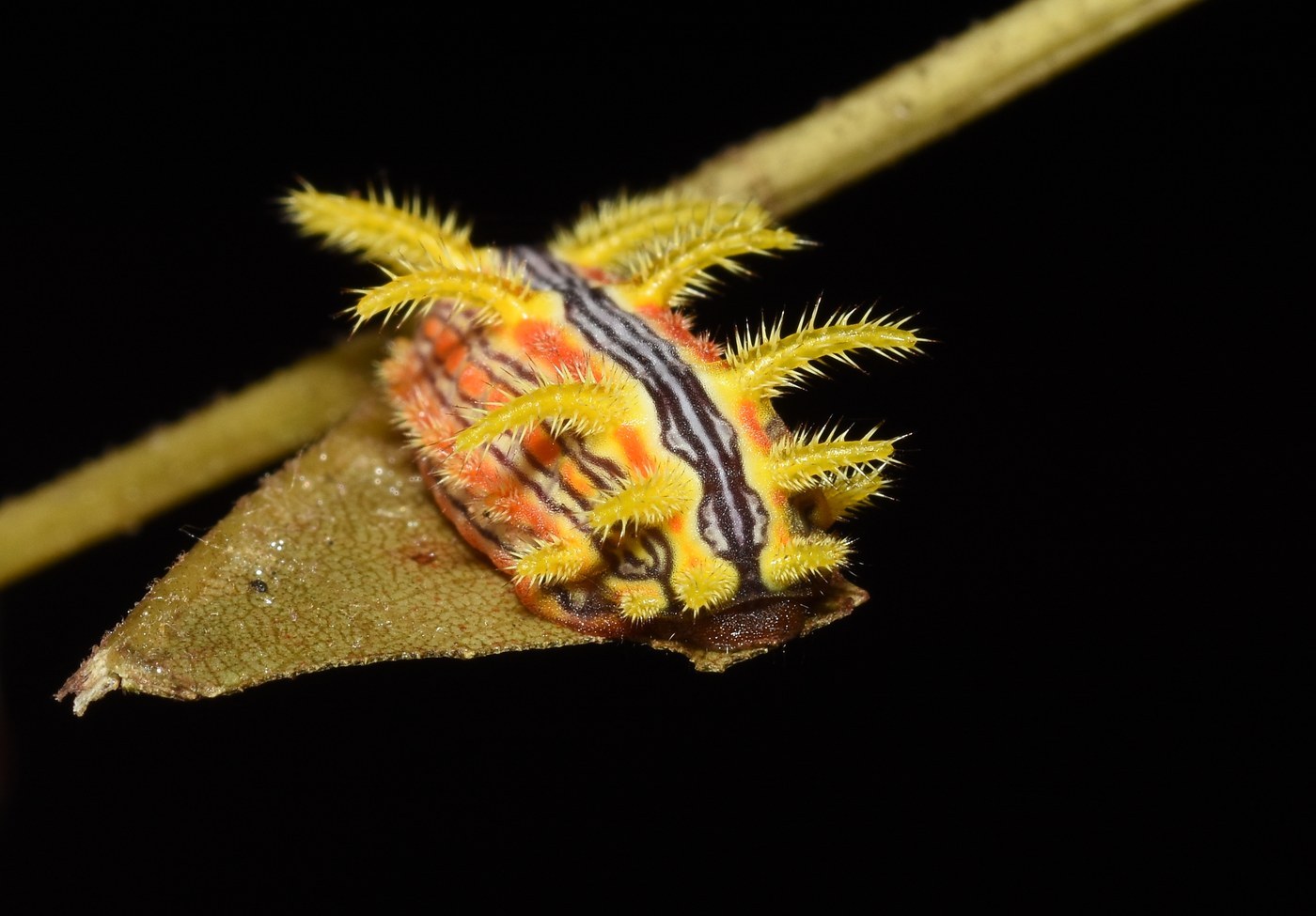
Stinging Rose Caterpillar
Gardens and woodlands with rose, dogwood, or oak
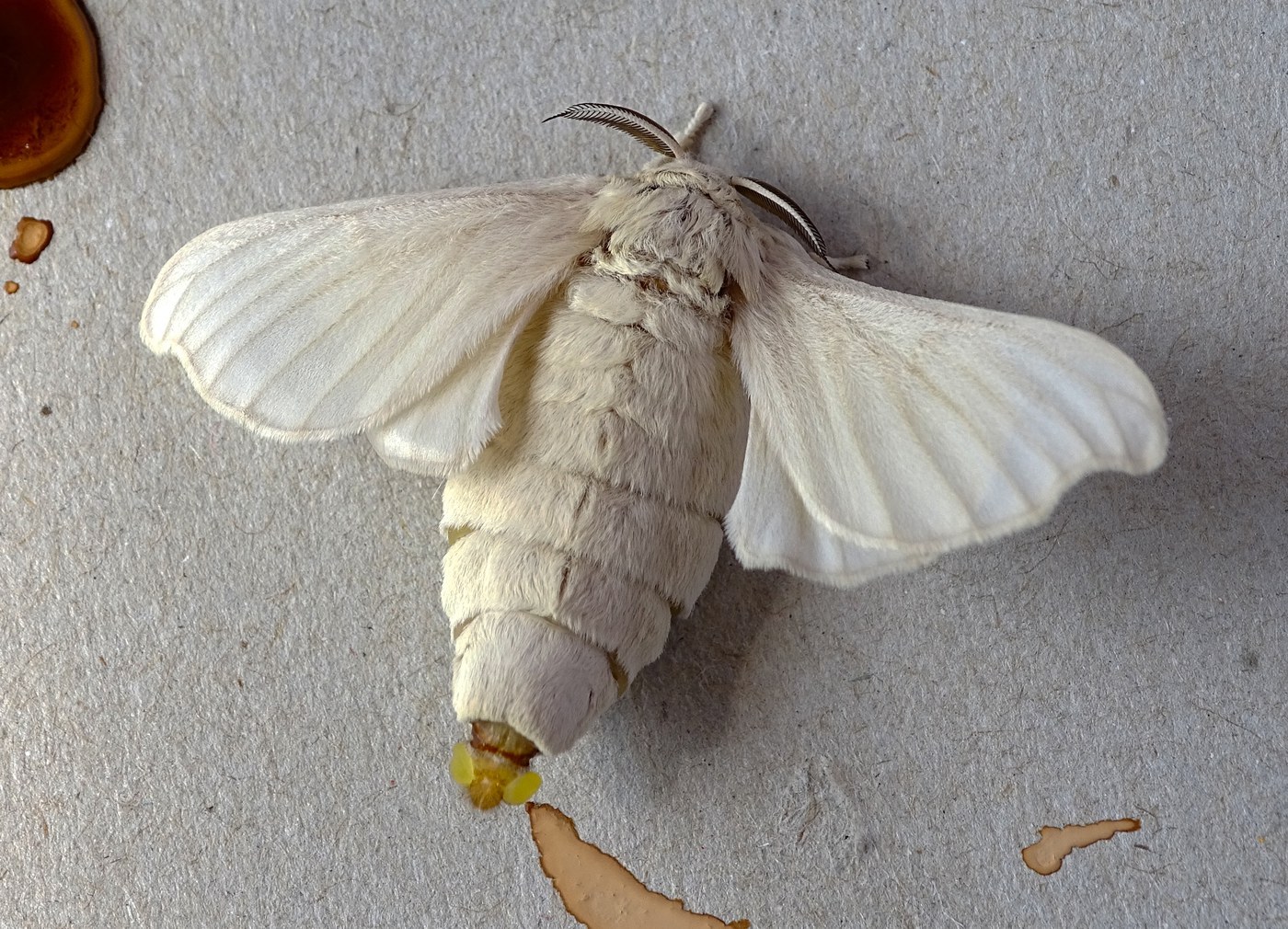
Silkworm
Reared exclusively in captivity on mulberry leaves; no independent wild population