
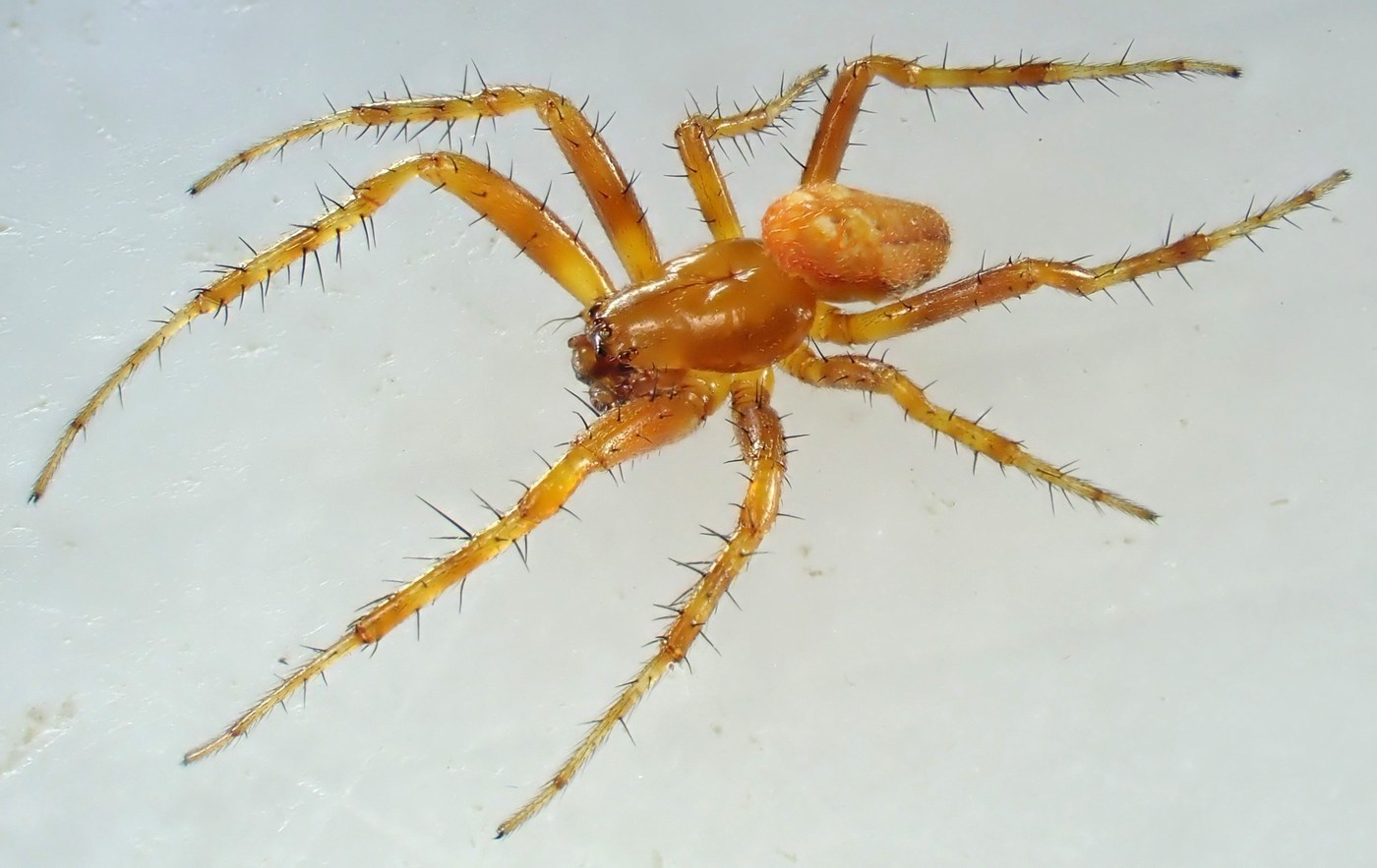
Orb Weaver Spider
Araneus spp.
A stout-bodied spider best known for spinning the classic, near-perfect circular "orb" web strung between plants, eaves, or fences, often rebuilt fresh each night.
- Size
- Body 5–25 mm depending on species
- Habitat
- Gardens, woodland edges, meadows, and structures where large webs can be anchored
- Danger
- Mildly venomous
Spotted a bug like this?
Identify any bug or insect from a photo, free.
Overview
Orb weaver spiders belong to the family Araneidae, one of the largest spider families, encompassing thousands of species worldwide that share the habit of constructing the iconic wheel-shaped orb web. Body shapes and colors vary enormously across the family, from plain brown or gray species to strikingly patterned or spiny-abdomened ones.
These spiders are especially notable for the architectural precision of their webs, which are engineered from radiating spokes and a tightly spiraled, sticky capture thread, representing one of the most efficient insect-trapping structures in nature. Many species rebuild their web nightly, consuming the old silk to recycle its proteins.
Ecologically, orb weavers are important predators of flying and jumping insects in gardens, fields, and forest edges, helping regulate populations of flies, moths, and other small arthropods, and in turn serve as prey for birds and larger predators.
How to Identify
- Robust, often rounded or angular abdomen that can be plain, mottled, spotted, or boldly patterned depending on species; body length commonly 5–25 mm.
- Eight legs typically held in a distinctive zigzag or X-shaped resting posture at the web's hub.
- Spins a large, symmetrical, wheel-like orb web with spoke-like radial threads and a spiral capture thread, often rebuilt overnight.
- Coloration ranges widely by species, from dull browns and grays (camouflaged types) to vivid patterned forms.
- Lookalikes: garden spider/Argiope species (which build a similar orb web but add a distinctive zigzag silk stabilimentum) and other web-building spiders; web shape and the zigzag leg posture are the most reliable identification clues for this family generally.
Habitat & Range
Orb weavers are found nearly worldwide, occupying gardens, meadows, woodland edges, and structures like porches, fences, and eaves where an anchored web can be strung between supports. Many species are most conspicuous in late summer and fall when they reach full size and their large webs become more noticeable.
They typically favor sites with reliable insect traffic, such as near outdoor lighting, flowering plants, or open flight paths, and often rest at the web's hub or in a nearby retreat during the day, becoming active builders and hunters chiefly at dusk and night.
Behavior & Diet
Orb weavers are sit-and-wait predators that construct a sticky spiral web to intercept flying insects, then rush out along the web to subdue and wrap captured prey in silk before feeding. Many species rebuild all or part of their orb web each evening, consuming the old silk before spinning fresh strands, a behavior that conserves the energetically costly silk proteins.
They feed on a wide range of flying and jumping insects such as flies, moths, beetles, and grasshoppers, making them significant predators within garden and field insect communities. Most species are solitary and largely inactive by day, becoming most active builders and feeders at night.
Life Cycle
Females lay eggs in a silk-wrapped egg sac, often attached to vegetation, bark, or a sheltered structure, sometimes in autumn with the eggs overwintering until spring. Spiderlings hatch as miniature versions of the adult and undergo incomplete metamorphosis, growing through repeated molts without a larval or pupal stage.
Many temperate species complete one generation per year, hatching in spring, maturing through summer, and reaching peak size by late summer or fall, when webs are largest and most noticeable. Overwintering typically occurs in the egg stage, protected within the silk egg sac.
Frequently asked questions
How can I recognize an orb weaver's web?
Orb weaver webs are large, roughly circular, with straight radiating spoke threads and a tightly wound sticky spiral, typically strung vertically between plants or structures.
Why do the webs sometimes disappear by morning?
Many orb weavers eat and rebuild their web nightly, recycling the silk proteins rather than leaving the same web in place indefinitely.
Are all orb weavers brightly colored?
No, coloration varies greatly across the family, from dull camouflaged browns and grays to boldly patterned or spiny species.
How is an orb weaver different from a garden spider?
"Garden spider" usually refers to specific brightly marked orb weaver species (such as those in the genus Argiope) that add a distinctive zigzag silk band to their web, while "orb weaver" is the broader family term covering many species and web styles.
Orb Weaver Spider guides
In-depth guides for identifying, understanding, and living alongside Orb Weaver Spider.
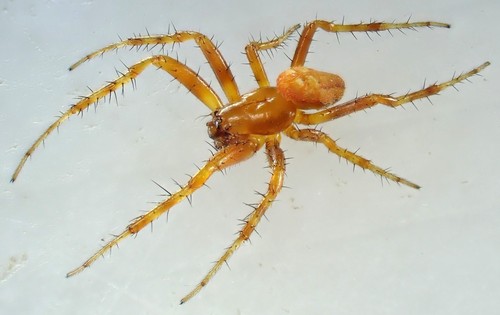
Orb Weaver Spider identified by the community
Real finds identified with Bug Identifier.
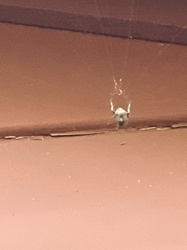
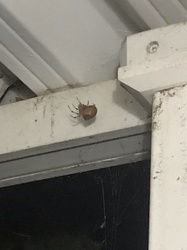
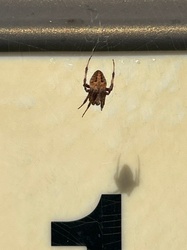
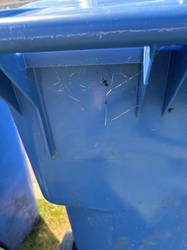
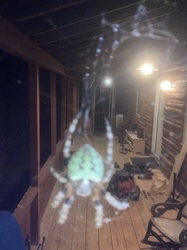
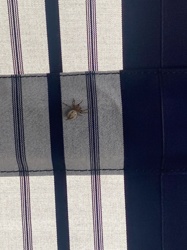
Other bugs you may enjoy
Woodlouse Spider
Damp leaf litter, under logs, stones, and mulch
Wolf Spider
Gardens, grasslands, forests, leaf litter, ground burrows
Wandering Spider
Tropical and subtropical forest floor, foliage, and banana plants
Banded Garden Spider
Tall grass, meadows, and gardens with open sunny vegetation
Banana Spider
Wooded trails, forest edges, and gardens across the southeastern U.S. and the American tropics
Sydney Funnel-web Spider
Burrows in moist soil, gardens, and forested gullies around the Sydney basin of eastern Australia
Trapdoor Spider
Self-dug silk-lined burrows with a camouflaged door, in dry, well-drained soil worldwide
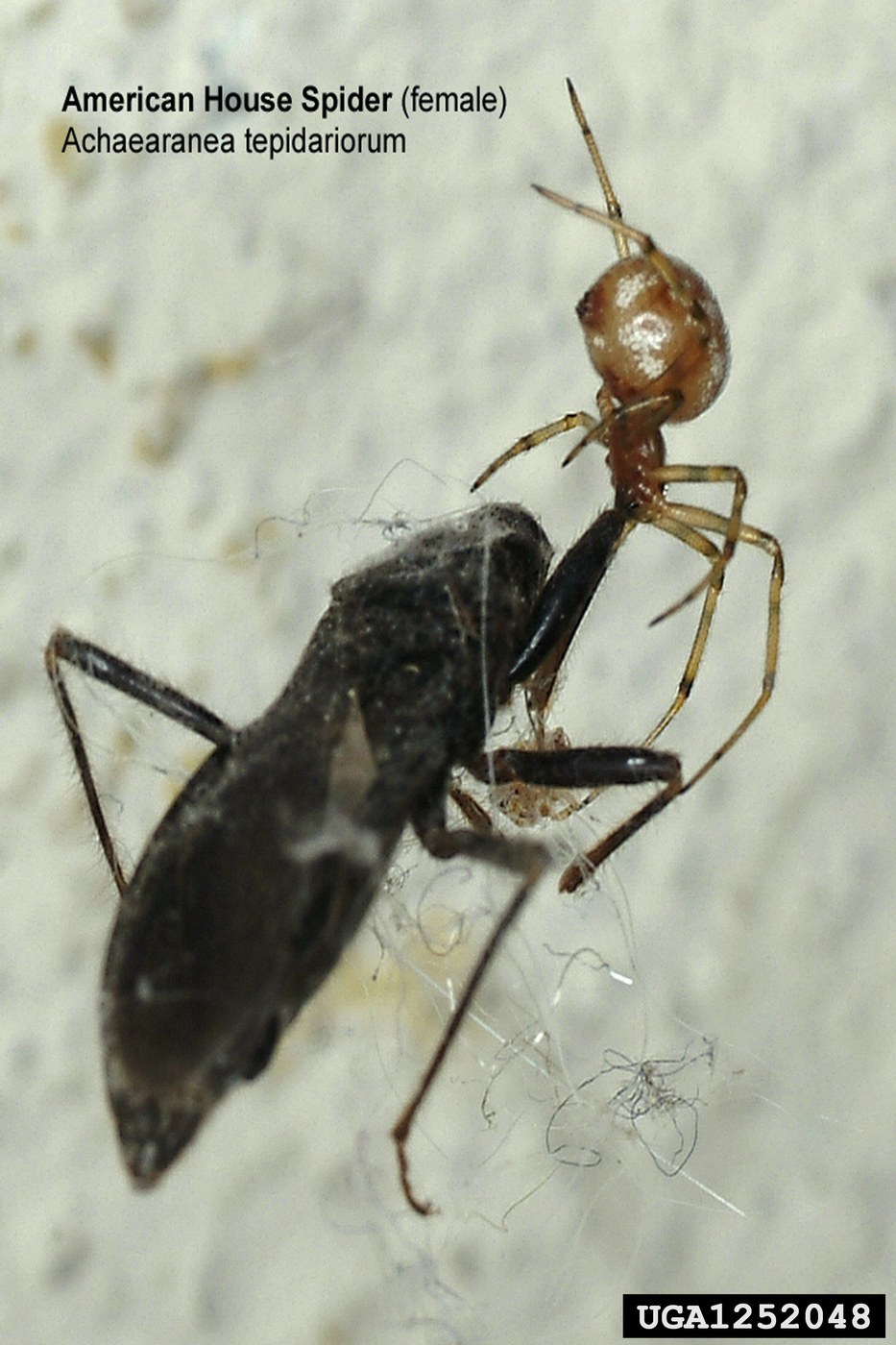
American House Spider
Corners, basements, garages, and outbuildings worldwide
Tube Web Spider
Wall crevices, bark, rockeries, and masonry
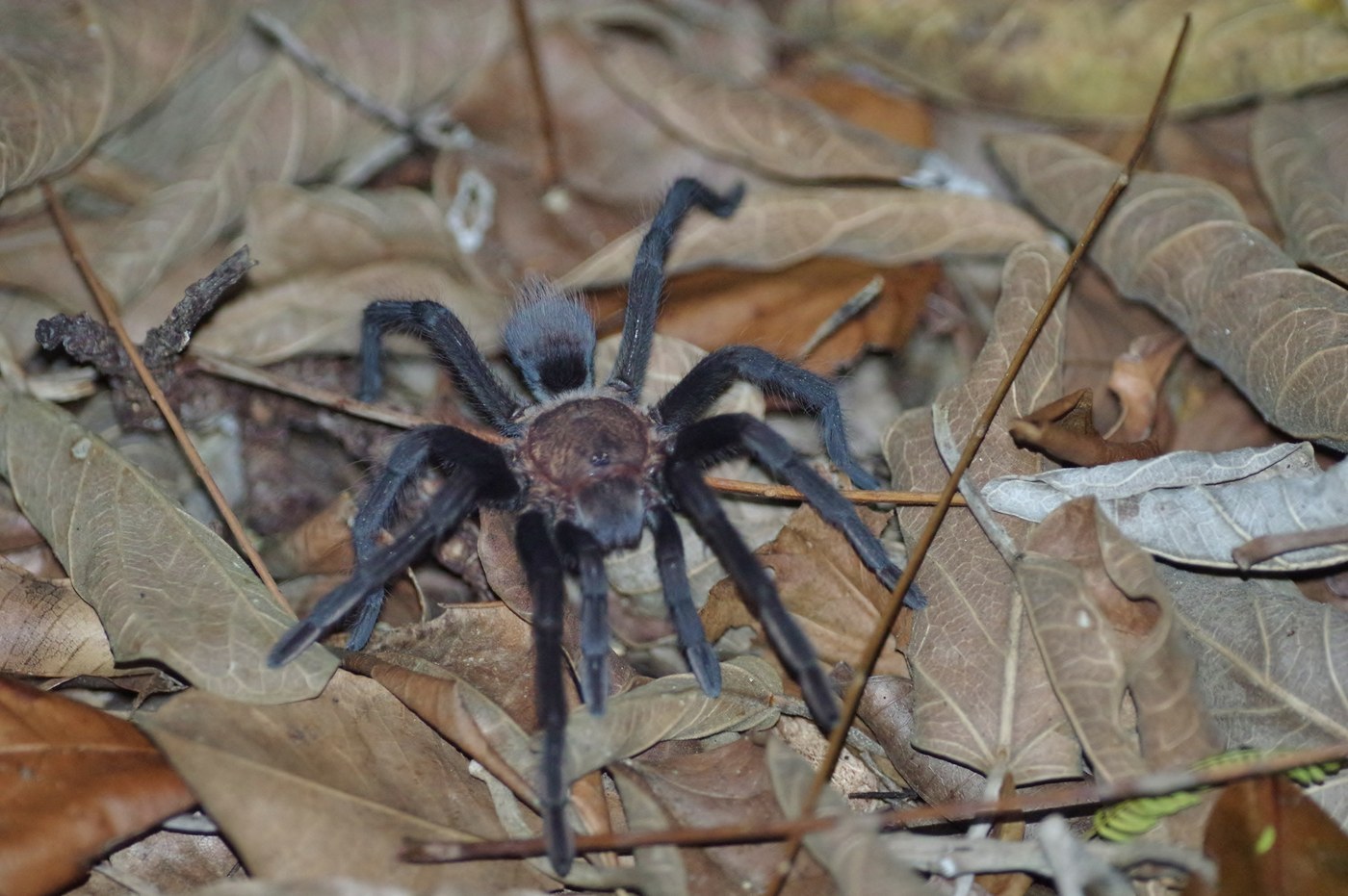
Tarantula
Burrows, rock crevices, and tree hollows in deserts, grasslands, and tropical forests worldwide
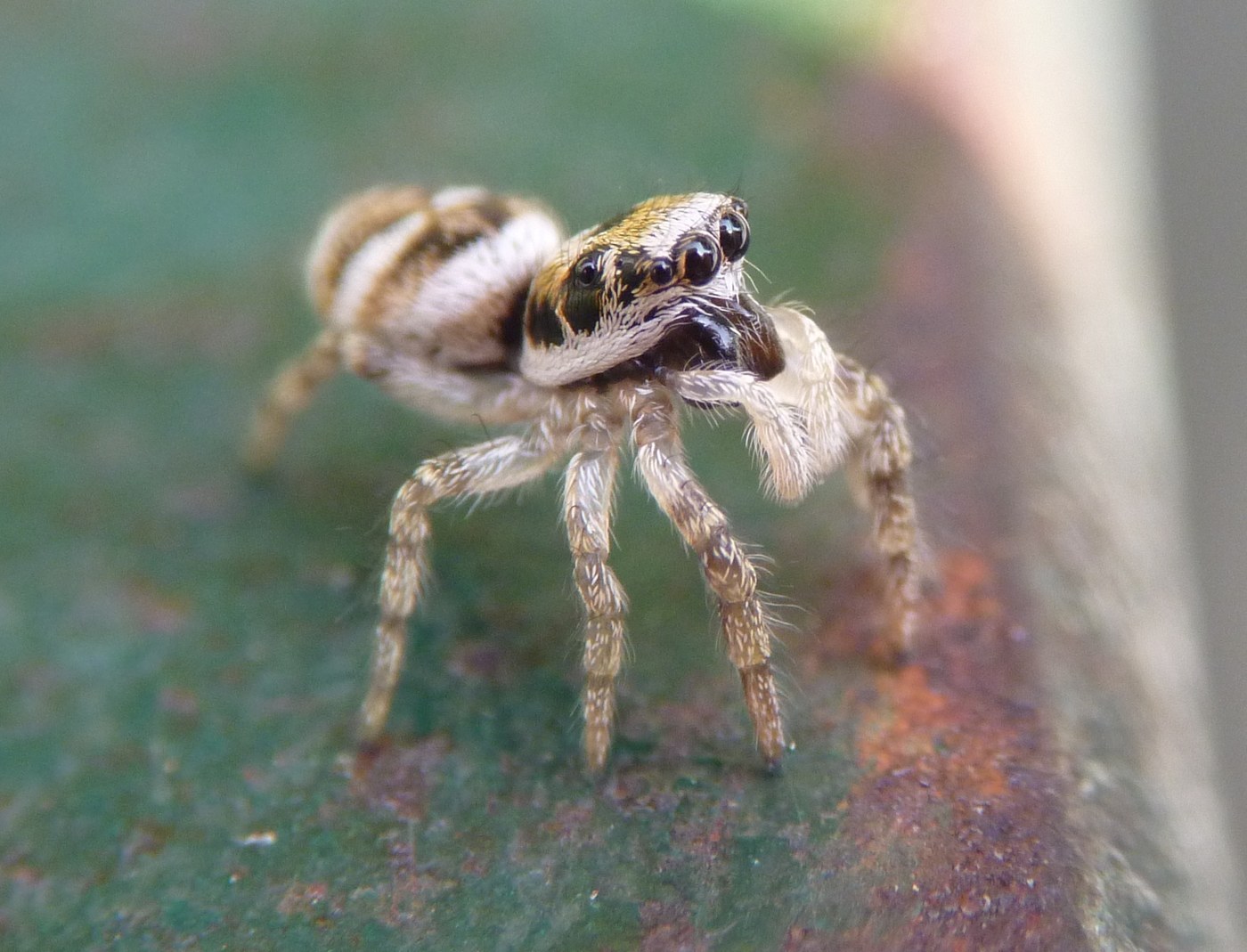
Zebra Jumping Spider
Sunny walls, fences, tree bark, and building exteriors
Wall Spider
Cracks and crevices on exterior and interior walls