
Palo Verde Beetle
Derobrachus hovorei
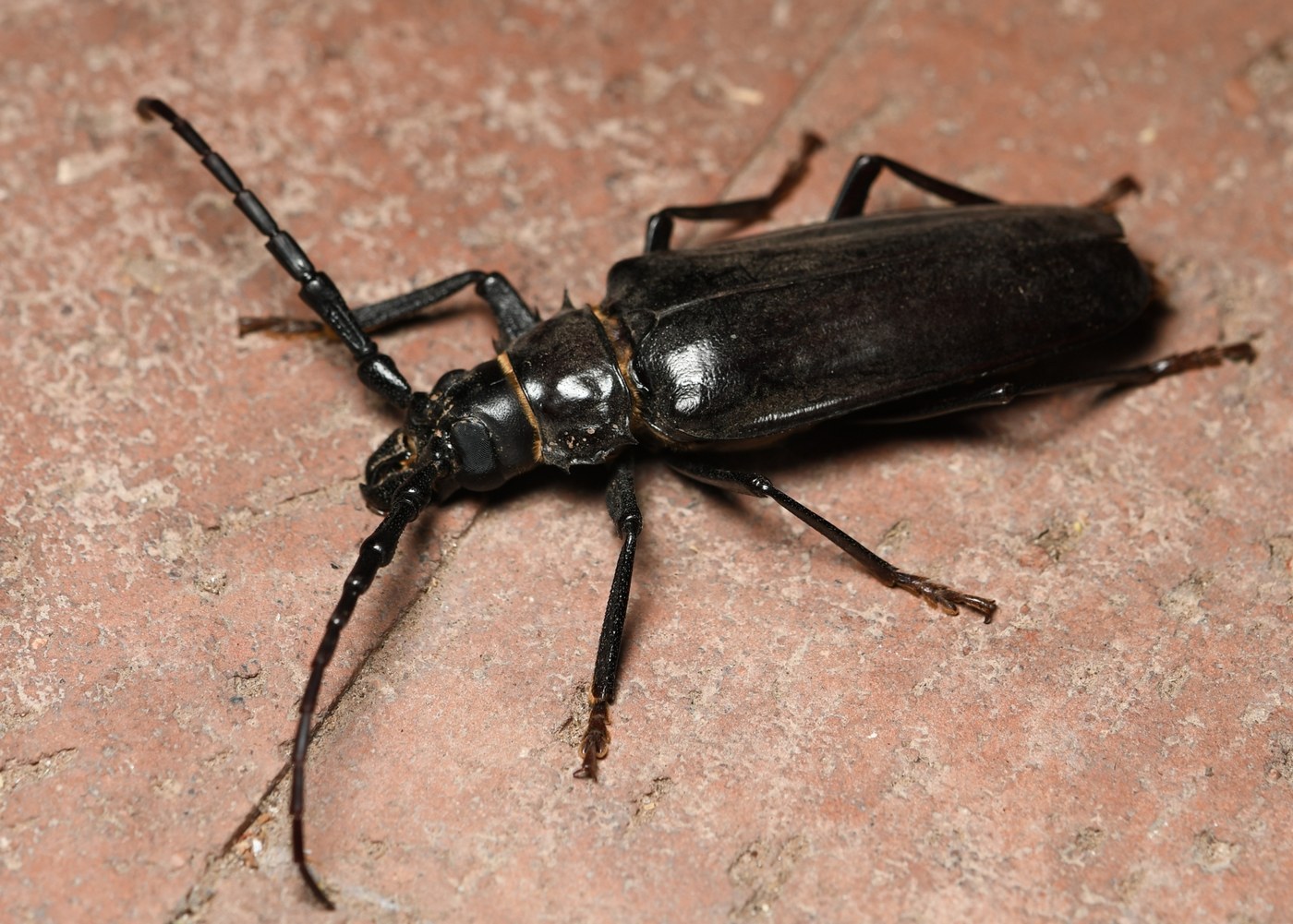
One of the largest beetles in North America, a heavy, dark reddish-brown longhorn beetle with long spiny antennae and a loud, buzzing flight that emerges from the desert soil around palo verde and mesquite trees in summer.
- Size
- 2.5–3.5 in
- Habitat
- Sonoran and Chihuahuan desert areas, especially around palo verde and mesquite trees
- Danger
- Bites
Spotted a bug like this?
Identify any bug or insect from a photo, free.
Overview
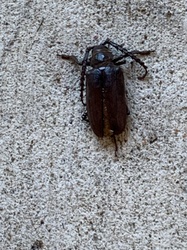
The palo verde beetle is a giant longhorn beetle in the family Cerambycidae (subfamily Prioninae), renowned as one of the largest beetles found north of Mexico. Its imposing size, dark armored body, and long, spiky antennae make it an unmistakable and somewhat startling sight during its brief adult flight season in the American Southwest.
The species spends the vast majority of its life underground as a larva, feeding on the roots of desert trees, particularly palo verde, for up to several years before emerging as a short-lived adult whose sole purpose is to mate and reproduce. This long subterranean development is typical of many root-boring Prioninae beetles worldwide.
Despite its fearsome appearance, the palo verde beetle is a quiet part of the desert ecosystem, playing a role in nutrient cycling by breaking down root material, and serving as a food source for larger desert predators during its brief adult emergence.
How to Identify
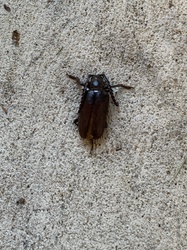
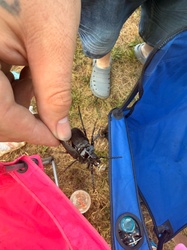
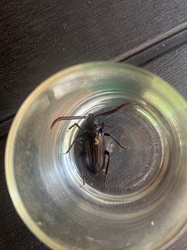
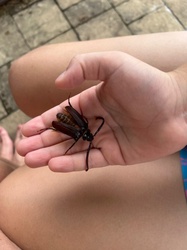
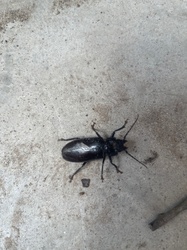
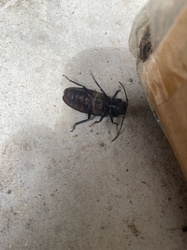
- Adult: 2.5–3.5 inches long, among the largest beetles in North America, with a heavy, elongated, dark brown to almost black body.
- Long, thick, spine-edged antennae extend backward, often nearly as long as the body itself, a hallmark of the longhorn beetle family.
- Wing covers are smooth and glossy, and the thorax bears sharp lateral spines.
- Lookalikes: sometimes confused with other large desert longhorns, but its sheer bulk, dark uniform coloring, and spiny-margined thorax combined with a loud buzzing flight are distinctive; it can pinch with its mandibles if handled.
Habitat & Range
Found in the Sonoran and Chihuahuan Deserts of the southwestern United States and northern Mexico, particularly in soils around the roots of palo verde, mesquite, and other desert trees. Adults emerge from the ground and are active mainly at night during the hot summer monsoon season, often drawn to artificial lighting.
Behavior & Diet
Larvae spend years underground feeding on the roots of palo verde and related desert trees, contributing to the natural turnover of root material in arid soils. Adults do not feed and live only a few weeks, during which their main activities are flying, in a loud and somewhat clumsy manner, in search of mates. They are strong but ungainly fliers and are frequently seen bumbling around outdoor lights on summer nights, and can pinch with their mandibles in defense if picked up.
Life Cycle
Eggs are laid in soil near the base of host trees, and the larvae burrow into the root system, feeding for several years, often three to four, before reaching full size. Mature larvae pupate underground, and adults emerge from the soil en masse during the summer monsoon season. Adults live only a few weeks, focusing entirely on locating mates before dying, completing a life cycle that is unusually long for a beetle due to the extended larval stage.
Frequently asked questions
How big does the palo verde beetle get?
Adults typically measure 2.5 to 3.5 inches long, making it one of the largest beetle species found in North America.
Why do they suddenly appear in summer?
Adults spend years developing underground as root-feeding larvae and emerge together during the hot monsoon season to mate.
Does it damage palo verde trees?
The root-feeding larvae can affect stressed or already-weakened trees, but established healthy trees generally tolerate their presence.
Can it fly well?
It flies but somewhat clumsily, often producing a loud buzzing sound and bumbling around outdoor lights at night.
Palo Verde Beetle guides
In-depth guides for identifying, understanding, and living alongside Palo Verde Beetle.
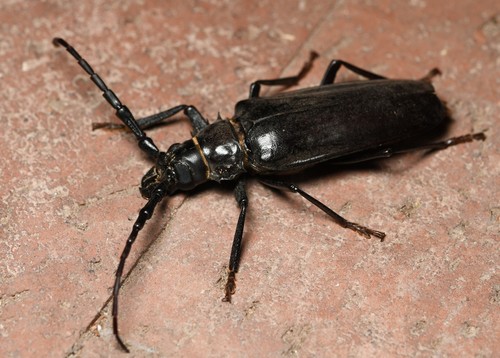
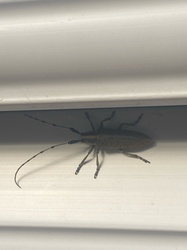
Palo Verde Beetle identified by the community
Real finds identified with Bug Identifier.
Other bugs you may enjoy
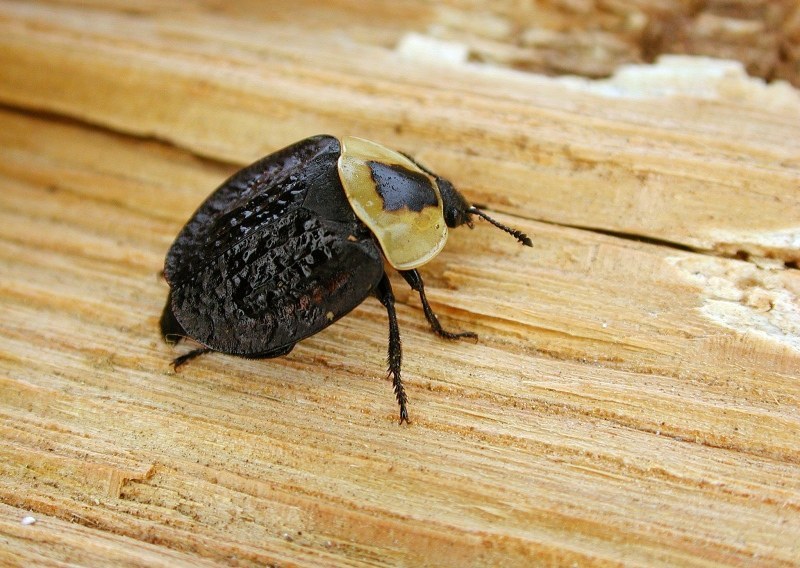
American Carrion Beetle
Forests, fields, and roadsides across North America, near decaying animal carcasses
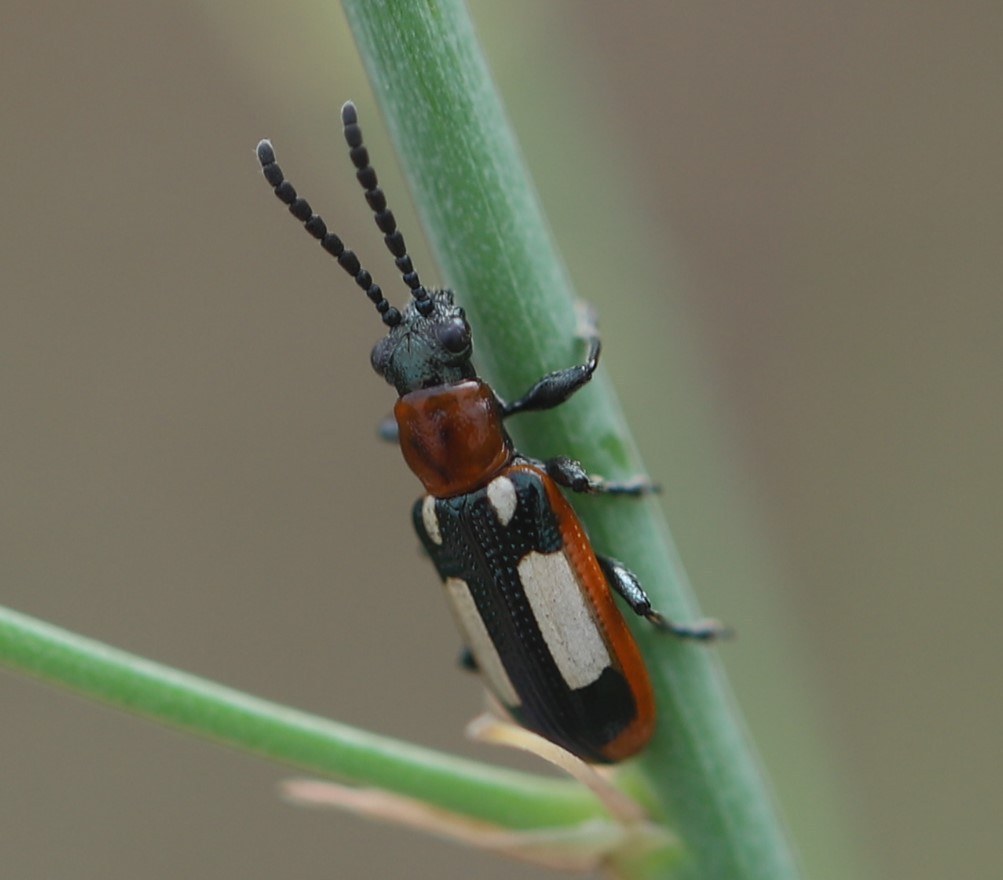
Asparagus Beetle
Asparagus patches, gardens, and farm fields
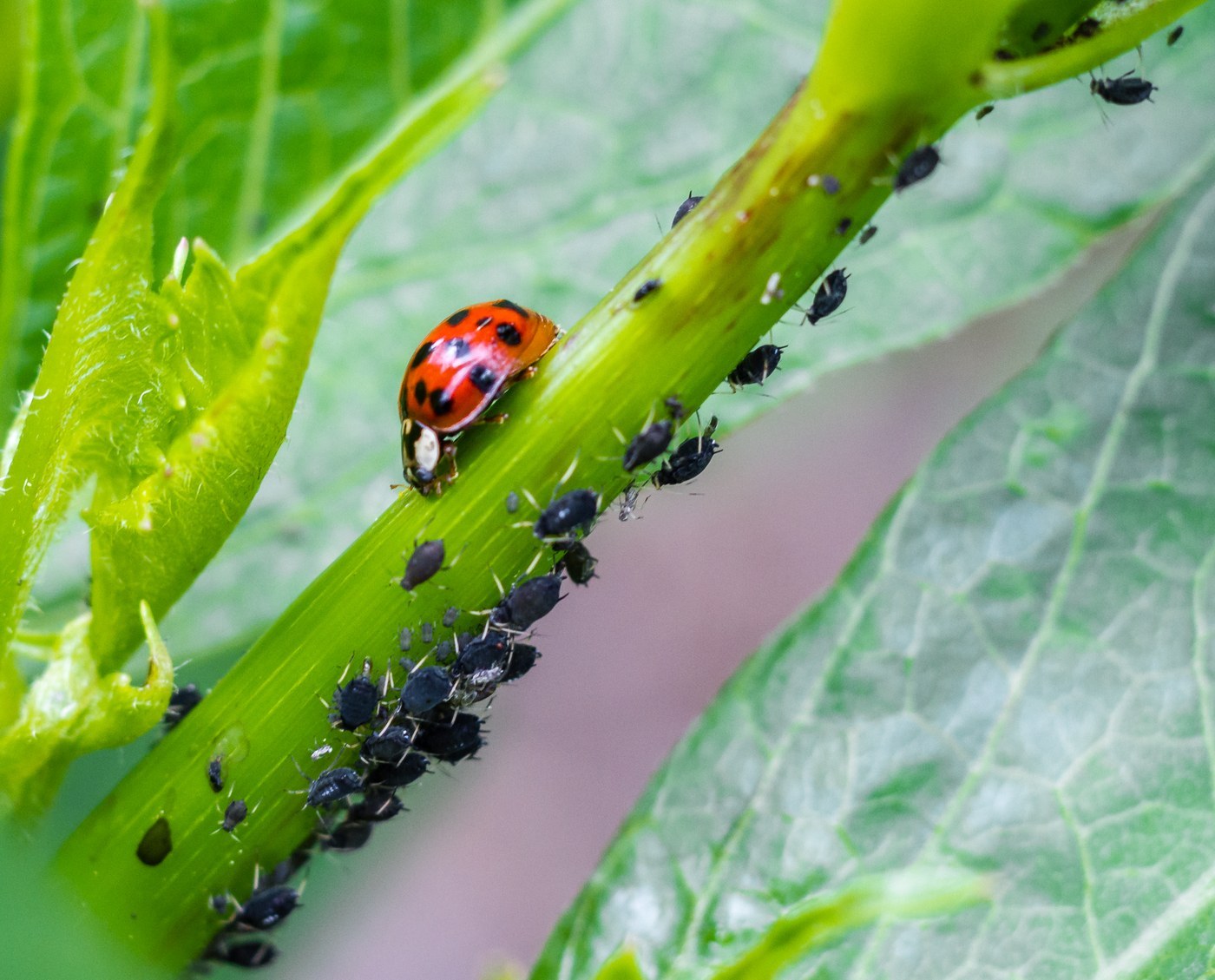
Asian Lady Beetle
Gardens, crop fields, woodlands, buildings
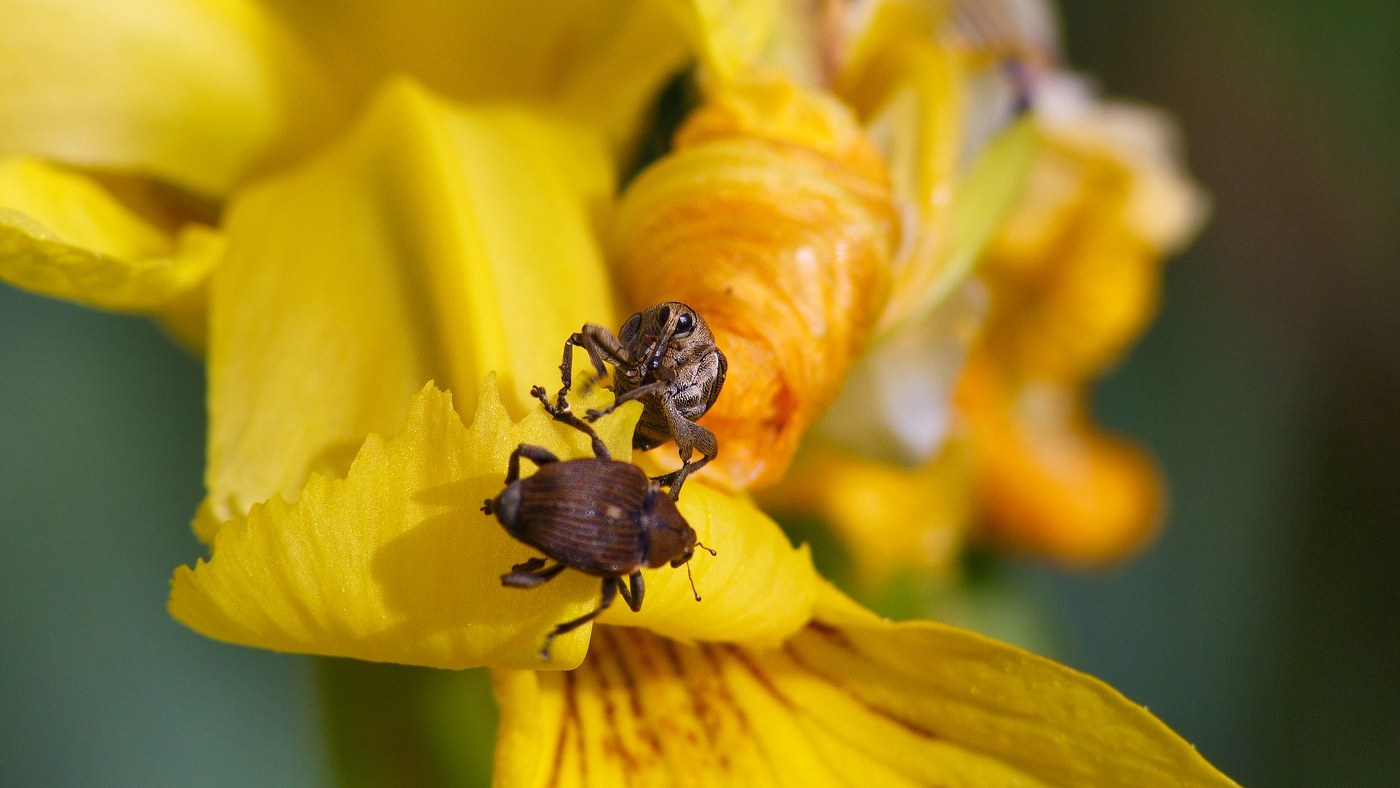
Acorn Weevil
Oak woodlands and forests, on and beneath oak trees
Wireworm
Soil of grasslands, gardens, and cultivated fields worldwide
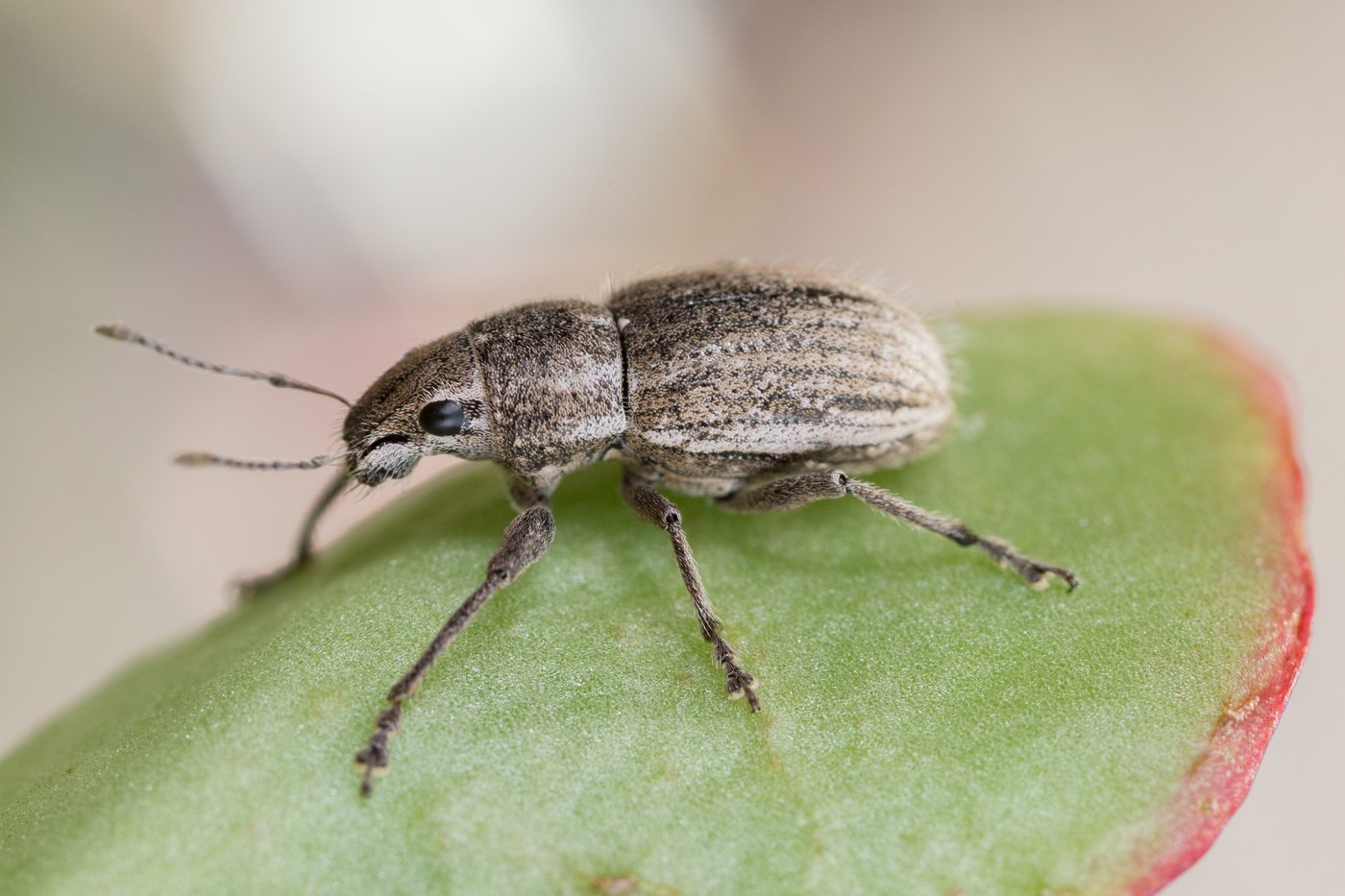
Whitefringed Beetle
Pastures, row crops, lawns, disturbed soils
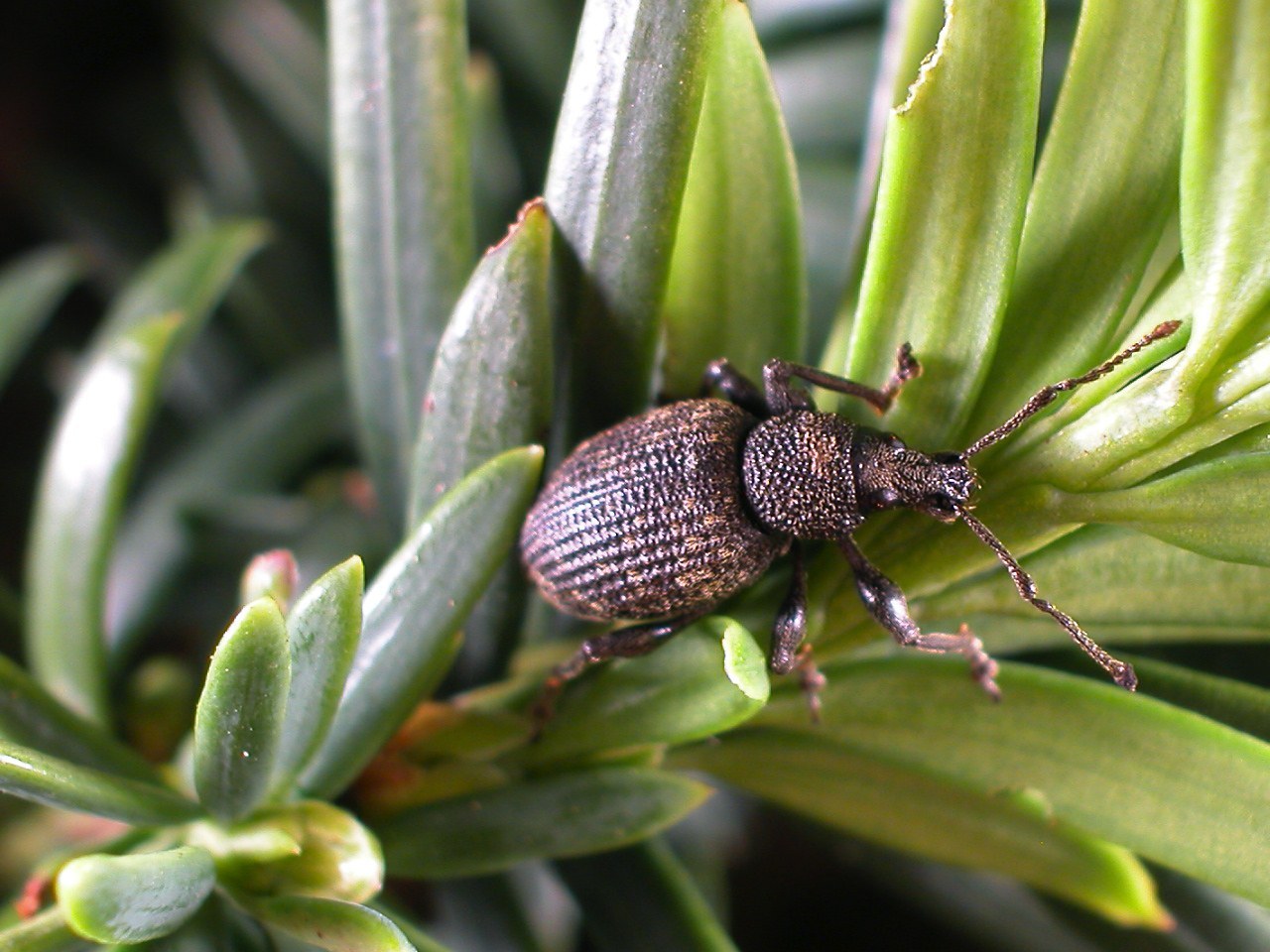
Vine Weevil
Gardens, nurseries, greenhouses, and container plantings
Varied Carpet Beetle
Homes, nests of birds and mammals, and flowers outdoors
Atlas Beetle
Tropical forests of Southeast Asia
Titan Beetle
Amazon rainforest of South America
Ten-lined June Beetle
Sandy soils, pine forests, and orchards of western North America
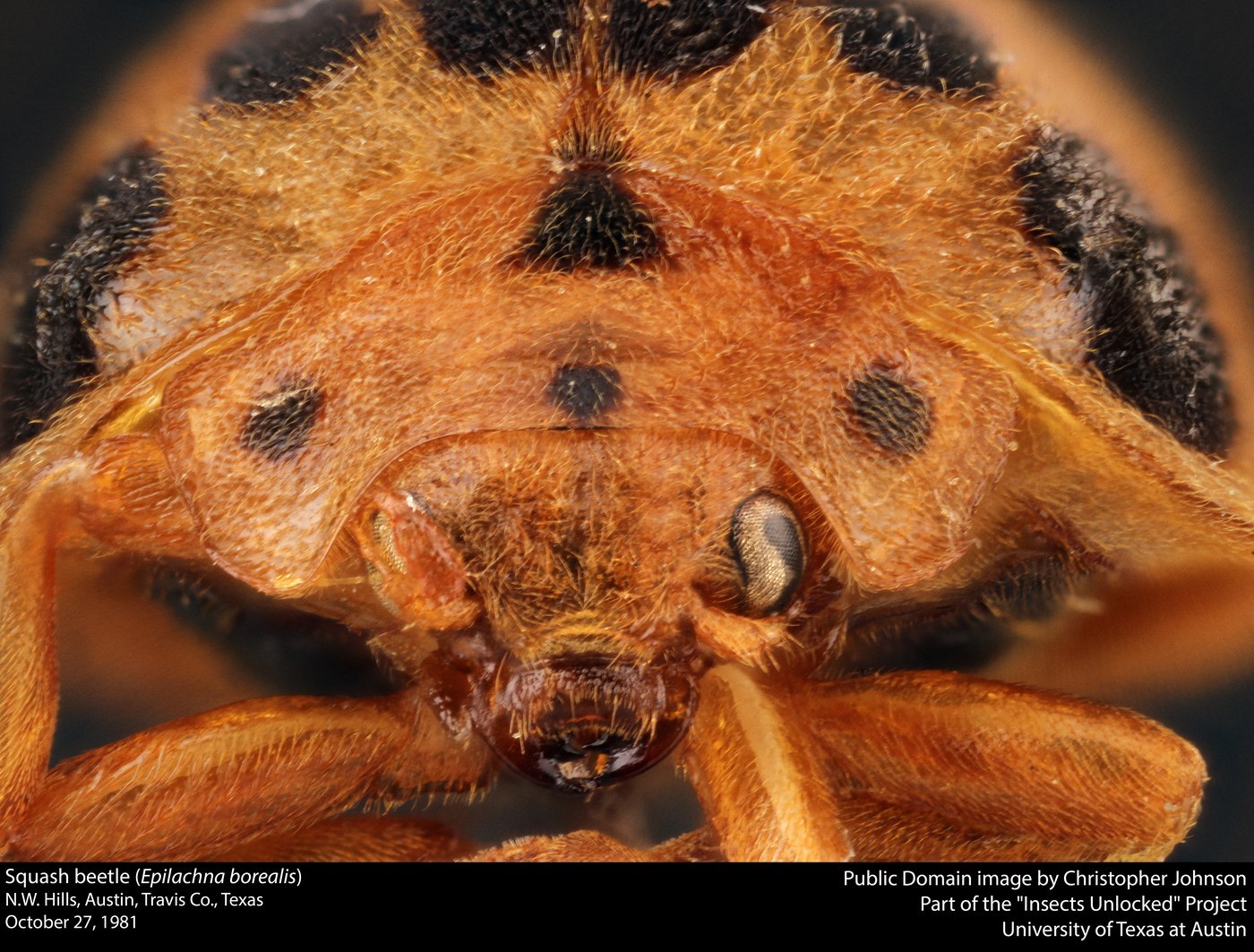
Squash Beetle
Vegetable gardens and fields growing squash, pumpkin, and other cucurbits