
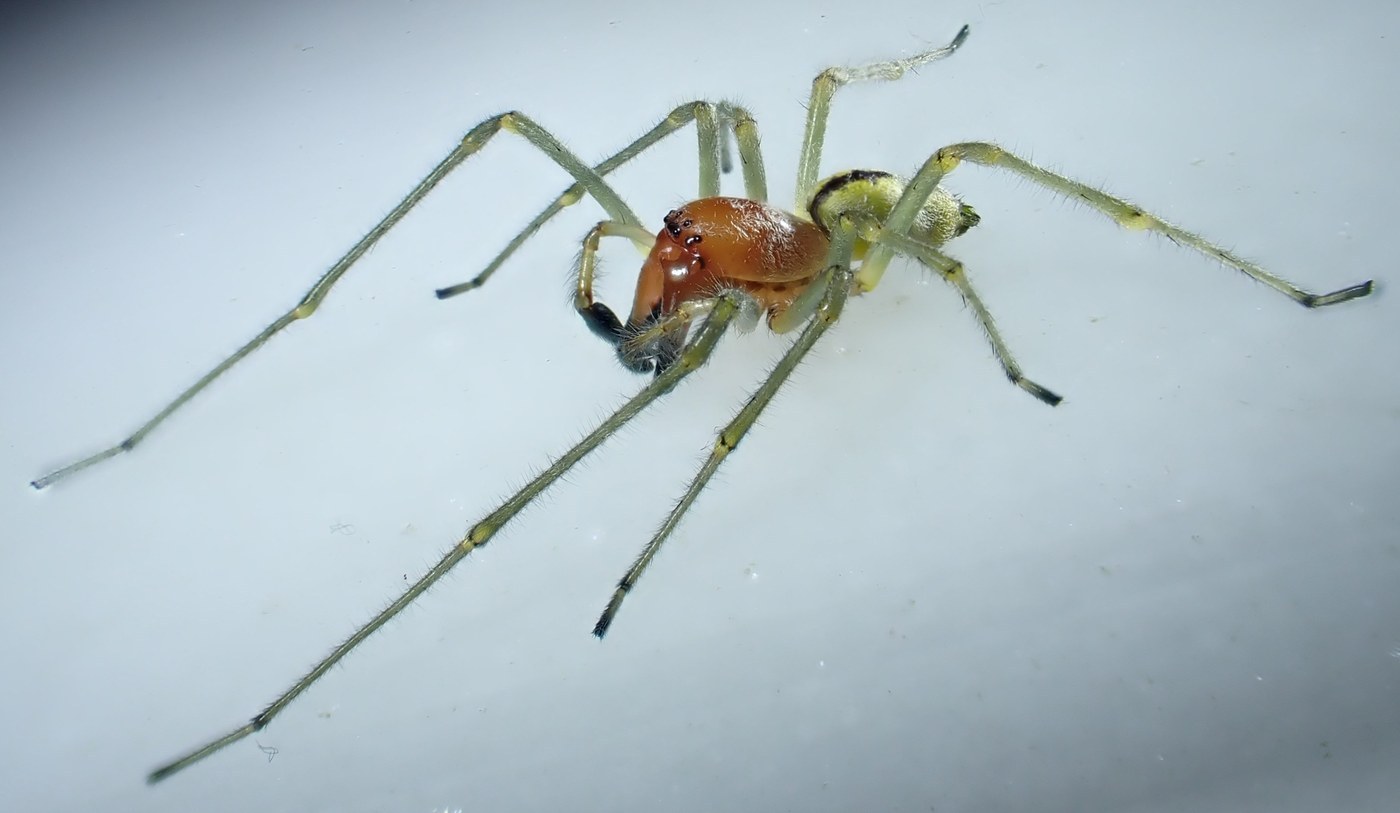
Sac Spider
Cheiracanthium spp.
A pale, uniformly colored spider that spins a small silk sac retreat rather than a capture web, often found tucked into rolled leaves or corners of rooms.
- Size
- Body length 5-10 mm
- Habitat
- Gardens, low vegetation, rolled leaves and building interiors
- Danger
- Bites
Spotted a bug like this?
Identify any bug or insect from a photo, free.
Overview
Sac spiders are named for the distinctive small, tube- or sac-shaped silk retreat they construct rather than a typical prey-capturing web. This retreat is often tucked into a curled leaf, a fold in bark, a corner between a wall and ceiling, or another sheltered nook, and serves as a resting and molting shelter rather than a trap for prey.
Most species, such as those in the widespread genus Cheiracanthium, are pale yellow, tan, or greenish in overall color with a slightly darker head region, giving them a simple, uniform appearance without the bold patterns seen in many other spider families. They are active, free-roaming hunters at night, leaving their silk retreat to search for prey on foliage or indoors.
Sac spiders are found on every inhabited continent and are frequently encountered both outdoors in gardens and vegetation and indoors, where they may take shelter in corners, behind picture frames, or in folded fabric.
How to Identify
- Slender body, uniformly pale yellow, tan, or light green with a slightly darker head region
- Long, thin legs relative to body size, giving an overall delicate appearance
- Constructs a small silk sac retreat rather than a capture web, often in a curled leaf or wall corner
- Eight eyes arranged in two rows typical of the family
- Lookalikes include other pale-colored roaming spiders, but the tubular silk retreat and uniform coloring help distinguish sac spiders
Habitat & Range
Sac spiders are found in gardens, meadows, and woodland edges, often within rolled or folded leaves, and are equally common indoors, sheltering in ceiling corners, behind furniture, or in folds of curtains and clothing. They occur across temperate and subtropical regions worldwide, with several Cheiracanthium species now cosmopolitan through incidental transport by humans.
Behavior & Diet
Rather than trapping prey in a web, sac spiders are active nocturnal hunters that leave their silk retreat after dark to search vegetation or indoor surfaces for small insects, which they overpower and consume. During the day they retreat to their silk sac to rest and molt, often reusing or repairing the same retreat multiple times. Their willingness to shelter in human structures makes them one of the more frequently encountered indoor spiders in many regions.
Life Cycle
Females construct a flattened silk egg sac, often within their own retreat, and may guard it until spiderlings emerge. Spiderlings disperse to build their own small sac retreats and begin hunting small prey independently. Development to maturity takes place over several months through successive molts, and in temperate climates sac spiders commonly overwinter as immature juveniles within sheltered retreats.
Frequently asked questions
Why is it called a sac spider?
The name refers to the small, tube-shaped silk sac retreat it builds for shelter and molting, distinct from a typical prey-capturing web.
Does the sac spider spin a web to catch food?
No, it is an active nocturnal hunter that leaves its silk retreat to search for prey rather than trapping insects in a web.
Why do sac spiders end up indoors?
They readily shelter in corners, folded fabric, and other sheltered nooks, which frequently brings them into buildings alongside their natural outdoor habitats.
Sac Spider guides
In-depth guides for identifying, understanding, and living alongside Sac Spider.
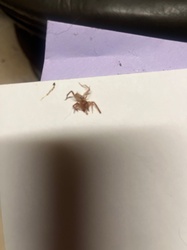
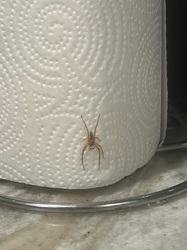
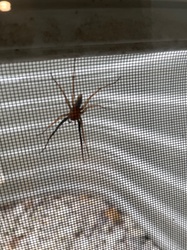
Sac Spider identified by the community
Real finds identified with Bug Identifier.
Other bugs you may enjoy
Woodlouse Spider
Damp leaf litter, under logs, stones, and mulch
Wolf Spider
Gardens, grasslands, forests, leaf litter, ground burrows
Wandering Spider
Tropical and subtropical forest floor, foliage, and banana plants
Banded Garden Spider
Tall grass, meadows, and gardens with open sunny vegetation
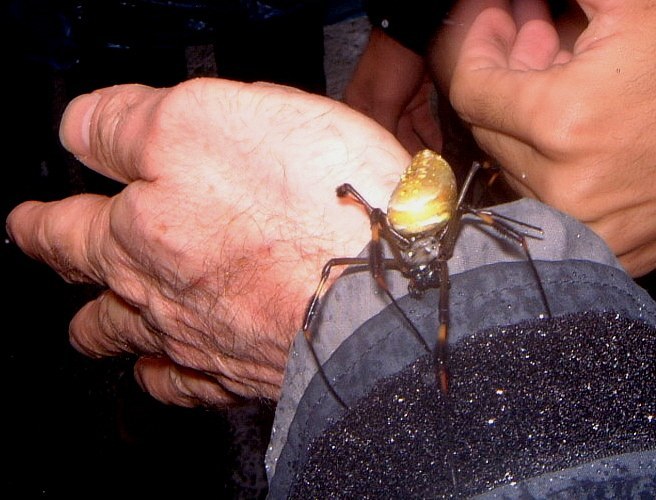
Banana Spider
Wooded trails, forest edges, and gardens across the southeastern U.S. and the American tropics
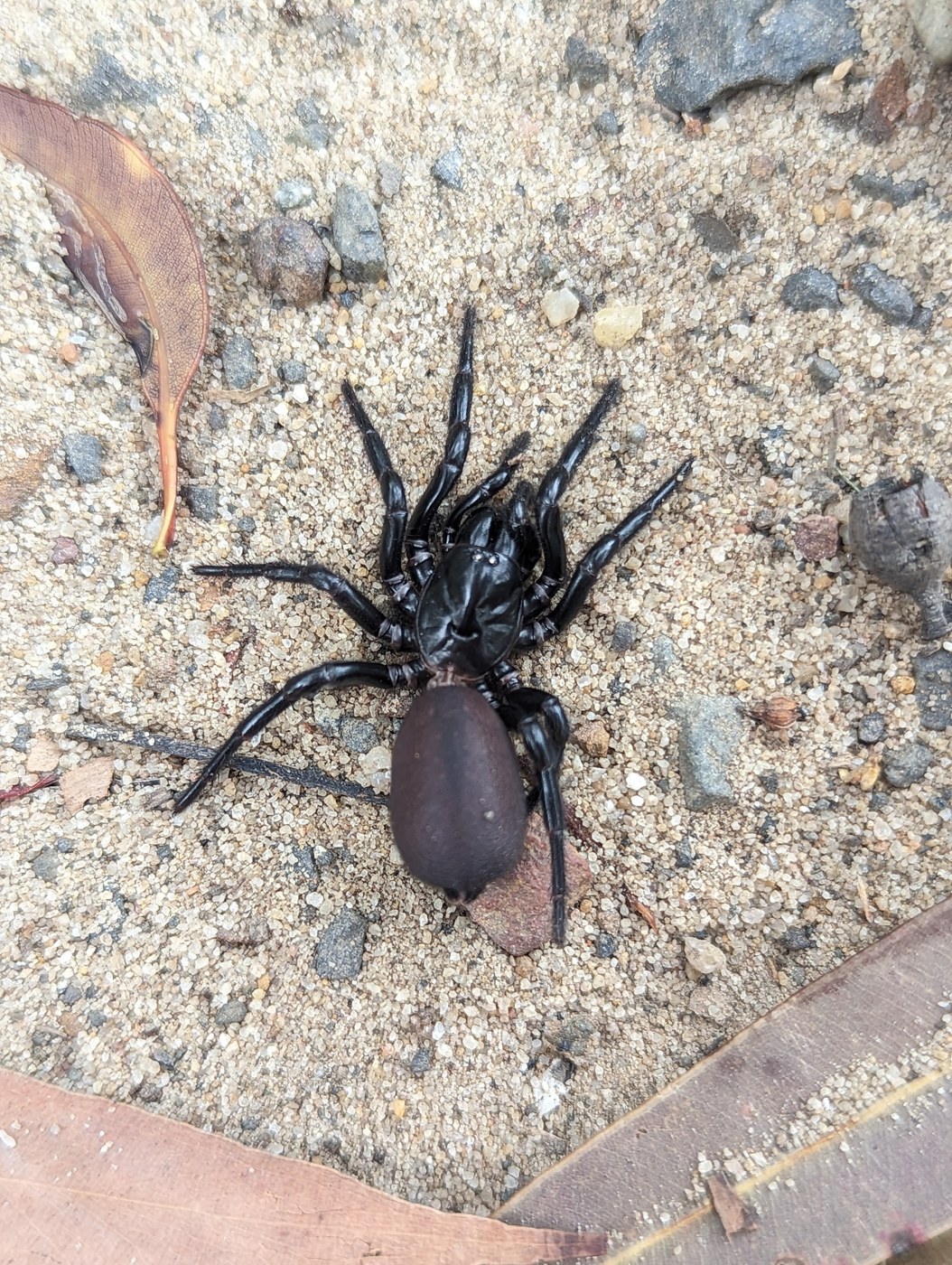
Sydney Funnel-web Spider
Burrows in moist soil, gardens, and forested gullies around the Sydney basin of eastern Australia
Trapdoor Spider
Self-dug silk-lined burrows with a camouflaged door, in dry, well-drained soil worldwide
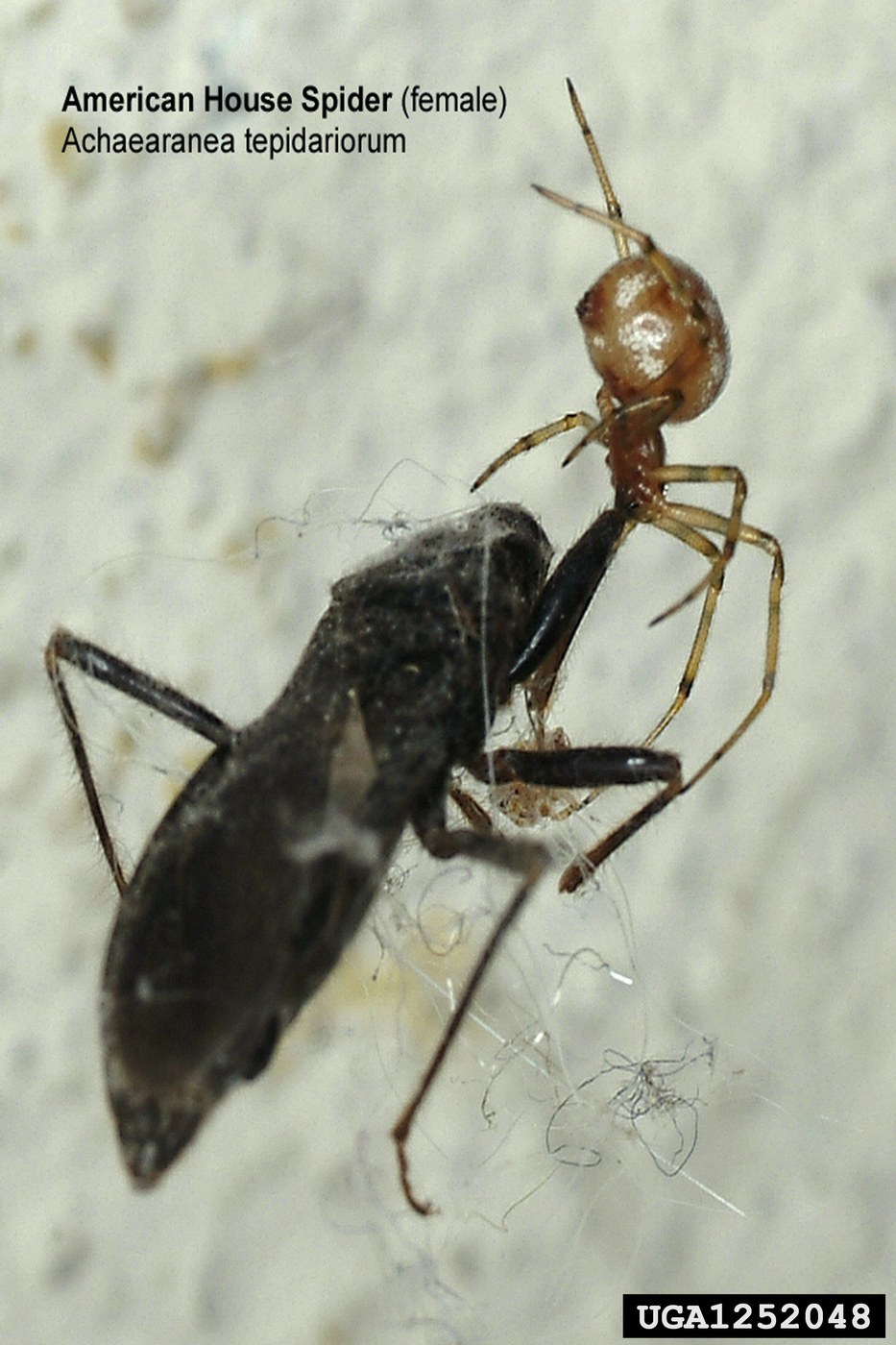
American House Spider
Corners, basements, garages, and outbuildings worldwide
Tube Web Spider
Wall crevices, bark, rockeries, and masonry
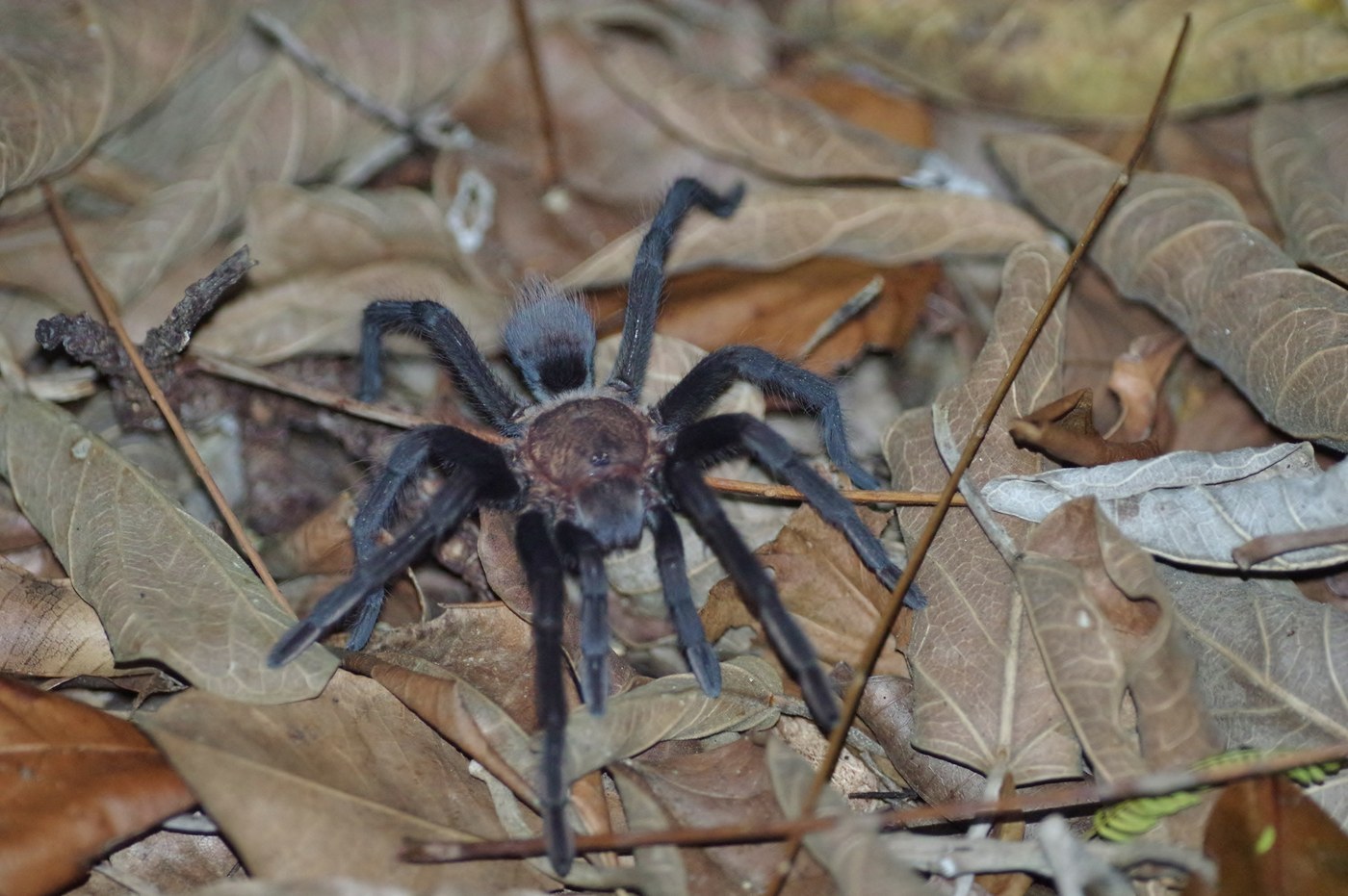
Tarantula
Burrows, rock crevices, and tree hollows in deserts, grasslands, and tropical forests worldwide
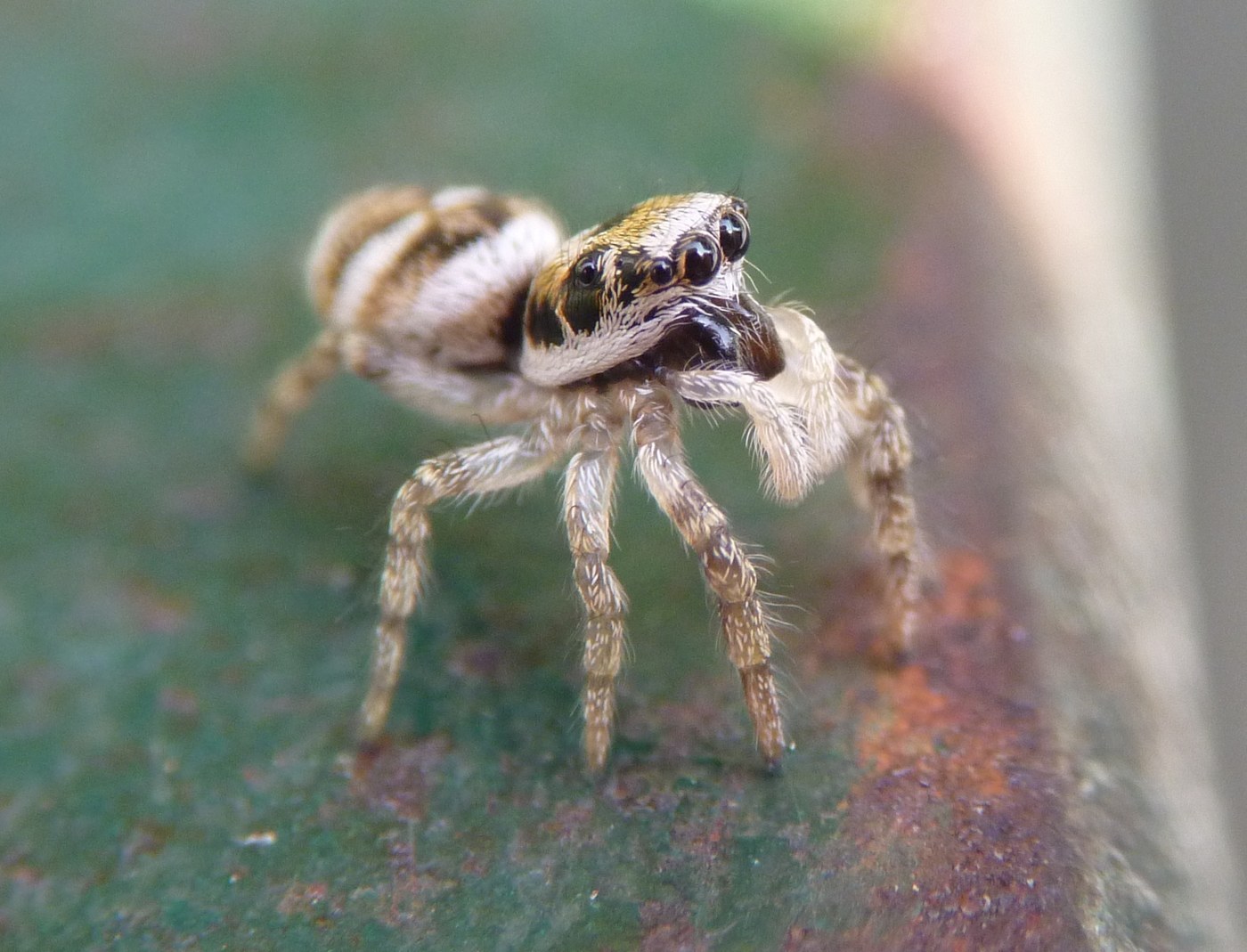
Zebra Jumping Spider
Sunny walls, fences, tree bark, and building exteriors
Wall Spider
Cracks and crevices on exterior and interior walls