
Silverfish Firebrat
Lepisma saccharinum / Thermobia domestica
Two closely related, wingless, silvery or mottled insects with fish-like darting movements and three long tail bristles, one favoring damp basements and the other thriving near warm ovens and furnaces.
- Size
- 10–14 mm long, excluding tail bristles
- Habitat
- Damp, dark indoor spaces (silverfish) or warm areas near heat sources (firebrat), worldwide
- Danger
- Nuisance pest
Spotted a bug like this?
Identify any bug or insect from a photo, free.
Overview
Silverfish and firebrats are small, primitive, wingless insects in the order Zygentoma, an ancient lineage that predates the evolution of wings in insects. Both share a flattened, teardrop-shaped body tapering toward the rear, with three long, thread-like tail filaments and a pair of long antennae, along with a quick, fish-like scuttling movement that gives silverfish their common name.
The two are closely related but occupy slightly different niches: the silverfish has a smooth, silvery-gray, metallic sheen and favors cool, humid environments, while the firebrat has a mottled gray-brown, speckled appearance and seeks out warm, dry locations near heat sources such as furnaces, ovens, and boiler rooms. Both are found worldwide in association with human structures, though they also occur in natural leaf litter and decaying organic matter in some regions.
Ecologically, these insects are scavengers, feeding on starchy and carbohydrate-rich materials such as book bindings, wallpaper paste, and dead organic debris, playing a minor decomposer role in both natural and indoor environments.
How to Identify
- Flattened, elongated, teardrop-shaped body tapering from a wider head/thorax to a narrow abdomen
- Silverfish: smooth, silvery-gray with a metallic sheen; length roughly 12–14 mm excluding tail filaments
- Firebrat: mottled gray-brown with darker speckled patches; slightly smaller, roughly 10–13 mm
- Both have long, thread-like antennae and three long tail bristles (two lateral cerci and one central filament) at the rear
- Wingless at all life stages, unlike most adult insects
- Move with a rapid, wriggling, fish-like dart when disturbed
- Distinguished from each other mainly by color and habitat preference: cool/damp for silverfish, warm/dry for firebrat
Habitat & Range
Both species are found worldwide, closely associated with human structures. Silverfish favor cool, humid, dark locations such as basements, bathrooms, and areas around plumbing, while firebrats favor warm, dry spots near heat sources like furnaces, fireplaces, attics, and kitchens. Outside of buildings, related species can be found in leaf litter, under bark, or in caves in some regions, reflecting their ancient, adaptable lineage.
Behavior & Diet
Both are nocturnal and light-averse, hiding in cracks, crevices, and undisturbed dark spaces during the day and emerging at night to forage. They are omnivorous scavengers, feeding on starchy materials including book bindings, paper, wallpaper paste, dried plant debris, and other carbohydrate-rich organic matter, as well as mold and dead insects. Their rapid, side-to-side scuttling movement helps them evade predators and slip into narrow gaps, and they are notably resilient, able to survive long periods without food.
Life Cycle
Females lay small clusters of eggs in cracks and crevices, and eggs hatch into tiny nymphs that closely resemble miniature wingless adults, a hallmark of the simple, gradual metamorphosis typical of this ancient insect order. Nymphs continue to molt many times throughout their entire lives, even after reaching sexual maturity, which is unusual among insects. Development to adulthood can take several months to over a year depending on temperature and humidity, and adults may live for several years, continuing to molt periodically throughout their lifespan.
Frequently asked questions
What is the main difference between a silverfish and a firebrat?
Silverfish are smooth and silvery-gray and prefer cool, damp spots, while firebrats are mottled gray-brown and prefer warm, dry areas near heat sources.
Why do these insects lack wings?
They belong to an ancient insect order, Zygentoma, that evolved before wings appeared in insects, so they remain wingless throughout life.
What do silverfish and firebrats eat?
They scavenge starchy and carbohydrate-rich materials such as paper, book bindings, wallpaper paste, and decaying organic debris.
Do these insects keep molting as adults?
Yes, unlike most insects, they continue to molt periodically even after reaching sexual maturity.
Silverfish Firebrat guides
In-depth guides for identifying, understanding, and living alongside Silverfish Firebrat.
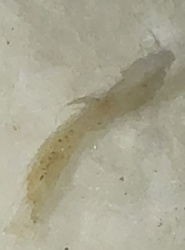
Silverfish Firebrat identified by the community
Real finds identified with Bug Identifier.

Other bugs you may enjoy
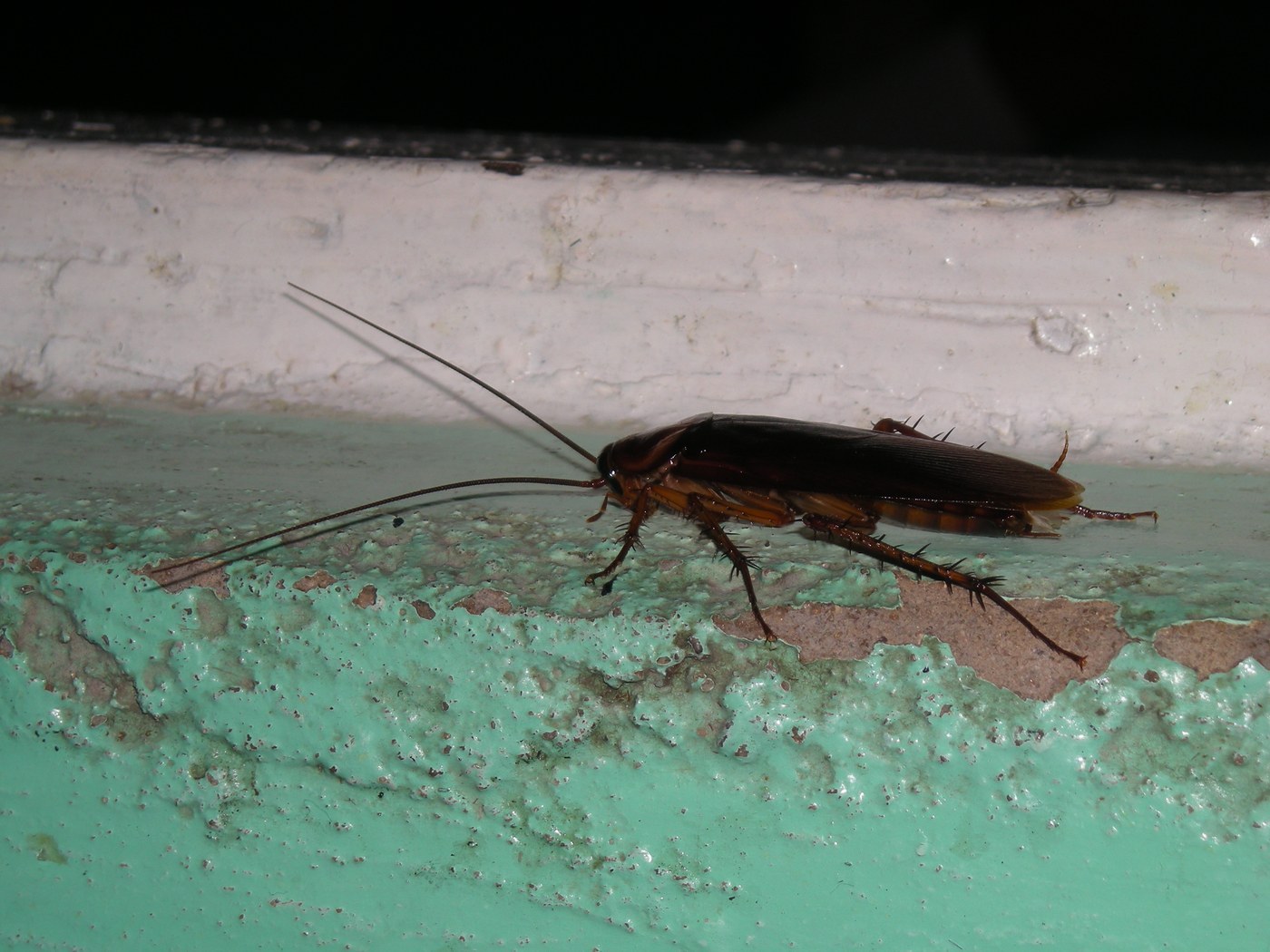
American Cockroach
Warm, humid environments such as basements, sewers, drains, and tropical outdoor settings
Thrips
Flowers, foliage, gardens, greenhouses, crop fields
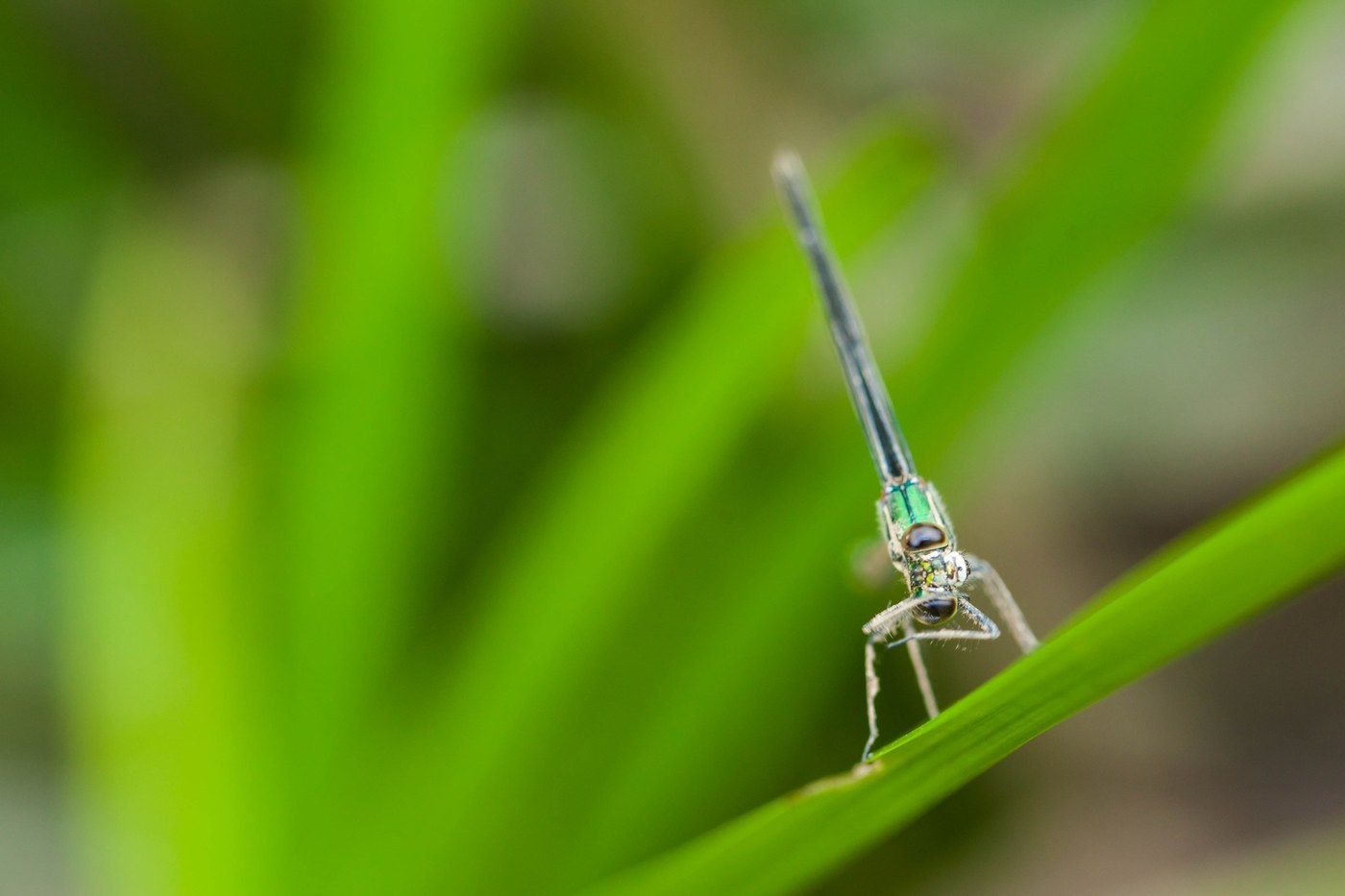
American Rubyspot
Sunny rivers and streams with moderate current
Springtail
Moist soil, leaf litter, decaying organic matter, and damp indoor areas
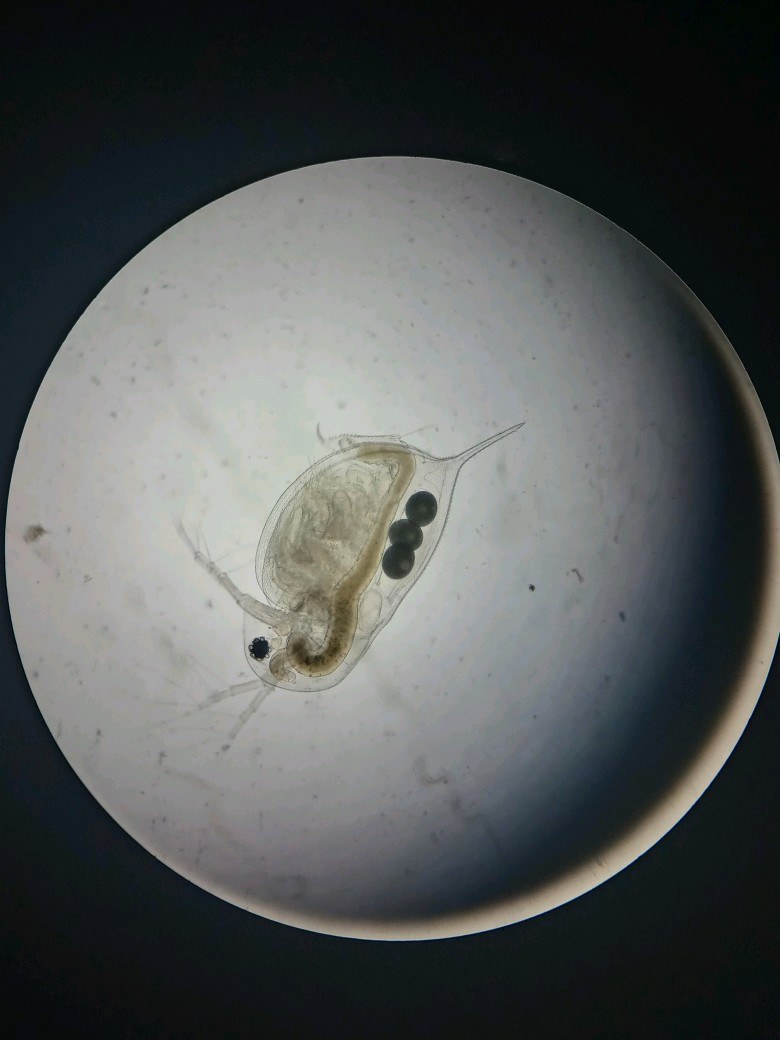
Water Flea
Ponds, lakes, and slow streams as free-floating plankton
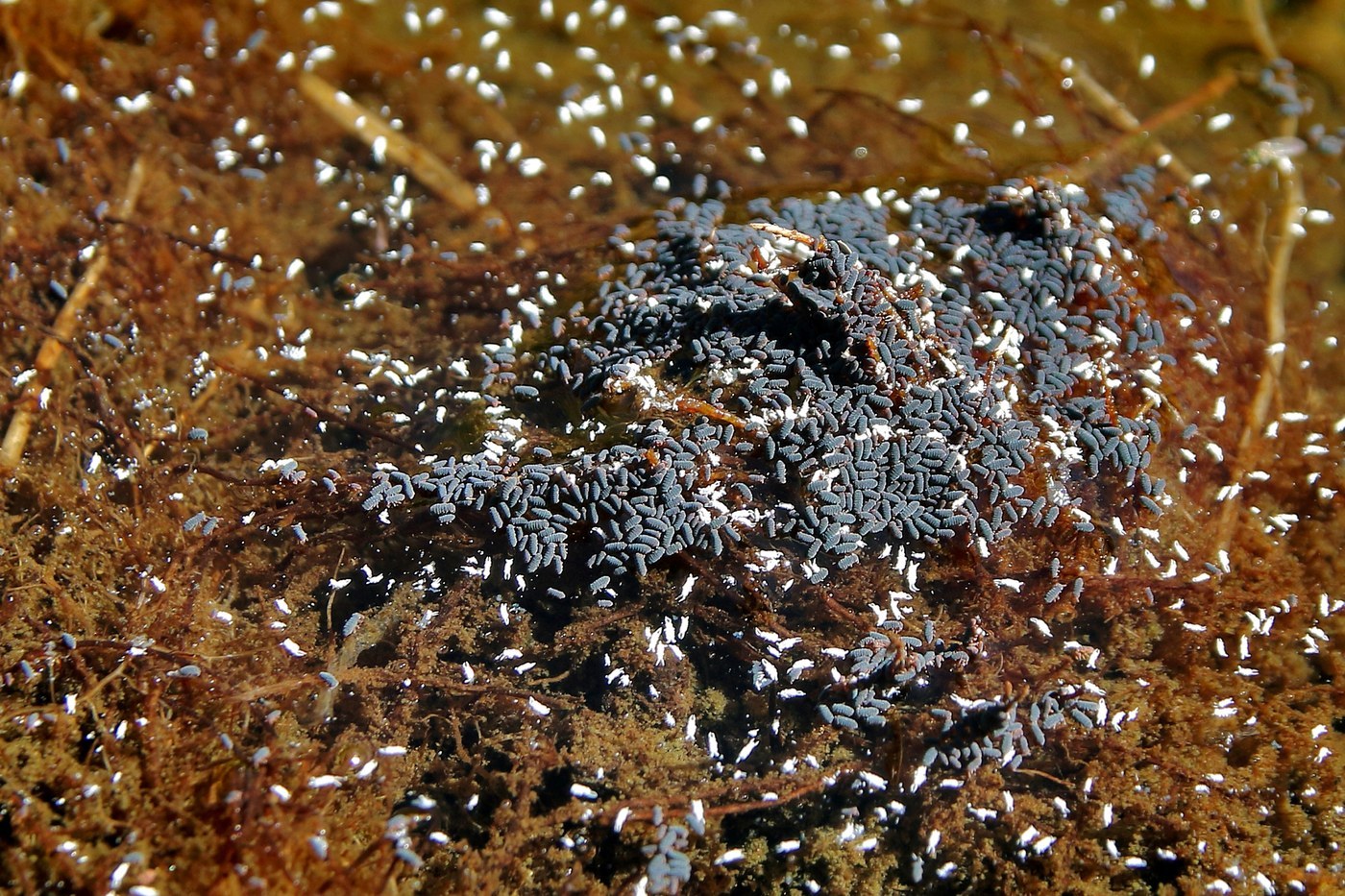
Water Springtail
Surface film of ponds, puddles, and slow ditches
Slug
Gardens, damp soil, leaf litter, greenhouses
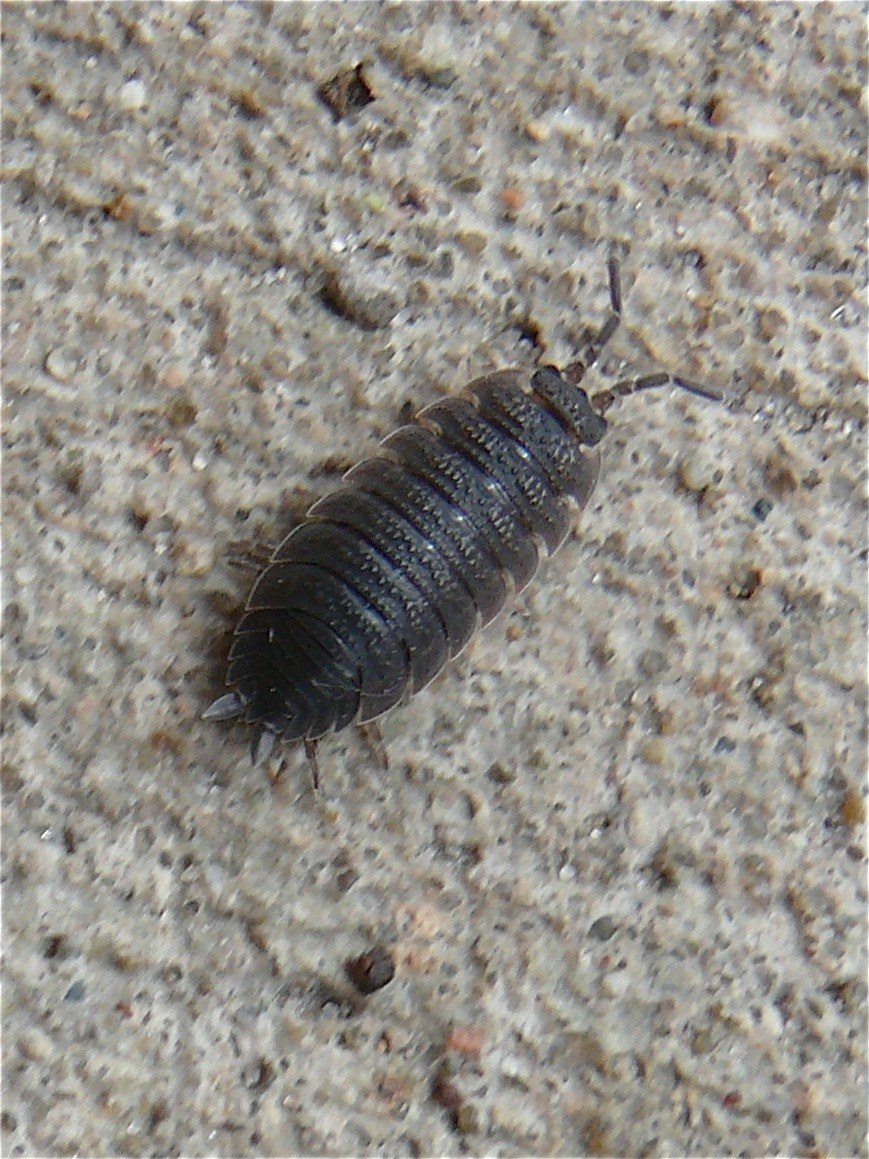
Sowbug
Leaf litter, under rocks/logs, damp garden soil, basements
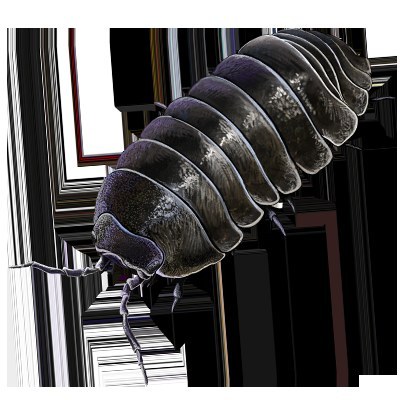
Pill Bug
Damp soil, leaf litter, under rocks and logs, garden beds
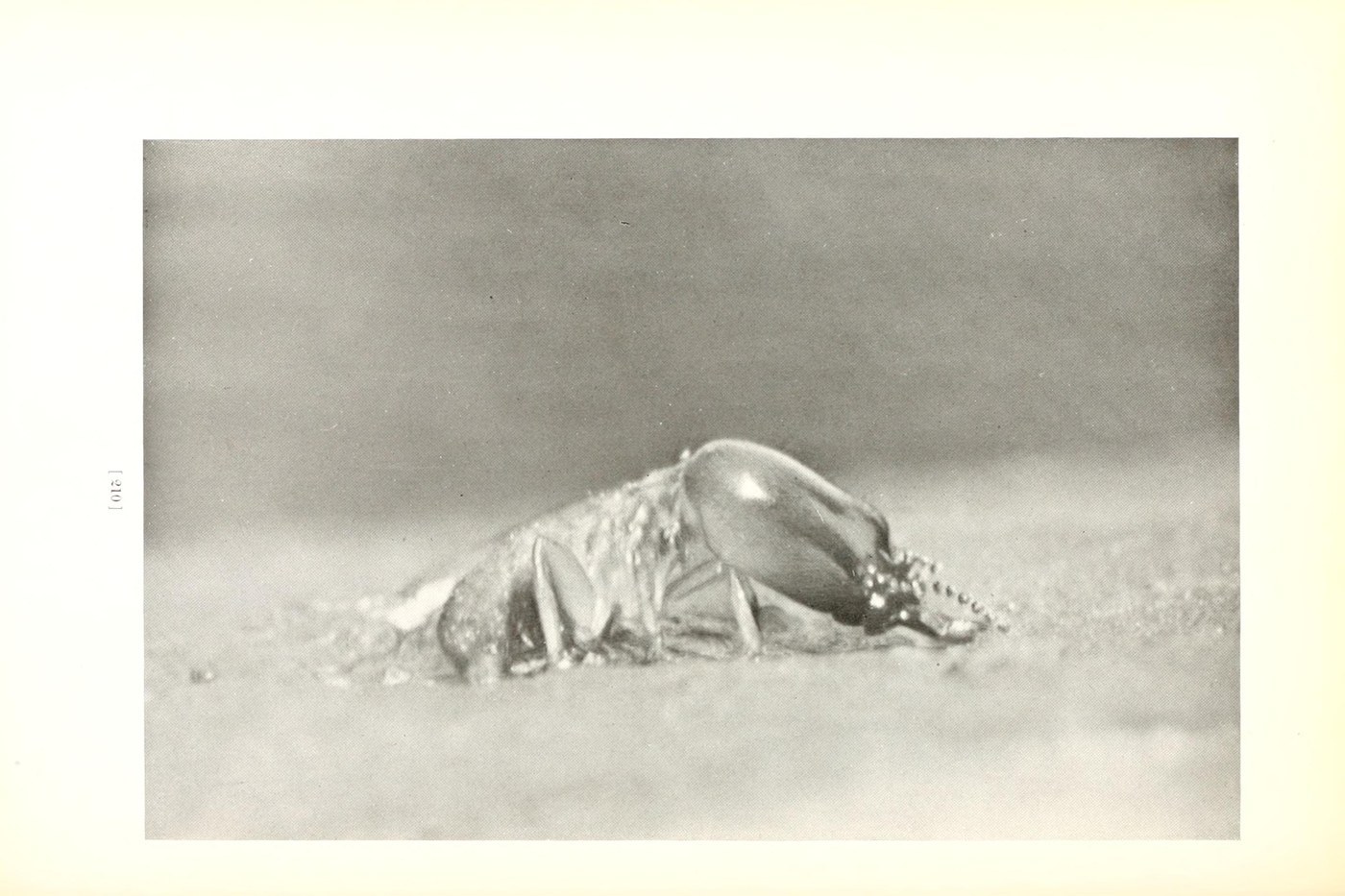
Termite
Soil, decaying wood, tree stumps, and wooden structures
Termite Swarmer
Emerges from underground or wood-nesting colonies, often near structures and moist soil
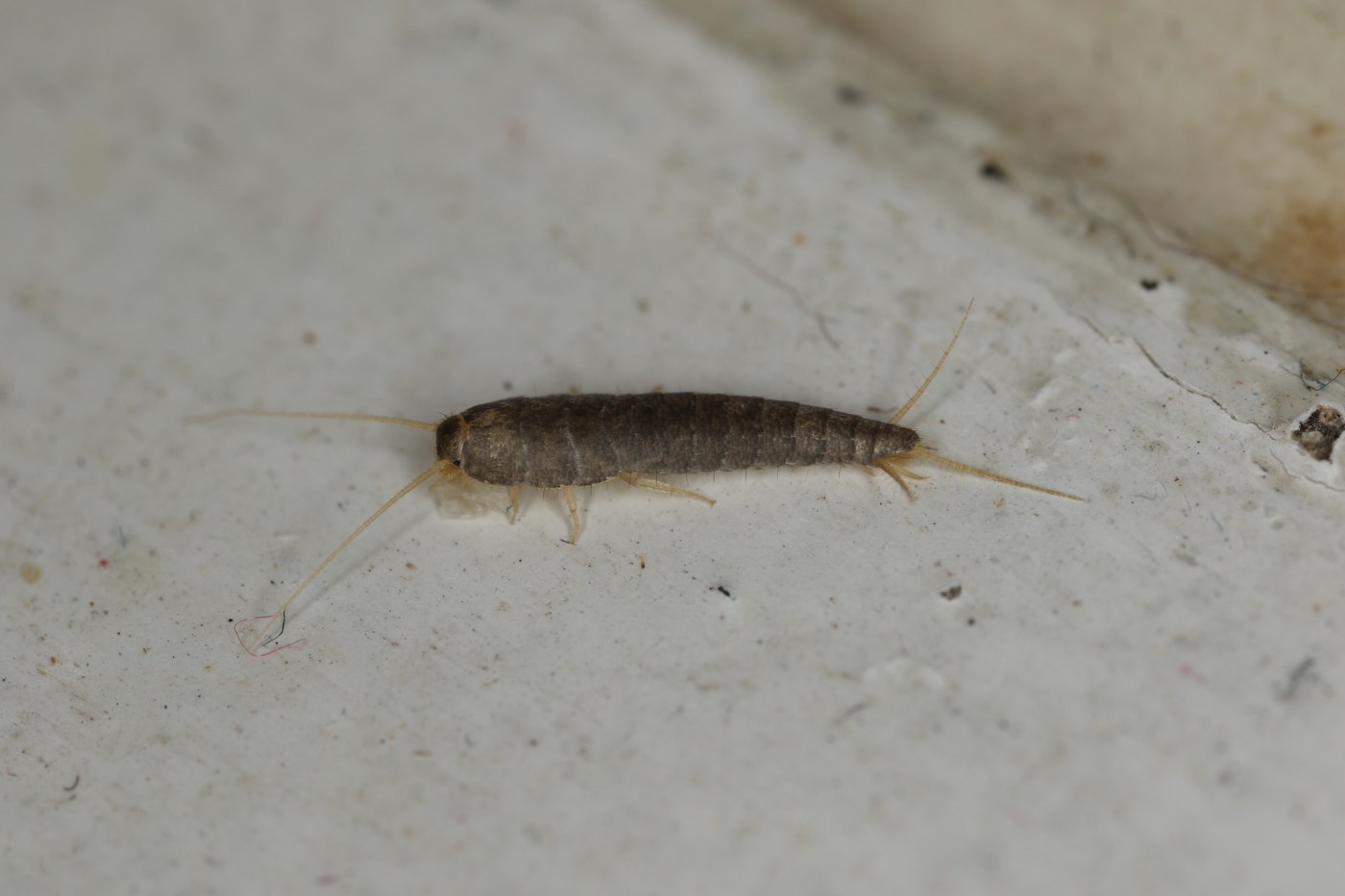
Silverfish
Damp basements, bathrooms, closets, and dark indoor crevices