
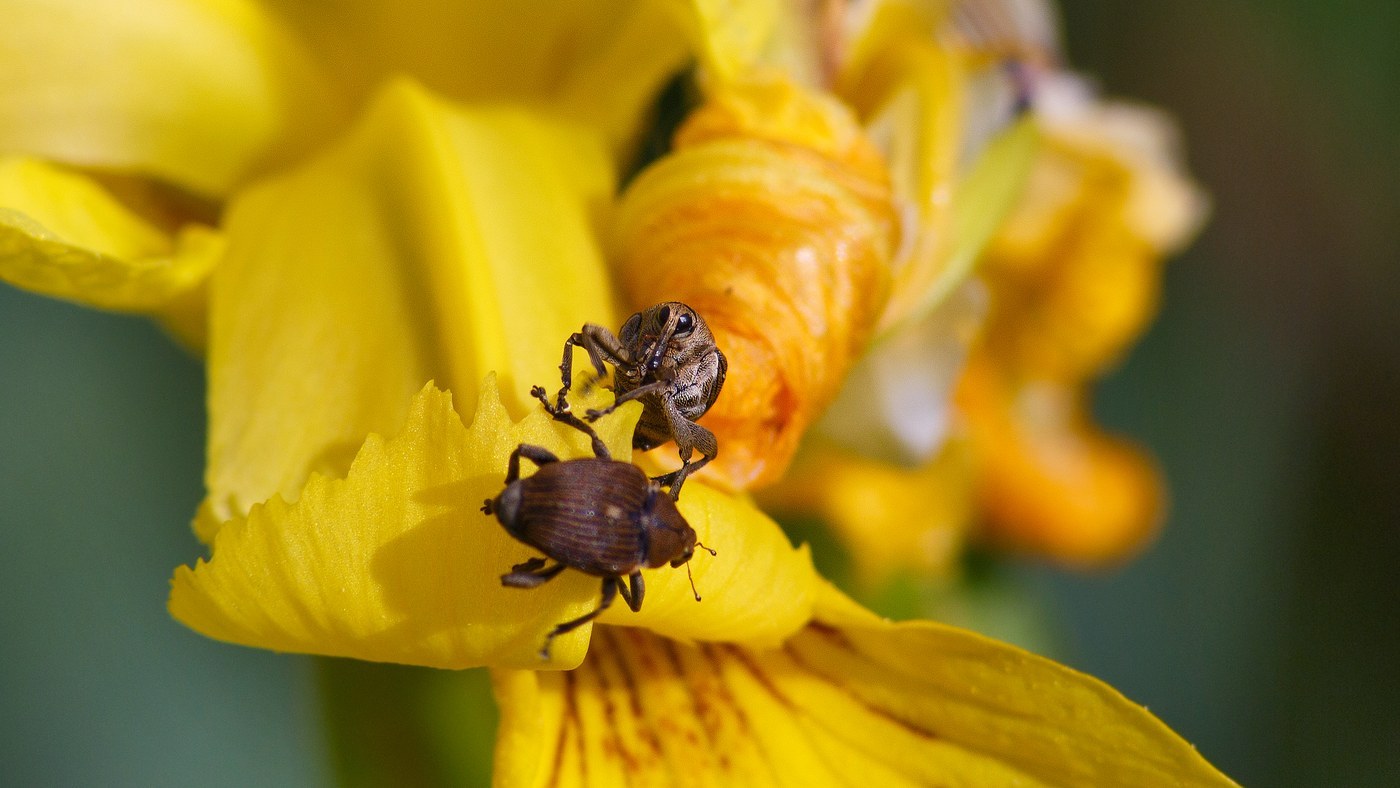
Weevil
Curculio spp.
A beetle instantly recognizable by its elongated, downward-curving snout tipped with tiny chewing mouthparts, used to bore into seeds, nuts, grain, and plant stems.
- Size
- 2–10 mm (most species)
- Habitat
- Gardens, crop fields, stored grain, forests
- Danger
- Nuisance pest
Spotted a bug like this?
Identify any bug or insect from a photo, free.
Overview
Weevils make up the family Curculionidae, one of the largest families in the entire animal kingdom, with well over 60,000 described species worldwide. What unites this enormous group is the rostrum, an elongated snout that extends from the head and carries the beetle's chewing mouthparts at its very tip, an adaptation that allows weevils to drill precisely into seeds, nuts, fruit, and plant tissue.
Weevils occupy nearly every terrestrial habitat and feed on an extraordinary range of plant material, with many species highly specialized to a single host plant or plant family. Some, like the grain weevils, have become closely associated with stored agricultural products, while others live entirely outdoors on wild or cultivated vegetation.
Because of their sheer diversity, weevils vary enormously in size, color, and host preference, but the distinctive elbowed antennae emerging partway down the snout and the unmistakable curved rostrum make the group easy to recognize even for non-specialists.
How to Identify
- Defining feature: a narrow, elongated snout (rostrum) projecting from the front of the head, often as long as or longer than the rest of the body.
- Elbowed (geniculate) antennae attach partway along the snout rather than on the head itself.
- Body shape ranges from oval and compact to elongated, usually with hardened, textured wing covers in shades of brown, black, gray, or metallic tones.
- Legs are often held close to the body; many species feign death (thanatosis) by dropping and lying motionless when disturbed.
- Lookalikes include other beetle families with elongated heads, but true weevils are distinguished by the mouthparts sitting at the very tip of the snout.
Habitat & Range
Weevils are found on every continent except Antarctica, occupying forests, grasslands, gardens, agricultural fields, and stored-product facilities. Most species are tied closely to specific host plants, spending their adult lives feeding and mating on or near that plant, while others, such as grain weevils, are found wherever dry stored seeds and cereals are kept. Activity peaks in warm months outdoors, while stored-product species can remain active year-round in climate-controlled indoor settings.
Behavior & Diet
Adult weevils use their snout to chew feeding punctures and oviposition holes into seeds, nuts, fruits, stems, or roots, depending on the species. Movement is typically slow and deliberate, and many species are flightless or rarely fly, relying instead on walking and their protective coloring to avoid predators. Weevils are almost exclusively herbivorous, and in the wild they serve as both plant-tissue consumers and prey for birds, small mammals, and predatory insects, forming an important link in food webs tied to specific plant communities.
Life Cycle
Females use their rostrum to drill a small hole into a seed, nut, stem, or fruit and deposit a single egg or small cluster inside, providing the larva with an immediate, protected food source. The legless, grub-like larva develops entirely within this plant tissue, feeding until fully grown, then pupates either inside the seed or after dropping to the soil, completing full metamorphosis. Depending on species and climate, weevils may produce one to several generations per year, and many overwinter as adults in leaf litter, bark crevices, or stored plant material.
Frequently asked questions
How can I tell a weevil from another beetle?
The long, curved snout with mouthparts at the tip and elbowed antennae attached partway down that snout are the clearest identifying features unique to weevils.
Are all weevils the same species?
No, weevils form one of the largest beetle families on Earth, with tens of thousands of species that vary in size, color, and host plant.
What do weevils feed on?
Diet varies by species but generally includes seeds, nuts, grain, fruit, stems, or roots of specific host plants.
Do weevils fly?
Many species are weak fliers or flightless, relying mainly on walking, though some do fly readily to locate new host plants.
Weevil guides
In-depth guides for identifying, understanding, and living alongside Weevil.
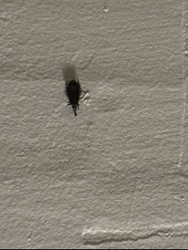
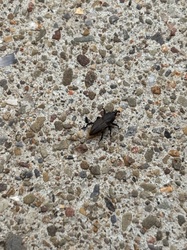
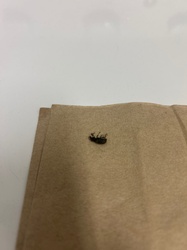
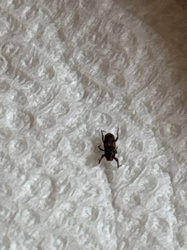
Weevil identified by the community
Real finds identified with Bug Identifier.
Other bugs you may enjoy
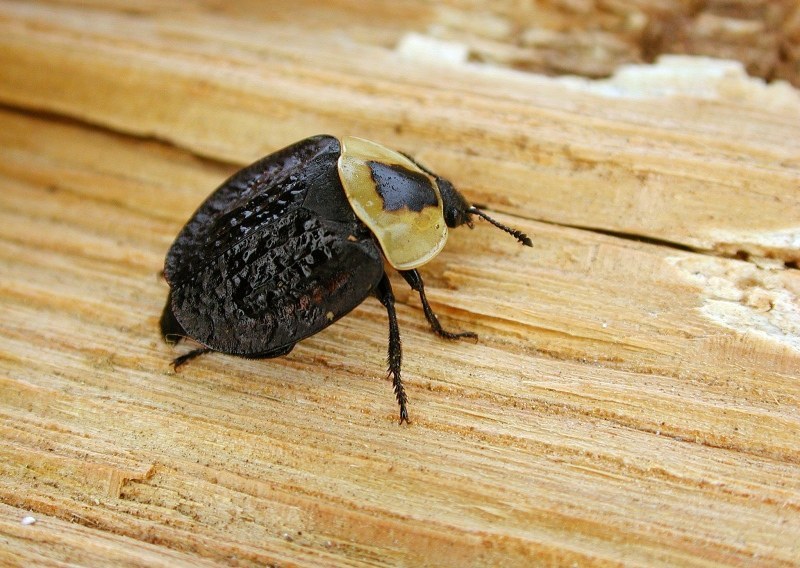
American Carrion Beetle
Forests, fields, and roadsides across North America, near decaying animal carcasses
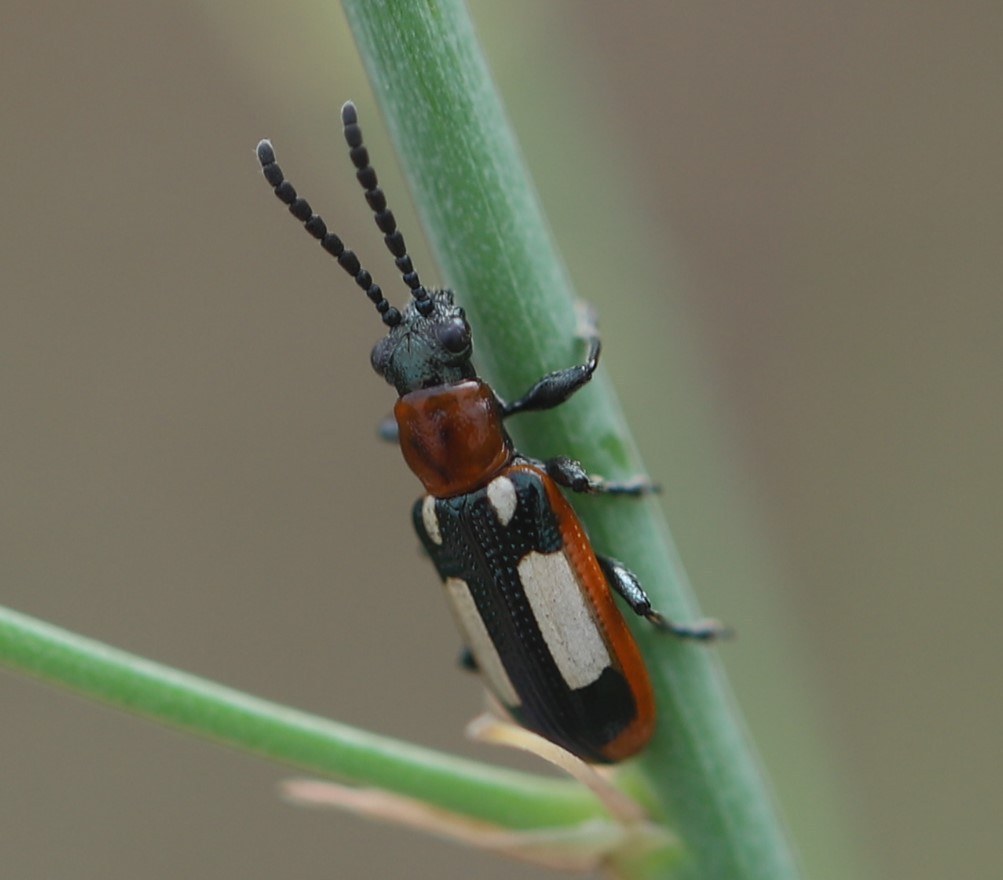
Asparagus Beetle
Asparagus patches, gardens, and farm fields
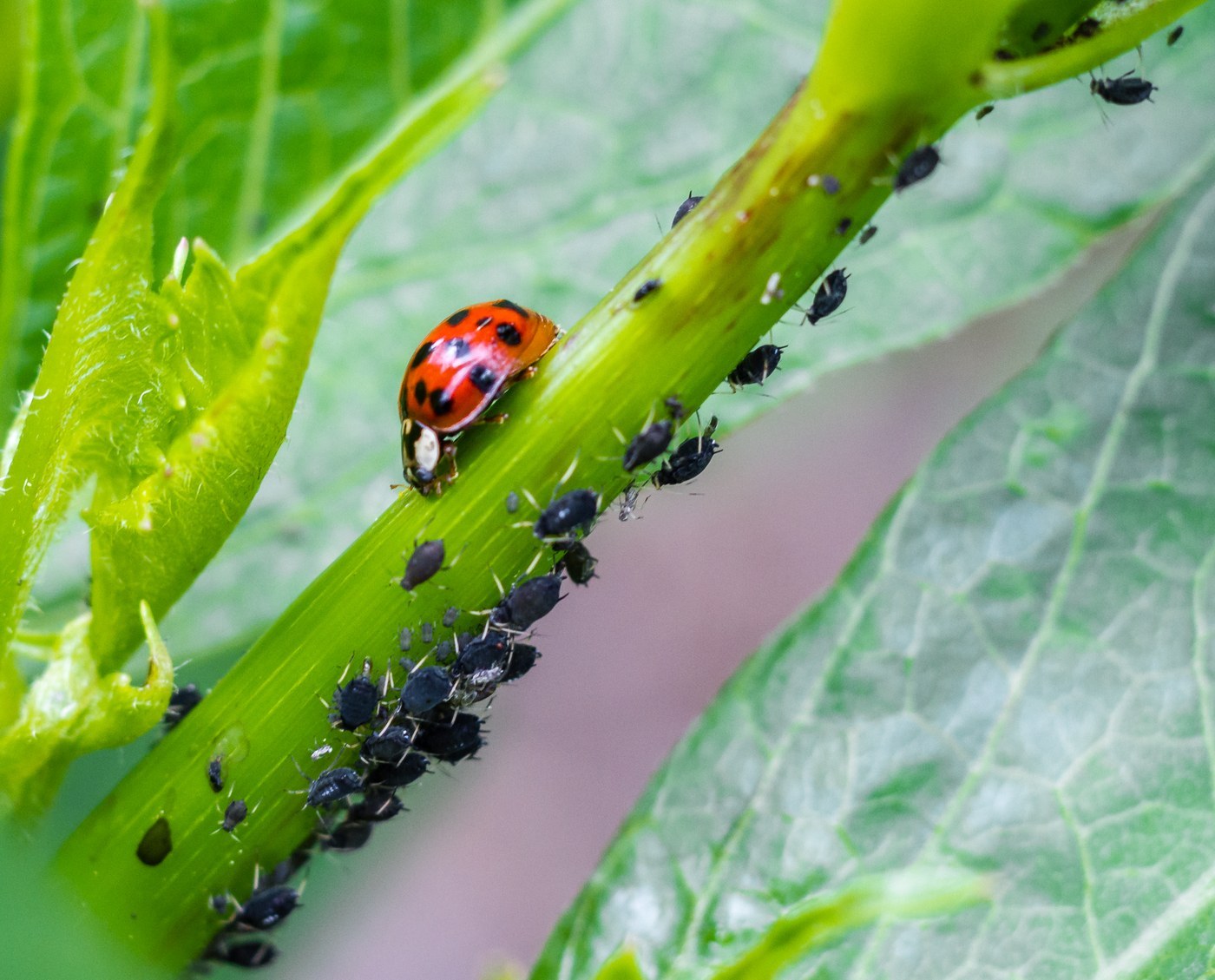
Asian Lady Beetle
Gardens, crop fields, woodlands, buildings
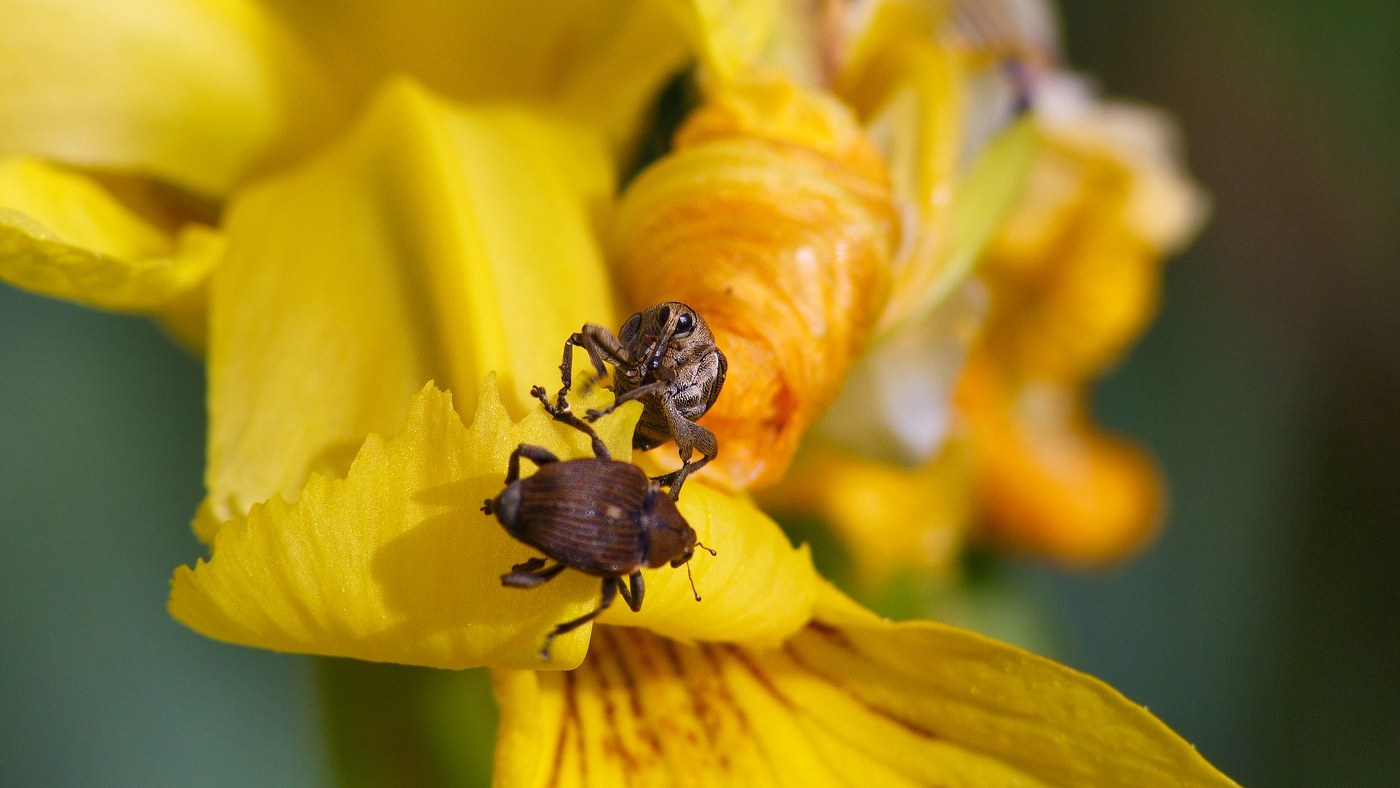
Acorn Weevil
Oak woodlands and forests, on and beneath oak trees
Wireworm
Soil of grasslands, gardens, and cultivated fields worldwide
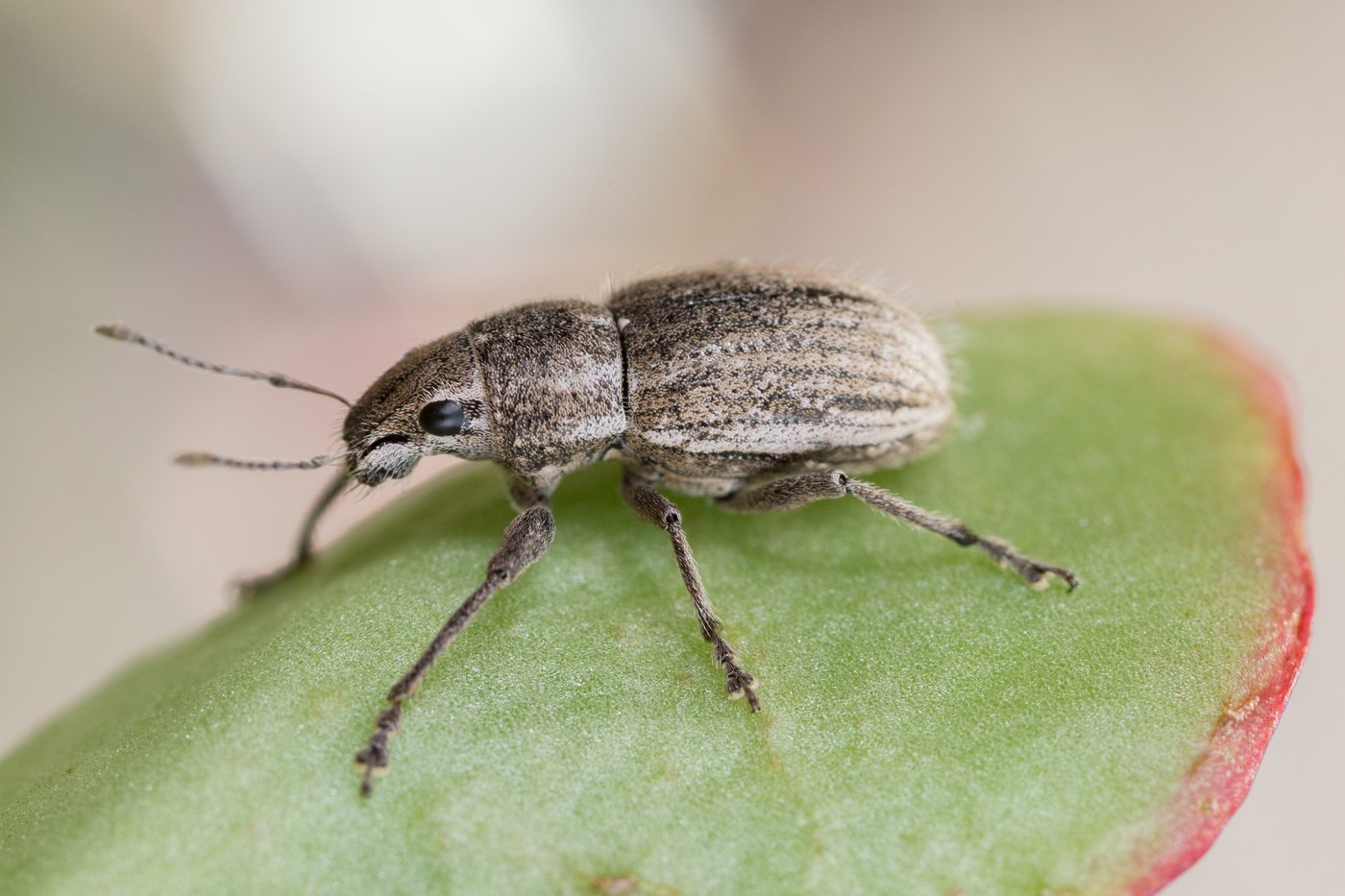
Whitefringed Beetle
Pastures, row crops, lawns, disturbed soils
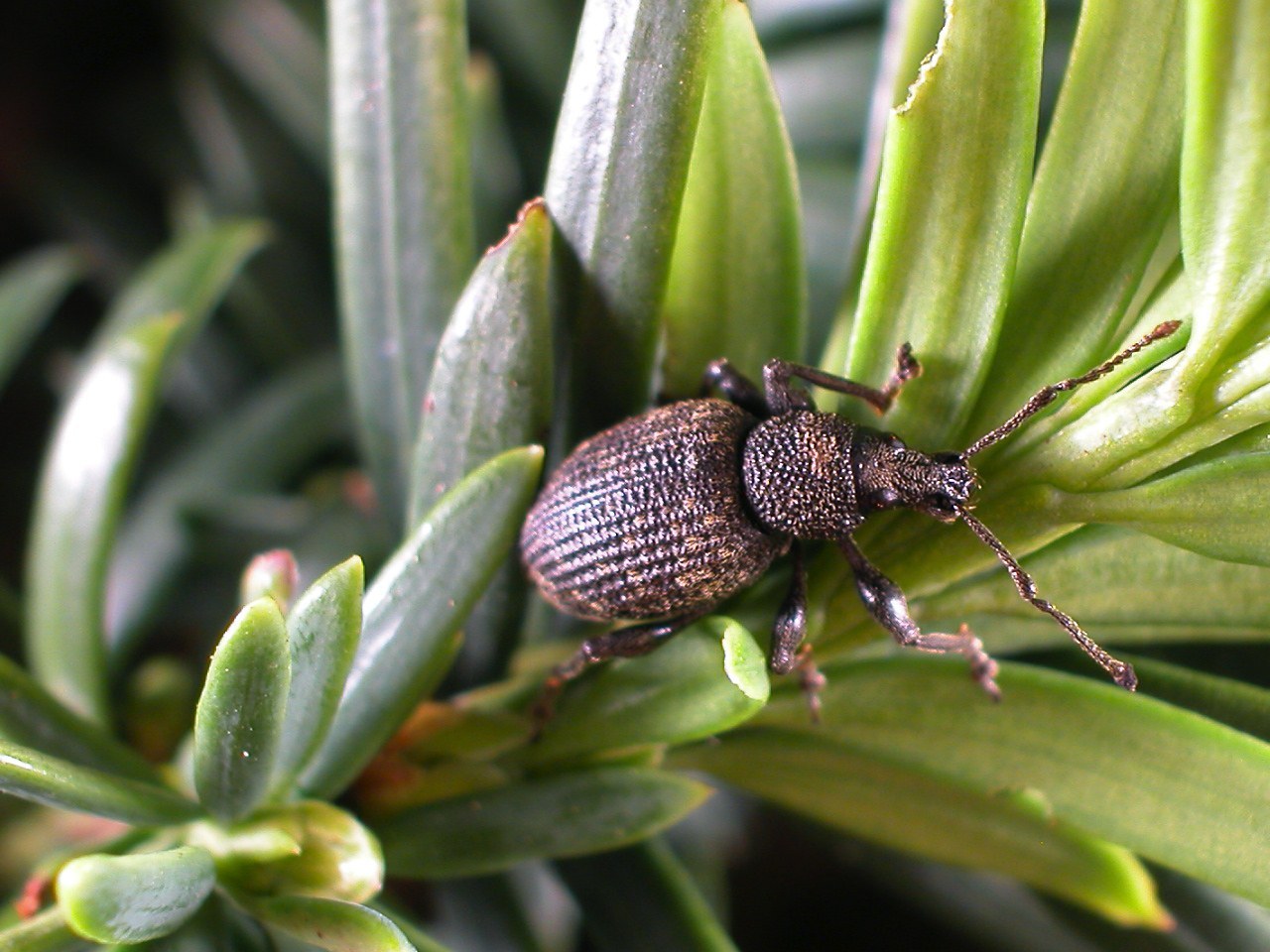
Vine Weevil
Gardens, nurseries, greenhouses, and container plantings
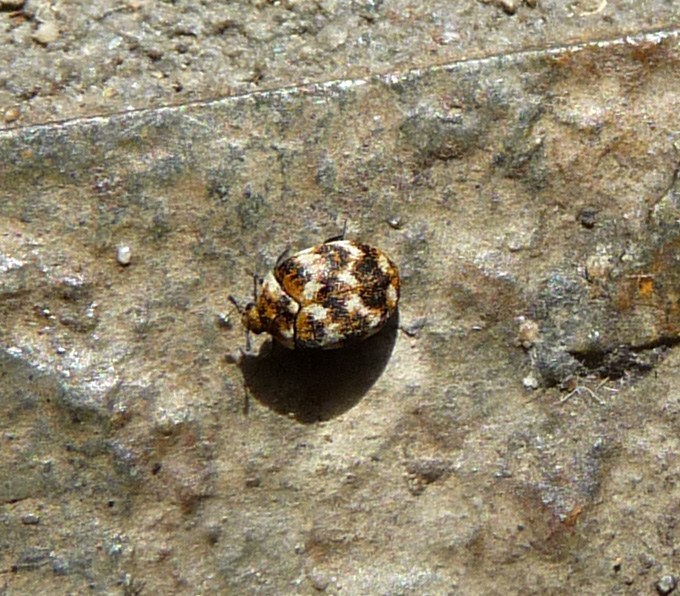
Varied Carpet Beetle
Homes, nests of birds and mammals, and flowers outdoors
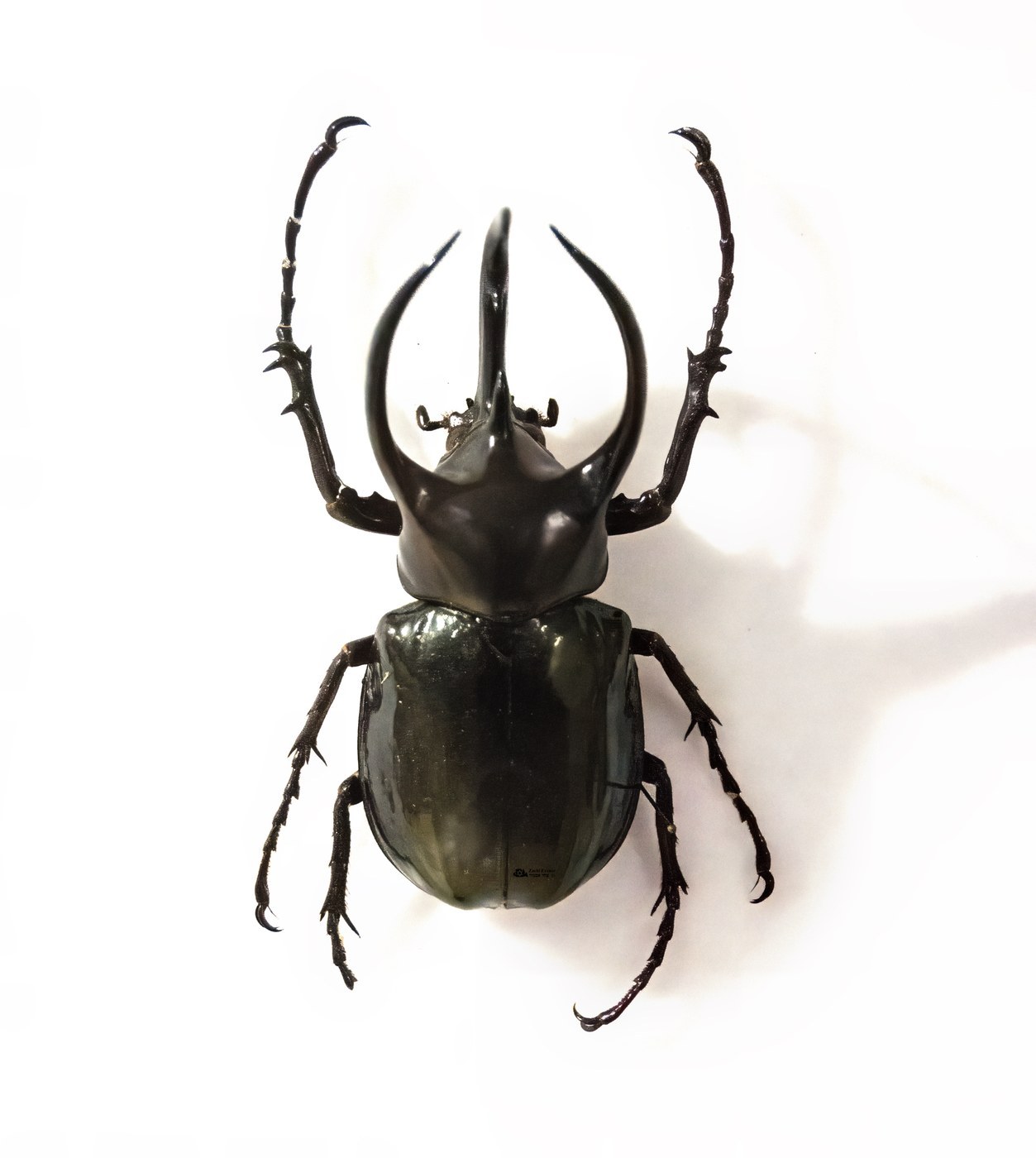
Atlas Beetle
Tropical forests of Southeast Asia
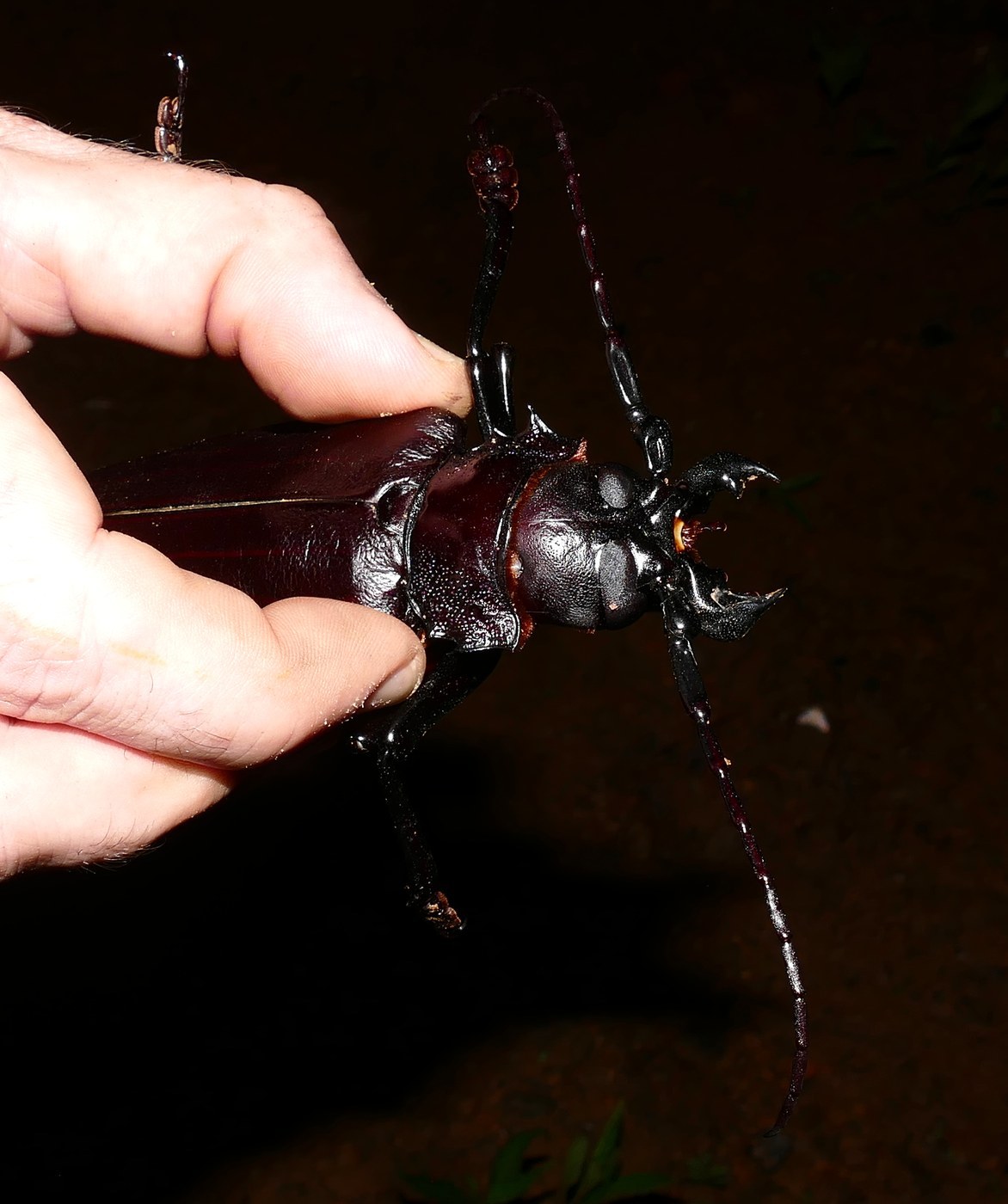
Titan Beetle
Amazon rainforest of South America
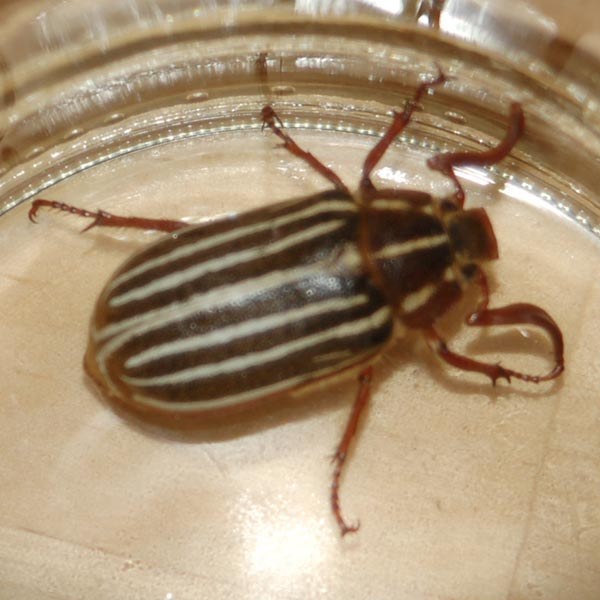
Ten-lined June Beetle
Sandy soils, pine forests, and orchards of western North America
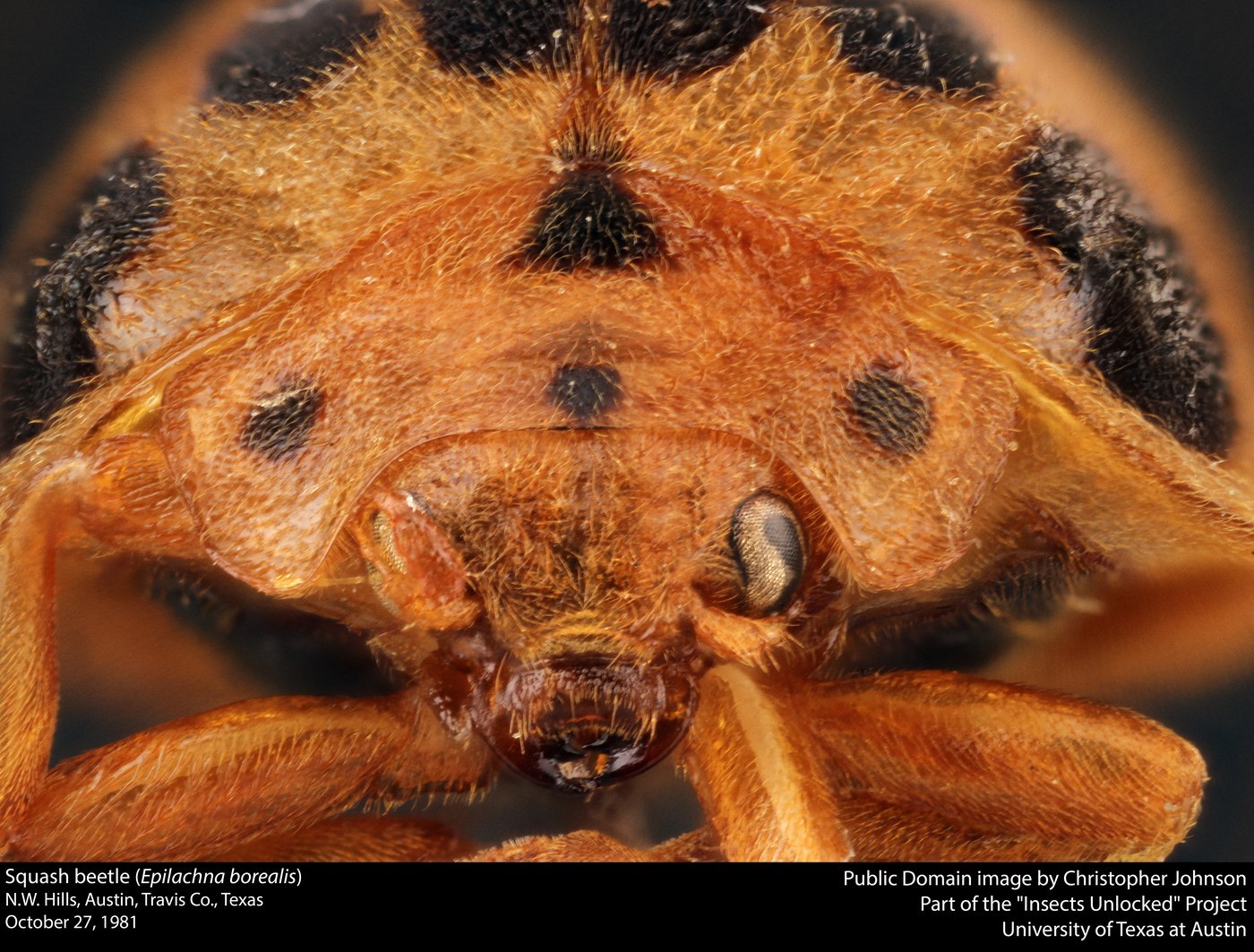
Squash Beetle
Vegetable gardens and fields growing squash, pumpkin, and other cucurbits