
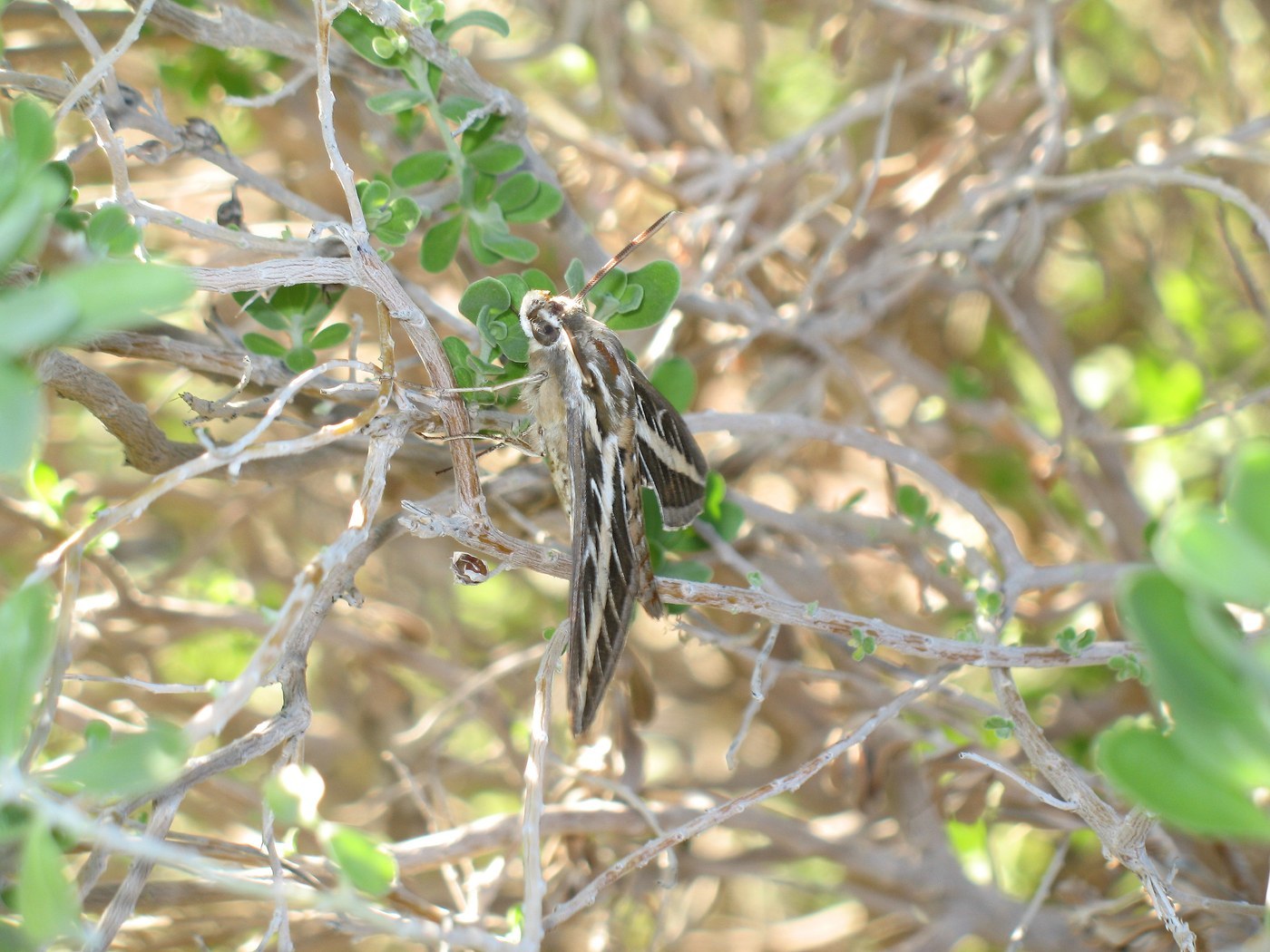
White-lined Sphinx Moth
Hyles lineata
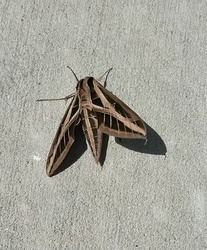
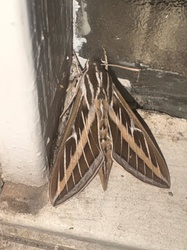
A fast, hovering moth often mistaken for a hummingbird as it darts between flowers at dusk, identifiable by the bold cream-colored stripe running across each streamlined brown forewing.
- Size
- 2.5–3.5 in wingspan
- Habitat
- Gardens, deserts, and meadows across North America
- Danger
- Harmless
Spotted a bug like this?
Identify any bug or insect from a photo, free.
Overview
The white-lined sphinx moth is a member of the family Sphingidae, the sphinx or hawkmoths, a group prized for their powerful, sustained flight and hovering feeding style that closely resembles that of hummingbirds. It is one of the most widespread and commonly encountered sphinx moths in North America, found from coast to coast in a huge range of habitats.
Because it flies during both dusk and daytime hours and hovers at flowers while feeding, it is frequently mistaken at a glance for a small hummingbird or a bumblebee, leading to its popular nickname. Its abundance and adaptability make it an important pollinator across many desert and garden plant species, particularly those with deep, tubular flowers suited to its long proboscis.
How to Identify
- Wingspan of roughly 65–90 mm; body is streamlined and torpedo-shaped, typical of sphinx moths.
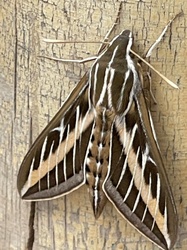
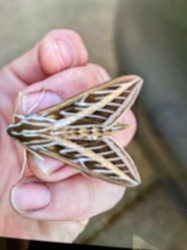
- Forewings are olive-brown with a bold, pale tan to cream diagonal band running from the wing base to tip, bordered by darker lines.
- Hindwings are pink to rose-colored with black borders at the base and tip.
- Body bears white lines along the thorax and a series of black-and-white checkered markings along the abdomen sides.
- Distinguished from true hummingbirds by its antennae, six legs, and lack of feathers; distinguished from other sphinx moths by the strong pale diagonal forewing stripe.
Habitat & Range
Ranges across nearly all of North America, from Central America into southern Canada, occupying deserts, gardens, meadows, and disturbed open ground. Highly migratory and capable of rapid population buildups after rain in arid regions. Active at dusk, dawn, and sometimes throughout the day, especially in cooler or overcast conditions, with peak activity in warmer months.
Behavior & Diet
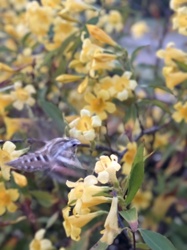
Adults hover in place while feeding on nectar from a wide variety of flowers using their long proboscis, beating their wings rapidly enough to produce an audible hum, much like a hummingbird. They are strong, fast fliers capable of long-distance movement and are important pollinators, especially for evening-blooming and deep-throated flowers. Caterpillars feed on a broad range of plants including evening primrose, grape, and various weeds, and can occur in outbreak numbers following favorable rains in desert regions.
Life Cycle
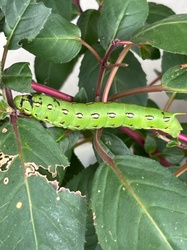
Eggs are laid singly on host plant leaves and hatch within days into caterpillars that vary widely in color from green to black, often bearing a posterior horn typical of sphinx moth larvae. Larvae feed voraciously through several instars before burrowing into soil to pupate in an underground chamber. Multiple generations occur per year in warm climates, with the species overwintering as a pupa in colder regions or persisting year-round in frost-free areas.
Frequently asked questions
Is it actually a hummingbird?
No, it's a moth that convincingly mimics hummingbird flight and feeding behavior, but it has six legs, antennae, and no feathers.
When is it most active?
It's most often seen at dusk and dawn, though it will also fly during the day, especially in cooler weather.
What flowers does it visit?
It favors deep, tubular flowers such as evening primrose, petunias, and columbine that suit its long feeding tube.
How is it different from other hawkmoths?
The bold pale diagonal stripe across each olive-brown forewing and rose-pink hindwings are its most distinctive identifying features.
White-lined Sphinx Moth guides
In-depth guides for identifying, understanding, and living alongside White-lined Sphinx Moth.
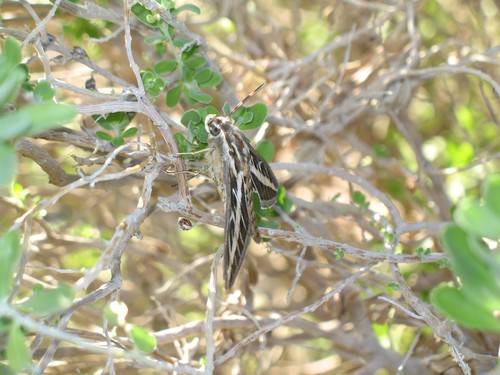
White-lined Sphinx Moth identified by the community
Real finds identified with Bug Identifier.

Other bugs you may enjoy
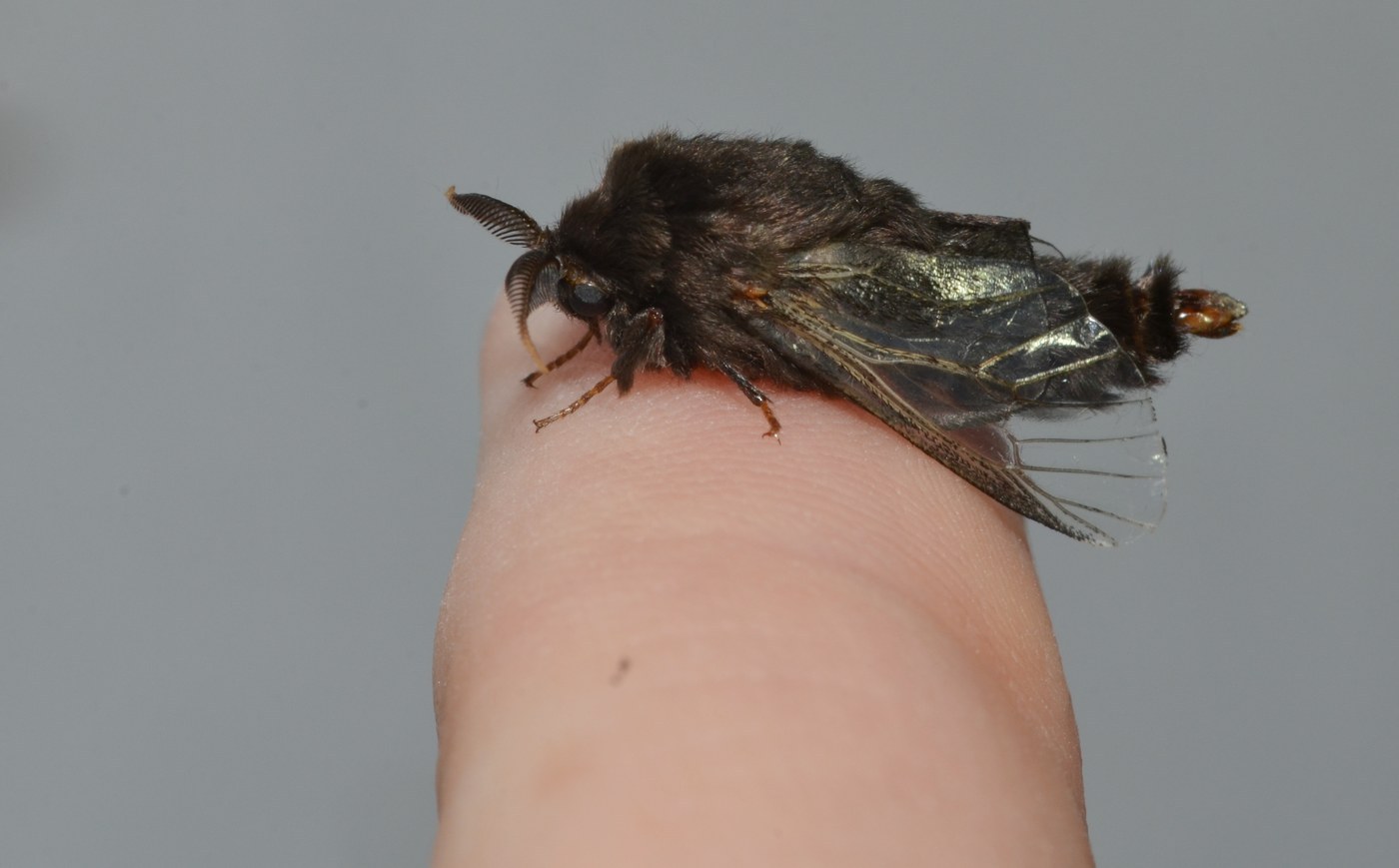
Bagworm Moth
Coniferous and deciduous trees, shrubs, hedges
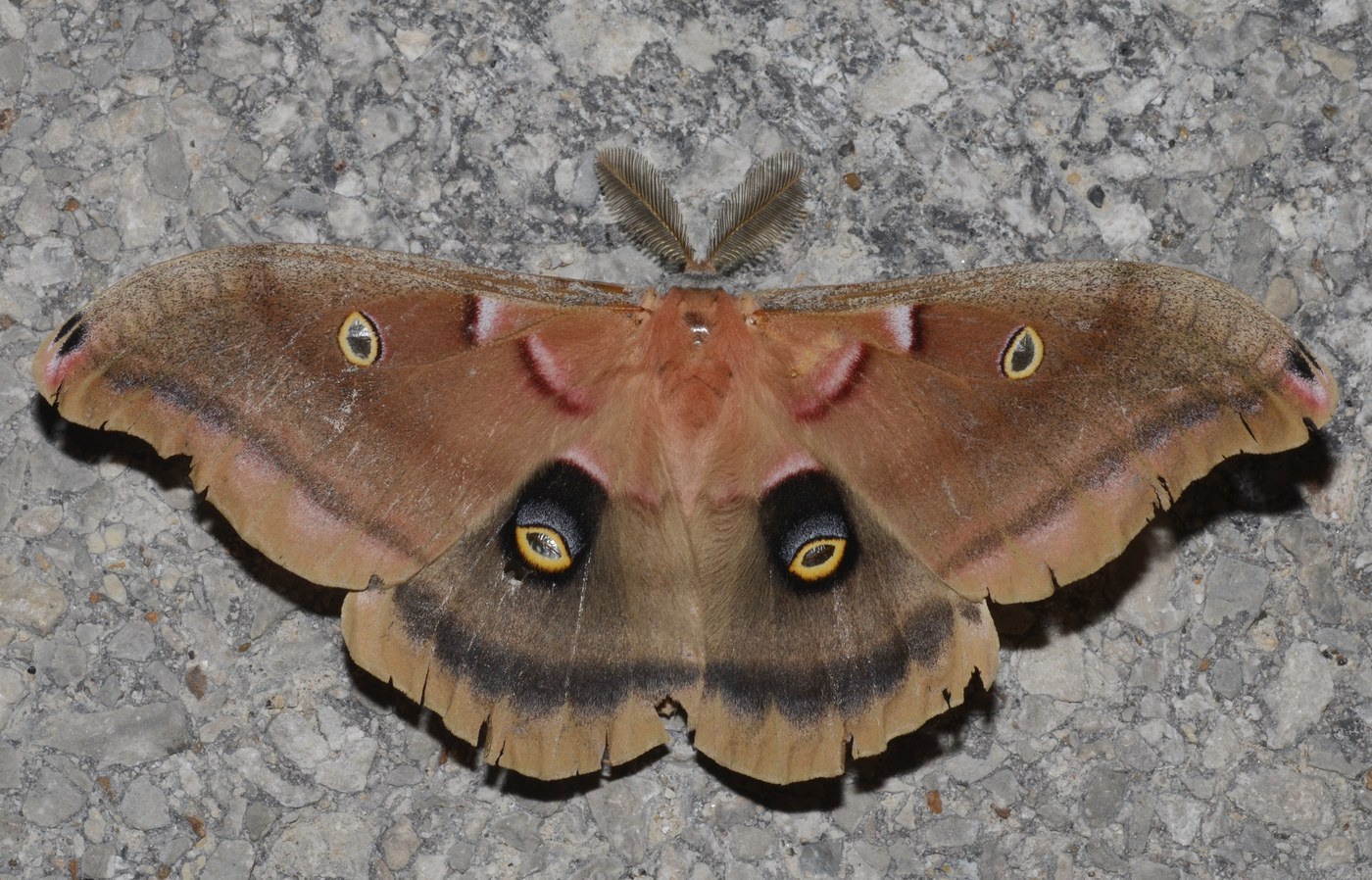
Antheraea Silkmoth
Deciduous forests, woodland edges, orchards
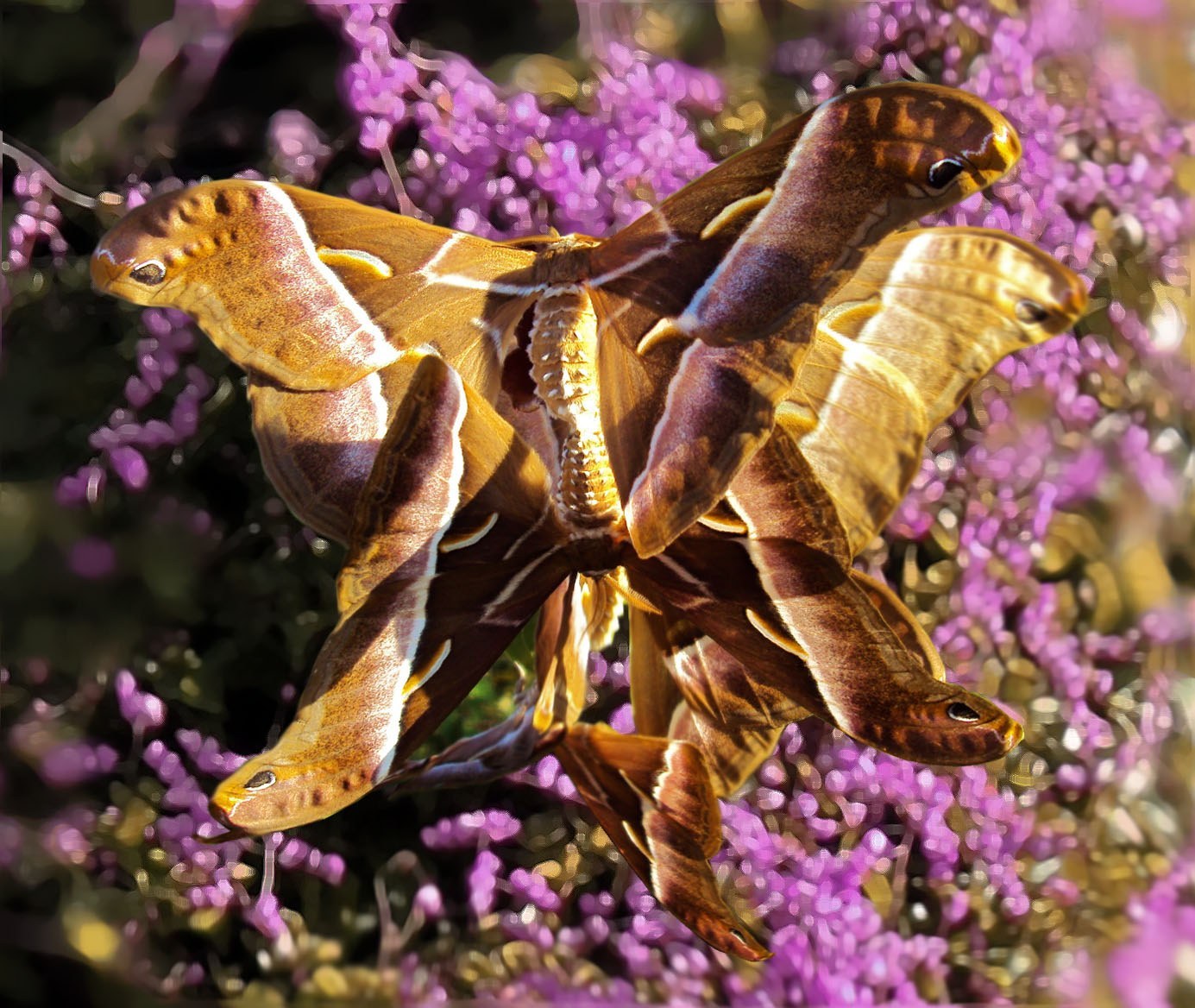
Ailanthus Silkmoth (Cynthia Moth)
Urban parks, wastelands, and woodland edges with tree-of-heaven; native to Asia, introduced in North America and Europe
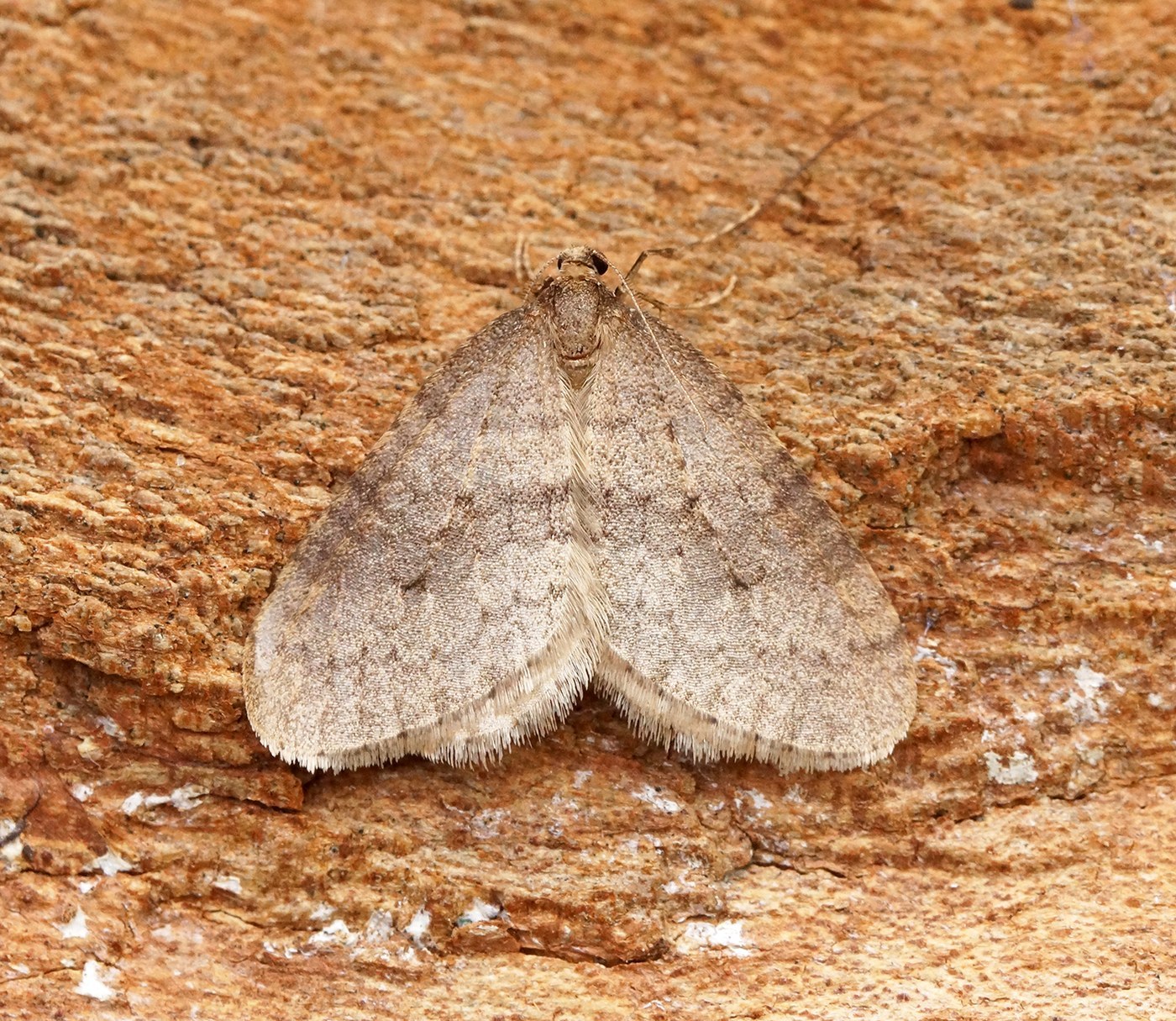
Winter Moth
Deciduous woodland, orchards, gardens, hedgerows
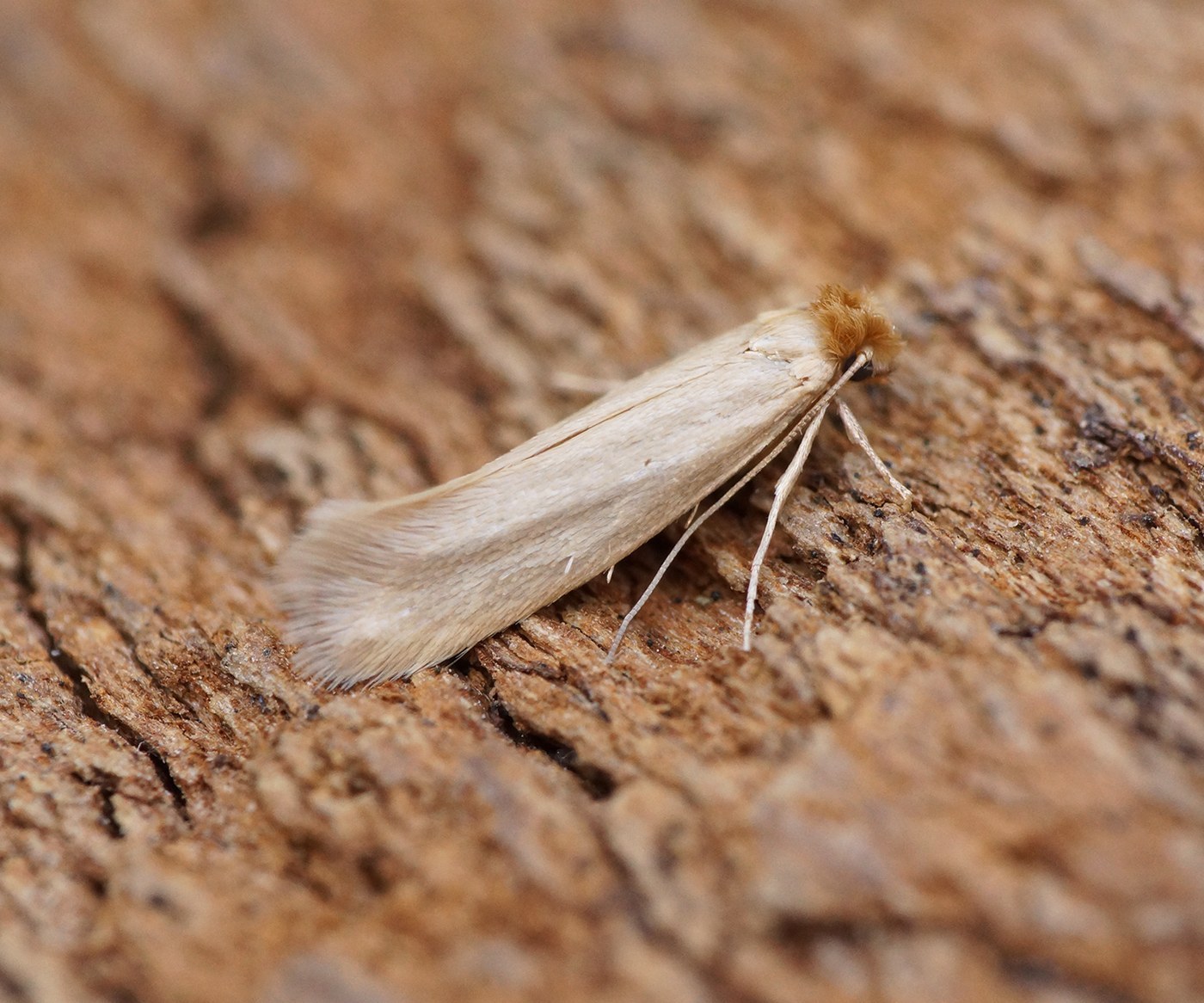
Webbing Clothes Moth
Dark closets, storage areas, and animal nests worldwide
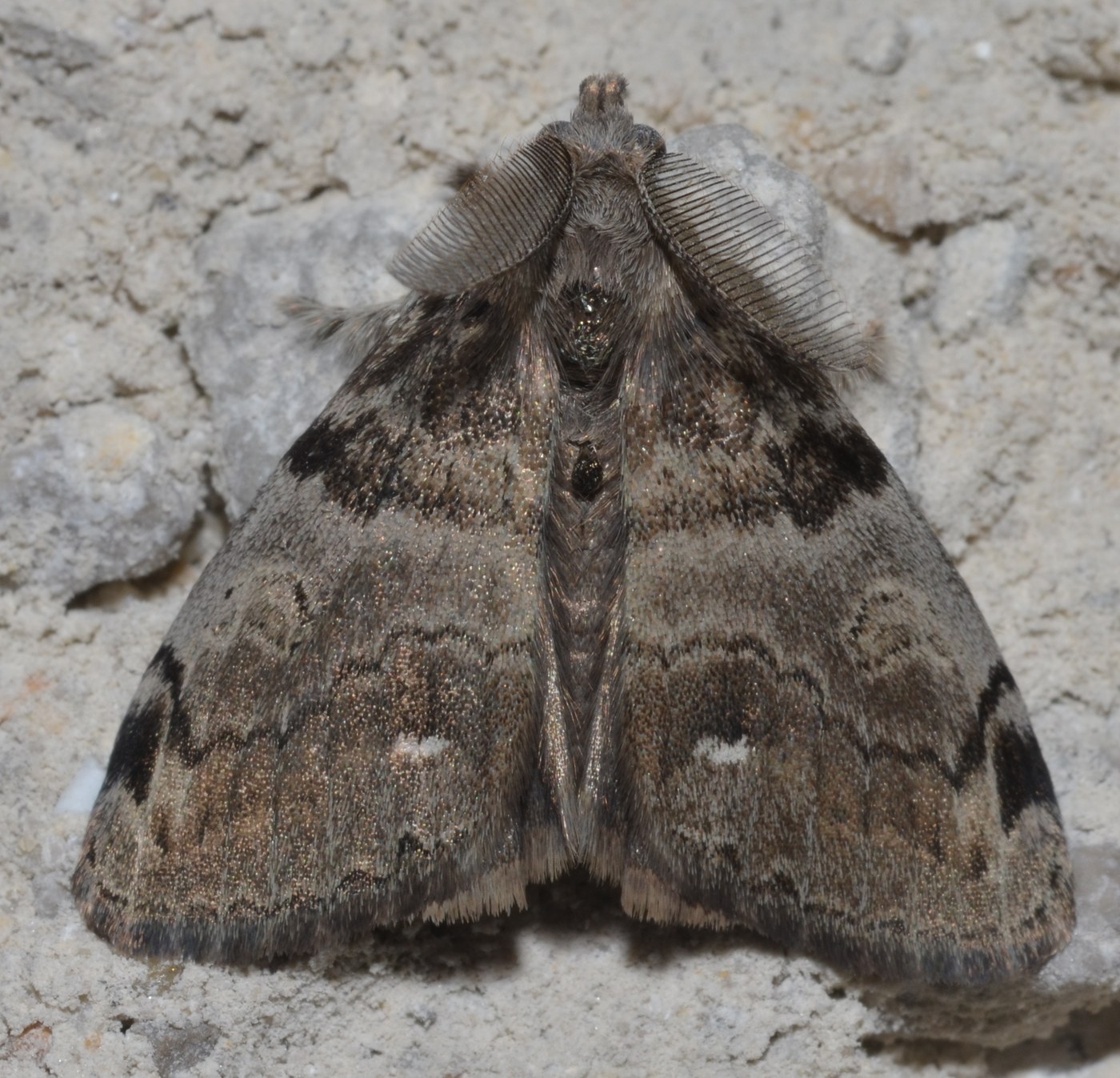
Tussock Moth
Deciduous forests, parks, gardens
Wax Moth
Beehives, apiaries, stored beeswax and comb
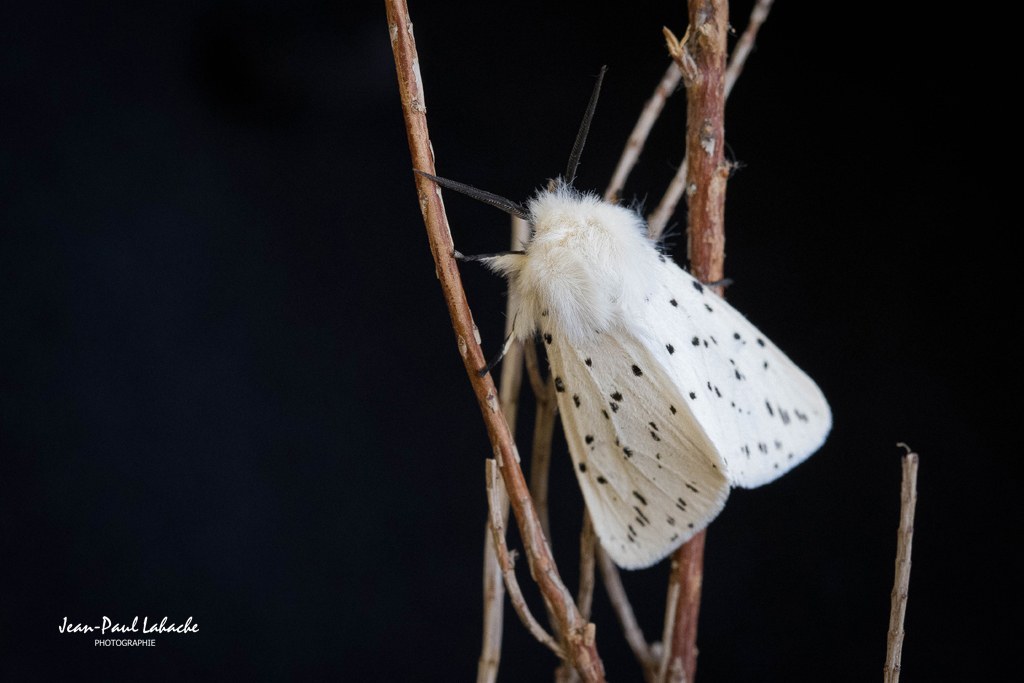
White Ermine Moth
Gardens, meadows, hedgerows
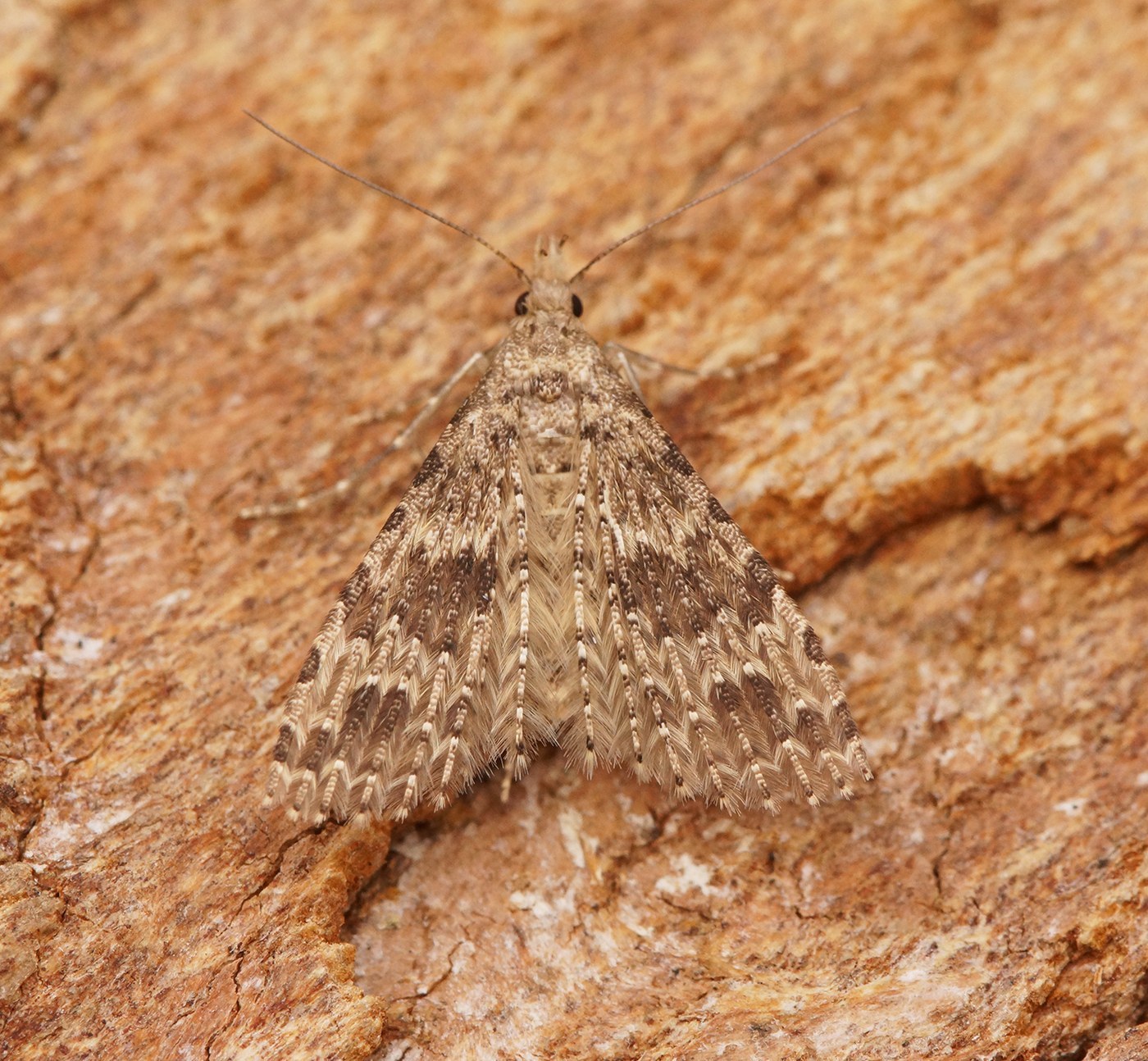
Twenty-plume Moth
Gardens, hedgerows, near honeysuckle
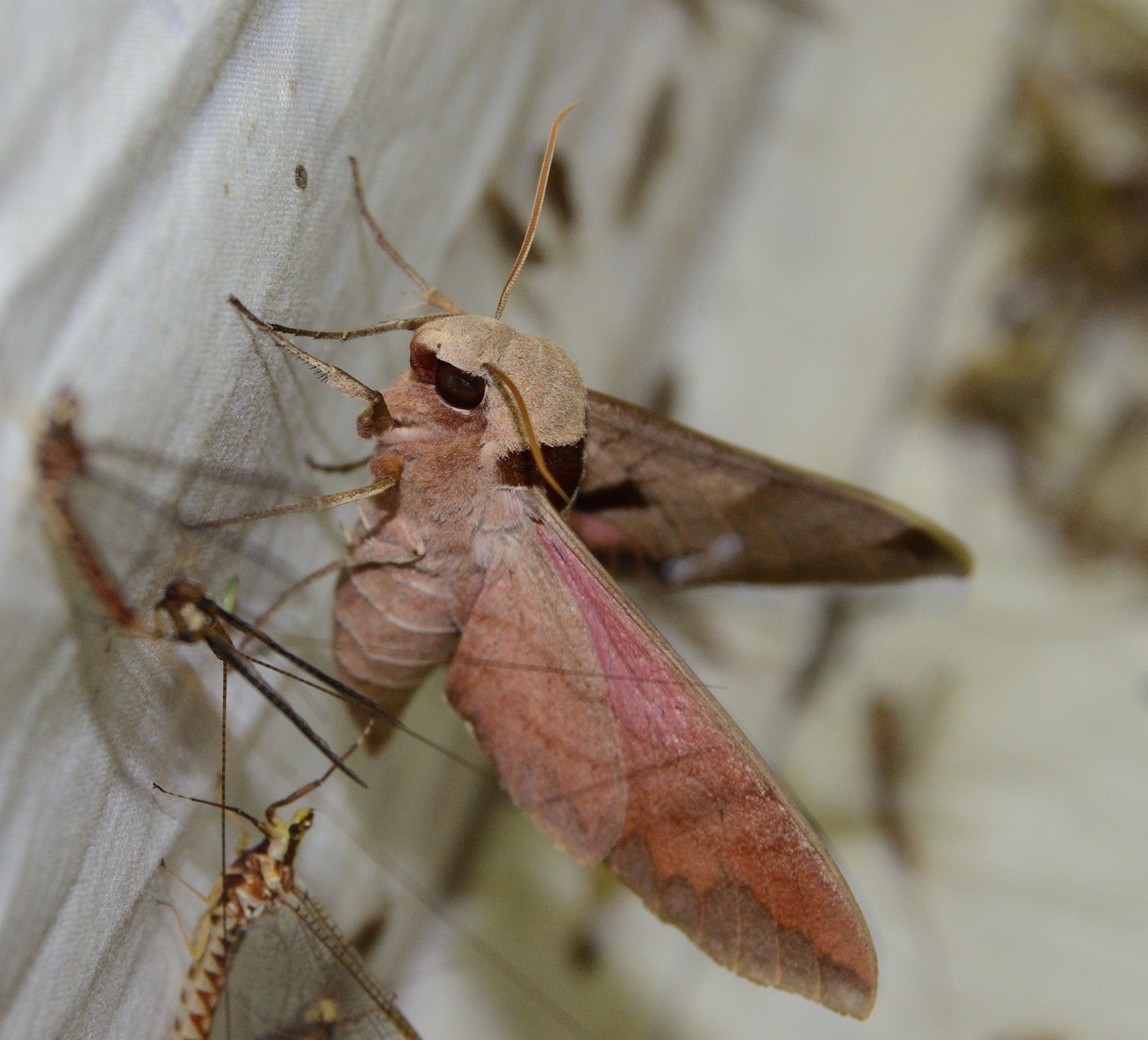
Achemon Sphinx Moth
Vineyards, woodland edges, gardens with wild grape
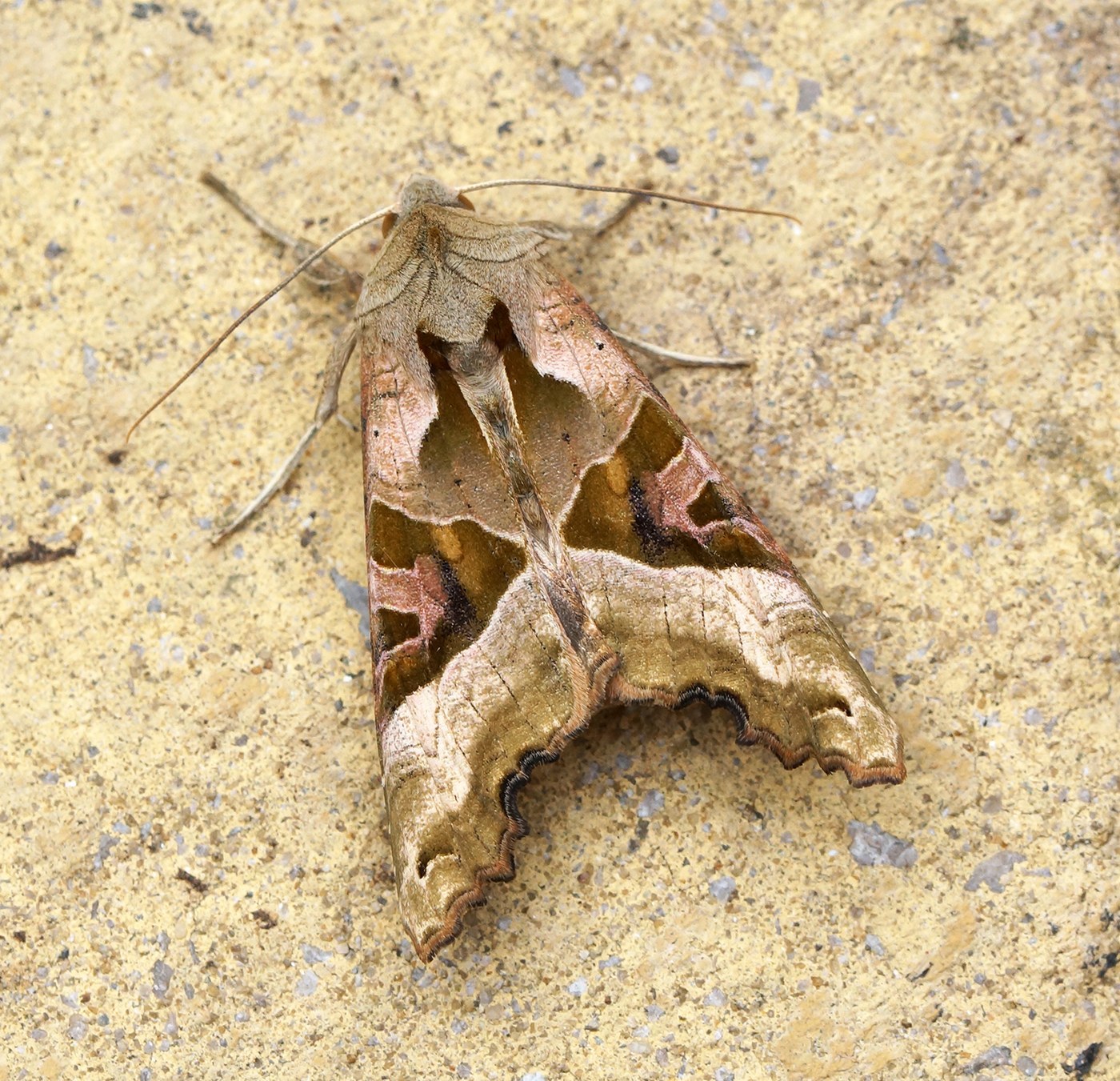
Angle Shades Moth
Gardens, hedgerows, woodland edges, urban parks
Atlas Moth
Tropical and subtropical lowland forests of Southeast Asia