
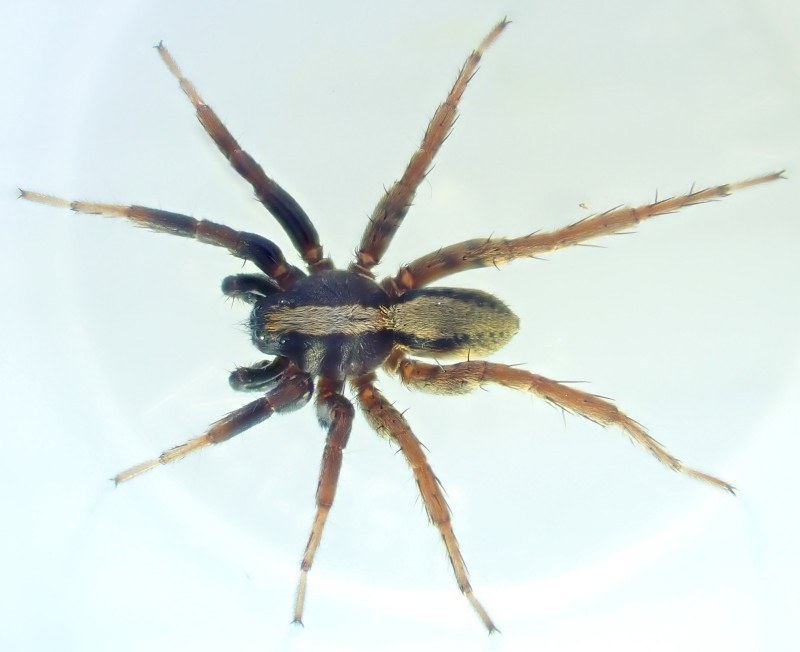
Wolf Spiderling
Lycosidae spp.
A tiny, fast-moving juvenile wolf spider, often seen riding in dozens on its mother's back before dispersing to hunt on its own across open ground.
- Size
- Body length 2-5 mm at this juvenile stage
- Habitat
- Grasslands, gardens, leaf litter and bare ground
- Danger
- Bites
Spotted a bug like this?
Identify any bug or insect from a photo, free.
Overview
Wolf spiderlings are the immature, recently hatched stage of wolf spiders, a large family of ground-dwelling hunting spiders found worldwide. What makes wolf spiderlings especially recognizable is their distinctive early behavior: after hatching, spiderlings climb onto their mother's abdomen and are carried around for one to several weeks before dispersing to hunt independently, a form of maternal care unusual among spiders.
At this life stage the spiderlings are miniature versions of the adult, already showing the mottled brown and gray coloring, eye arrangement, and stocky build typical of wolf spiders, simply on a much smaller scale. Once they leave the mother's back, spiderlings disperse across the ground and begin hunting tiny prey items on their own.
Because wolf spiders are found on every continent except Antarctica and occupy a huge range of habitats, wolf spiderlings are similarly widespread and can be encountered almost anywhere with open ground, low vegetation, or leaf litter.
How to Identify
- Small, compact body with mottled brown, gray, and tan patterning matching the adult coloration in miniature
- Eight eyes arranged in three rows, with the distinctive large forward-facing pair typical of wolf spiders
- Fast, scurrying movement across open ground rather than climbing or web-building
- Often seen in clusters riding on an adult female's abdomen shortly after hatching
- Lookalikes include spiderlings of other ground-hunting families such as nursery web spiders, distinguishable by subtle eye pattern differences
Habitat & Range
Wolf spiderlings occupy the same habitats as adult wolf spiders: grasslands, gardens, agricultural fields, forest floors, and even sandy or rocky ground, found on every continent except Antarctica. After dispersing from their mother, spiderlings typically remain in leaf litter or low vegetation where they are less exposed to predators while they grow.
Behavior & Diet
While still riding on the mother's back, spiderlings do not feed and rely on stored yolk reserves. After dispersal they begin hunting immediately, using speed and keen eyesight to chase and pounce on tiny prey such as springtails, small flies, and other minute invertebrates. Like adults, spiderlings do not build capture webs and instead rely on active pursuit, making them important early contributors to controlling small invertebrate populations in their habitat.
Life Cycle
Wolf spider eggs are carried in a silk sac attached to the mother's spinnerets until hatching, after which spiderlings climb onto her abdomen for a period of transport and protection. Once they disperse, spiderlings hunt independently and grow through numerous molts over several months to a year or more, depending on species and climate, before reaching sexual maturity as adults.
Frequently asked questions
Why do wolf spiderlings ride on their mother's back?
This is a form of maternal care found in wolf spiders, giving the vulnerable young protection and transport for a period after hatching before they disperse to hunt on their own.
Do wolf spiderlings build webs?
No, like adult wolf spiders they are active ground hunters and do not spin capture webs.
How long do spiderlings stay with the mother?
They typically remain riding on her abdomen for one to several weeks before dispersing to live and hunt independently.
Wolf Spiderling guides
In-depth guides for identifying, understanding, and living alongside Wolf Spiderling.
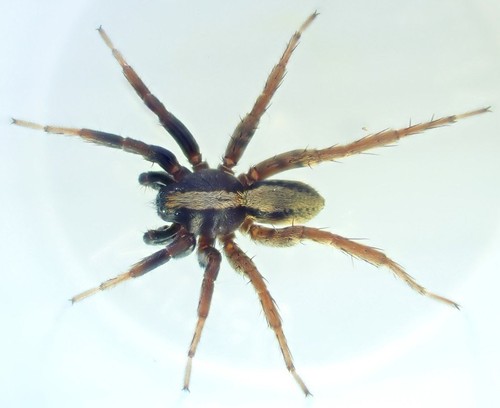
Wolf Spiderling identified by the community
Real finds identified with Bug Identifier.
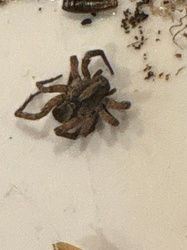
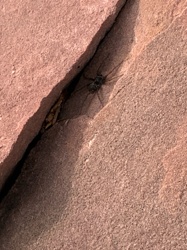
Other bugs you may enjoy
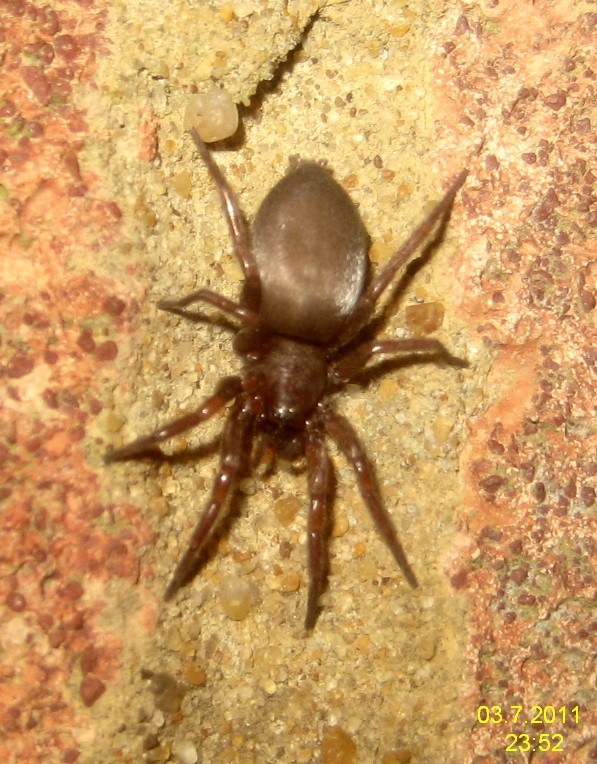
Woodlouse Spider
Damp leaf litter, under logs, stones, and mulch
Wolf Spider
Gardens, grasslands, forests, leaf litter, ground burrows
Wandering Spider
Tropical and subtropical forest floor, foliage, and banana plants
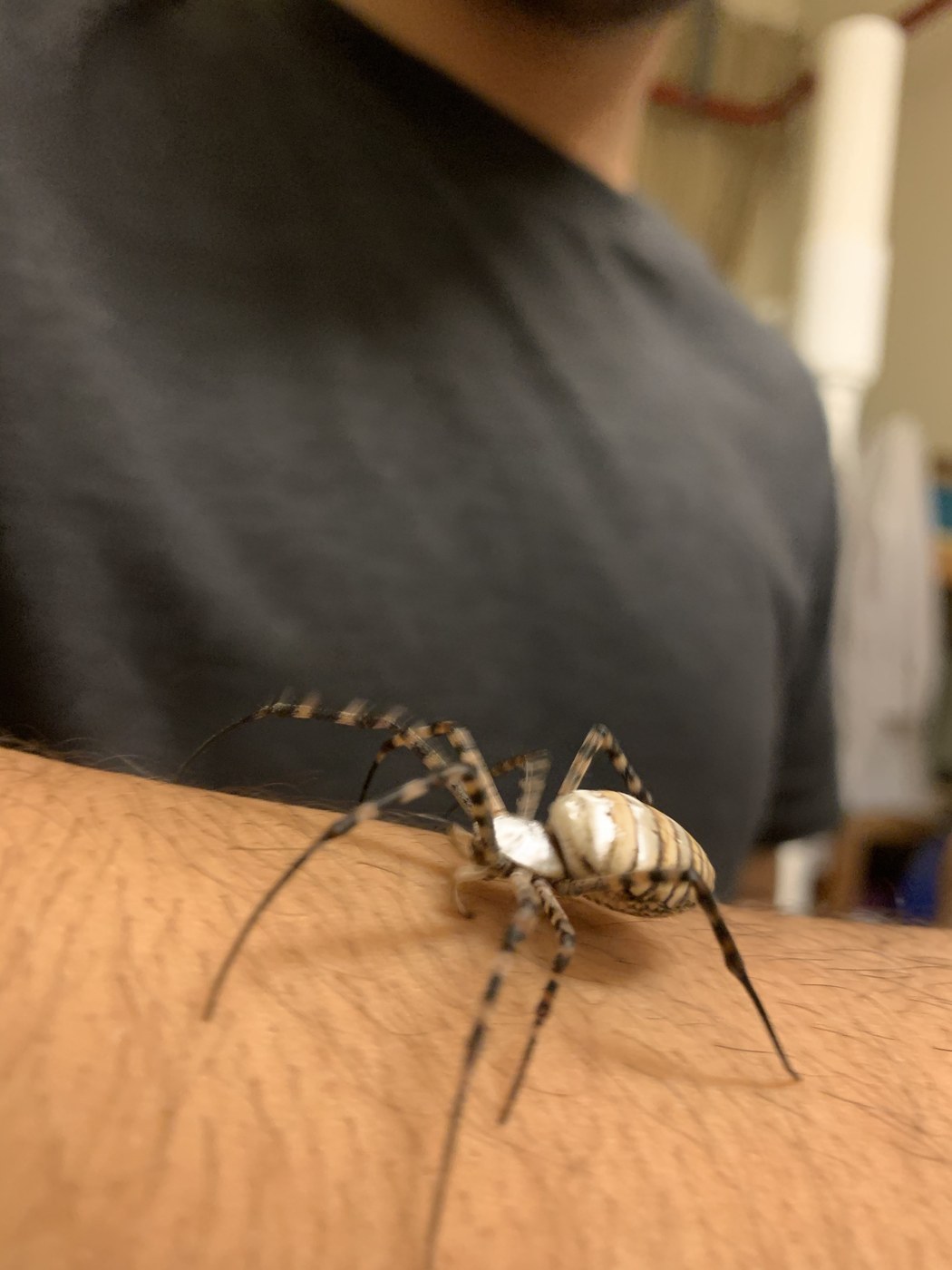
Banded Garden Spider
Tall grass, meadows, and gardens with open sunny vegetation
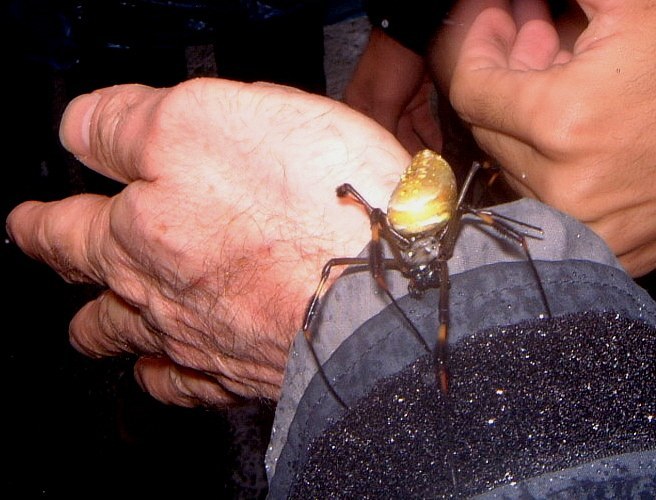
Banana Spider
Wooded trails, forest edges, and gardens across the southeastern U.S. and the American tropics
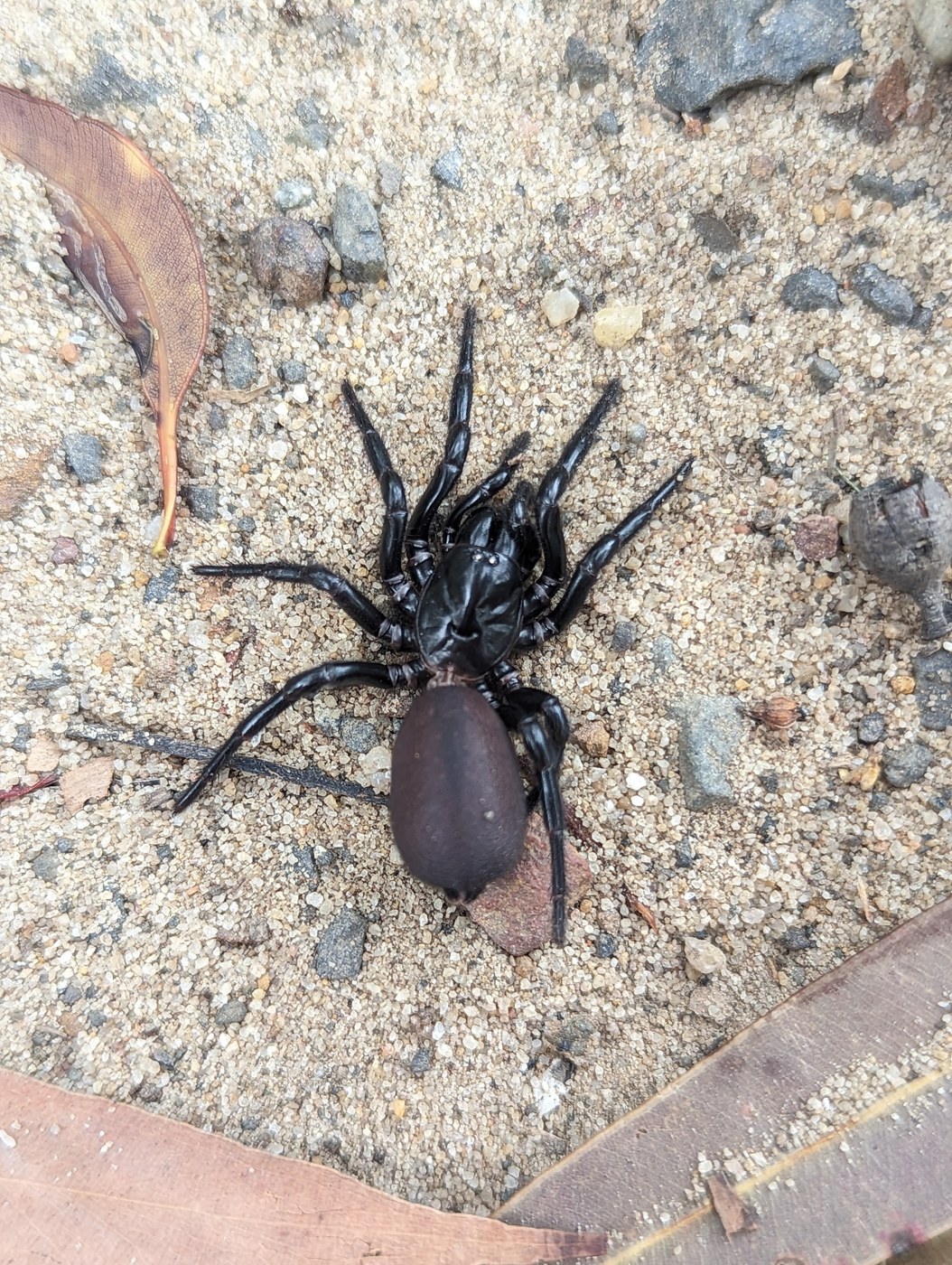
Sydney Funnel-web Spider
Burrows in moist soil, gardens, and forested gullies around the Sydney basin of eastern Australia
Trapdoor Spider
Self-dug silk-lined burrows with a camouflaged door, in dry, well-drained soil worldwide
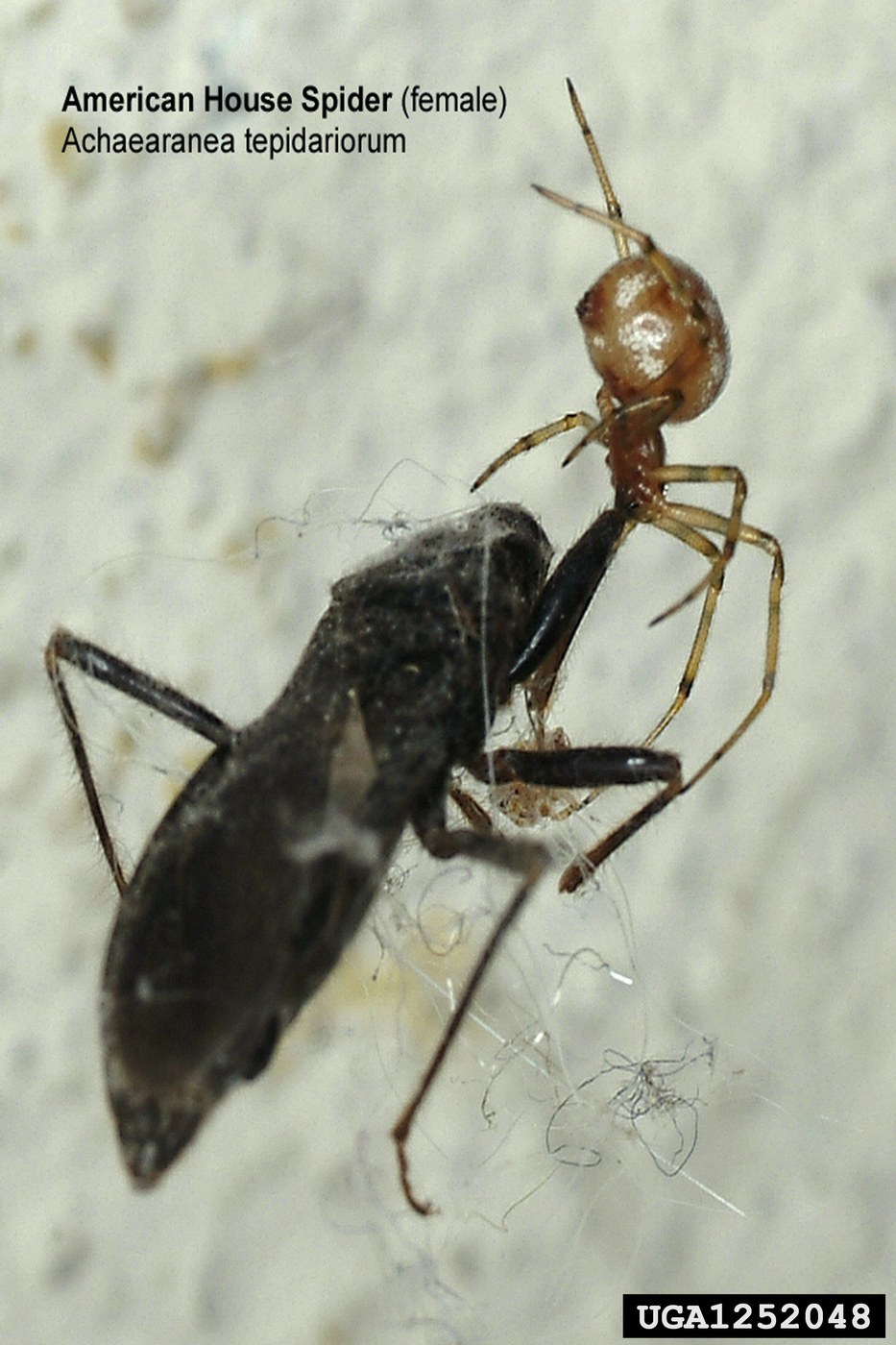
American House Spider
Corners, basements, garages, and outbuildings worldwide
Tube Web Spider
Wall crevices, bark, rockeries, and masonry
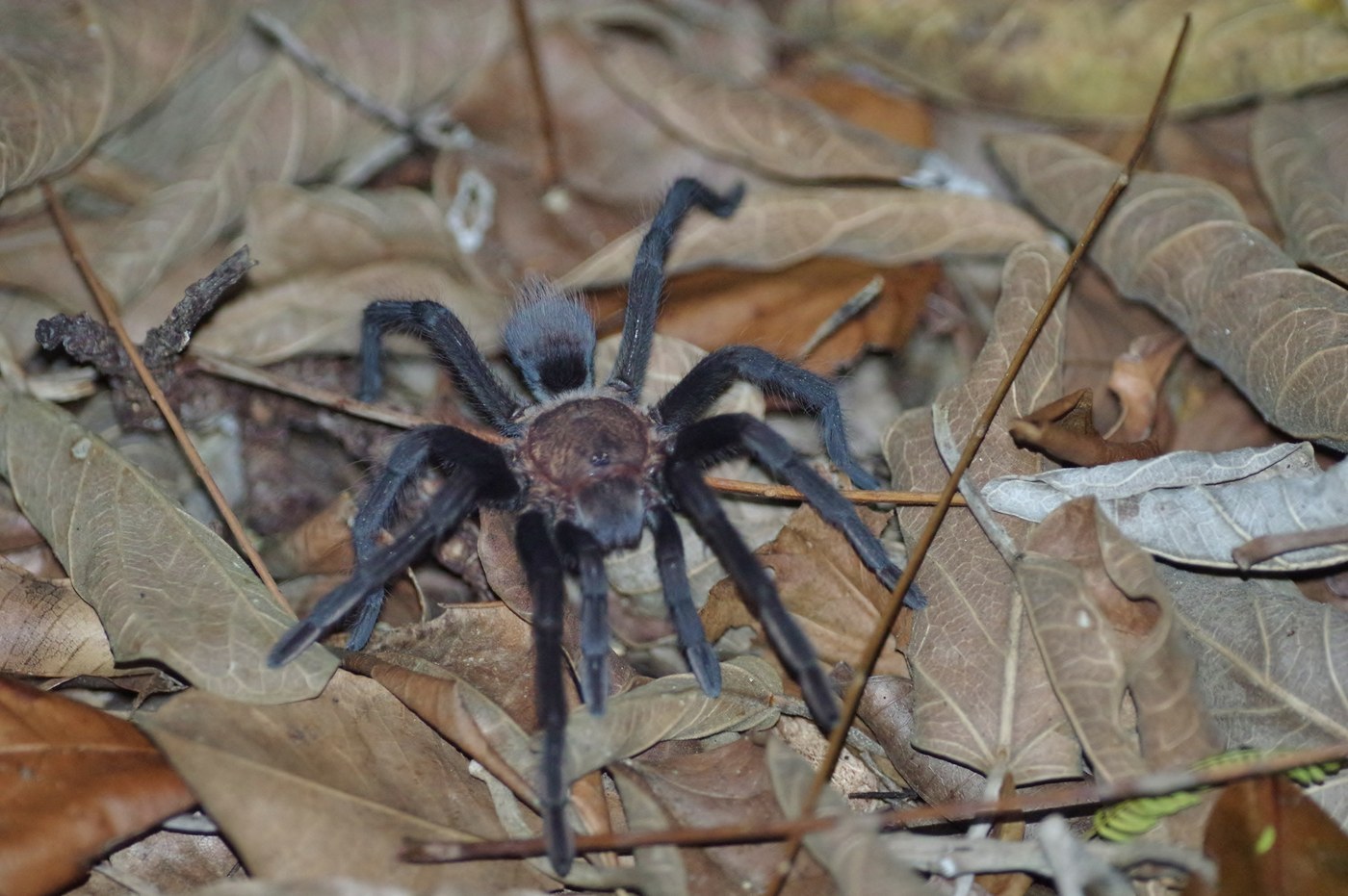
Tarantula
Burrows, rock crevices, and tree hollows in deserts, grasslands, and tropical forests worldwide
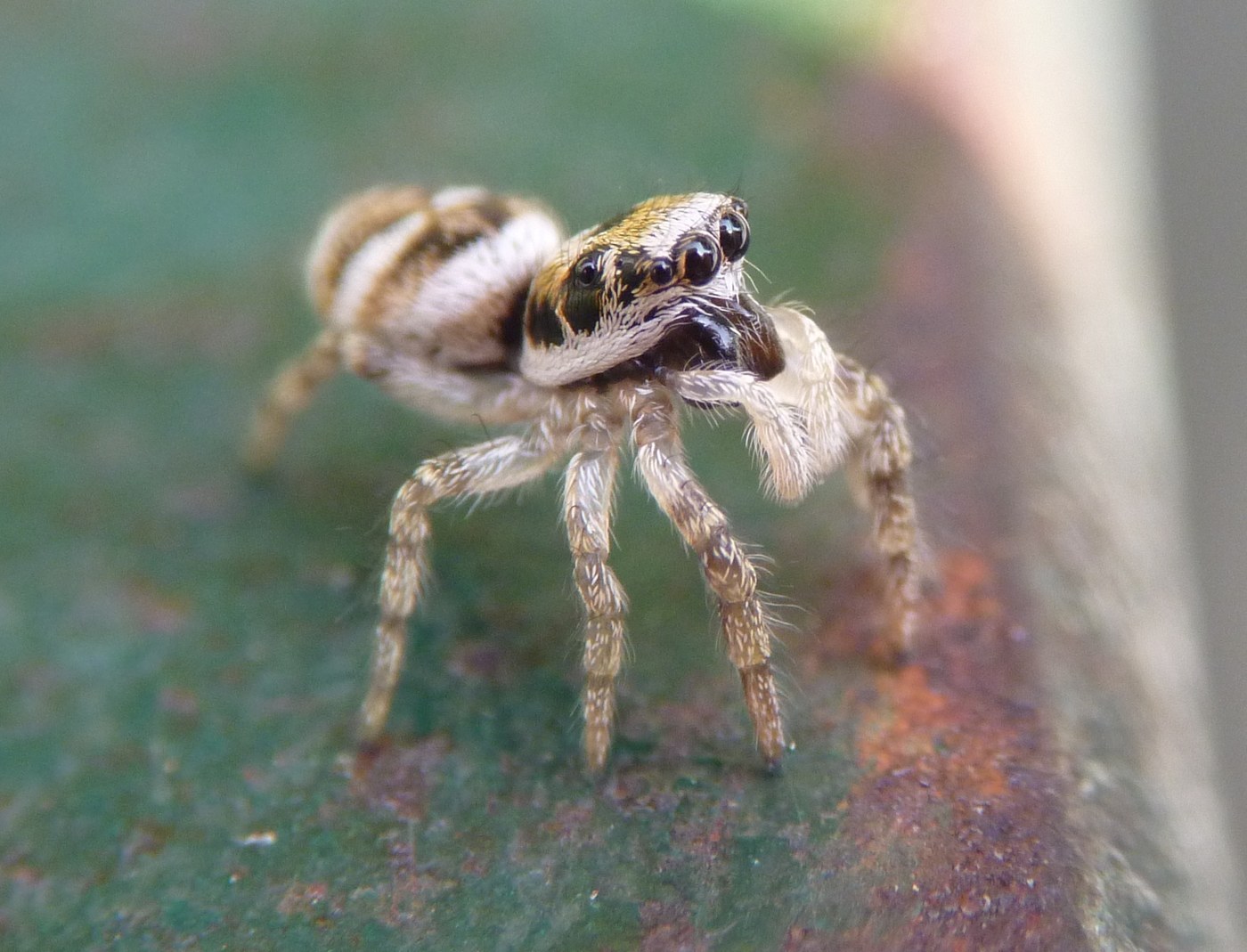
Zebra Jumping Spider
Sunny walls, fences, tree bark, and building exteriors
Wall Spider
Cracks and crevices on exterior and interior walls