
Bug Encyclopedia
Search and identify bugs & insects — beetles, butterflies, moths, ants, bees, spiders and more — with size, habitat, danger, behavior, and how to tell them apart.
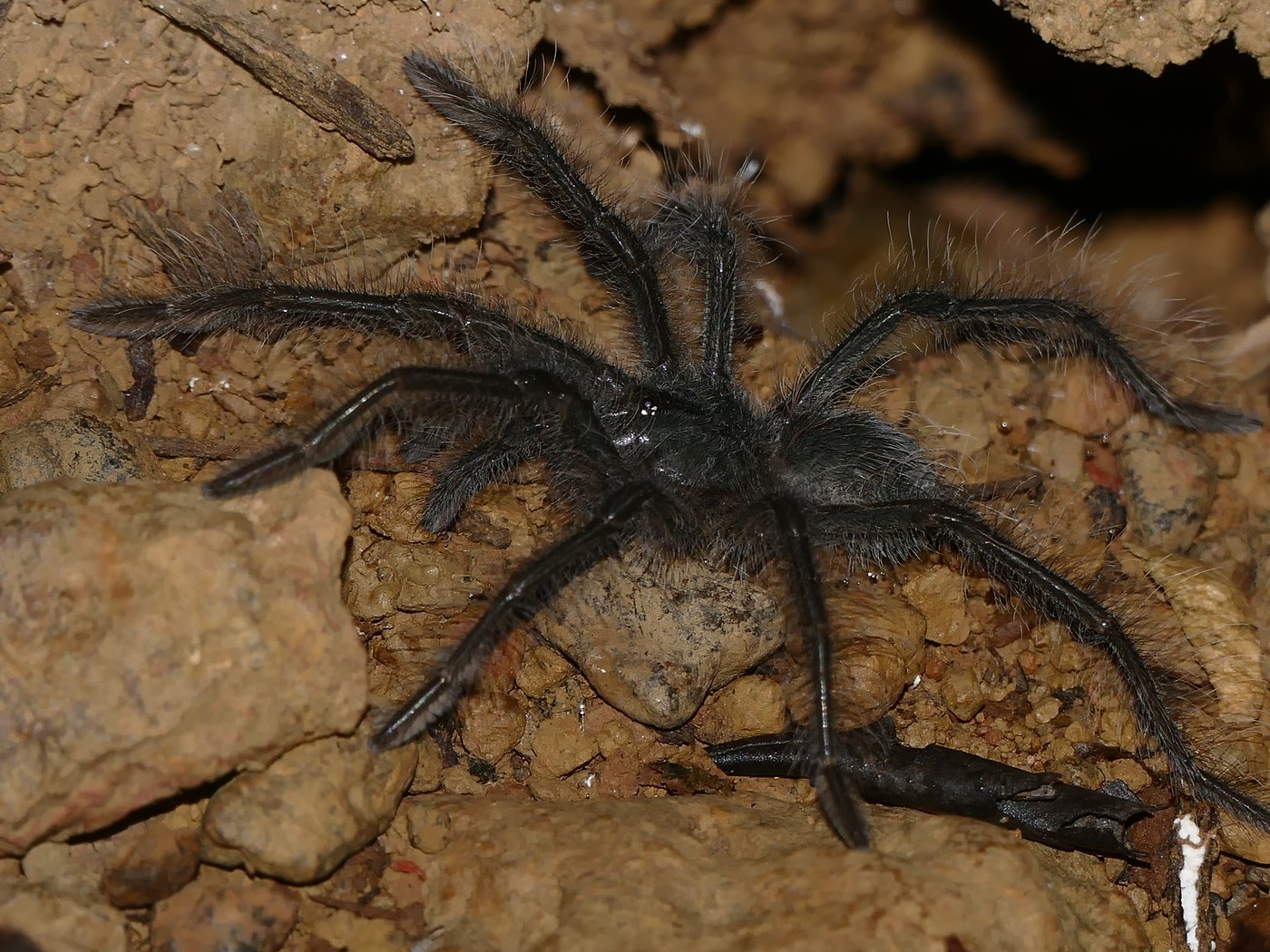
Goliath Birdeater
The heaviest spider in the world, the Goliath birdeater is a massive, hairy tarantula from the South American rainforest whose leg span can rival a dinner plate, though despite its name it primarily hunts insects and other invertebrates rather than birds.
spider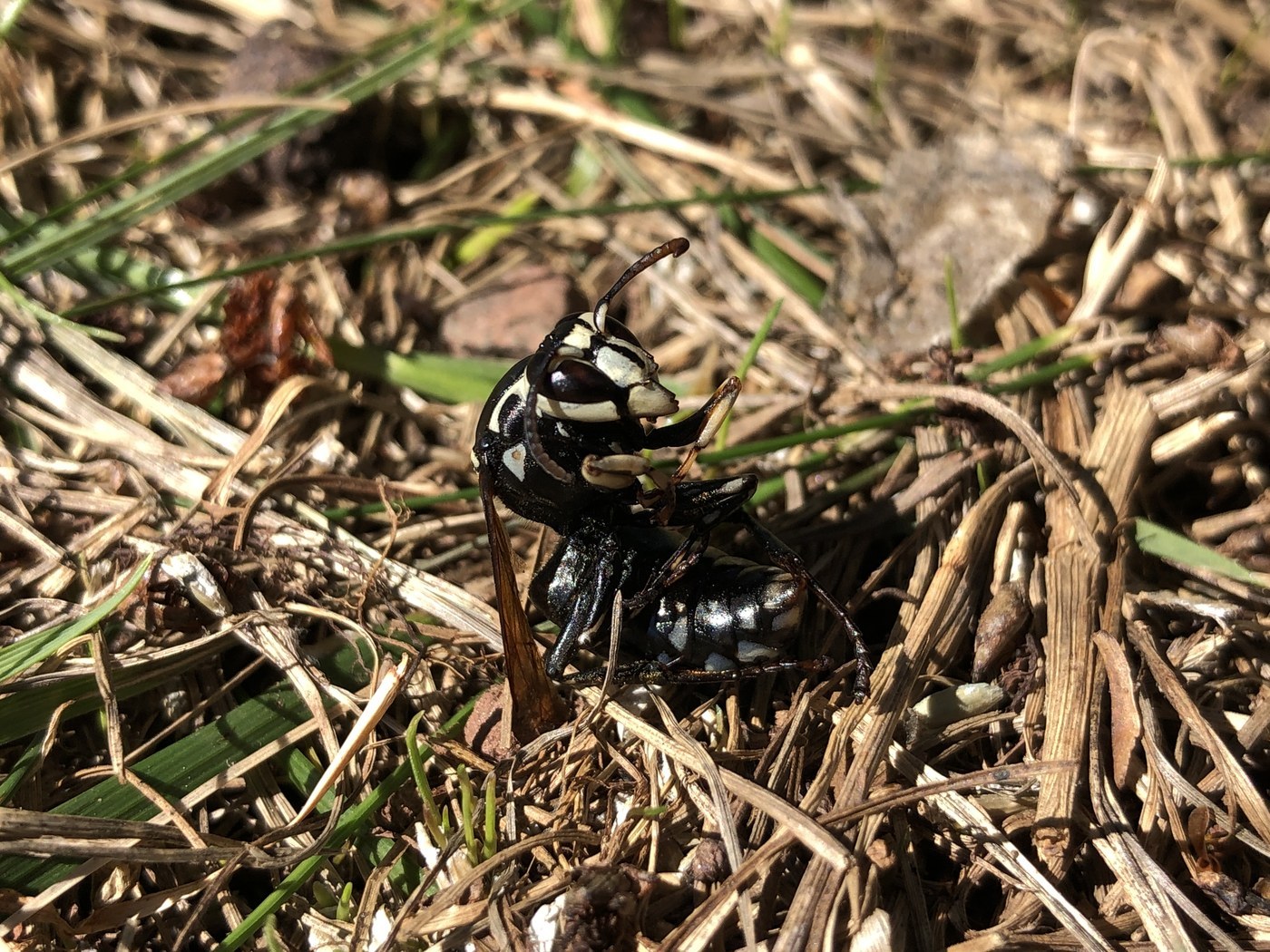
Bald-faced Hornet
A black-and-white social wasp, actually a type of yellowjacket rather than a true hornet, best known for building large, football-shaped gray paper nests suspended from tree branches or eaves.
wasp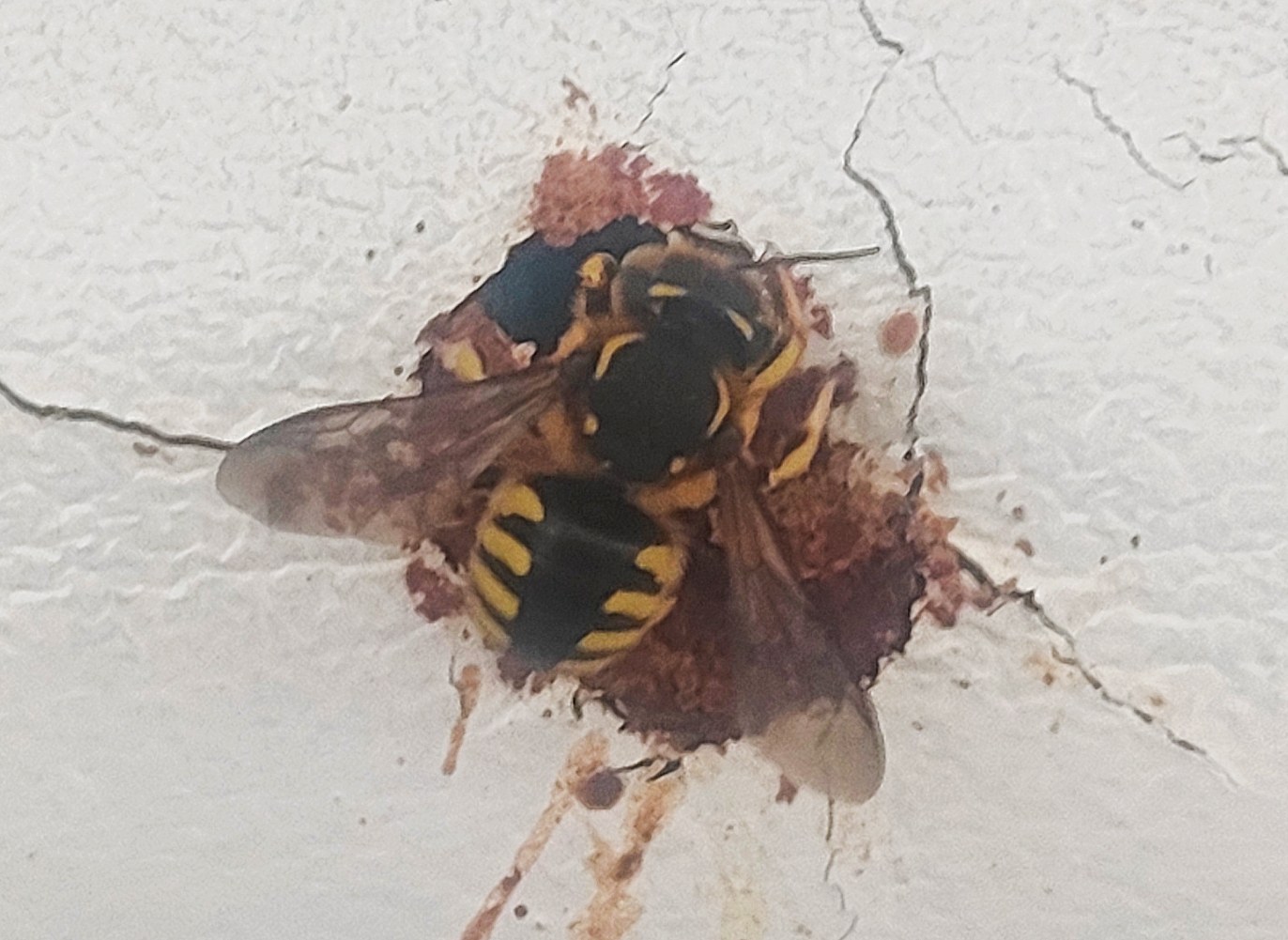
Wool Carder Bee
A stocky, yellow-and-black solitary bee named for its habit of scraping soft plant fibers from fuzzy leaves to line its nest, with territorial males that aggressively patrol and defend flower patches.
bee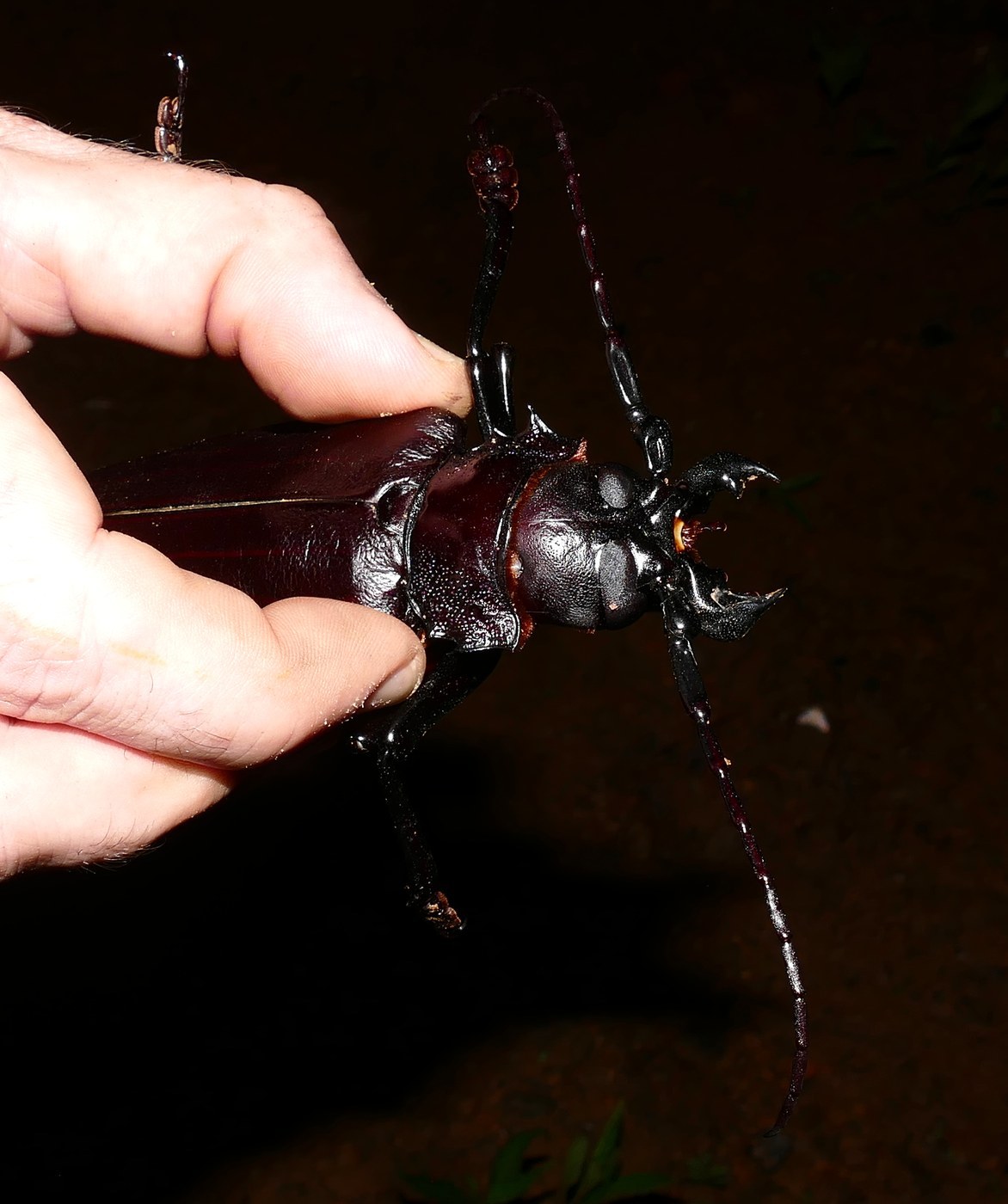
Titan Beetle
One of the largest insects on Earth, the titan beetle is a colossal longhorn from the Amazon whose body can exceed 16 cm. Its powerful jaws and loud hiss make it an imposing rainforest giant.
beetle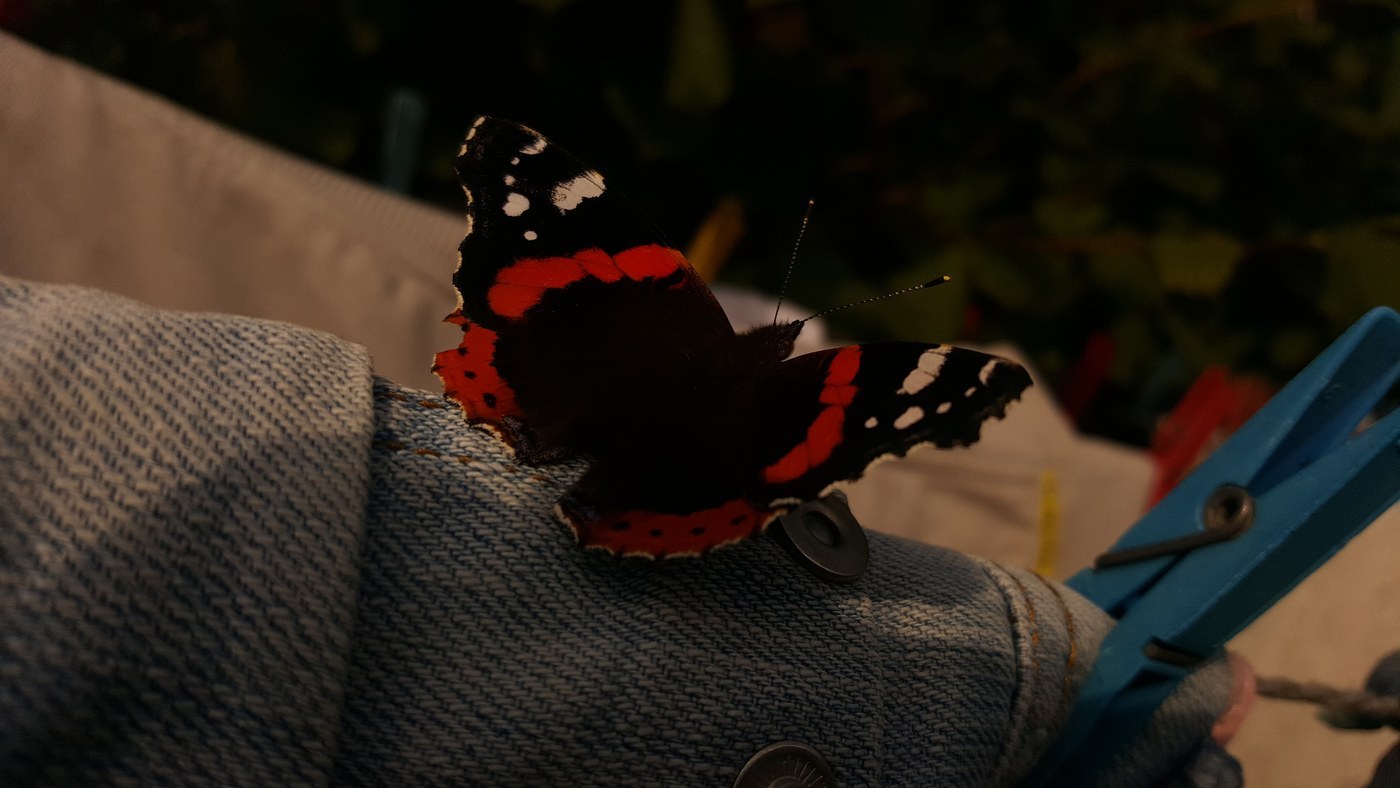
Red Admiral
A fast-flying, strikingly patterned butterfly with velvety black wings crossed by a bold orange-red band and white-spotted tips, often seen basking on tree trunks or sipping from fallen fruit.
butterfly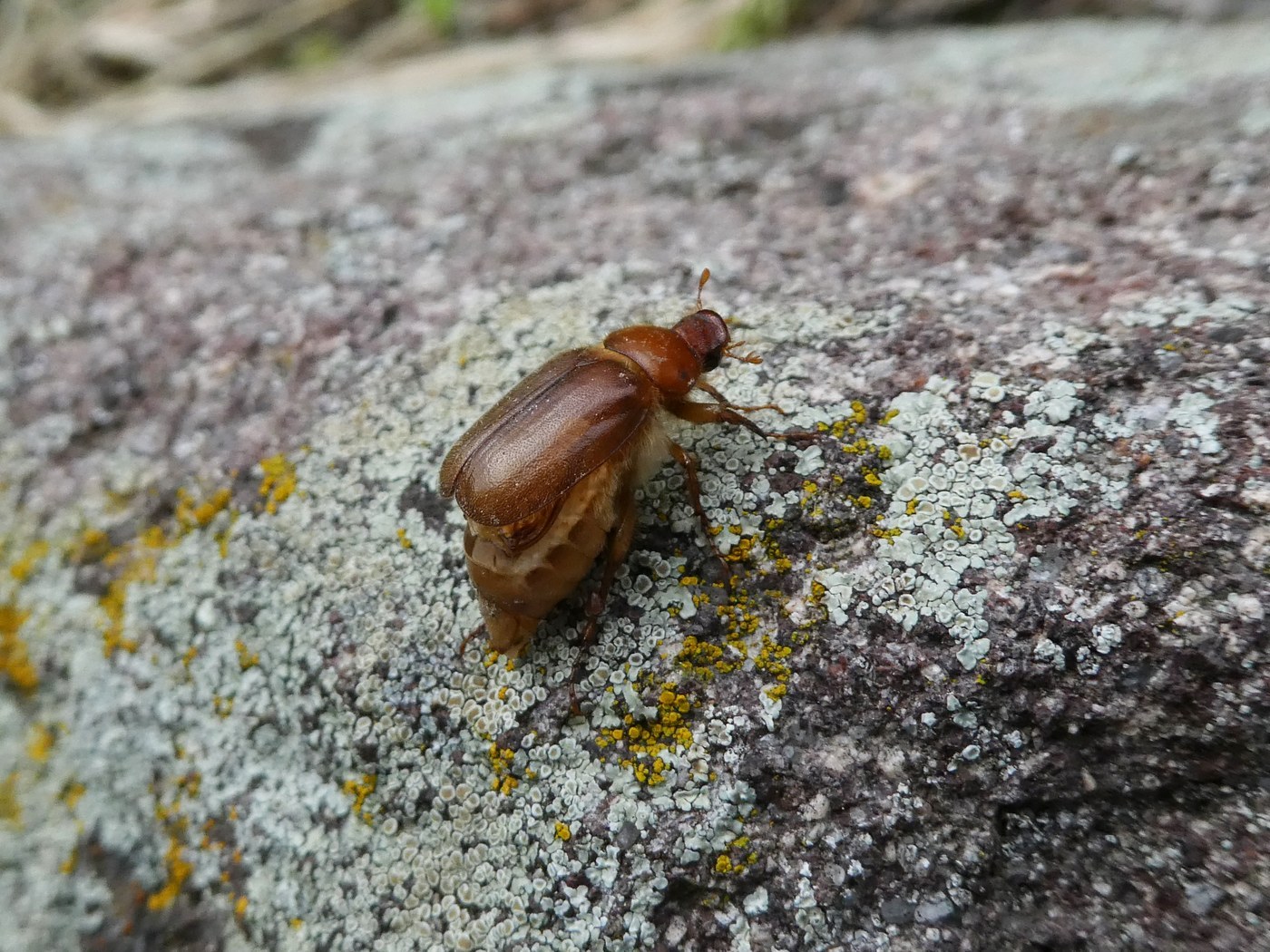
Scarab Beetle
A broad, often glossy beetle family recognized by its distinctive fan-like clubbed antennae, ranging from tiny dung-rollers to massive horned giants, found on every continent except Antarctica.
beetle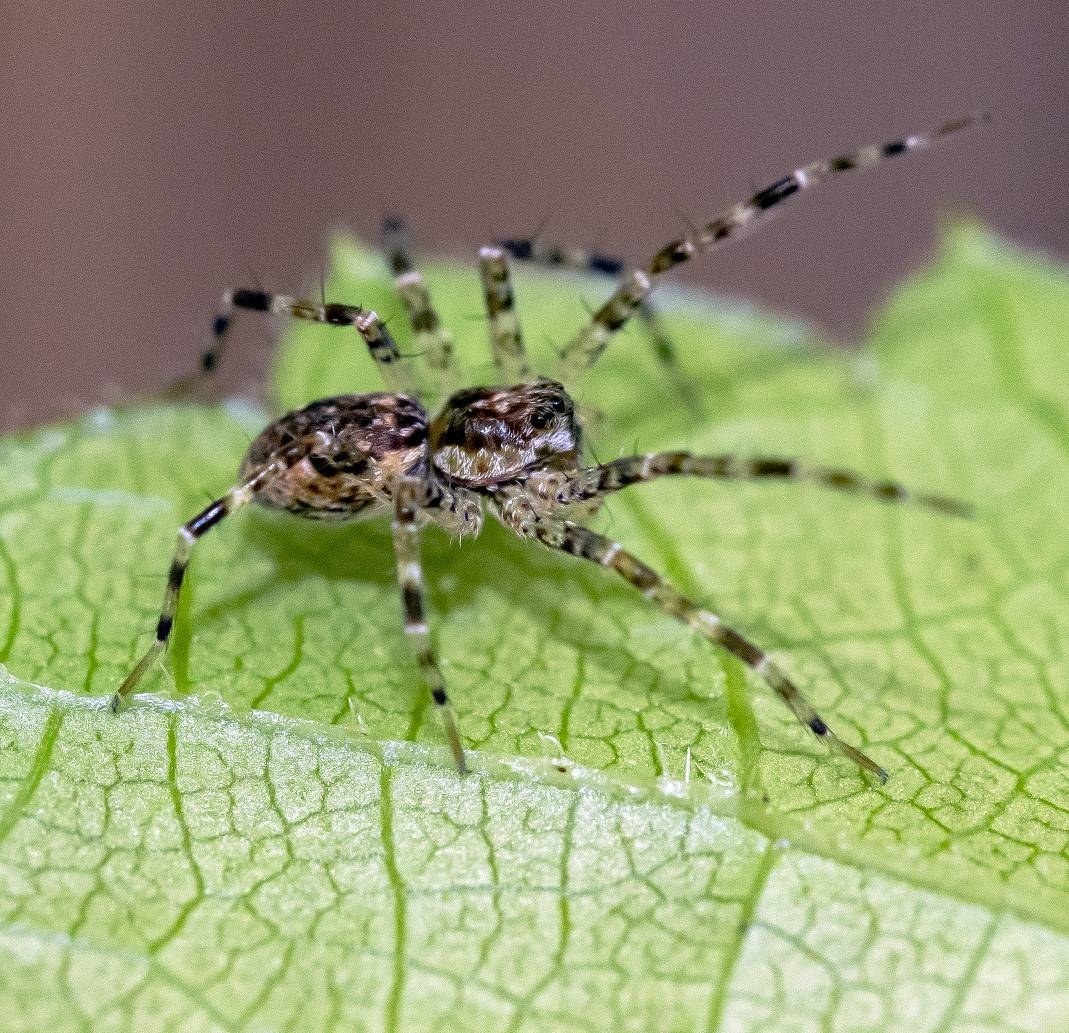
Fishing Spider
One of the largest spiders in North America, the fishing spider can walk on water, dive beneath the surface to escape danger, and ambush small fish and tadpoles with its front legs from the water's edge.
spider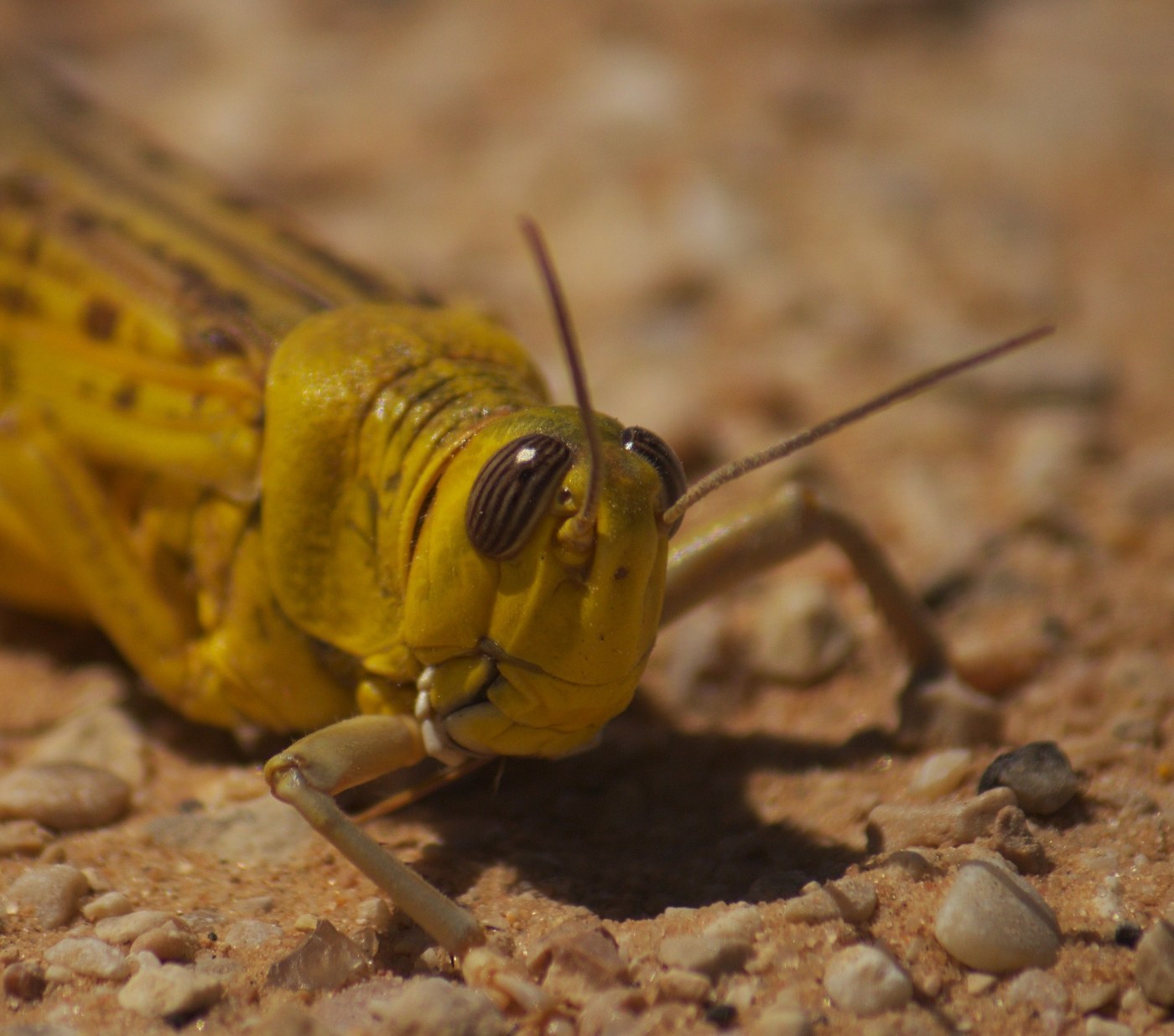
Desert Locust
A large, powerful grasshopper capable of forming some of the most extensive and historically devastating insect swarms on Earth, transforming from a solitary desert dweller into a densely packed migrating horde under the right conditions.
grasshopper-cricket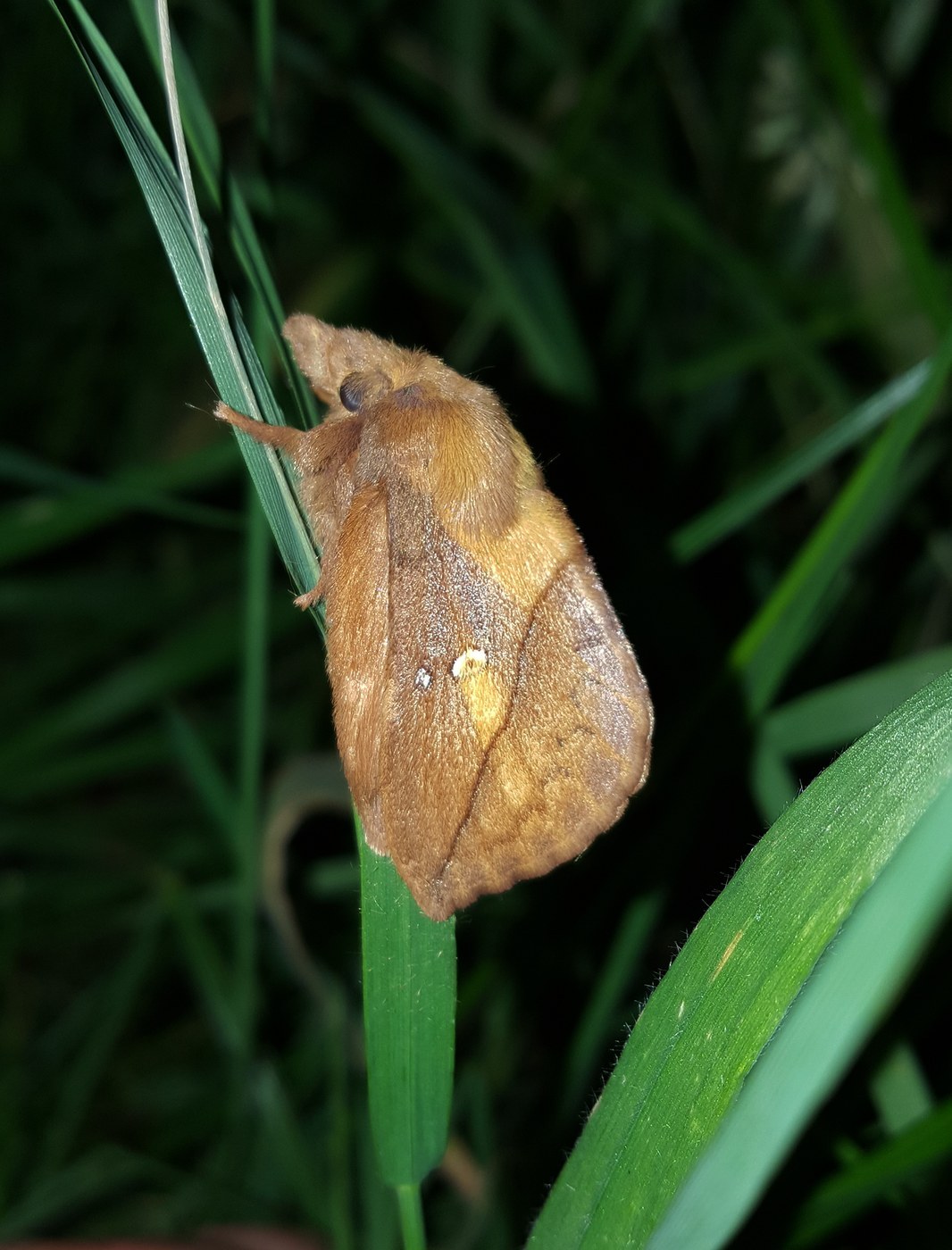
Drinker Moth
A stout, furry moth with warm tawny-orange to buff-brown wings marked by two small white spots on each forewing, named for its caterpillar's habit of drinking water droplets from grass blades.
moth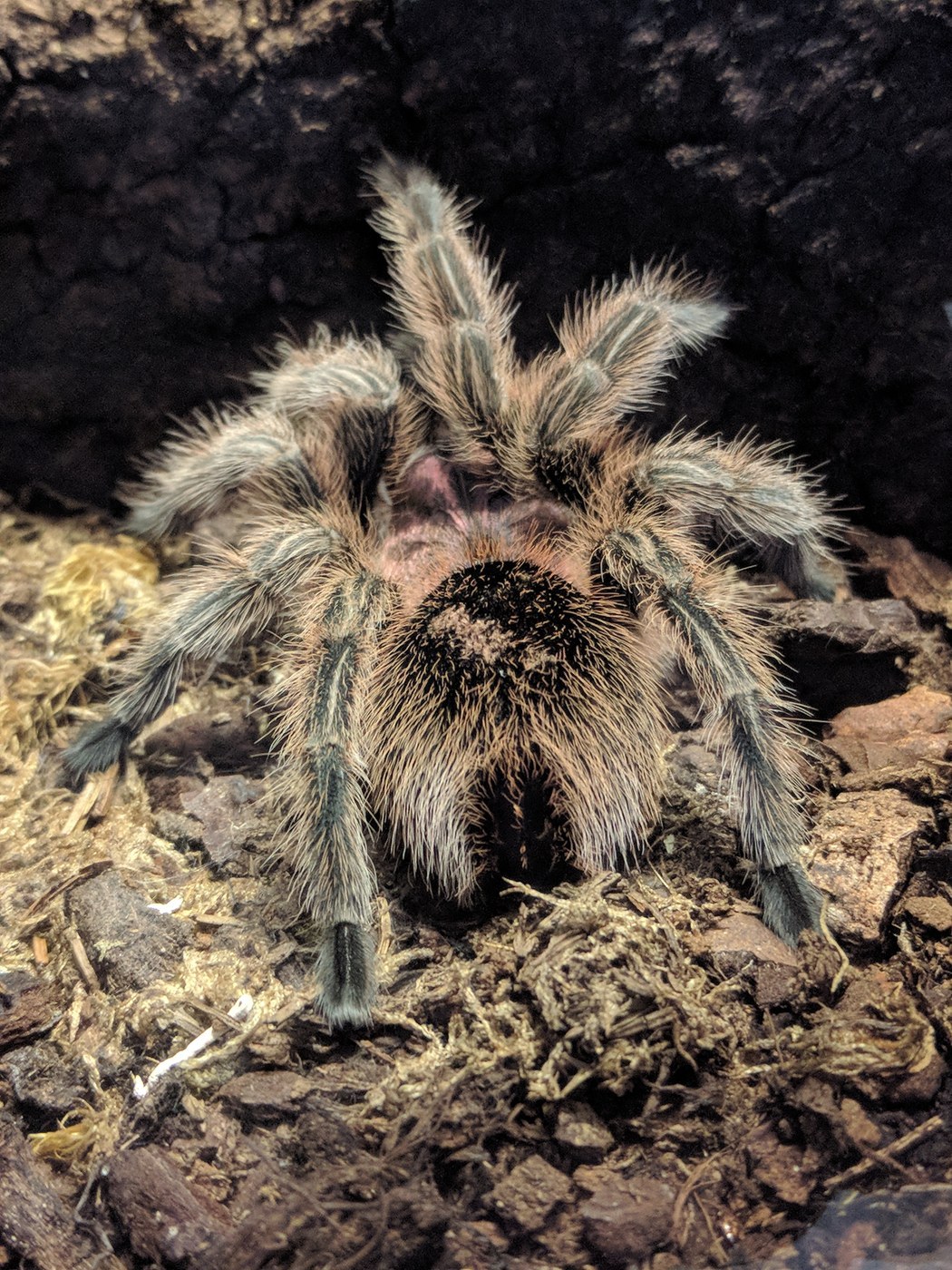
Rose Hair Tarantula
A calm, ground-dwelling tarantula from the deserts of Chile, the rose hair is named for the pinkish sheen its bristly hairs can take on in certain light, and is known for its slow, deliberate movements and generally placid temperament.
spider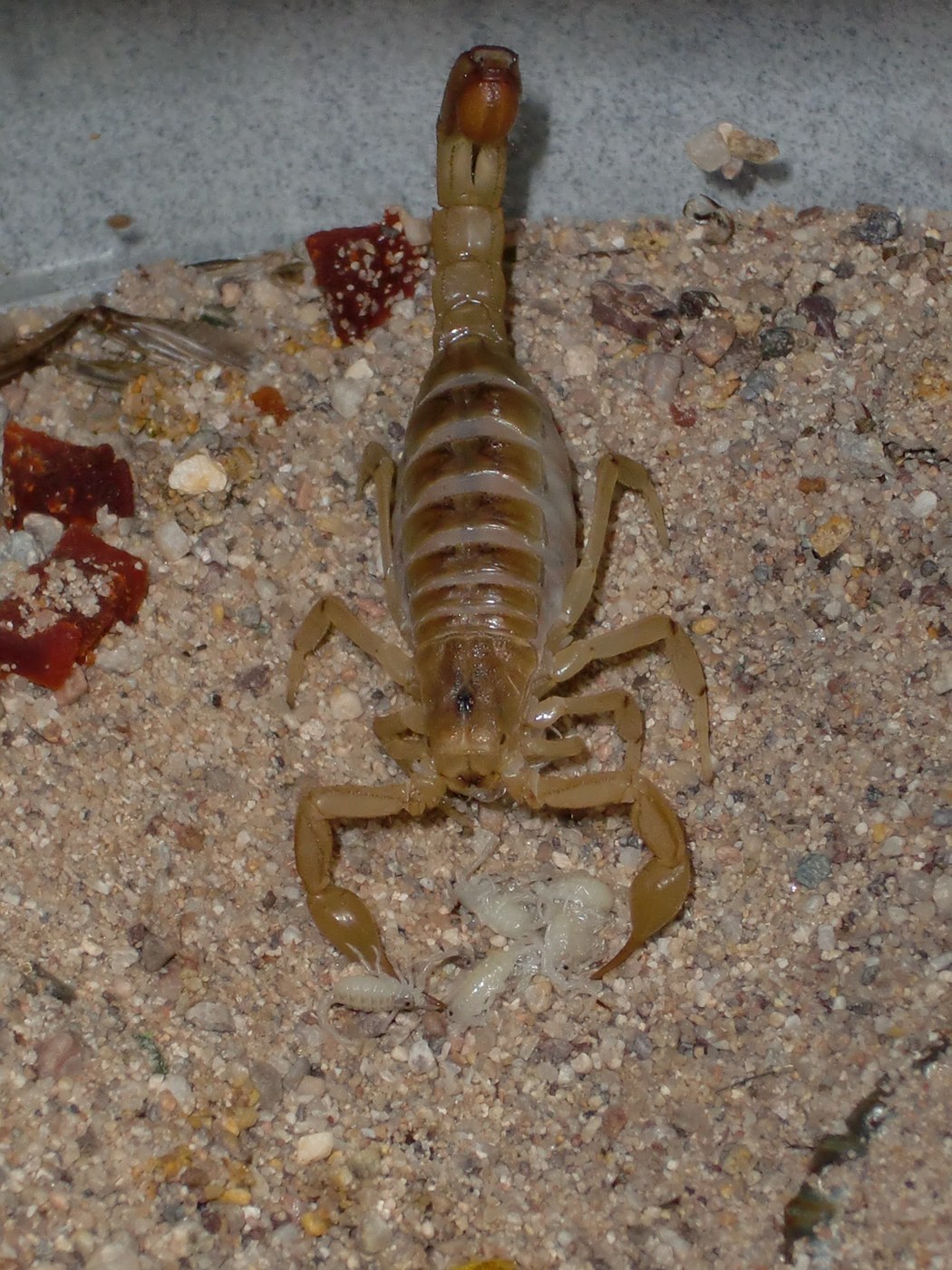
Bark Scorpion
A slender, pale tan scorpion best known for its unusual habit of climbing trees, walls, and rock faces rather than staying on the ground like most scorpions. Its thin build and long, narrow tail set it apart from the stockier, heavy-clawed scorpions found elsewhere.
arachnidBombardier Beetle
A dark, quick-moving ground beetle famous for firing a hot, audible chemical spray from its abdomen when disturbed, using two-tone coloring of a reddish head and thorax against blue-black wing covers as a warning signal.
beetle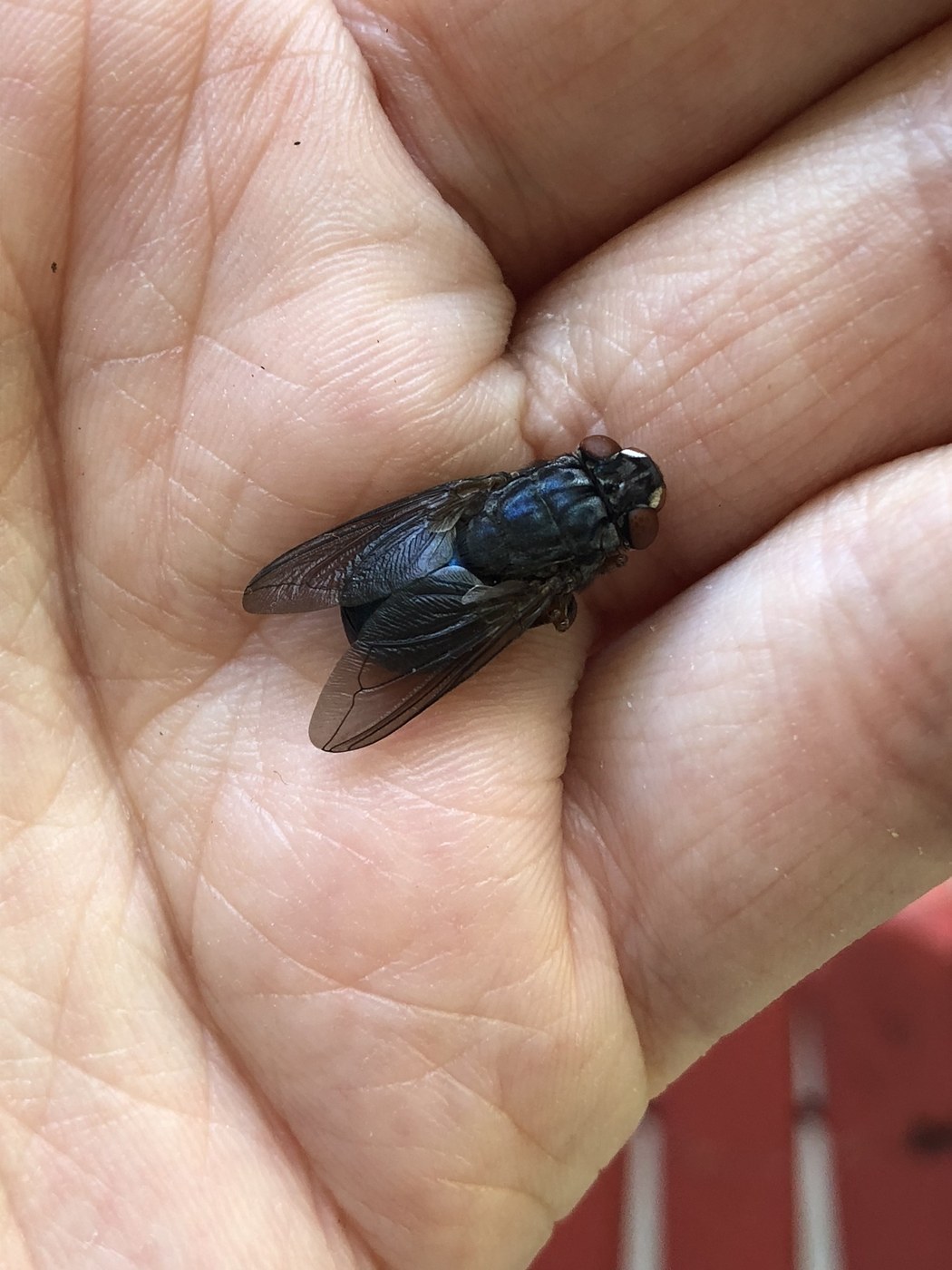
Human Bot Fly
A stout, dark-bodied fly from the American tropics famous for an unusual reproductive trick: it captures a blood-feeding mosquito mid-flight and glues its own eggs to the mosquito's body before releasing it to carry them to a future host. The adult itself is rarely seen, spending most of its short life in shaded forest understory.
flyScabies Mite
A microscopic, eyeless mite that spends its entire life cycle burrowed within the outer layer of a mammal's skin, among the smallest arachnids known to science. Unlike free-living mites, it has no independent existence away from a host and is studied primarily through microscopic examination rather than direct observation.
arachnid